The Story
Plant Bio
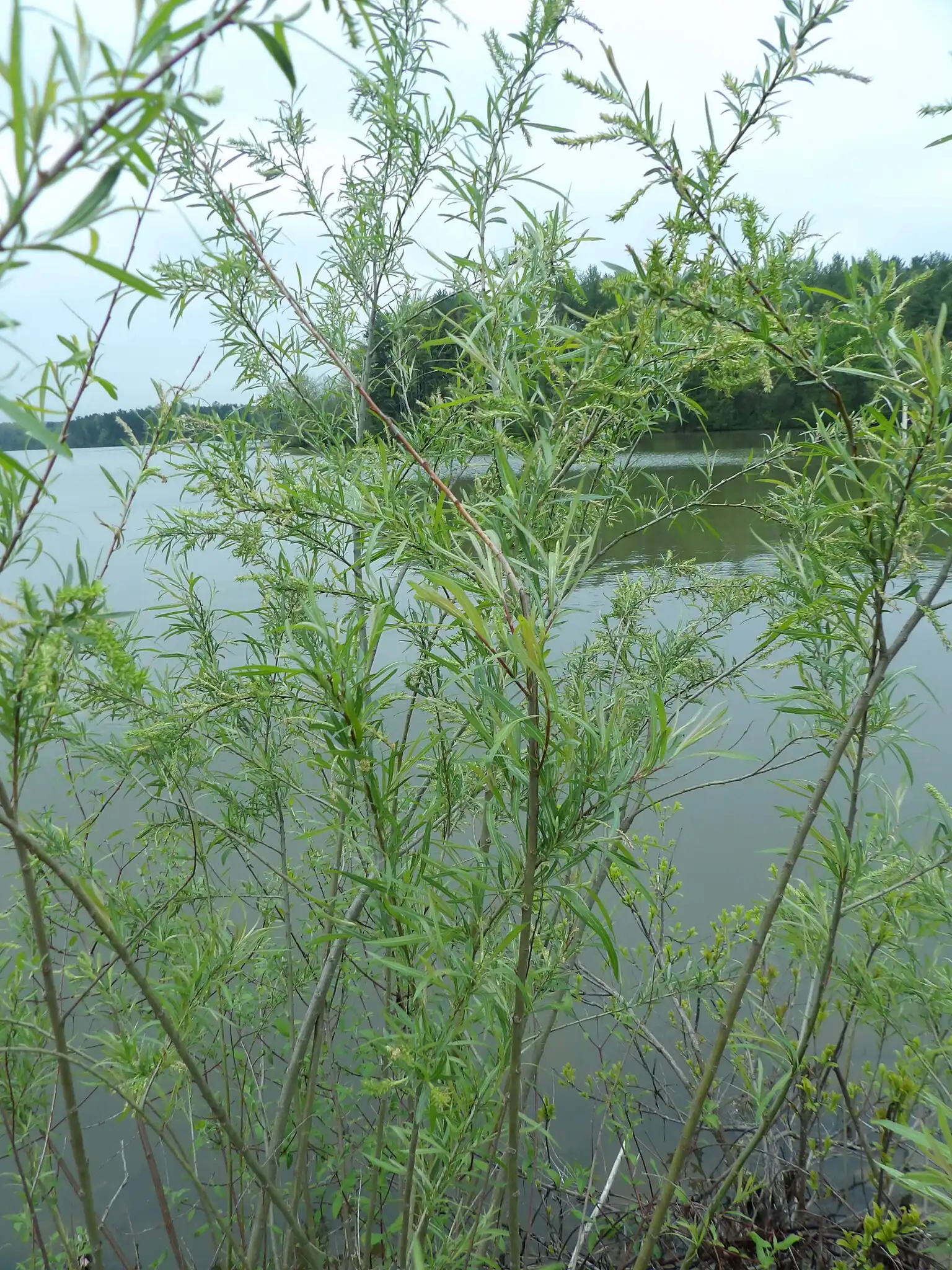
Salix interior is a multi-stemmed deciduous shrub native across North America, growing up to thirty feet tall and spreading vigorously via rhizomes. Its foliage consists of extremely narrow, light green to gray-green leaves that appear alongside slender catkins in spring.
Leaves on this species are exceptionally thin, measuring up to eighteen times longer than they are wide. The shrub spreads rapidly by underground runners, forming dense thickets ideal for soil stabilization on moist ground.
Uses & Benefits:
Essentials
At a Glance
Plant Type
Shrub
Height
354"
Width
177"
Light
Full Sun, Partial Sun
Zones
4, 5, 6, 7, 8, 9
Water
High
Humidity
High
Lifespan
Perennial
Native To
North America
Toxicity
Non-toxic
Bloom period
Spring – Early summer
In flower about 4 months of the year
Planting
How to Grow
- Select a planting site in full sun or light shade with damp, moist, or wet soil.
- Dig a hole twice as wide as the root ball or drive dormant live stakes directly into soft, wet bank soil.
- Backfill with native soil and firm down, watering deeply to settle soil around roots.
- Maintain high soil moisture during the first growing season until root suckers establish.
Pro Tip
Prune in late winter while dormant and avoid cutting back into old leafless wood without active buds, as stems fail to regenerate from dead timber.
Keep It Thriving
Care Guide
Do
- Plant in full sun to encourage dense growth and root development.
- Control underground rhizomes regularly if planting near garden borders.
- Prune during late winter dormancy to reshape or rejuvenate the thicket.
Don't
- Do not prune into old, dead wood lacking active buds.
- Do not plant in small residential beds where aggressive suckers can breach boundaries.
Seasonal Care Calendar
| Task | Jan | Feb | Mar | Apr | May | Jun | Jul | Aug | Sep | Oct | Nov | Dec |
|---|---|---|---|---|---|---|---|---|---|---|---|---|
| Pest Check | ||||||||||||
| Propagate | ||||||||||||
| Prune | ||||||||||||
| Spring Cleanup |
Watch Out For
Pests & Diseases
Common Pests
Common Diseases
In the Garden
Landscape Uses & Companions
Landscape Uses
Companion Plants
Multiply
Propagation Methods
Good to Know
Common Questions
Sandbar Willow questions
What zones can Sandbar Willow grow in?
Sandbar Willow is hardy in USDA Zones 4–9: in that range it survives winter in the ground. Warmer than Zone 9, winter isn't the problem: it prefers colder winters, and summer heat can shorten its life.
Is Sandbar Willow deer resistant?
Not reliably. Deer may browse Sandbar Willow, especially tender spring growth — plan on repellents or fencing where pressure is high.
When does Sandbar Willow bloom?
Sandbar Willow typically blooms from early spring to early summer. Exact timing shifts a week or two with your zone — Sow's bloom calendar maps it to your garden.
Does Sandbar Willow need full sun?
Sandbar Willow does best in full sun to part shade. In hot climates, afternoon shade keeps blooms fresher longer.
Is Sandbar Willow drought tolerant?
Yes — once established (usually after the first full season), Sandbar Willow handles dry spells with minimal watering. Water deeply its first year to build the root system that makes that possible.
More Salix to compare
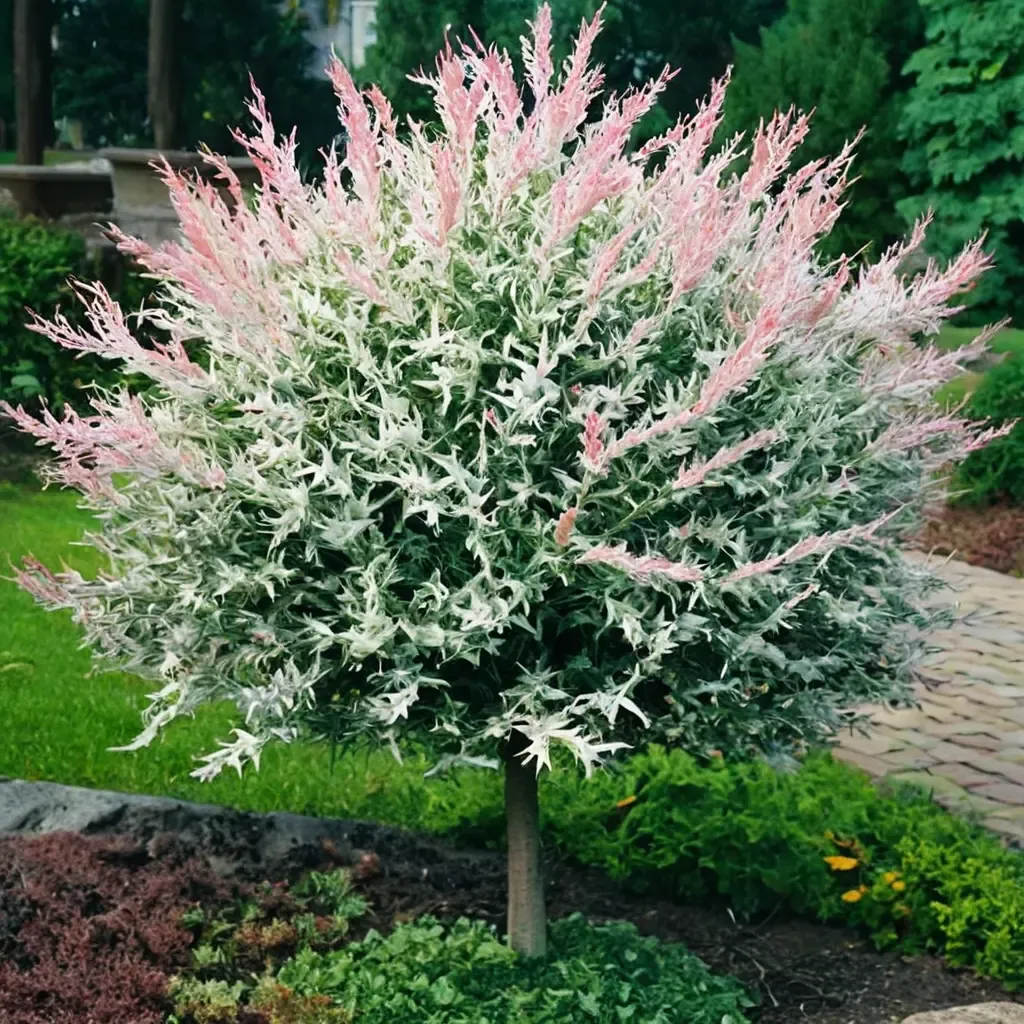
Hakuro-nishiki Dappled Willow
Salix integra 'Hakuro-nishiki'
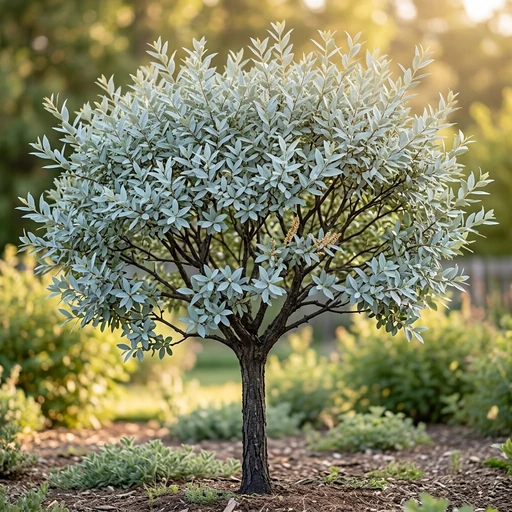
Black Willow
Salix nigra
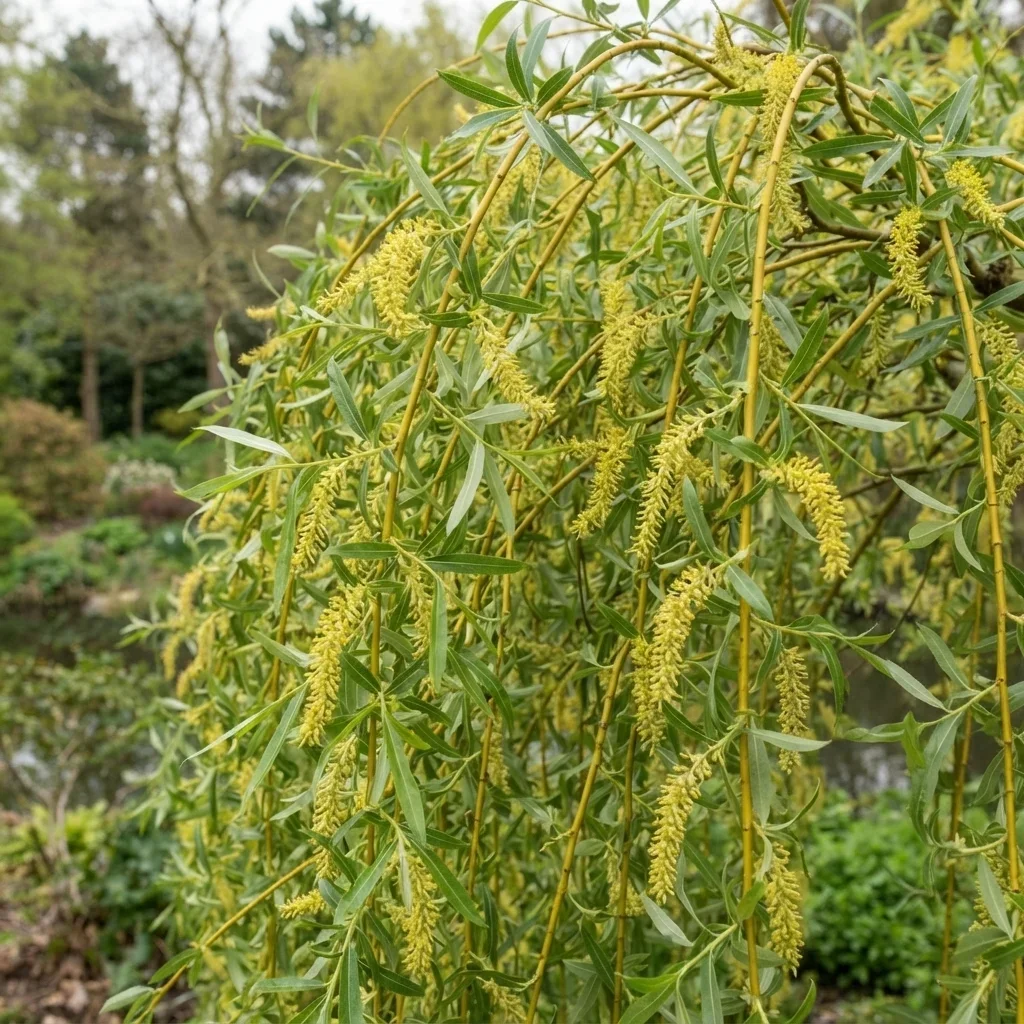
Weeping Willow
Salix x sepulcralis 'Mix'
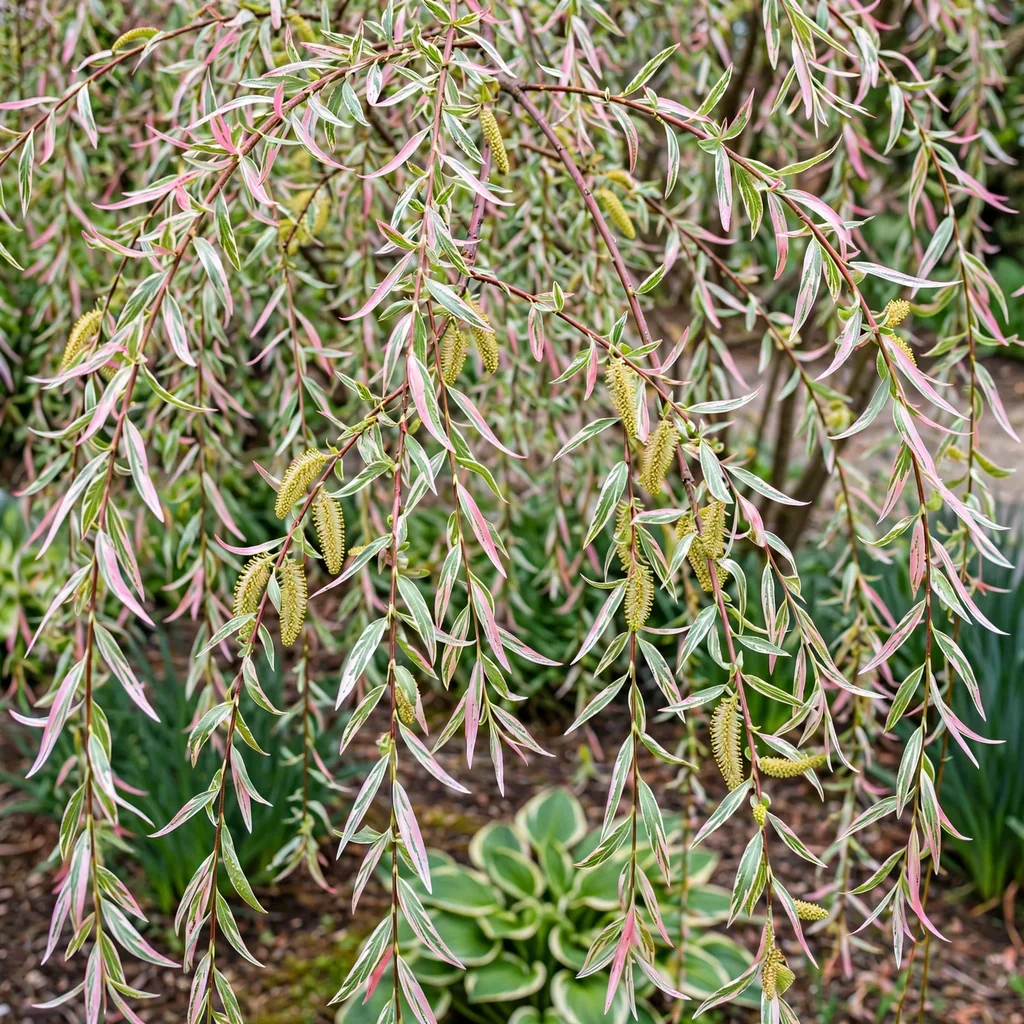
Flamingo Dappled Willow
Salix integra 'Flamingo'
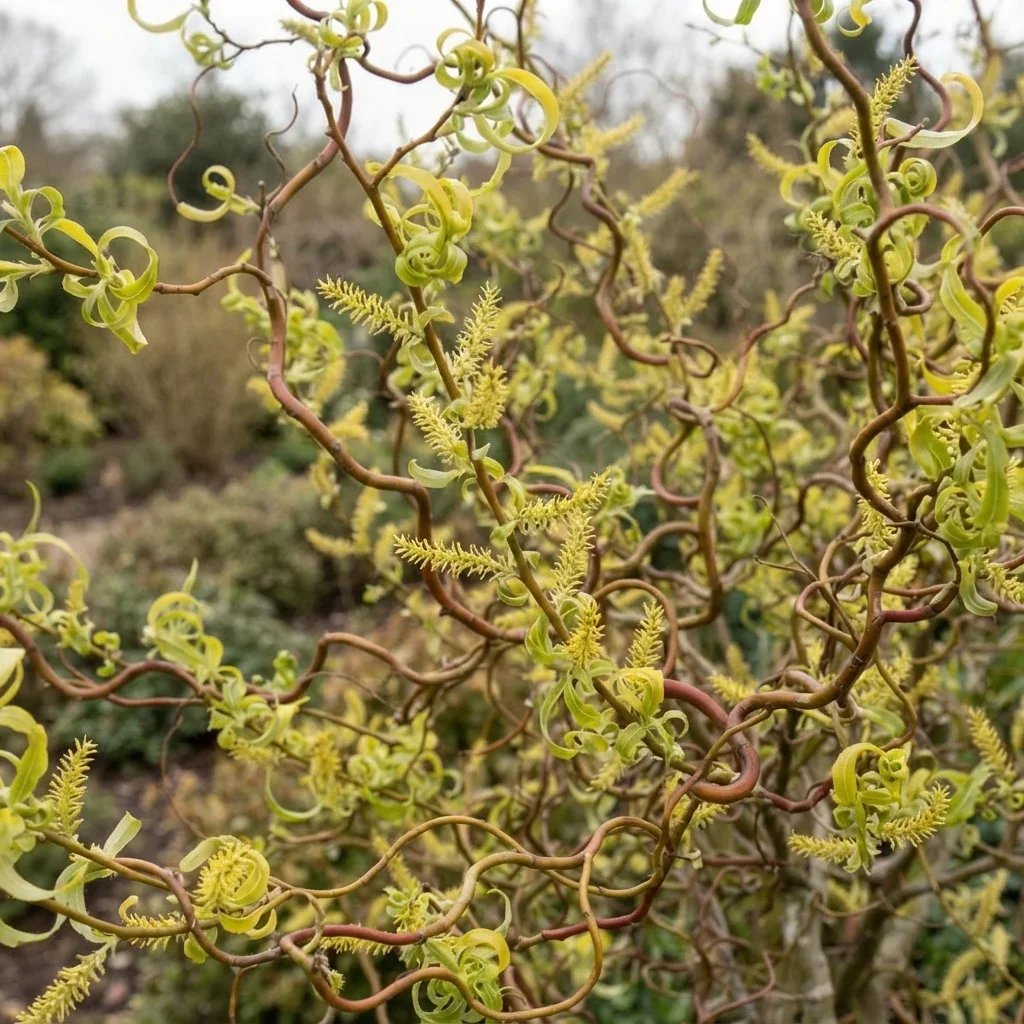
Corkscrew Willow 'Tortuosa'
Salix babylonica 'Tortuosa'
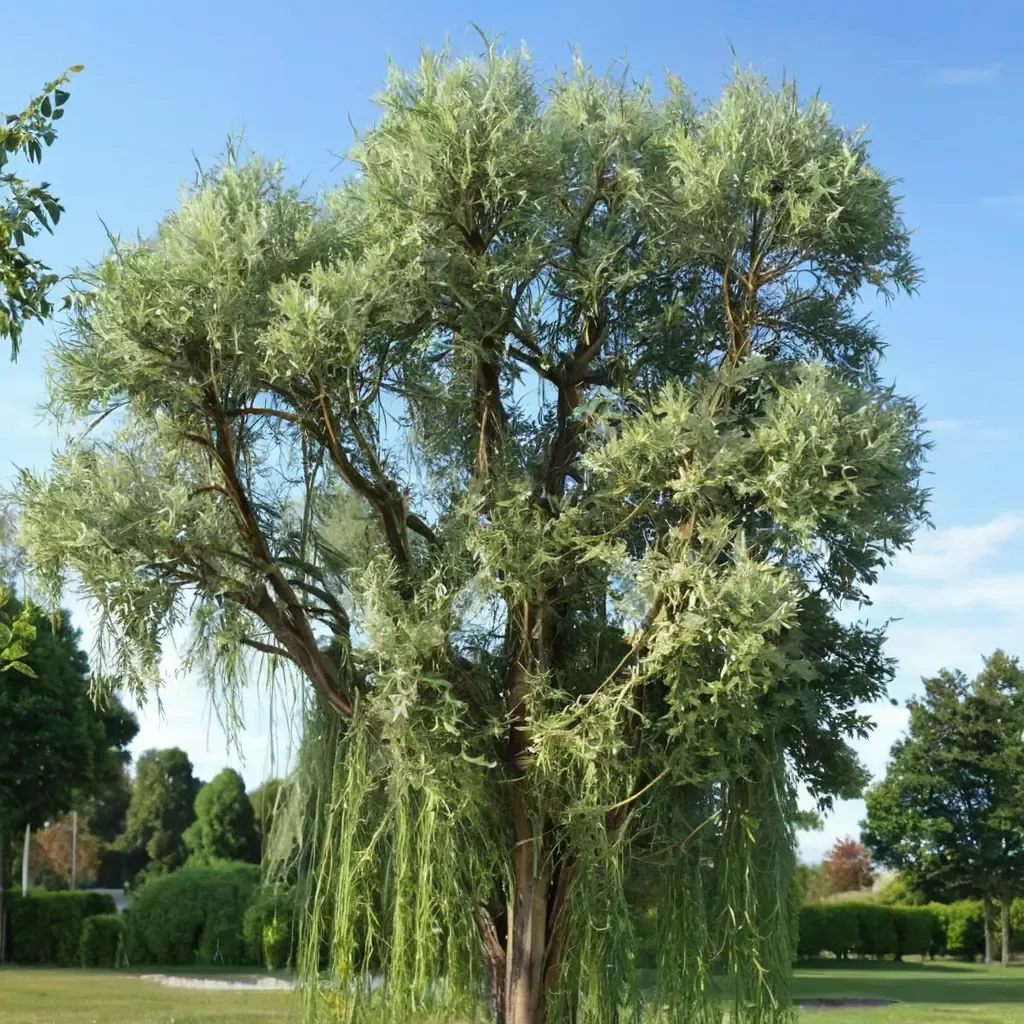
White Willow
Salix alba
Keep exploring
Explore the genus
Grow Sandbar Willow with confidence
See it in a design of your actual yard, get zone-matched care reminders, and track it season by season in your garden journal.