The Story
Plant Bio
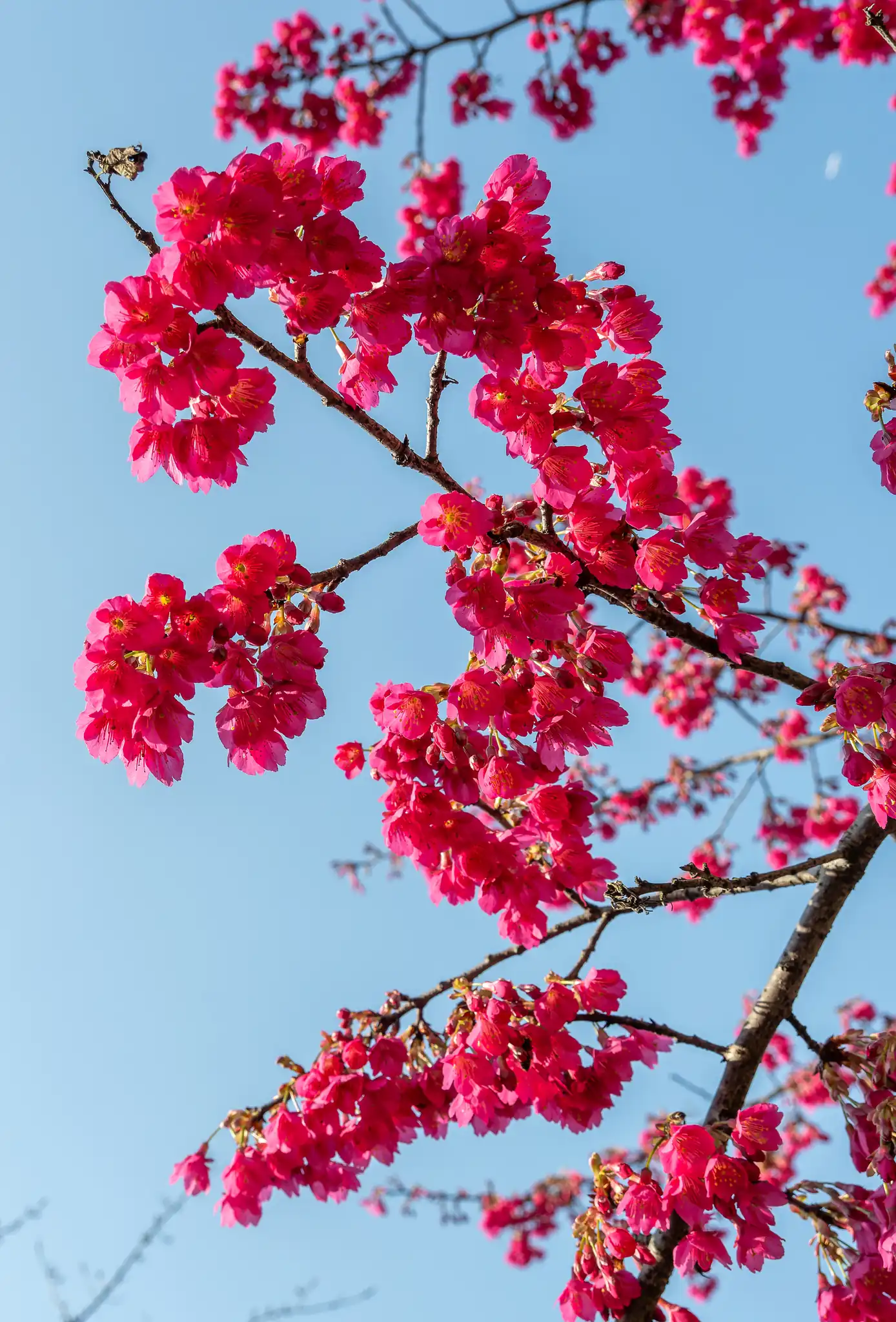
Prunus campanulata is a deciduous large shrub to small spreading tree reaching 18 to 25 feet in cultivation, with a short trunk and a vase-shaped crown erect when young. Young branchlets are green and hairless and bear deciduous leaves that drop in fall, leaving bare wood to flower before leaf-out.
It is distinguished by narrowly bell-shaped flowers in clusters of two to four, deep pink to rose-magenta with a tube-like lower corolla that opens before the leaves. It blooms in late winter on low winter chill and holds flower in heat where most flowering cherries fail to set buds.
Uses & Benefits:
Essentials
At a Glance
Plant Type
Tree
Height
252"
Width
240"
Light
Full Sun, Partial Sun
Zones
7, 8, 9
Water
Moderate
Humidity
Tolerates heat and coastal exposure
Lifespan
Long-lived deciduous tree
Native To
Taiwan, southeastern China, Vietnam
Toxicity
Toxic if ingested - seeds and leaves
Bloom period
Late winter – Early spring
In flower about 2 months of the year
Planting
How to Grow
- Plant in fall or late winter in full sun, with afternoon shade in hot areas, in well-drained soil.
- Dig a hole twice the width of the root ball, set the crown level with the soil, backfill and water deeply.
- Spread 2 to 3 inches of mulch under the canopy and keep it off the trunk.
- Water regularly through the first year and keep the root zone from staying saturated.
- Prune after flowering to shape and remove crossing wood; avoid heavy winter pruning.
Pro Tip
Prune right after flowering to shape the crown; cutting hard into old wood removes the wood that carries next winter buds.
Keep It Thriving
Care Guide
Do
- Plant in full sun in well-drained soil
- Water deeply during establishment and dry spells
- Prune after flowering to shape the crown
Don't
- Do not plant where soil stays wet
- Do not cut hard into old bare wood
- Do not eat seeds or leaves
Seasonal Care Calendar
| Task | Jan | Feb | Mar | Apr | May | Jun | Jul | Aug | Sep | Oct | Nov | Dec |
|---|---|---|---|---|---|---|---|---|---|---|---|---|
| Mulch | ||||||||||||
| Pest Check | ||||||||||||
| Plant | ||||||||||||
| Prune |
Watch Out For
Pests & Diseases
Common Pests
Common Diseases
In the Garden
Landscape Uses & Companions
Landscape Uses
Companion Plants
Multiply
Propagation Methods
Good to Know
Common Questions
Taiwan Cherry questions
What zones can Taiwan Cherry grow in?
Taiwan Cherry is hardy in USDA Zones 7–9: in that range it survives winter in the ground. Colder than Zone 7, winters are too cold for it to survive outdoors. Warmer than Zone 9, winter isn't the problem: it prefers colder winters, and summer heat can shorten its life.
When does Taiwan Cherry bloom?
Taiwan Cherry typically blooms from late winter to early spring. Exact timing shifts a week or two with your zone — Sow's bloom calendar maps it to your garden.
Does Taiwan Cherry need full sun?
Taiwan Cherry does best in full sun to part shade. In hot climates, afternoon shade keeps blooms fresher longer.
More Prunus to compare
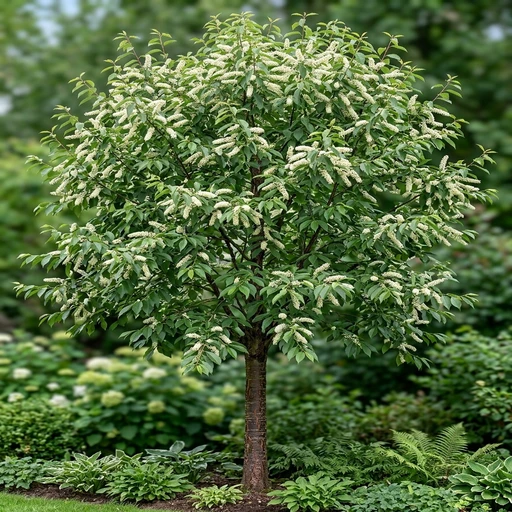
Black Cherry
Prunus serotina
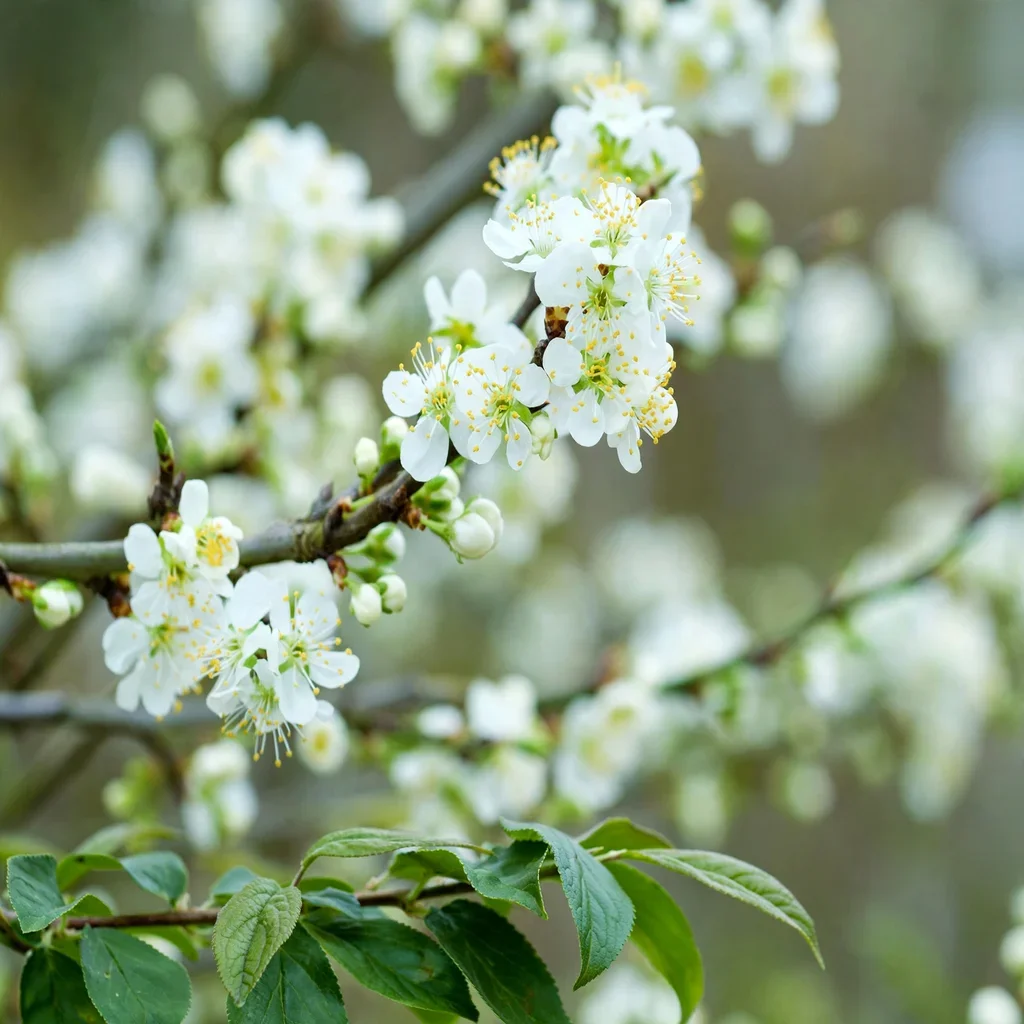
Sugar Plum
Prunus domestica 'Sugar Plum'
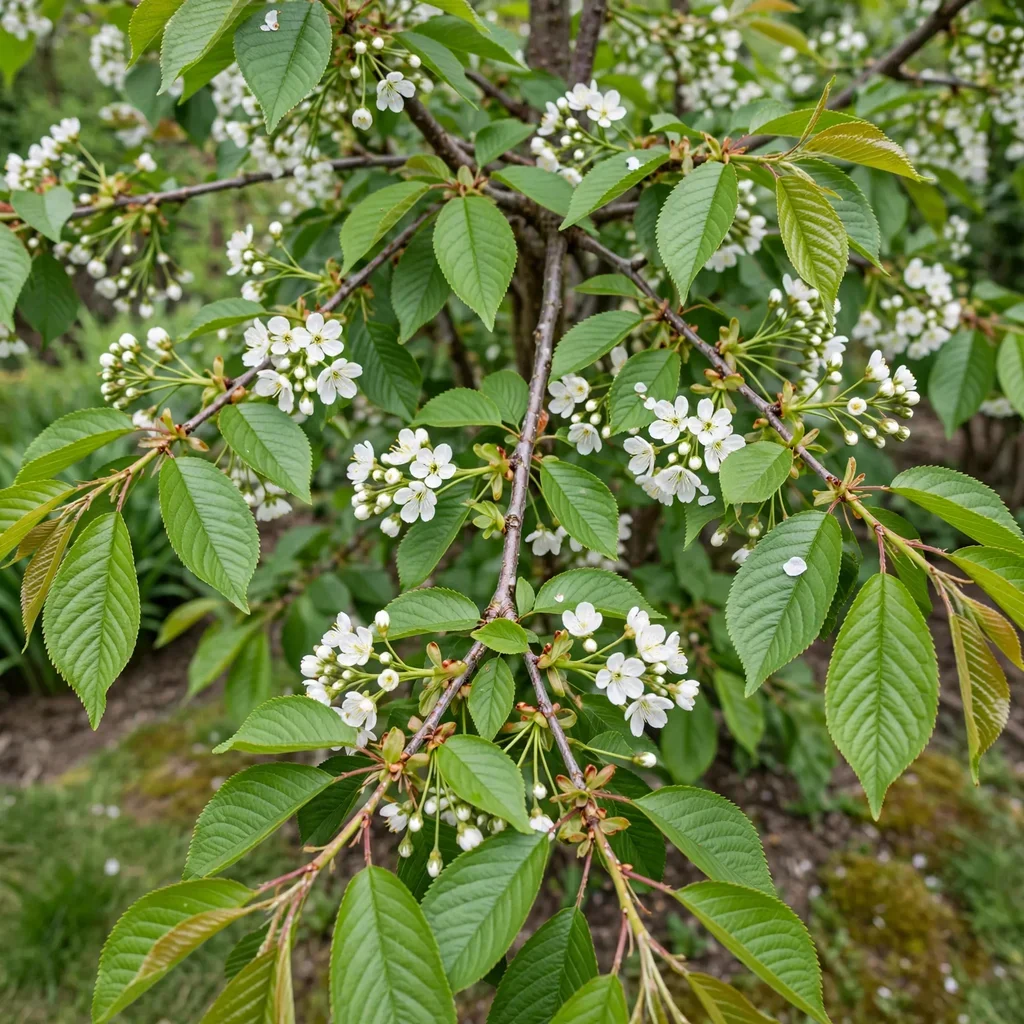
Sweet Cherry Mix
Prunus avium 'Mix'
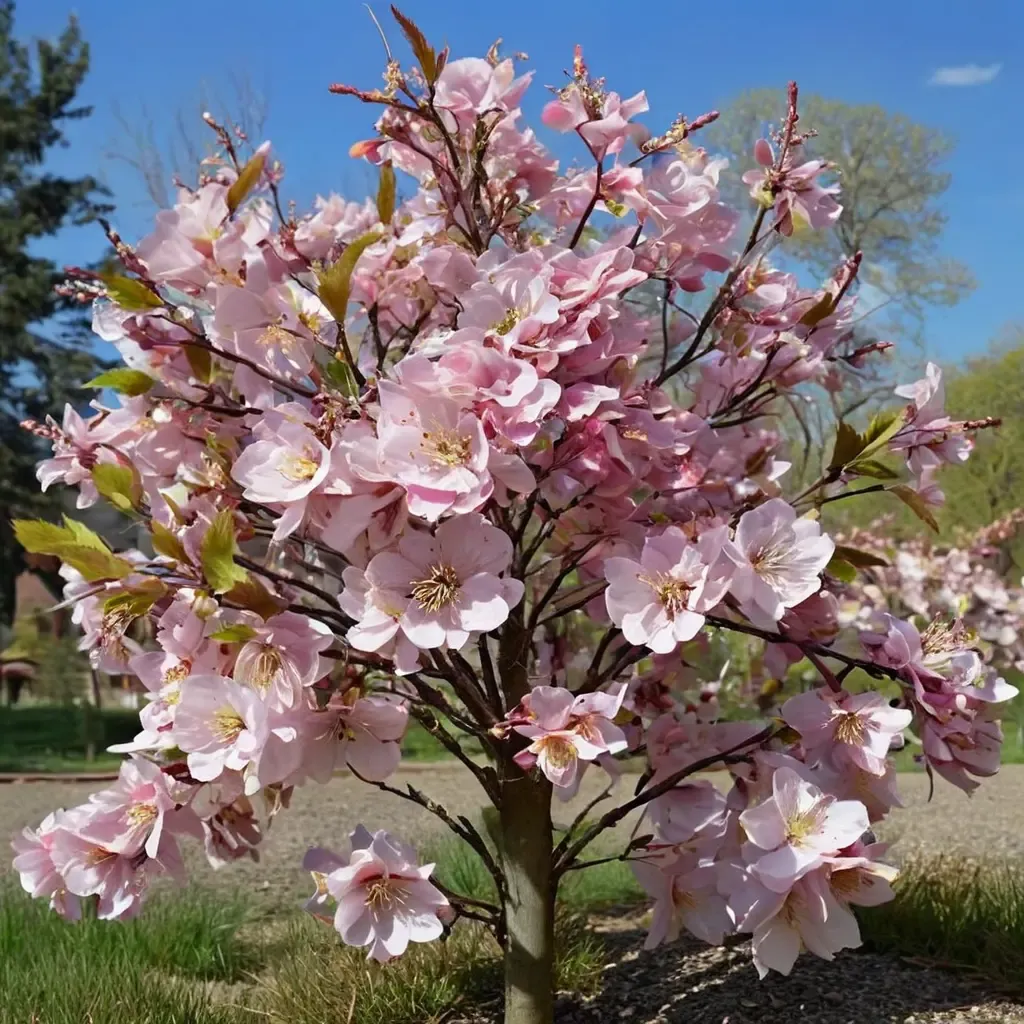
Japanese Flowering Cherry
Prunus serrulata
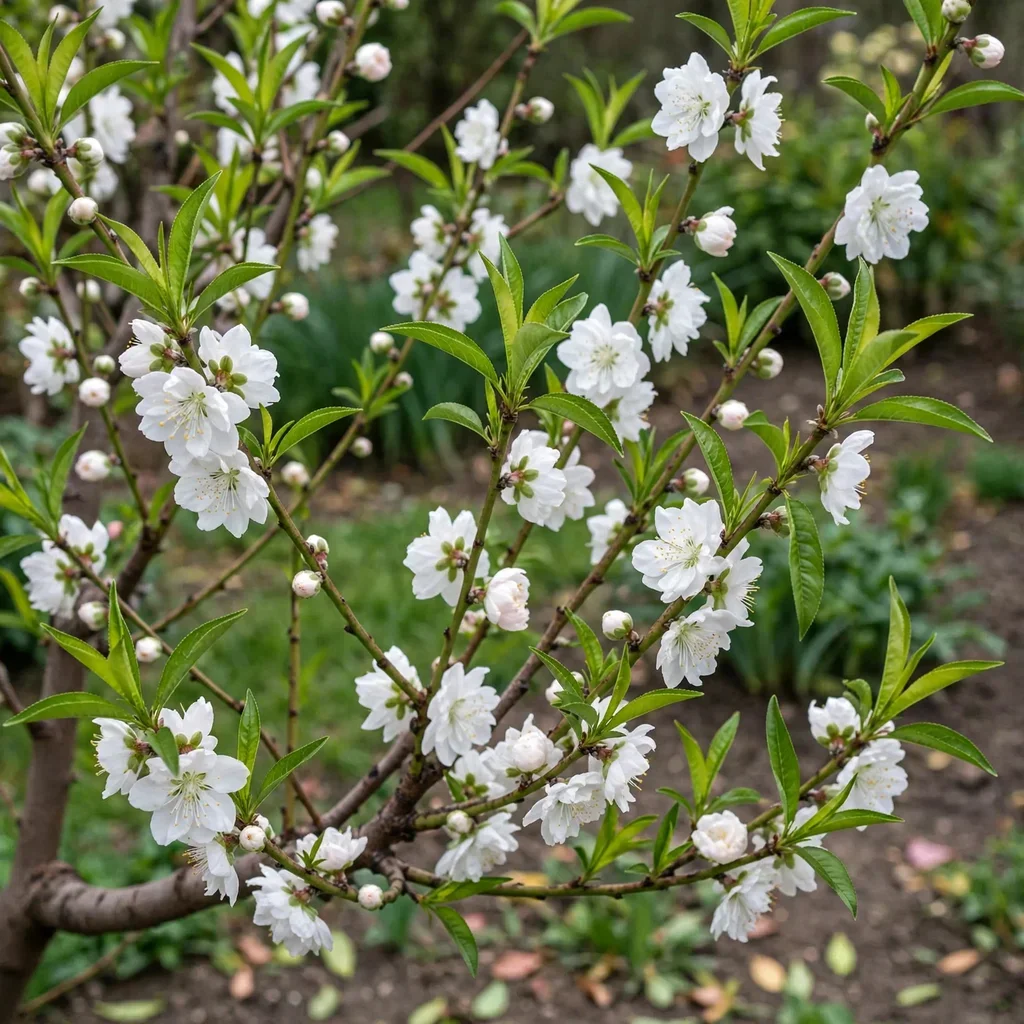
Feiching Tao White Peach
Prunus persica 'Feiching Tao White'
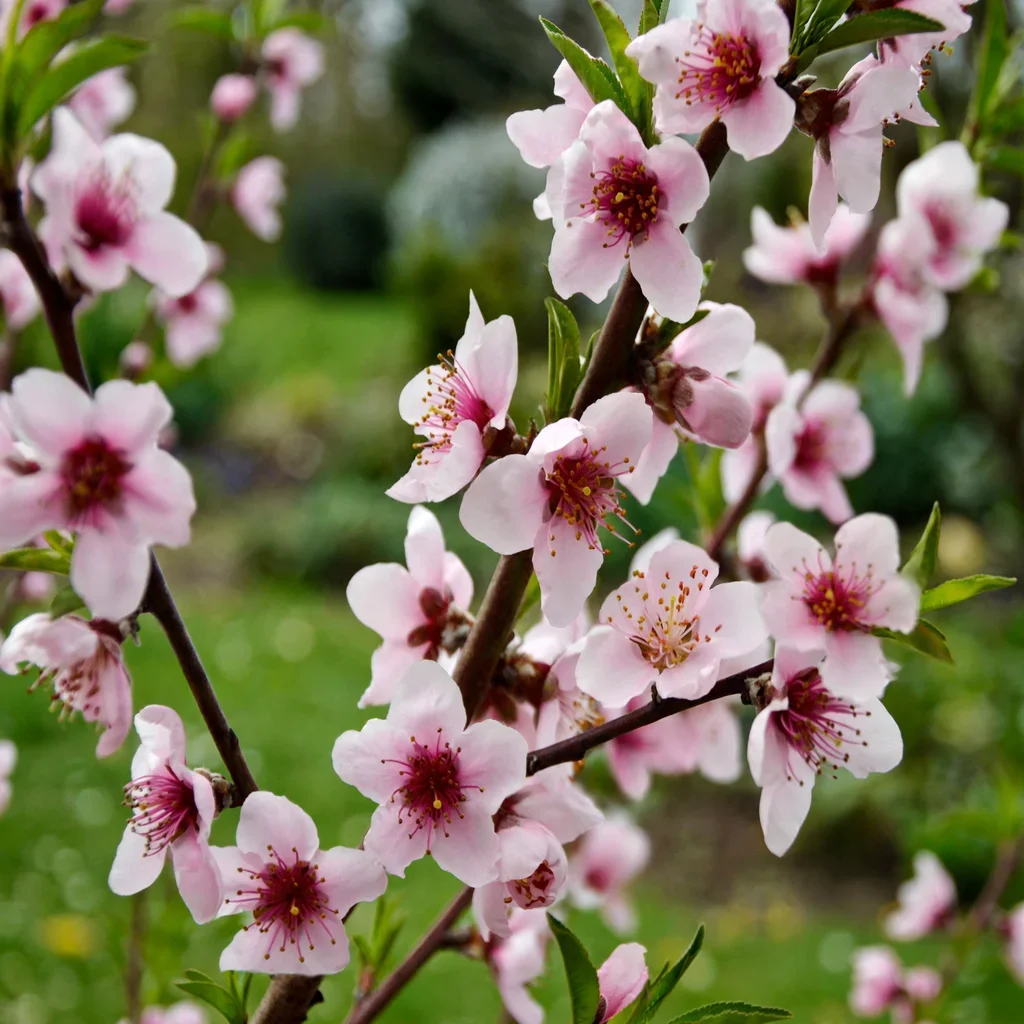
Hale Haven Peach
Prunus persica 'Hale Haven'
Keep exploring
Explore the genus
Hardy in your zone?
Grow Taiwan Cherry with confidence
See it in a design of your actual yard, get zone-matched care reminders, and track it season by season in your garden journal.