The Story
Plant Bio
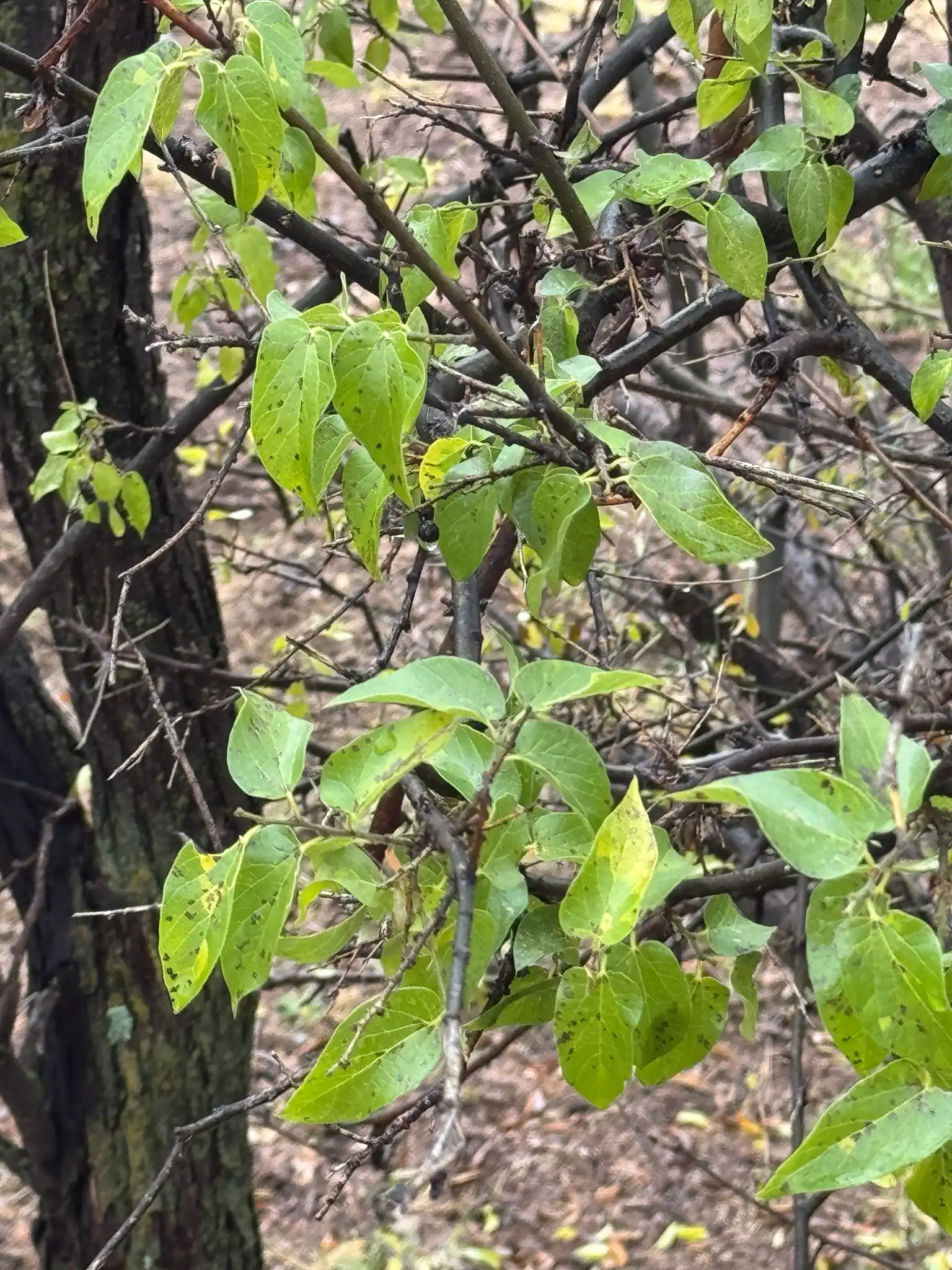
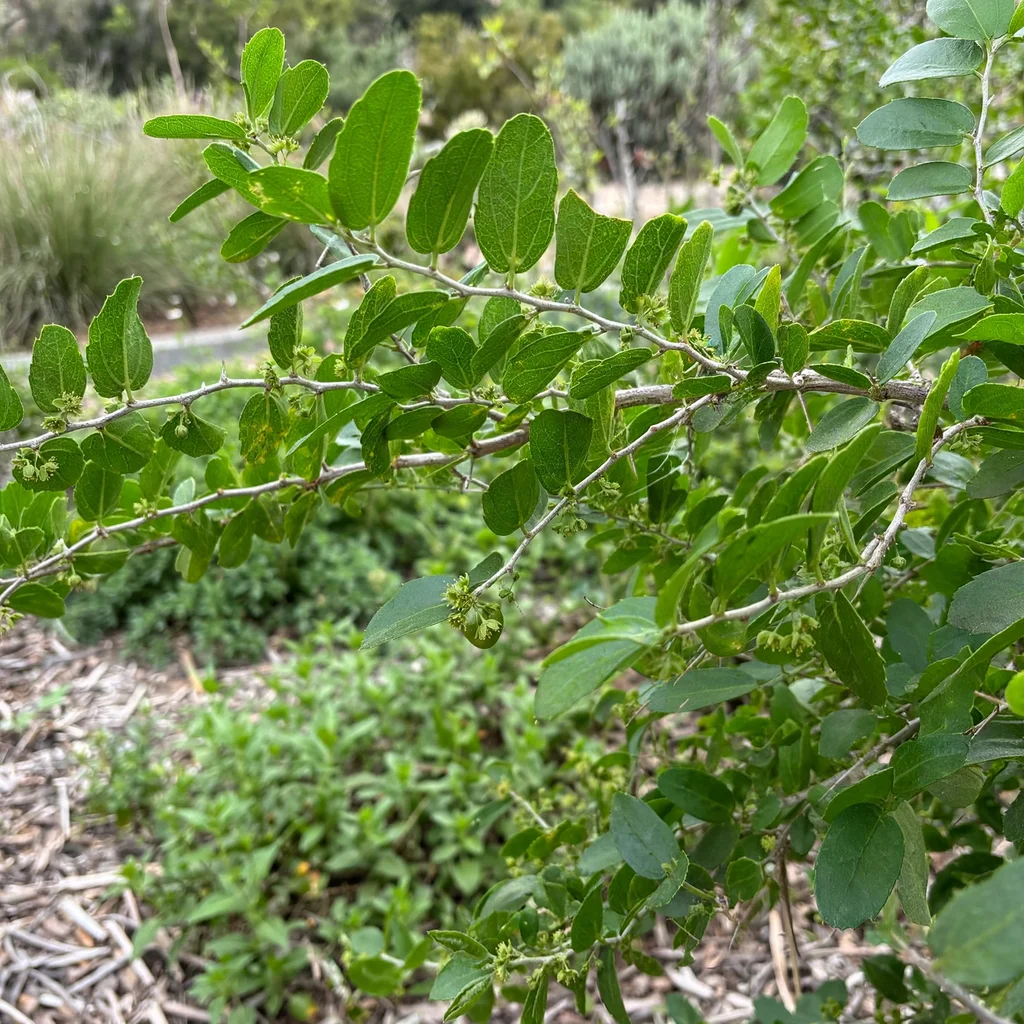
Celtis reticulata, the netleaf hackberry, is a small to medium deciduous tree of western North America reaching 30 to 40 feet with a rounded crown of twisting branches and pale bark that develops corky ridges with age. Leaves are alternate and sandpapery above with a raised net of veins beneath, and the small greenish flowers ripen to pea-sized orange-red drupes that persist into winter.
It is separated from other hackberries by its small 1 to 2 inch leaves that feel like sandpaper on top and show deeply netted veins below, coupled with a strongly taprooted, shrubby habit on dry sites. It hybridizes freely with Celtis laevigata where ranges overlap, which accounts for intermediate leaf shapes and the older varietal name.
Uses & Benefits:
Essentials
At a Glance
Plant Type
Tree
Height
420"
Width
240"
Light
Full Sun
Zones
4, 5, 6, 7, 8, 9
Water
Low
Humidity
Adaptable
Lifespan
Long-lived tree
Native To
Western North America
Toxicity
Non-toxic, edible fruit with allergenic pollen
Bloom period
Spring
In flower about 3 months of the year
Planting
How to Grow
- Choose a sunny site with deep, well-drained soil and room for a 20-foot crown away from irrigation.
- Dig a hole no deeper than the root ball and twice as wide, then set the tree so the root flare sits at grade.
- Backfill with native soil, water deeply to settle, then mulch 2 to 3 inches while keeping mulch off the trunk.
- Water through the first summer, then taper off; established trees need no supplemental water.
Pro Tip
Prune only when fully dormant to remove dead or broomed wood and withhold summer water once established to prevent root rot.
Keep It Thriving
Care Guide
Do
- Plant in full sun with sharp drainage
- Prune in winter dormancy to remove dead or broomed wood
- Leave nipple galls alone as cosmetic damage
- Mulch to conserve moisture but keep mulch off the trunk
Don't
- Do not overwater or plant in soggy soil where the taproot rots
- Do not shear annually or prune in full leaf
- Do not use overhead irrigation that favors mildew and leaf spot
Seasonal Care Calendar
| Task | Jan | Feb | Mar | Apr | May | Jun | Jul | Aug | Sep | Oct | Nov | Dec |
|---|---|---|---|---|---|---|---|---|---|---|---|---|
| Mulch | ||||||||||||
| Pest Check | ||||||||||||
| Plant | ||||||||||||
| Prune |
Watch Out For
Pests & Diseases
Common Pests
Common Diseases
In the Garden
Landscape Uses & Companions
Landscape Uses
Multiply
Propagation Methods
Good to Know
Common Questions
Netleaf Hackberry questions
What zones can Netleaf Hackberry grow in?
Netleaf Hackberry is hardy in USDA Zones 4–9: in that range it survives winter in the ground. Warmer than Zone 9, winter isn't the problem: it prefers colder winters, and summer heat can shorten its life.
Is Netleaf Hackberry deer resistant?
Yes — Netleaf Hackberry is rated deer-resistant. Deer typically pass it over, though extreme hunger can override any plant's defenses.
When does Netleaf Hackberry bloom?
Netleaf Hackberry typically blooms in spring. Exact timing shifts a week or two with your zone — Sow's bloom calendar maps it to your garden.
Does Netleaf Hackberry need full sun?
Netleaf Hackberry does best in full sun (6+ hours).
Is Netleaf Hackberry drought tolerant?
Yes — once established (usually after the first full season), Netleaf Hackberry handles dry spells with minimal watering. Water deeply its first year to build the root system that makes that possible.
More Celtis to compare
Keep exploring
Explore the genus
Grow Netleaf Hackberry with confidence
See it in a design of your actual yard, get zone-matched care reminders, and track it season by season in your garden journal.