The Story
Plant Bio
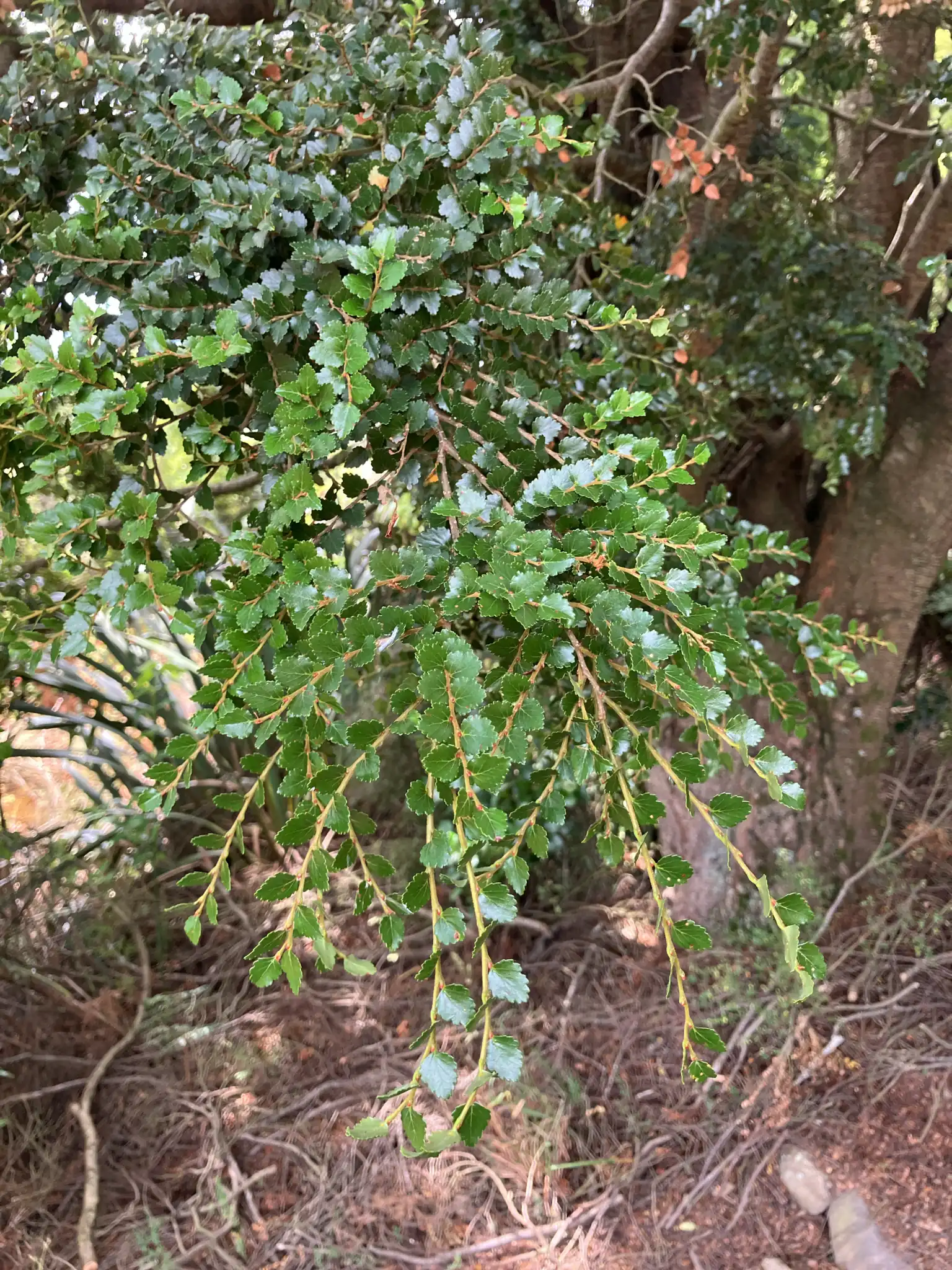
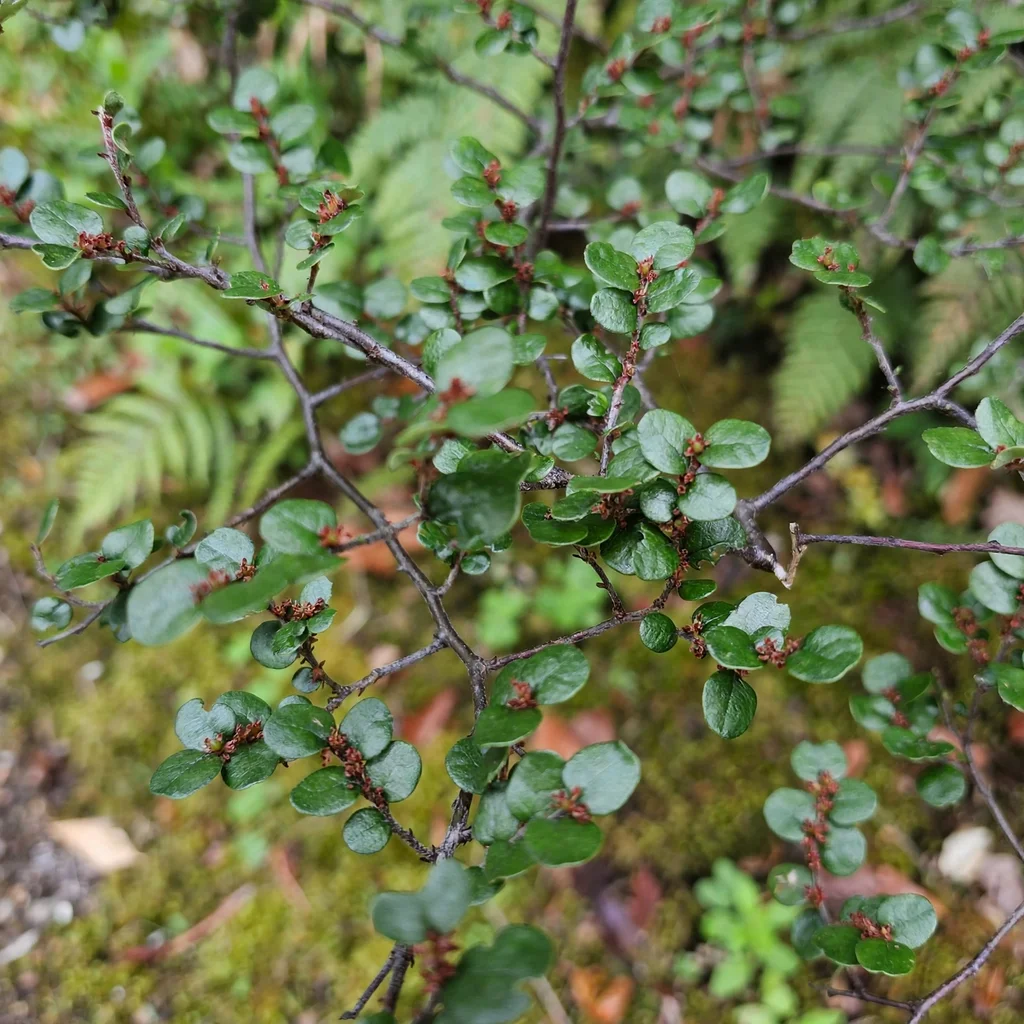
Nothofagus menziesii, known as silver beech, is a large evergreen canopy tree native to New Zealand that forms an intricately branched, wide crown with age. Its small, rounded deep-green leaves feature deeply double-toothed margins and tiny hair-lined pits on the undersides called domatia.
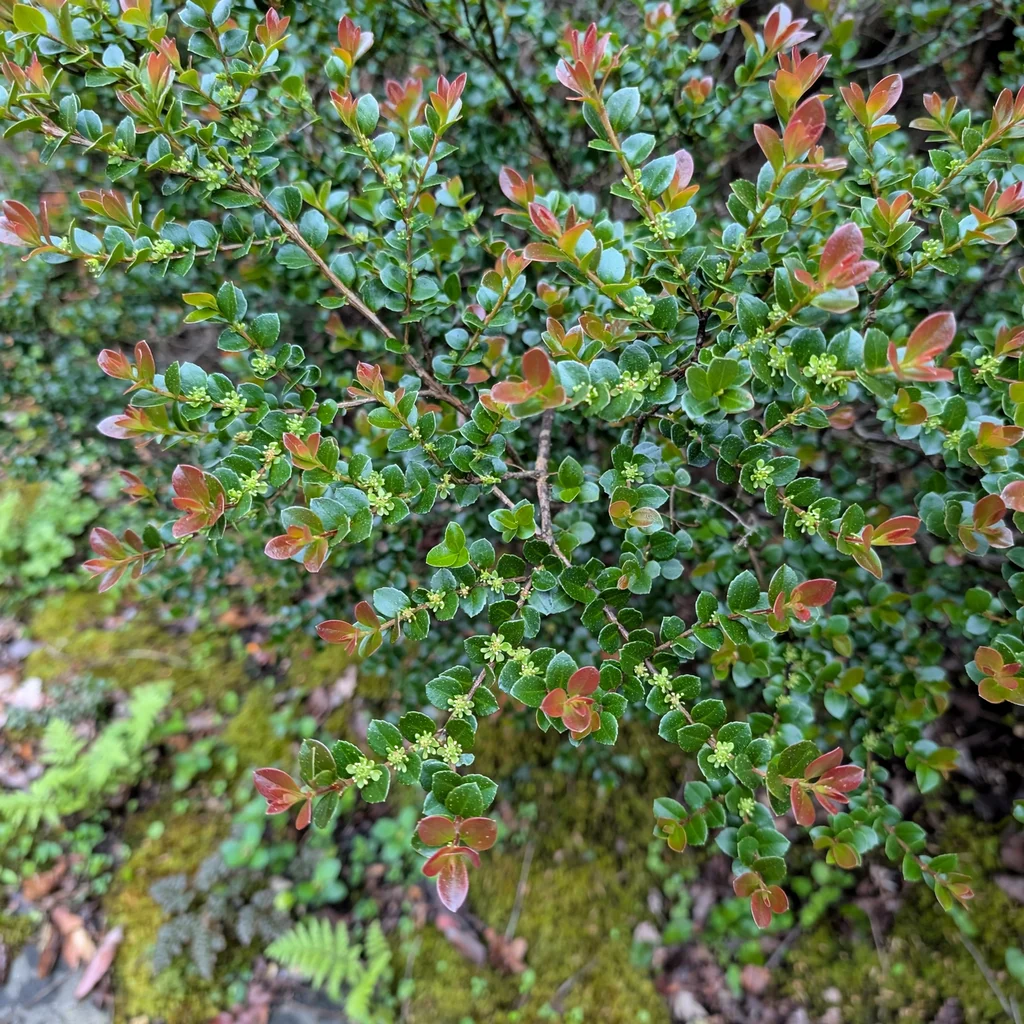
Young bark exhibits distinct whitish horizontal lenticels reminiscent of cherry trees before splitting into deep vertical fissures on mature trunks. New spring foliage opens in rich coppery-bronze shades before darkening to a glossy deep green.
Uses & Benefits:
Essentials
At a Glance
Plant Type
Tree
Height
984"
Width
630"
Light
Full Sun, Partial Sun
Zones
8, 9
Water
Moderate to high
Humidity
High
Lifespan
Perennial
Native To
New Zealand
Toxicity
Non-toxic
Bloom period
Spring
In flower about 3 months of the year
Planting
How to Grow
- Select a planting site in full sun to partial shade protected from severe, drying summer winds.
- Dig a hole twice as wide as the root ball and set the plant so the crown rests flush with the surrounding soil line.
- Backfill with native soil, ensuring heavy clay beds are amended or sloped to prevent waterlogging.
- Apply a three-inch layer of organic mulch around the root zone, keeping it clear of the trunk base.
- Water deeply and consistently during the first two growing seasons until the root system is established.
Pro Tip
Restrict pruning to removing dead or crossing limbs during dormancy, as cutting back into old leafless wood prevents epicormic resprouting.
Keep It Thriving
Care Guide
Do
- Mulch around the base to retain root moisture and cool soil temperatures.
- Provide regular irrigation during extended warm, dry spells.
Don't
- Do not prune hard into old, leafless wood.
- Do not plant in areas prone to standing water or extreme soil compaction.
Seasonal Care Calendar
| Task | Jan | Feb | Mar | Apr | May | Jun | Jul | Aug | Sep | Oct | Nov | Dec |
|---|---|---|---|---|---|---|---|---|---|---|---|---|
| Fertilize | ||||||||||||
| Mulch | ||||||||||||
| Pest Check | ||||||||||||
| Prune |
Watch Out For
Pests & Diseases
Common Pests
Common Diseases
In the Garden
Landscape Uses & Companions
Landscape Uses
Companion Plants
Multiply
Propagation Methods
Good to Know
Common Questions
Silver Beech questions
What zones can Silver Beech grow in?
Silver Beech is hardy in USDA Zones 8–9: in that range it survives winter in the ground. Colder than Zone 8, winters are too cold for it to survive outdoors. Warmer than Zone 9, winter isn't the problem: it prefers colder winters, and summer heat can shorten its life.
Is Silver Beech deer resistant?
Not reliably. Deer may browse Silver Beech, especially tender spring growth — plan on repellents or fencing where pressure is high.
When does Silver Beech bloom?
Silver Beech typically blooms in spring. Exact timing shifts a week or two with your zone — Sow's bloom calendar maps it to your garden.
Does Silver Beech need full sun?
Silver Beech does best in full sun to part shade. In hot climates, afternoon shade keeps blooms fresher longer.
More Nothofagus to compare
Keep exploring
Explore the genus
Hardy in your zone?
Grow Silver Beech with confidence
See it in a design of your actual yard, get zone-matched care reminders, and track it season by season in your garden journal.