The Story
Plant Bio
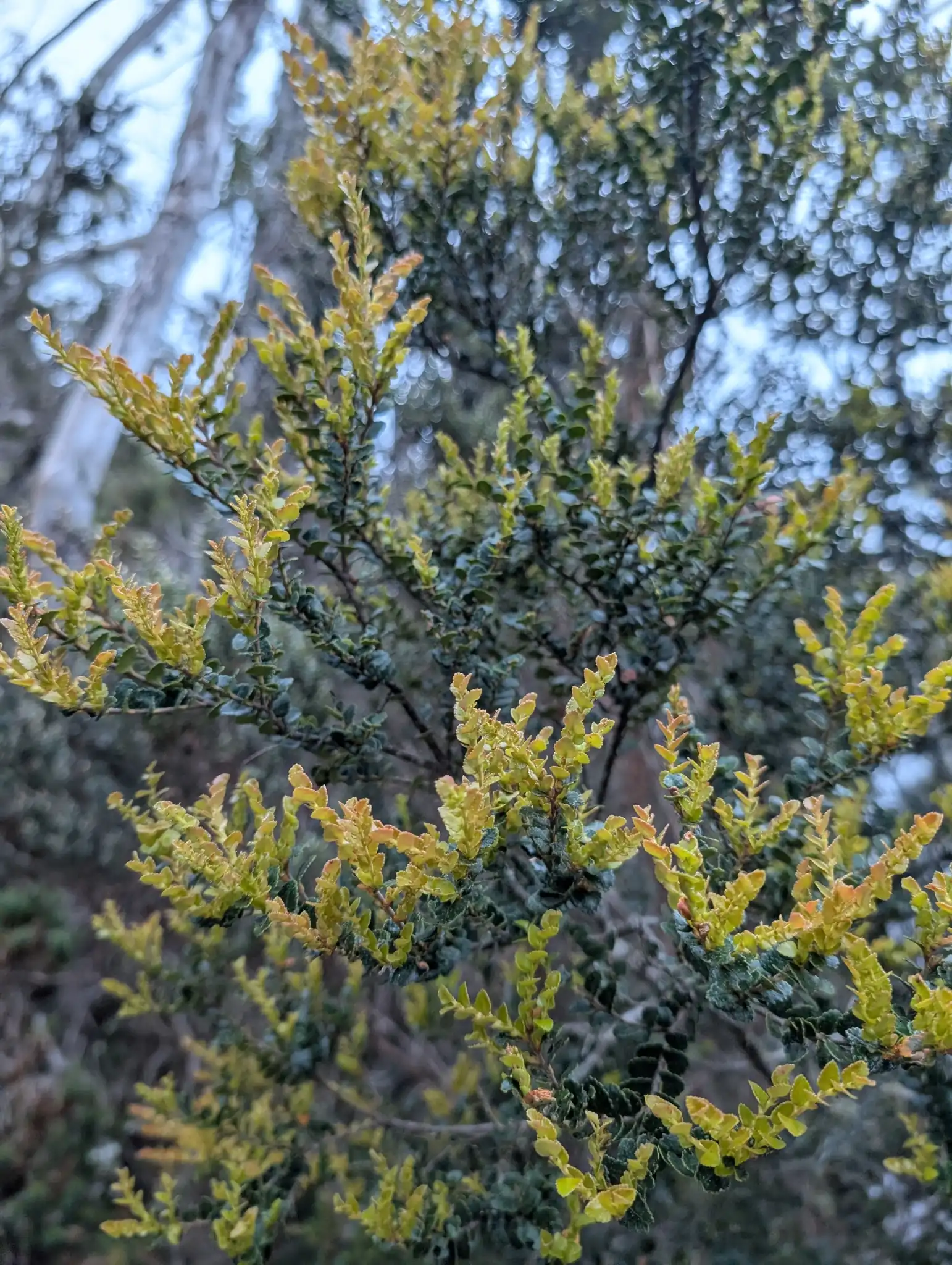
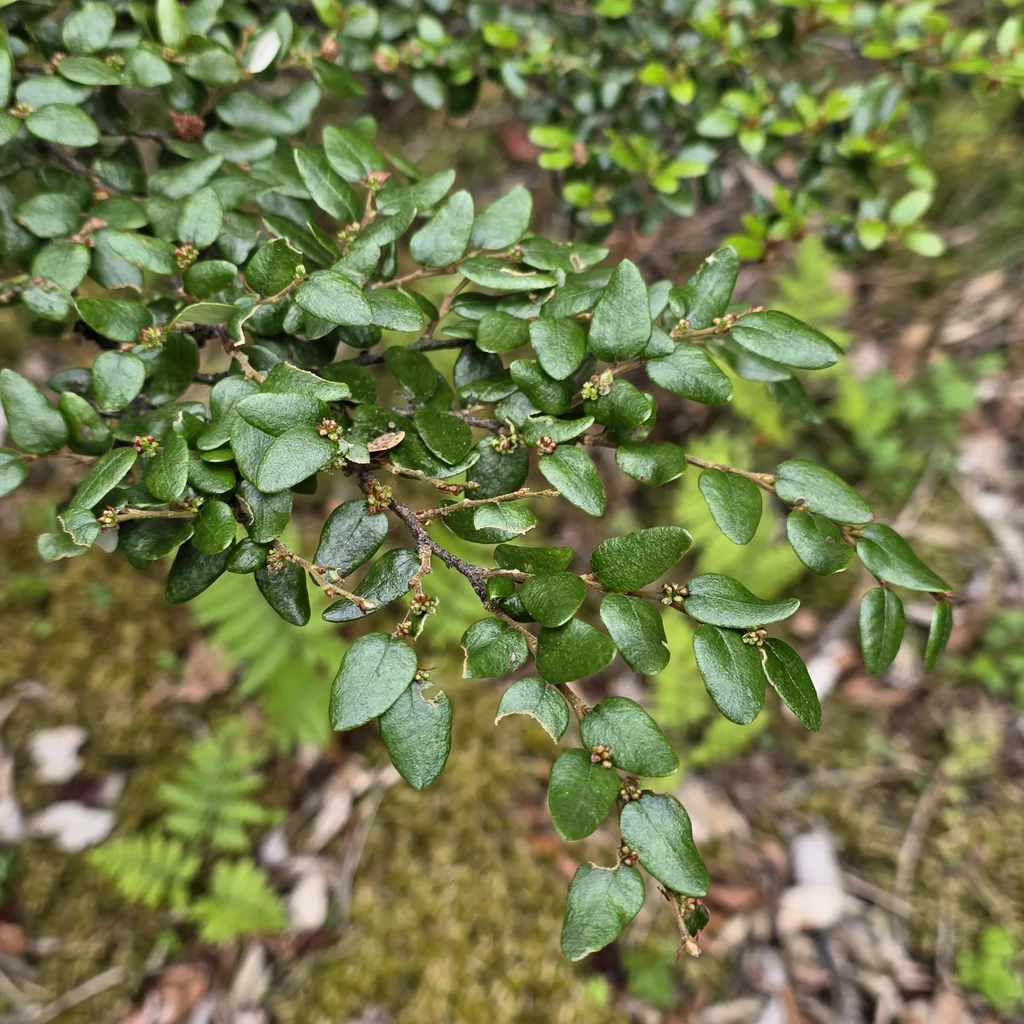
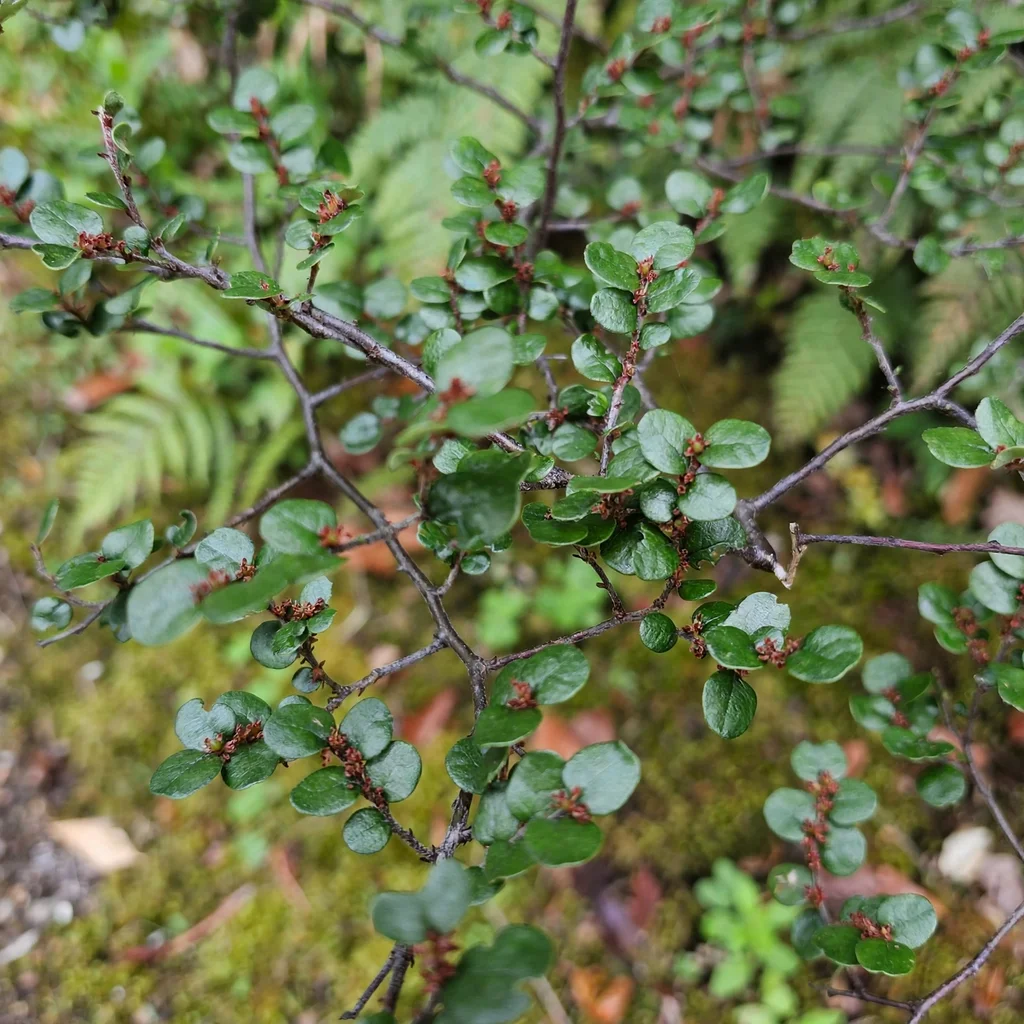
Nothofagus cunninghamii is a large evergreen cool-temperate rainforest tree native to southeastern Australia and Tasmania. It features a dense spreading crown clothed in tiny, glossy, triangular leaves with bluntly toothed margins and distinctive bronze-red spring tips.
The small, inconspicuous greenish-brown flowers give way to a fine-textured canopy that relies on high humidity and consistent moisture. Its dark, scaly bark frequently accumulates mosses and lichens when grown in sheltered, humid microclimates.
Uses & Benefits:
Essentials
At a Glance
Plant Type
Tree
Height
394"
Width
236"
Light
Partial Sun, Shade
Zones
8, 9
Water
High
Humidity
High
Lifespan
Long-lived
Native To
Australia (Victoria, Tasmania, New South Wales)
Toxicity
Non-toxic
Bloom period
Spring
In flower about 3 months of the year
Planting
How to Grow
- Choose a sheltered planting site in partial or deep shade protected from hot afternoon sun and drying winds.
- Amend forest or garden soil with rich organic leaf mold or compost to maintain an acidic to neutral pH.
- Install the root ball level with the surrounding soil, ensuring the area has sharp drainage without standing water.
- Mulch deeply with wood chips or leaf duff to keep the root zone cool and retain steady soil moisture.
Pro Tip
Cutting back into old leafless wood prevents epicormic sprouting; limit pruning to light tip-shaping on young growth.
Keep It Thriving
Care Guide
Do
- Keep the root zone permanently moist without submerging roots.
- Site in a cool, humid microclimate sheltered from dry summer winds.
- Mulch heavily to maintain cool soil temperatures.
Don't
- Do not allow the soil to dry out completely at any point.
- Do not cut hard into old, leafless wood when pruning.
- Do not apply heavy synthetic fertilizers.
Seasonal Care Calendar
| Task | Jan | Feb | Mar | Apr | May | Jun | Jul | Aug | Sep | Oct | Nov | Dec |
|---|---|---|---|---|---|---|---|---|---|---|---|---|
| Fertilize | ||||||||||||
| Mulch | ||||||||||||
| Pest Check | ||||||||||||
| Prune |
Watch Out For
Pests & Diseases
Common Pests
Common Diseases
In the Garden
Landscape Uses & Companions
Landscape Uses
Companion Plants
Multiply
Propagation Methods
Good to Know
Common Questions
Myrtle Beech questions
What zones can Myrtle Beech grow in?
Myrtle Beech is hardy in USDA Zones 8–9: in that range it survives winter in the ground. Colder than Zone 8, winters are too cold for it to survive outdoors. Warmer than Zone 9, winter isn't the problem: it prefers colder winters, and summer heat can shorten its life.
Is Myrtle Beech deer resistant?
Not reliably. Deer may browse Myrtle Beech, especially tender spring growth — plan on repellents or fencing where pressure is high.
When does Myrtle Beech bloom?
Myrtle Beech typically blooms in spring. Exact timing shifts a week or two with your zone — Sow's bloom calendar maps it to your garden.
Does Myrtle Beech need full sun?
Myrtle Beech does best in part shade.
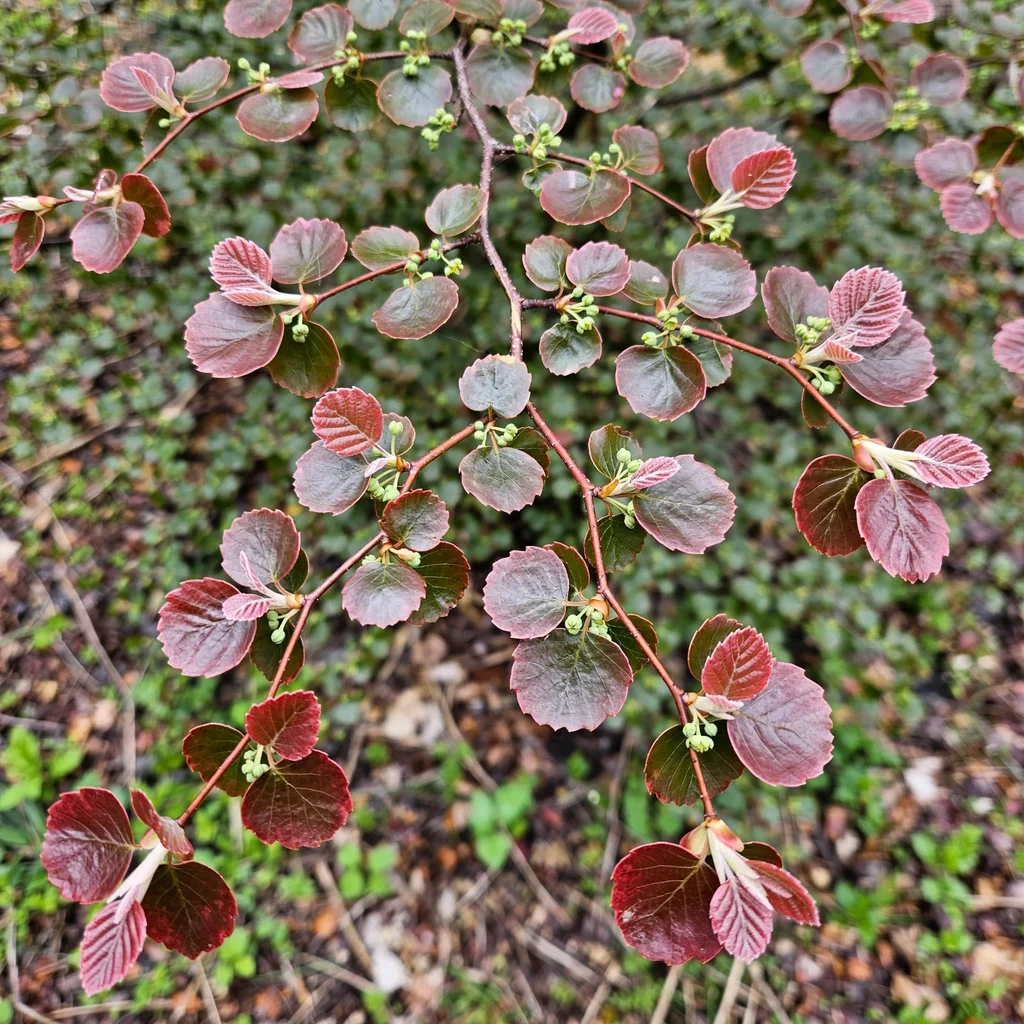
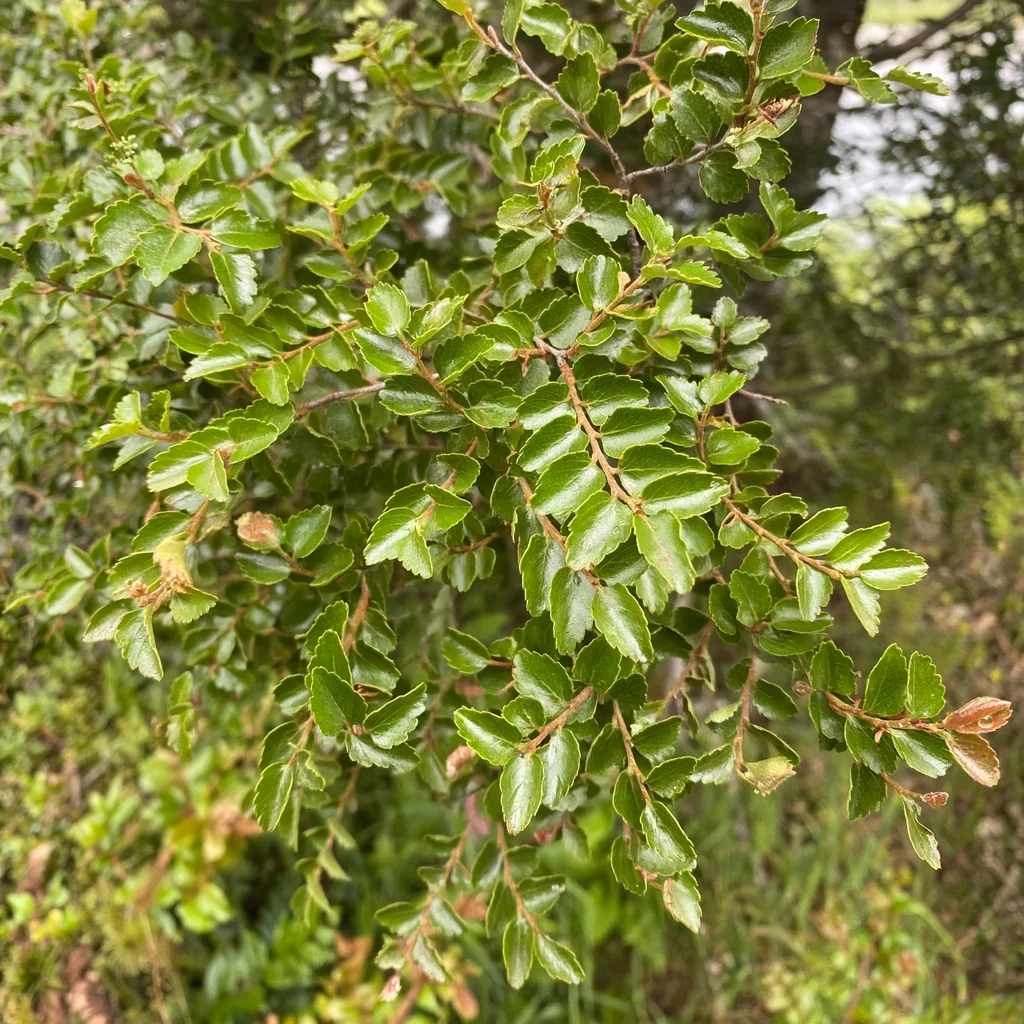
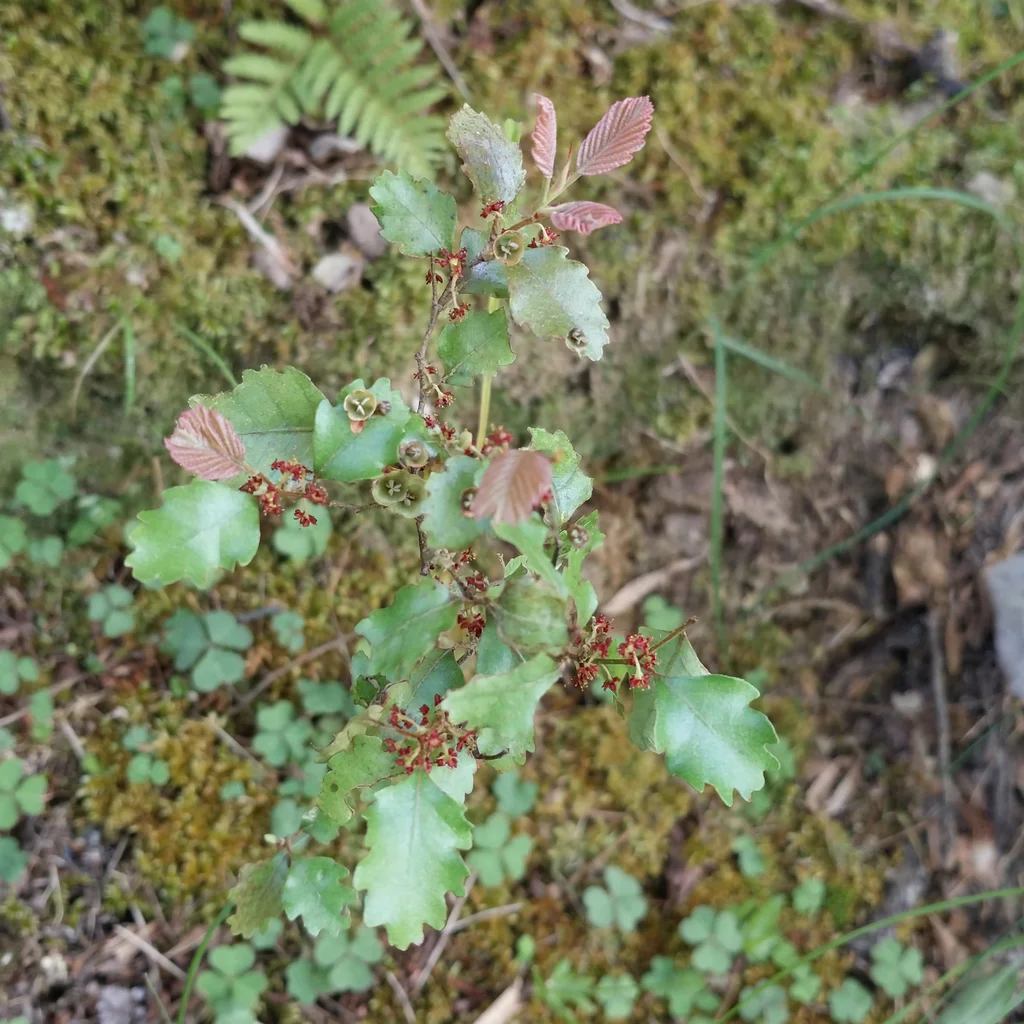
More Nothofagus to compare
Keep exploring
Explore the genus
Hardy in your zone?
Grow Myrtle Beech with confidence
See it in a design of your actual yard, get zone-matched care reminders, and track it season by season in your garden journal.