4 saves
Nothofagus
We track 6 varieties; the ones most used by real gardeners.
The 6 most-saved Nothofagus varieties
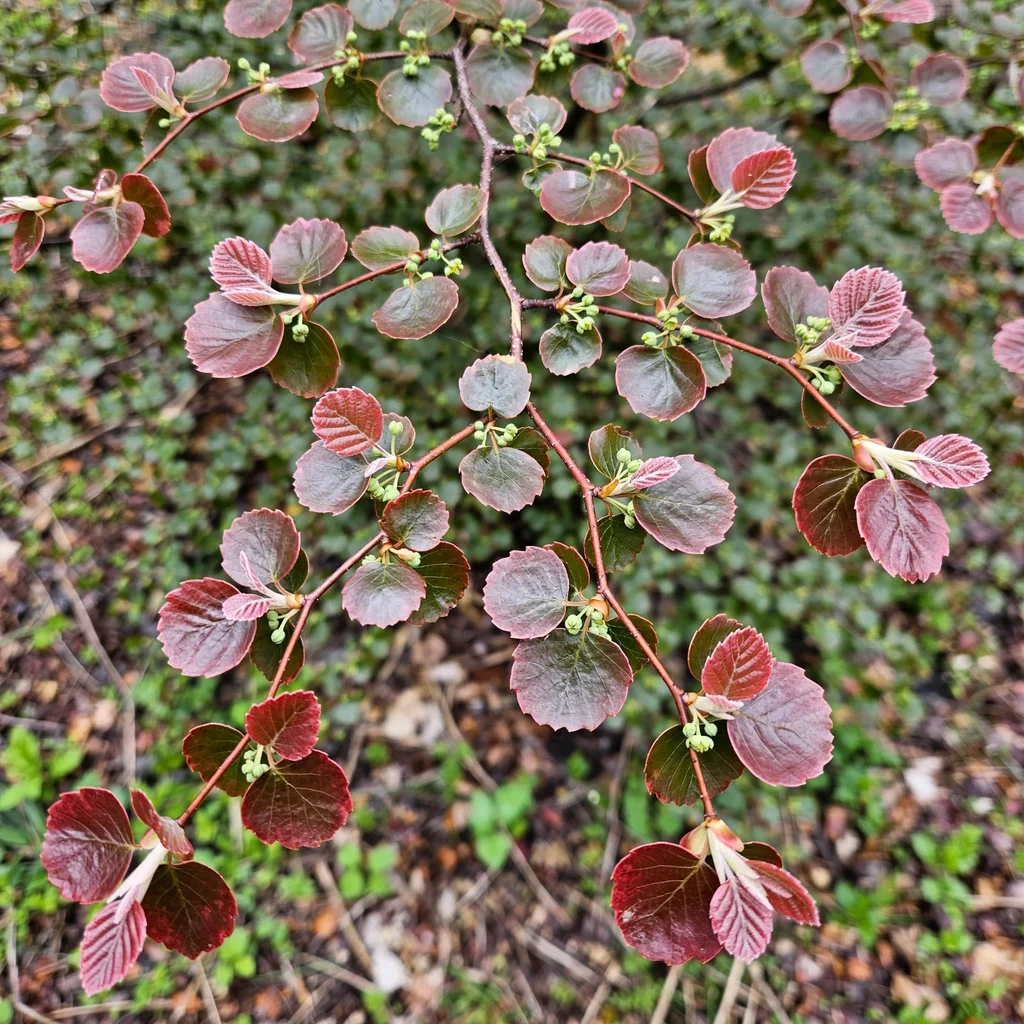
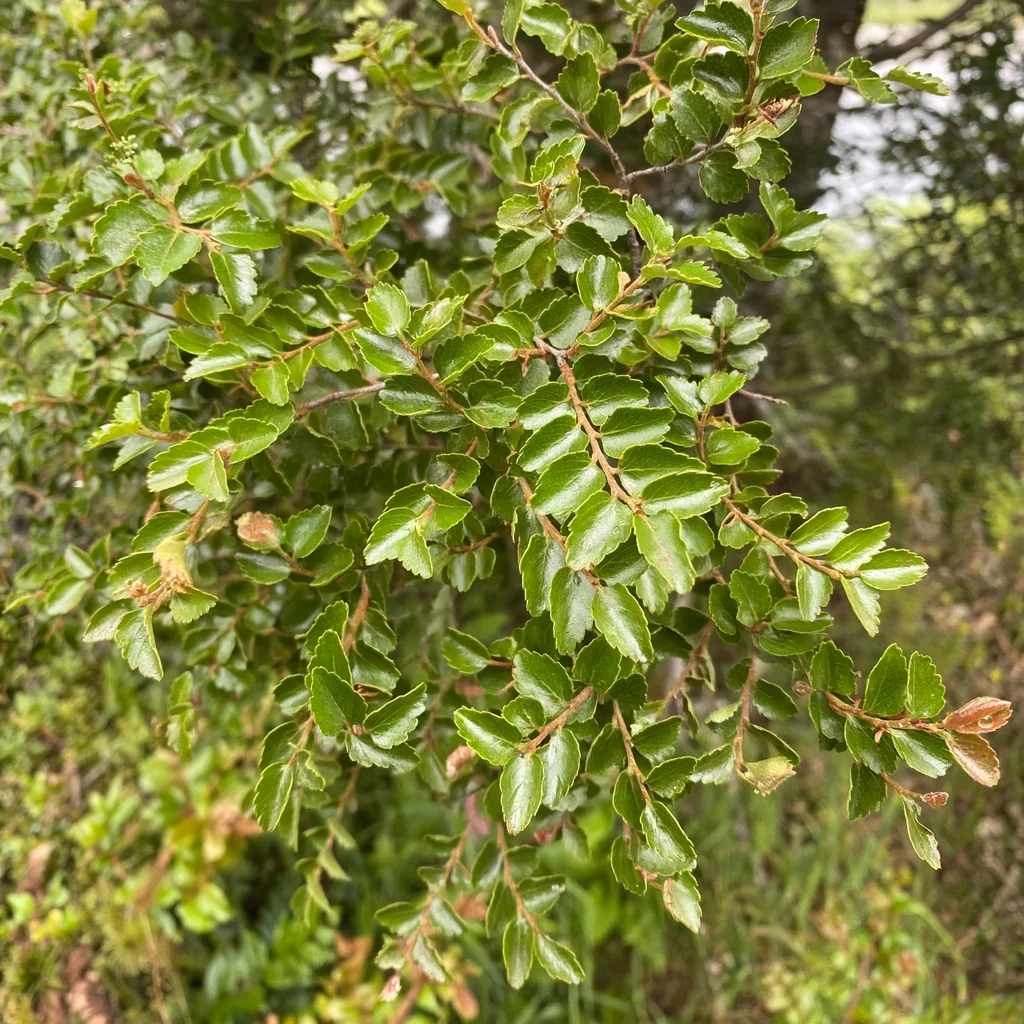
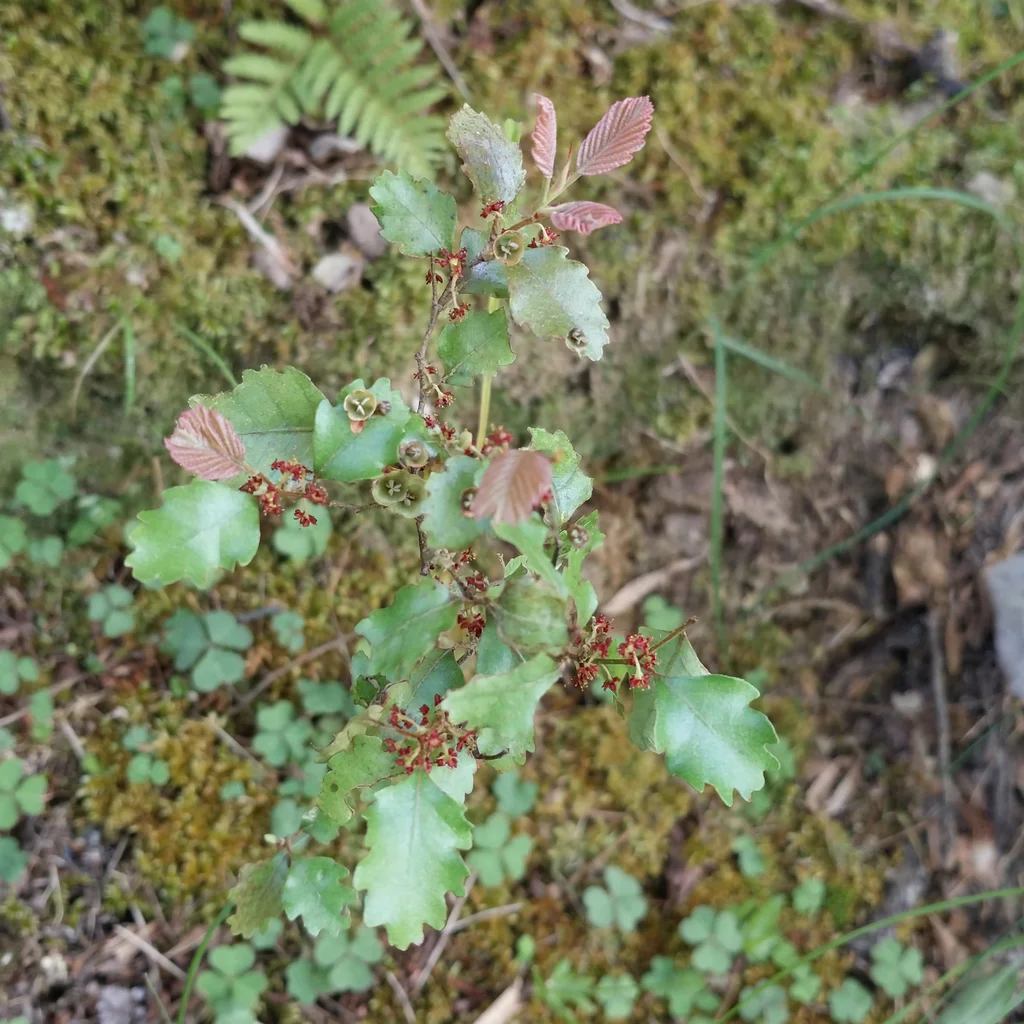
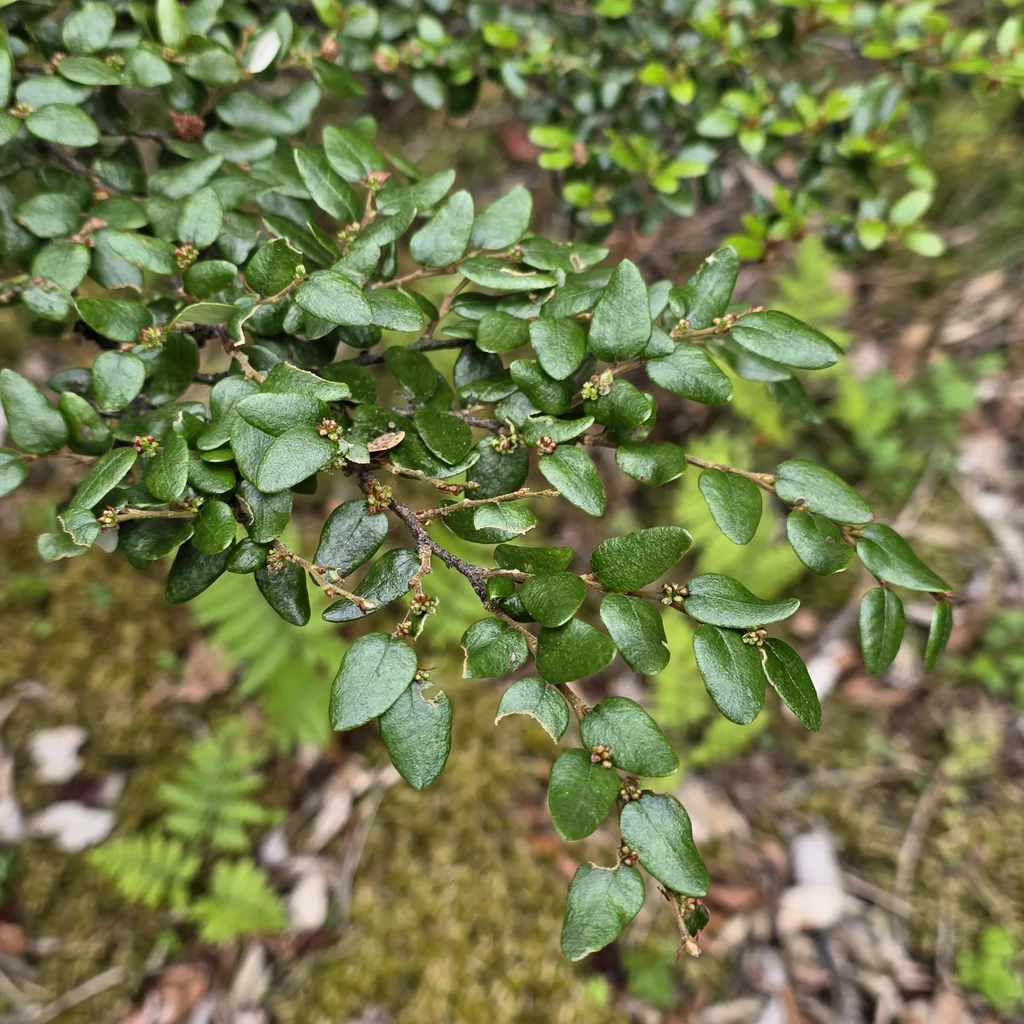
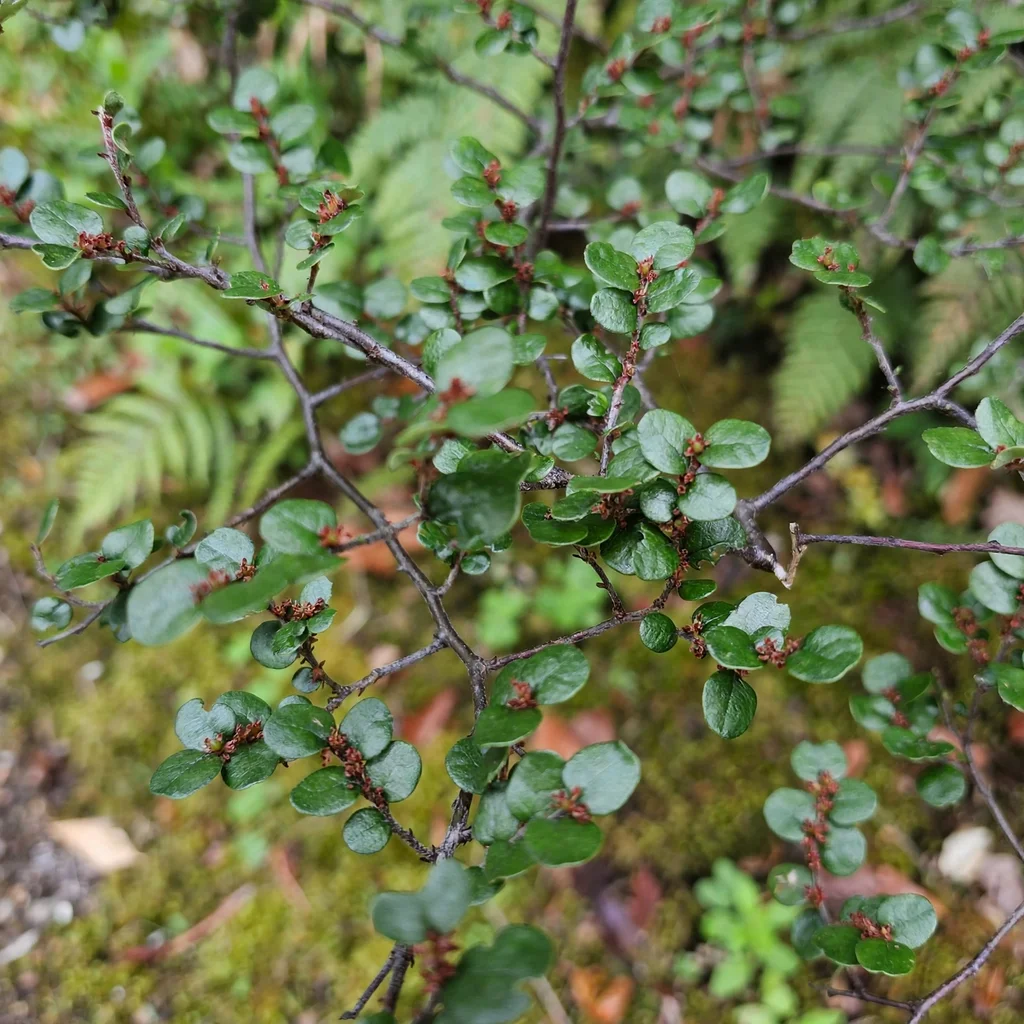
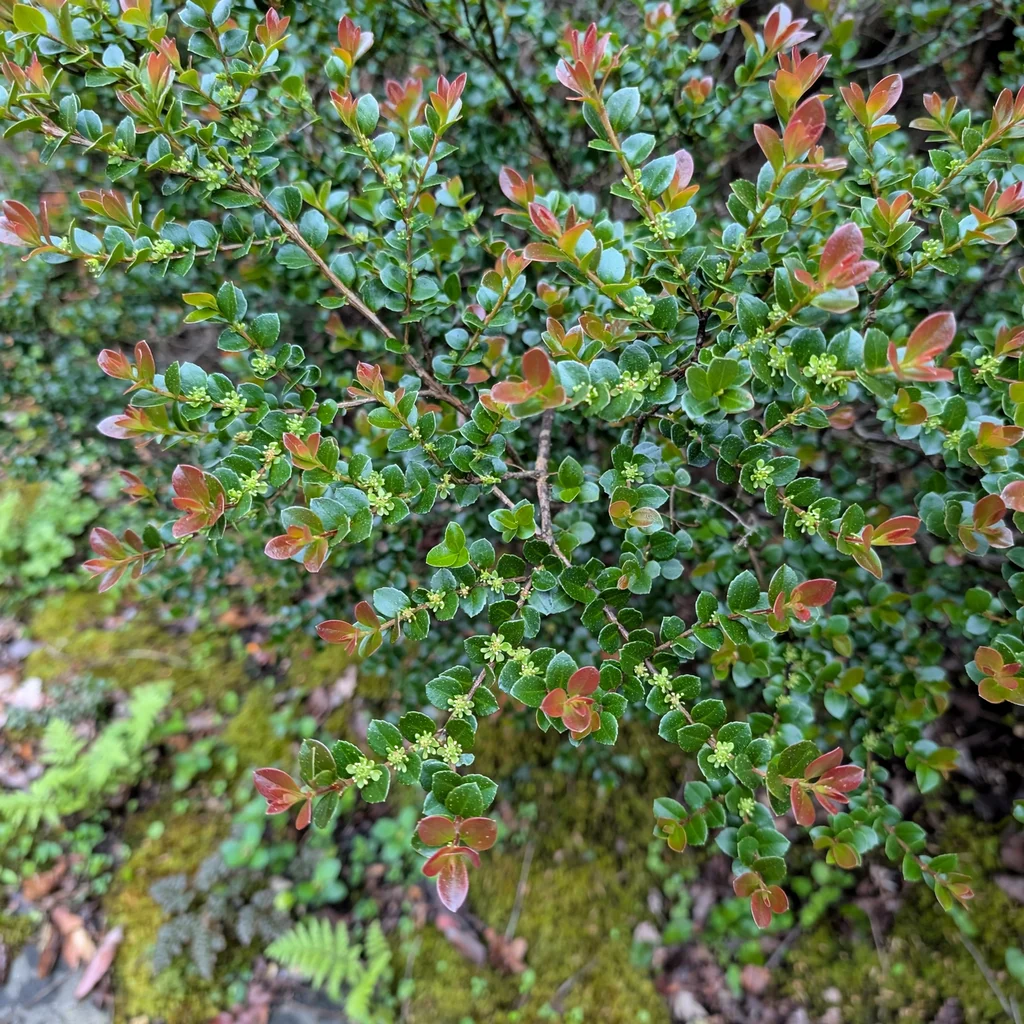
6 species of Nothofagus
Each one is a parent of the varieties above.
Track your Nothofagus in Sow
Save the Nothofagus you grow and get care reminders timed to your zone.
How to grow Nothofagus
Whats common across all Nothofagus varieties in our catalog — drawn from the care records of the 6 most-grown of them.
The Nothofagus year
- MulchApril and October100% of varieties
Apply a layer of organic mulch around the base to keep root zones cool and moist.
- PruneFebruary and March100% of varieties
Remove dead, crossing, or damaged branches in late winter before spring growth begins.
- Check for PestsJune and July100% of varieties
Inspect leaf undersides for scale insects, aphids, and spider mites during summer.
- FertilizeMarch and April83% of varieties
Apply a light, balanced slow-release fertilizer around the drip line in early spring.


Do
- Plant in rich, well-drained soil with a slightly acidic to neutral pH.
- Water regularly during hot, dry spells to avoid drought stress.
- Apply a light slow-release fertilizer in early spring if growth appears sluggish.
- Keep the root zone permanently moist without submerging roots.
- Site in a cool, humid microclimate sheltered from dry summer winds.
Avoid
- Do not plant in waterlogged soils or areas subject to standing water.
- Do not cut heavily into old, leafless wood during pruning.
- Avoid exposed coastal positions with heavy salt spray.
- Do not allow the soil to dry out completely at any point.
What goes wrong with Nothofagus
| Problem | What you'll see | What to do |
|---|---|---|
| Aphids | Distorted new growth flushes accompanied by sticky honeydew deposits. | Dislodge infestations with a strong jet of water or apply insecticidal soap. |
| Scale Insects | Small shell-like bumps along young stems and yellowing leaf canopy. | Spray horticultural oil during late winter dormant periods. |
| Spider Mites | Fine webbing on branch tips and stippled yellowing foliage. | Increase localized humidity around the canopy and apply miticidal soap. |
| Scale insects | Waxy bumps along stems accompanied by sticky honeydew excretions on foliage. | Apply dormant horticultural oil during cool seasons or introduce beneficial predatory insects. |
| Powdery Mildew | White powdery coating covering leaf surfaces during warm, humid periods. | Improve canopy air circulation and avoid overhead watering. |
| Phytophthora Root Rot | Wilting, yellowing leaves, and decay of the root system in wet soils. | Ensure proper site drainage and avoid overwatering; remove severely infected trees. |
| Leaf Spot | Dark brown circular spots on leaves causing premature foliage drop. | Rake up and dispose of fallen leaves in autumn to eliminate overwintering spores. |
Making more Nothofagus
Seed
- Collect ripe seed nuts from mature trees in late autumn.
- Cold stratify seeds in moist sand at 4°C for 60 to 90 days.
- Sow stratified seeds on the surface of well-draining seed mix in early spring.
- Keep germinating trays moist and warm until seedlings emerge.
Semi-hardwood Cuttings
- Take 3 to 4-inch semi-hardwood cuttings from late summer growth with a heel of mature stem.
- Wound the base and treat with liquid rooting hormone.
- Insert into a well-draining misting propagation bench under high humidity.
- Maintain bottom heat and transplant once roots establish firmly.
Nothofagus questions
How many types of Nothofagus are there?
The Sow catalog tracks 6 distinct Nothofagus varieties. The most popular — ranked by 4 real gardeners — are shown first above.
What zones does Nothofagus grow in?
Across its varieties, Nothofagus covers USDA Zones 7–9. Individual varieties differ — each plant page lists its exact range, and Sow filters the catalog to your zone automatically.
When does Nothofagus bloom?
Most Nothofagus varieties bloom in spring.
Which Nothofagus should I choose?
Start from the most-saved varieties above — popularity across thousands of gardens is a strong signal of reliability — then filter by your zone and sun. In the Sow app you can preview any of them in a photo of your actual yard before you buy.