The Story
Plant Bio
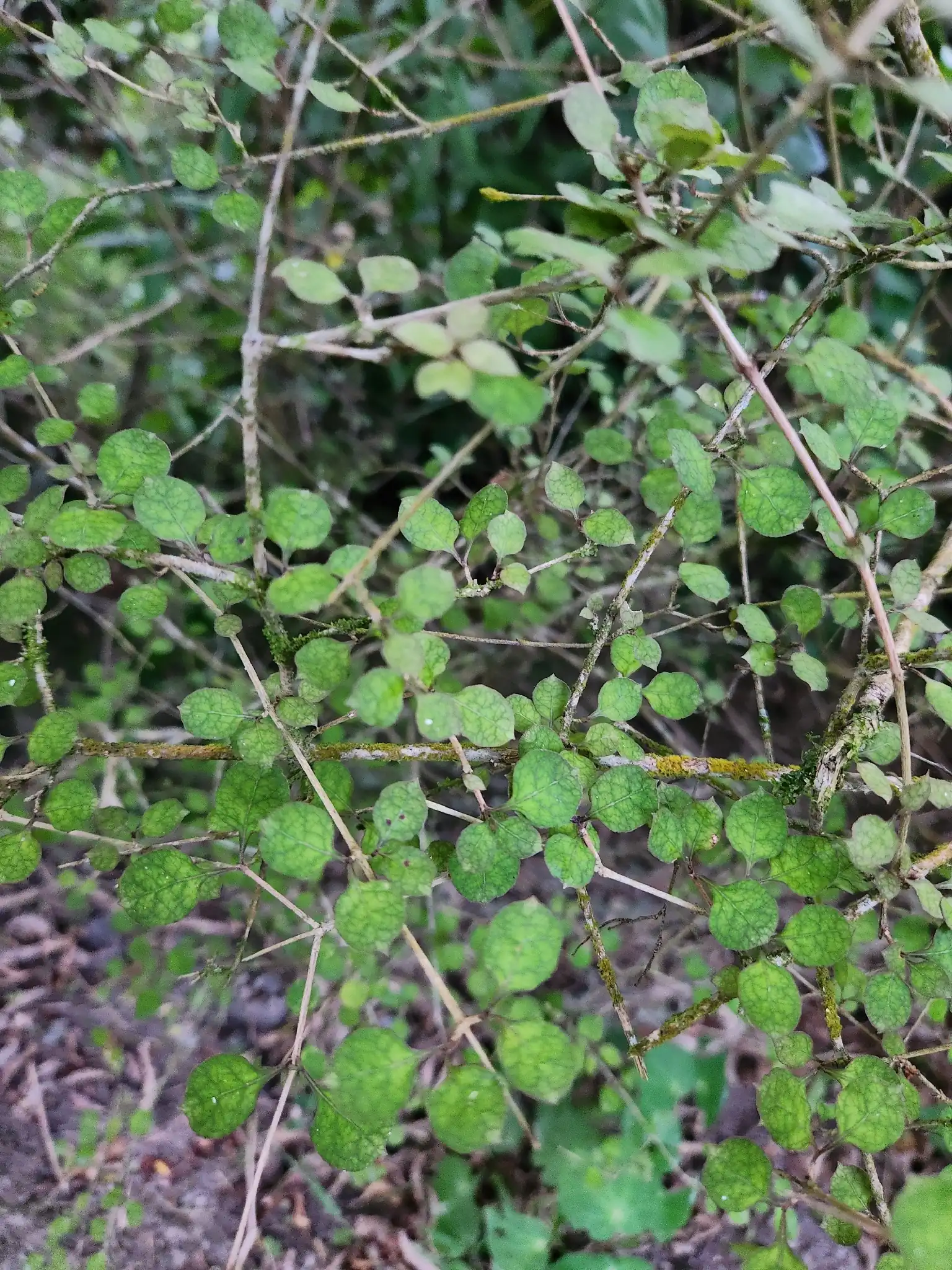
Coprosma areolata is an evergreen shrub or small tree native to New Zealand, forming an upright canopy of slender, fastigiate branches reaching up to sixteen feet high. Its small, yellow-green to brown-green leaves display a distinct net-like vein pattern visible on both surfaces.
Unlike tough coastal mirrors, this species originates from moist forest understories and stream terraces, requiring consistent soil moisture and wind shelter. Inconspicuous wind-pollinated spring flowers on female plants develop into small, dark purple to black berries.
Uses & Benefits:
Essentials
At a Glance
Plant Type
Shrub
Height
197"
Width
118"
Light
Full Sun, Partial Sun
Zones
8, 9, 10
Water
Medium
Humidity
Moderate to high
Lifespan
Perennial
Native To
New Zealand
Toxicity
Non-toxic
Bloom period
Spring – Summer
In flower about 6 months of the year
Planting
How to Grow
- Select a planting site in full sun to partial shade sheltered from harsh, drying winds.
- Amend the planting area with leaf mold or compost to ensure organic depth and moisture retention.
- Dig a hole twice as wide as the root ball and set the crown level with the surrounding soil.
- Water thoroughly at planting and maintain steady moisture through the first dry period.
Pro Tip
Prune lightly into active leafy growth during spring; cutting severely into old leafless wood prevents regeneration.
Keep It Thriving
Care Guide
Do
- Maintain a thick layer of organic mulch around the root zone to hold soil moisture.
- Provide shelter from hot, desiccating summer winds to prevent leaf scorch.
Don't
- Do not allow the soil to dry out completely during extended hot spells.
- Avoid heavy pruning back into thick, bare stems.
Seasonal Care Calendar
| Task | Jan | Feb | Mar | Apr | May | Jun | Jul | Aug | Sep | Oct | Nov | Dec |
|---|---|---|---|---|---|---|---|---|---|---|---|---|
| Fertilize | ||||||||||||
| Mulch | ||||||||||||
| Pest Check | ||||||||||||
| Prune |
Watch Out For
Pests & Diseases
Common Pests
Common Diseases
In the Garden
Landscape Uses & Companions
Landscape Uses
Multiply
Propagation Methods
Good to Know
Common Questions
Thin-Leaved Coprosma questions
What zones can Thin-Leaved Coprosma grow in?
Thin-Leaved Coprosma is hardy in USDA Zones 8–10: in that range it survives winter in the ground. Colder than Zone 8, grow it in a container you can move to shelter for the winter.
When does Thin-Leaved Coprosma bloom?
Thin-Leaved Coprosma typically blooms from spring to summer. Exact timing shifts a week or two with your zone — Sow's bloom calendar maps it to your garden.
Does Thin-Leaved Coprosma need full sun?
Thin-Leaved Coprosma does best in full sun to part shade. In hot climates, afternoon shade keeps blooms fresher longer.
More Coprosma to compare
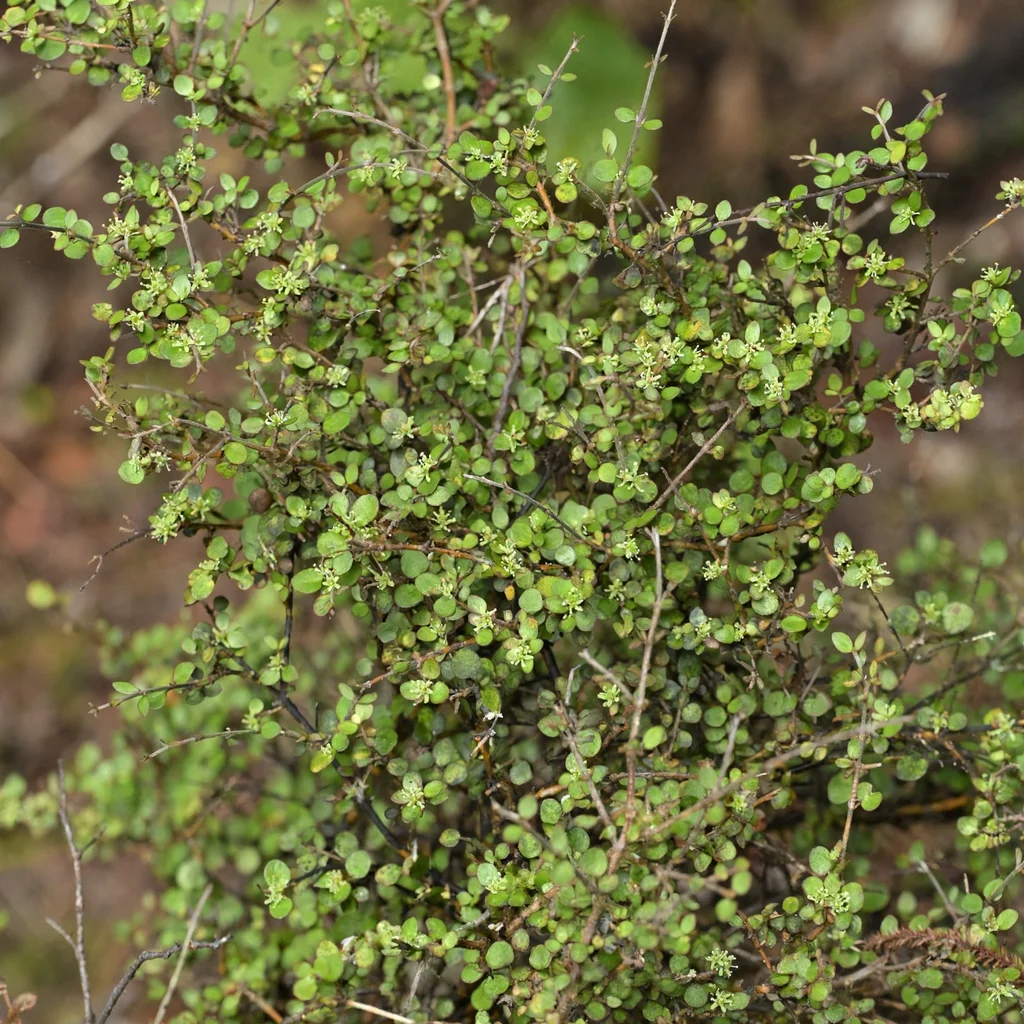
Twiggy Coprosma
Coprosma rhamnoides
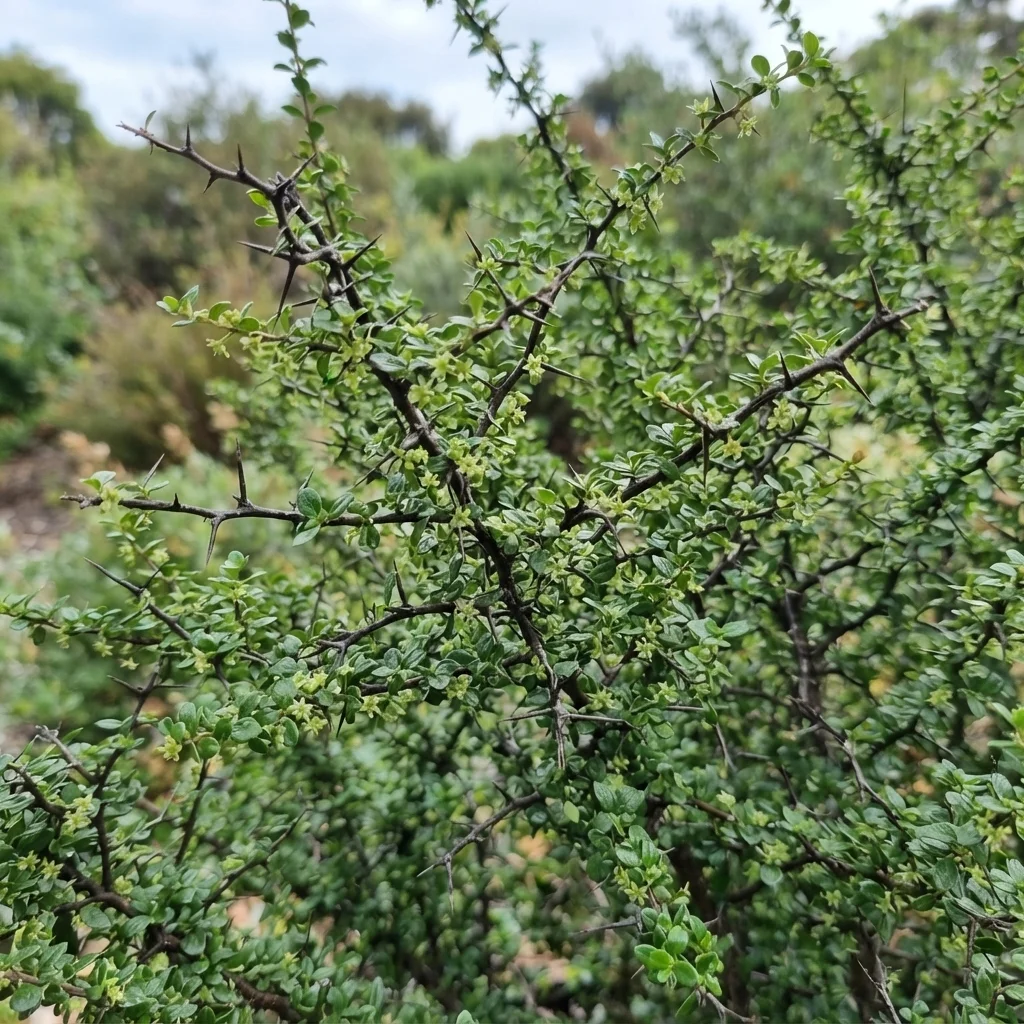
Prickly Currant-bush
Coprosma quadrifida
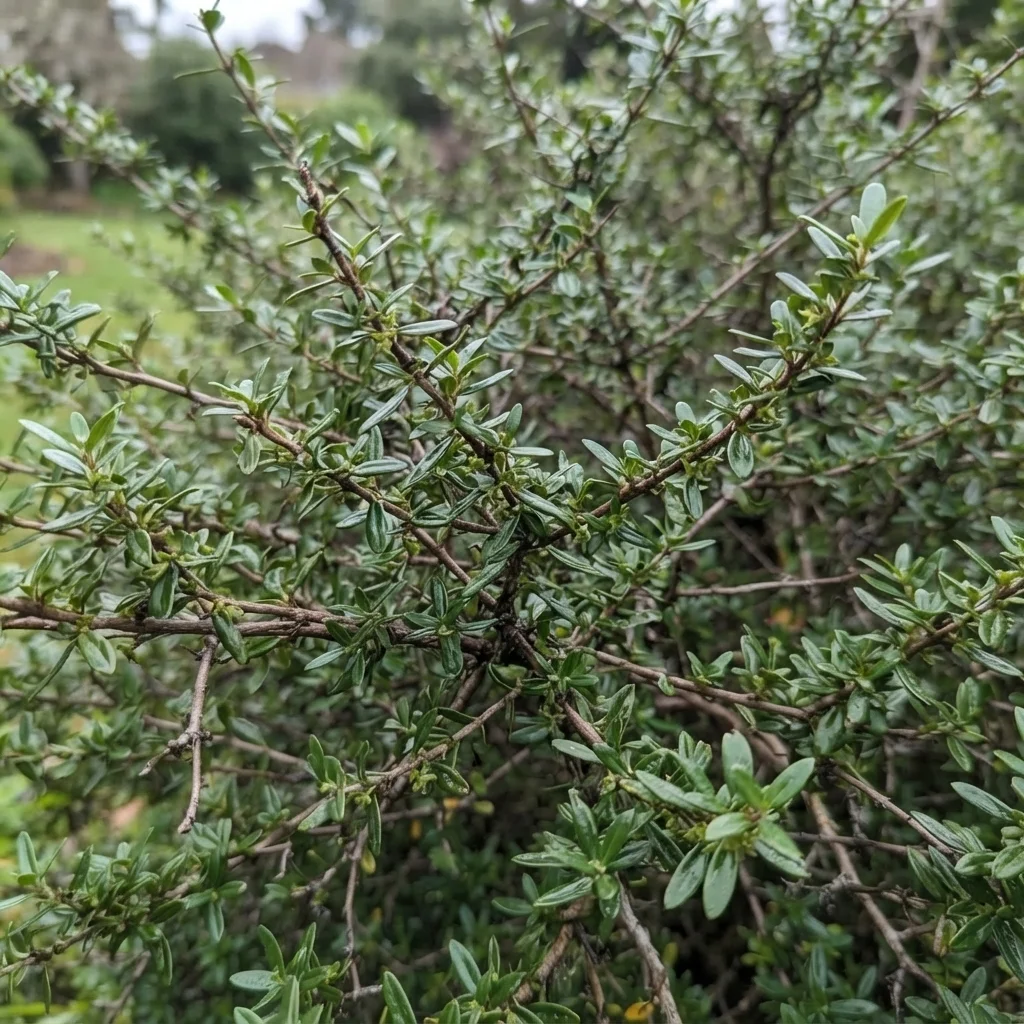
Mingimingi
Coprosma propinqua
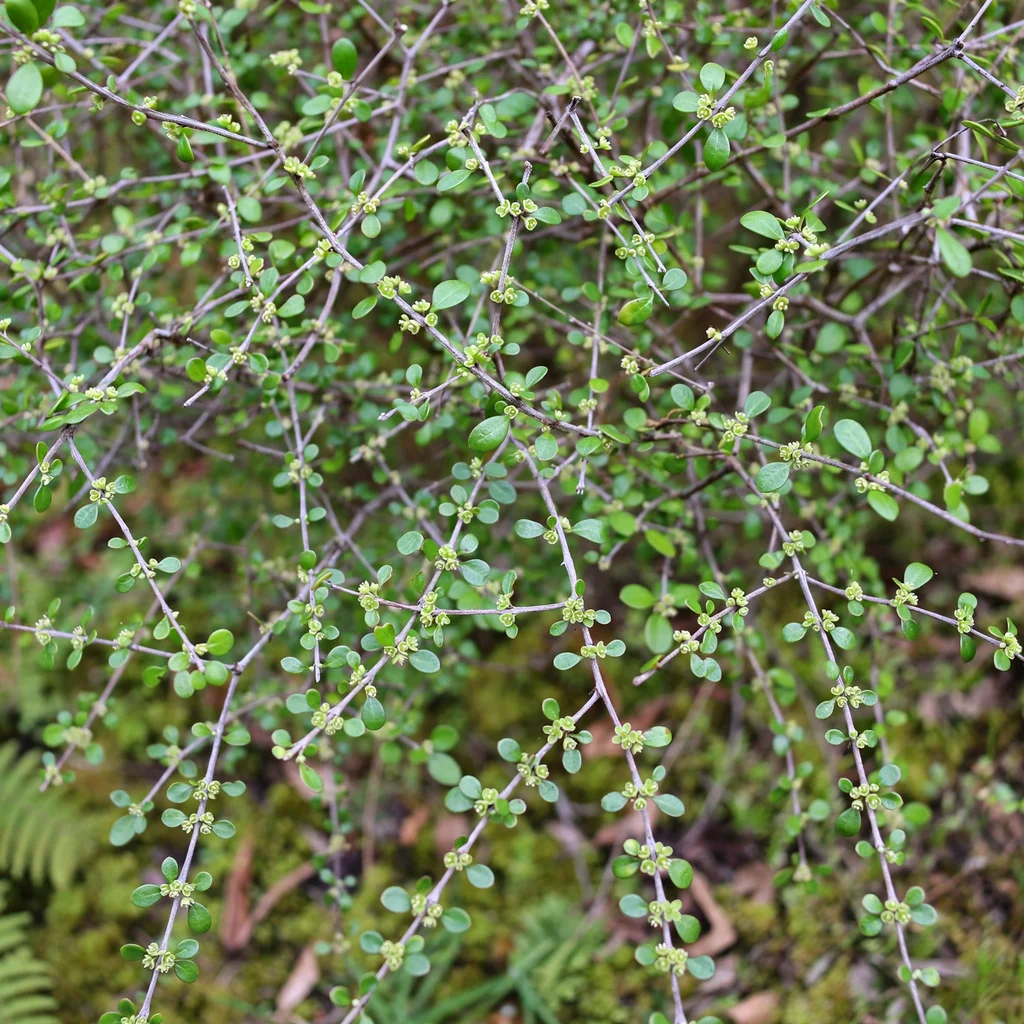
Green Coprosma
Coprosma virescens
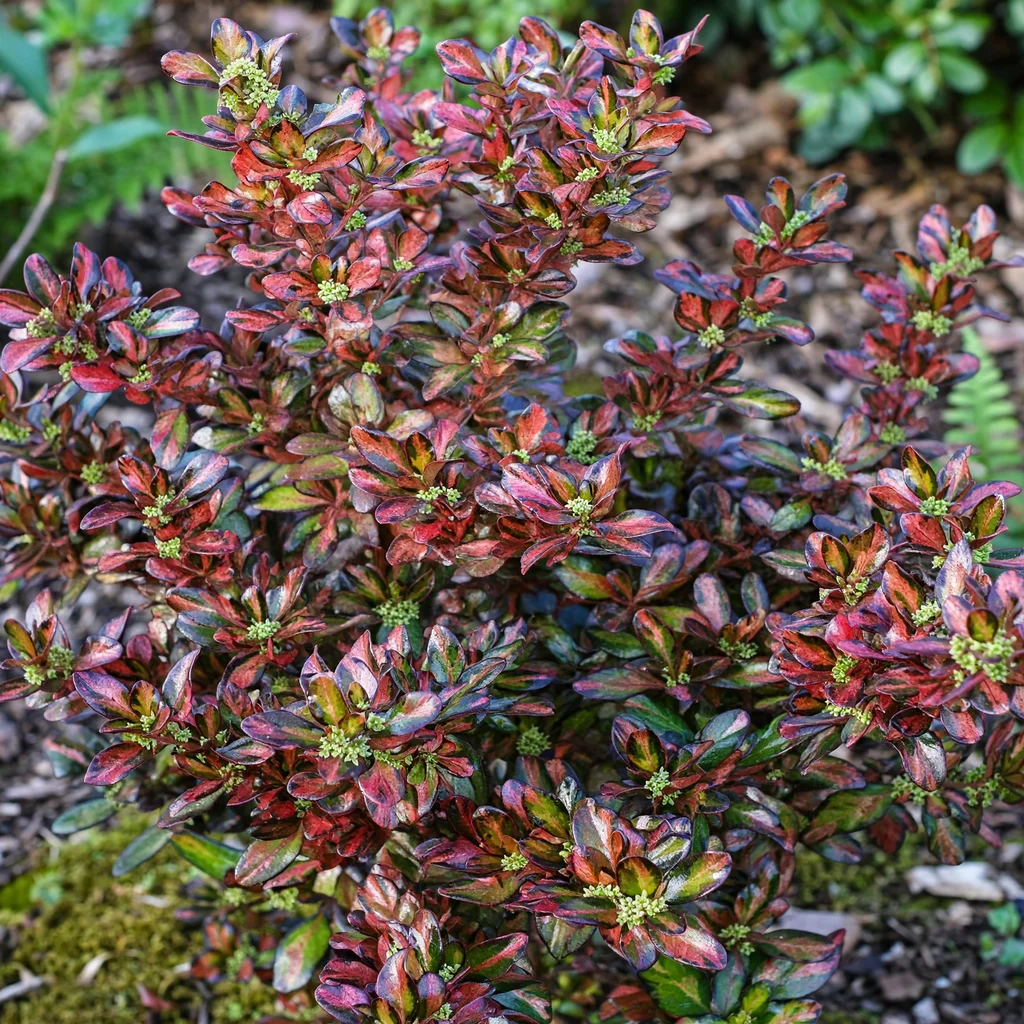
Evening Glow Mirror Plant
Coprosma repens 'Evening Glow'
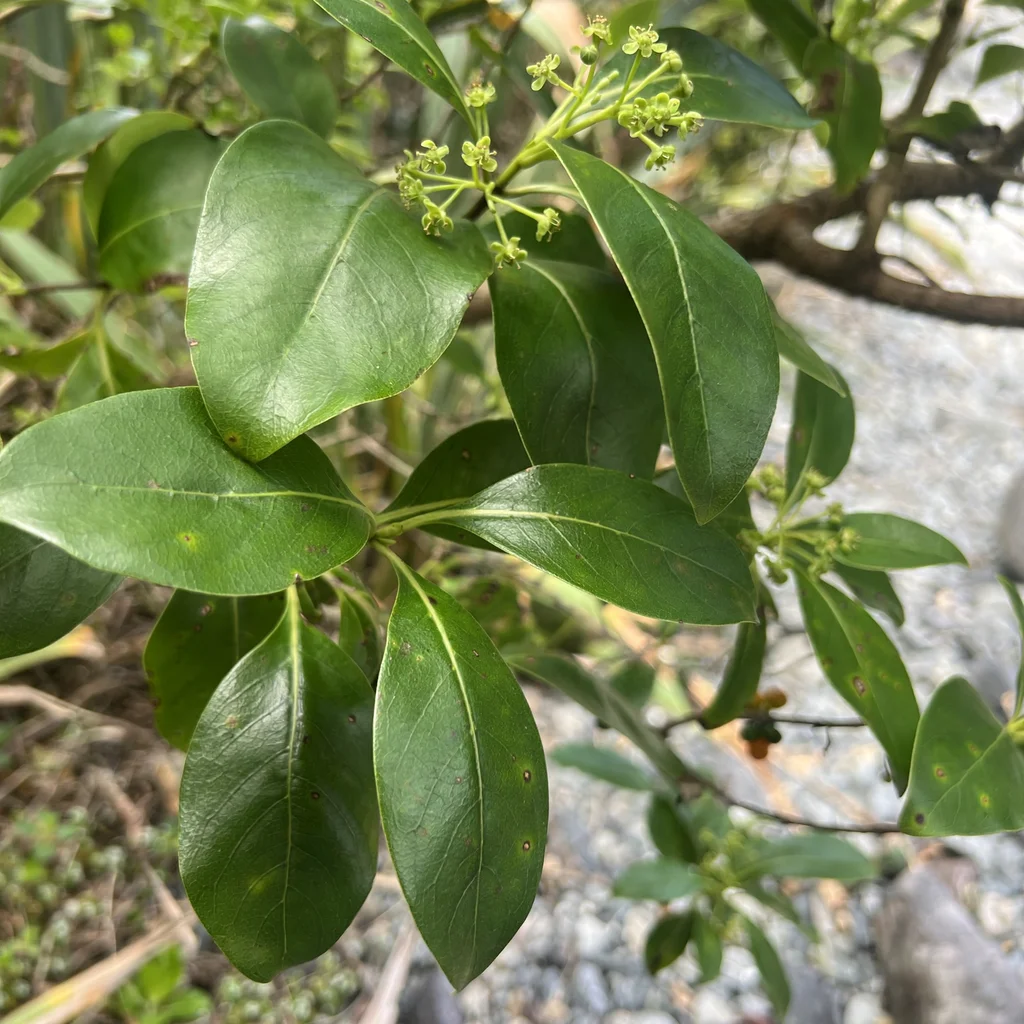
Large-Seeded Coprosma
Coprosma macrocarpa
Keep exploring
Explore the genus
Hardy in your zone?
Grow Thin-Leaved Coprosma with confidence
See it in a design of your actual yard, get zone-matched care reminders, and track it season by season in your garden journal.