The Story
Plant Bio
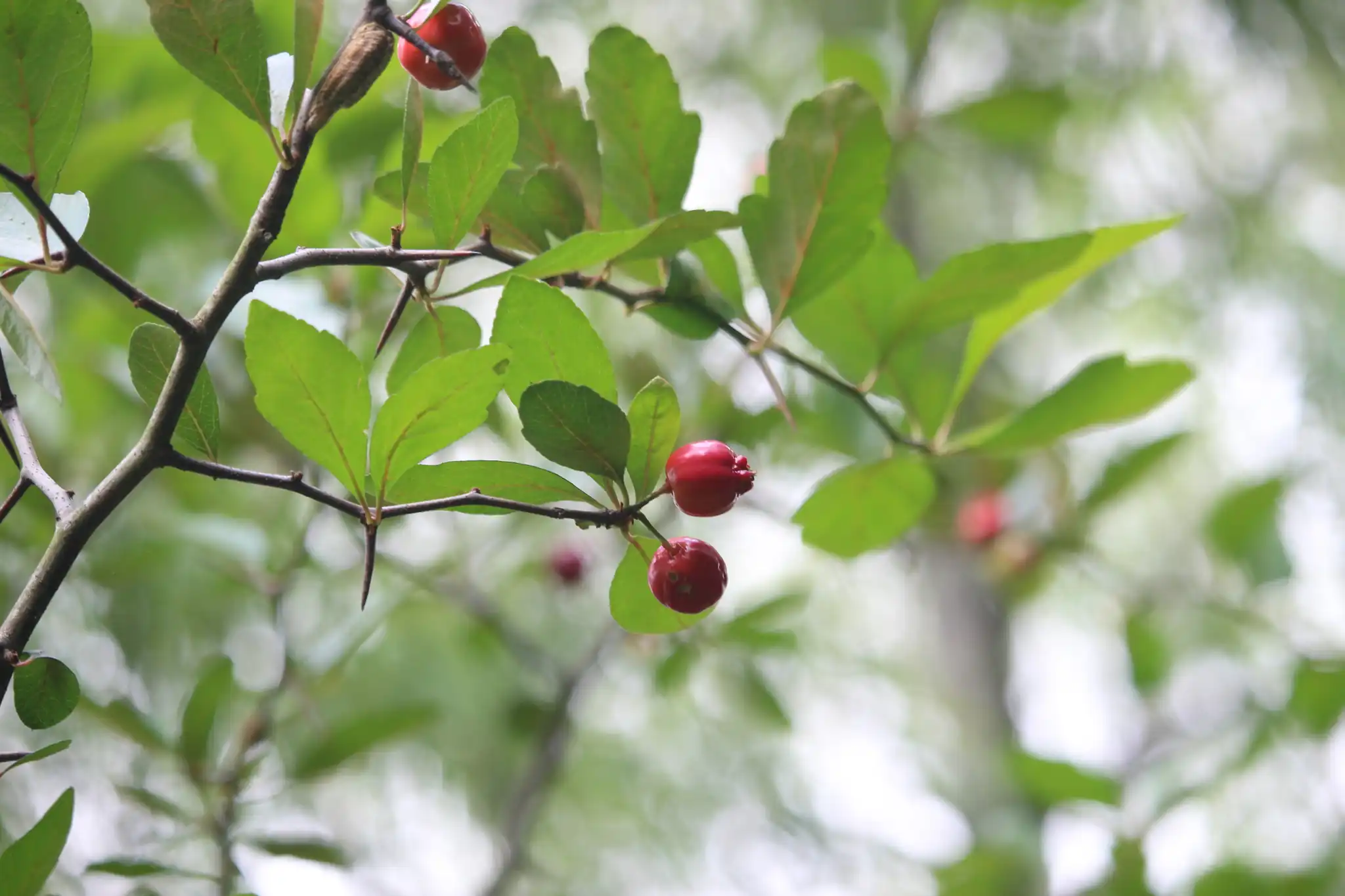
Crataegus opaca is a deciduous hawthorn of southeastern river swamps and bottomlands, forming a small spiny tree with a tall trunk and narrow rounded crown. Its oval to oblong dark-green leaves are subentire to shallowly toothed, and its five-petalled white to pinkish-white flowers open in clusters in late winter before or with the leaves.
Western mayhaw is separated from eastern mayhaw by its elliptical, nearly entire leaves and its fidelity to standing water and riverbottom sloughs. It ripens large red pomes in May that are sharp raw but make high-pectin jelly and preserves, harvested by shaking onto sheets when fully colored.
Uses & Benefits:
Essentials
At a Glance
Plant Type
Tree
Height
360"
Width
180"
Light
Full Sun, Partial Sun, Shade
Zones
5, 6, 7, 8, 9
Water
High
Humidity
High
Lifespan
Long-lived deciduous tree
Native To
Southeastern USA Gulf Coastal Plain
Toxicity
Seeds poisonous if ingested; branches thorny
Bloom period
Late winter – Early spring
In flower about 2 months of the year
Planting
How to Grow
- Set the tree in full sun to partial shade in low, rich ground that holds winter water.
- Plant dormant bare-root or potted stock in fall to winter, with the root flare at grade.
- Mulch 2-3 inches deep with bark, keeping mulch off the trunk.
- Water deeply through the first two summers to keep roots continuously moist.
- Thin crowded shoots after fruit to keep air moving through the crown.
Pro Tip
Give it winter-wet ground that stays moist through fruiting, and keep junipers out of the planting to break the cedar-hawthorn rust cycle.
Keep It Thriving
Care Guide
Do
- Do plant in wet bottomland, swale, or rain garden soil.
- Do remove blighted shoots and fallen infected leaves promptly.
- Do harvest fully red fruit in May for jelly before birds take them.
Don't
- Do not plant on a dry upland berm and expect fruit.
- Do not plant next to junipers or eastern redcedar.
- Do not eat seeds; spit them and cook the pulp for preserves.
Seasonal Care Calendar
| Task | Jan | Feb | Mar | Apr | May | Jun | Jul | Aug | Sep | Oct | Nov | Dec |
|---|---|---|---|---|---|---|---|---|---|---|---|---|
| Harvest | ||||||||||||
| Pest Check | ||||||||||||
| Plant | ||||||||||||
| Propagate | ||||||||||||
| Prune |
Watch Out For
Pests & Diseases
Common Pests
Common Diseases
In the Garden
Landscape Uses & Companions
Landscape Uses
Multiply
Propagation Methods
Good to Know
Common Questions
Western Mayhaw questions
What zones can Western Mayhaw grow in?
Western Mayhaw is hardy in USDA Zones 5–9: in that range it survives winter in the ground. Colder than Zone 5, winters are too cold for it to survive outdoors. Warmer than Zone 9, winter isn't the problem: it prefers colder winters, and summer heat can shorten its life.
When does Western Mayhaw bloom?
Western Mayhaw typically blooms from late winter to early spring. Exact timing shifts a week or two with your zone — Sow's bloom calendar maps it to your garden.
Does Western Mayhaw need full sun?
Western Mayhaw does best in full sun to part shade. In hot climates, afternoon shade keeps blooms fresher longer.
More Crataegus to compare
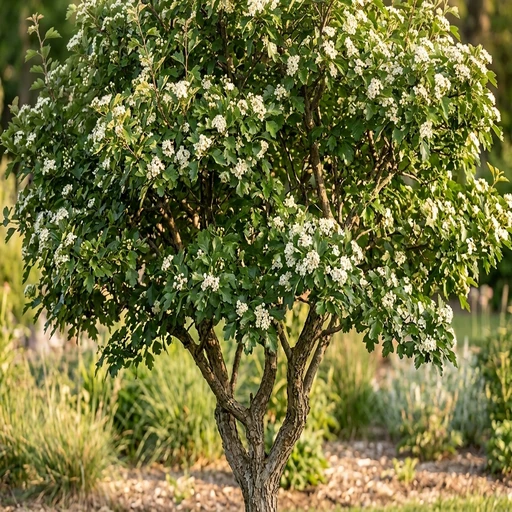
Washington Hawthorn
Crataegus phaenopyrum
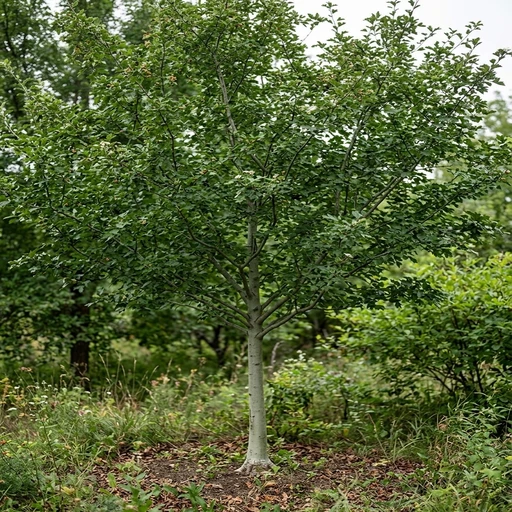
Winter King Hawthorn
Crataegus viridis 'Winter King'
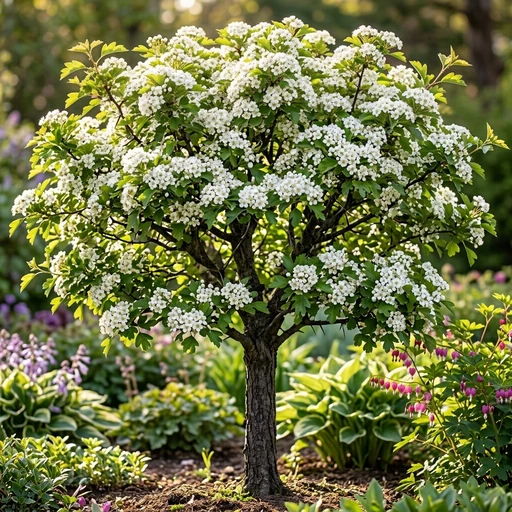
Crusader Hawthorn
Crataegus crus-galli 'Cruzam'
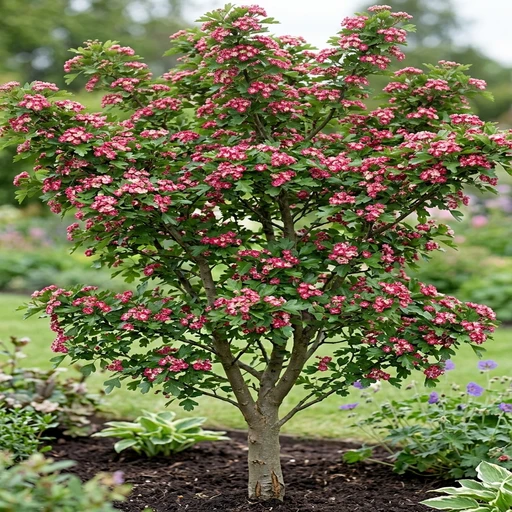
Crimson Cloud English Hawthorn
Crataegus laevigata 'Crimson Cloud'
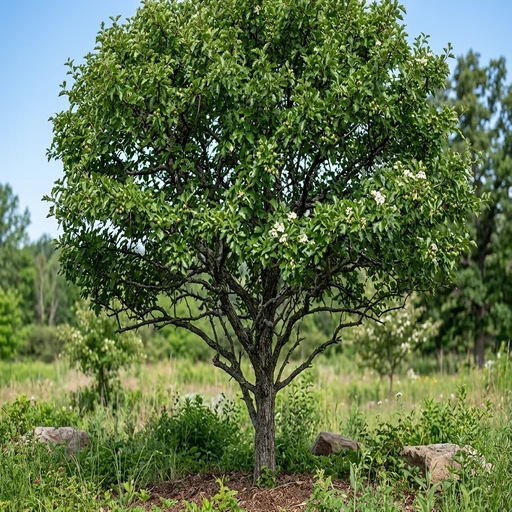
Cockspur Hawthorn
Crataegus crus-galli
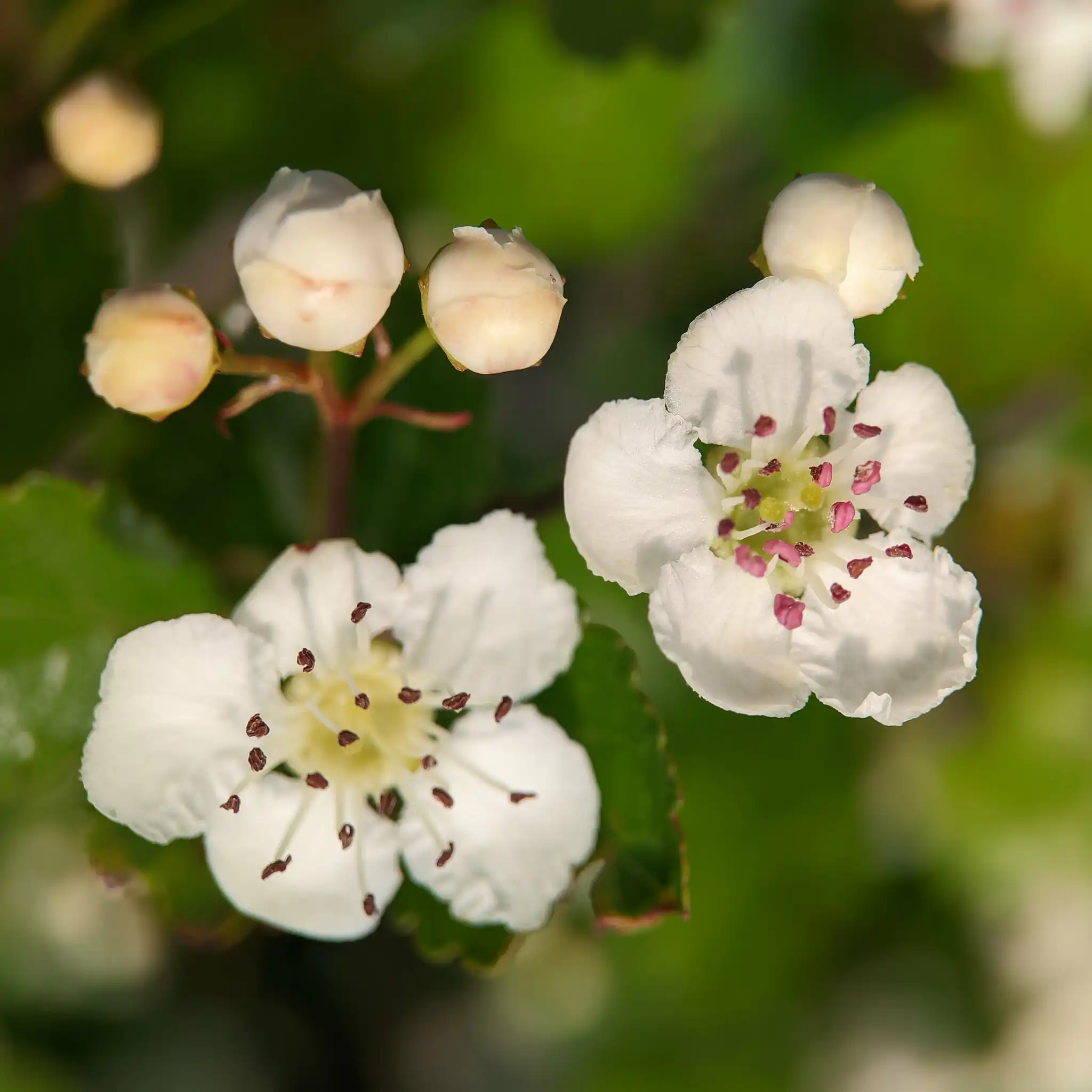
English Hawthorn
Crataegus laevigata
Keep exploring
Explore the genus
Hardy in your zone?
Grow Western Mayhaw with confidence
See it in a design of your actual yard, get zone-matched care reminders, and track it season by season in your garden journal.