The Story
Plant Bio
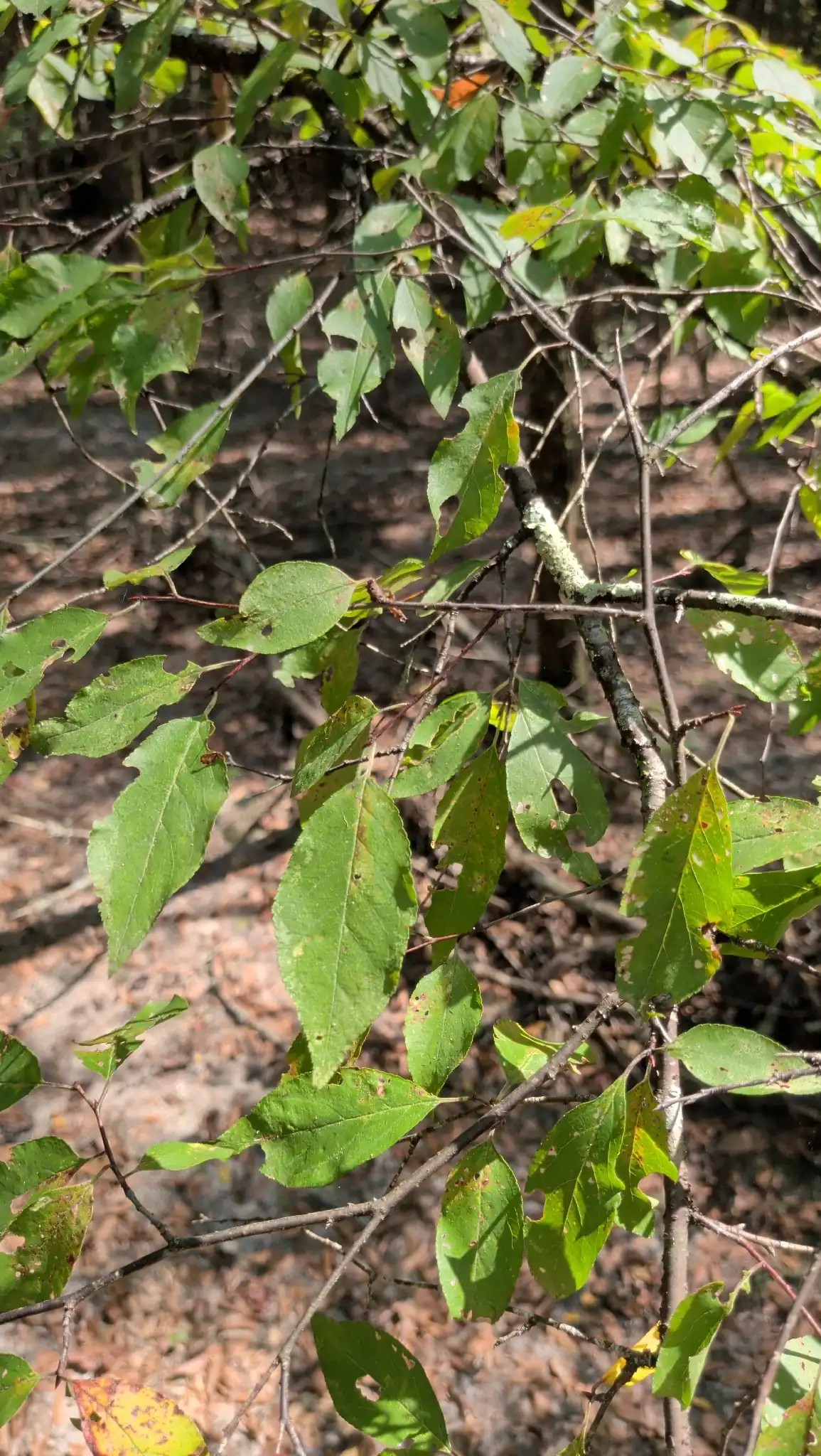
Prunus umbellata, the flatwoods plum, is a deciduous small tree or shrub in the rose family reaching about 20 feet tall by 15 feet wide, with a short thickened trunk and dense flat-topped crown. Leaves are simple, alternate and elliptical-ovate with serrate margins, 1 to 3 inches long, and flowers are borne in small rounded umbels.
What separates it from orchard plums is very fragrant white to cream bloom in late season in March to April followed by black drupes under 1 inch ripe in August to September. Stems are often contorted and thorny, and unmanaged plants sucker freely to form dense thickets.
Uses & Benefits:
Essentials
At a Glance
Plant Type
Tree
Height
240"
Width
181"
Light
Full Sun, Partial Sun, Shade
Water
Moderate
Humidity
Unknown
Lifespan
40 years
Native To
Eastern USA
Toxicity
Toxic - seeds, wilted leaves, bark and twigs poisonous if chewed
Bloom period
Early spring – Mid spring
In flower about 2 months of the year
Planting
How to Grow
- Plant in full sun to partial shade in clay, loam, or sand with good drainage, keeping moisture retentive but never waterlogged.
- Space to allow a 15 foot crown and set the root flare level with the soil surface.
- Water deeply through the first growing season; sandy soils need more water and benefit from afternoon shade.
- Mulch 2 to 3 inches deep, keeping mulch off the trunk, to hold moisture.
- Decide on form at planting: single trunk with suckers removed, or multi-stem thicket left to sucker.
Pro Tip
Cut root suckers back to the base each winter if you want a single-trunked small tree; leave them to form a fruiting thicket for wildlife.
Keep It Thriving
Care Guide
Do
- Do remove root suckers and thin crowded stems to control thicket spread.
- Do prune out black knot galls promptly and destroy them.
- Do harvest ripe black fruit in August to September for jellies and jams.
Don't
- Do not plant where fallen fruit and suckers will be a nuisance.
- Do not chew or crush seeds, wilted leaves, bark, or twigs; they contain cyanogenic compounds.
- Do not leave black knot galls on the tree through spring infection period.
Seasonal Care Calendar
| Task | Jan | Feb | Mar | Apr | May | Jun | Jul | Aug | Sep | Oct | Nov | Dec |
|---|---|---|---|---|---|---|---|---|---|---|---|---|
| Harvest | ||||||||||||
| Mulch | ||||||||||||
| Pest Check | ||||||||||||
| Plant | ||||||||||||
| Prune |
Watch Out For
Pests & Diseases
Common Pests
Common Diseases
In the Garden
Landscape Uses & Companions
Landscape Uses
Companion Plants
Multiply
Propagation Methods
Good to Know
Common Questions
Flatwoods Plum questions
When does Flatwoods Plum bloom?
Flatwoods Plum typically blooms in early to mid-spring. Exact timing shifts a week or two with your zone — Sow's bloom calendar maps it to your garden.
Does Flatwoods Plum need full sun?
Flatwoods Plum does best in full sun to part shade. In hot climates, afternoon shade keeps blooms fresher longer.
Is Flatwoods Plum drought tolerant?
Yes — once established (usually after the first full season), Flatwoods Plum handles dry spells with minimal watering. Water deeply its first year to build the root system that makes that possible.
More Prunus to compare
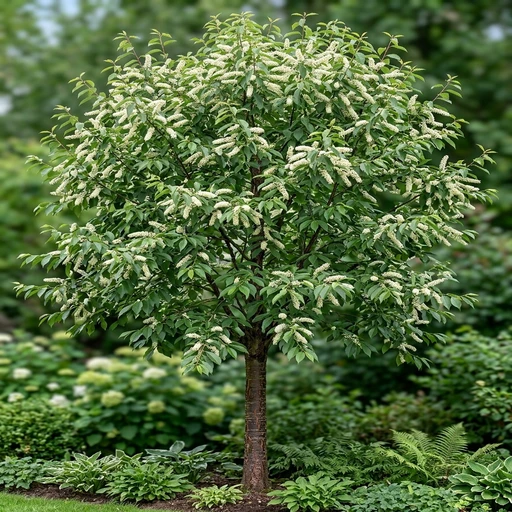
Black Cherry
Prunus serotina
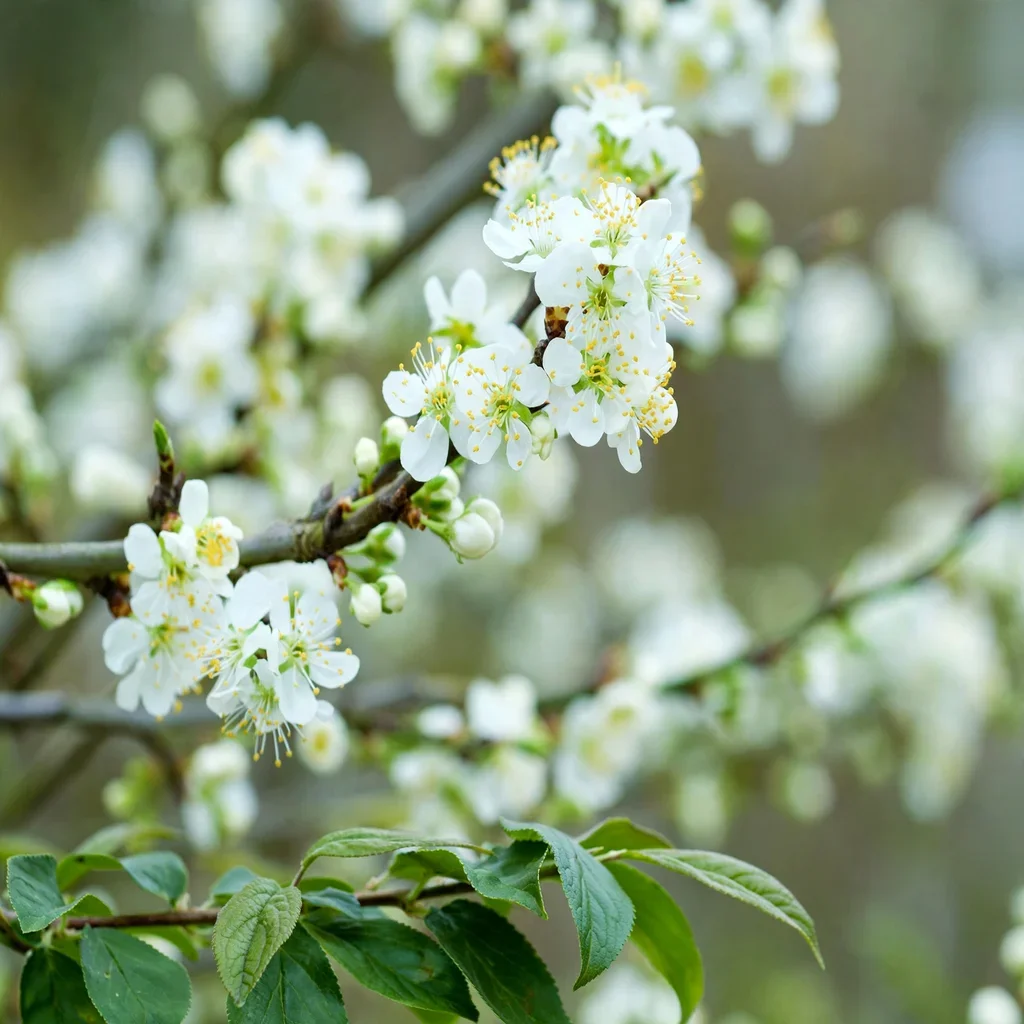
Sugar Plum
Prunus domestica 'Sugar Plum'
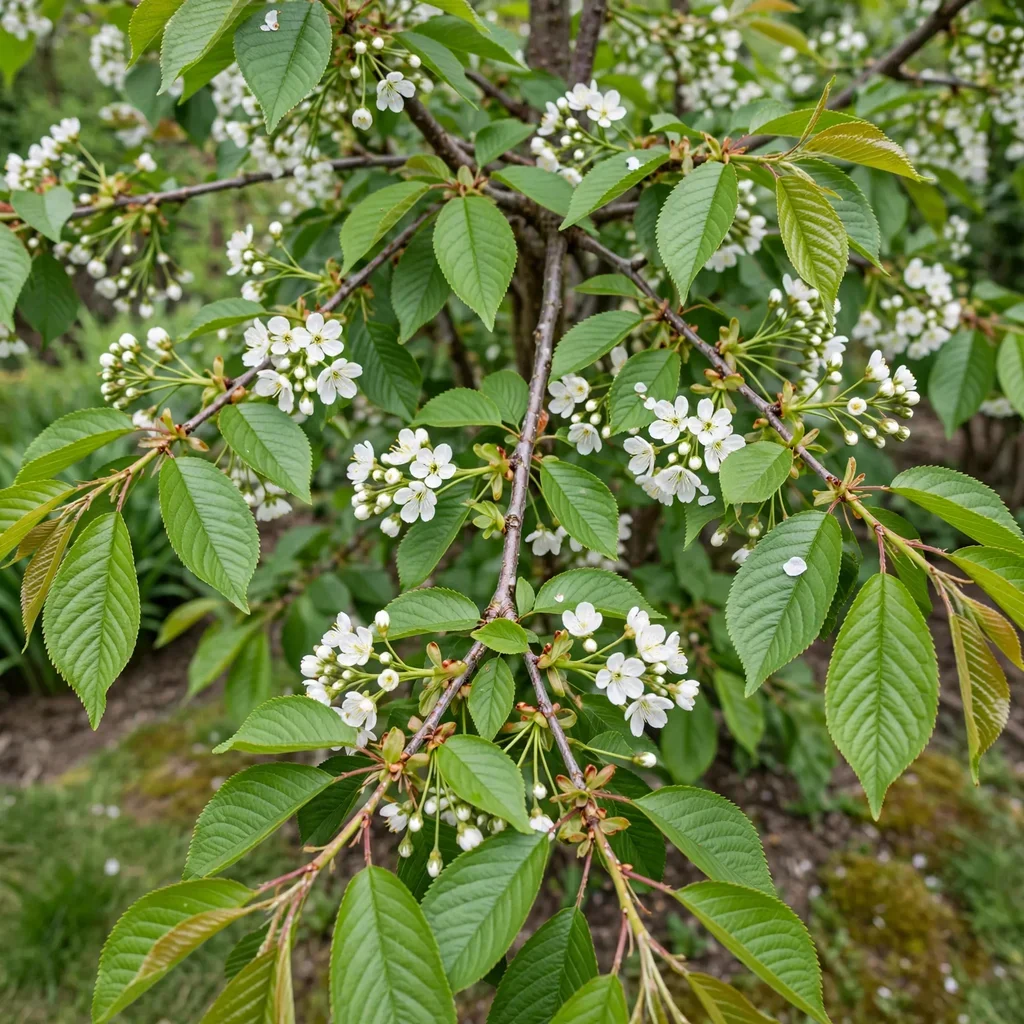
Sweet Cherry Mix
Prunus avium 'Mix'
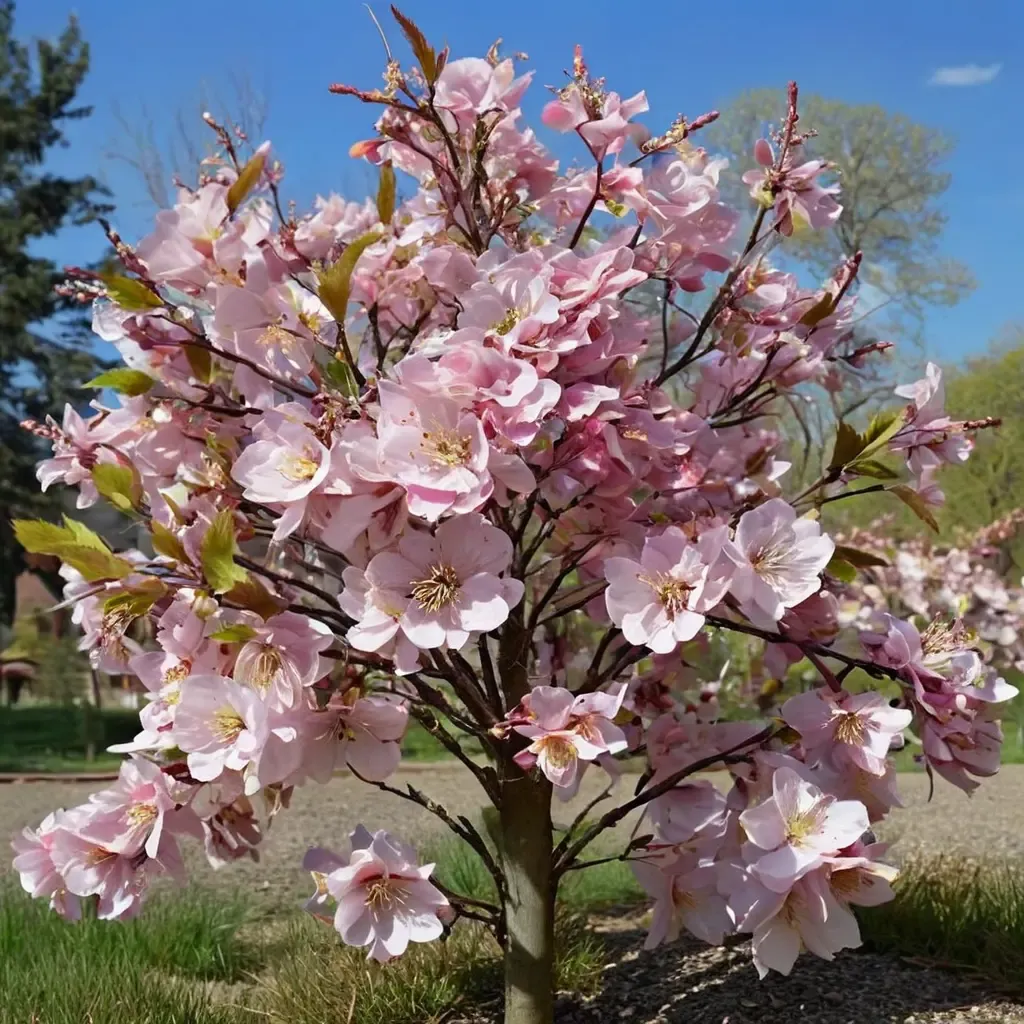
Japanese Flowering Cherry
Prunus serrulata
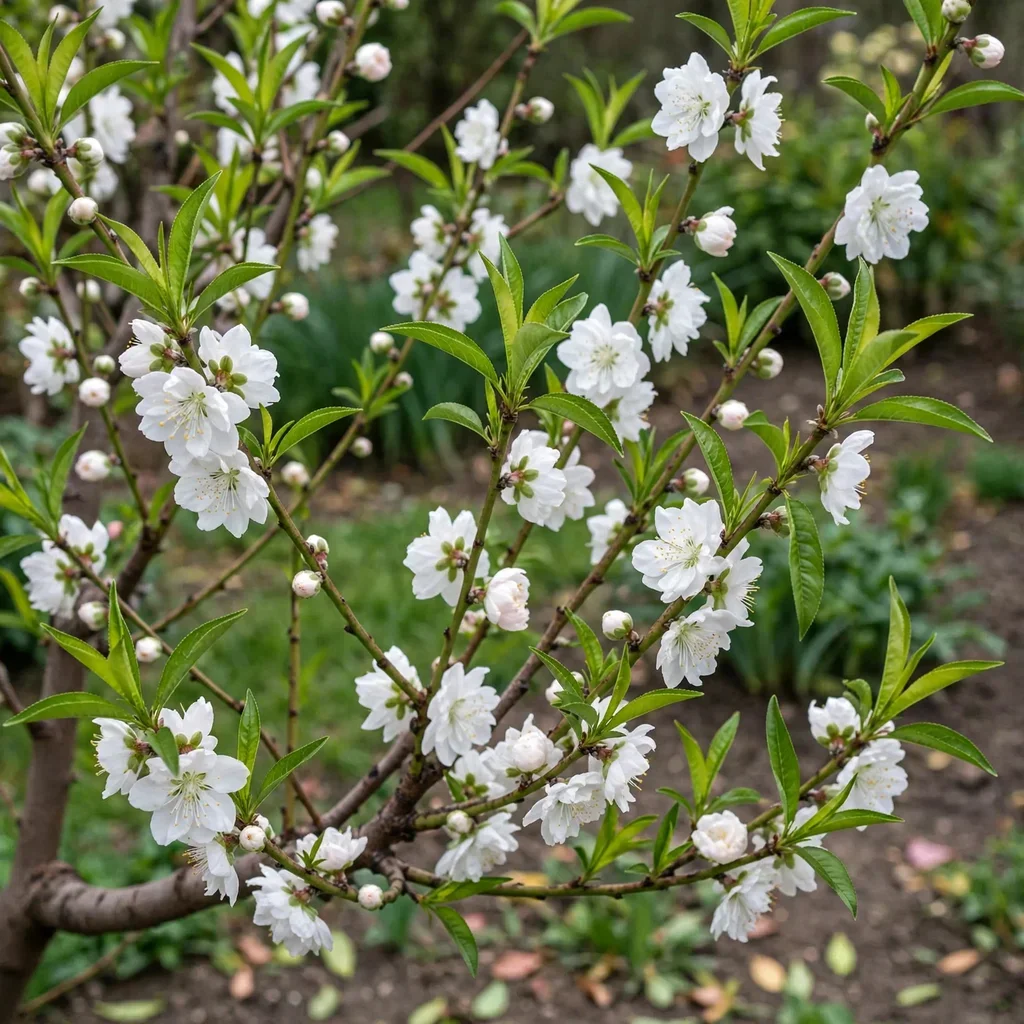
Feiching Tao White Peach
Prunus persica 'Feiching Tao White'
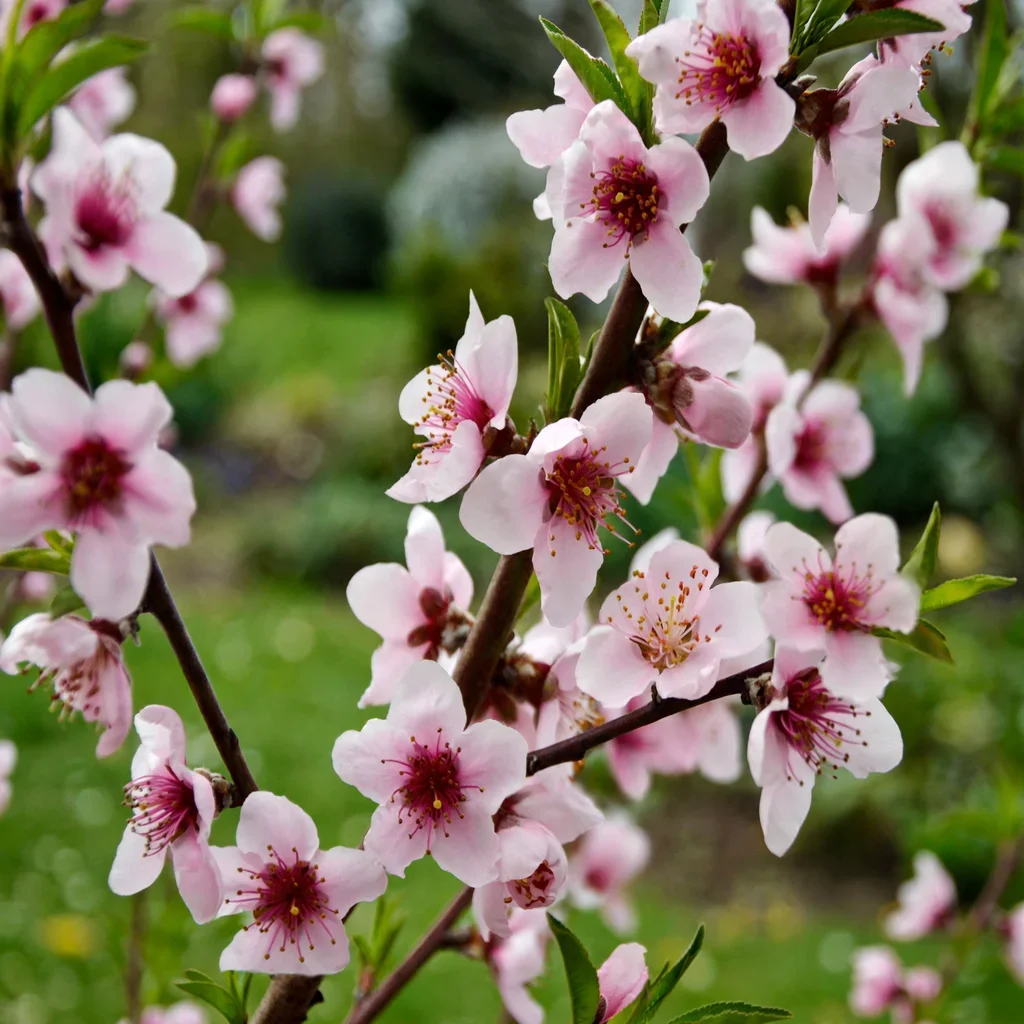
Hale Haven Peach
Prunus persica 'Hale Haven'
Keep exploring
Explore the genus
Grow Flatwoods Plum with confidence
See it in a design of your actual yard, get zone-matched care reminders, and track it season by season in your garden journal.