The Story
Plant Bio
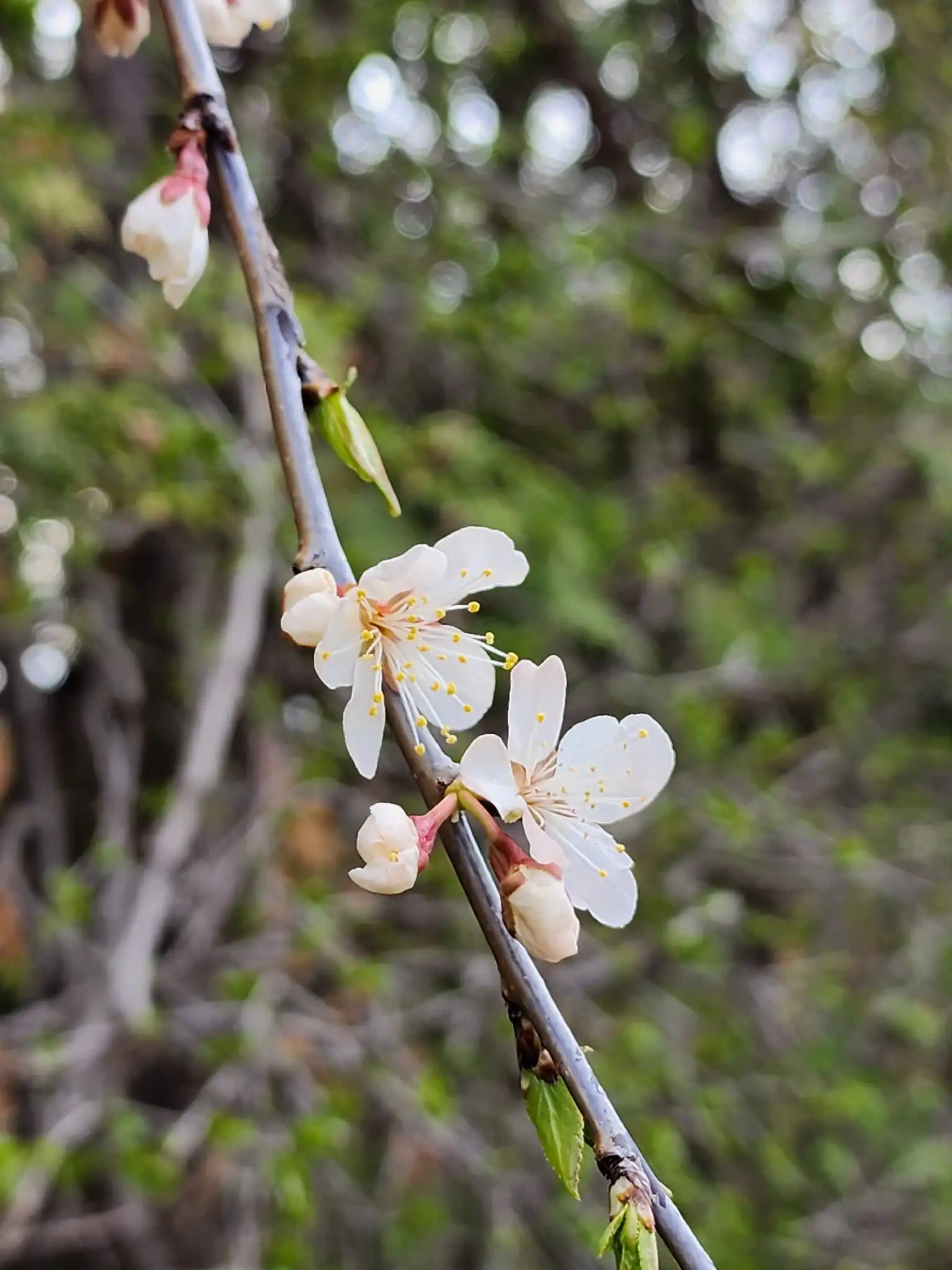
Prunus nigra is a deciduous tree or large multi-stemmed shrub native to eastern North America. It produces dense umbels of white flowers in spring before or alongside emerging foliage, maturing into a broad, round-topped crown.
The species naturally spreads via vigorous root suckers to establish naturalized thickets, with branches bearing short, thorn-like side branchlets. Spring blossoms fade to soft pink before turning to green summer foliage that transitions to yellow and deep red in fall.
Uses & Benefits:
Essentials
At a Glance
Plant Type
Tree
Height
394"
Width
315"
Light
Full Sun, Partial Sun
Zones
4, 5, 6, 7, 8
Water
Medium
Humidity
High
Lifespan
Perennial
Native To
Eastern North America
Toxicity
Toxic if ingested (leaves, stems, seeds)
Bloom period
Spring
In flower about 3 months of the year
Planting
How to Grow
- Select a planting location in full sun to partial shade with well-draining moist soil.
- Dig a hole twice as wide as the root ball and equal to its depth.
- Set the tree so the root flare sits level with the surrounding soil grade.
- Backfill with native soil, press firm to eliminate air pockets, and water deeply.
- Apply a two-inch layer of organic mulch around the root zone, keeping it away from direct trunk contact.
Pro Tip
Inspect twigs during dormant pruning for early black knot fungal galls and cut infected stems at least two to three inches below the black growth to protect the branch network.
Keep It Thriving
Care Guide
Do
- Prune out black knot galls promptly during the winter dormant season.
- Water regularly during dry spells while the tree establishes.
- Install tree guards to protect young bark from deer and rabbit browsing.
Don't
- Do not prune severely into old, leafless wood lacking dormant buds.
- Do not leave fallen leaves or mummified fruit around the tree base over winter.
- Do not over-prune suckers excessively, as severe top-pruning triggers defensive root suckering.
Seasonal Care Calendar
| Task | Jan | Feb | Mar | Apr | May | Jun | Jul | Aug | Sep | Oct | Nov | Dec |
|---|---|---|---|---|---|---|---|---|---|---|---|---|
| Mulch | ||||||||||||
| Pest Check | ||||||||||||
| Prune | ||||||||||||
| Winter Prep |
Watch Out For
Pests & Diseases
Common Pests
Common Diseases
In the Garden
Landscape Uses & Companions
Landscape Uses
Multiply
Propagation Methods
Good to Know
Common Questions
Canada Plum questions
What zones can Canada Plum grow in?
Canada Plum is hardy in USDA Zones 4–8: in that range it survives winter in the ground. Warmer than Zone 8, winter isn't the problem: it prefers colder winters, and summer heat can shorten its life.
Is Canada Plum deer resistant?
Not reliably. Deer may browse Canada Plum, especially tender spring growth — plan on repellents or fencing where pressure is high.
When does Canada Plum bloom?
Canada Plum typically blooms in spring. Exact timing shifts a week or two with your zone — Sow's bloom calendar maps it to your garden.
Does Canada Plum need full sun?
Canada Plum does best in full sun to part shade. In hot climates, afternoon shade keeps blooms fresher longer.
Is Canada Plum drought tolerant?
Yes — once established (usually after the first full season), Canada Plum handles dry spells with minimal watering. Water deeply its first year to build the root system that makes that possible.
More Prunus to compare
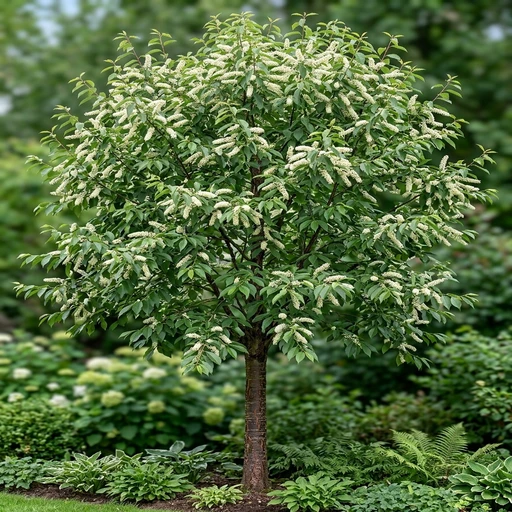
Black Cherry
Prunus serotina
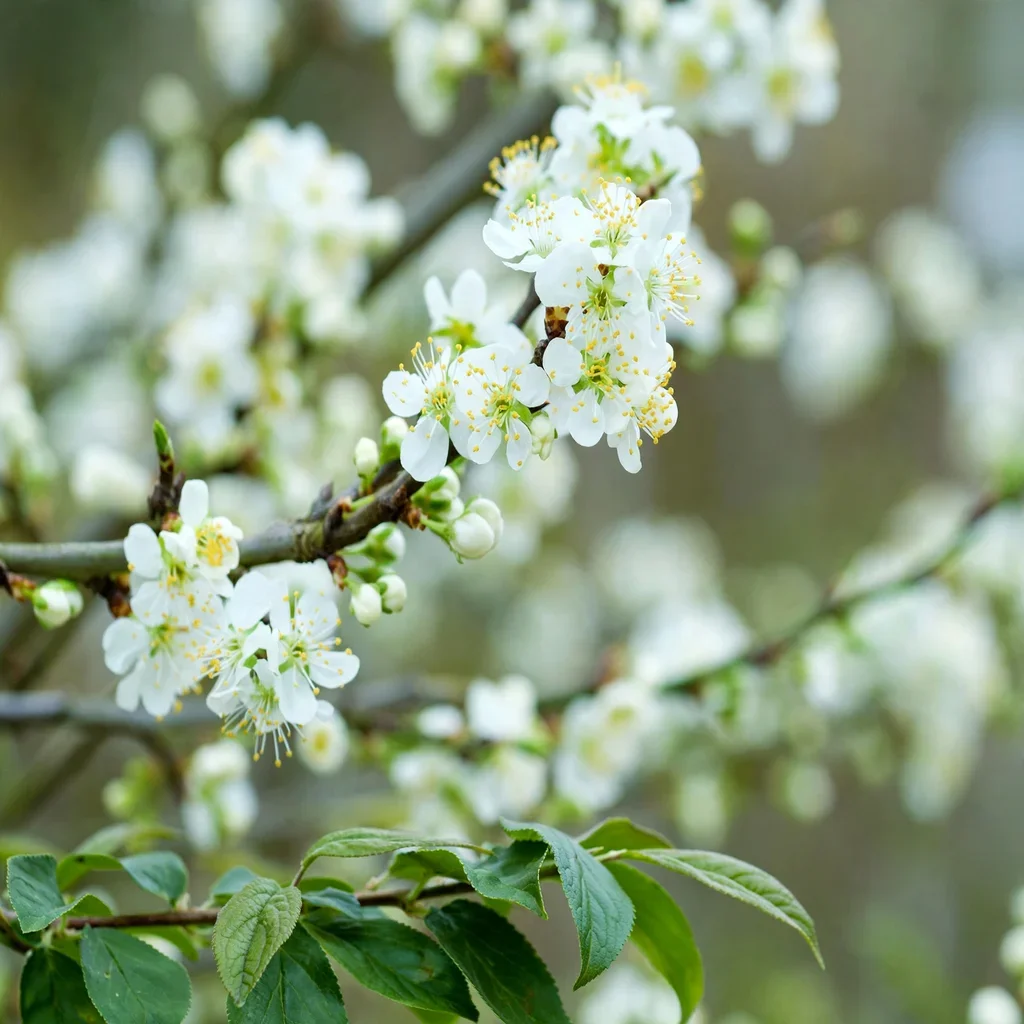
Sugar Plum
Prunus domestica 'Sugar Plum'
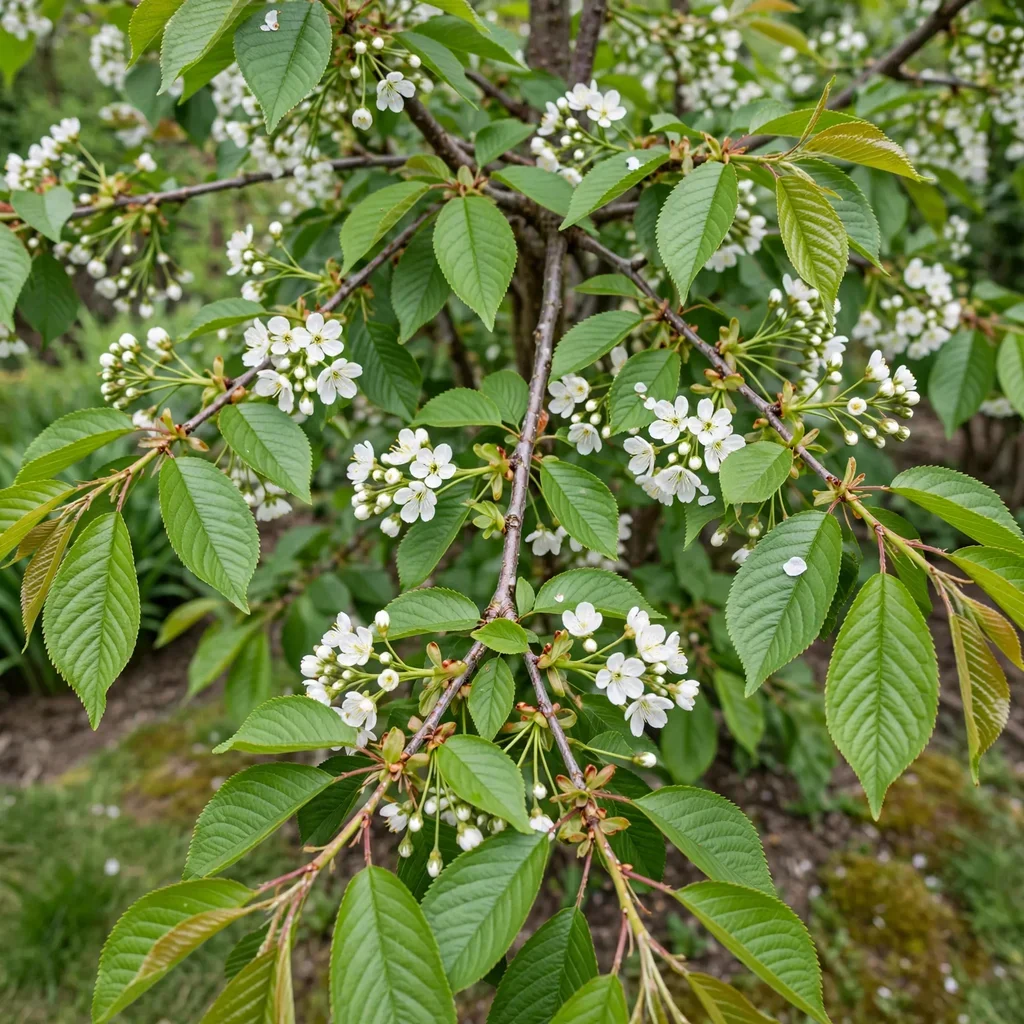
Sweet Cherry Mix
Prunus avium 'Mix'
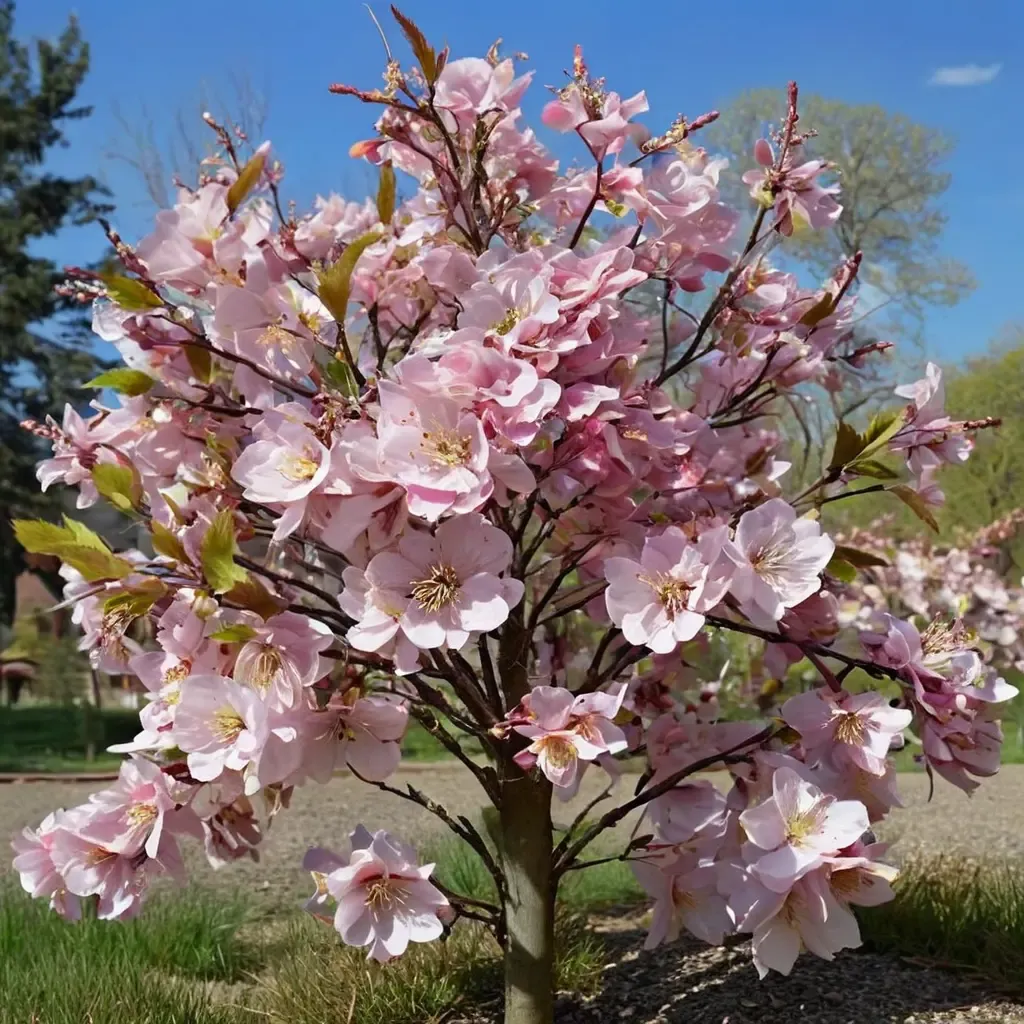
Japanese Flowering Cherry
Prunus serrulata
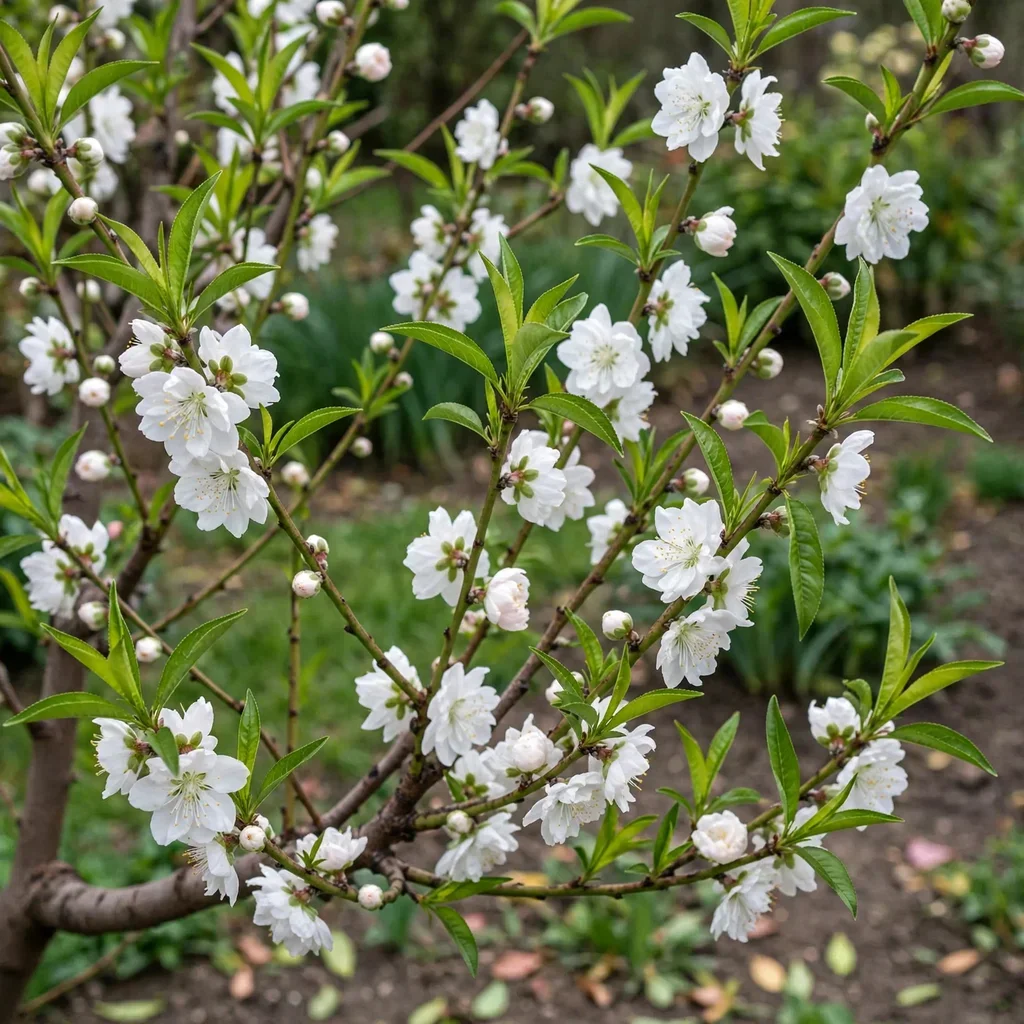
Feiching Tao White Peach
Prunus persica 'Feiching Tao White'
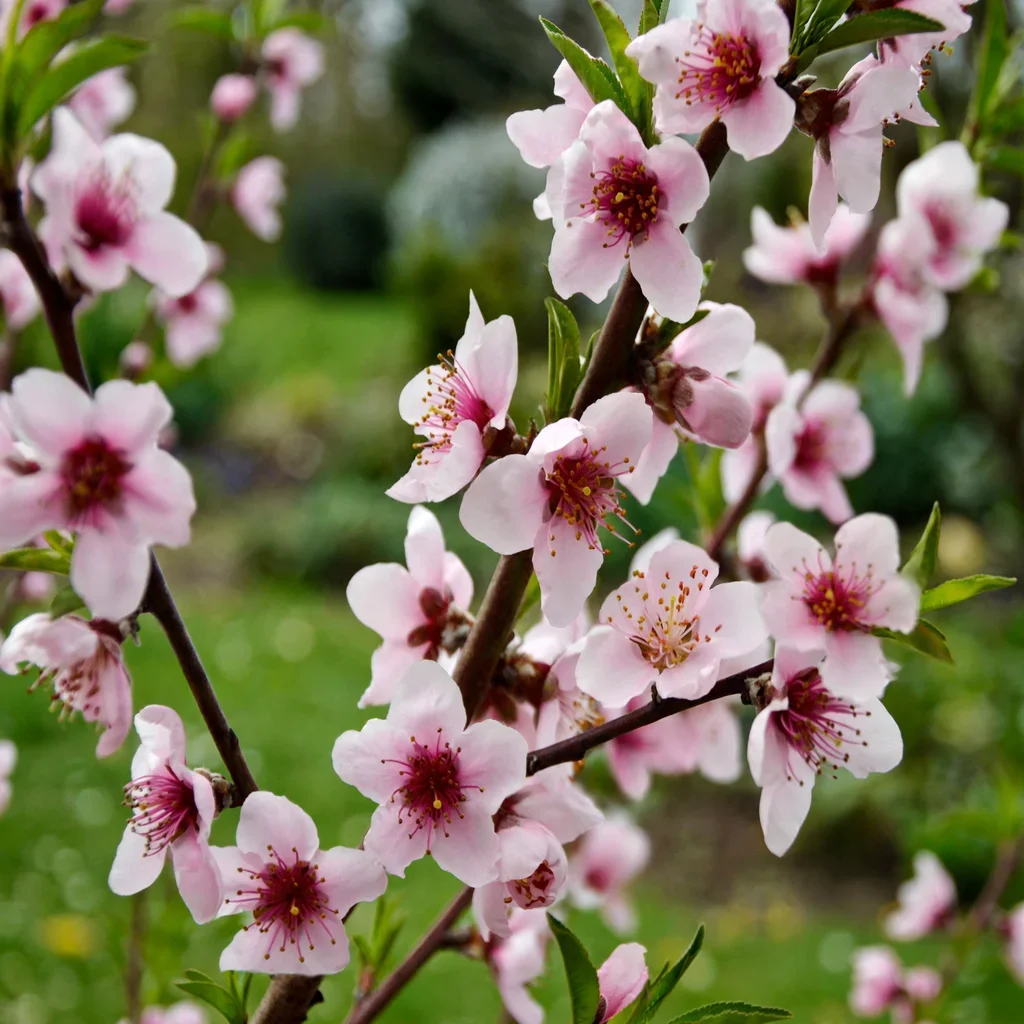
Hale Haven Peach
Prunus persica 'Hale Haven'
Keep exploring
Explore the genus
Hardy in your zone?
Grow Canada Plum with confidence
See it in a design of your actual yard, get zone-matched care reminders, and track it season by season in your garden journal.