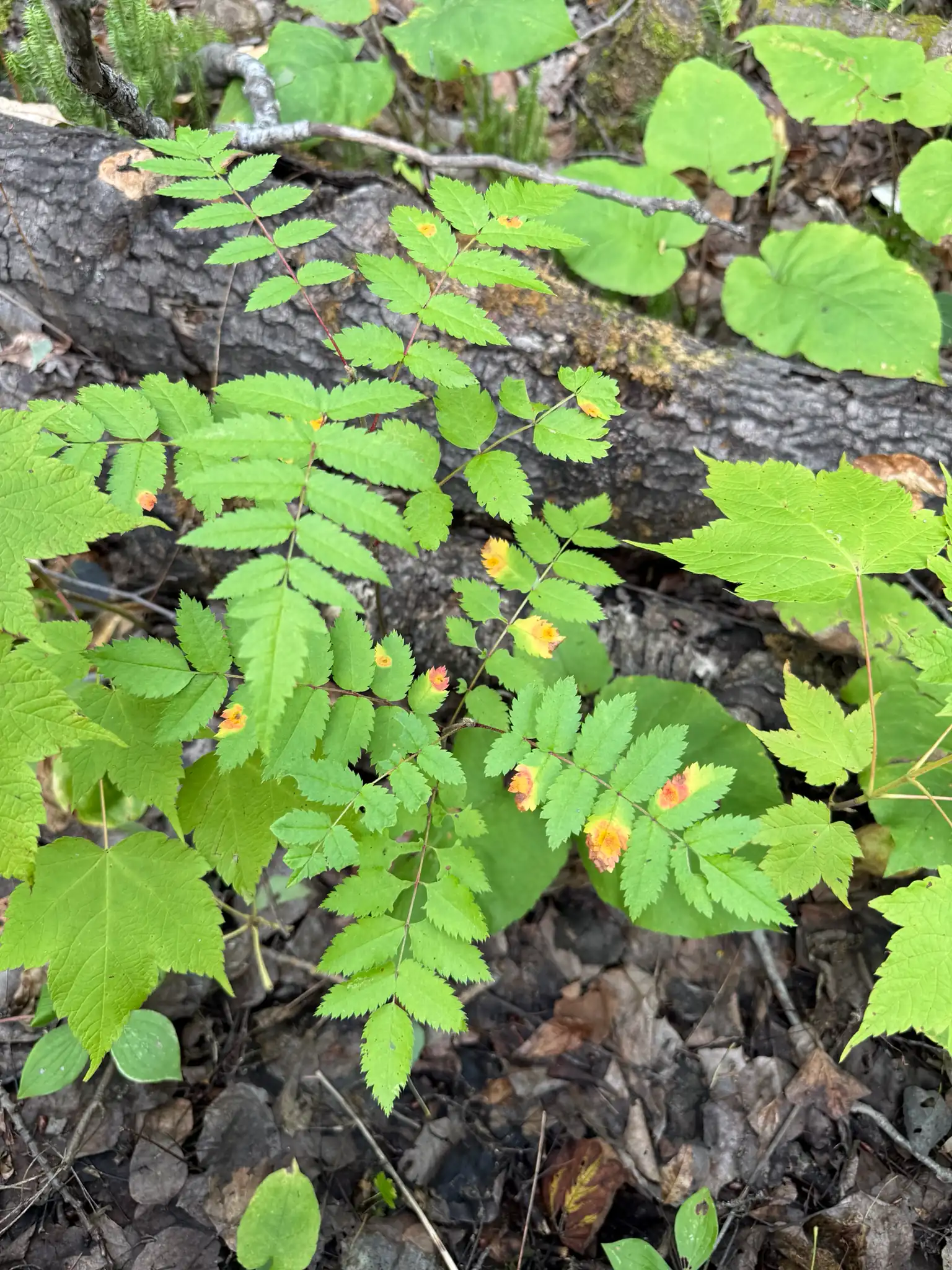
The Story
Plant Bio
Sorbus decora is a cold-hardy deciduous tree or large multi-stemmed shrub native to northern North America, developing an upright oval canopy with pinnately compound foliage. Broad clusters of white flowers bloom in late spring, followed by dense clusters of bright red pomes that persist into winter.
This species is distinguished by its extreme cold hardiness and vibrant fall display, turning bright yellow to red as temperatures drop. The persistent berries serve as a primary winter food source for native songbirds.
Uses & Benefits:
Essentials
At a Glance
Plant Type
Tree
Height
394"
Width
236"
Light
Full Sun, Partial Sun
Zones
4, 5, 6
Water
Medium
Humidity
Moderate
Lifespan
Perennial
Native To
North America
Toxicity
Toxic if Ingested (Raw Berries)
Bloom period
Late spring – Early summer
In flower about 2 months of the year
Planting
How to Grow
- Plant in full sun to light shade in moist, well-draining acidic or neutral loam.
- Backfill with original soil mixed lightly with organic mulch, setting the root collar level with the surrounding ground.
- Water deeply immediately after planting and maintain steady moisture while roots establish.
- Apply a three-inch layer of organic mulch over the root zone, keeping it away from the trunk base.
Pro Tip
Prune lightly in late winter or early spring to clear dead wood; cutting back heavily into old leafless stems gives slow, patchy regrowth.
Keep It Thriving
Care Guide
Do
- Plant in well-drained, acidic to neutral loamy soils.
- Maintain consistent soil moisture, particularly during summer dry spells.
- Mulch around the base to keep root zones cool and retain moisture.
Don't
- Do not plant in heavy, poorly drained clay or waterlogged soils.
- Do not prune heavily into thick, leafless old wood.
- Do not subject the root zone to prolonged drought conditions.
Seasonal Care Calendar
| Task | Jan | Feb | Mar | Apr | May | Jun | Jul | Aug | Sep | Oct | Nov | Dec |
|---|---|---|---|---|---|---|---|---|---|---|---|---|
| Fertilize | ||||||||||||
| Mulch | ||||||||||||
| Pest Check | ||||||||||||
| Prune | ||||||||||||
| Winter Prep |
Watch Out For
Pests & Diseases
Common Pests
Common Diseases
In the Garden
Landscape Uses & Companions
Landscape Uses
Companion Plants
Multiply
Propagation Methods
Good to Know
Common Questions
Northern Mountain Ash questions
What zones can Northern Mountain Ash grow in?
Northern Mountain Ash is hardy in USDA Zones 4–6: in that range it survives winter in the ground. Warmer than Zone 6, winter isn't the problem: it prefers colder winters, and summer heat can shorten its life.
Is Northern Mountain Ash deer resistant?
Not reliably. Deer may browse Northern Mountain Ash, especially tender spring growth — plan on repellents or fencing where pressure is high.
When does Northern Mountain Ash bloom?
Northern Mountain Ash typically blooms from late spring to early summer. Exact timing shifts a week or two with your zone — Sow's bloom calendar maps it to your garden.
Does Northern Mountain Ash need full sun?
Northern Mountain Ash does best in full sun to part shade. In hot climates, afternoon shade keeps blooms fresher longer.
More Sorbus to compare
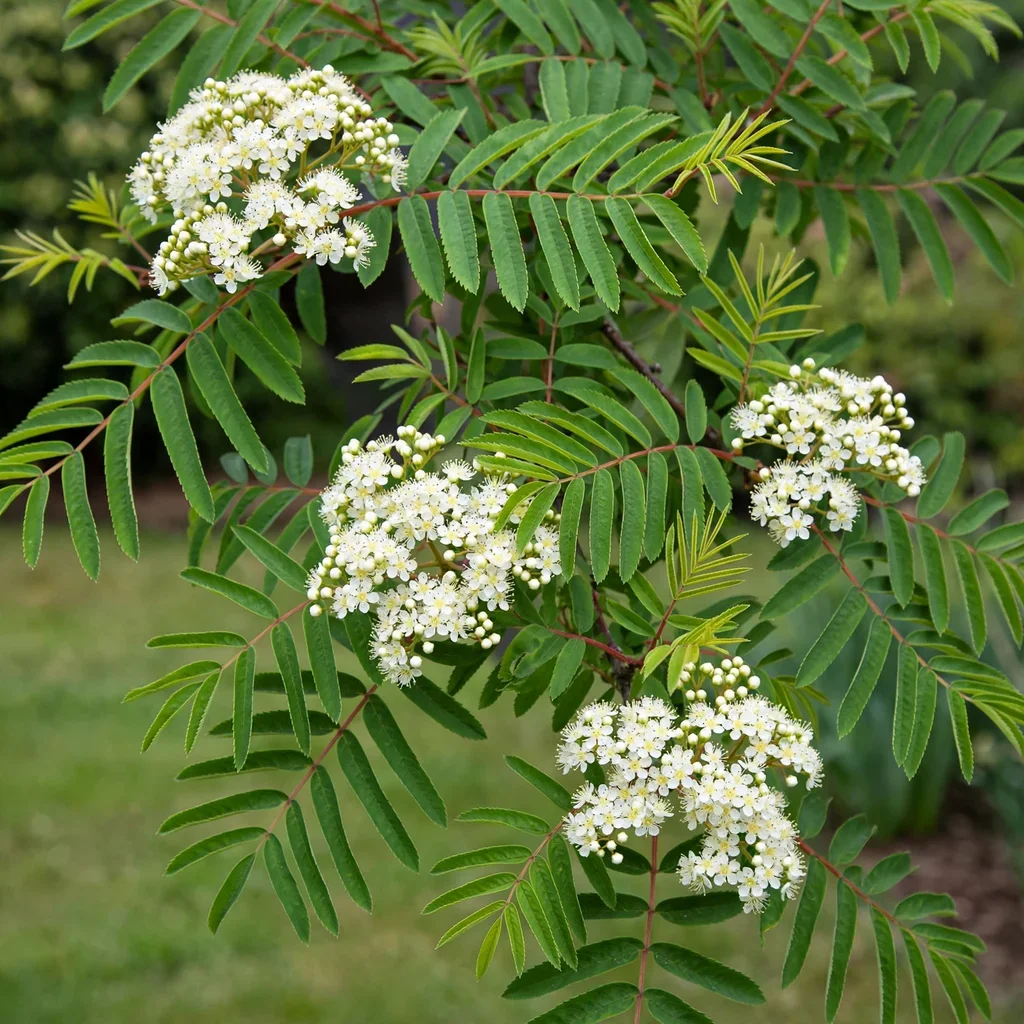
Joseph Rock Rowan
Sorbus aucuparia 'Joseph Rock'
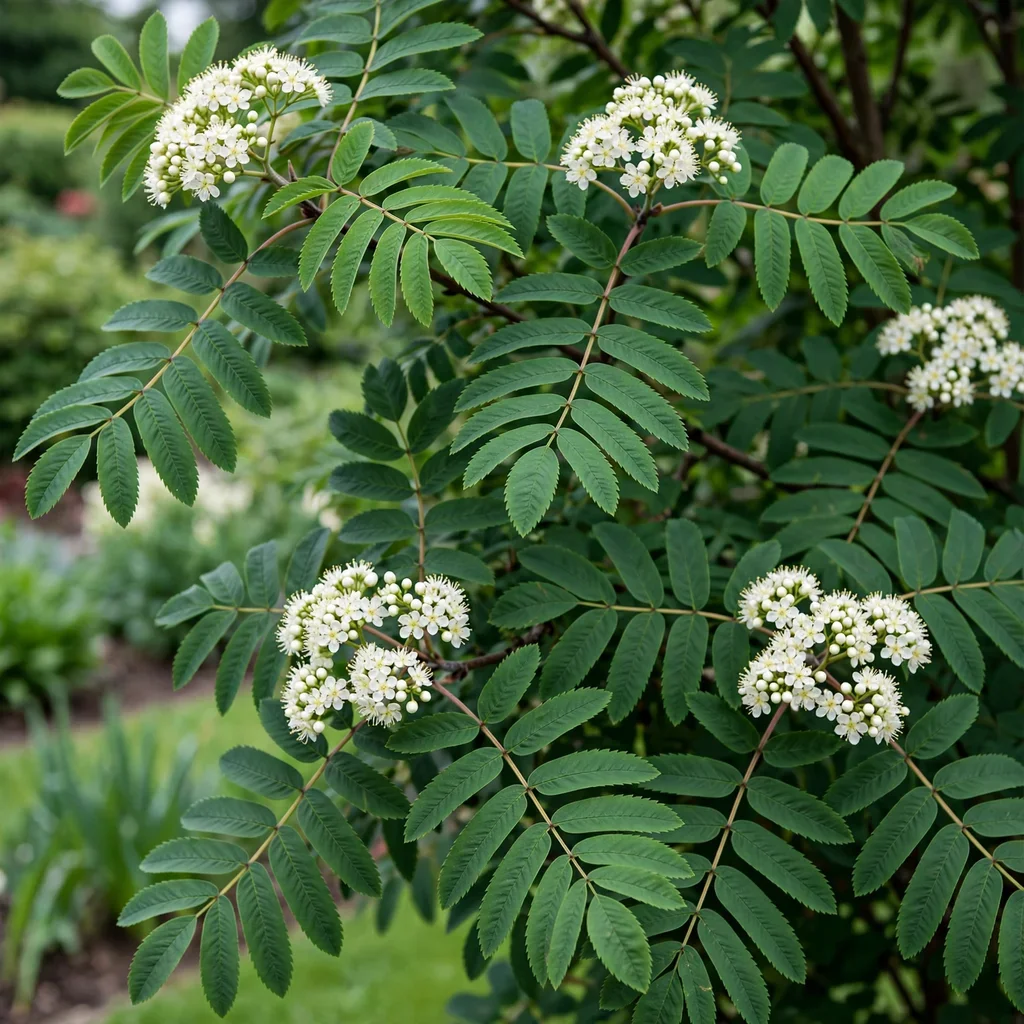
Rowan Mountain Ash
Sorbus aucuparia
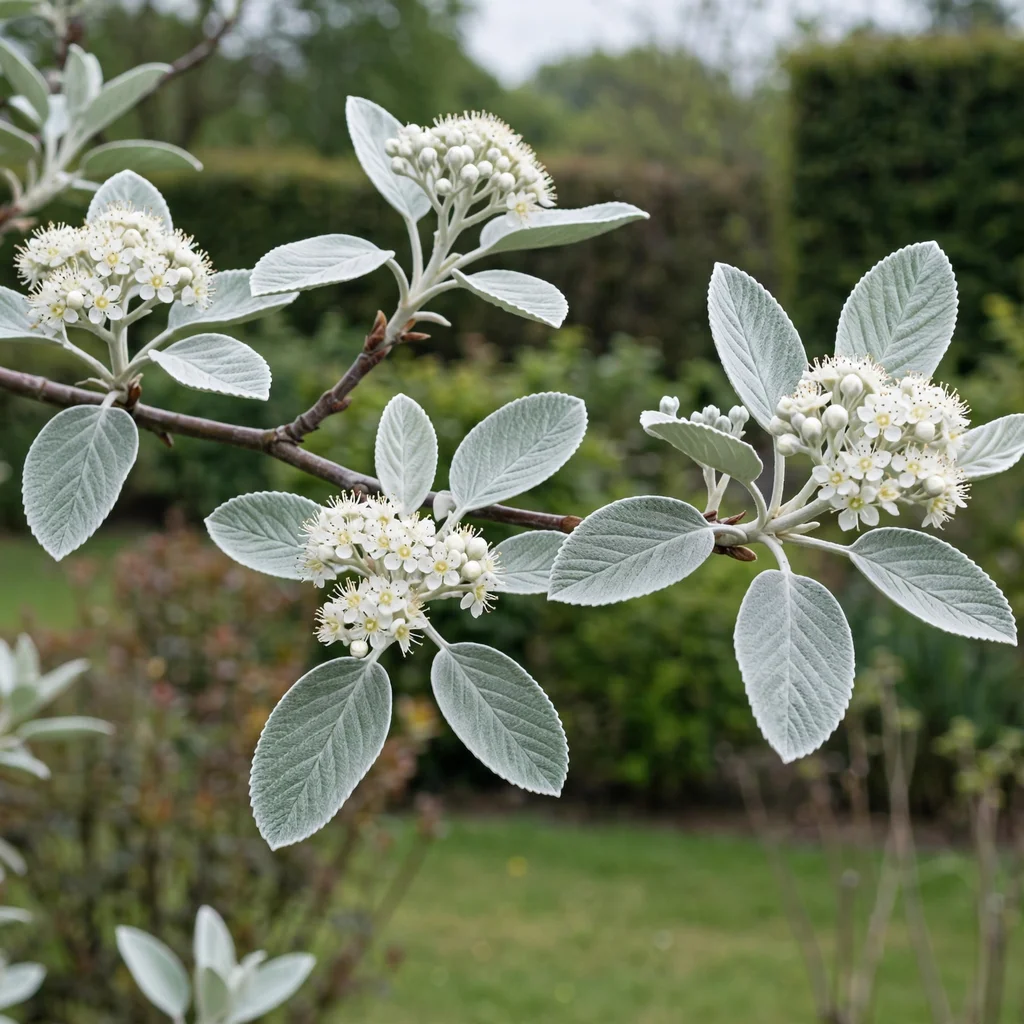
Whitebeam
Sorbus aria 'Lutescens'
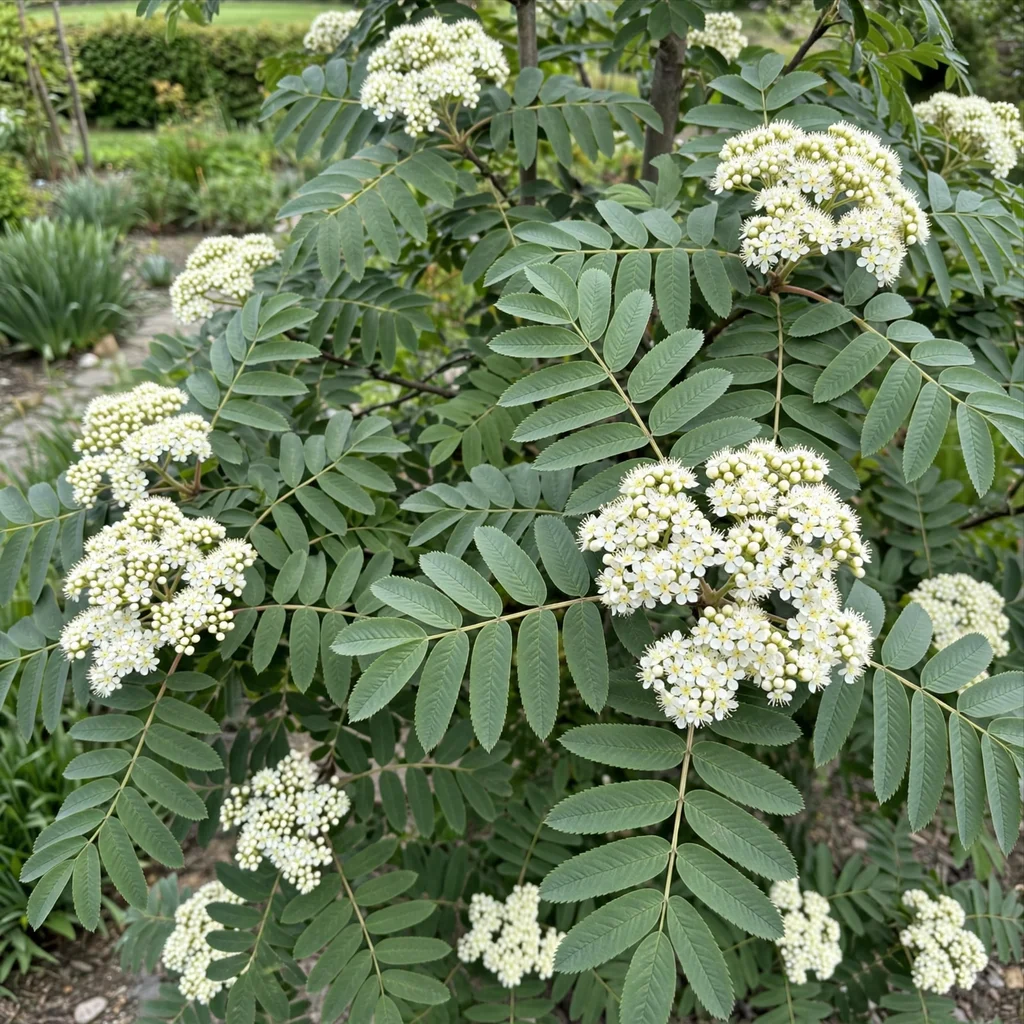
European Mountain Ash
Sorbus aucuparia 'Sheerwater Seedling'
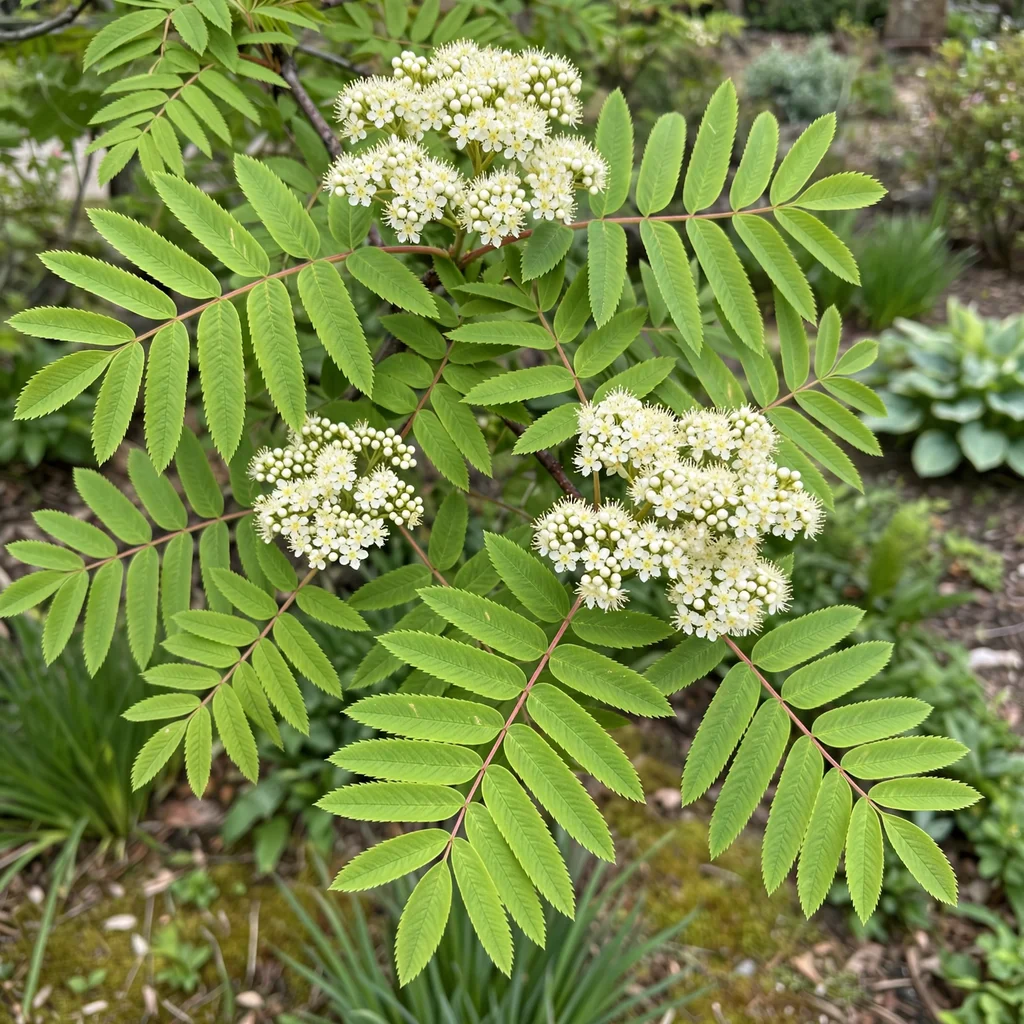
American Mountain Ash
Sorbus americana
Keep exploring
Explore the genus
Hardy in your zone?
Grow Northern Mountain Ash with confidence
See it in a design of your actual yard, get zone-matched care reminders, and track it season by season in your garden journal.