The Story
Plant Bio
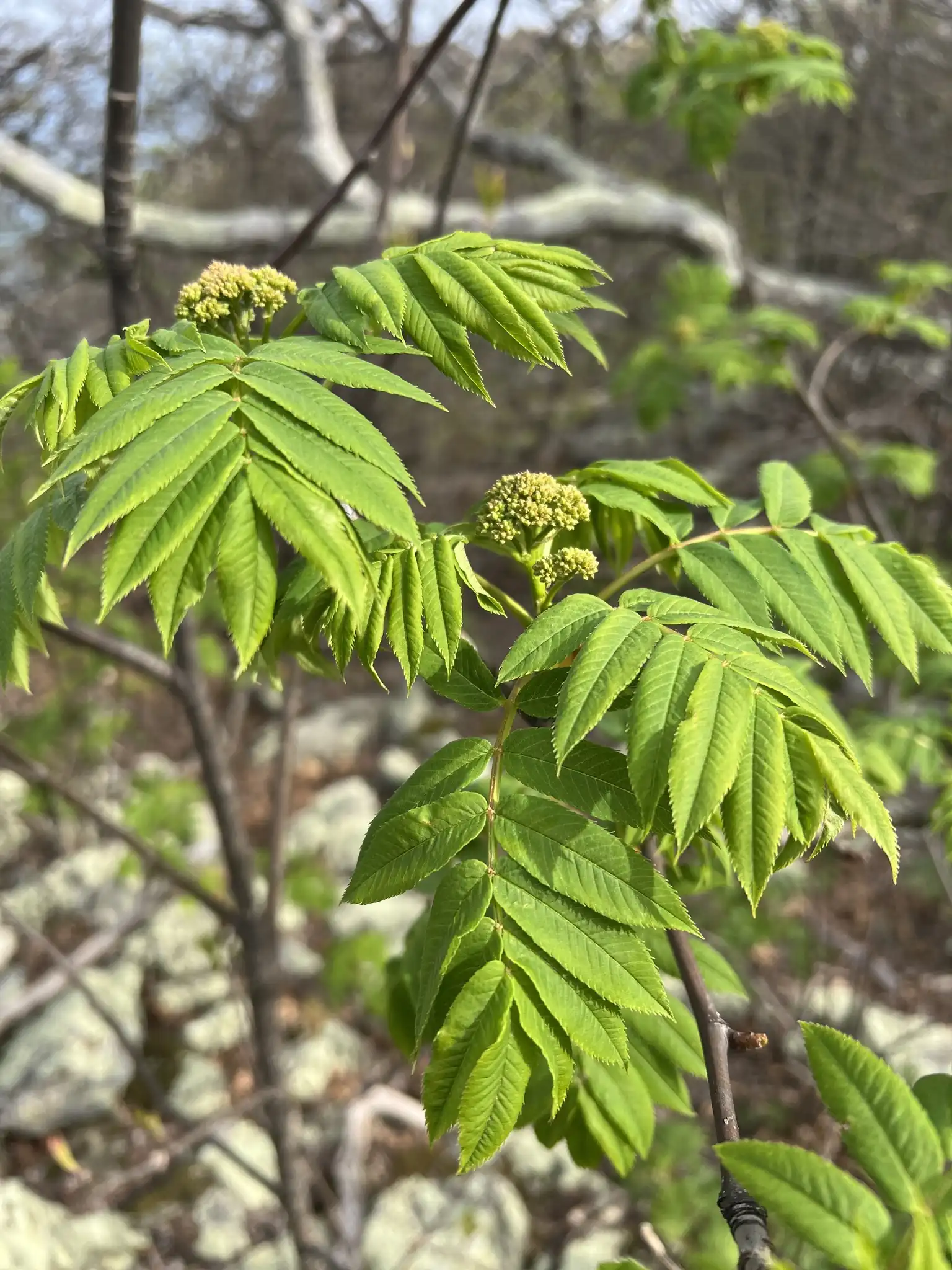
Sorbus americana, known as American mountain-ash, is a small deciduous tree or multi-stemmed large shrub native to cold northern and high-elevation regions of eastern North America. It features pinnately compound foliage with 13 to 17 sharply toothed leaflets, dense clusters of creamy-white spring flowers, and persistent bright red autumn pomes.
This species provides critical late-season food for songbirds and serves as a larval host for the eastern tiger swallowtail butterfly, while ruby-throated hummingbirds visit the spring flowers. Its extreme cold hardiness allows it to thrive down to USDA Zone 2, provided it is sited in acidic, well-drained soil with cool roots.
Uses & Benefits:
Essentials
At a Glance
Plant Type
Tree
Height
480"
Width
360"
Light
Full Sun, Partial Sun
Zones
4, 5, 6
Water
Medium
Humidity
Low
Lifespan
Perennial
Native To
Eastern North America
Toxicity
Toxic if ingested (seeds contain cyanogenic glycosides)
Bloom period
Late spring – Early summer
In flower about 2 months of the year
Planting
How to Grow
- Select a site in full sun to partial shade with moist, acidic soil (pH 5.0 to 6.5) and good drainage.
- Dig a planting hole twice as wide as the root mass and set the trunk flare level with the surrounding soil.
- Backfill with native soil enriched with organic compost and water thoroughly to settle air pockets.
- Apply a 3-inch layer of organic mulch across the root zone, keeping it clear of the direct trunk base.
Pro Tip
Prune only during winter dormancy to minimize exposure to fire blight bacteria, and never cut back into old, leafless wood.
Keep It Thriving
Care Guide
Do
- Keep soil consistently moist, especially during summer dry spells.
- Maintain a generous layer of mulch to keep soil temperatures cool.
- Prune strictly in winter while the tree is fully dormant.
Don't
- Do not plant in hot, humid lowlands or southern urban microclimates.
- Do not prune in spring or summer, which spreads fire blight.
- Do not allow heavy clay or waterlogged conditions around the roots.
Seasonal Care Calendar
| Task | Jan | Feb | Mar | Apr | May | Jun | Jul | Aug | Sep | Oct | Nov | Dec |
|---|---|---|---|---|---|---|---|---|---|---|---|---|
| Fertilize | ||||||||||||
| Mulch | ||||||||||||
| Pest Check | ||||||||||||
| Prune |
Watch Out For
Pests & Diseases
Common Pests
Common Diseases
In the Garden
Landscape Uses & Companions
Landscape Uses
Multiply
Propagation Methods
Good to Know
Common Questions
American Mountain Ash questions
What zones can American Mountain Ash grow in?
American Mountain Ash is hardy in USDA Zones 4–6: in that range it survives winter in the ground. Warmer than Zone 6, winter isn't the problem: it prefers colder winters, and summer heat can shorten its life.
Is American Mountain Ash deer resistant?
Not reliably. Deer may browse American Mountain Ash, especially tender spring growth — plan on repellents or fencing where pressure is high.
When does American Mountain Ash bloom?
American Mountain Ash typically blooms from late spring to early summer. Exact timing shifts a week or two with your zone — Sow's bloom calendar maps it to your garden.
Does American Mountain Ash need full sun?
American Mountain Ash does best in full sun to part shade. In hot climates, afternoon shade keeps blooms fresher longer.
More Sorbus to compare
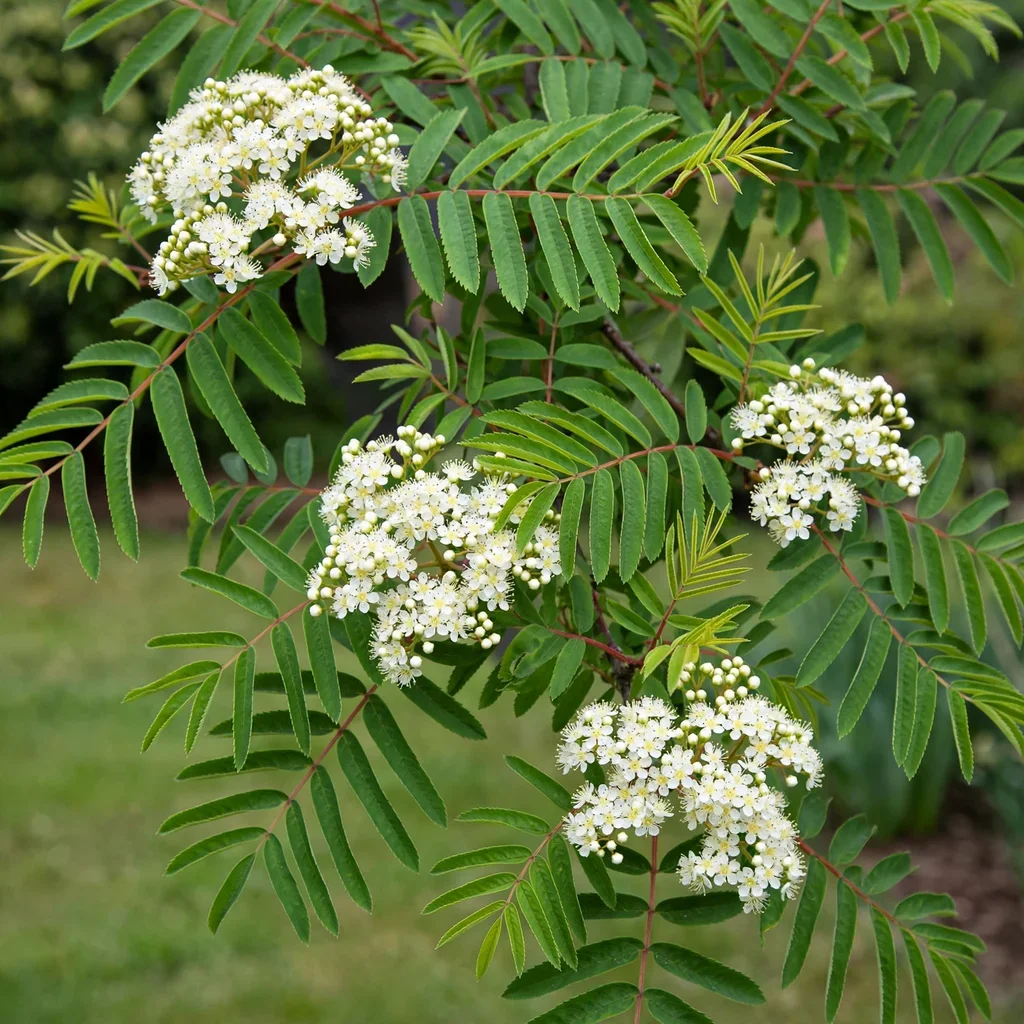
Joseph Rock Rowan
Sorbus aucuparia 'Joseph Rock'
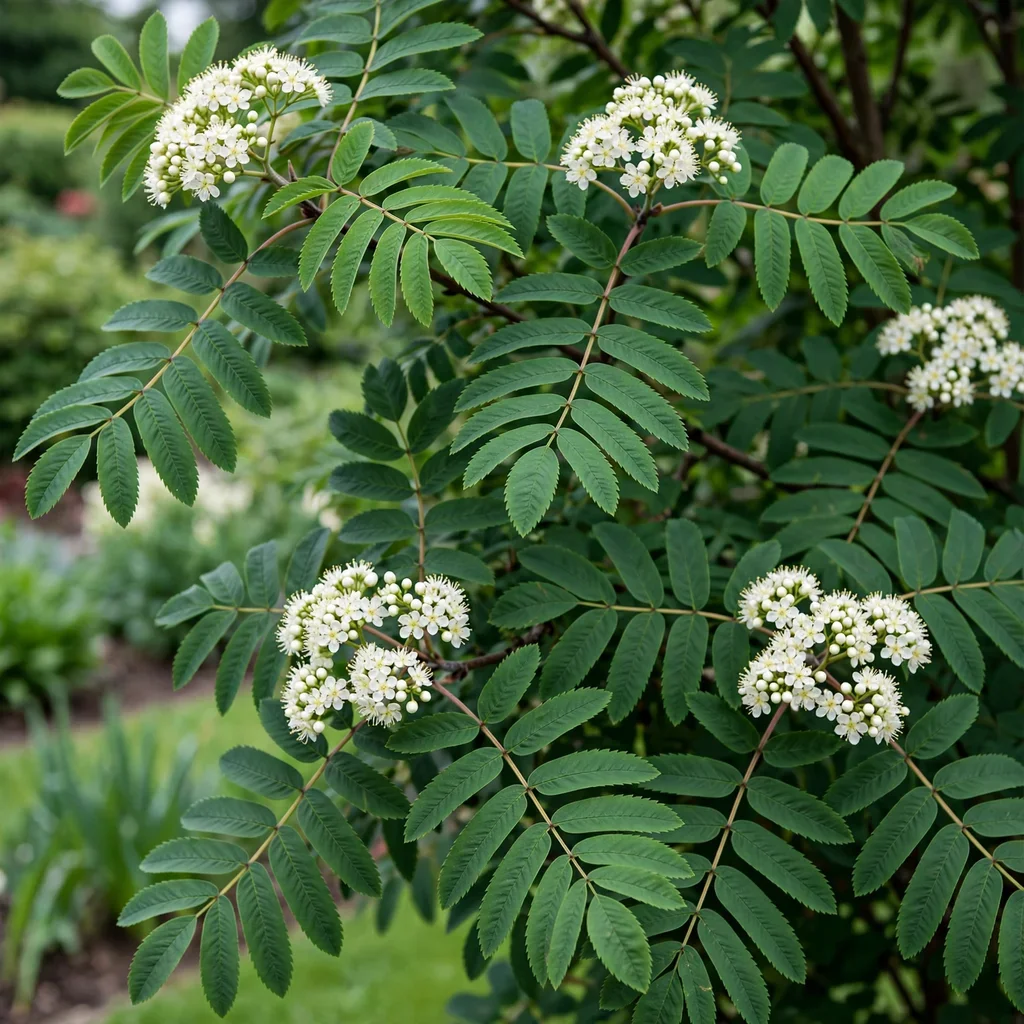
Rowan Mountain Ash
Sorbus aucuparia
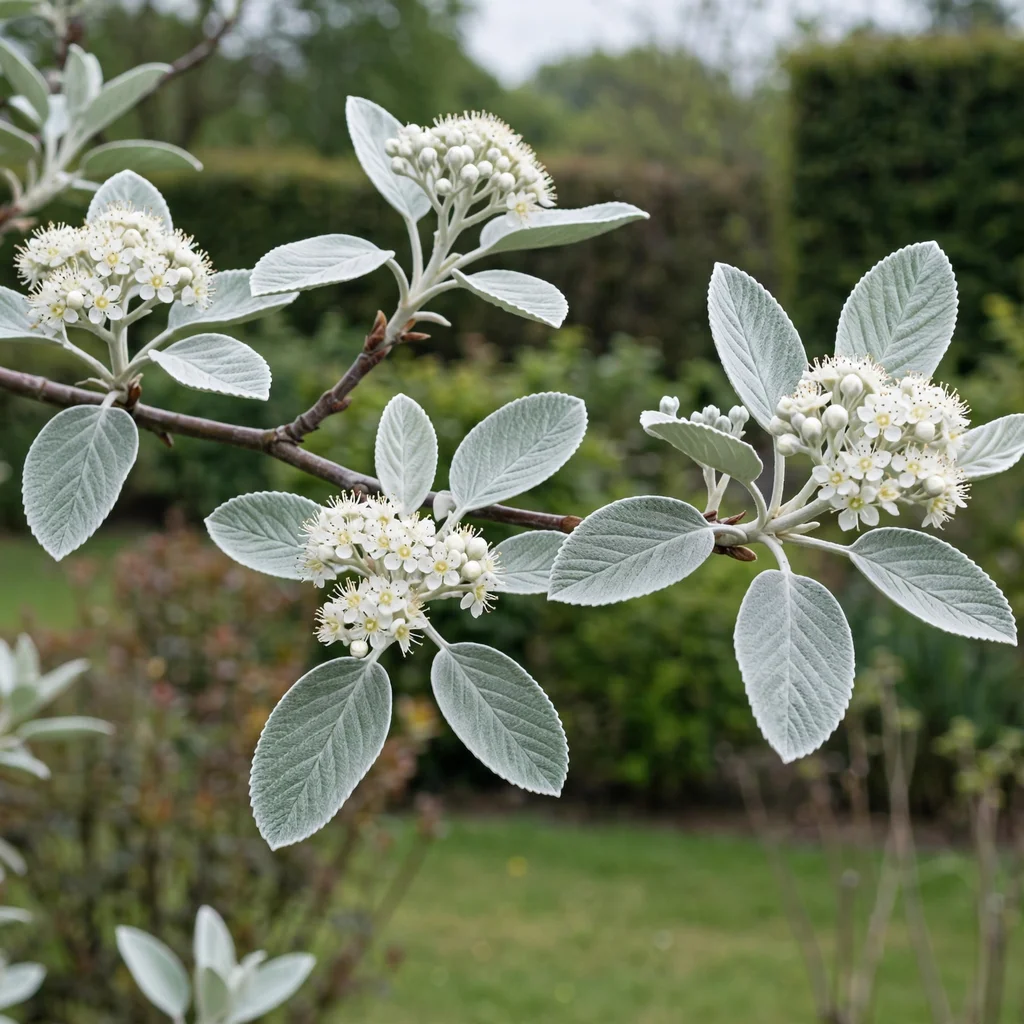
Whitebeam
Sorbus aria 'Lutescens'
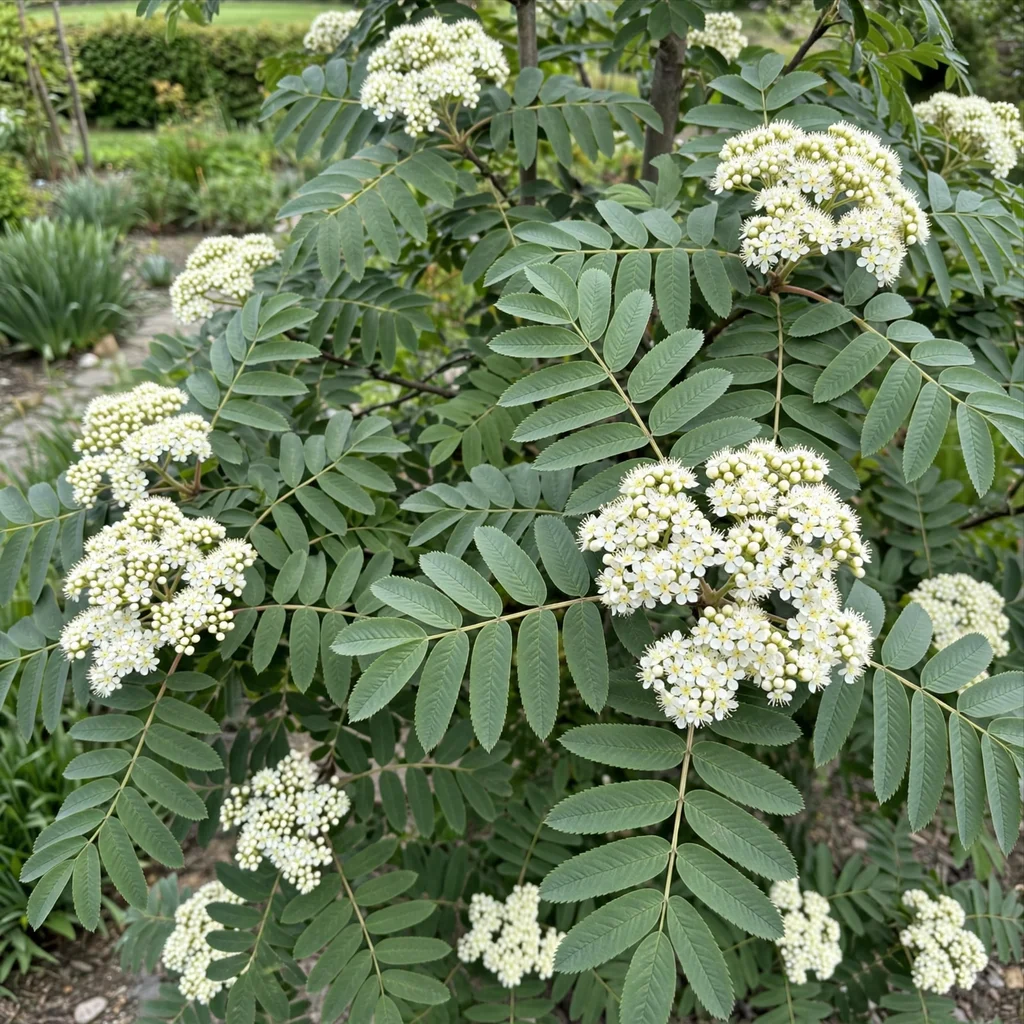
European Mountain Ash
Sorbus aucuparia 'Sheerwater Seedling'
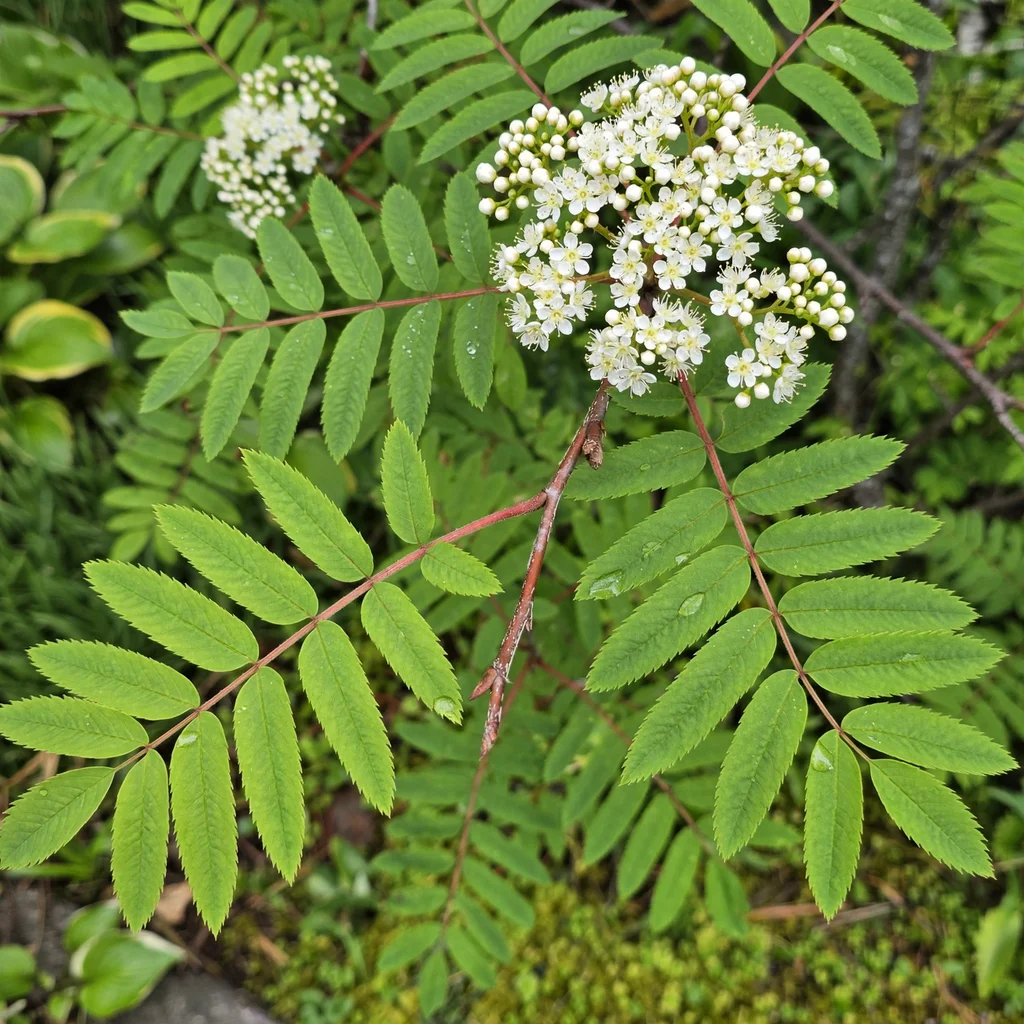
Northern Mountain Ash
Sorbus decora
Keep exploring
Explore the genus
Hardy in your zone?
Grow American Mountain Ash with confidence
See it in a design of your actual yard, get zone-matched care reminders, and track it season by season in your garden journal.