The Story
Plant Bio
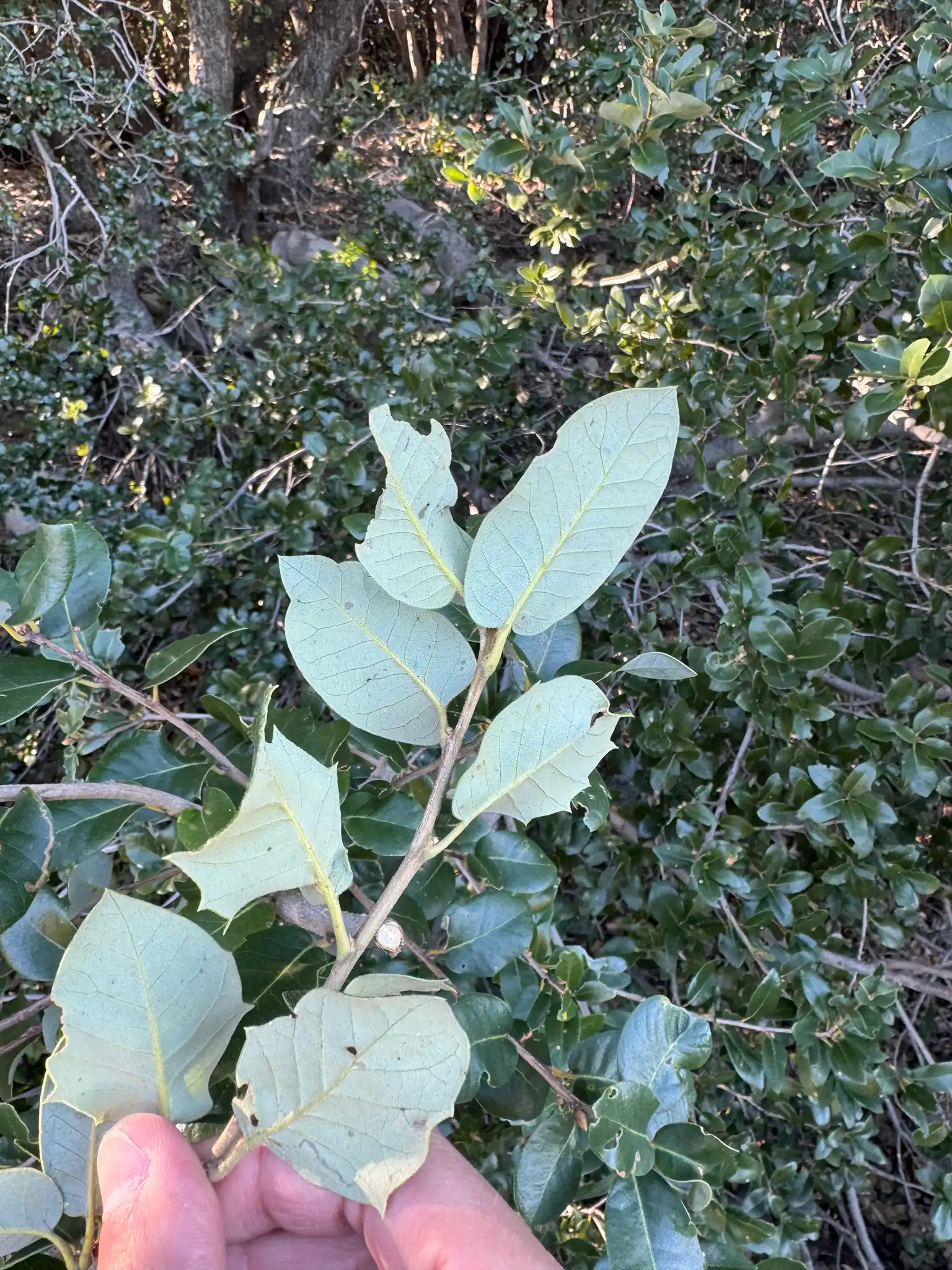
Quercus chrysolepis is a broadleaf evergreen oak native to the western United States and Mexico, forming a dense multi-stemmed shrub or a spreading tree reaching fifty feet tall. The thick, leathery leaves are glossy dark green above with a golden-yellow scurf on their undersides.
Young growth and juvenile shoots bear sharp, spiny leaf margins reminiscent of holly, whereas mature foliage transitions to smooth, entire edges. The acorns feature thick, woolly cups covered in golden scalelike hairs that give the species its common name of gold-cup oak.
Uses & Benefits:
Essentials
At a Glance
Plant Type
Tree
Height
600"
Width
600"
Light
Full Sun, Partial Sun
Zones
7, 8, 9
Water
Low
Humidity
Moderate
Lifespan
Perennial
Native To
Western United States and Mexico
Toxicity
Non-toxic
Bloom period
Spring – Late spring
In flower about 3 months of the year
Planting
How to Grow
- Select a planting location in full sun to light shade with deep, well-draining soil.
- Dig a planting hole twice as wide as the root ball while matching the depth of the container.
- Place the tree in the hole, ensuring the root collar remains slightly above the surrounding soil grade.
- Backfill with native soil, firm gently, and soak deeply to settle air pockets around the taproot.
Pro Tip
Prune strictly during dormant winter months and avoid cutting deeply into bare mature wood, as epicormic sprouting on older limbs is unreliable.
Keep It Thriving
Care Guide
Do
- Provide deep, periodic watering during the first two growing seasons to establish the taproot.
- Ensure planting sites have excellent soil drainage to prevent fungal root rots.
- Keep mulch pulled back several inches from the main trunk base.
Don't
- Do not irrigate established trees during hot summer months near the root collar.
- Do not prune heavily into bare, leafless wood on older branches.
- Do not apply synthetic high-nitrogen fertilizers to established landscape specimens.
Seasonal Care Calendar
| Task | Jan | Feb | Mar | Apr | May | Jun | Jul | Aug | Sep | Oct | Nov | Dec |
|---|---|---|---|---|---|---|---|---|---|---|---|---|
| Mulch | ||||||||||||
| Pest Check | ||||||||||||
| Plant | ||||||||||||
| Prune |
Watch Out For
Pests & Diseases
Common Pests
Common Diseases
In the Garden
Landscape Uses & Companions
Landscape Uses
Multiply
Propagation Methods
Good to Know
Common Questions
Canyon Live Oak questions
What zones can Canyon Live Oak grow in?
Canyon Live Oak is hardy in USDA Zones 7–9: in that range it survives winter in the ground. Colder than Zone 7, winters are too cold for it to survive outdoors. Warmer than Zone 9, winter isn't the problem: it prefers colder winters, and summer heat can shorten its life.
When does Canyon Live Oak bloom?
Canyon Live Oak typically blooms in spring. Exact timing shifts a week or two with your zone — Sow's bloom calendar maps it to your garden.
Does Canyon Live Oak need full sun?
Canyon Live Oak does best in full sun to part shade. In hot climates, afternoon shade keeps blooms fresher longer.
Is Canyon Live Oak drought tolerant?
Yes — once established (usually after the first full season), Canyon Live Oak handles dry spells with minimal watering. Water deeply its first year to build the root system that makes that possible.
More Quercus to compare
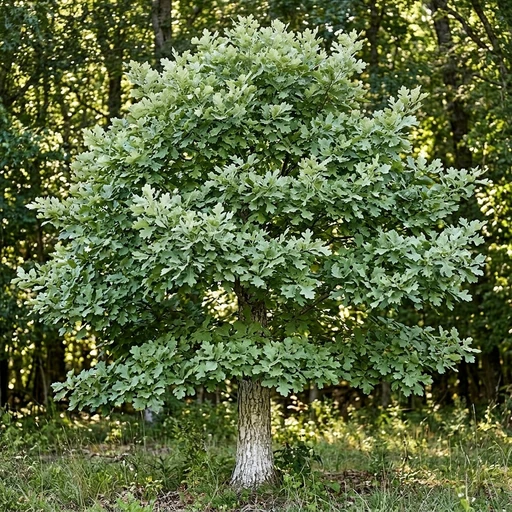
White Oak
Quercus alba
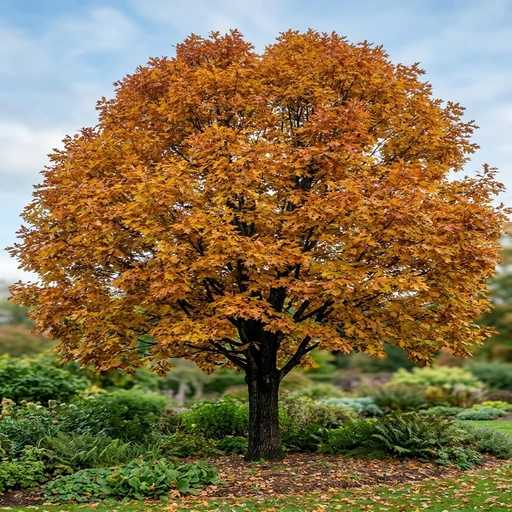
Black Oak
Quercus velutina
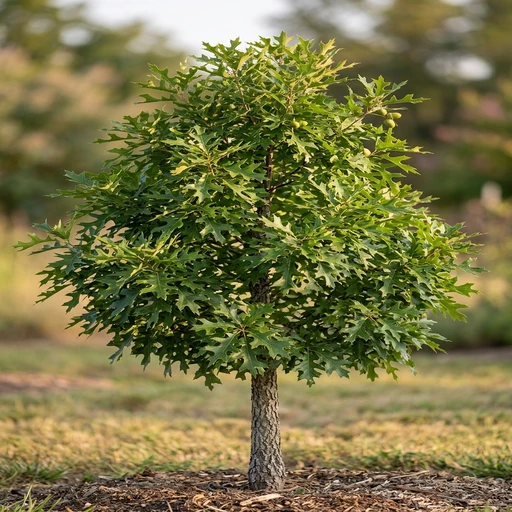
Nuttall Oak
Quercus texana
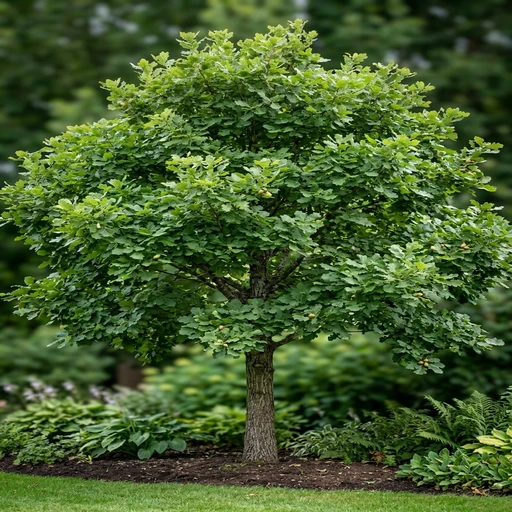
English Oak
Quercus robur
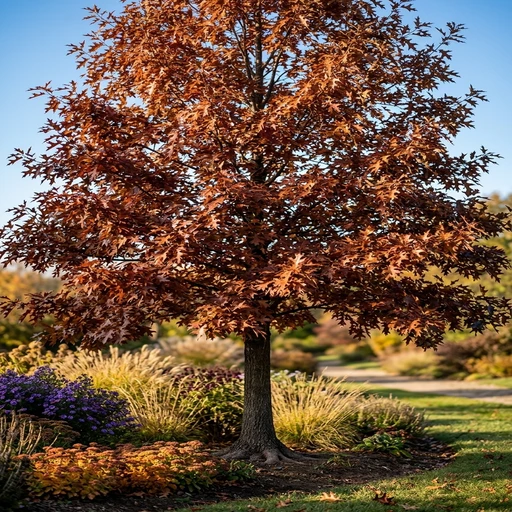
Pin Oak
Quercus palustris
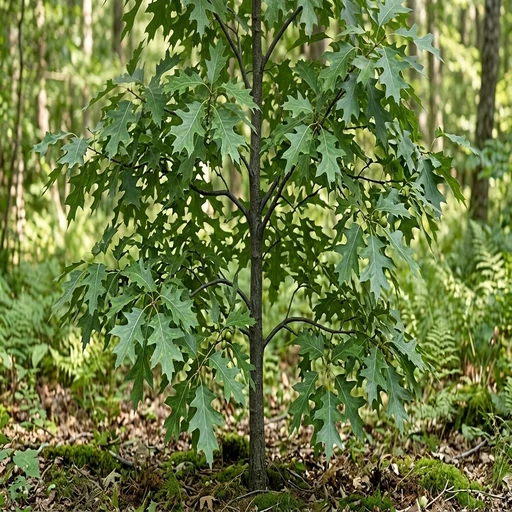
Scarlet Oak
Quercus coccinea
Keep exploring
Explore the genus
Hardy in your zone?
Grow Canyon Live Oak with confidence
See it in a design of your actual yard, get zone-matched care reminders, and track it season by season in your garden journal.