The Story
Plant Bio
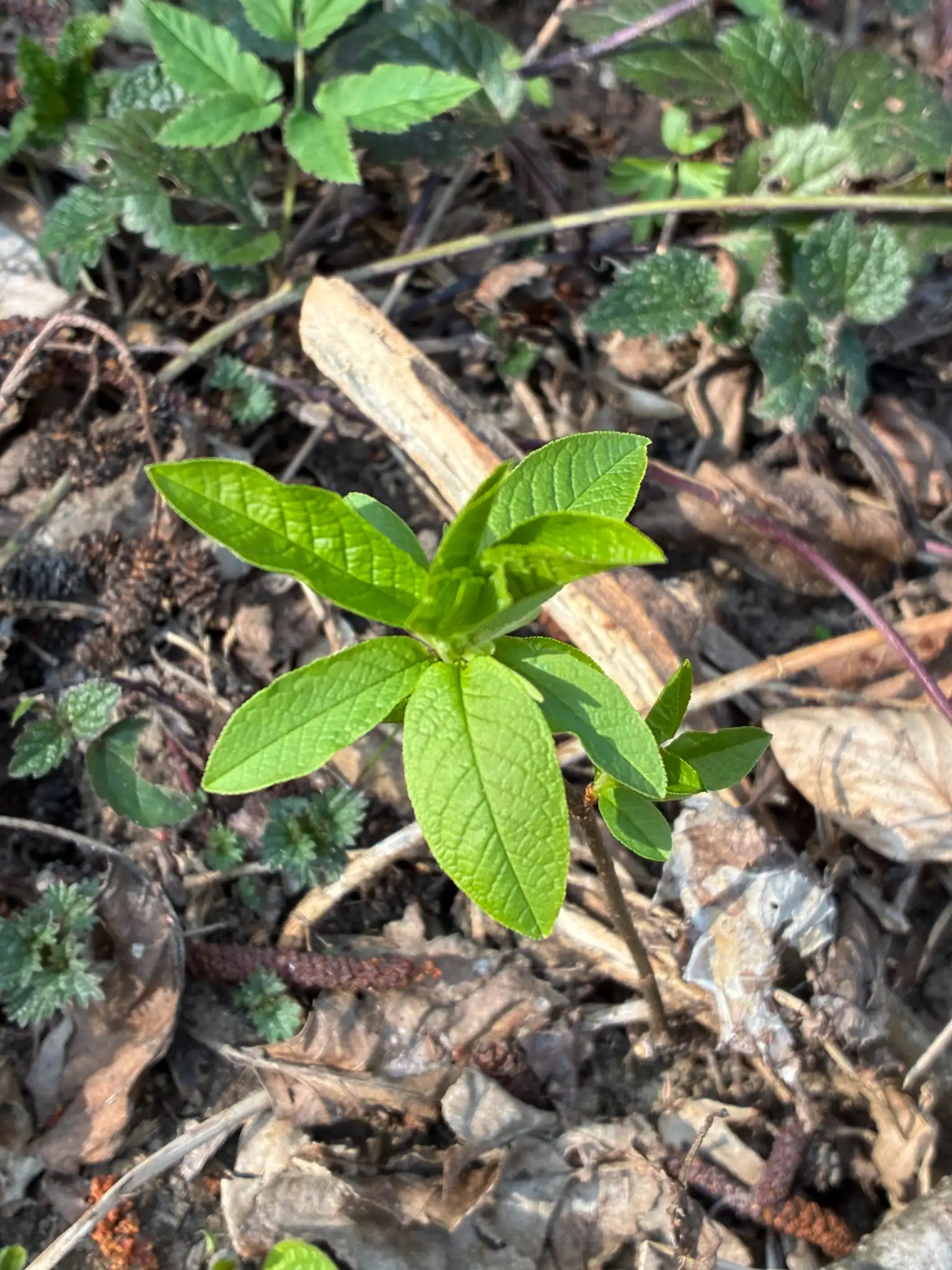
Prunus padus, commonly known as European bird cherry, is a deciduous tree reaching twenty to forty feet tall with a rounded crown and alternate, finely serrated leaves. In spring, pendulous racemes of fragrant white flowers open just after the foliage emerges, followed by small black drupes.
Unlike sweet or sour orchard cherries, this species thrives in moisture-retentive clay and low-lying damp sites. Its seeds, leaves, and bark contain cyanogenic glycosides, making all parts except the ripe fruit flesh toxic to animals if chewed or ingested.
Uses & Benefits:
Essentials
At a Glance
Plant Type
Tree
Height
472"
Width
315"
Light
Full Sun, Partial Sun
Zones
4, 5, 6, 7, 8
Water
High
Humidity
Adaptable
Lifespan
Perennial
Native To
Temperate Eurasia, Morocco
Toxicity
Leaves, bark, and seeds are toxic to livestock and pets if ingested
Bloom period
Spring
In flower about 3 months of the year
Planting
How to Grow
- Select a site in full sun or partial shade with moist to wet, nutrient-rich soil.
- Dig a planting hole twice as wide as the root ball and set the crown level with the surrounding soil.
- Water thoroughly at planting and mulch around the base to keep root temperatures stable.
- Maintain high soil moisture during the first two seasons while the tree establishes.
Pro Tip
Prune lightly in late winter or right after spring flowering; cutting aggressively into old, leafless wood induces poor recovery and creates entry points for bacterial canker and wood rot.
Keep It Thriving
Care Guide
Do
- Site in damp ground, clay, or low spots where soil moisture remains consistent.
- Apply an organic mulch layer around the canopy drip line to hold root moisture.
- Prune minimally to remove diseased branches or correct structure after spring bloom.
Don't
- Do not prune hard into old, leafless wood as stone fruits recover poorly.
- Do not plant near pastures or livestock paddocks due to toxic wilted foliage.
- Do not allow soil to dry out completely around young or establishing trees.
Seasonal Care Calendar
| Task | Jan | Feb | Mar | Apr | May | Jun | Jul | Aug | Sep | Oct | Nov | Dec |
|---|---|---|---|---|---|---|---|---|---|---|---|---|
| Mulch | ||||||||||||
| Pest Check | ||||||||||||
| Prune | ||||||||||||
| Winter Prep |
Watch Out For
Pests & Diseases
Common Pests
Common Diseases
In the Garden
Landscape Uses & Companions
Landscape Uses
Multiply
Propagation Methods
Good to Know
Common Questions
European Bird Cherry questions
What zones can European Bird Cherry grow in?
European Bird Cherry is hardy in USDA Zones 4–8: in that range it survives winter in the ground. Warmer than Zone 8, winter isn't the problem: it prefers colder winters, and summer heat can shorten its life.
Is European Bird Cherry deer resistant?
Not reliably. Deer may browse European Bird Cherry, especially tender spring growth — plan on repellents or fencing where pressure is high.
When does European Bird Cherry bloom?
European Bird Cherry typically blooms in spring. Exact timing shifts a week or two with your zone — Sow's bloom calendar maps it to your garden.
Does European Bird Cherry need full sun?
European Bird Cherry does best in full sun to part shade. In hot climates, afternoon shade keeps blooms fresher longer.
More Prunus to compare
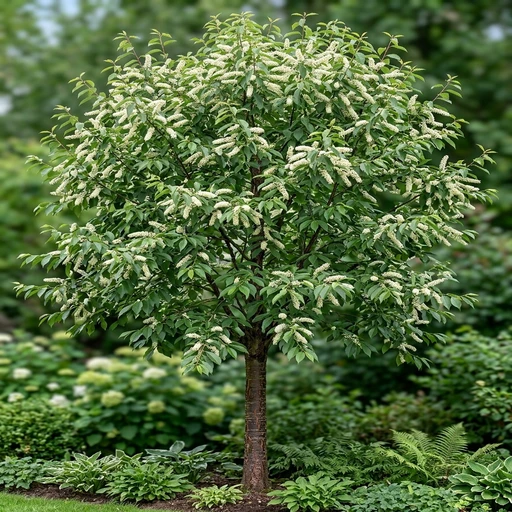
Black Cherry
Prunus serotina
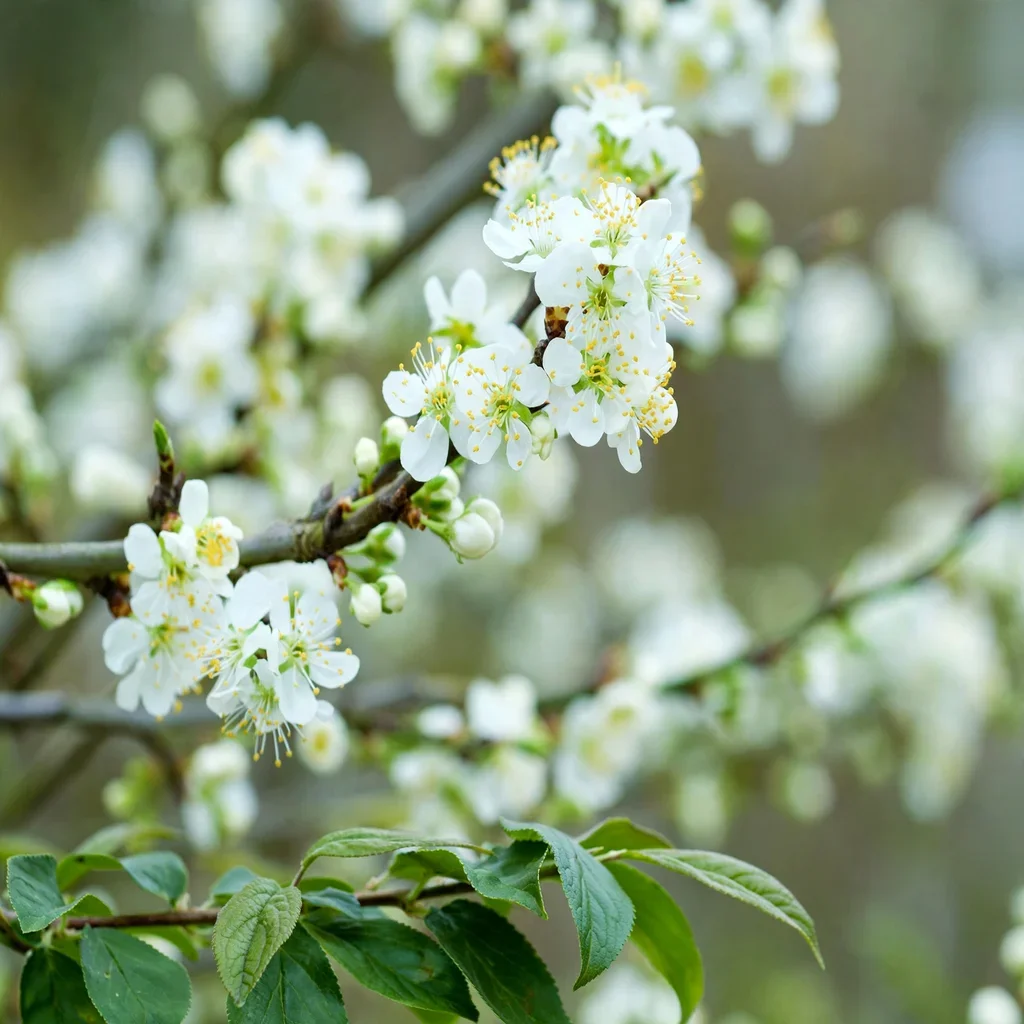
Sugar Plum
Prunus domestica 'Sugar Plum'
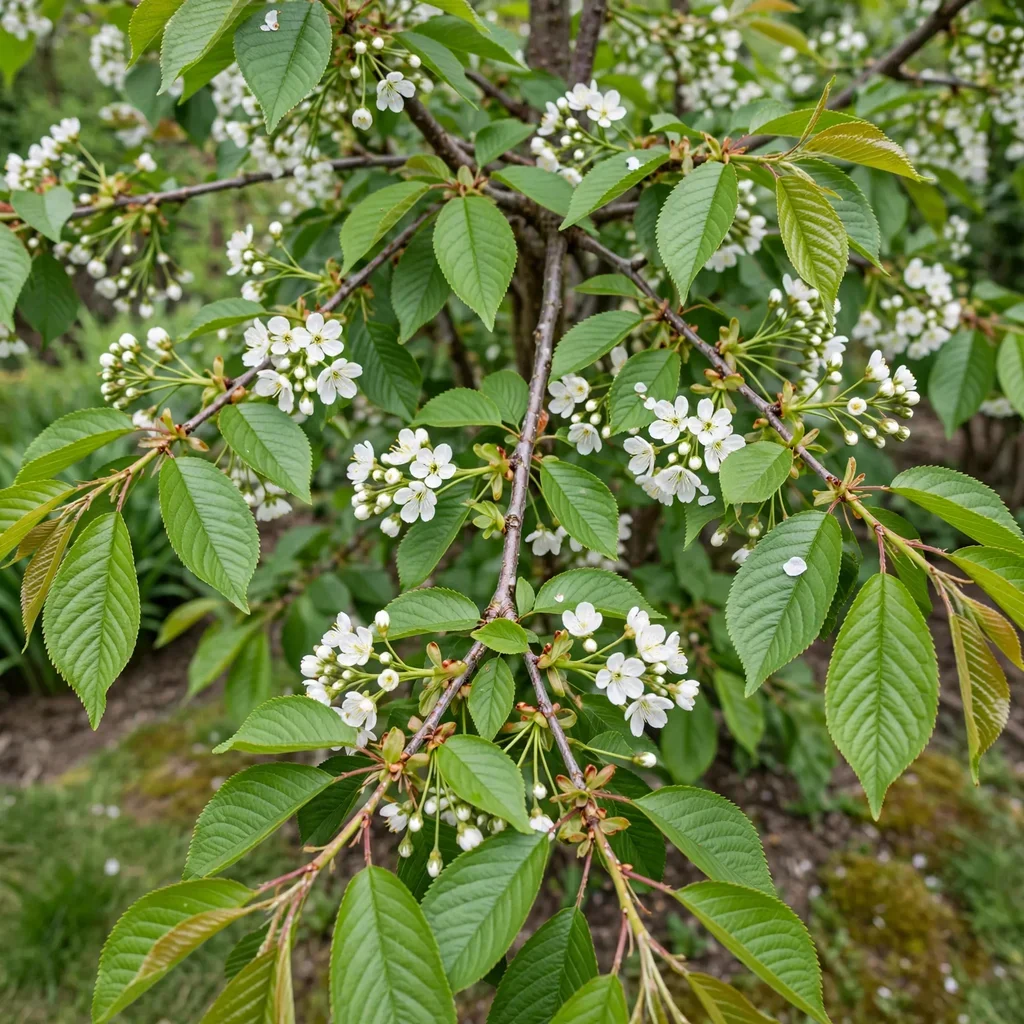
Sweet Cherry Mix
Prunus avium 'Mix'
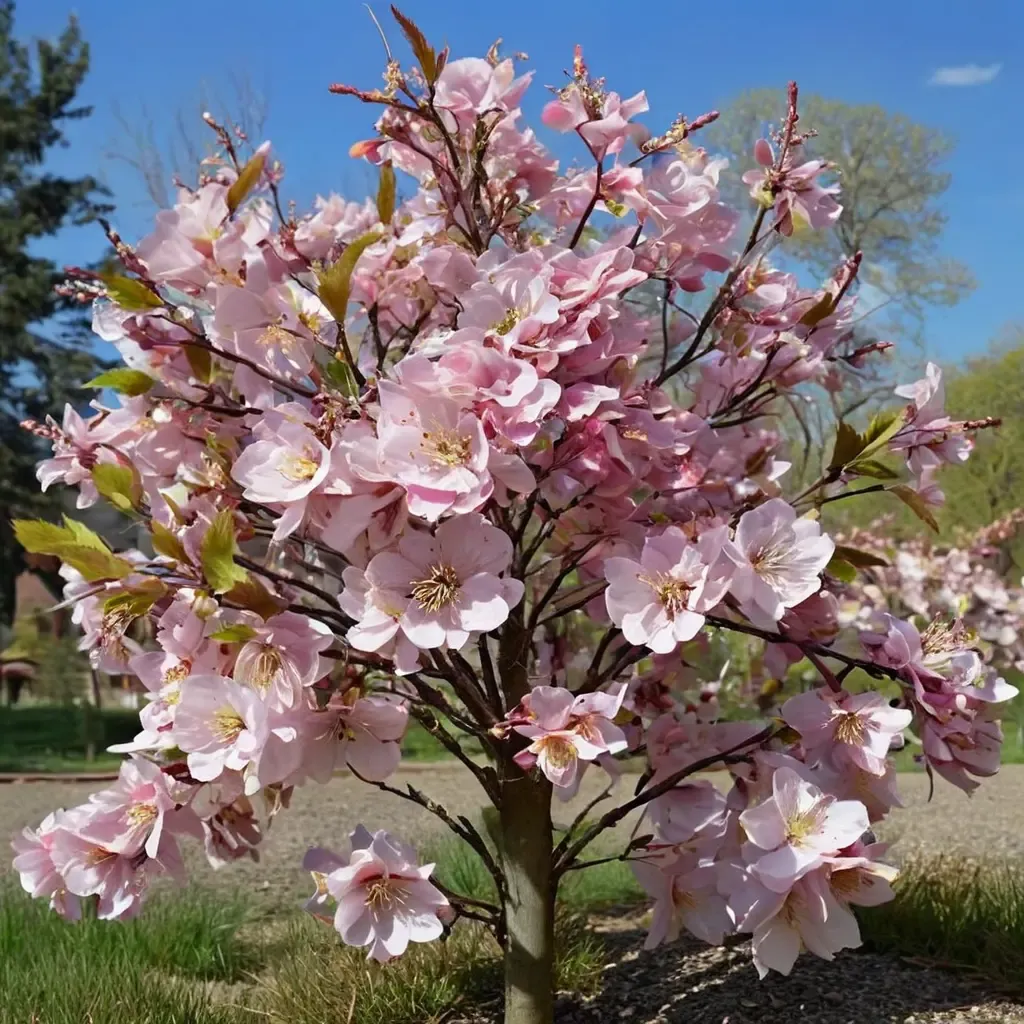
Japanese Flowering Cherry
Prunus serrulata
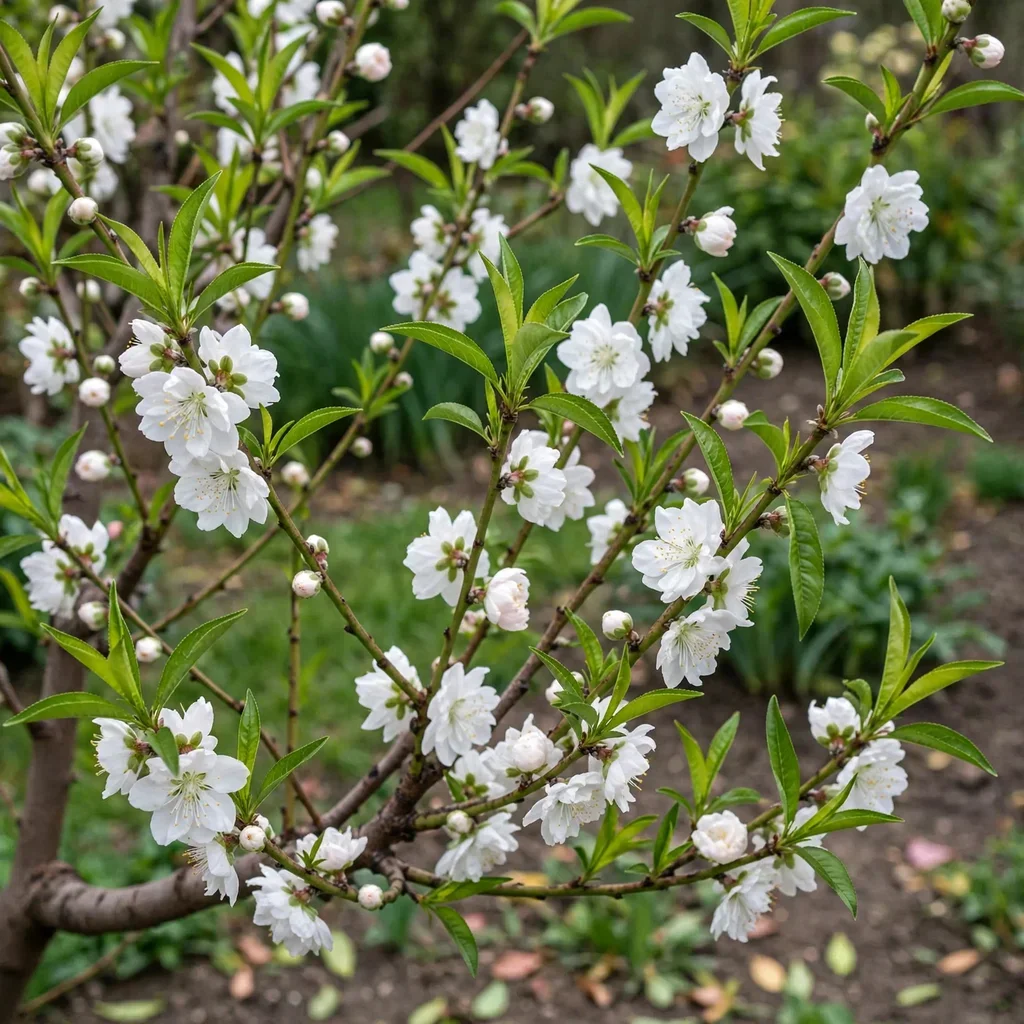
Feiching Tao White Peach
Prunus persica 'Feiching Tao White'
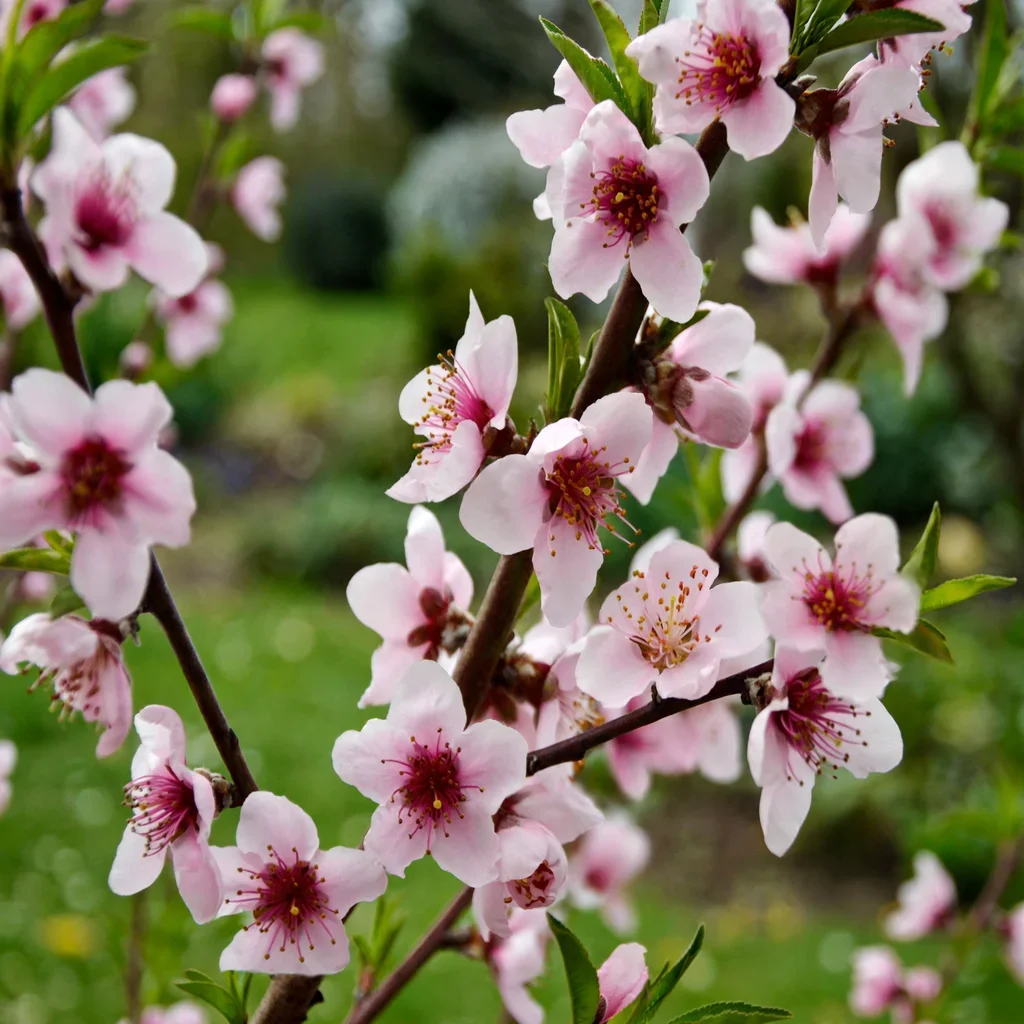
Hale Haven Peach
Prunus persica 'Hale Haven'
Keep exploring
Explore the genus
Hardy in your zone?
Grow European Bird Cherry with confidence
See it in a design of your actual yard, get zone-matched care reminders, and track it season by season in your garden journal.