The Story
Plant Bio
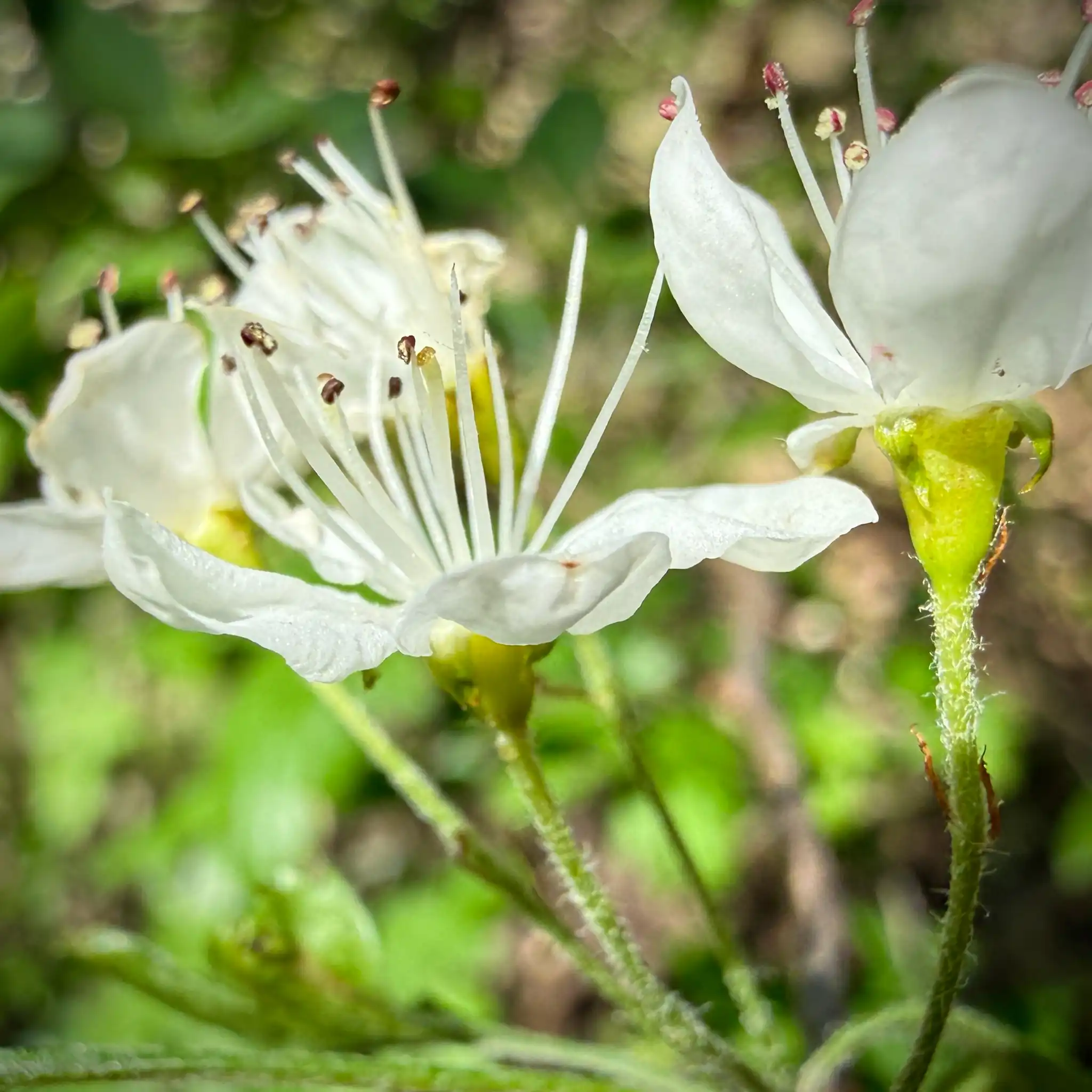
Crataegus marshallii, the parsley hawthorn, is a deciduous small tree or multitrunked shrub reaching about 25 feet tall by 15 feet wide, with open erect branching, thin gray bark that exfoliates in scales, and straight 1.5-3 cm thorns on dark purple-brown twigs. White saucer-shaped flowers with deep rose to red anthers open in 4- to 10-flowered clusters in spring, followed by bright scarlet-red pomes under an inch long that ripen in fall and persist for winter display.
What sets it apart is the foliage: small 1-3 cm broadly ovate-deltate leaves cut into five to seven serrated lobes like parsley, glossy green above and paler below, hairy when young then nearly smooth, turning orange to red and burgundy in fall. It is the hawthorn of moist ground, growing in alluvial woodland, pond and stream margins and bog edges and tolerating occasional flooding as well as short dry spells once established.
Uses & Benefits:
Essentials
At a Glance
Plant Type
Tree
Height
300"
Width
180"
Light
Full Sun, Partial Sun, Shade
Zones
4, 5, 6, 7, 8, 9
Water
Medium-wet
Humidity
Tolerant of humid bottomlands
Lifespan
Decades
Native To
Southeastern USA
Toxicity
Thorns injurious; fruit edible
Bloom period
Spring
In flower about 3 months of the year
Planting
How to Grow
- Plant in full sun to partial shade in moist clay or sandy loam that drains but stays moist.
- Dig hole twice the root-ball width, set crown level, backfill and water deeply.
- Mulch 2-3 inches with bark, keeping mulch off the trunk.
- Water regularly the first season; after establishment it tolerates both flooding and short dry spells.
- Site away from paths and play areas to keep straight thorns clear of traffic.
Pro Tip
Plant it where soil stays moist but not rich — wet feet are tolerated, rich fertilizer is not — and site it away from paths where thorns will not catch children or passersby.
Keep It Thriving
Care Guide
Do
- Plant in moist, well-drained soil with room for a 25-foot canopy.
- Maintain organic mulch to conserve moisture.
- Prune only to remove dead or crossing wood after flowering.
Don't
- Do not plant in rich, heavily fertilized beds that push soft growth prone to fire blight.
- Do not shear routinely or cut hard into old bare wood.
- Do not place where thorns endanger children or walkways.
Seasonal Care Calendar
| Task | Jan | Feb | Mar | Apr | May | Jun | Jul | Aug | Sep | Oct | Nov | Dec |
|---|---|---|---|---|---|---|---|---|---|---|---|---|
| Mulch | ||||||||||||
| Pest Check | ||||||||||||
| Plant | ||||||||||||
| Prune |
Watch Out For
Pests & Diseases
Common Pests
Common Diseases
In the Garden
Landscape Uses & Companions
Landscape Uses
Multiply
Propagation Methods
Good to Know
Common Questions
Parsley Hawthorn questions
What zones can Parsley Hawthorn grow in?
Parsley Hawthorn is hardy in USDA Zones 4–9: in that range it survives winter in the ground. Warmer than Zone 9, winter isn't the problem: it prefers colder winters, and summer heat can shorten its life.
When does Parsley Hawthorn bloom?
Parsley Hawthorn typically blooms in spring. Exact timing shifts a week or two with your zone — Sow's bloom calendar maps it to your garden.
Does Parsley Hawthorn need full sun?
Parsley Hawthorn does best in full sun to part shade. In hot climates, afternoon shade keeps blooms fresher longer.
Is Parsley Hawthorn drought tolerant?
Yes — once established (usually after the first full season), Parsley Hawthorn handles dry spells with minimal watering. Water deeply its first year to build the root system that makes that possible.
More Crataegus to compare
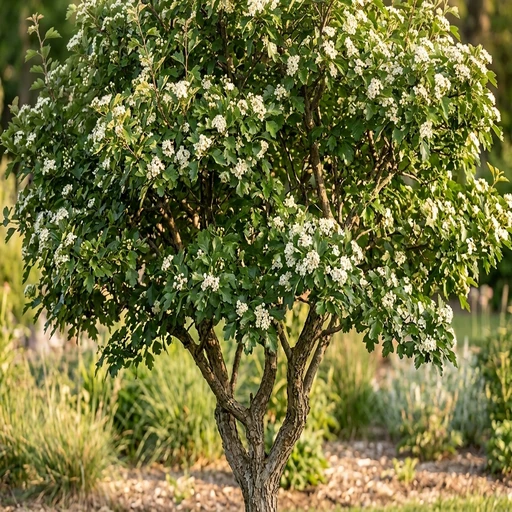
Washington Hawthorn
Crataegus phaenopyrum
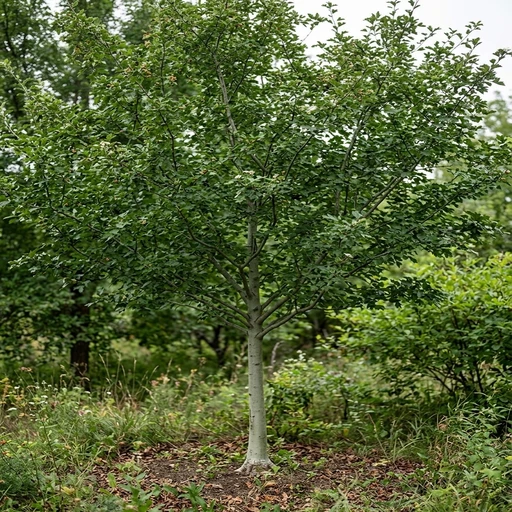
Winter King Hawthorn
Crataegus viridis 'Winter King'
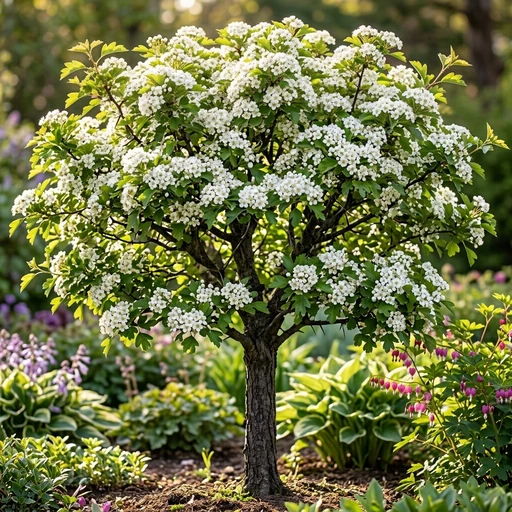
Crusader Hawthorn
Crataegus crus-galli 'Cruzam'
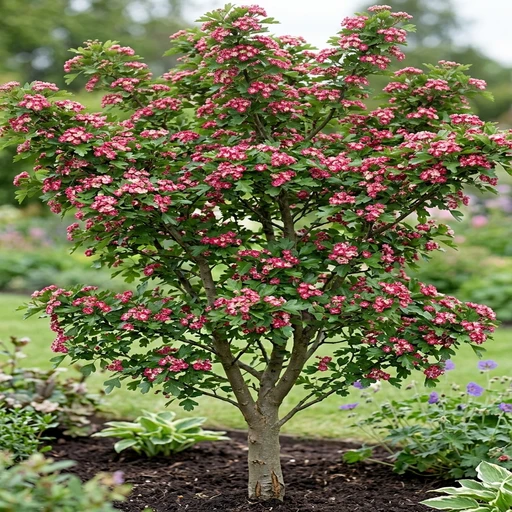
Crimson Cloud English Hawthorn
Crataegus laevigata 'Crimson Cloud'
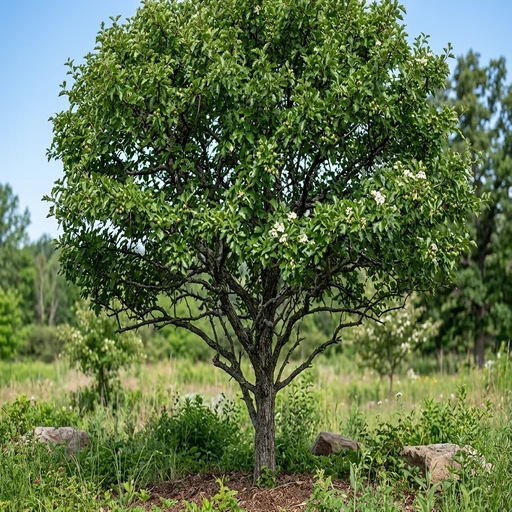
Cockspur Hawthorn
Crataegus crus-galli
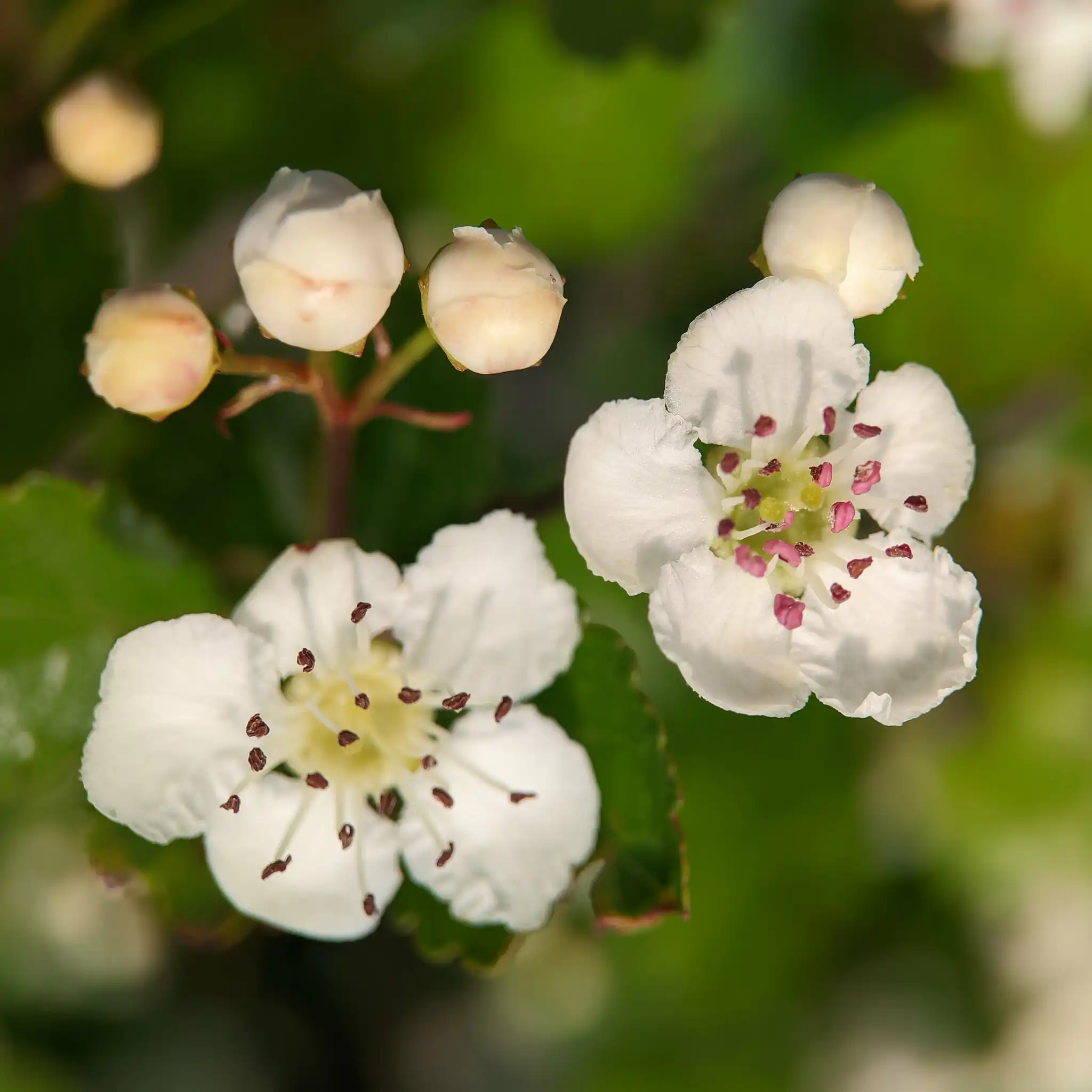
English Hawthorn
Crataegus laevigata
Keep exploring
Explore the genus
Grow Parsley Hawthorn with confidence
See it in a design of your actual yard, get zone-matched care reminders, and track it season by season in your garden journal.