The Story
Plant Bio
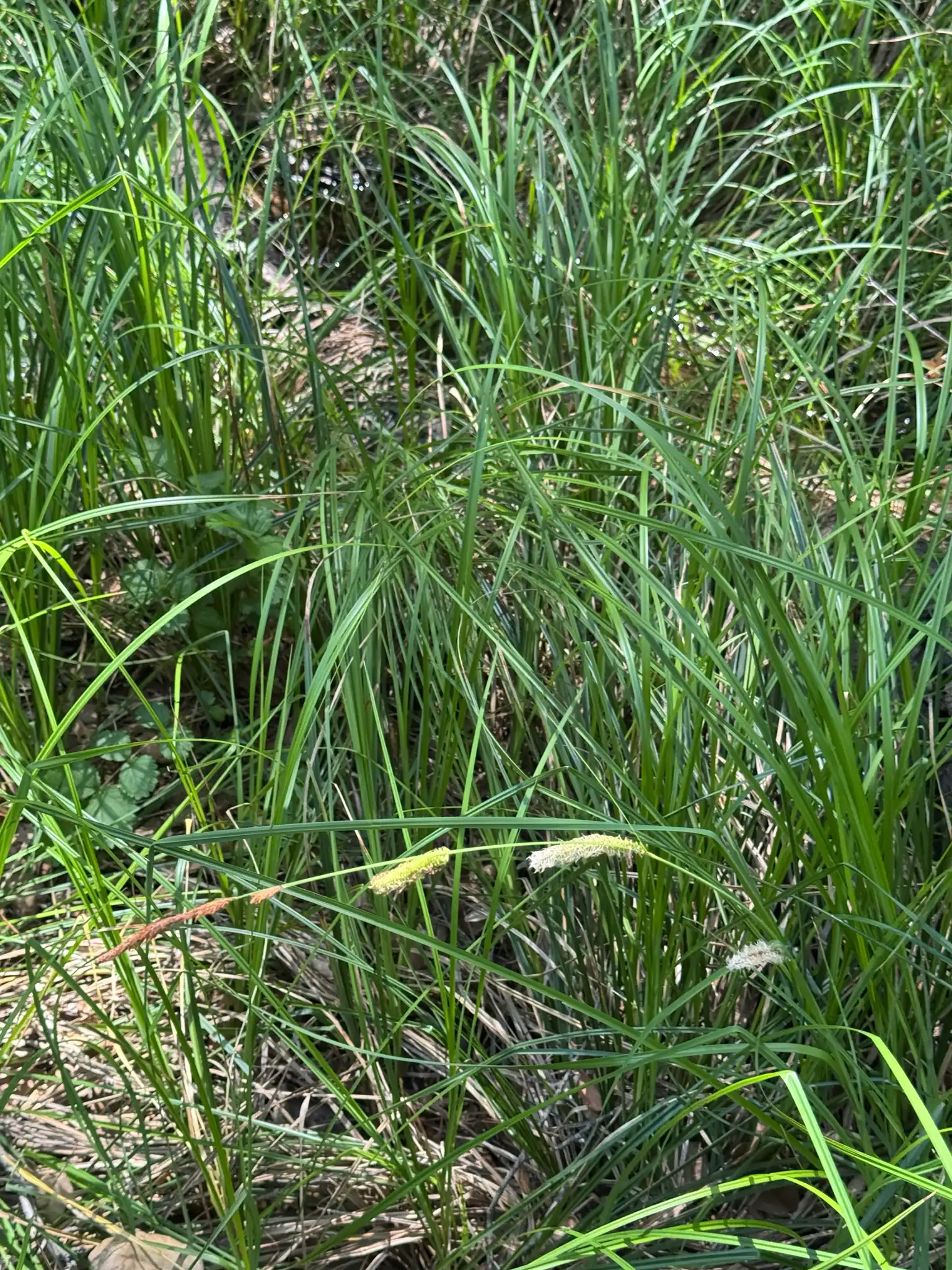
Carex barbarae, commonly known as Santa Barbara sedge, is an evergreen or semi-evergreen rhizomatous sedge native to moist valleys and stream banks of California and Oregon. It produces arching blades of bright to dark green foliage that grow up to 43 inches tall, topped in late spring by brown-scaled flowering spikes.
The species features distinctive reddish-purple shredding basal sheaths and tough foliage with finely serrated, sharp edges. Unlike strictly clumping sedges, it spreads via thick underground rhizomes to form extensive, erosion-controlling colonies over time.
Uses & Benefits:
Essentials
At a Glance
Plant Type
Grass
Height
43"
Width
48"
Light
Full Sun, Partial Sun
Zones
7, 8, 9, 10
Water
High
Humidity
Adaptable
Lifespan
Perennial
Native To
Western United States (California, Oregon)
Toxicity
Non-toxic (sharp leaf edges may cut skin)
Bloom period
Spring – Summer
In flower about 6 months of the year
Planting
How to Grow
- Select a site in full sun or partial shade with moist to wet soil, such as near a pond edge, rain garden, or swale.
- Dig a planting hole as deep as the root ball and twice as wide, incorporating organic matter into sandy soils if moisture retention is low.
- Space plants 24 to 36 inches apart to allow the creeping rhizomes space to establish a dense cover.
- Water thoroughly at planting and maintain consistent moisture until roots establish.
- Trim tattered growth back to the base in late winter before new shoots emerge.
Pro Tip
Install root barriers or plant in contained beds when introducing to mixed borders, as moist soil triggers rapid rhizomatous spreading into neighboring perennials.
Keep It Thriving
Care Guide
Do
- Keep soil consistently moist or wet for lush foliage growth.
- Wear thick gardening gloves when handling plants to protect hands from sharp leaf margins.
- Divide rhizomes during spring or fall to propagate new colonies or restrict spread.
Don't
- Do not over-fertilize, as excess nutrients cause weak, floppy growth.
- Do not allow the soil to dry out completely during summer heat.
- Avoid shearing plants hard into old bare wood during the active growing season.
Seasonal Care Calendar
| Task | Jan | Feb | Mar | Apr | May | Jun | Jul | Aug | Sep | Oct | Nov | Dec |
|---|---|---|---|---|---|---|---|---|---|---|---|---|
| Divide | ||||||||||||
| Fertilize | ||||||||||||
| Pest Check | ||||||||||||
| Prune |
Watch Out For
Pests & Diseases
Common Pests
Common Diseases
In the Garden
Landscape Uses & Companions
Landscape Uses
Companion Plants
Multiply
Propagation Methods
Good to Know
Common Questions
Santa Barbara Sedge questions
What zones can Santa Barbara Sedge grow in?
Santa Barbara Sedge is hardy in USDA Zones 7–10: in that range it survives winter in the ground. Colder than Zone 7, grow it in a container you can move to shelter for the winter, or as an annual.
When does Santa Barbara Sedge bloom?
Santa Barbara Sedge typically blooms from spring to summer. Exact timing shifts a week or two with your zone — Sow's bloom calendar maps it to your garden.
Does Santa Barbara Sedge need full sun?
Santa Barbara Sedge does best in full sun to part shade. In hot climates, afternoon shade keeps blooms fresher longer.
More Carex to compare
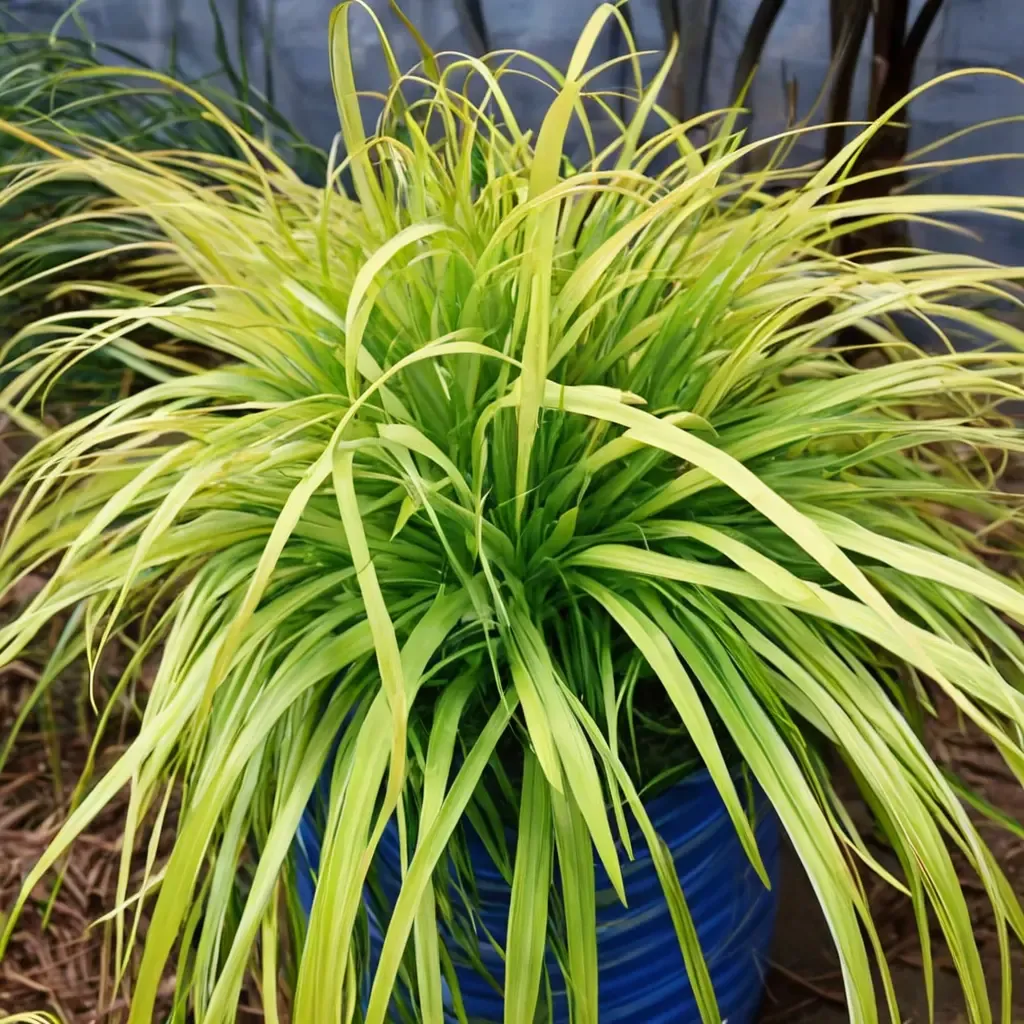
Everillo Sedge
Carex oshimensis 'Everillo'
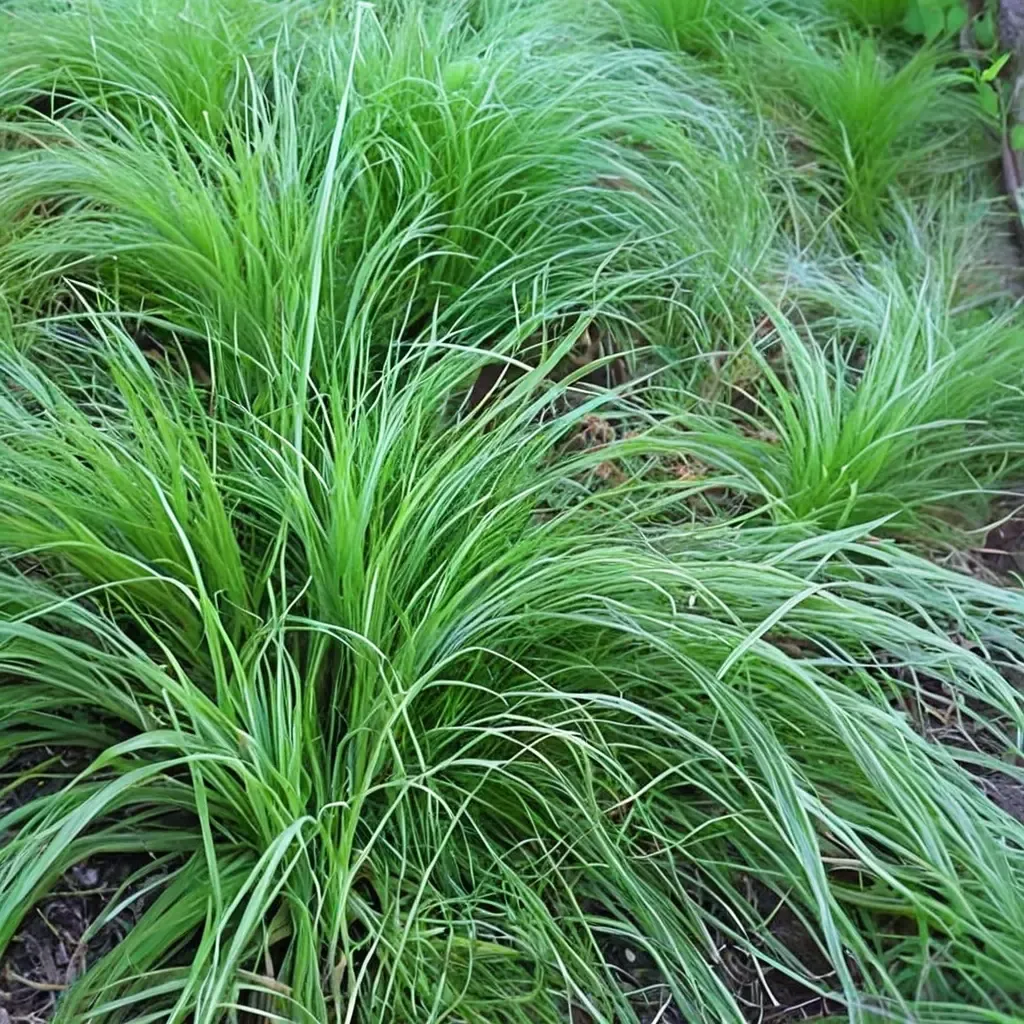
Pennsylvania Sedge
Carex pensylvanica
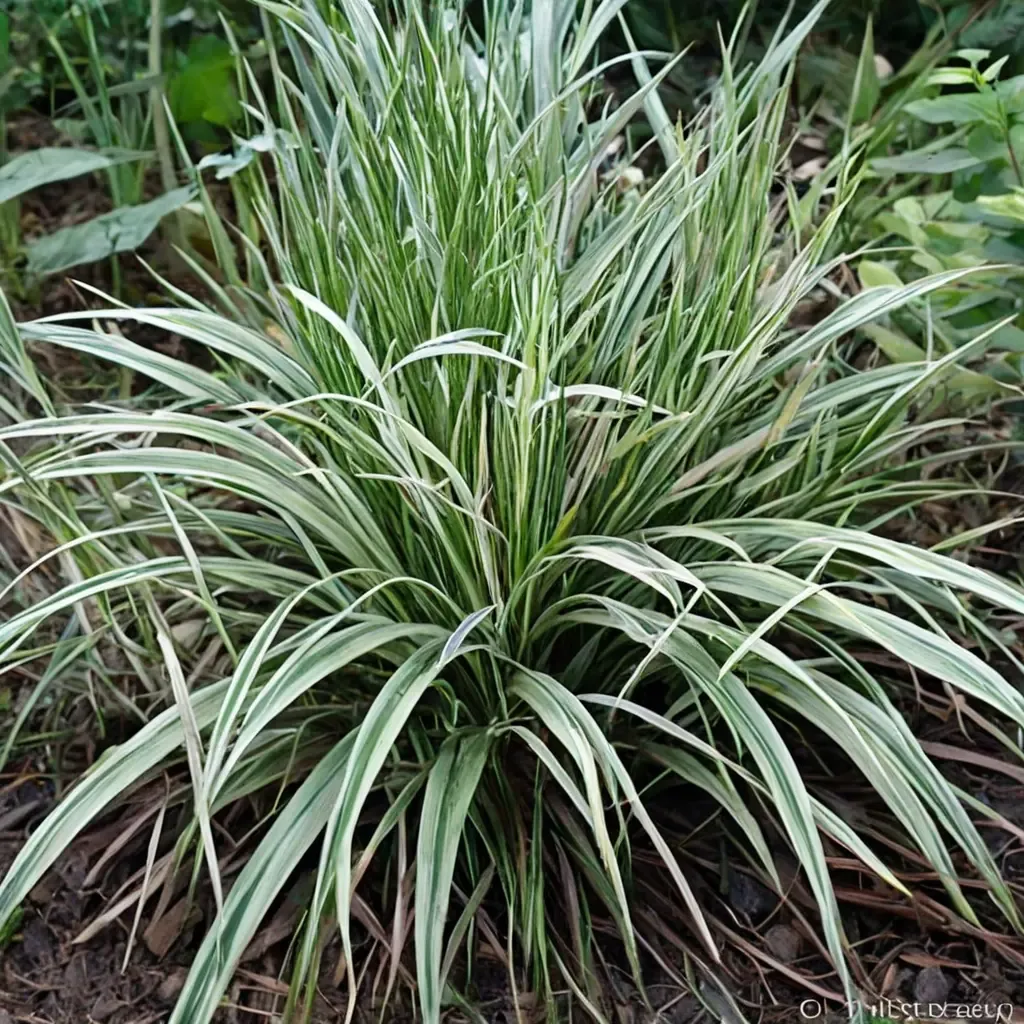
Japanese Sedge
Carex morrowii
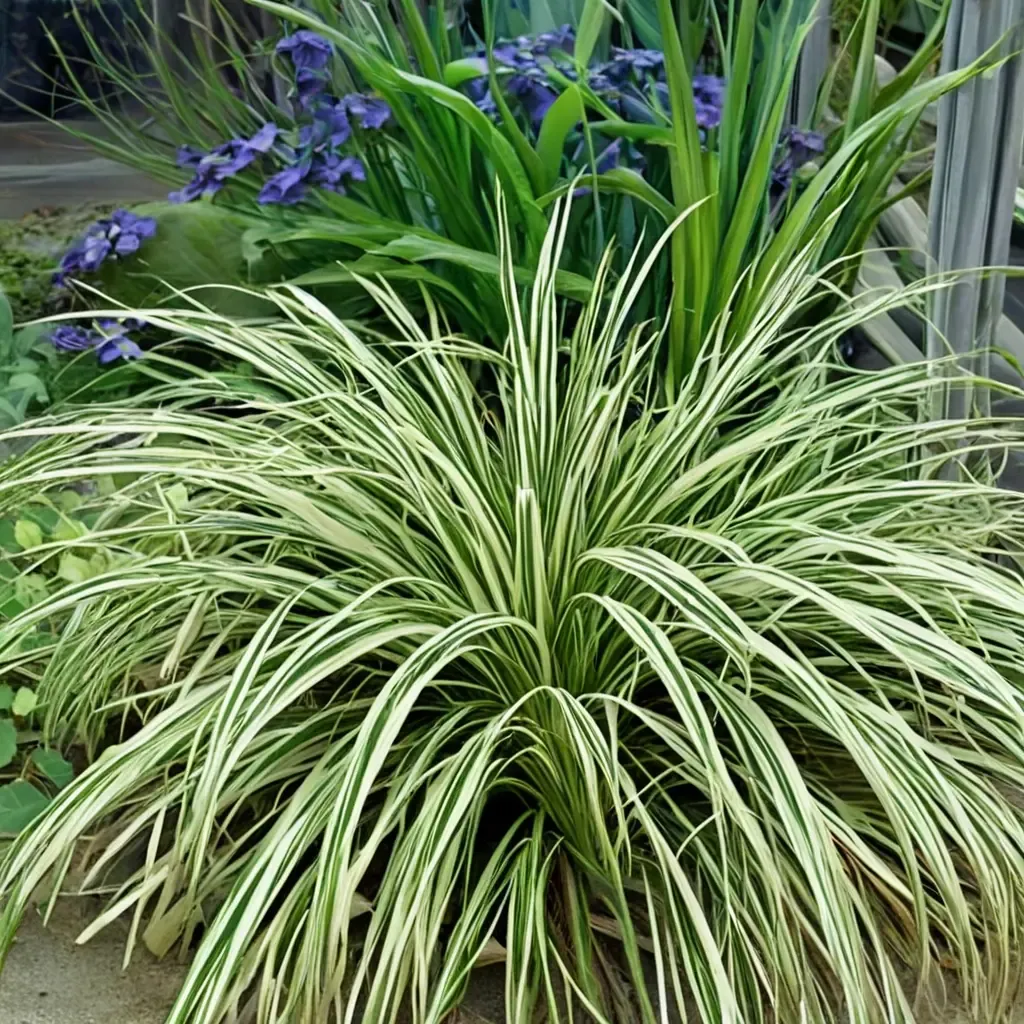
Evergold Japanese Sedge
Carex oshimensis 'Evergold'
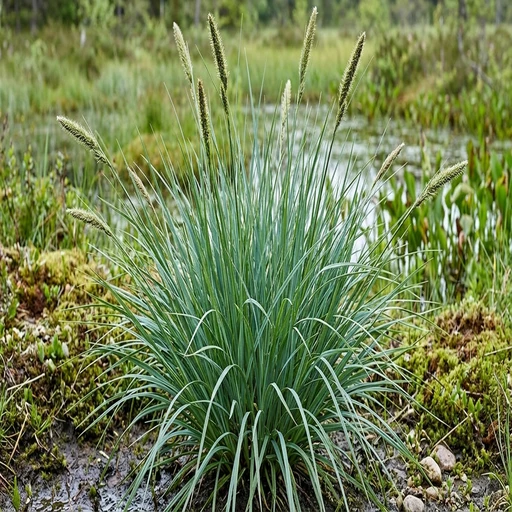
Comosa Sedge
Carex comosa
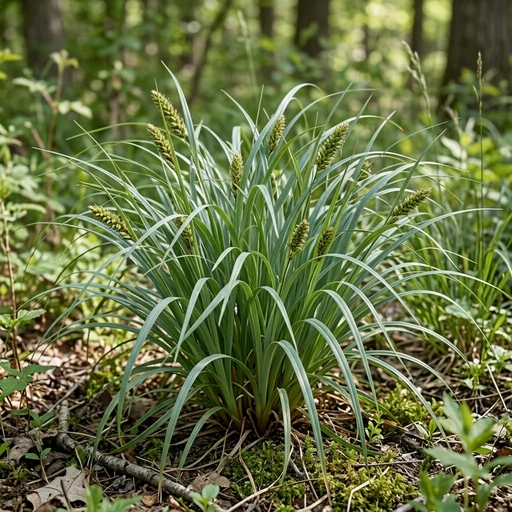
Shortbeak Sedge
Carex brevior
Keep exploring
Explore the genus
Hardy in your zone?
Grow Santa Barbara Sedge with confidence
See it in a design of your actual yard, get zone-matched care reminders, and track it season by season in your garden journal.