The Story
Plant Bio
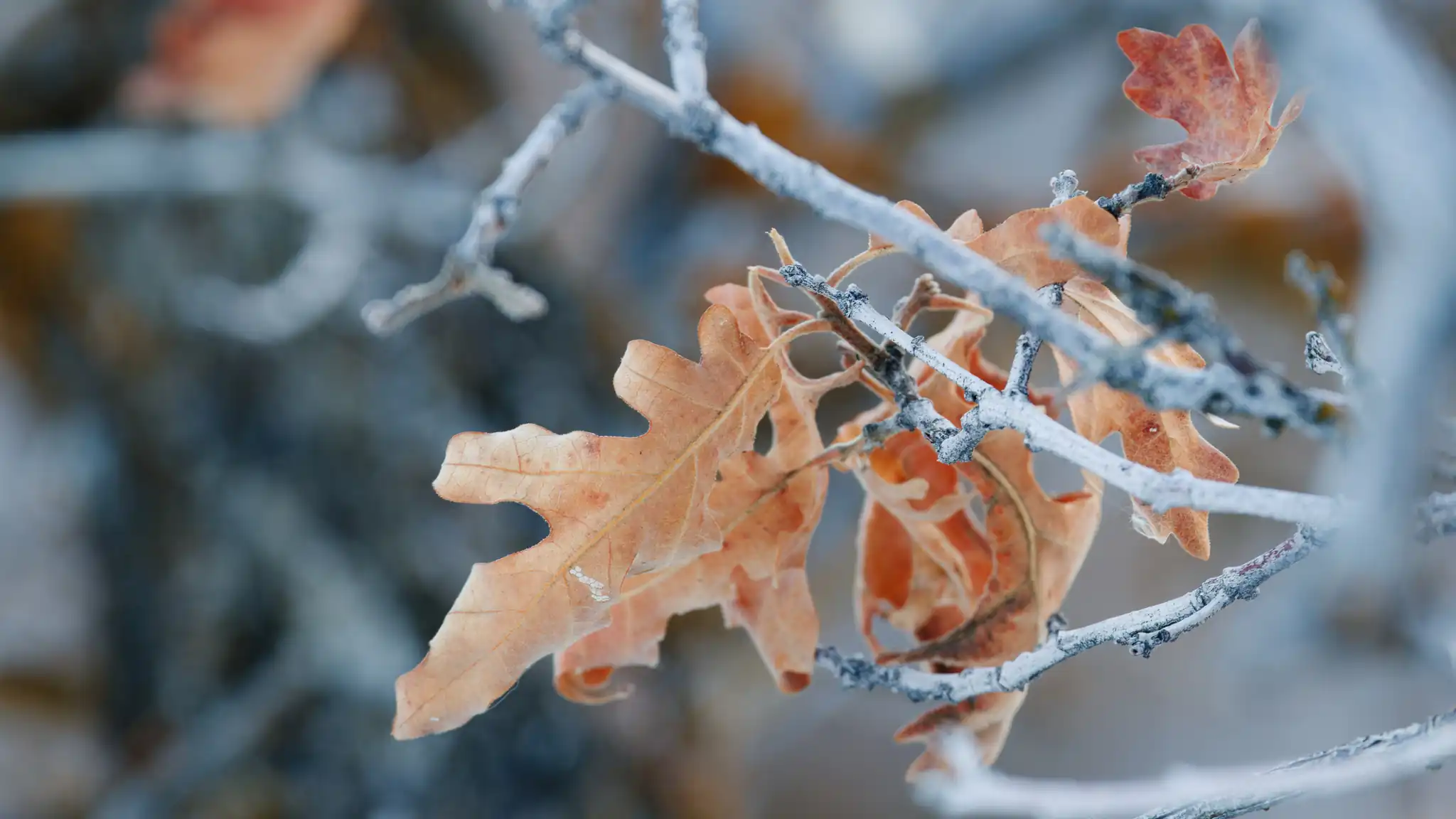
Quercus gambelii is a deciduous white oak that grows as a small crooked-branched tree or large thicket-forming shrub. The leaves are dark green and deeply lobed, dull above and pale beneath, larger than those of most southwestern oaks.
It suckers freely from the base to form broad oak-brush thickets, with mature size ranging from shrubby clumps to a 25-foot tree depending on site. Spring brings inconspicuous yellow wind-pollinated catkins followed by acorns that feed birds and mammals.
Uses & Benefits:
Essentials
At a Glance
Plant Type
Tree
Height
300"
Width
180"
Light
Full Sun
Zones
4, 5, 6, 7, 8
Water
Low
Humidity
Unknown
Lifespan
Long-lived woody
Native To
Western USA and NW Mexico
Toxicity
Unknown
Bloom period
Spring
In flower about 3 months of the year
Planting
How to Grow
- Plant in full sun with room for a 15-foot wide suckering thicket.
- Set container or bare-root stock at the same depth it grew in the pot, in poor to average well-drained soil.
- Water deeply through the first season to establish, then taper off.
- Leave basal suckers to form cover unless a tree form is required.
Pro Tip
Give it room to sucker and spread; forcing it into a single straight-trunked street tree fights its natural thicket habit.
Keep It Thriving
Care Guide
Do
- Plant in full sun in well-drained, poor soils.
- Allow space for suckering and natural irregular branching.
- Leave acorns and leaf litter for birds and mammals where appropriate.
Don't
- Do not expect a uniform street-tree crown.
- Do not over-prune or shear the thicket into formal shape.
- Do not keep soil constantly wet once established.
Seasonal Care Calendar
| Task | Jan | Feb | Mar | Apr | May | Jun | Jul | Aug | Sep | Oct | Nov | Dec |
|---|---|---|---|---|---|---|---|---|---|---|---|---|
| Mulch | ||||||||||||
| Pest Check | ||||||||||||
| Plant | ||||||||||||
| Prune |
Watch Out For
Pests & Diseases
Common Pests
Common Diseases
In the Garden
Landscape Uses & Companions
Landscape Uses
Multiply
Propagation Methods
Good to Know
Common Questions
Gambel Oak questions
What zones can Gambel Oak grow in?
Gambel Oak is hardy in USDA Zones 4–8: in that range it survives winter in the ground. Warmer than Zone 8, winter isn't the problem: it prefers colder winters, and summer heat can shorten its life.
When does Gambel Oak bloom?
Gambel Oak typically blooms in spring. Exact timing shifts a week or two with your zone — Sow's bloom calendar maps it to your garden.
Does Gambel Oak need full sun?
Gambel Oak does best in full sun (6+ hours).
Is Gambel Oak drought tolerant?
Yes — once established (usually after the first full season), Gambel Oak handles dry spells with minimal watering. Water deeply its first year to build the root system that makes that possible.
More Quercus to compare
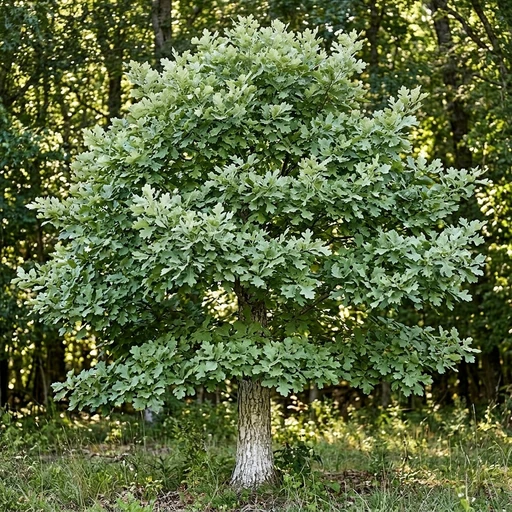
White Oak
Quercus alba
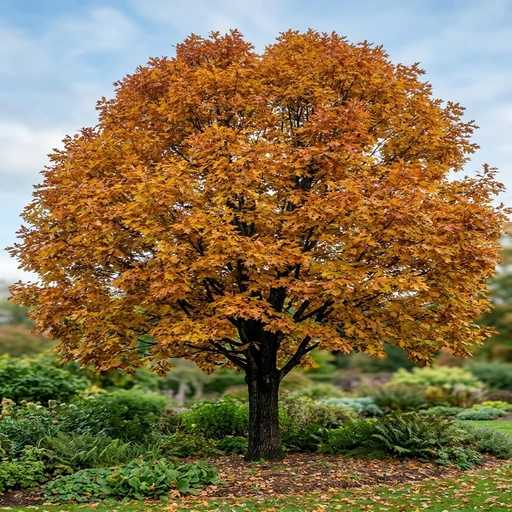
Black Oak
Quercus velutina
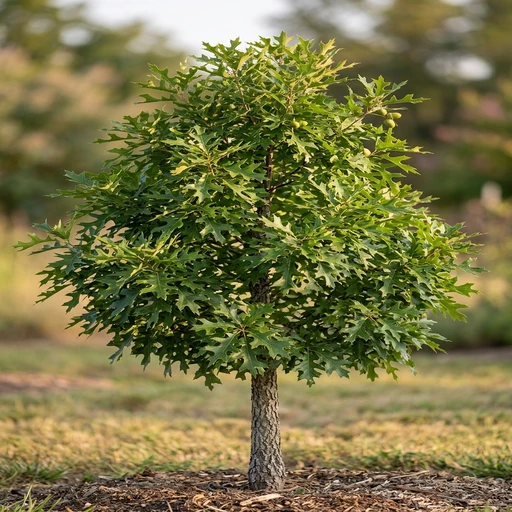
Nuttall Oak
Quercus texana
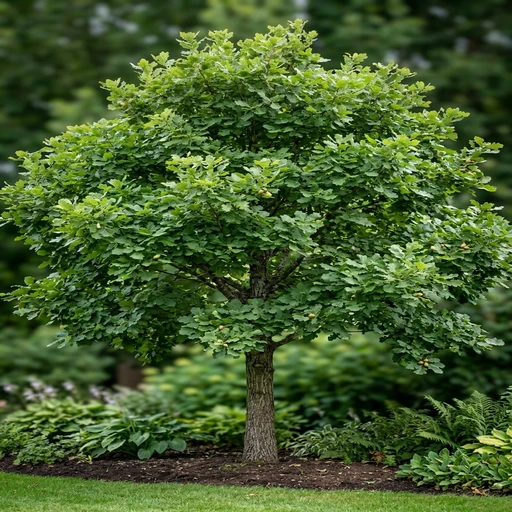
English Oak
Quercus robur
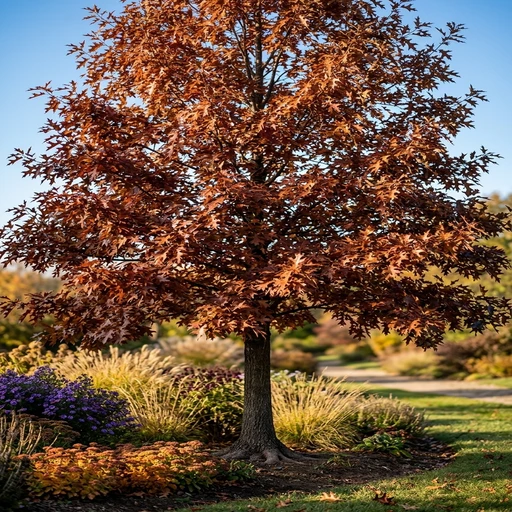
Pin Oak
Quercus palustris
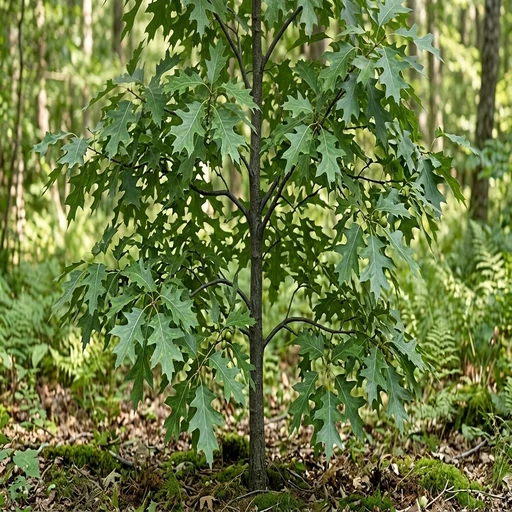
Scarlet Oak
Quercus coccinea
Keep exploring
Explore the genus
Hardy in your zone?
Grow Gambel Oak with confidence
See it in a design of your actual yard, get zone-matched care reminders, and track it season by season in your garden journal.