The Story
Plant Bio
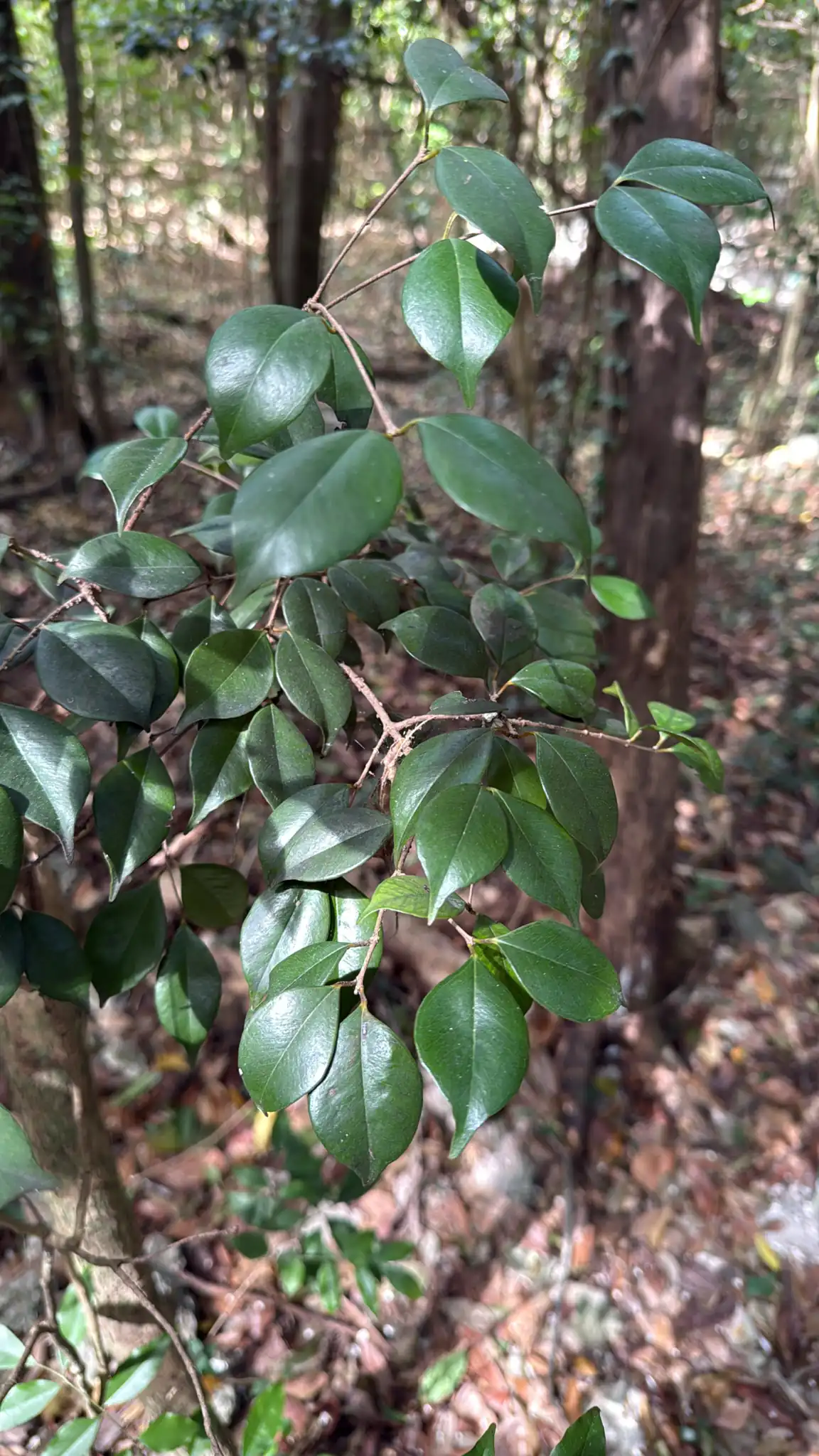
Eugenia confusa is an evergreen shrub to small tree reaching 15 to 35 feet with a 15 to 25 foot spread, forming an erect trunk and a narrow rounded symmetrical dense crown that is often multi-trunked and very slow growing. It carries opposite firm glossy green ovate leaves 2 to 4 inches long with entire margins and fine texture, plus small white flowers that are not showy and round fleshy berries 0.5 to 1 inch across that ripen from red to black.
Unlike red stopper sold in Florida trade, redberry stopper is distinguished by showy red berries borne through the year that drop and litter pavement, held in a tight dense canopy with smooth mottled bark on single or multi-stemmed specimens. It is a rare Florida endangered hammock tree of moist to dry evergreen forest, coastal hammocks, rockland hammocks and coastal berms that stays free of serious disease and needs little pruning once established.
Uses & Benefits:
Essentials
At a Glance
Plant Type
Tree
Height
420"
Width
300"
Light
Full Sun, Partial Sun
Zones
10
Water
Low once established
Humidity
Tolerates coastal salt air
Lifespan
Long-lived evergreen tree
Native To
South Florida and West Indies
Toxicity
Unknown - human edibility unconfirmed
Bloom period
Year round
In flower about 12 months of the year
Planting
How to Grow
- Plant in full sun to partial shade in well-drained clay, sand, or loam that is acidic to alkaline.
- Set potted stock at nursery depth in warm spring after danger of cold has passed and water in deeply.
- Mulch 2 to 3 inches out to the drip line, keeping mulch off the trunk, and water regularly until rooted.
- Once established, cut back to little or no irrigation except in extended drought and prune only to shape.
Pro Tip
Train young stock to one trunk for street clearance or leave it multi-stemmed to show bark, then leave established trees alone with little water or pruning.
Keep It Thriving
Care Guide
Do
- Do plant in a nearly frost-free Zone 10B-11 site with full sun and good air flow.
- Do provide sharp drainage and allow soil to dry between waterings once established.
- Do leave fallen red berries raked up where they litter walks and parking areas.
Don't
- Do not plant where frost occurs or in soggy soil that stays wet.
- Do not over-prune or over-water an established tree that needs little maintenance.
- Do not collect plants or seed from the wild in Florida where it is endangered.
Seasonal Care Calendar
| Task | Jan | Feb | Mar | Apr | May | Jun | Jul | Aug | Sep | Oct | Nov | Dec |
|---|---|---|---|---|---|---|---|---|---|---|---|---|
| Mulch | ||||||||||||
| Pest Check | ||||||||||||
| Plant | ||||||||||||
| Prune |
Watch Out For
Pests & Diseases
Common Pests
Common Diseases
In the Garden
Landscape Uses & Companions
Landscape Uses
Multiply
Propagation Methods
Good to Know
Common Questions
Redberry Stopper questions
What zones can Redberry Stopper grow in?
Redberry Stopper is hardy in USDA Zone 10: in that range it survives winter in the ground. Colder than Zone 10, winters are too cold for it to survive outdoors.
When does Redberry Stopper bloom?
Redberry Stopper typically blooms year-round. Exact timing shifts a week or two with your zone — Sow's bloom calendar maps it to your garden.
Does Redberry Stopper need full sun?
Redberry Stopper does best in full sun to part shade. In hot climates, afternoon shade keeps blooms fresher longer.
Is Redberry Stopper drought tolerant?
Yes — once established (usually after the first full season), Redberry Stopper handles dry spells with minimal watering. Water deeply its first year to build the root system that makes that possible.
More Eugenia to compare
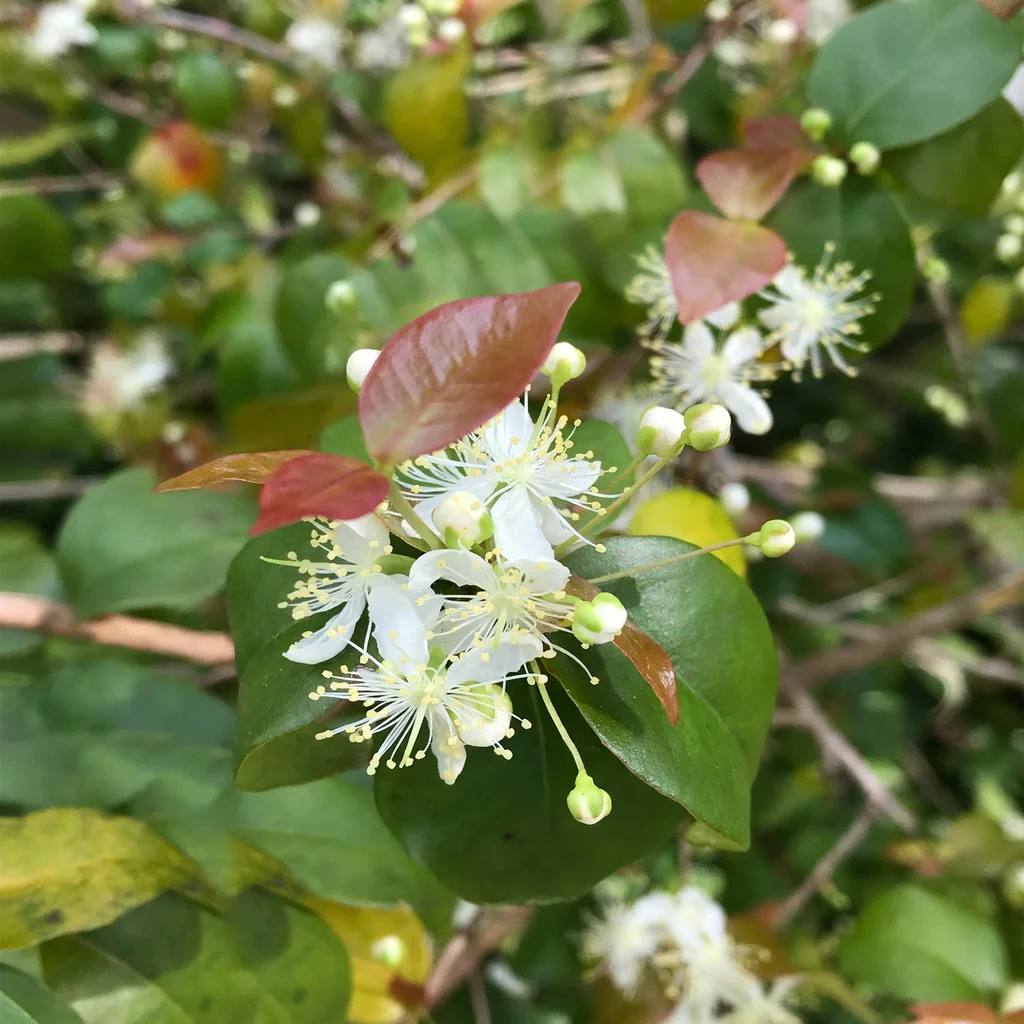
Surinam Cherry
Eugenia uniflora
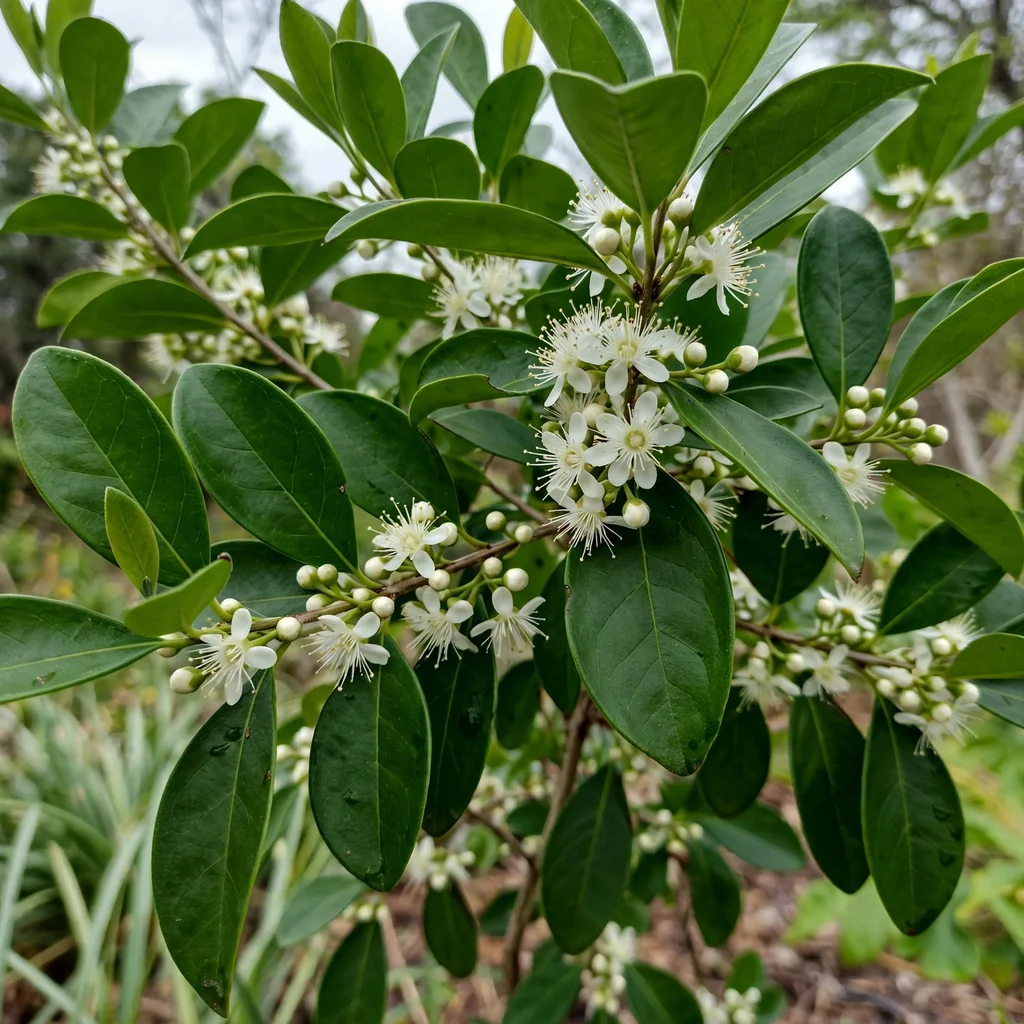
Savannah Cherry
Eugenia calycina
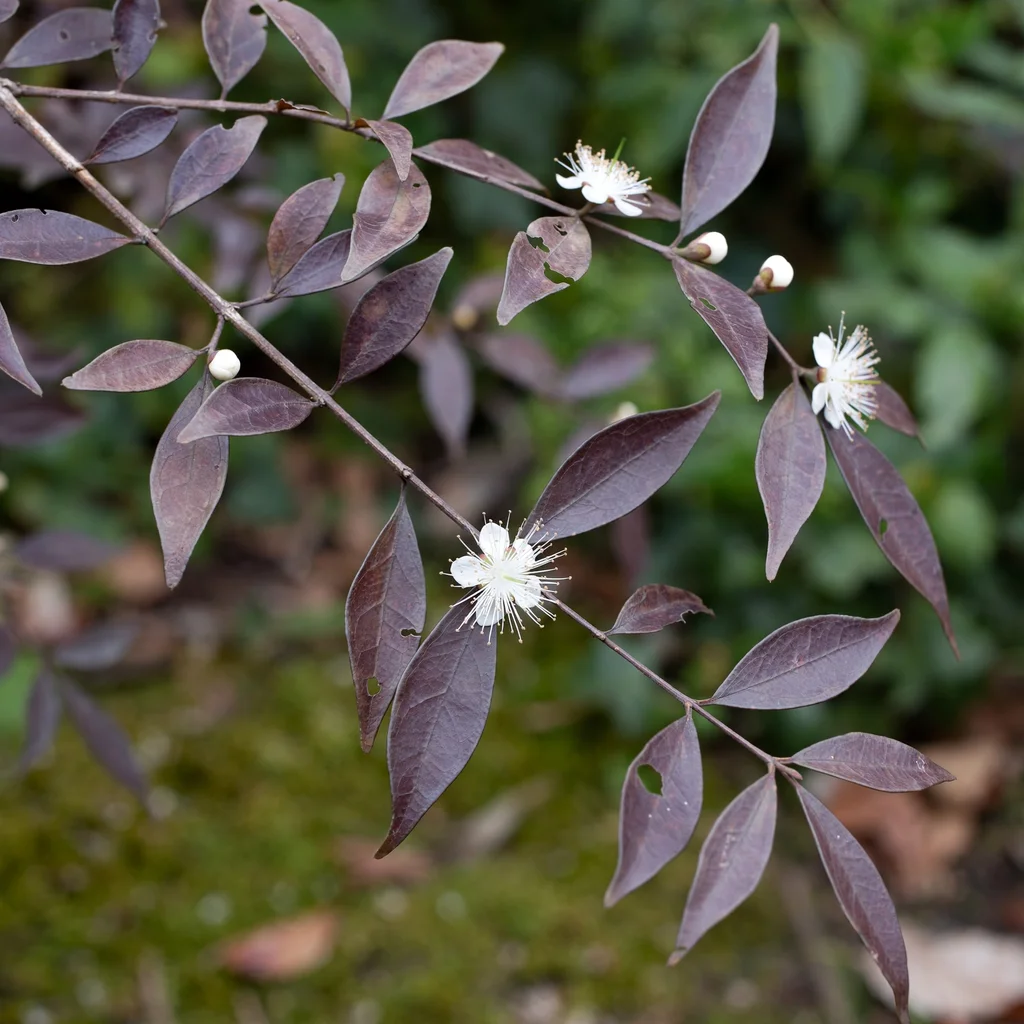
Cherry of the Rio Grande
Eugenia aggregata
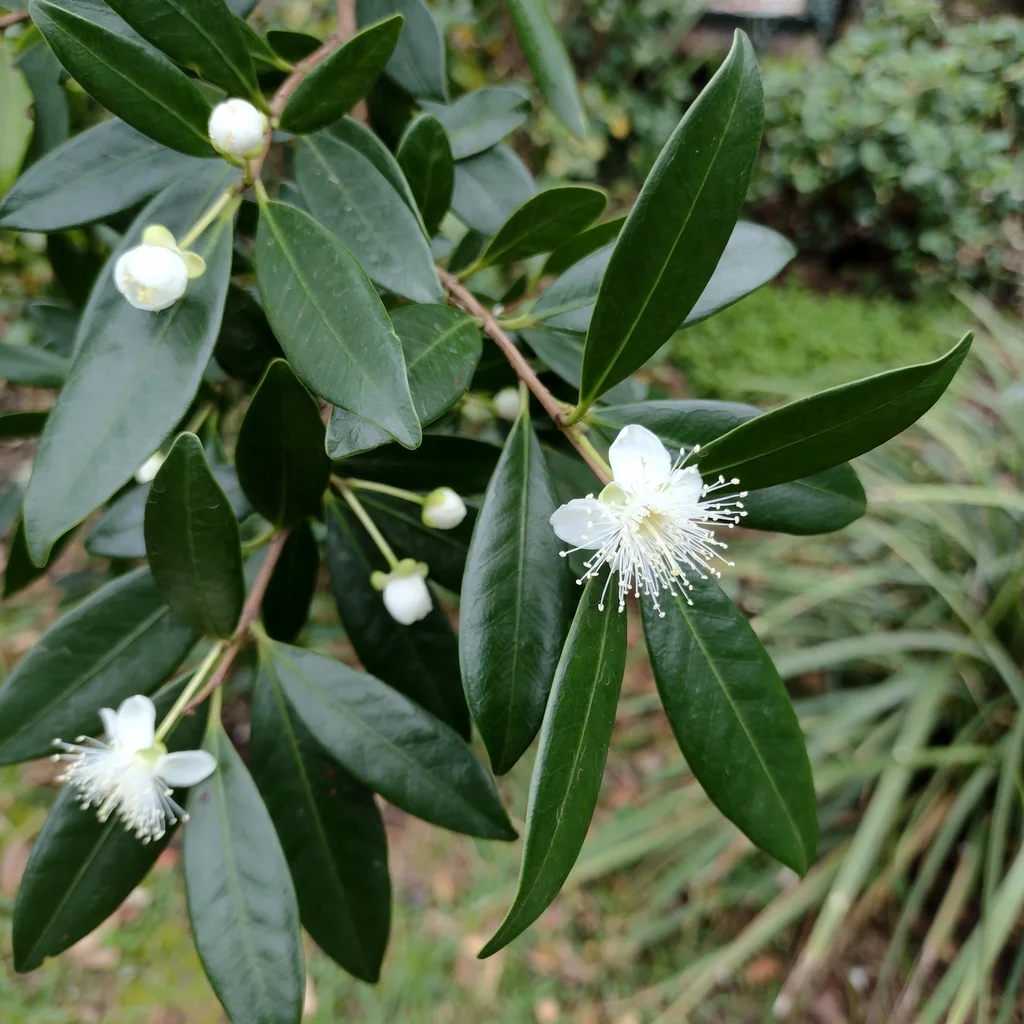
Pitomba
Eugenia luschnathiana
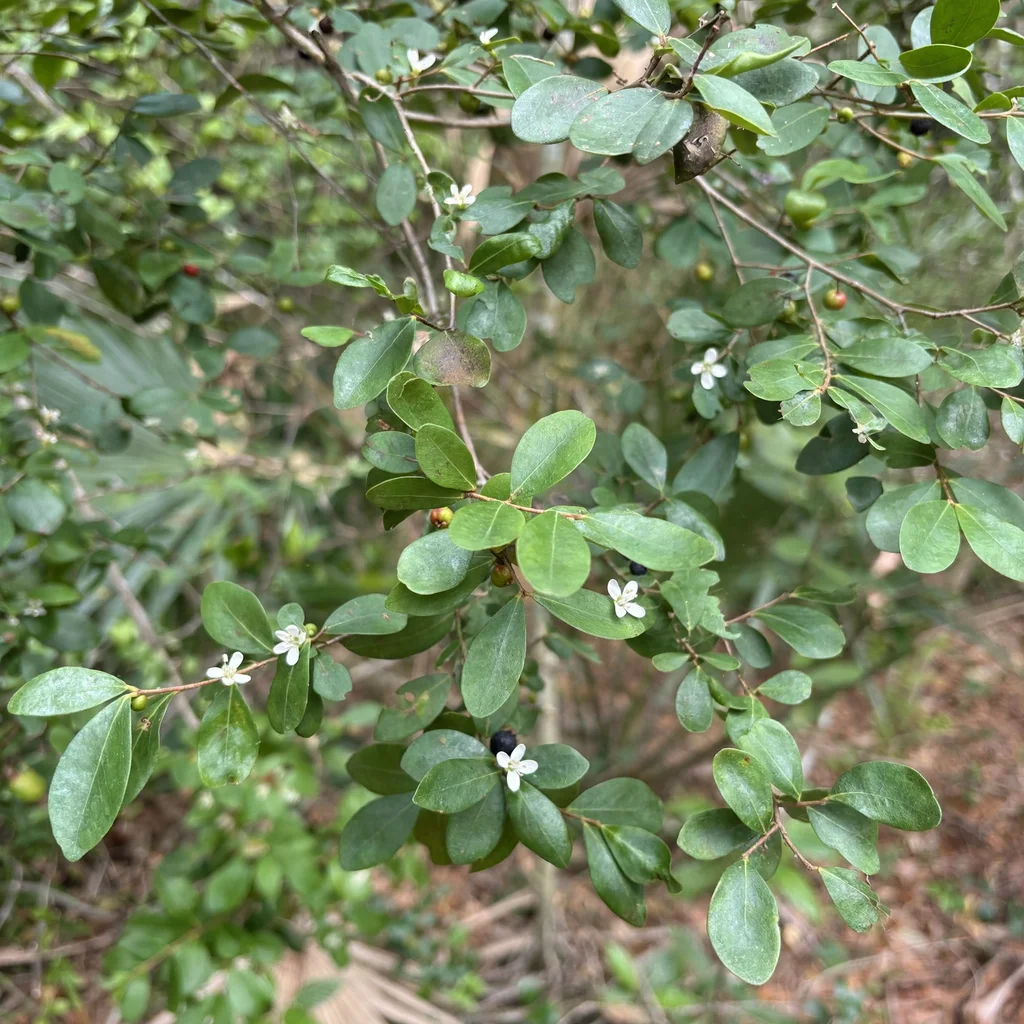
Spanish Stopper
Eugenia foetida
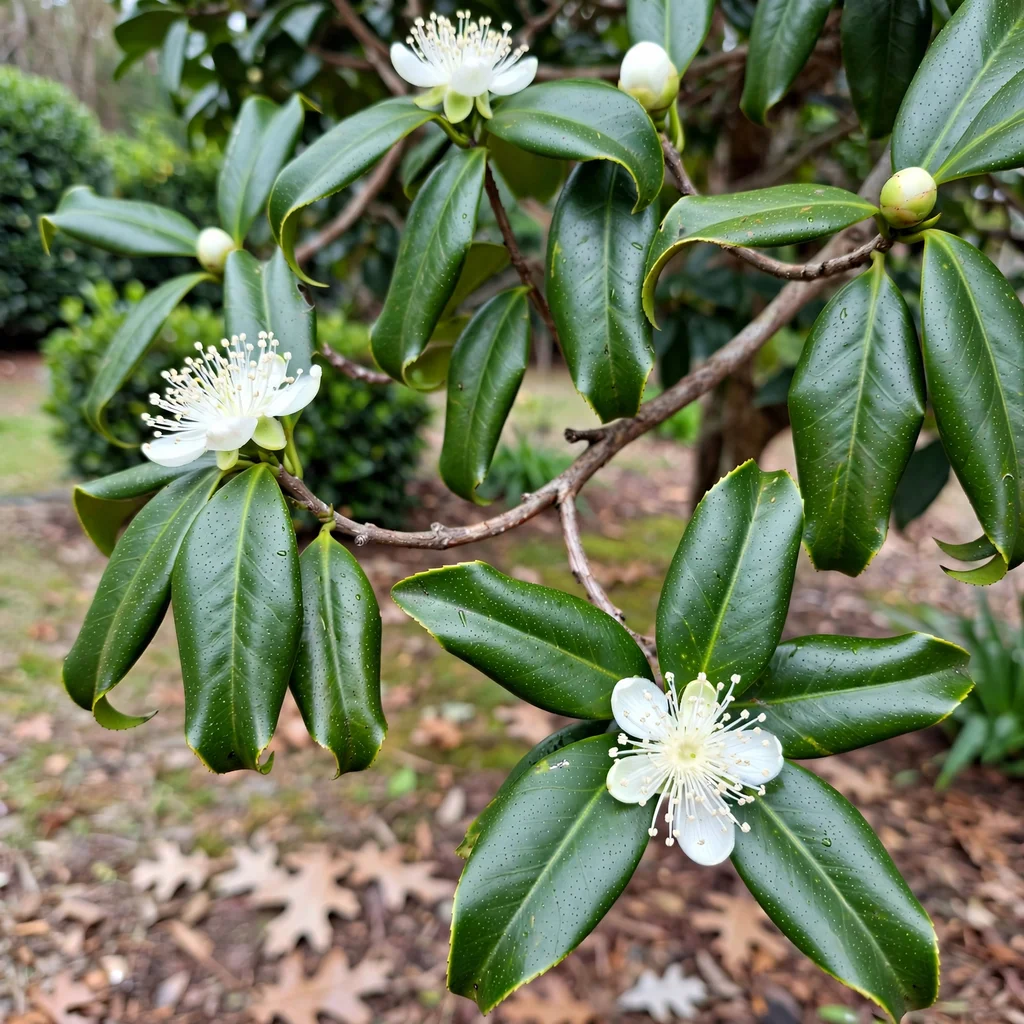
Grumichama
Eugenia brasiliensis
Keep exploring
Explore the genus
Hardy in your zone?
Grow Redberry Stopper with confidence
See it in a design of your actual yard, get zone-matched care reminders, and track it season by season in your garden journal.