The Story
Plant Bio
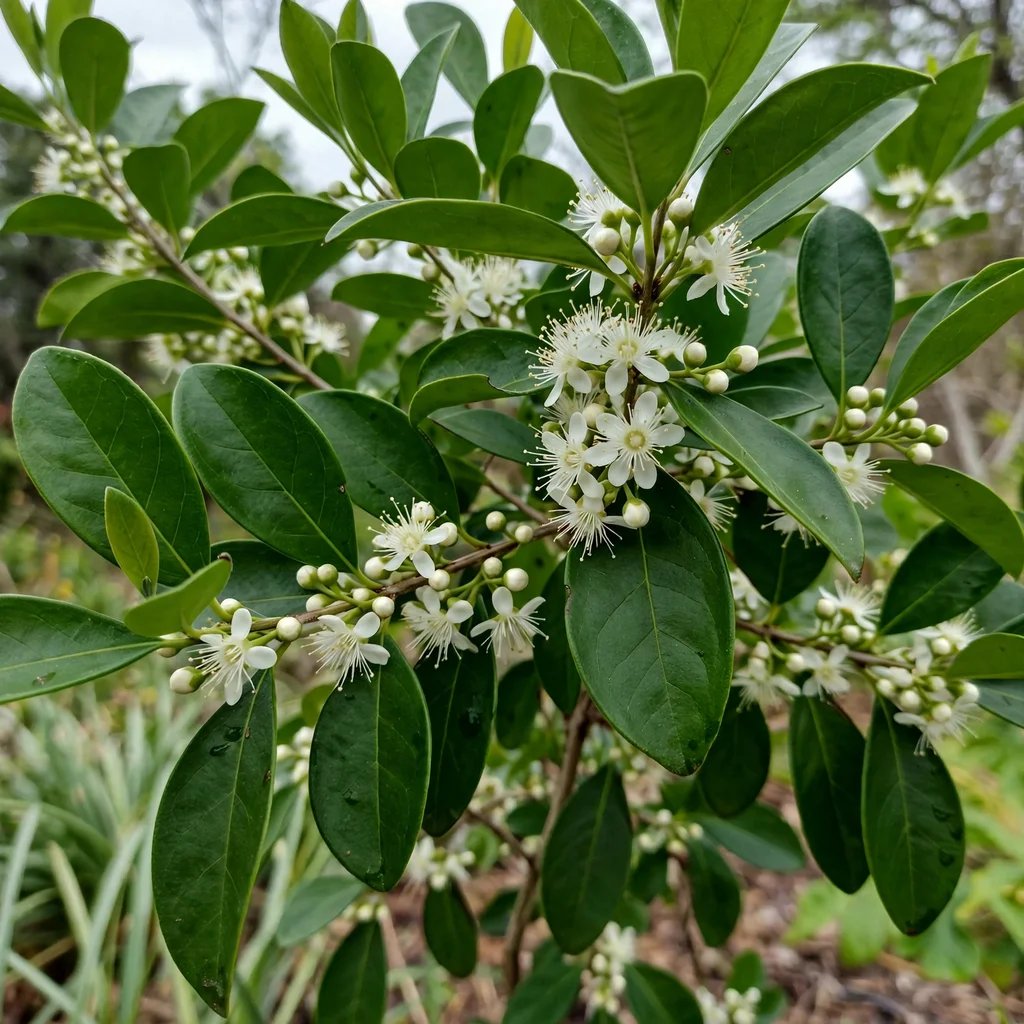
Eugenia calycina, the savannah cherry of Brazil's dry Cerrado, is a deciduous bushy shrub to small tree that stands three to seven feet in the wild and five to twelve feet in gardens, with deep green oval leaves. The display comes from large white Myrtaceous flowers with many stamens, borne singly in spring and crowned in fruit by long persistent sepals.
It is set apart by dry-savannah adaptation to 5200 feet, cold tolerance to 20F, and round red fruit with thick sweet pulp that ripens two to three weeks after flowering. Seedlings fruit in two to three years, and the trade name persists although the plant is now treated as Eugenia involucrata, so check for the sepal crown to separate it from Surinam cherry.
Uses & Benefits:
Essentials
At a Glance
Plant Type
Shrub
Height
120"
Width
72"
Light
Full Sun, Partial Sun
Zones
9, 10
Water
Medium
Humidity
Low to moderate
Lifespan
Long-lived shrub
Native To
Brazil
Toxicity
Non-toxic
Bloom period
Spring – Late spring
In flower about 3 months of the year
Planting
How to Grow
- Choose a full-sun spot with well-draining fertile soil pH 5.5-7.0 sheltered from hard freeze.
- Plant the rootball level with the soil surface and water in deeply.
- Mulch 2-3 inches, keeping mulch off the stem, and water regularly the first two years.
- Feed lightly in spring with balanced fertilizer and shape only after fruiting.
- Protect pots or young plants when temperatures approach 20F.
Pro Tip
Plant in full sun in well-draining slightly acid soil, water to keep soil evenly moist the first two years, and prune only to shape right after harvest.
Keep It Thriving
Care Guide
Do
- Give full sun with afternoon shade for young plants
- Keep soil evenly moist while establishing
- Pick fruit fully ripe for fresh eating
Don't
- Do not plant in waterlogged clay
- Do not cut back into old bare wood
- Do not confuse with Surinam cherry, which is invasive in South Florida
Seasonal Care Calendar
| Task | Jan | Feb | Mar | Apr | May | Jun | Jul | Aug | Sep | Oct | Nov | Dec |
|---|---|---|---|---|---|---|---|---|---|---|---|---|
| Harvest | ||||||||||||
| Mulch | ||||||||||||
| Plant | ||||||||||||
| Prune | ||||||||||||
| Winter Prep |
Watch Out For
Pests & Diseases
Common Pests
Common Diseases
In the Garden
Landscape Uses & Companions
Landscape Uses
Companion Plants
Multiply
Propagation Methods
Good to Know
Common Questions
Savannah Cherry questions
What zones can Savannah Cherry grow in?
Savannah Cherry is hardy in USDA Zones 9–10: in that range it survives winter in the ground. Colder than Zone 9, grow it in a container you can move to shelter for the winter.
When does Savannah Cherry bloom?
Savannah Cherry typically blooms in spring. Exact timing shifts a week or two with your zone — Sow's bloom calendar maps it to your garden.
Does Savannah Cherry need full sun?
Savannah Cherry does best in full sun to part shade. In hot climates, afternoon shade keeps blooms fresher longer.
Is Savannah Cherry drought tolerant?
Yes — once established (usually after the first full season), Savannah Cherry handles dry spells with minimal watering. Water deeply its first year to build the root system that makes that possible.
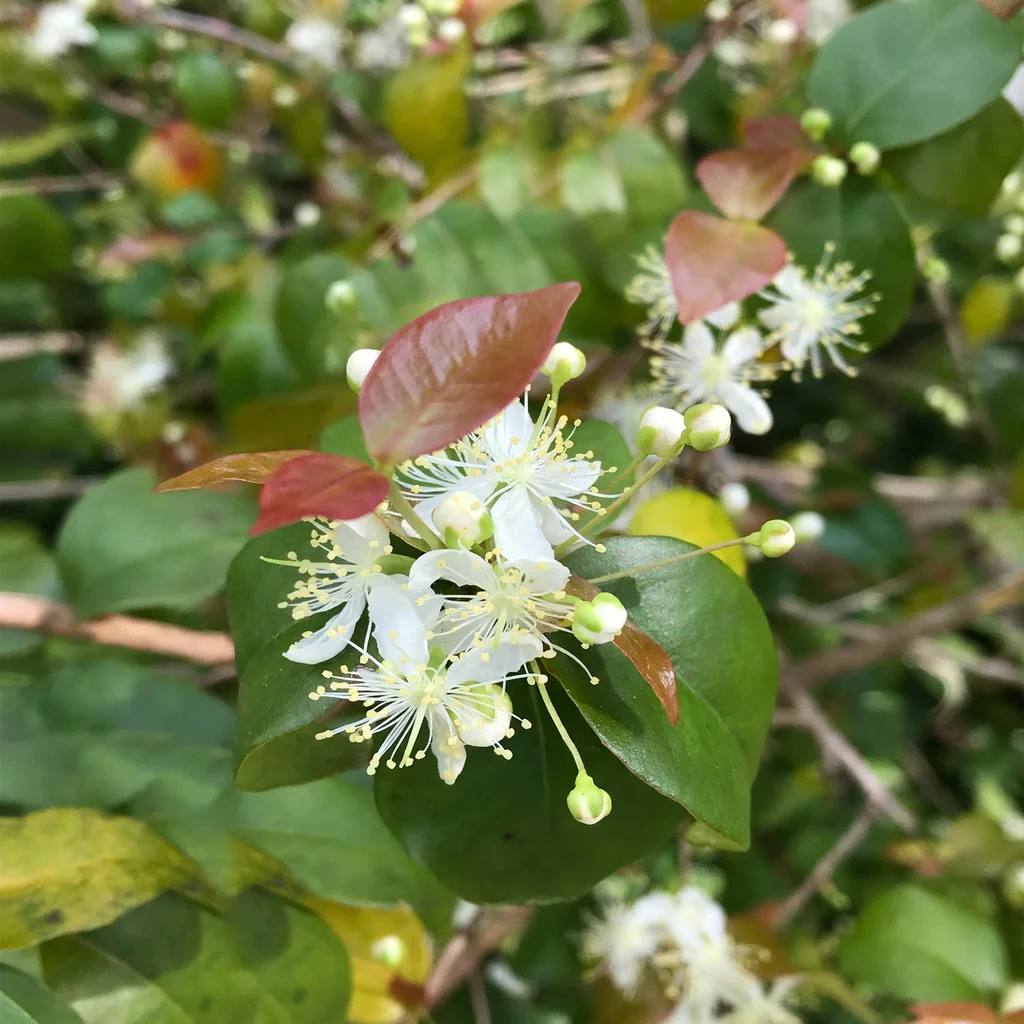
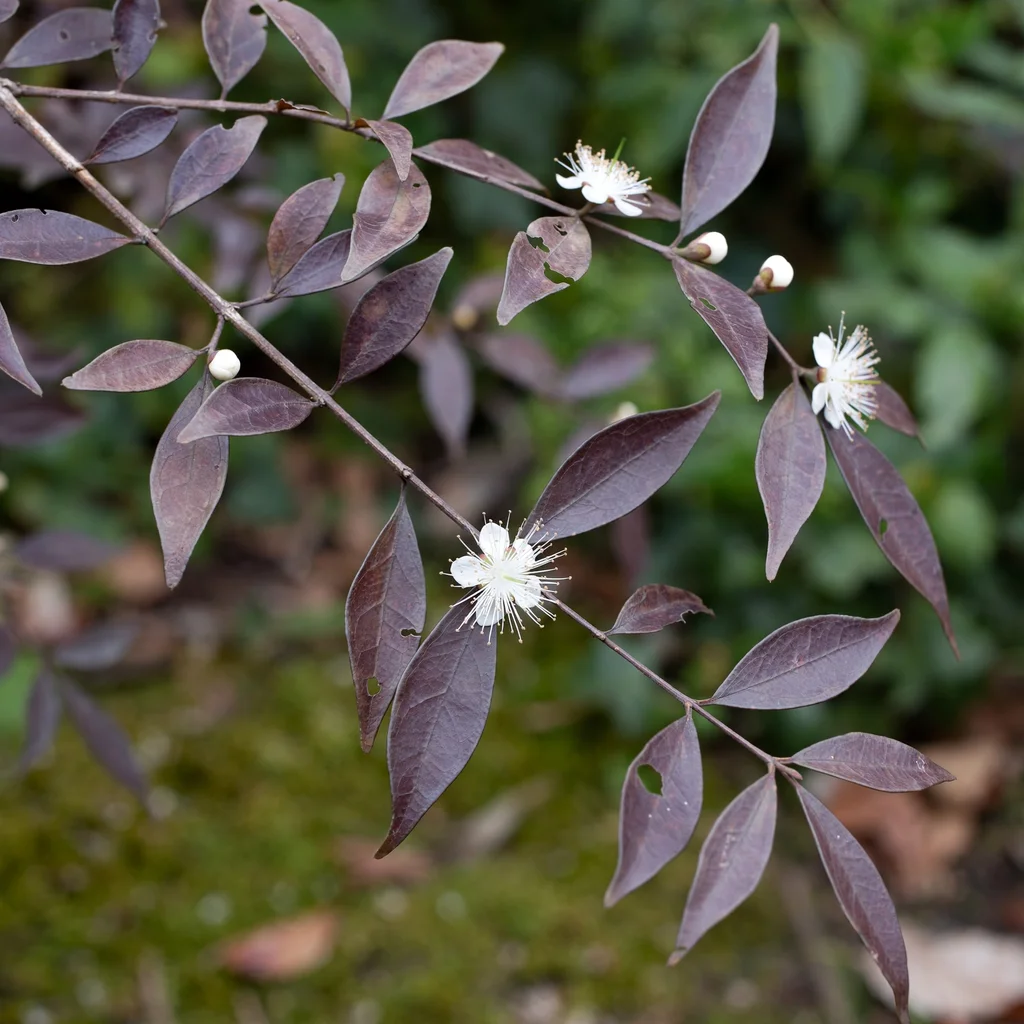
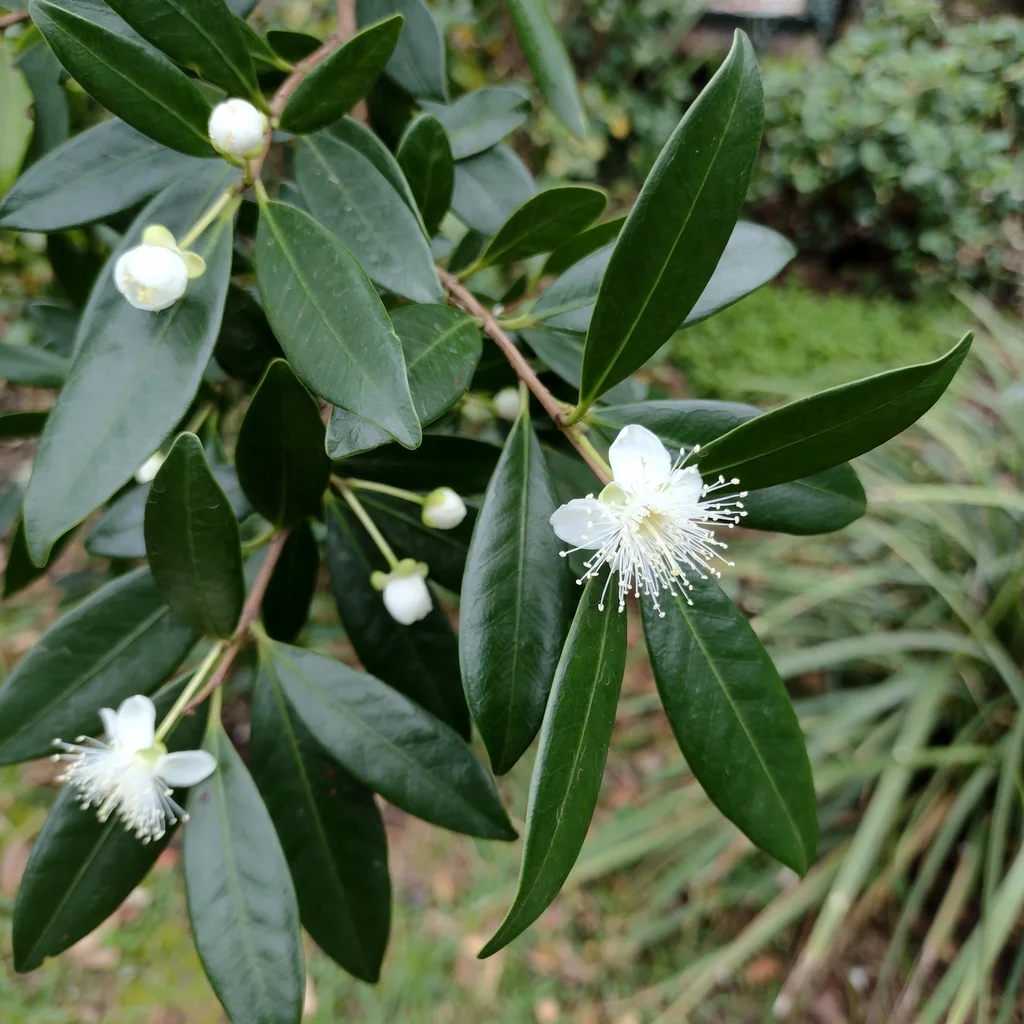
More Eugenia to compare
Keep exploring
Explore the genus
Hardy in your zone?
Grow Savannah Cherry with confidence
See it in a design of your actual yard, get zone-matched care reminders, and track it season by season in your garden journal.