Also known as Surinam Cherry · 10 saves
Eugenia
Eugenia, the genus most gardeners know as surinam cherry. We track 10 varieties; the ones most used by real gardeners.
The 10 most-saved Eugenia varieties
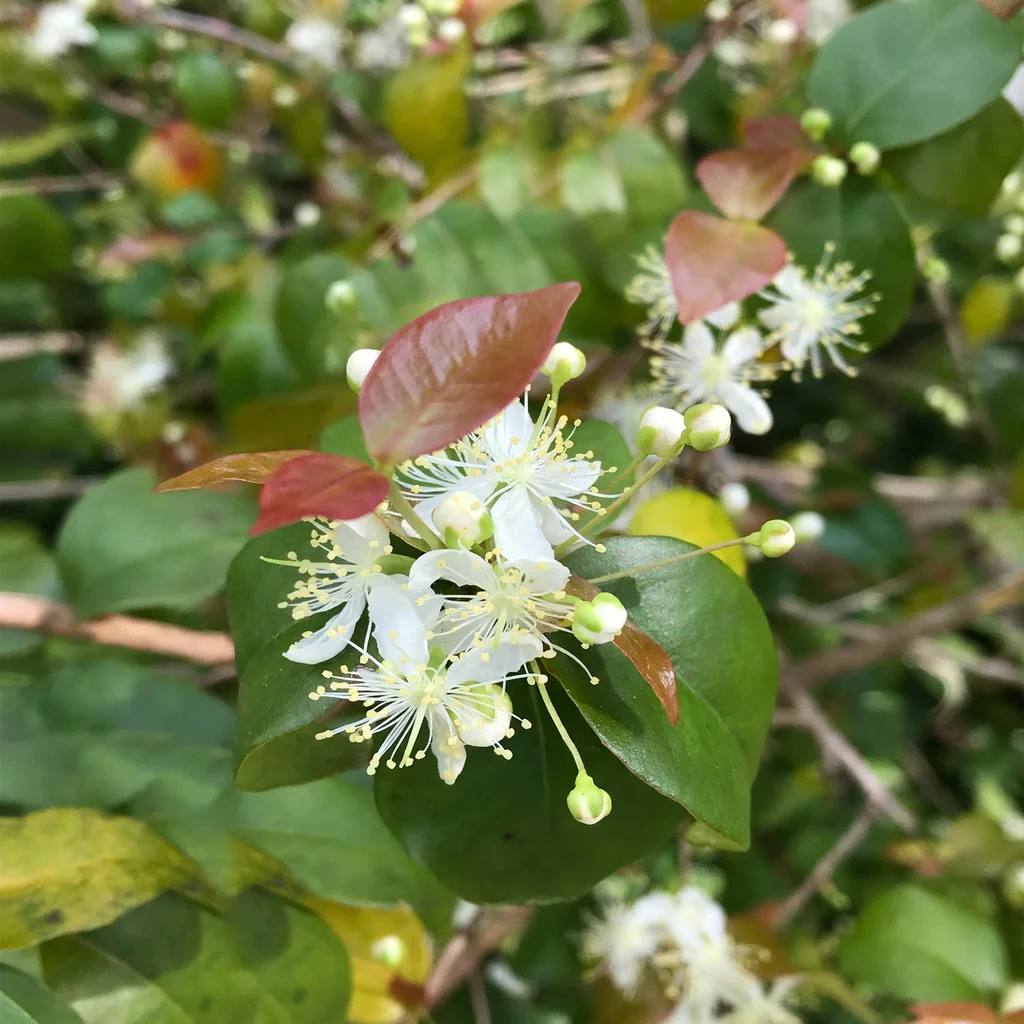
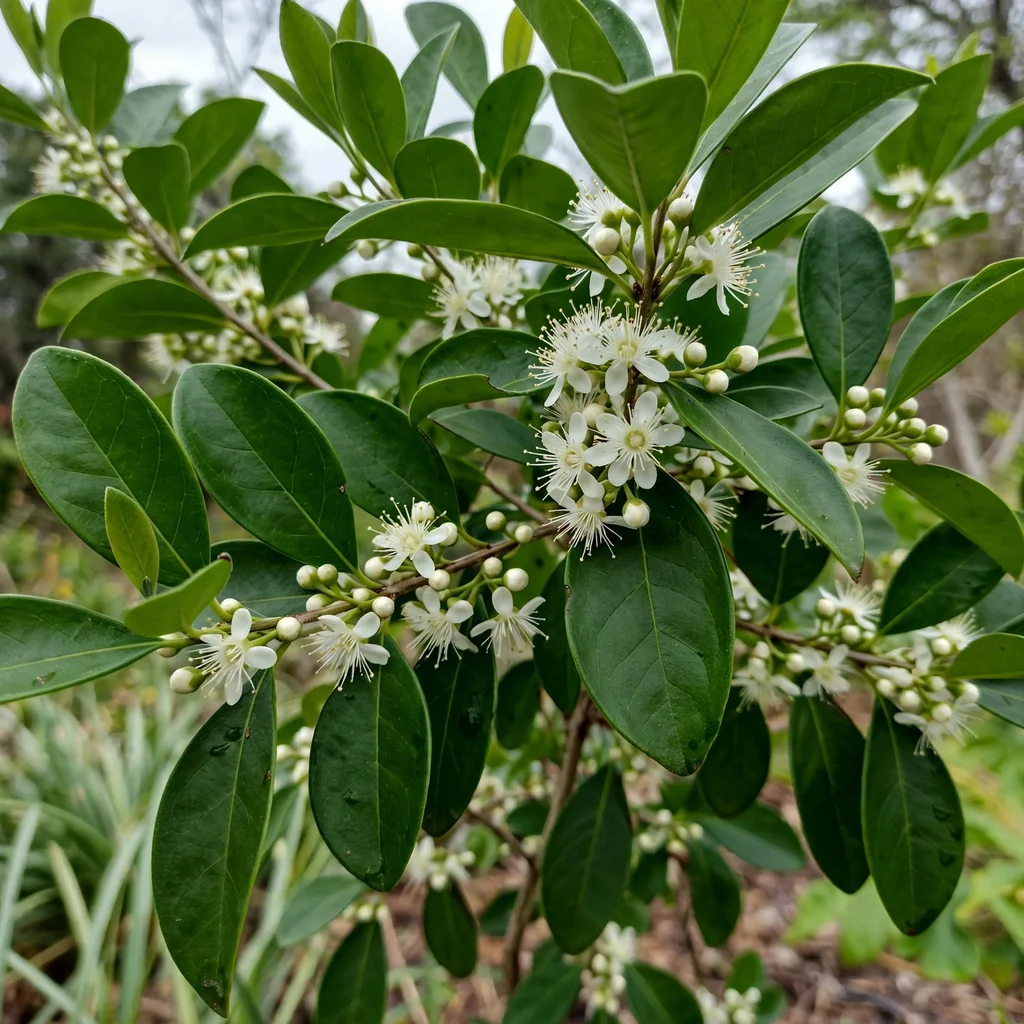
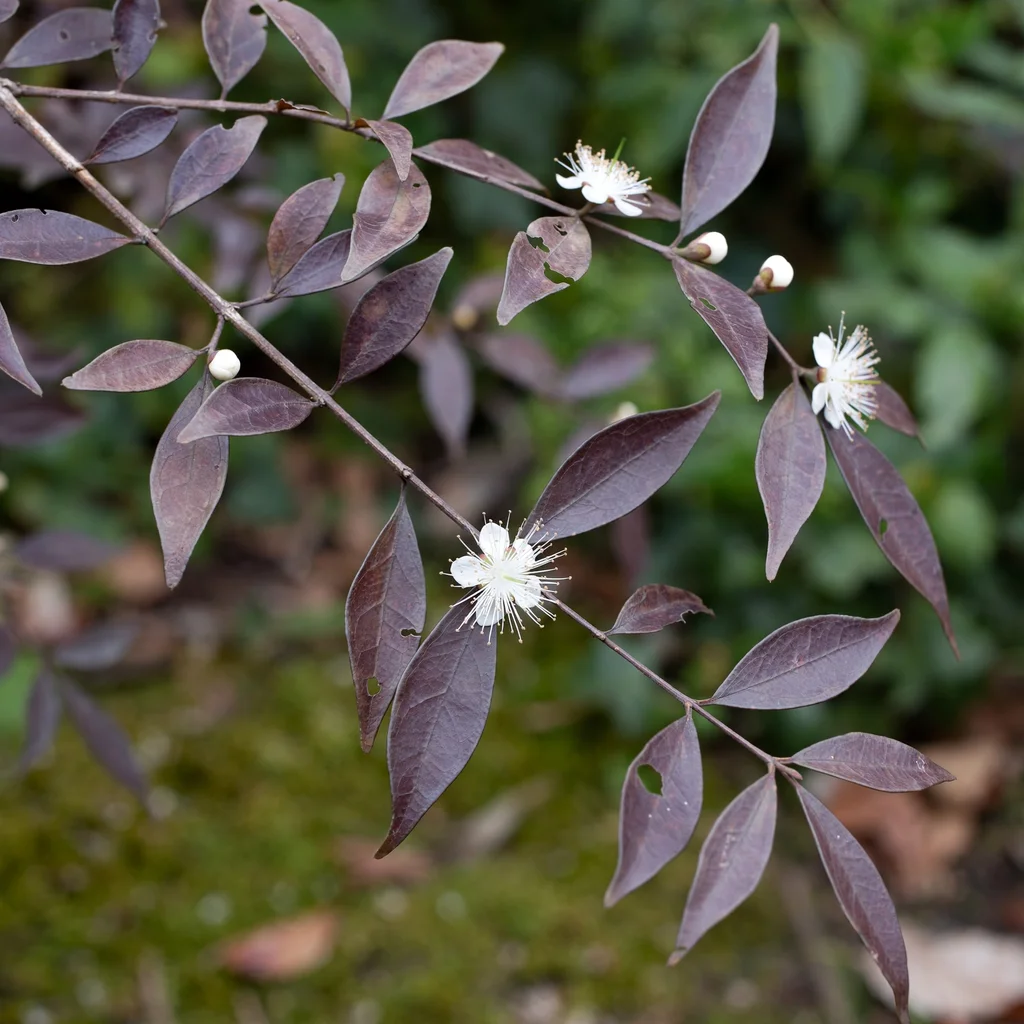
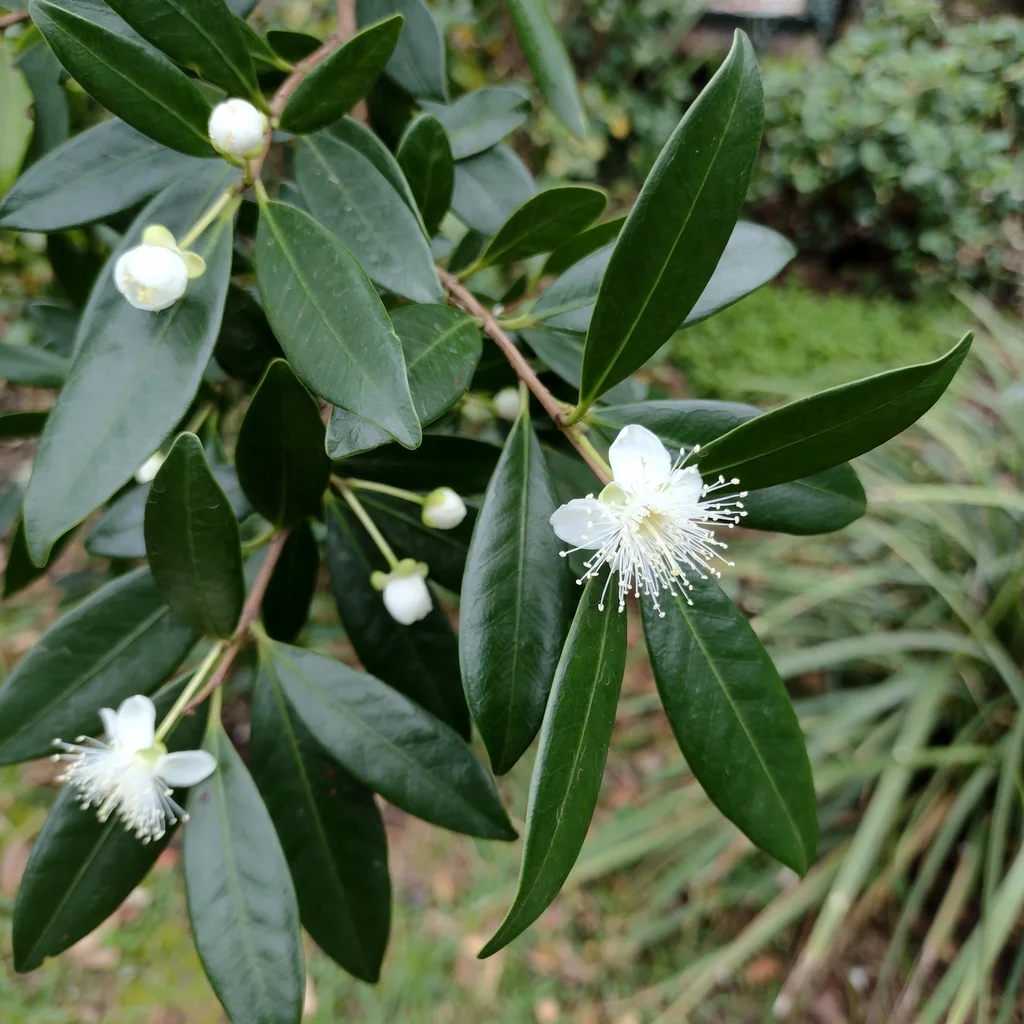
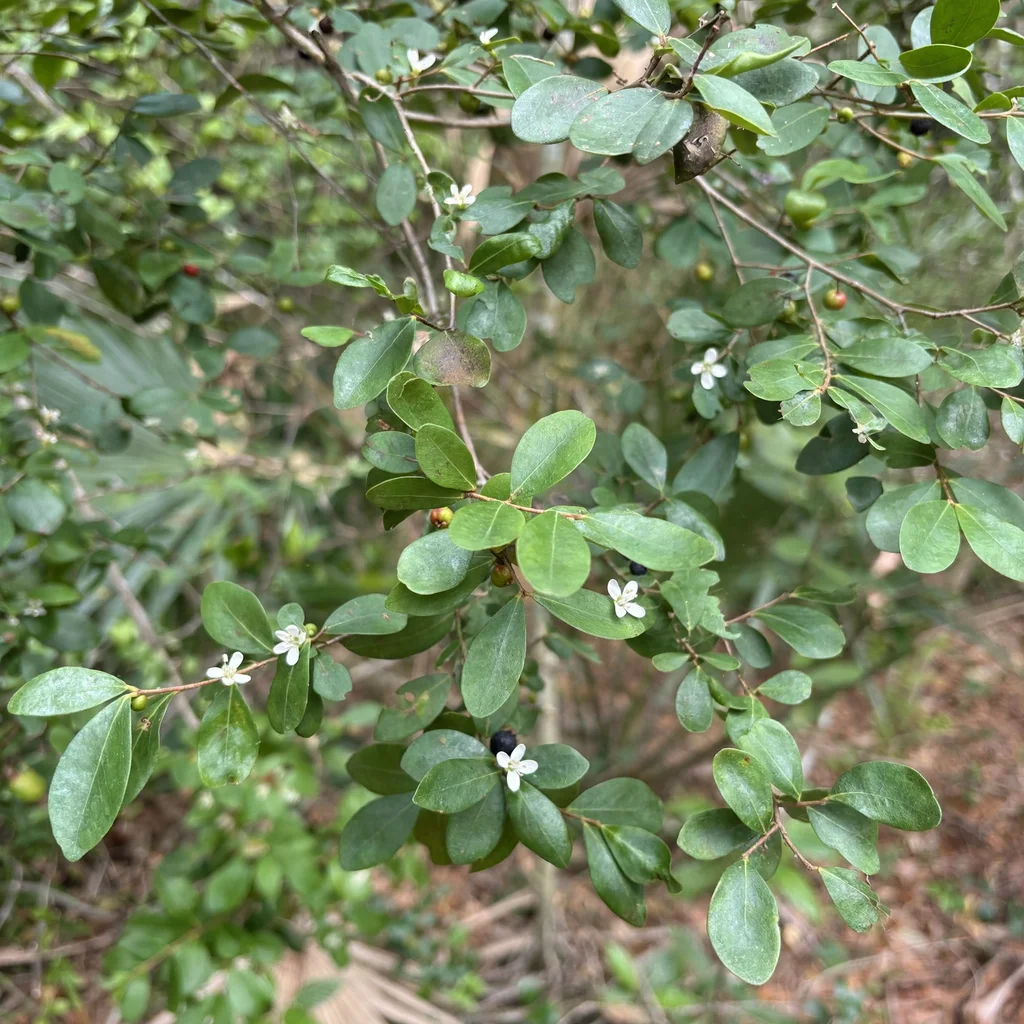
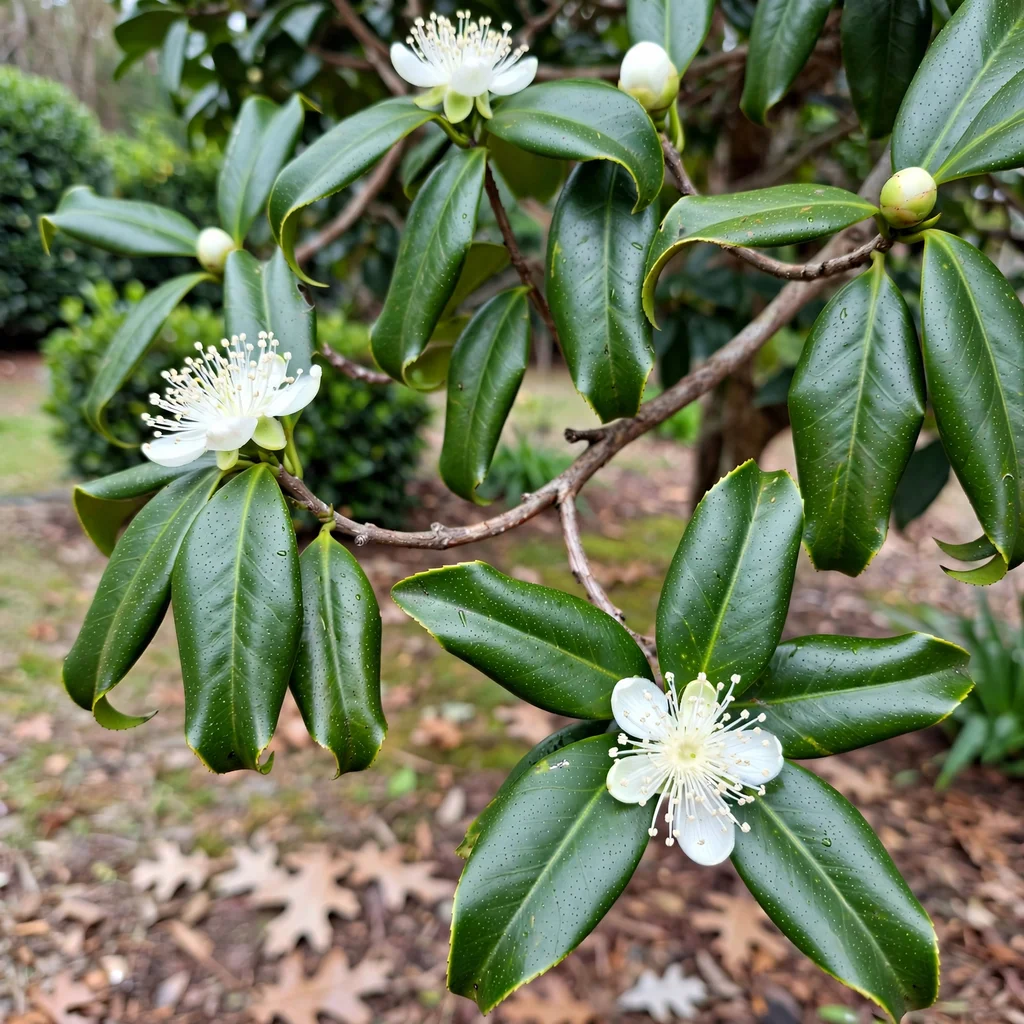
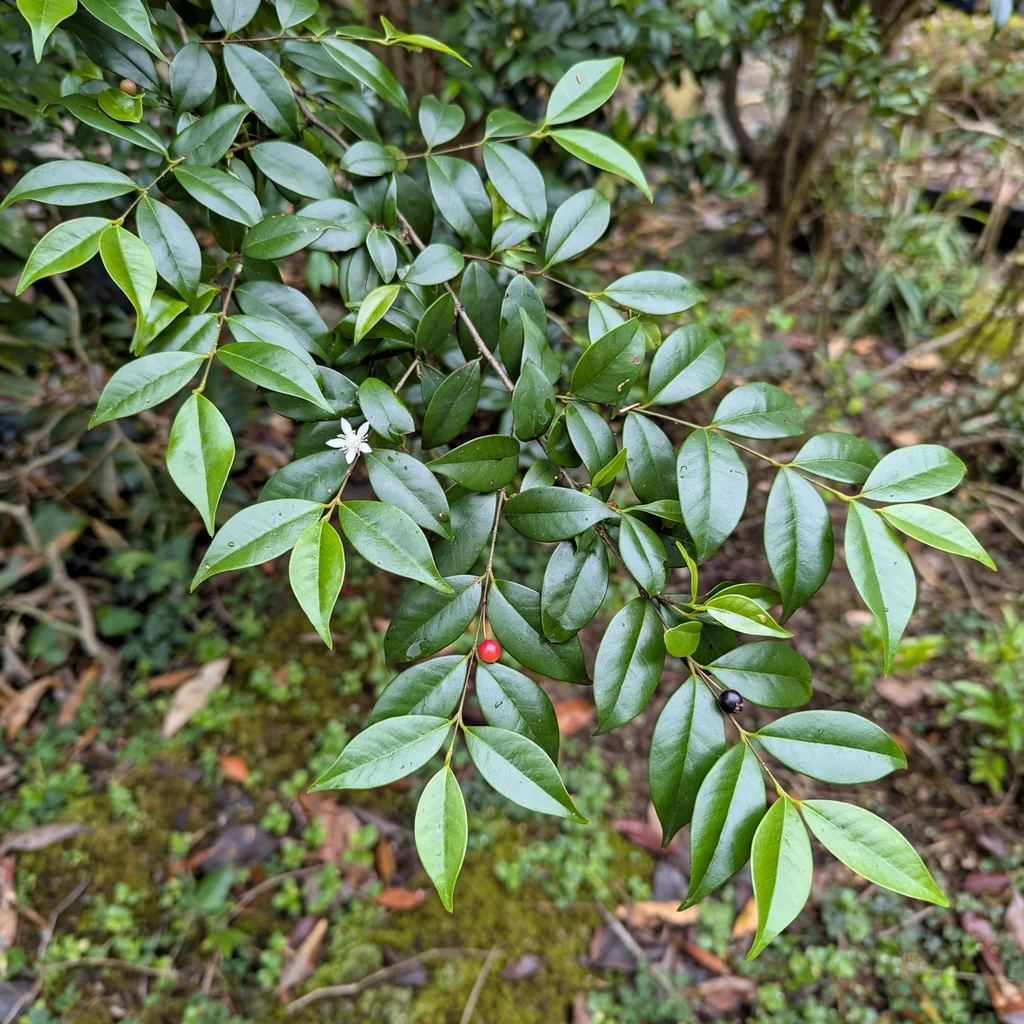
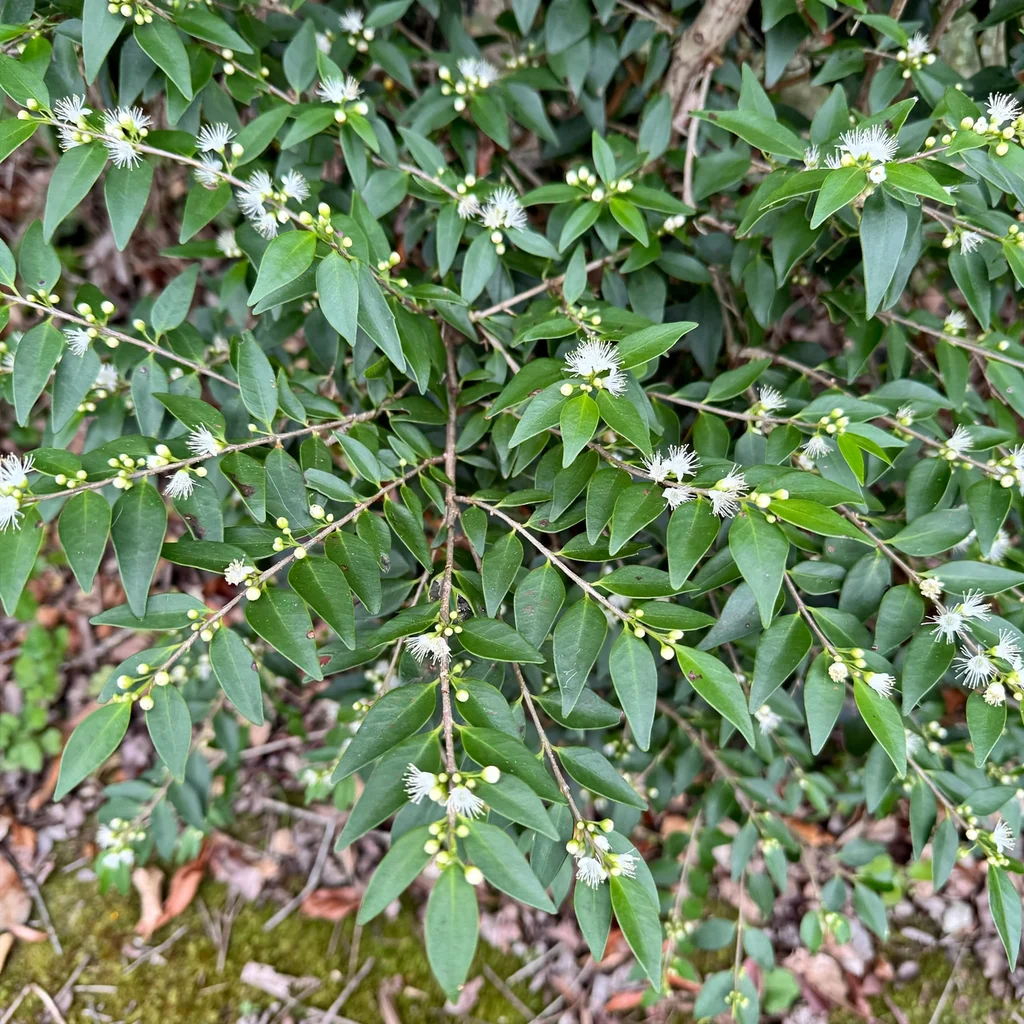
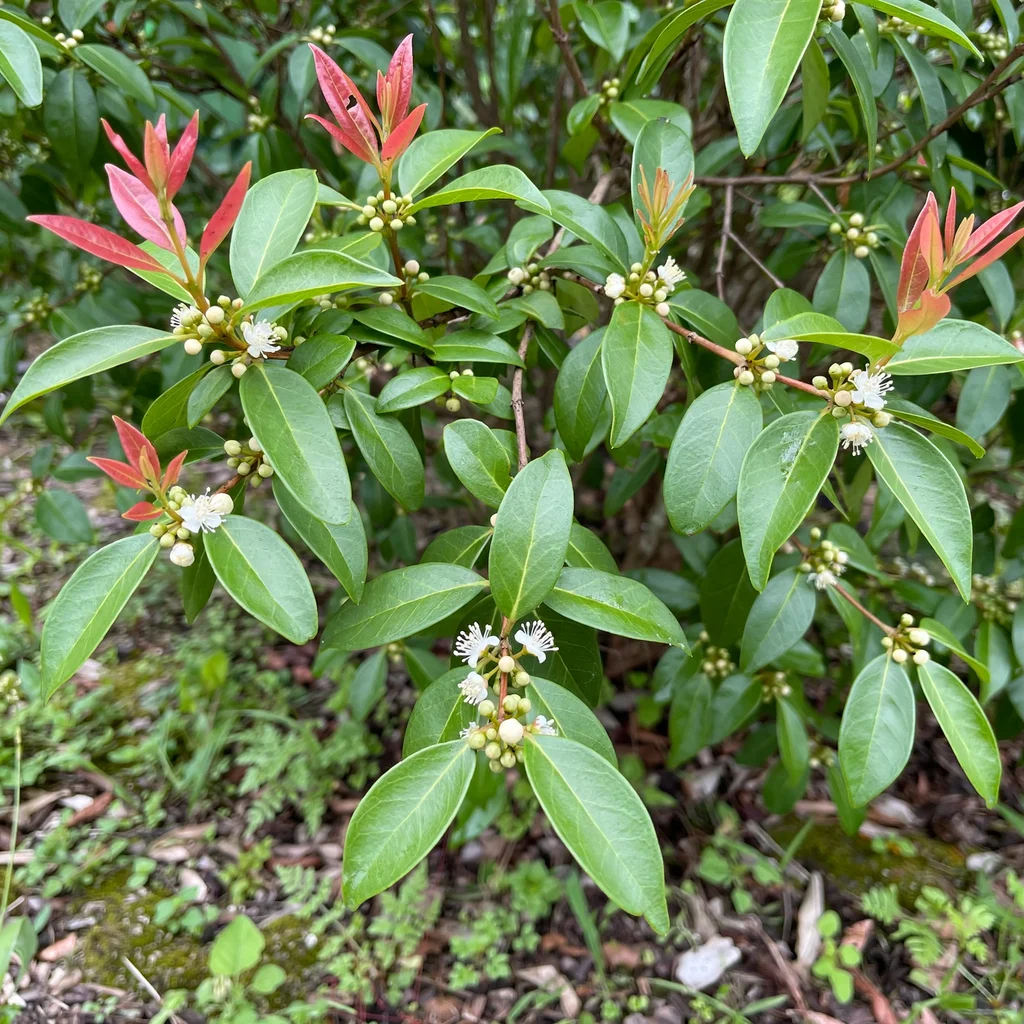
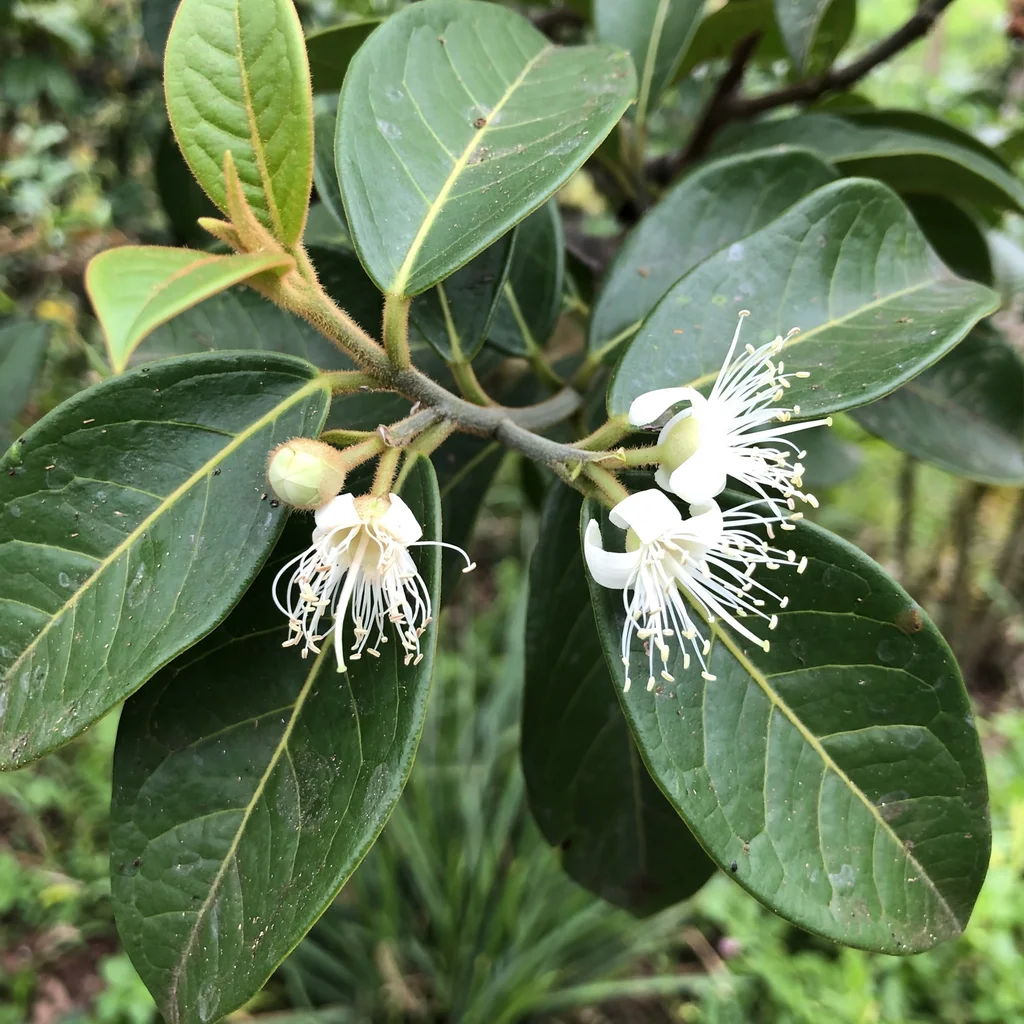
10 species of Eugenia
Each one is a parent of the varieties above.
Track your Eugenia in Sow
Save the Eugenia you grow and get care reminders timed to your zone.
How to grow Eugenia
Whats common across all Eugenia varieties in our catalog — drawn from the care records of the 10 most-grown of them.
The Eugenia year
- PruneMarch100% of varieties
Train to a single trunk or multi-trunk form and tip-prune at most yearly to shape.
- Check for PestsJune and July90% of varieties
Check leaf undersides and stems for scale, mealybug, and mites during hot months.
- MulchMarch–May60% of varieties
Refresh organic mulch and top-dress with compost over limestone or sandy soil.
- PlantMarch and April60% of varieties
Plant potted stock any month in zones 10B to 11 while soil is workable.
- FertilizeMarch and April50% of varieties
Feed lightly for spring growth with compost and acid-formula fertilizer.
- Winter PrepNovember and December50% of varieties
Mulch root zone and move containers indoors before hard freeze.
- HarvestApril–June40% of varieties
Pick fruit as it turns dark purple-black; use quickly or make jam.


Do
- Plant nursery-propagated stock and leave wild populations undisturbed.
- Mulch with organic matter and keep soil well-drained.
- Site out of direct salt spray and drying coastal wind.
- Grow in well-drained sandy or calcareous soil
- Clip regularly if used as a foundation hedge or screen
Avoid
- Do not cut back into old bare wood
- Do not wild-collect plants or seed from natural hammocks.
- Do not shear young slow plants to force a hedge or expect early fruit.
- Do not plant where frost occurs or soil stays wet.
What goes wrong with Eugenia
| Problem | What you'll see | What to do |
|---|---|---|
| Scale | Small raised bumps on stems and leaf undersides with sticky honeydew. | Wipe light infestations and treat with horticultural neem oil, repeating a second and third application to catch crawlers; rarely serious. |
| Caribbean fruit fly | Maggots inside ripening fruit; fruit softens and drops early | Harvest promptly, pick up and destroy fallen fruit, use exclusion netting |
| Lobate lac scale | Waxy lobed scales on twigs and leaves recorded in Miami | Prune infested twigs, scrub light infestations and conserve beneficial insects |
| Spider mites | Stippled leaves and fine webbing in hot dry weather. | Rinse foliage with water and treat with neem oil if numbers build; rarely serious. |
| Sooty mold | Black surface film on leaves growing on honeydew from sucking insects. | Control scale or mealybug and rinse leaves; growth stops once honeydew is gone. |
| Powdery mildew | White powdery coating on young leaves and shoots. | Thin for airflow, remove affected growth and avoid excess nitrogen; no US-specific fungicide label exists for this crop. |
| Root rot | Wilting, yellowing leaves, and decaying roots from overwatering. | Improve soil drainage and reduce watering frequency. |
Making more Eugenia
Seed
- Collect ripe red-black fruit and clean pulp from seed promptly.
- Sow fresh seed shallowly in well-drained potting mix and keep warm and evenly moist.
- Grow on slowly in pots in full sun to part shade.
- Transplant after roots fill the pot; expect slow early growth without flowers or fruit.
seed
- Remove the 1 to 4 large seeds from fully ripe fruit and wash off pulp
- Sow fresh without drying in moist well-drained mix
- Keep warm and evenly moist until germination
- Grow on in pots until large enough to plant out
Eugenia questions
How many types of Eugenia are there?
The Sow catalog tracks 10 distinct Eugenia varieties. The most popular — ranked by 10 real gardeners — are shown first above.
What zones does Eugenia grow in?
Across its varieties, Eugenia covers USDA Zones 9–10. Individual varieties differ — each plant page lists its exact range, and Sow filters the catalog to your zone automatically.
When does Eugenia bloom?
Most Eugenia varieties bloom from spring to summer.
Which Eugenia should I choose?
Start from the most-saved varieties above — popularity across thousands of gardens is a strong signal of reliability — then filter by your zone and sun. In the Sow app you can preview any of them in a photo of your actual yard before you buy.