The Story
Plant Bio
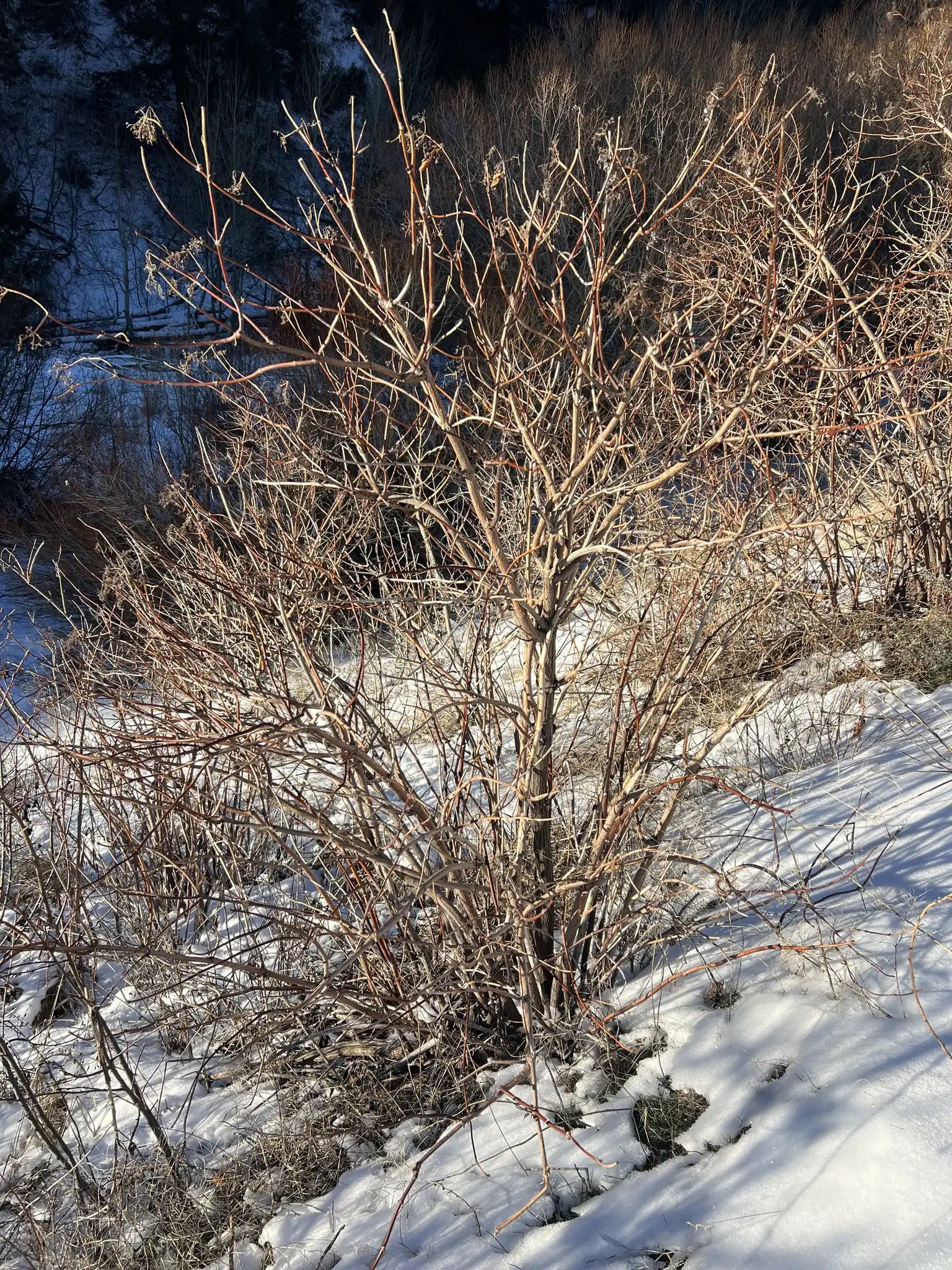
Sambucus cerulea, the blue elderberry, is a fast-growing multi-stemmed deciduous shrub or small tree native to open forests, canyons, and river banks across western North America. It produces large flat-topped clusters of fragrant creamy-white flowers from late spring into summer, followed by heavy bunches of dark berries coated in a pale powdery bloom.
This species stands apart from eastern elderberries through its superior drought tolerance once established and its characteristic glaucous, powdery blue fruit coating. Its pinnately compound leaves carry five to nine sharply serrate leaflets with distinctly asymmetrical bases.
Uses & Benefits:
Essentials
At a Glance
Plant Type
Shrub
Height
288"
Width
240"
Light
Full Sun, Partial Sun
Zones
4, 5, 6, 7, 8, 9
Water
Low to Medium
Humidity
Adapts to low and moderate humidity
Lifespan
Perennial
Native To
Western North America
Toxicity
Toxic raw ( foliage, stems, raw fruit)
Bloom period
Late spring – Summer
In flower about 4 months of the year
Planting
How to Grow
- Plant in full sun to partial shade in moist, well-draining soil, setting the root crown level with the surrounding grade.
- Water regularly during the first two growing seasons until the root system establishes deeply.
- Prune stems hard near ground level during winter dormancy to stimulate productive new seasonal canes.
- Cook harvested ripe berries thoroughly before eating to destroy toxic cyanogenic glycosides.
Pro Tip
Cut stems back hard during winter dormancy, as flowers and fruit set exclusively on vigorous new seasonal growth.
Keep It Thriving
Care Guide
Do
- Prune during winter dormancy to promote vigorous flowering growth.
- Cook all harvested berries thoroughly prior to consumption.
- Provide supplemental water during extended dry spells to maximize fruit yield.
Don't
- Do not eat raw fruit, leaves, or stems, as they contain toxic cyanogenic glycosides.
- Do not prune in spring, which removes developing flower clusters.
- Do not apply excessive nitrogen fertilizer, which encourages weak foliage at the expense of fruit.
Seasonal Care Calendar
| Task | Jan | Feb | Mar | Apr | May | Jun | Jul | Aug | Sep | Oct | Nov | Dec |
|---|---|---|---|---|---|---|---|---|---|---|---|---|
| Harvest | ||||||||||||
| Pest Check | ||||||||||||
| Prune | ||||||||||||
| Winter Prep |
Watch Out For
Pests & Diseases
Common Pests
Common Diseases
In the Garden
Landscape Uses & Companions
Landscape Uses
Multiply
Propagation Methods
Good to Know
Common Questions
Blue Elderberry questions
What zones can Blue Elderberry grow in?
Blue Elderberry is hardy in USDA Zones 4–9: in that range it survives winter in the ground. Warmer than Zone 9, winter isn't the problem: it prefers colder winters, and summer heat can shorten its life.
Is Blue Elderberry deer resistant?
Not reliably. Deer may browse Blue Elderberry, especially tender spring growth — plan on repellents or fencing where pressure is high.
When does Blue Elderberry bloom?
Blue Elderberry typically blooms from late spring to late summer. Exact timing shifts a week or two with your zone — Sow's bloom calendar maps it to your garden.
Does Blue Elderberry need full sun?
Blue Elderberry does best in full sun to part shade. In hot climates, afternoon shade keeps blooms fresher longer.
Is Blue Elderberry drought tolerant?
Yes — once established (usually after the first full season), Blue Elderberry handles dry spells with minimal watering. Water deeply its first year to build the root system that makes that possible.
More Sambucus to compare
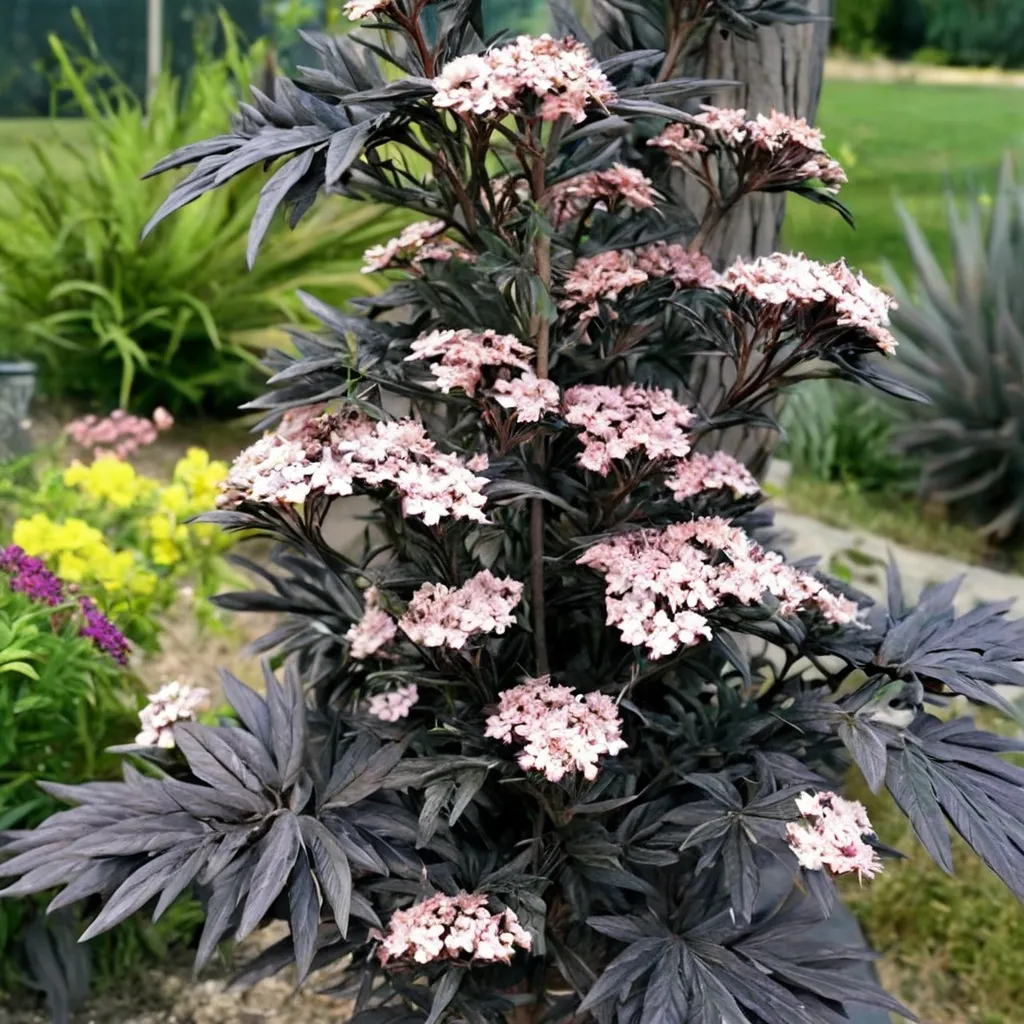
Laced Up Elderberry
Sambucus nigra 'Laced Up'
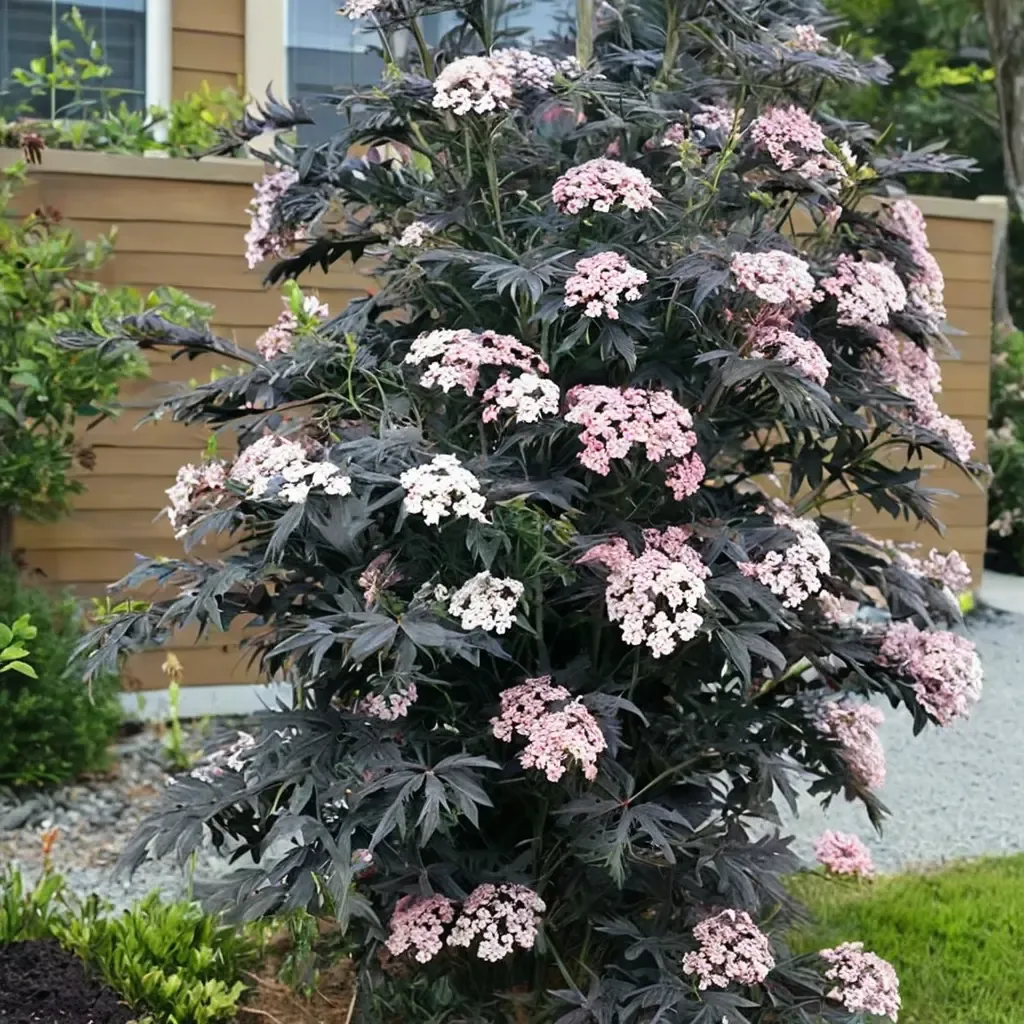
Black Lace Elderberry
Sambucus nigra 'Black Lace'
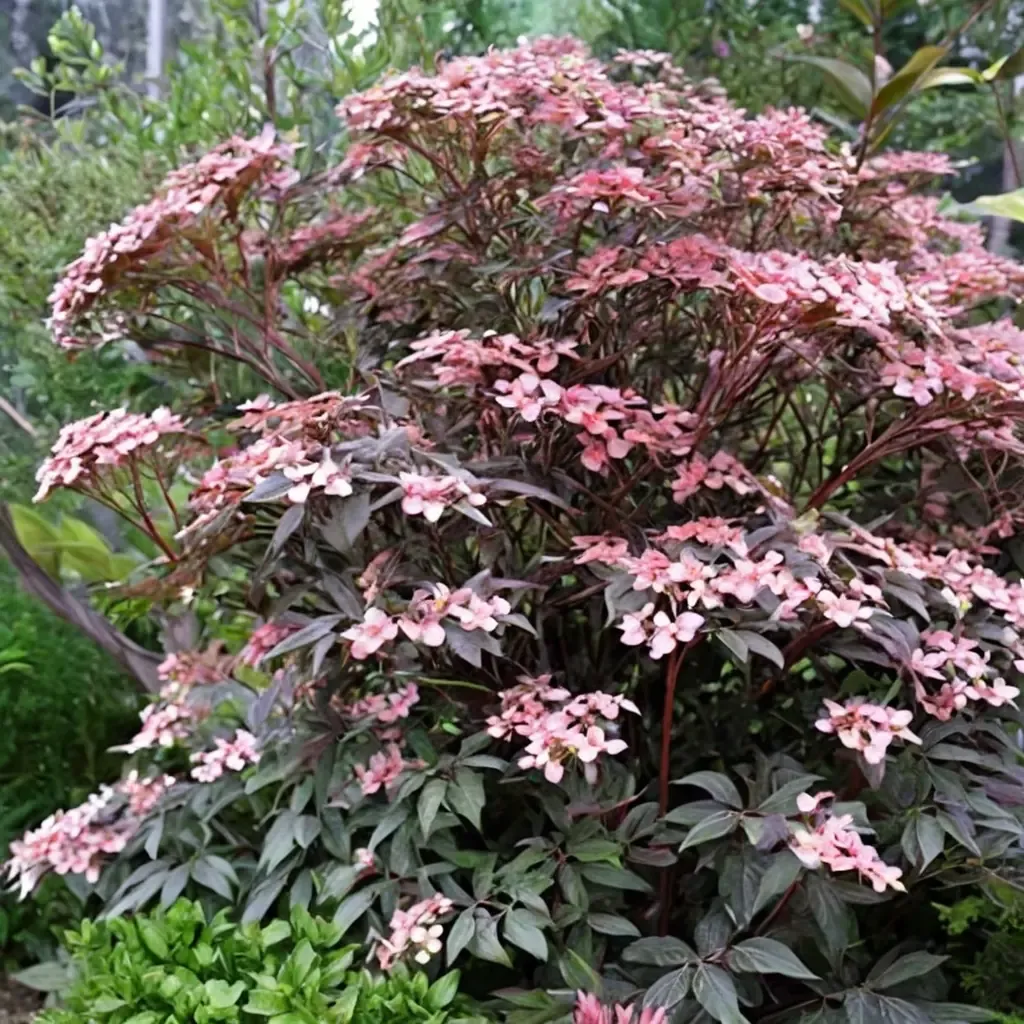
Thundercloud Elderberry
Sambucus nigra 'Thundercloud'
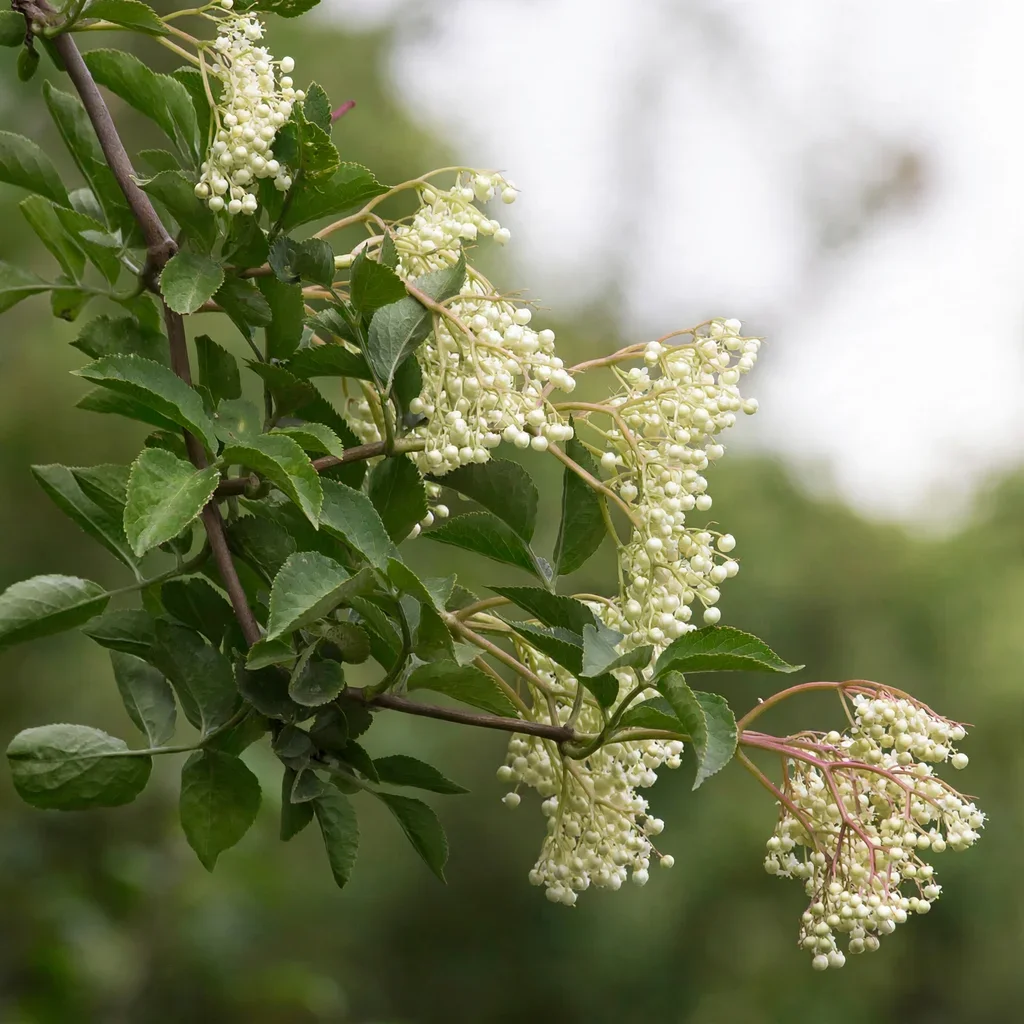
Korsor Black Elderberry
Sambucus nigra 'Korsor'
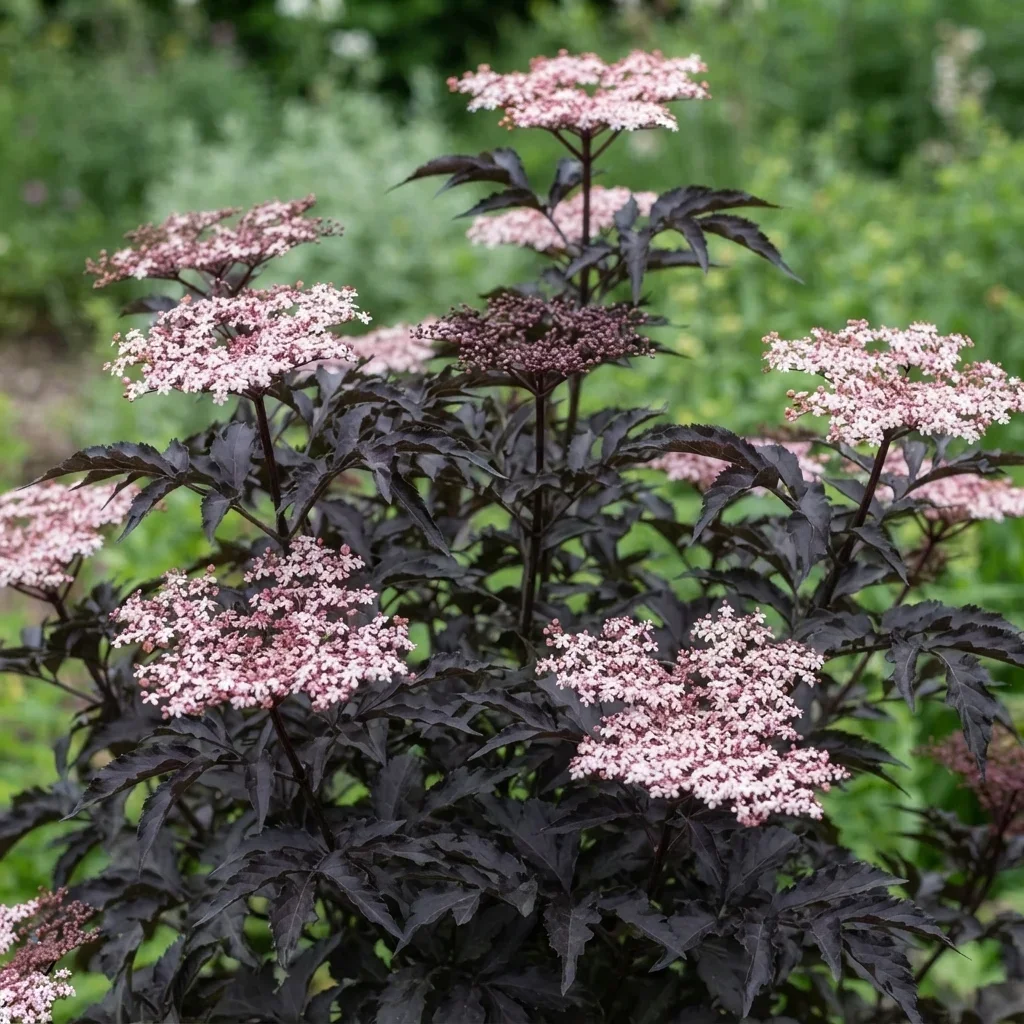
Black Tower Elderberry
Sambucus nigra 'Black Tower'
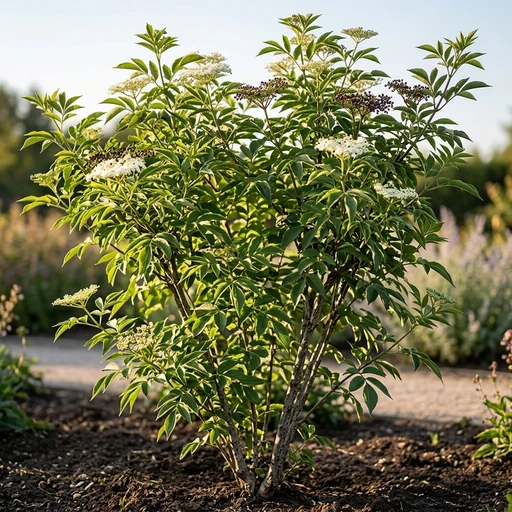
American Elderberry
Sambucus canadensis
Keep exploring
Explore the genus
Grow Blue Elderberry with confidence
See it in a design of your actual yard, get zone-matched care reminders, and track it season by season in your garden journal.