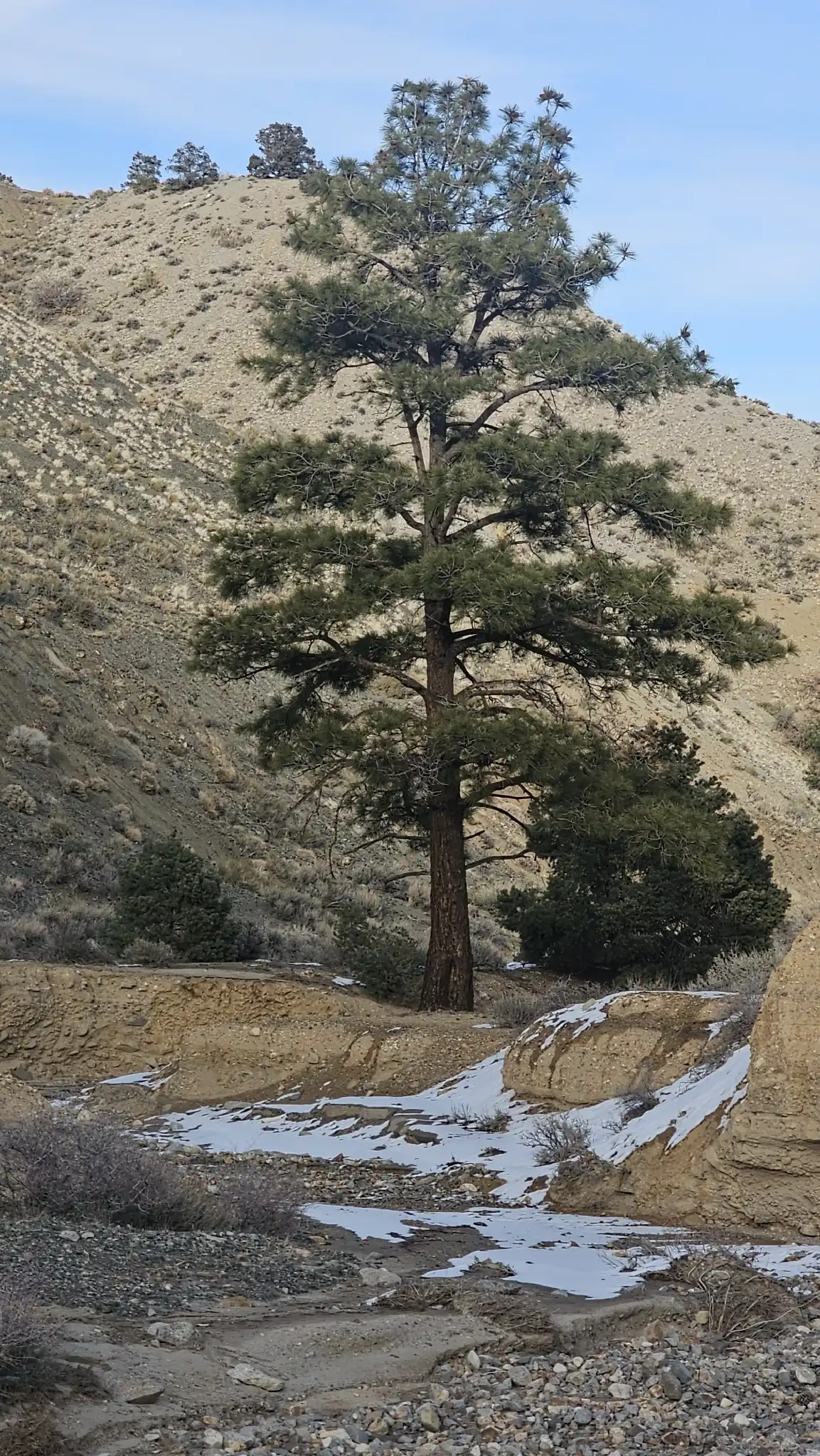
The Story
Plant Bio
Pinus jeffreyi is a long-lived, erect evergreen conifer native to dry, high-altitude slopes across western North America. It forms a straight central trunk with an open, rounded crown and features twisted, blue-green needles carried in bundles of three.
This species is distinguished by its heavy cones with inward-curving prickles and bark that emits a distinct vanilla or butterscotch fragrance. Its clear resin is chemically unique among conifers, containing high concentrations of pure heptane.
Uses & Benefits:
Essentials
At a Glance
Plant Type
Tree
Height
1200"
Width
360"
Light
Full Sun
Zones
5, 6, 7
Water
Low
Humidity
Low
Lifespan
Perennial
Native To
Western North America
Toxicity
Non-toxic
Bloom period
Spring
In flower about 3 months of the year
Planting
How to Grow
- Select an open site in full sun with sharp soil drainage and low summer humidity.
- Dig a planting hole twice as wide as the root ball and set the root crown flush with the soil grade.
- Backfill with native lean soil, avoiding added organic soil amendments or fertilizers.
- Water thoroughly at planting and establish a deep watering schedule during the first growing season until roots extend.
Pro Tip
Plant in sharp-draining, nutrient-poor soil in full sun, and never cut back into old leafless wood as stems will not regenerate.
Keep It Thriving
Care Guide
Do
- Plant in light, sandy, or rocky soils with excellent drainage.
- Protect young saplings from browsing deer and rabbits with mesh guards.
- Ensure generous spacing around the tree to promote good airflow.
Don't
- Do not plant in heavy clay or waterlogged soils.
- Do not prune into bare wood lacking needles.
- Do not apply synthetic high-nitrogen fertilizers in landscape plantings.
Seasonal Care Calendar
| Task | Jan | Feb | Mar | Apr | May | Jun | Jul | Aug | Sep | Oct | Nov | Dec |
|---|---|---|---|---|---|---|---|---|---|---|---|---|
| Pest Check | ||||||||||||
| Plant | ||||||||||||
| Prune | ||||||||||||
| Winter Prep |
Watch Out For
Pests & Diseases
Common Pests
Common Diseases
In the Garden
Landscape Uses & Companions
Landscape Uses
Multiply
Propagation Methods
Good to Know
Common Questions
Jeffrey Pine questions
What zones can Jeffrey Pine grow in?
Jeffrey Pine is hardy in USDA Zones 5–7: in that range it survives winter in the ground. Colder than Zone 5, winters are too cold for it to survive outdoors. Warmer than Zone 7, winter isn't the problem: it prefers colder winters, and summer heat can shorten its life.
Is Jeffrey Pine deer resistant?
Not reliably. Deer may browse Jeffrey Pine, especially tender spring growth — plan on repellents or fencing where pressure is high.
When does Jeffrey Pine bloom?
Jeffrey Pine typically blooms in spring. Exact timing shifts a week or two with your zone — Sow's bloom calendar maps it to your garden.
Does Jeffrey Pine need full sun?
Jeffrey Pine does best in full sun (6+ hours).
Is Jeffrey Pine drought tolerant?
Yes — once established (usually after the first full season), Jeffrey Pine handles dry spells with minimal watering. Water deeply its first year to build the root system that makes that possible.
More Pinus to compare
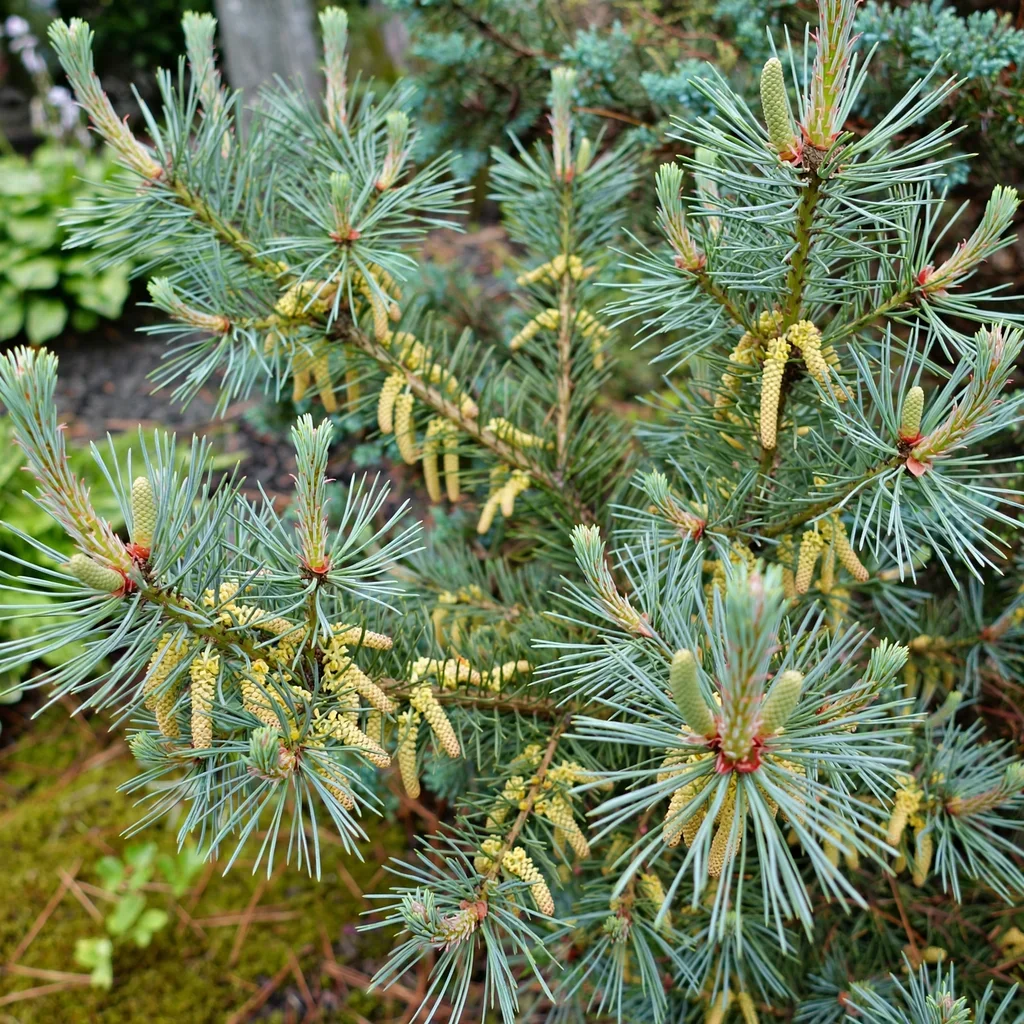
Eastern White Pine
Pinus strobus
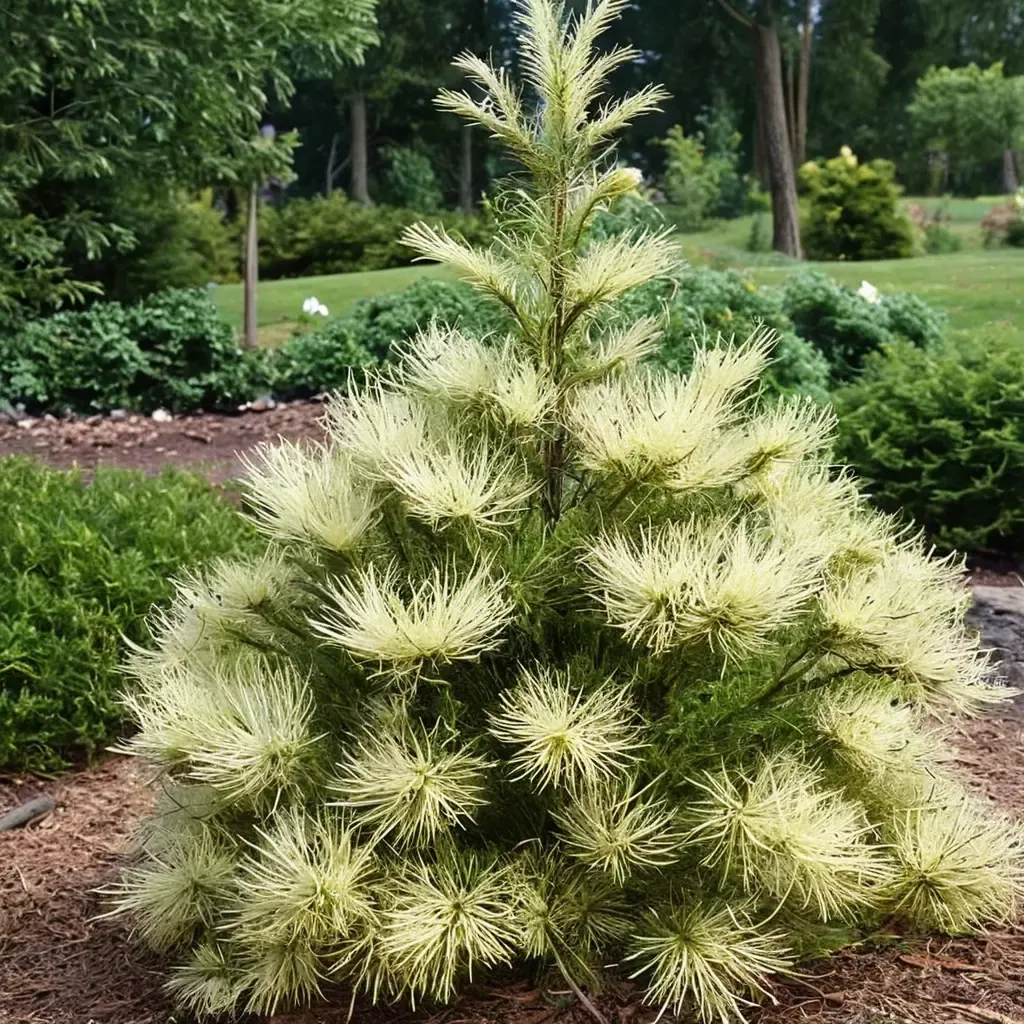
Golden Ghost Pine
Pinus densiflora 'Golden Ghost'
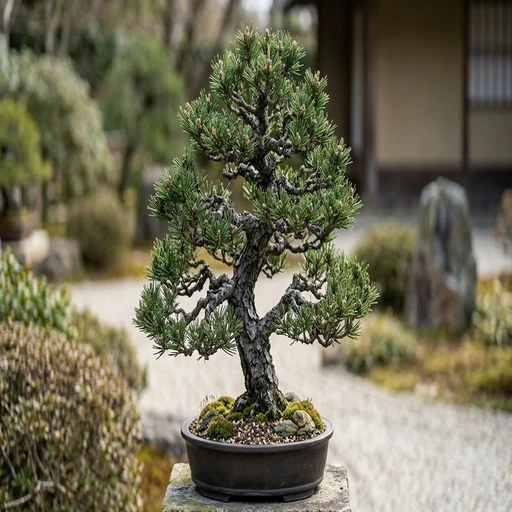
Thunderhead Japanese Black Pine
Pinus thunbergii 'Thunderhead'
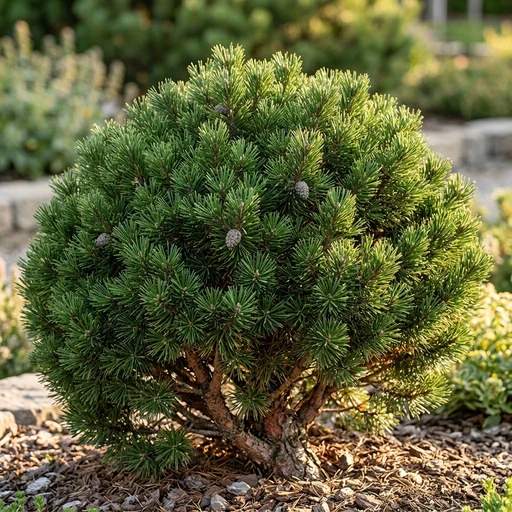
Slowmound Mugo Pine
Pinus mugo 'Slowmound'
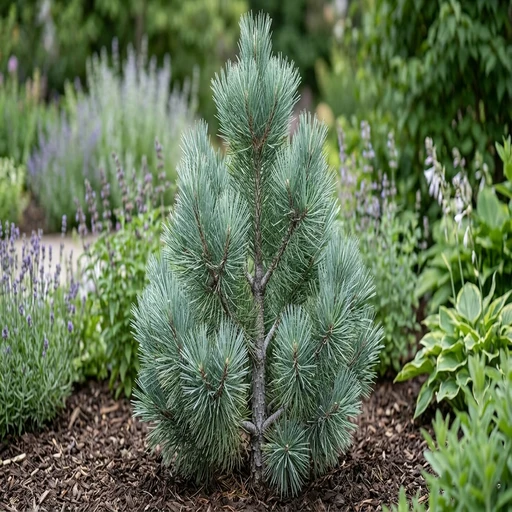
Vanderwolf's Pyramid Limber Pine
Pinus flexilis 'Vanderwolf'
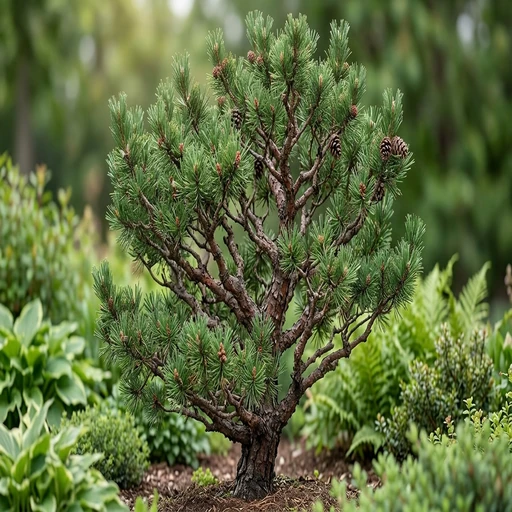
Virginia Pine
Pinus virginiana
Keep exploring
Explore the genus
Hardy in your zone?
Grow Jeffrey Pine with confidence
See it in a design of your actual yard, get zone-matched care reminders, and track it season by season in your garden journal.