The Story
Plant Bio
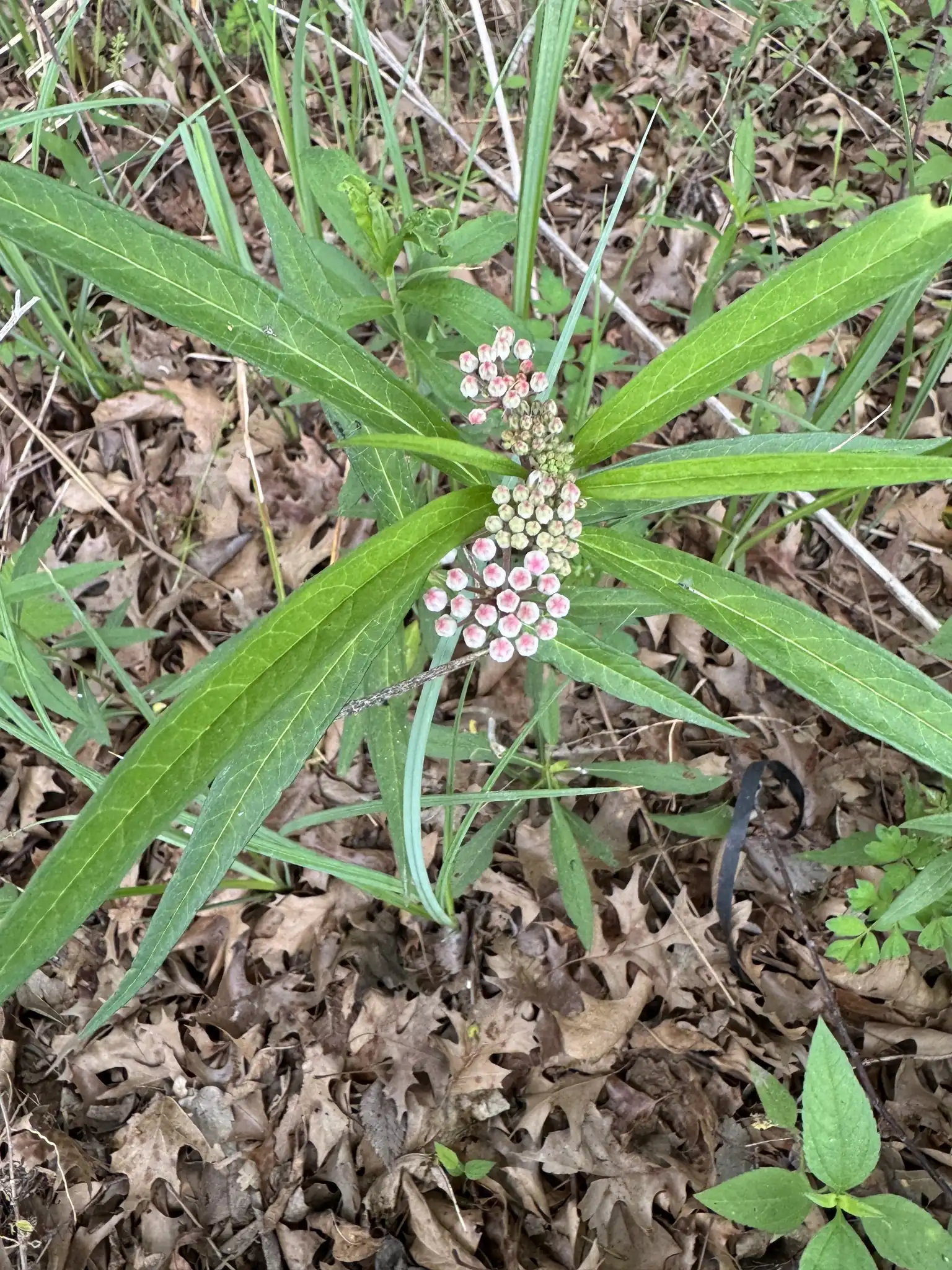
Asclepias perennis, the aquatic milkweed, is an erect herbaceous perennial forming a small clump 1 to 3 feet tall from fibrous roots on a woody crown, with opposite long narrow green leaves on upright purple-blushed stems. The flowers have no true petals for show; the display comes from flat 2- to 3-cm umbels of 20 to 50 small white starry flowers with pink-tinged buds and pinkish undersides borne from the upper leaf axils.
Unlike most milkweeds it grows in floodplain forest, marshes and shallow standing water and flowers in full sun only if the roots stay continuously wet, otherwise requiring part to full shade. It is not the pink swamp milkweed A. incarnata; its seeds bear a water-dispersing wing rather than silky wind-borne floss.
Uses & Benefits:
Essentials
At a Glance
Plant Type
Perennial
Height
36"
Width
12"
Light
Full Sun, Partial Sun, Shade
Zones
6, 7, 8, 9, 10
Water
Wet to moist
Humidity
High
Lifespan
Perennial
Native To
Southeastern United States
Toxicity
Toxic if ingested
Bloom period
Late spring – Fall
In flower about 7 months of the year
Planting
How to Grow
- Plant in full sun to light shade in loam, sand or clay that stays moist to wet, pH 5.1-7.5, with the crown at soil level.
- Water deeply to maintain saturated soil or shallow standing water; do not allow the root zone to dry.
- Feed lightly if needed; established clumps need no routine feeding in native soil.
- Leave flowers for caterpillars and pollinators; cut back only dormant top growth.
Pro Tip
Hold the crown at or just above saturated soil level and never let the root zone dry; in beds without standing water site in light shade and mulch to hold moisture.
Keep It Thriving
Care Guide
Do
- Keep soil continuously moist to wet, including shallow standing water.
- Site in full sun only where wet; give part to full shade in drier soil.
- Wash hands after handling milky sap and keep sap away from eyes.
Don't
- Do not let plants dry out; drought tolerance is low.
- Do not spray insecticides for aphids on this monarch host; remove by hand or water.
- Do not cut back evergreen crowns in zones 9-11 except to remove dead stems.
Seasonal Care Calendar
| Task | Jan | Feb | Mar | Apr | May | Jun | Jul | Aug | Sep | Oct | Nov | Dec |
|---|---|---|---|---|---|---|---|---|---|---|---|---|
| Mulch | ||||||||||||
| Pest Check | ||||||||||||
| Plant | ||||||||||||
| Propagate | ||||||||||||
| Prune |
Watch Out For
Pests & Diseases
Common Pests
In the Garden
Landscape Uses & Companions
Landscape Uses
Multiply
Propagation Methods
Good to Know
Common Questions
Aquatic Milkweed questions
What zones can Aquatic Milkweed grow in?
Aquatic Milkweed is hardy in USDA Zones 6–10: in that range it survives winter in the ground. Colder than Zone 6, grow it in a container you can move to shelter for the winter, or as an annual.
Is Aquatic Milkweed deer resistant?
Yes — Aquatic Milkweed is rated deer-resistant. Deer typically pass it over, though extreme hunger can override any plant's defenses.
When does Aquatic Milkweed bloom?
Aquatic Milkweed typically blooms from late spring to late fall. Exact timing shifts a week or two with your zone — Sow's bloom calendar maps it to your garden.
Does Aquatic Milkweed need full sun?
Aquatic Milkweed does best in full sun to part shade. In hot climates, afternoon shade keeps blooms fresher longer.
More Asclepias to compare
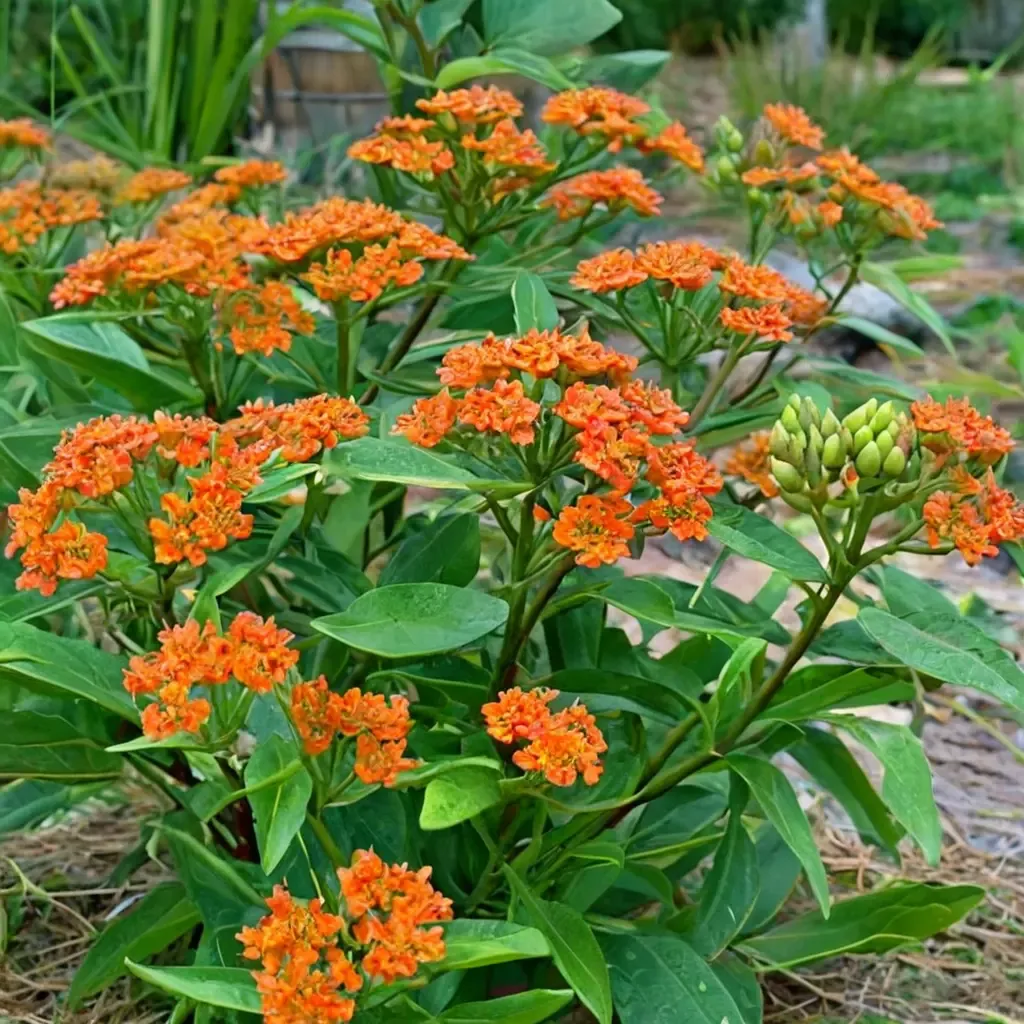
Butterfly Weed
Asclepias tuberosa
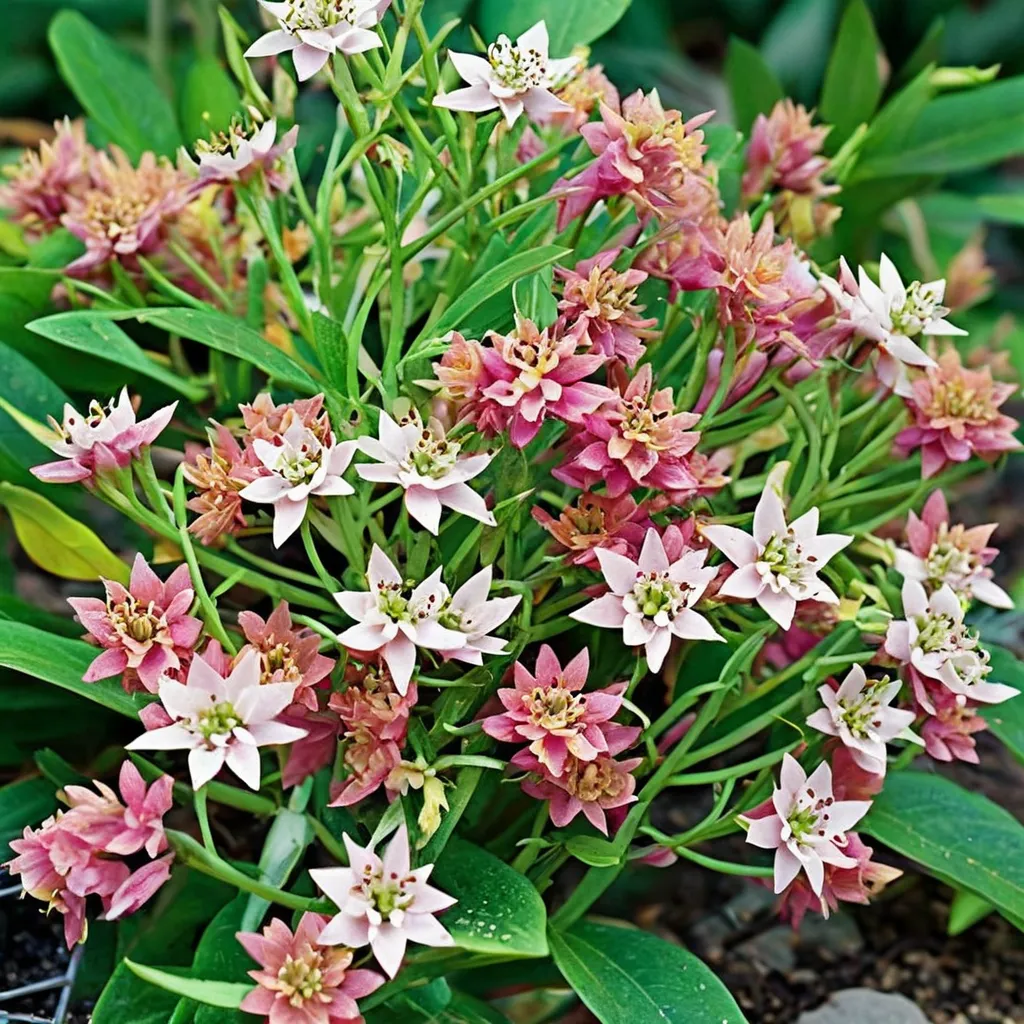
Butterfly Milkweed
Asclepias x hybrida
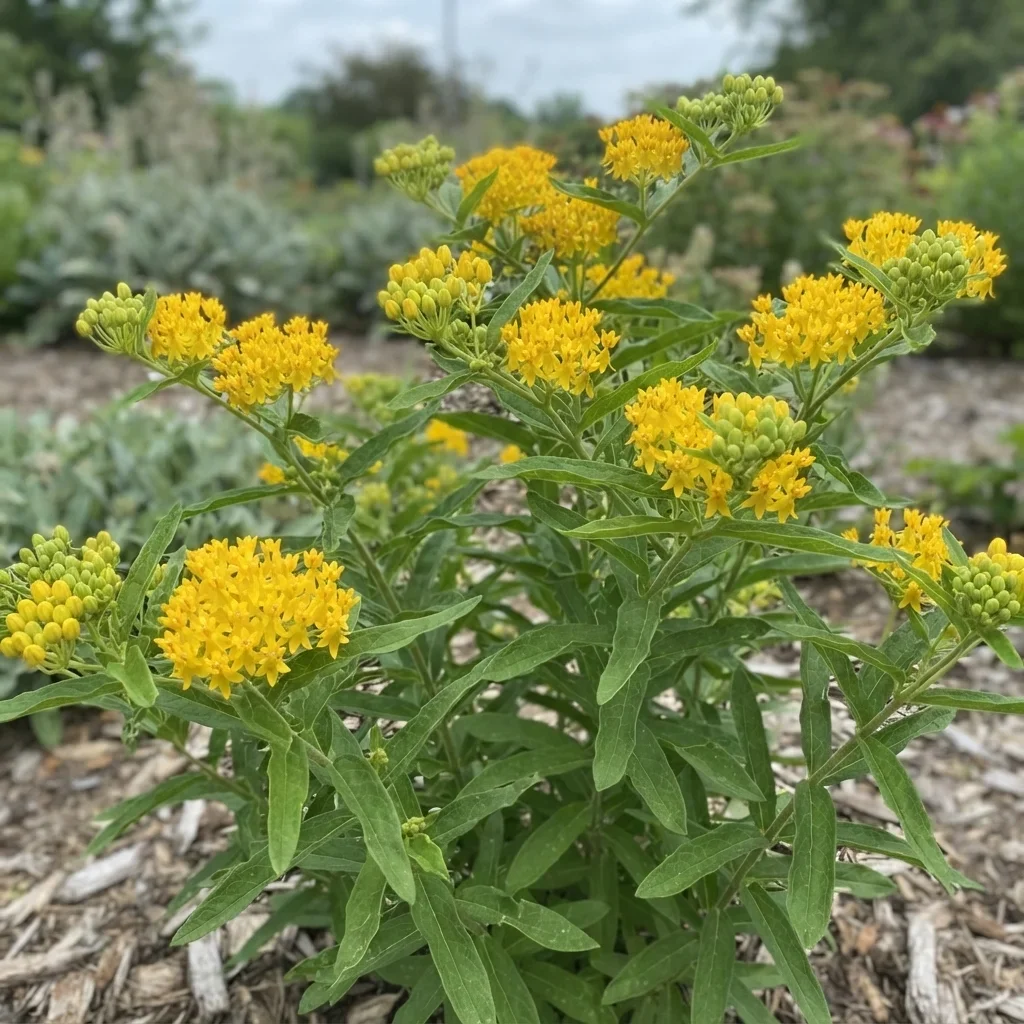
Hello Yellow Butterfly Weed
Asclepias tuberosa 'Hello Yellow'
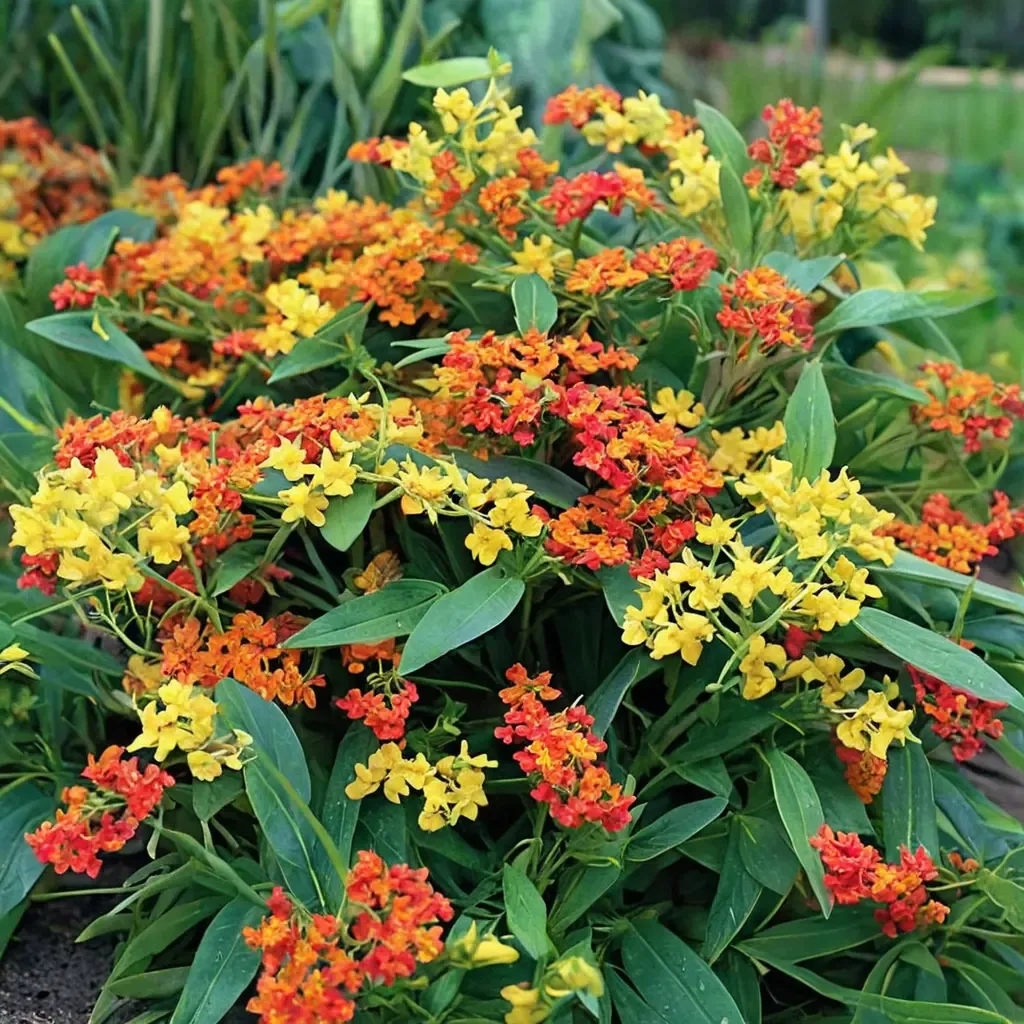
Gay Butterflies Mix Butterfly Weed
Asclepias tuberosa 'Gay Butterflies Mix'
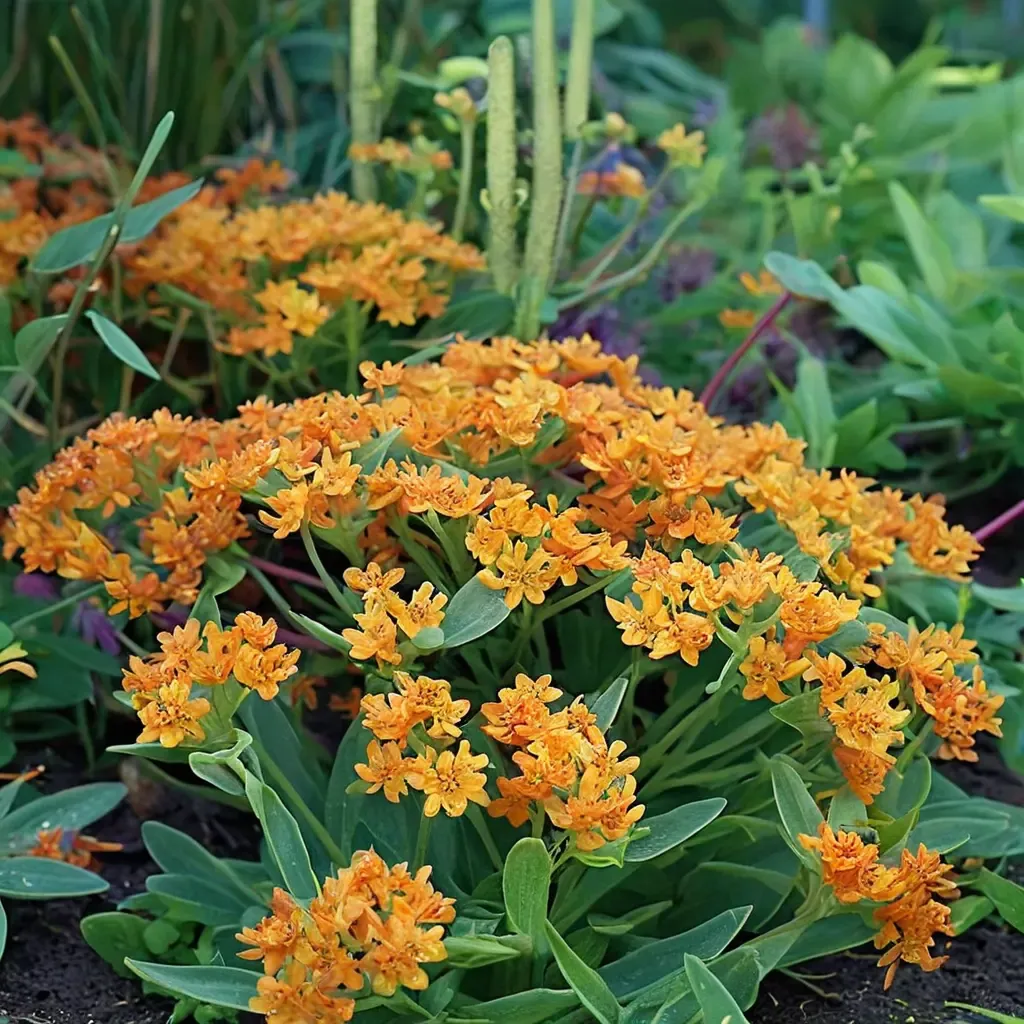
Butterfly Weed Gay Butterflies Milkweed
Asclepias tuberosa 'Gay Butterflies'
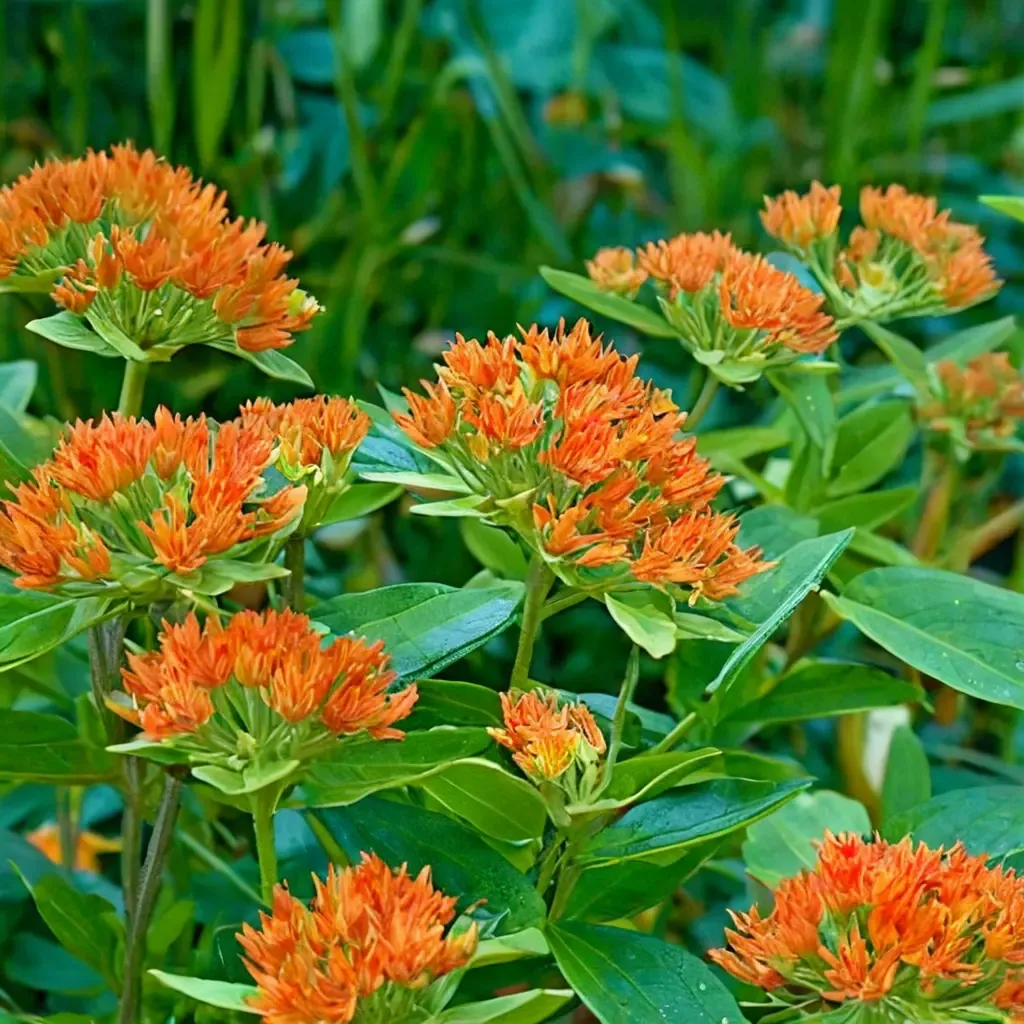
Butterfly Garden Butterfly Weed
Asclepias tuberosa 'Deluxe Butterfly Garden'
Keep exploring
Explore the genus
Guides
Hardy in your zone?
Grow Aquatic Milkweed with confidence
See it in a design of your actual yard, get zone-matched care reminders, and track it season by season in your garden journal.