The Story
Plant Bio
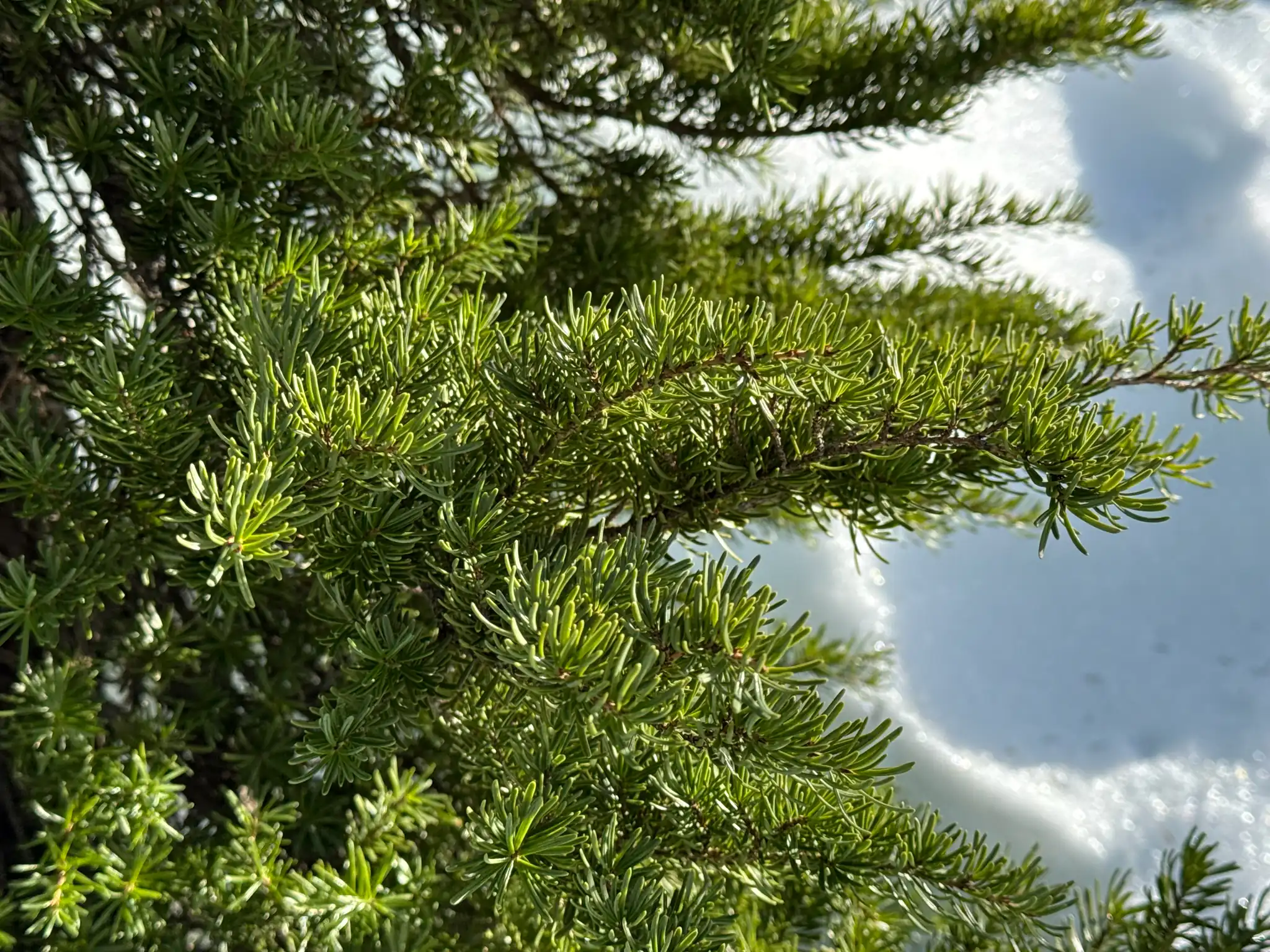
Tsuga mertensiana, commonly known as mountain hemlock, is a slow-growing evergreen conifer native to subalpine regions of western North America. It forms a narrow, conical tree with drooping branchlets, a leaning leading shoot, and glaucous, bluish-green needles arranged radially in a bottle-brush pattern around the twigs.
Unlike species with flattened needles, its foliage completely encircles the stems to create a dense, silvery-blue texture. It bears small, pendulous cones that emerge purple in late spring before turning dark brown upon maturity in fall.
Uses & Benefits:
Essentials
At a Glance
Plant Type
Tree
Height
1181"
Width
177"
Light
Full Sun, Partial Sun
Zones
5, 6, 7
Water
Moderate to high
Humidity
High
Lifespan
Perennial
Native To
North America
Toxicity
Non-toxic
Bloom period
Late spring – Summer
In flower about 4 months of the year
Marketplace
Where to Buy
Shipping costs Year-round shipping Free shipping
Planting
How to Grow
- Select a planting site in full sun to partial shade that stays cool during summer afternoon heat.
- Ensure soil is acidic, rich in organic matter, and thoroughly well-draining.
- Set the root ball at the same level it grew in the nursery container, packing soil lightly to remove air pockets.
- Apply a 3-inch layer of organic mulch around the base, keeping it clear of the direct trunk bark.
- Water regularly during the first two seasons to maintain consistent moisture while the root system establishes.
Pro Tip
Plant in acidic, organic-rich soil in a cool microclimate, and never prune back into bare, leafless wood as conifers cannot regenerate from old stems.
Keep It Thriving
Care Guide
Do
- Maintain consistent soil moisture and keep the root zone cool with organic mulch.
- Provide protection from dry summer winds and excessive lowland heat.
- Use acidifying fertilizers sparingly in spring.
Don't
- Do not prune hard into bare wood where needles are no longer present.
- Do not allow the root zone to dry out completely during summer heat.
- Do not plant in alkaline or heavy clay soils with poor drainage.
Seasonal Care Calendar
| Task | Jan | Feb | Mar | Apr | May | Jun | Jul | Aug | Sep | Oct | Nov | Dec |
|---|---|---|---|---|---|---|---|---|---|---|---|---|
| Fertilize | ||||||||||||
| Mulch | ||||||||||||
| Pest Check | ||||||||||||
| Prune |
Watch Out For
Pests & Diseases
Common Pests
Common Diseases
In the Garden
Landscape Uses & Companions
Landscape Uses
Companion Plants
Multiply
Propagation Methods
Good to Know
Common Questions
Mountain Hemlock questions
What zones can Mountain Hemlock grow in?
Mountain Hemlock is hardy in USDA Zones 5–7: in that range it survives winter in the ground. Colder than Zone 5, winters are too cold for it to survive outdoors. Warmer than Zone 7, winter isn't the problem: it prefers colder winters, and summer heat can shorten its life.
Is Mountain Hemlock deer resistant?
Not reliably. Deer may browse Mountain Hemlock, especially tender spring growth — plan on repellents or fencing where pressure is high.
When does Mountain Hemlock bloom?
Mountain Hemlock typically blooms from late spring to late summer. Exact timing shifts a week or two with your zone — Sow's bloom calendar maps it to your garden.
Does Mountain Hemlock need full sun?
Mountain Hemlock does best in full sun to part shade. In hot climates, afternoon shade keeps blooms fresher longer.
More Tsuga to compare
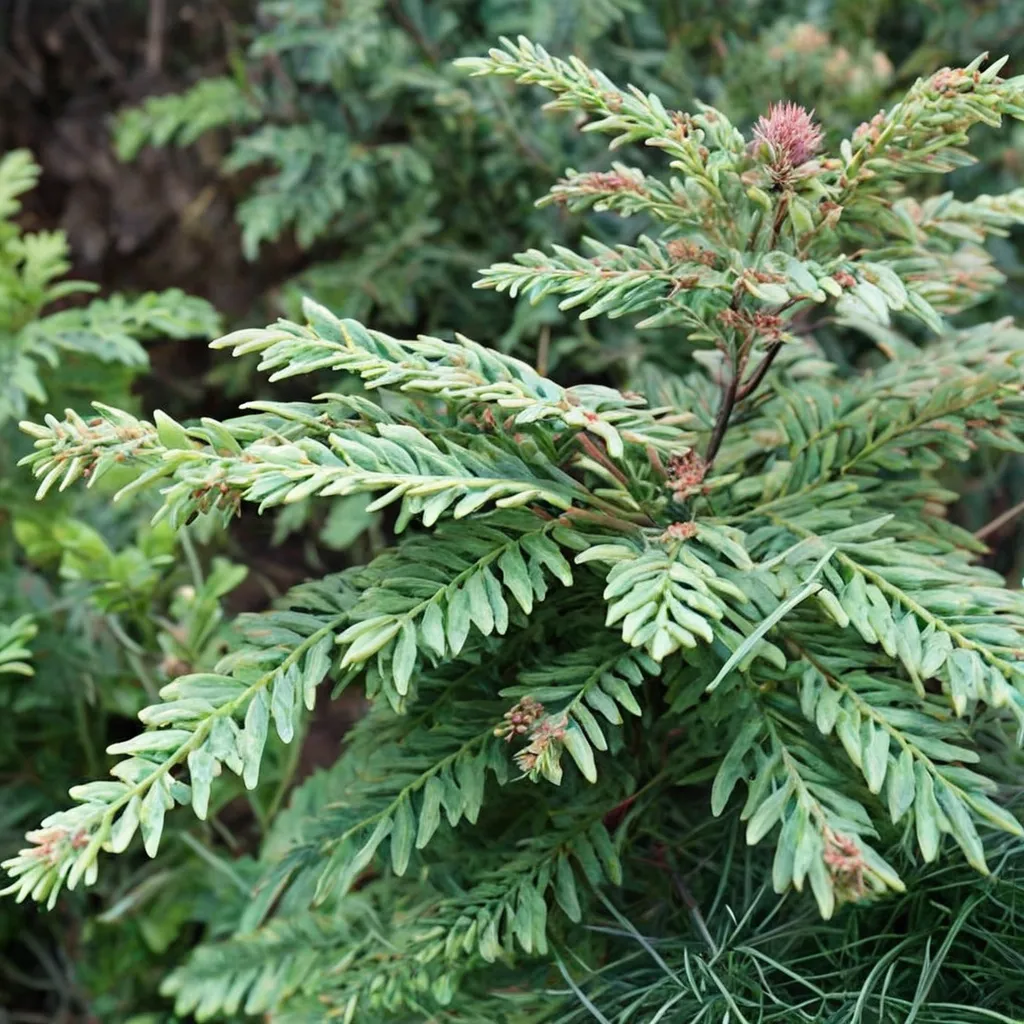
Curley Canadian Hemlock
Tsuga canadensis 'Curley'
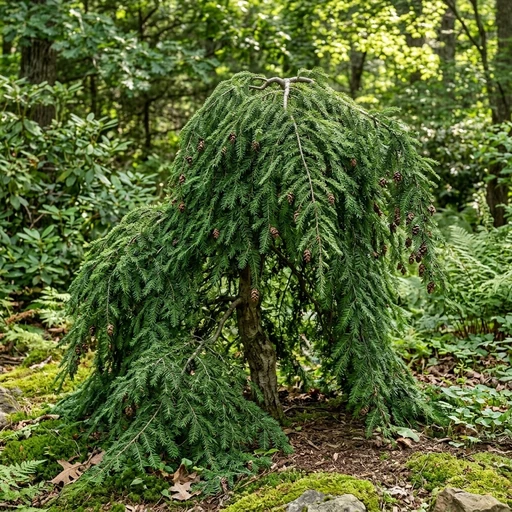
Weeping Canadian Hemlock
Tsuga canadensis 'Pendula'
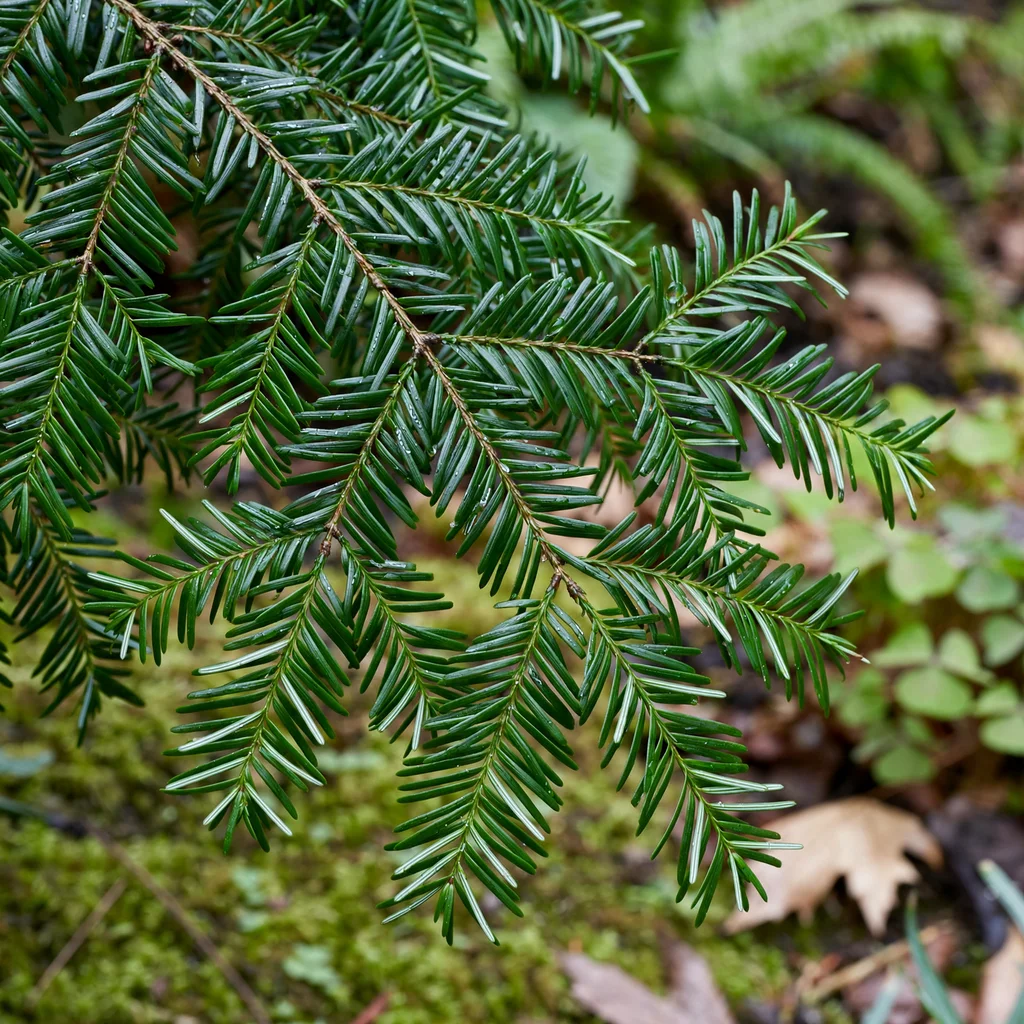
Western hemlock
Tsuga heterophylla
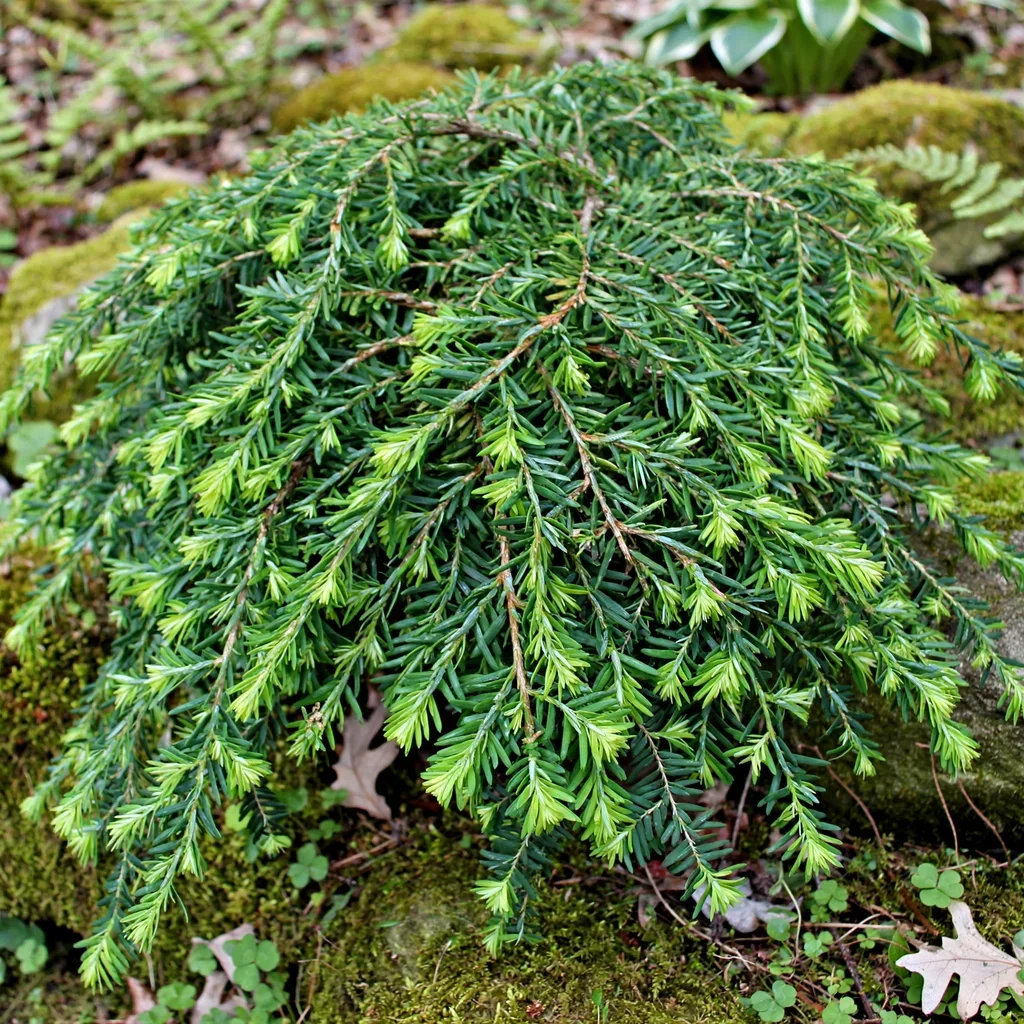
Eastern Hemlock Prostrate
Tsuga canadensis 'Cole's Prostrate'
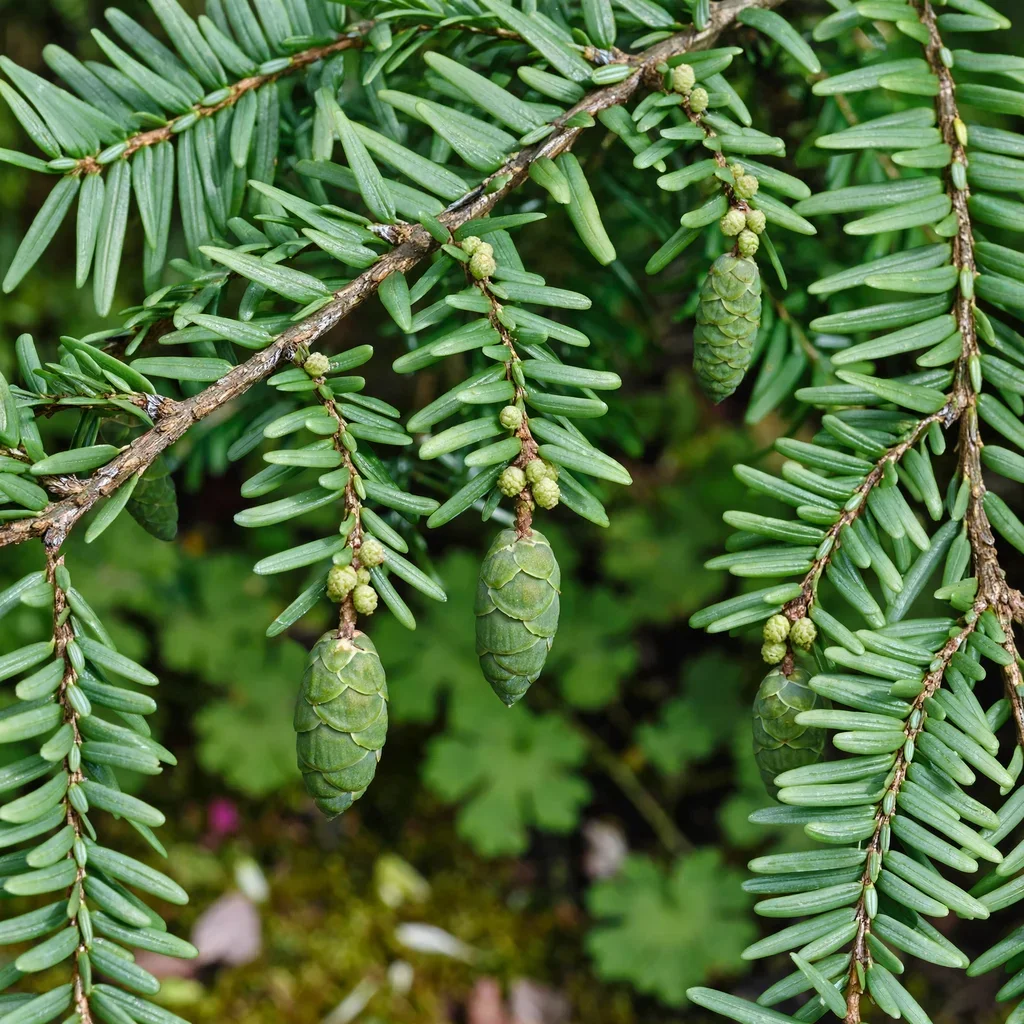
Tsuga Canadensis Ted's Christmas Tree
Tsuga canadensis 'Ted's Christmas Tree'
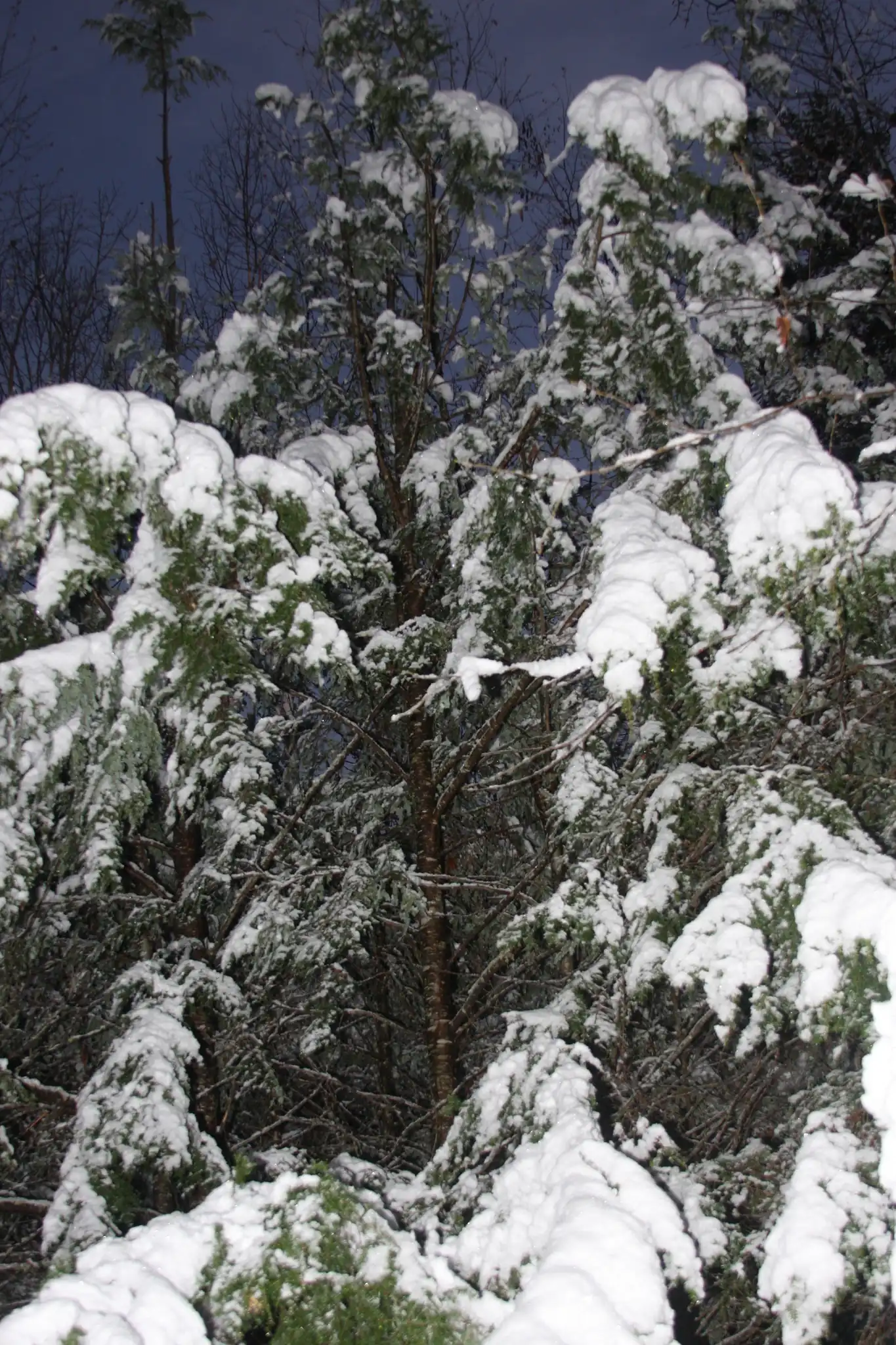
Eastern Hemlock
Tsuga canadensis
Keep exploring
Explore the genus
Hardy in your zone?
Grow Mountain Hemlock with confidence
See it in a design of your actual yard, get zone-matched care reminders, and track it season by season in your garden journal.