The Story
Plant Bio
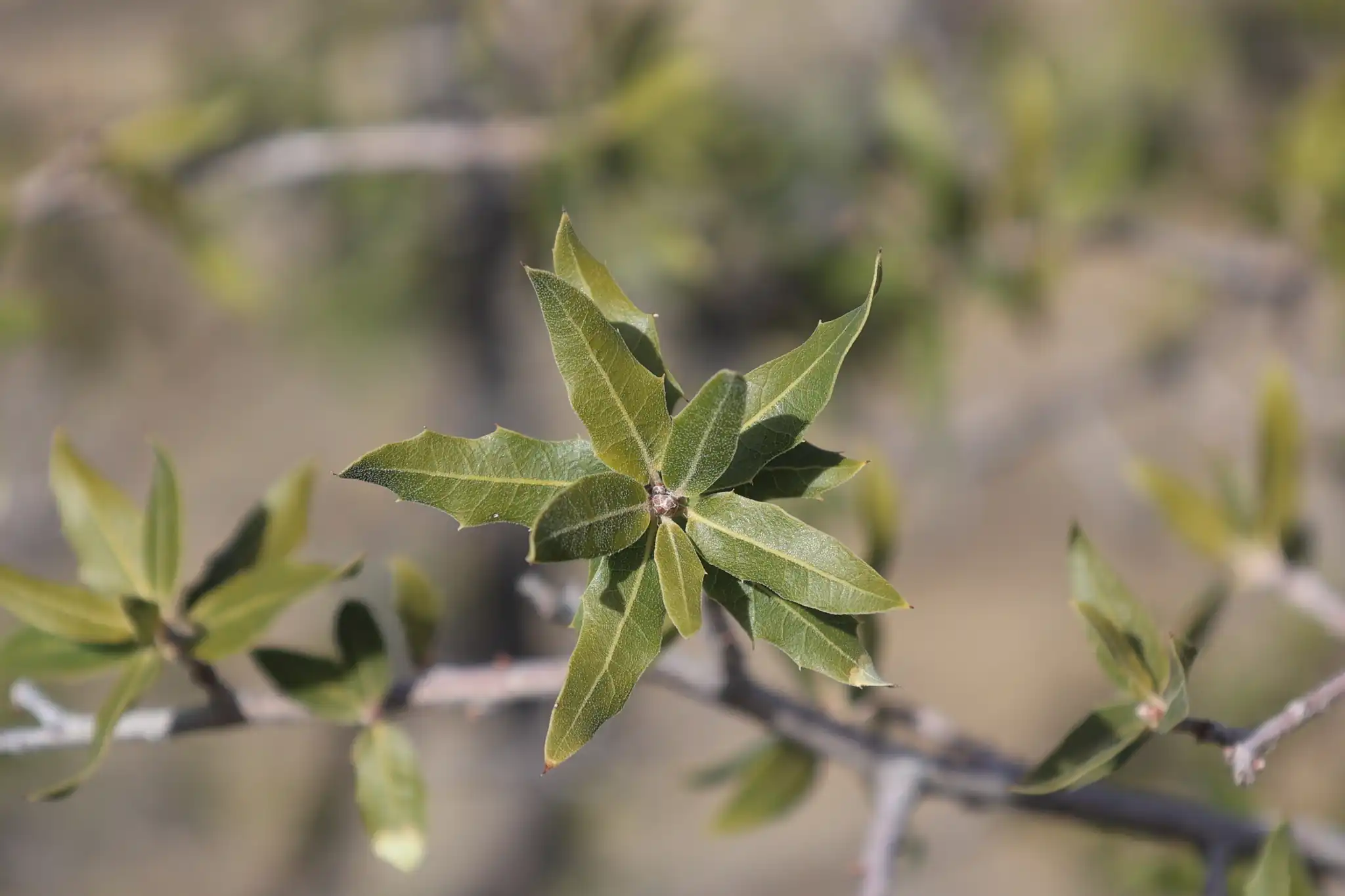
Quercus emoryi, Emory oak, is a medium evergreen oak reaching 30 to 60 feet with a rounded crown, short trunk and rough furrowed black bark. The leaves are simple, leathery and glossy yellow-green, oblong-lanceolate with holly-like sharp teeth, held in whorls and replaced gradually in spring.
Unlike most red oaks it ripens its oblong red-brown acorns in a single season, with the cup covering one-third to one-half of the 1/2- to 3/4-inch nut. It is drought-deciduous and nearly evergreen, dropping old leaves only as the new flush expands and reducing to a shrub on the driest sites.
Uses & Benefits:
Essentials
At a Glance
Plant Type
Tree
Height
720"
Width
480"
Light
Full Sun, Partial Sun
Zones
6, 7, 8, 9, 10
Water
Low to medium
Humidity
Low to moderate
Lifespan
Long-lived tree
Native To
Arizona, New Mexico, Texas and northern Mexico
Toxicity
Low - wind-borne pollen is allergenic; acorns edible
Bloom period
Spring
In flower about 3 months of the year
Planting
How to Grow
- Plant in full sun to part shade in well-drained sandy loam, spacing 30 to 40 feet to allow the broad crown to develop.
- Set the root ball level with the soil and water deeply at planting; keep soil lightly moist through the first summer without waterlogging.
- Mulch 2 to 3 inches deep in a wide ring, keeping mulch off the trunk, and provide periodic summer water to prevent complete dryness.
- Fertilize lightly up to three times per year with a 3-1-2 ratio lawn fertilizer only if growth is poor.
- Prune only to maintain shape in coldest winter or hottest summer, painting cuts immediately.
Pro Tip
Prune only in the coldest winter or hottest summer and paint every wound at once; spring cuts stay open when oak wilt spores spread.
Keep It Thriving
Care Guide
Do
- Do provide deep periodic summer watering during establishment.
- Do mulch to conserve moisture and protect the taproot zone.
- Do leave fallen leaves as mulch where practical for wildlife cover.
Don't
- Do not prune in spring or leave wounds unpainted; fresh cuts spread oak wilt.
- Do not overwater or plant in soggy soil; it needs dry to moist drainage.
- Do not sow seed in shallow pots; the long taproot needs deep containers.
Seasonal Care Calendar
| Task | Jan | Feb | Mar | Apr | May | Jun | Jul | Aug | Sep | Oct | Nov | Dec |
|---|---|---|---|---|---|---|---|---|---|---|---|---|
| Mulch | ||||||||||||
| Pest Check | ||||||||||||
| Plant | ||||||||||||
| Propagate | ||||||||||||
| Prune |
Watch Out For
Pests & Diseases
Common Pests
Common Diseases
In the Garden
Landscape Uses & Companions
Landscape Uses
Multiply
Propagation Methods
Good to Know
Common Questions
Emory Oak questions
What zones can Emory Oak grow in?
Emory Oak is hardy in USDA Zones 6–10: in that range it survives winter in the ground. Colder than Zone 6, winters are too cold for it to survive outdoors.
Is Emory Oak deer resistant?
Not reliably. Deer may browse Emory Oak, especially tender spring growth — plan on repellents or fencing where pressure is high.
When does Emory Oak bloom?
Emory Oak typically blooms in spring. Exact timing shifts a week or two with your zone — Sow's bloom calendar maps it to your garden.
Does Emory Oak need full sun?
Emory Oak does best in full sun to part shade. In hot climates, afternoon shade keeps blooms fresher longer.
Is Emory Oak drought tolerant?
Yes — once established (usually after the first full season), Emory Oak handles dry spells with minimal watering. Water deeply its first year to build the root system that makes that possible.
More Quercus to compare
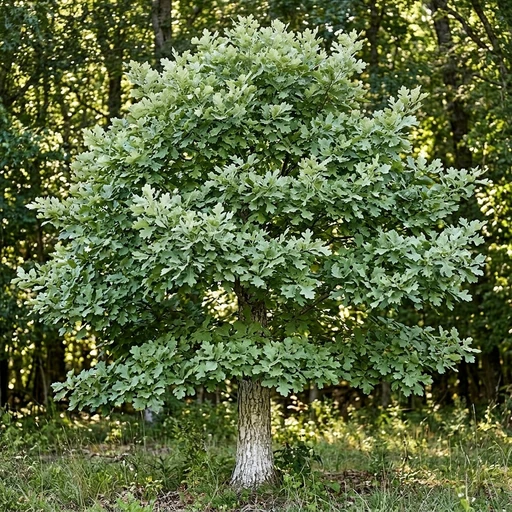
White Oak
Quercus alba
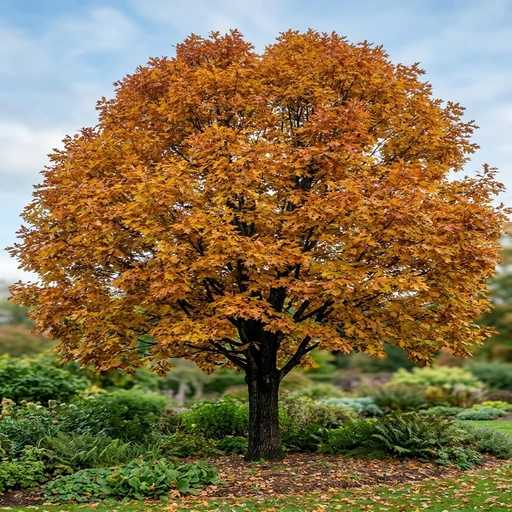
Black Oak
Quercus velutina
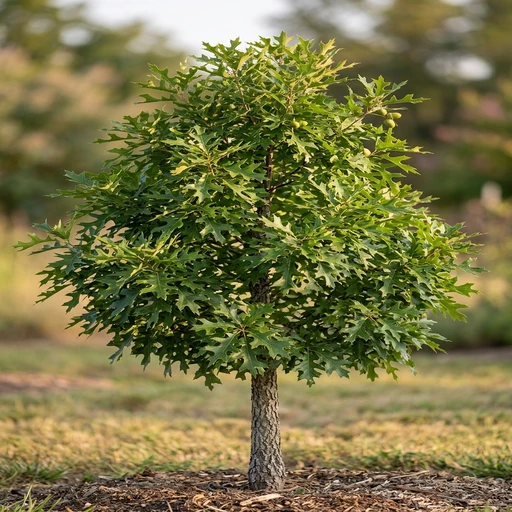
Nuttall Oak
Quercus texana
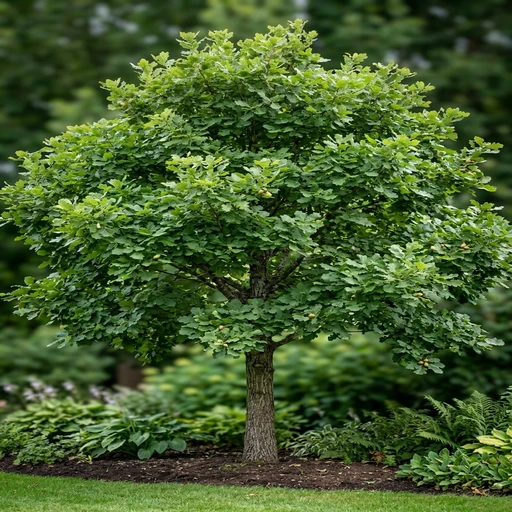
English Oak
Quercus robur
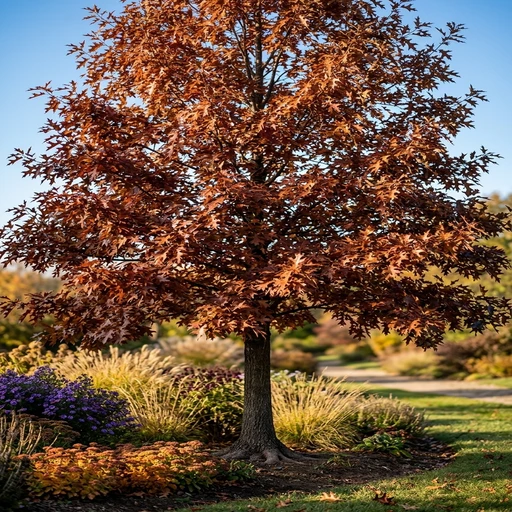
Pin Oak
Quercus palustris
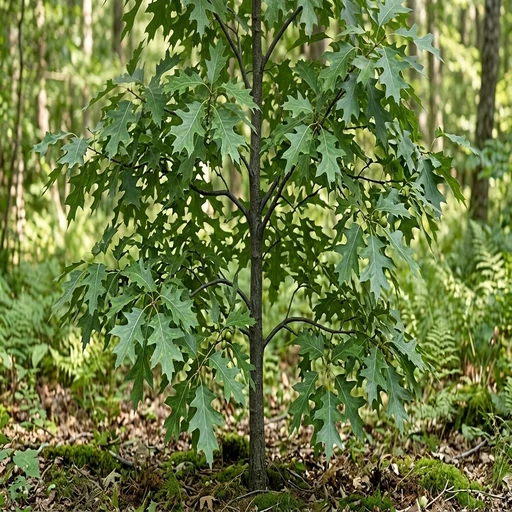
Scarlet Oak
Quercus coccinea
Keep exploring
Explore the genus
Hardy in your zone?
Grow Emory Oak with confidence
See it in a design of your actual yard, get zone-matched care reminders, and track it season by season in your garden journal.