The Story
Plant Bio
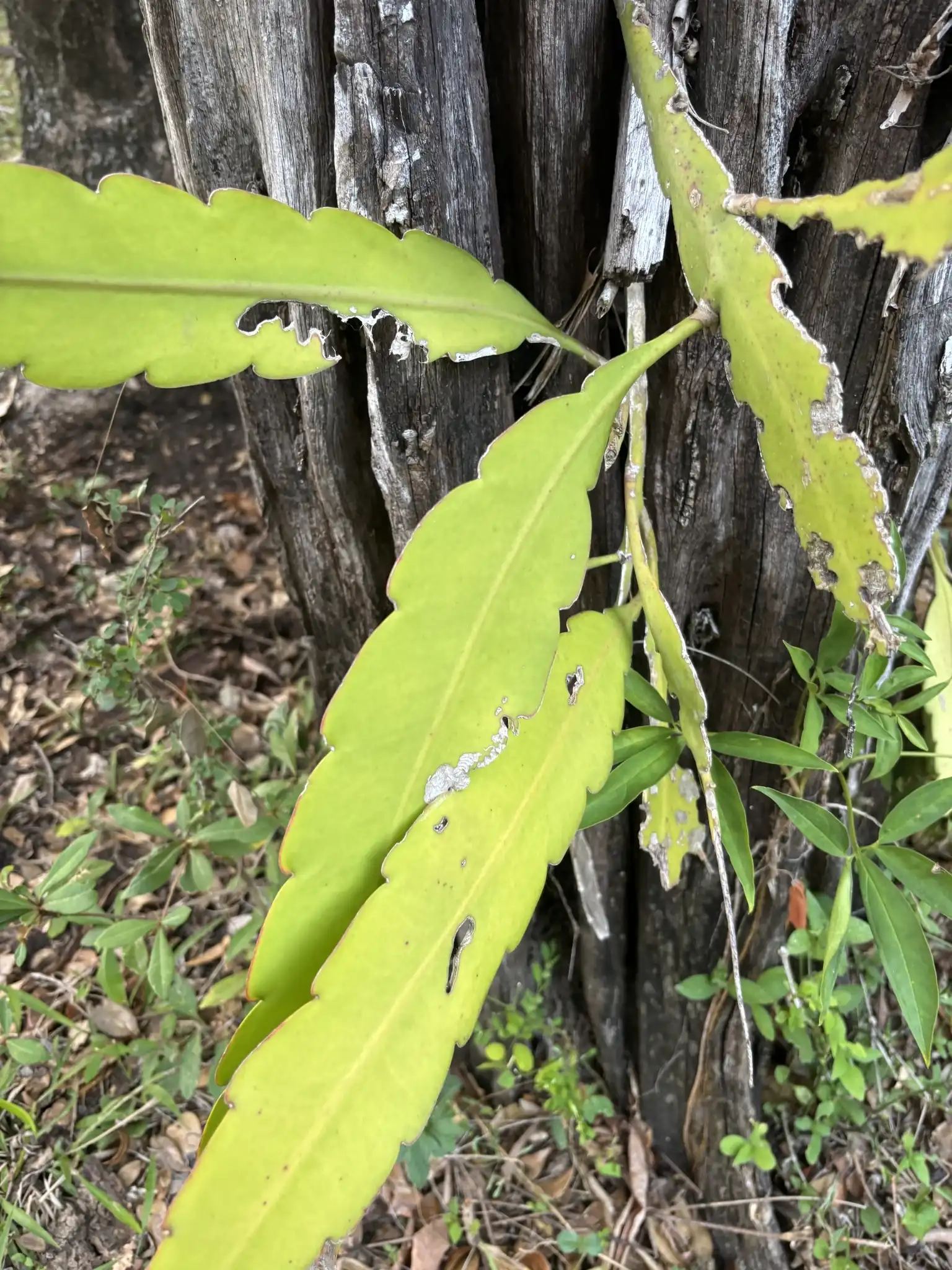
Epiphyllum hookeri is a climbing epiphytic cactus from lowland Neotropical rainforest that roots into bark forks and humus pockets rather than soil. It produces leafless flattened green stems that photosynthesize and form adventitious roots where they contact bark or moss.
The stems reach 40 to 120 cm long and 6 to 9 cm wide with bluntly toothed margins and spineless areoles spaced 3 to 8 cm apart, forming a loose mass of arching to pendent straps. Each flower is a white salverform tube 19 to 23 cm long and 10 to 15 cm across that opens after dark, releases fragrance for moth pollinators, and collapses by morning to set a red ovoid fruit.
Uses & Benefits:
Essentials
At a Glance
Plant Type
Cactus Succulent
Height
36"
Width
60"
Light
Partial Sun, Shade
Zones
9, 10
Water
Medium
Humidity
High
Lifespan
Perennial
Native To
Mexico to Venezuela and Ecuador
Toxicity
Non-toxic
Bloom period
Spring – Late summer
In flower about 6 months of the year
Planting
How to Grow
- Grow in bright filtered light with no direct midday sun; an east window or shaded greenhouse bench is ideal.
- Pot in a loose bark-based orchid mix with perlite and potting soil that drains fast but holds humidity.
- Water when the top inch dries, keeping the mix evenly moist in growth and barely moist in winter; never let it sit wet.
- Keep above 50F with 60 to 80F preferred, outdoors year-round only in USDA 10-11; bring inside before nights drop below 41F.
- Feed lightly during spring and summer growth and keep plants slightly potbound to encourage buds.
Pro Tip
Keep it potbound in bark mix in bright shade; a tight rootball and undisturbed buds are what trigger the one-night bloom.
Keep It Thriving
Care Guide
Do
- Provide bright shade and high humidity rather than desert-cactus sun.
- Let the top of the mix dry between waterings, then water thoroughly and empty the saucer.
- Support long stems on bark or a trellis or let them cascade from a hanging basket.
Don't
- Do not plant in heavy garden soil or let the pot stand in water.
- Do not cut back hard into old stems or move the plant once buds have set.
- Do not expose to frost or hot midday sun, which scorches the flat stems.
Seasonal Care Calendar
| Task | Jan | Feb | Mar | Apr | May | Jun | Jul | Aug | Sep | Oct | Nov | Dec |
|---|---|---|---|---|---|---|---|---|---|---|---|---|
| Fertilize | ||||||||||||
| Pest Check | ||||||||||||
| Propagate | ||||||||||||
| Prune | ||||||||||||
| Winter Prep |
Watch Out For
Pests & Diseases
Common Pests
Common Diseases
In the Garden
Landscape Uses & Companions
Landscape Uses
Companion Plants
Multiply
Propagation Methods
Good to Know
Common Questions
Hooker's Orchid Cactus questions
What zones can Hooker's Orchid Cactus grow in?
Hooker's Orchid Cactus is hardy in USDA Zones 9–10: in that range it survives winter in the ground. Colder than Zone 9, grow it in a container you can move to shelter for the winter, or as an annual.
When does Hooker's Orchid Cactus bloom?
Hooker's Orchid Cactus typically blooms from spring to summer. Exact timing shifts a week or two with your zone — Sow's bloom calendar maps it to your garden.
Does Hooker's Orchid Cactus need full sun?
Hooker's Orchid Cactus does best in part shade.
More Epiphyllum to compare
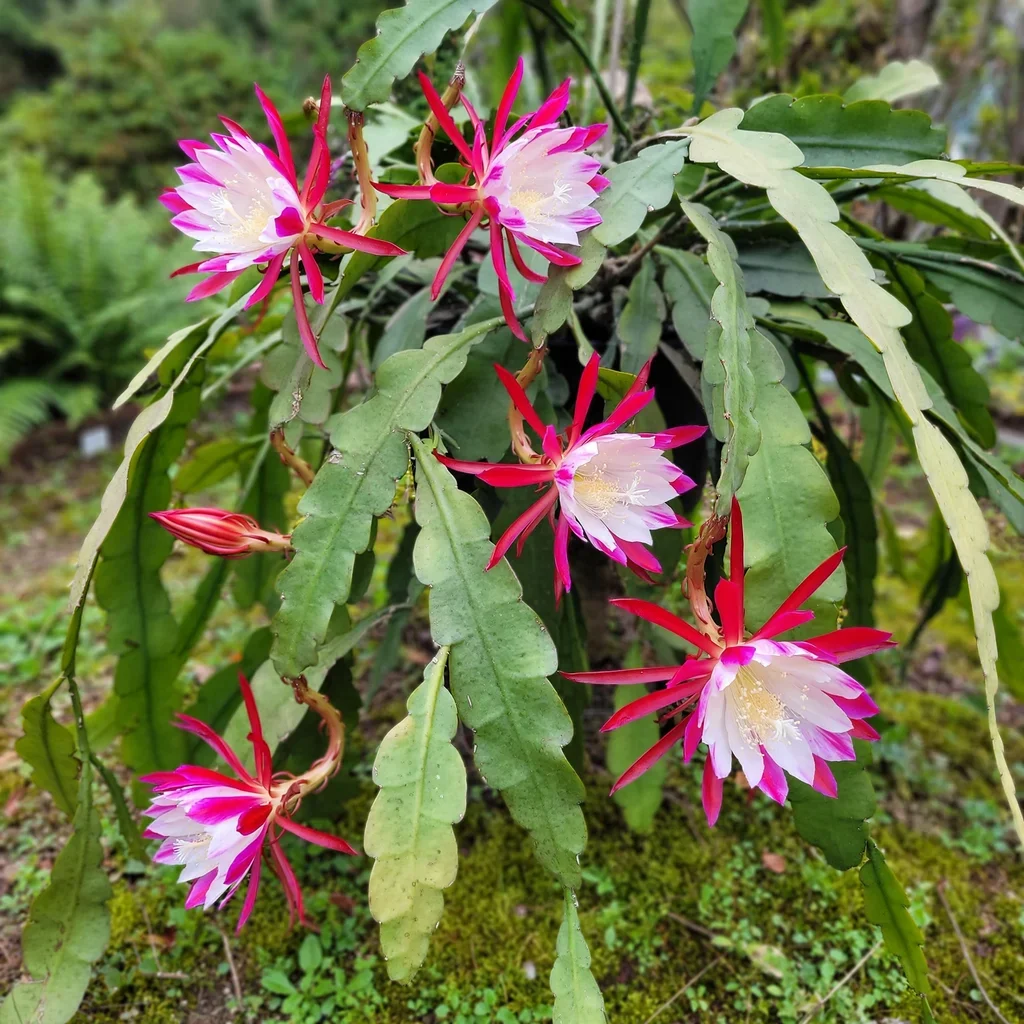
'Clown' Orchid Cactus
Epiphyllum x hybrida 'Clown'
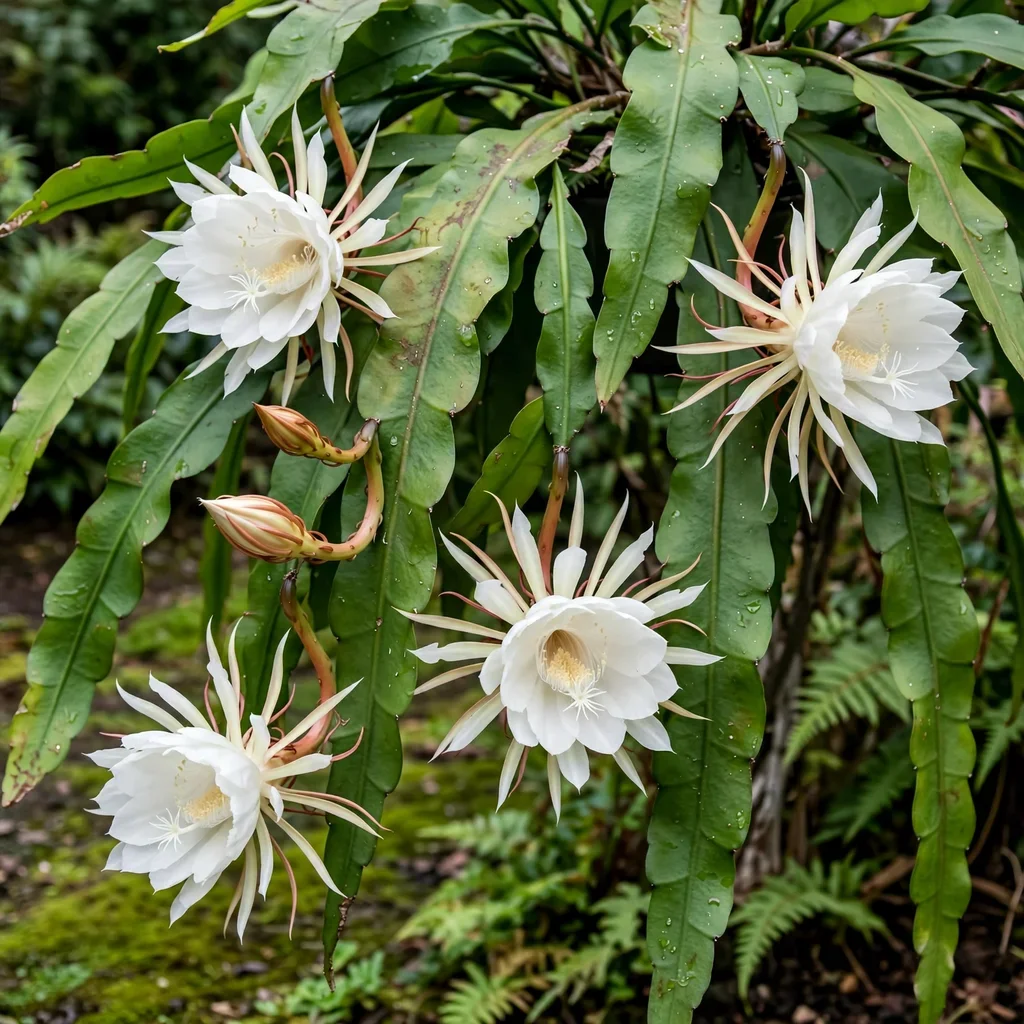
Queen of the Night
Epiphyllum oxypetalum
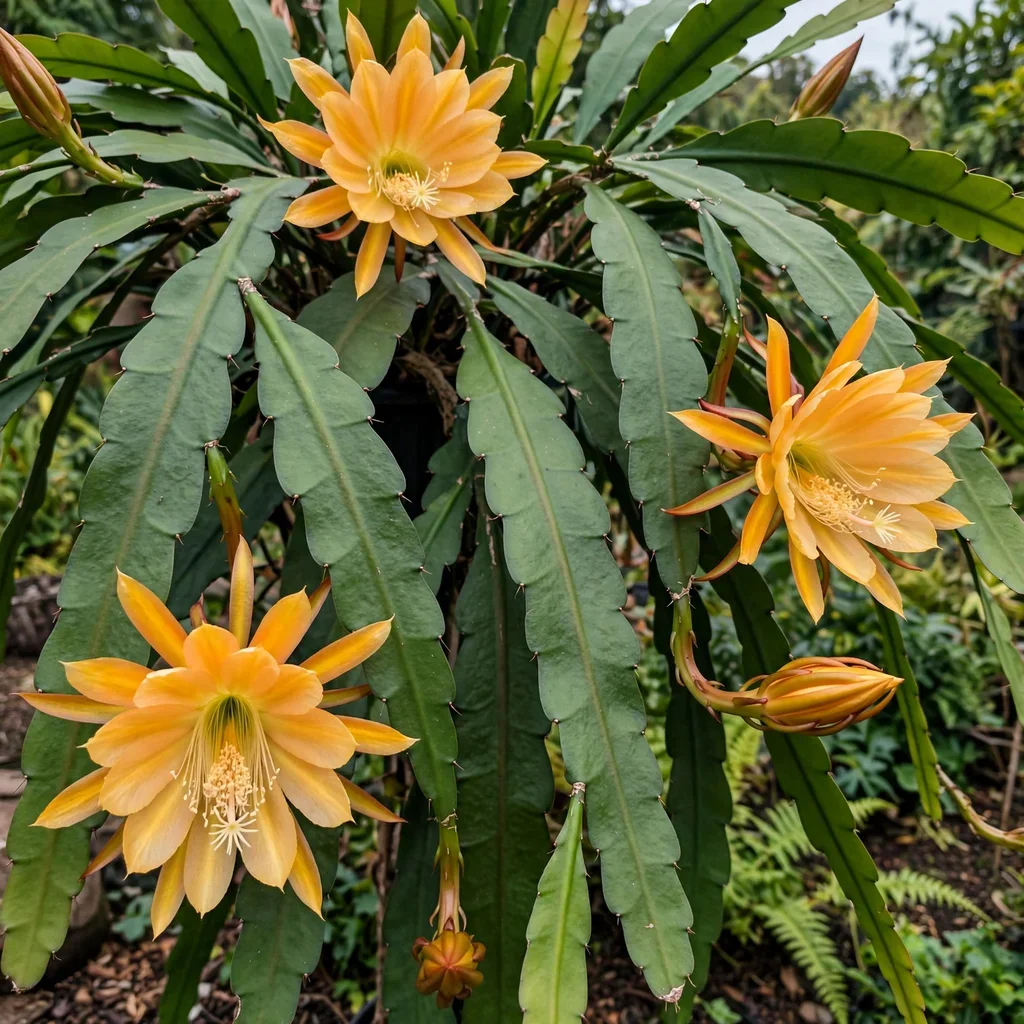
King Midas Orchid Cactus
Epiphyllum x hybrida 'King Midas'
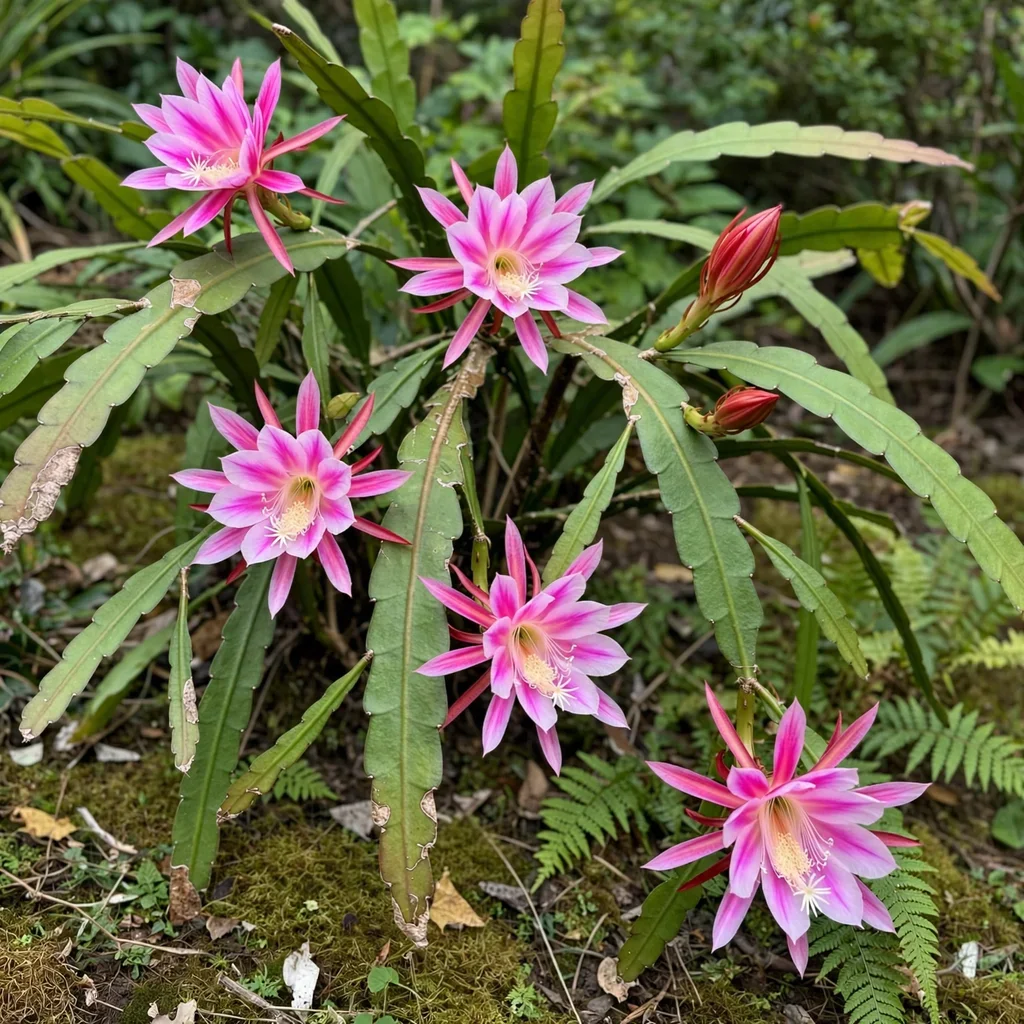
Raspberry Delight Orchid Cactus
Epiphyllum x hybrida 'Raspberry Delight'
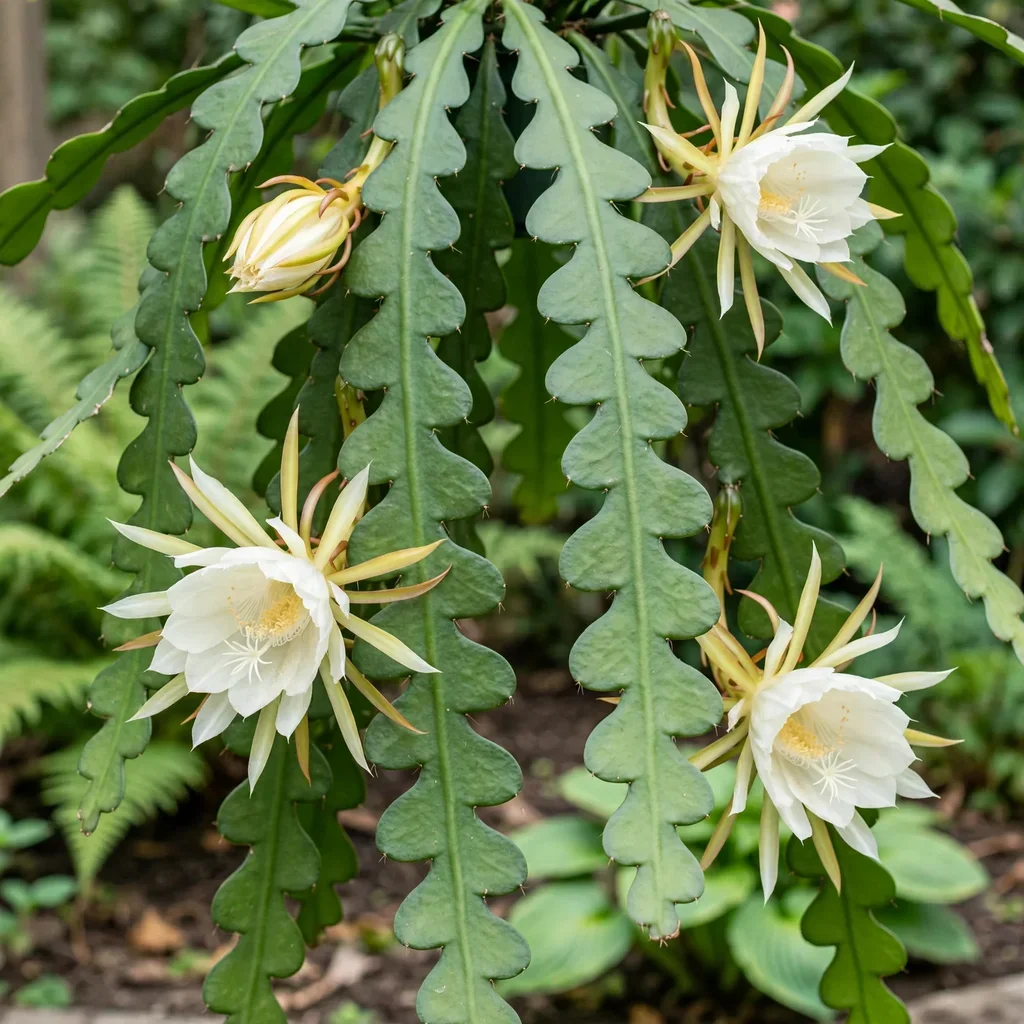
Ric Rac Cactus Fishbone Cactus
Epiphyllum anguliger
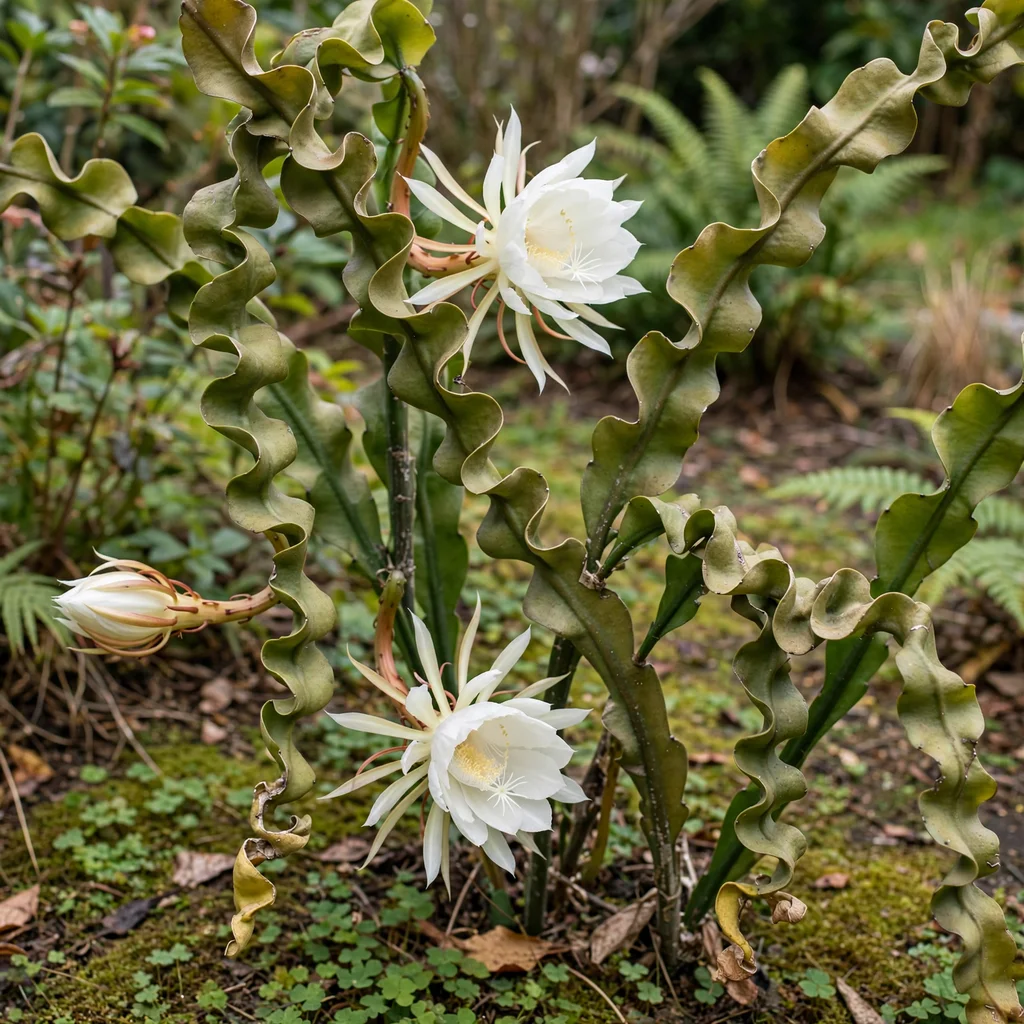
Curly Locks
Epiphyllum guatemalense
Keep exploring
Explore the genus
Hardy in your zone?
Grow Hooker's Orchid Cactus with confidence
See it in a design of your actual yard, get zone-matched care reminders, and track it season by season in your garden journal.