Popularity, clearly labeled
The Most Popular Deer-Resistant Perennials in Zone 5
The three most-saved deer-resistant perennials in Zone 5 are Coneflower, Milkweed and Sage. Among perennials catalog-rated as deer resistant, these are the genera Sow gardeners save most. No plant is deer-proof; browse varies by herd, season, and local pressure. Every representative here is catalog-rated hardy in Zone 5, whose standard minimum-temperature band begins near -20°F. The popularity ranking is recomputed only among matching Zone 5 records; hardiness alone does not establish that a plant will thrive on a particular site.
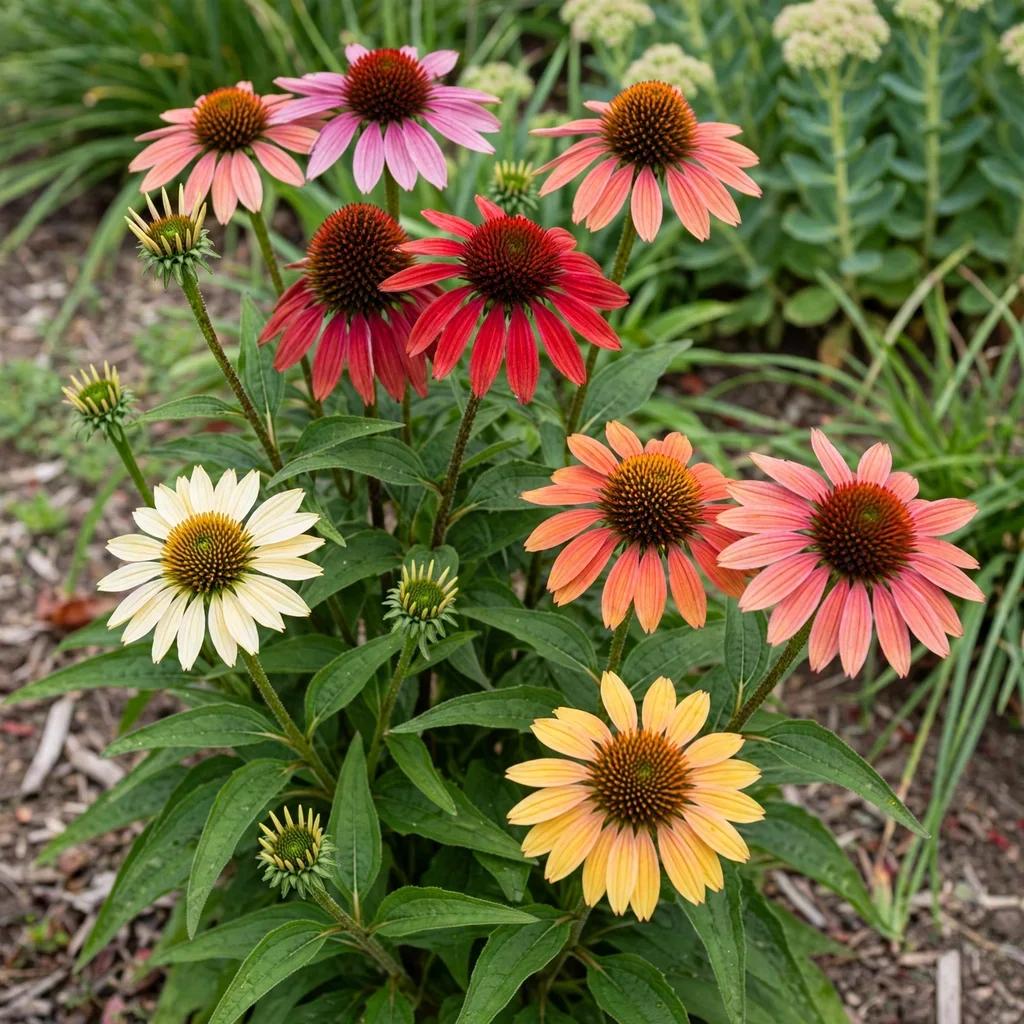
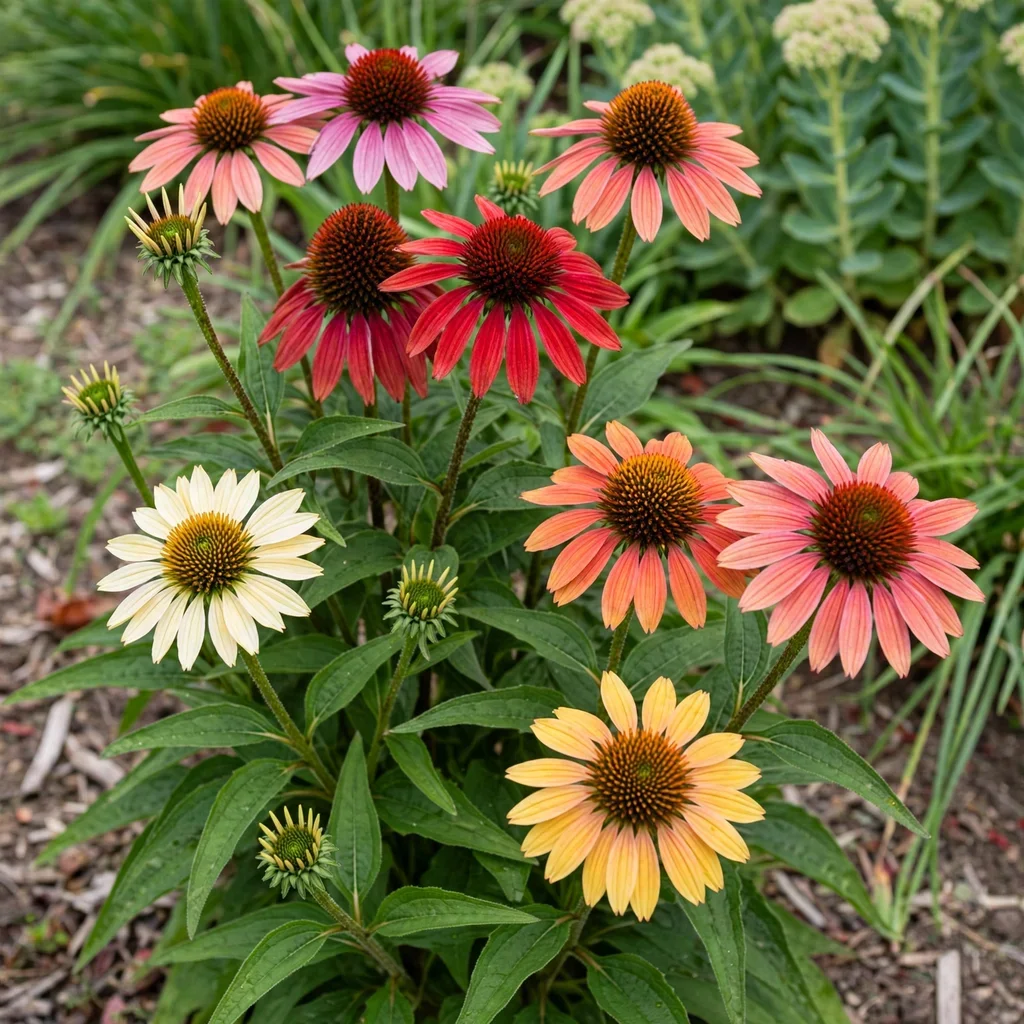
Coneflower
Ranked by its most-saved matching variety; the full catalog includes 187 varieties. Prominent cones support pollinators, then leave seed heads that feed birds.
Zones 4–9All 187 varieties →
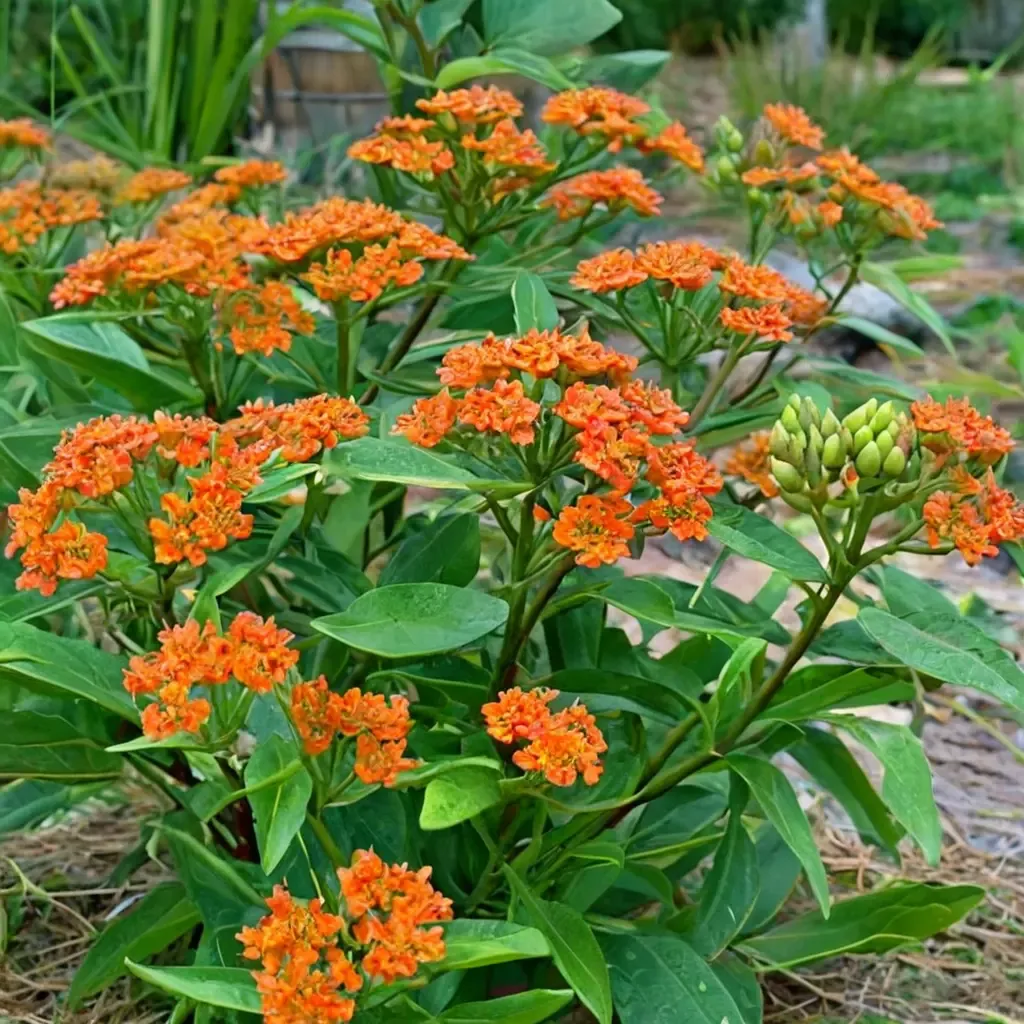
Milkweed
Ranked by its most-saved matching variety; the full catalog includes 27 varieties. Milkweeds are essential monarch host plants as well as rich nectar sources.
Zones 4–9All 27 varieties →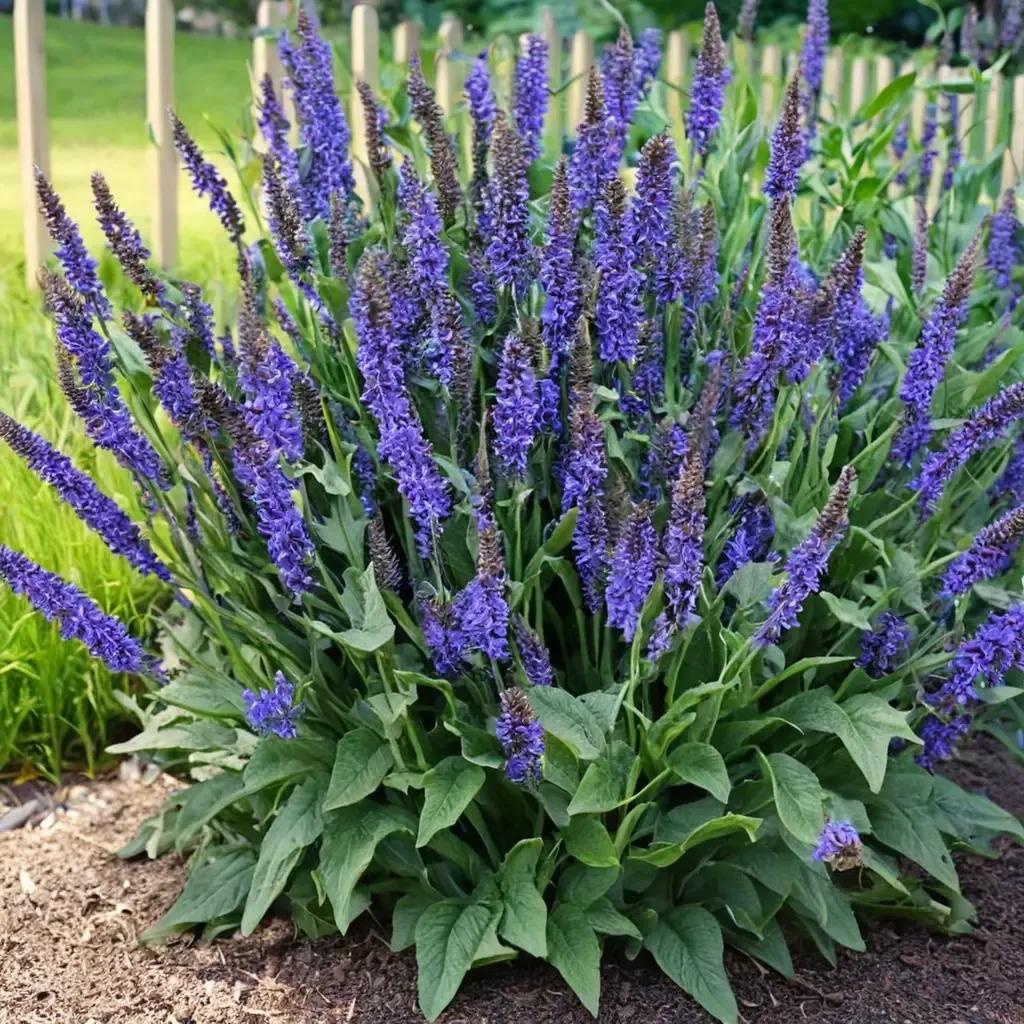
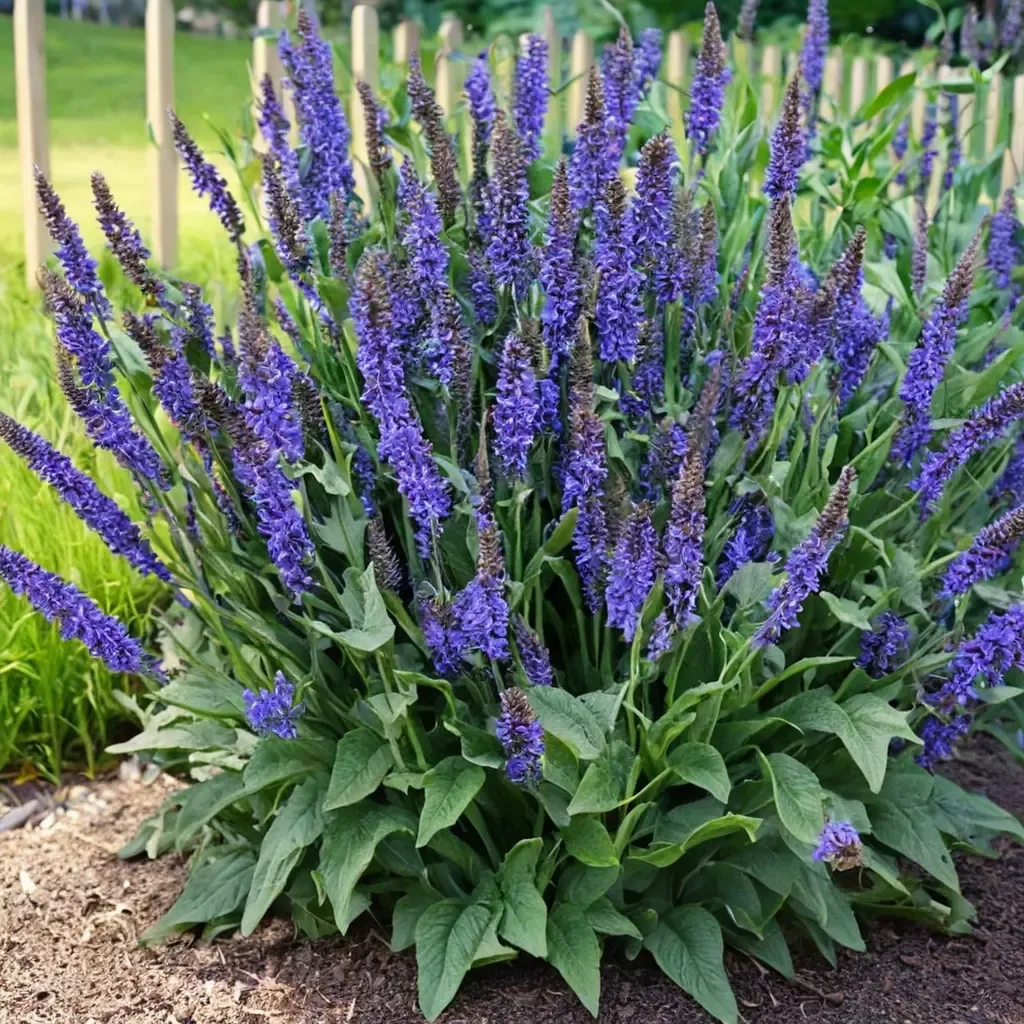
Sage
Ranked by its most-saved matching variety; the full catalog includes 217 varieties. Aromatic leaves and upright nectar-rich flowers perform through heat and lean soil.
Zones 4–9All 217 varieties →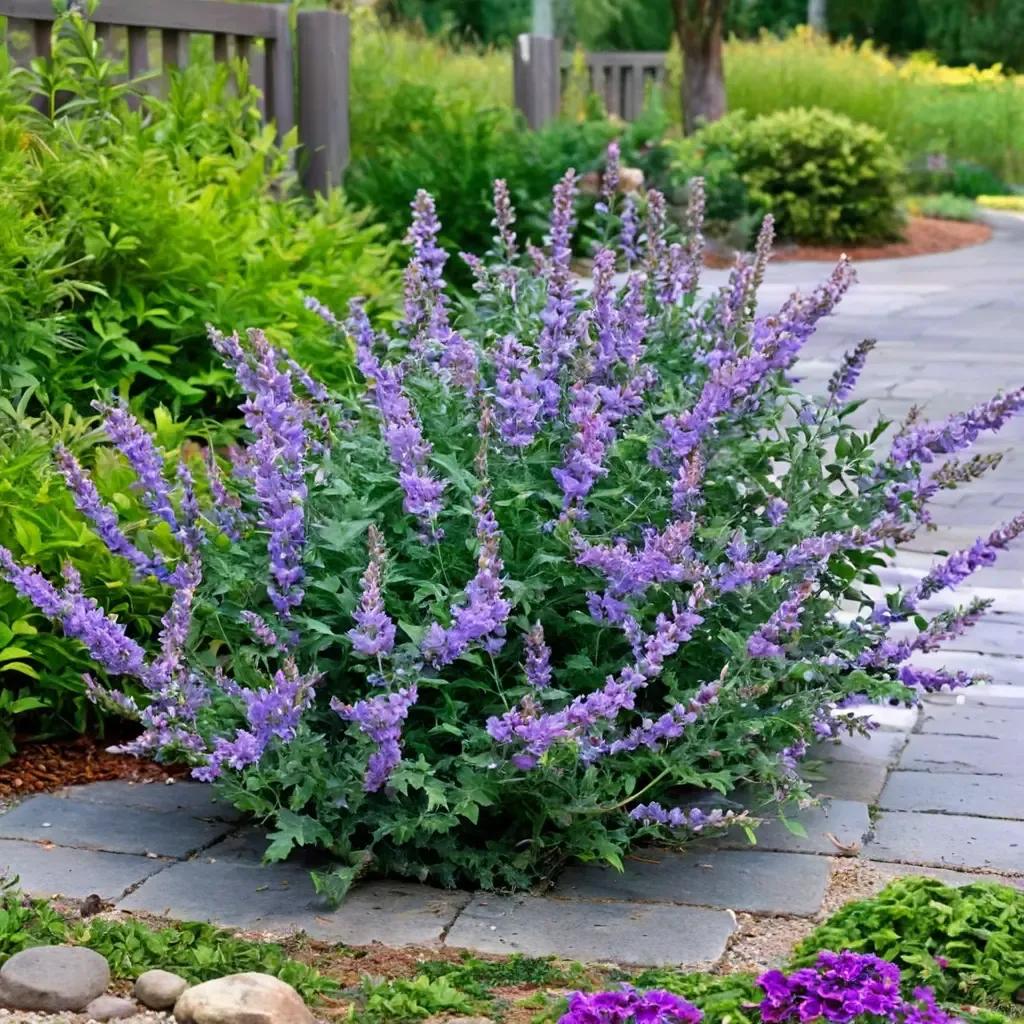
Catmint
Ranked by its most-saved matching variety; the full catalog includes 26 varieties. Aromatic gray foliage and blue flower haze make an easy, billowing edge.
Zones 4–8All 26 varieties →
Black-eyed Susan
Ranked by its most-saved matching variety; the full catalog includes 34 varieties. Dark-centered gold daisies create a durable bridge from summer into fall.
Zones 4–10All 34 varieties →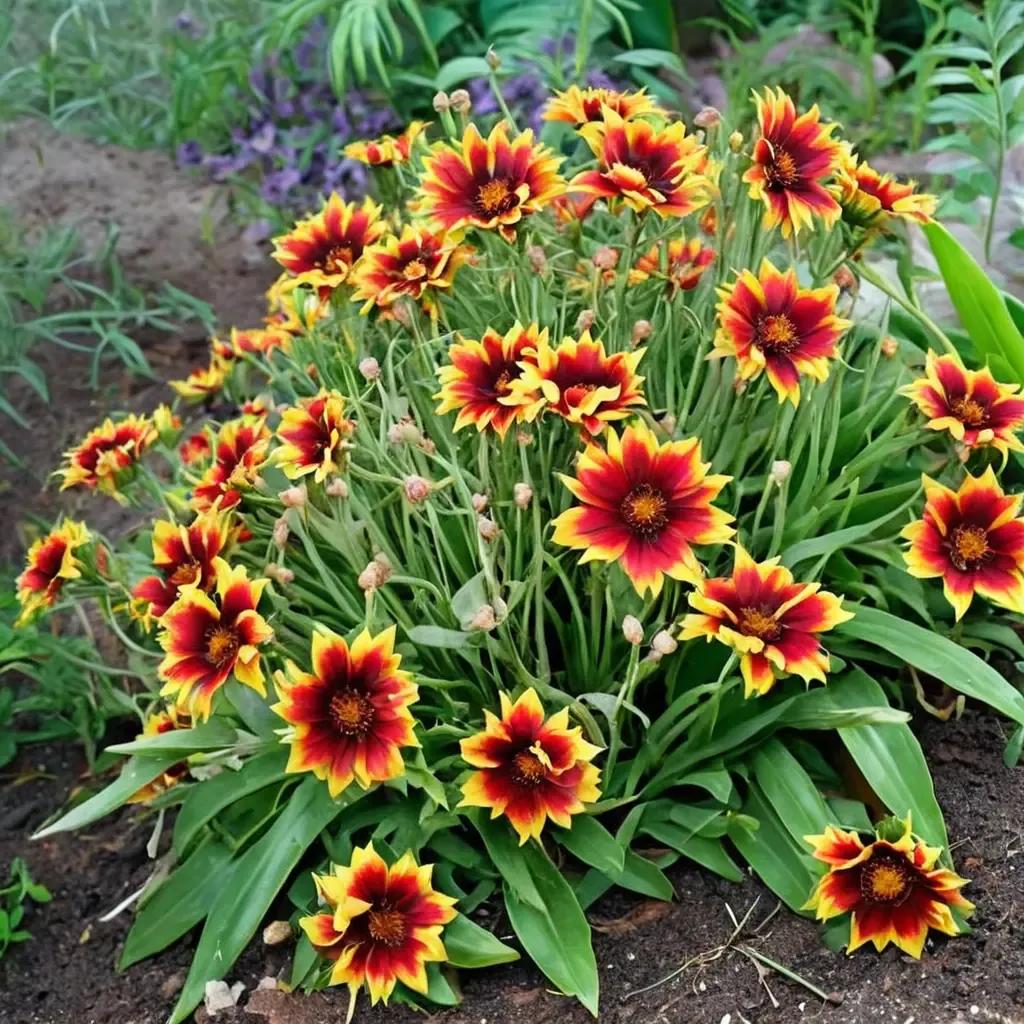
Blanket Flower
Ranked by its most-saved matching variety; the full catalog includes 26 varieties. Warm, banded daisies keep flowering through heat that slows many perennials.
Zones 4–10All 26 varieties →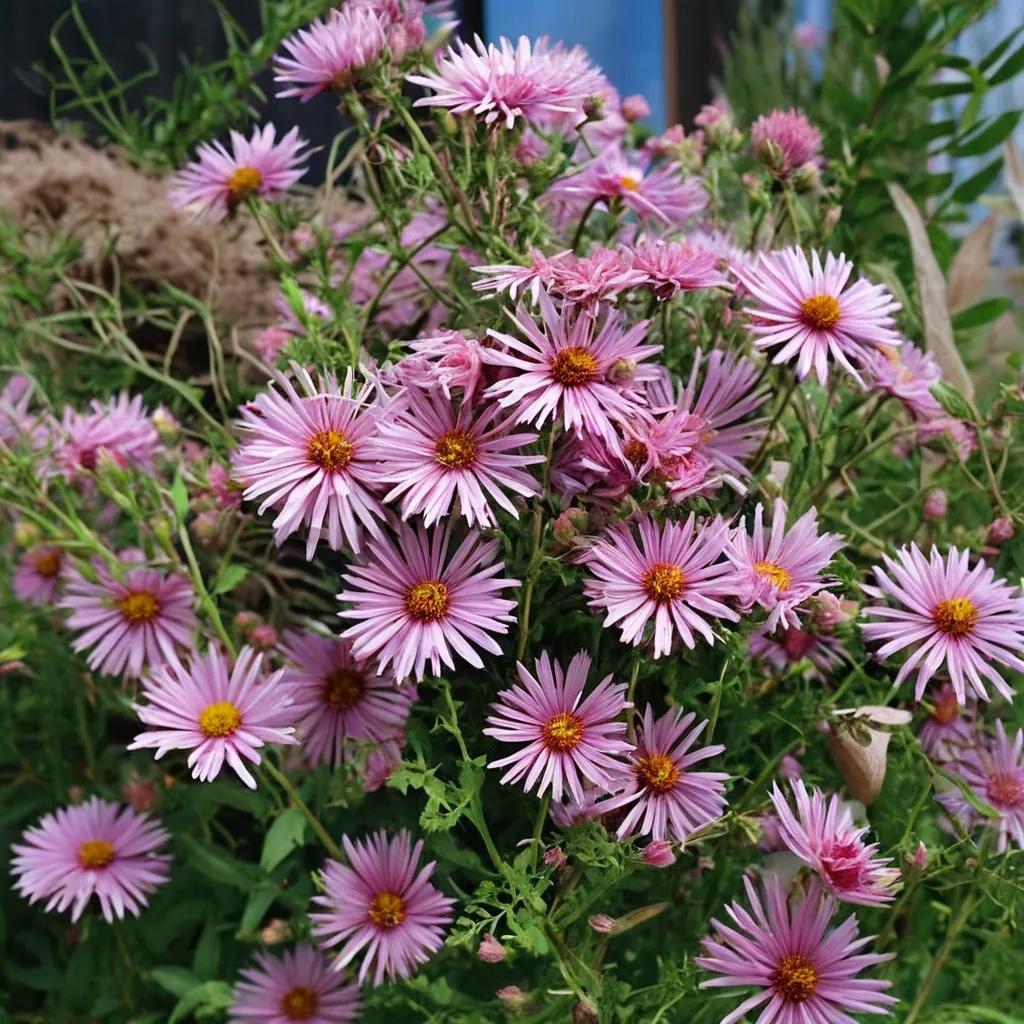
American Aster
Ranked by its most-saved matching variety; the full catalog includes 37 varieties. North American asters provide essential late nectar in clouds of small daisies.
Zones 4–8All 37 varieties →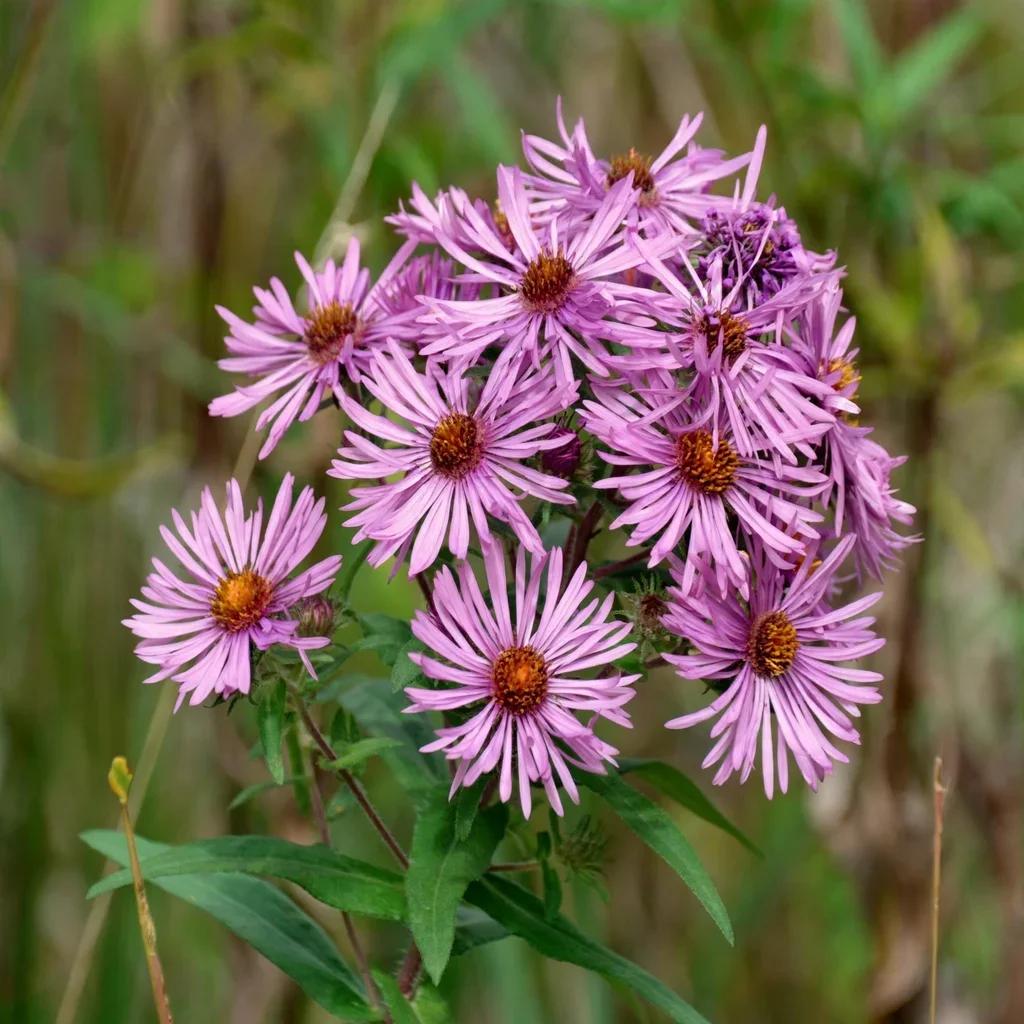
Ranked by its most-saved matching variety; the full catalog includes 46 varieties. Daisy flowers extend the border season and offer late forage for insects.
Zones 4–8All 46 varieties →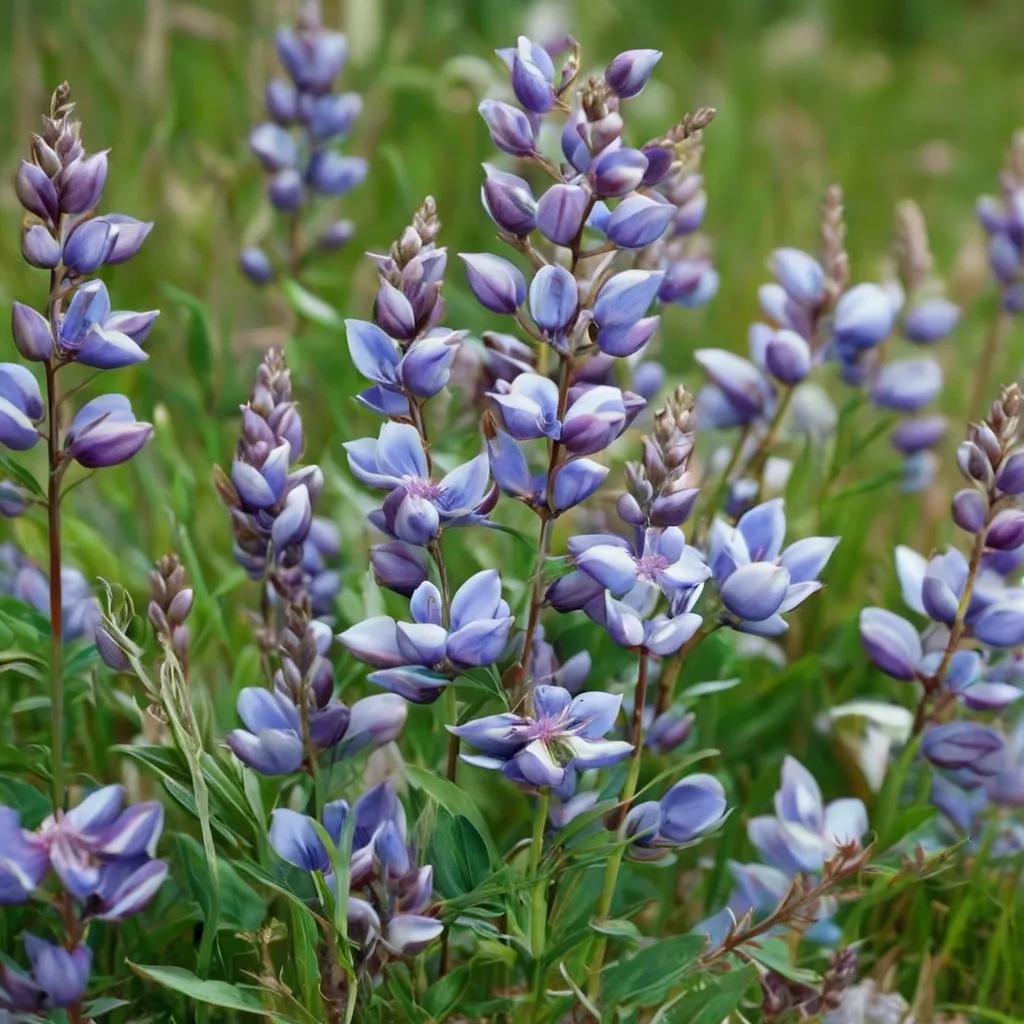
Lupine
Ranked by its most-saved matching variety; the full catalog includes 47 varieties. Palm-shaped leaves and dense flower spires bring bold meadow structure.
Zones 4–9All 47 varieties →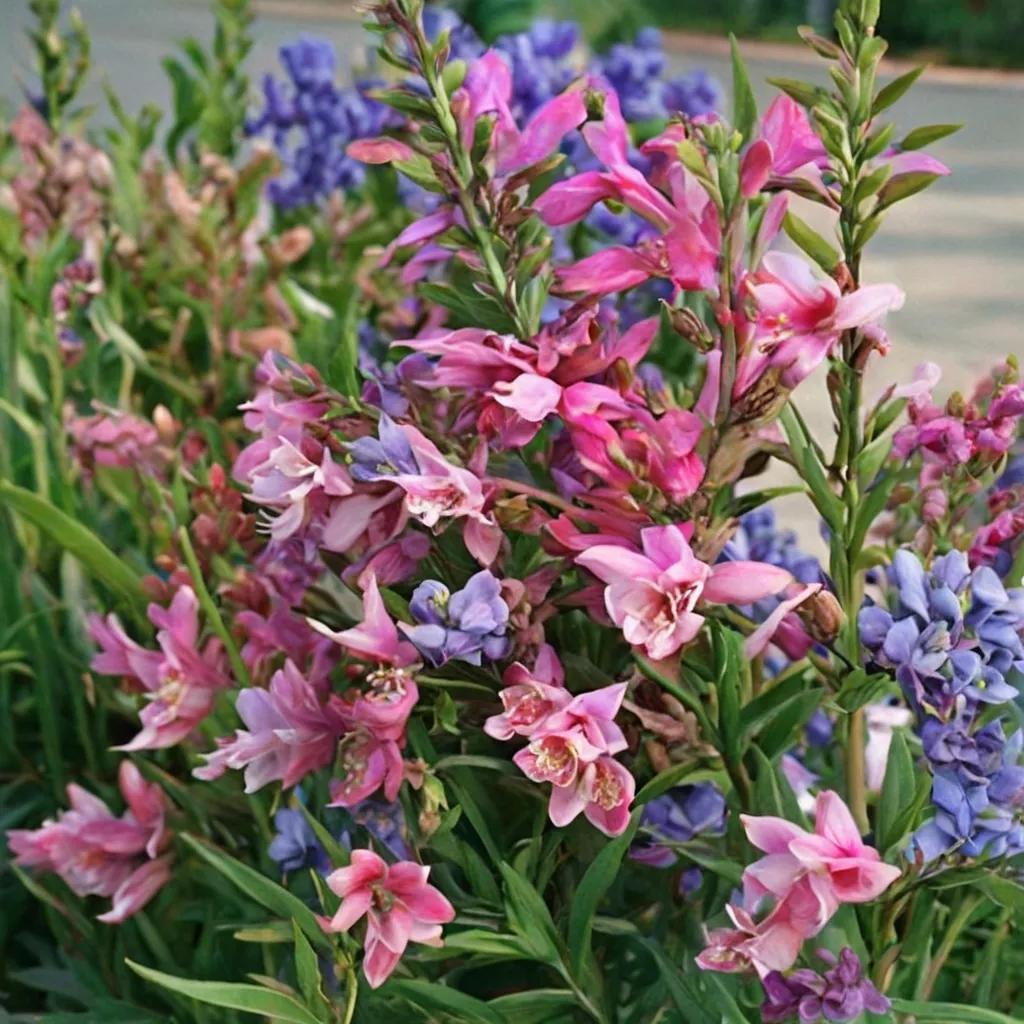
Beardtongue
Ranked by its most-saved matching variety; the full catalog includes 88 varieties. Tubular flowers rise above tidy foliage and supply nectar in lean, sunny soil.
Zones 4–9All 88 varieties →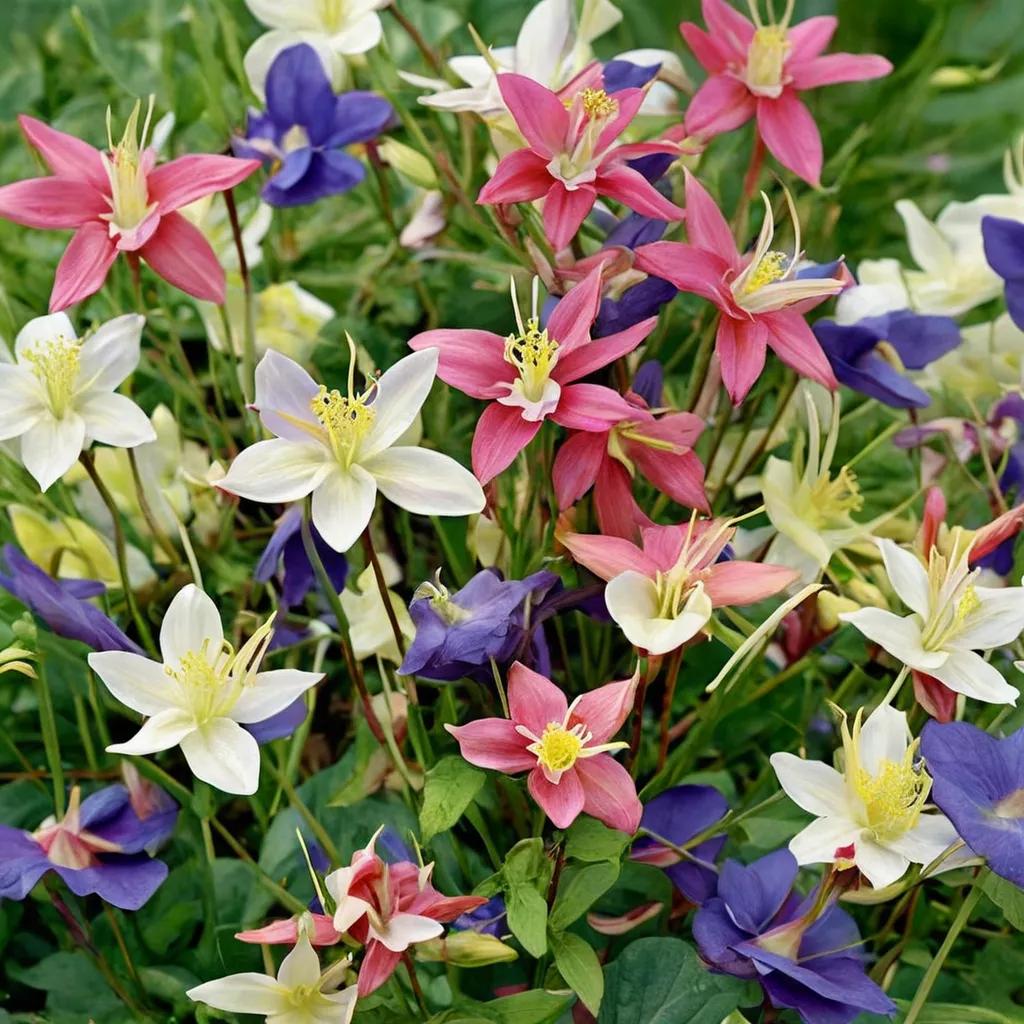
Columbine
Ranked by its most-saved matching variety; the full catalog includes 61 varieties. Nodding, spurred flowers bring intricate form to the lightly shaded spring garden.
Zones 4–8All 61 varieties →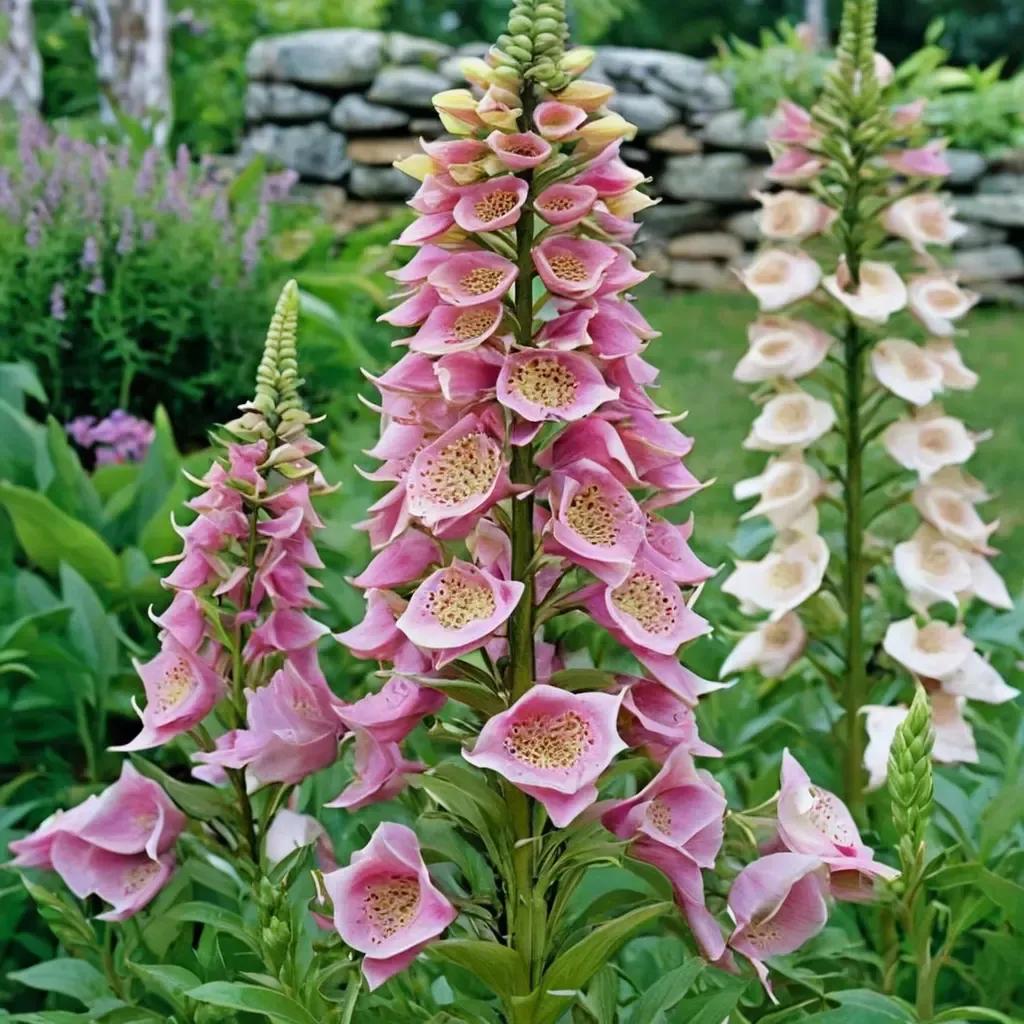
Foxglove
Ranked by its most-saved matching variety; the full catalog includes 31 varieties. Tall columns of speckled bells create instant woodland drama and feed bumblebees.
Zones 4–9All 31 varieties →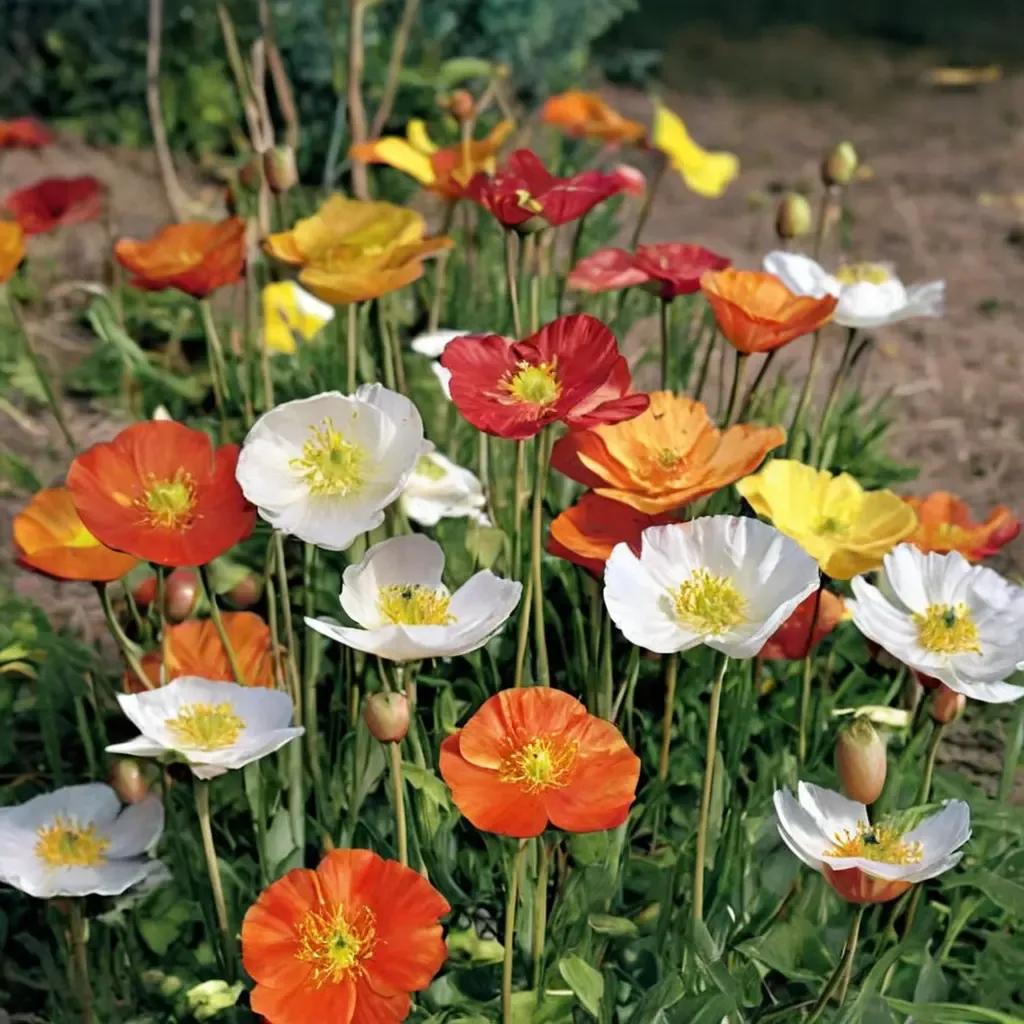 13
Papaver
Poppy
Ranked by its most-saved matching variety; the full catalog includes 44 varieties. Silken, crinkled petals make each short-lived flower feel like an event.
Zones 4–7All 44 varieties →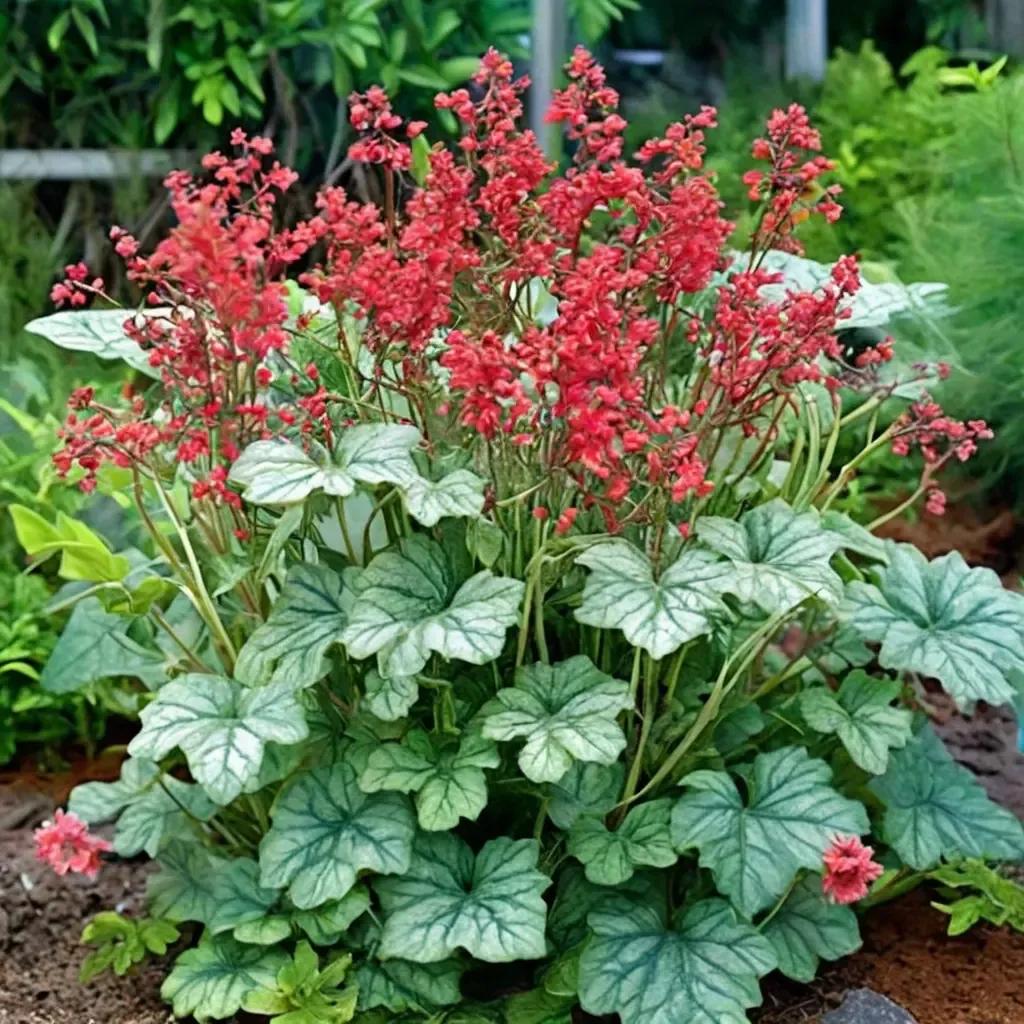 14
Heuchera
Coral Bells
Ranked by its most-saved matching variety; the full catalog includes 185 varieties. Scalloped foliage supplies season-long color in shades few perennials can match.
Zones 4–8All 185 varieties → 15
Sedum
Stonecrop
Ranked by its most-saved matching variety; the full catalog includes 105 varieties. Water-storing foliage and late flower plates keep sunny beds useful through drought.
Zones 4–9All 105 varieties →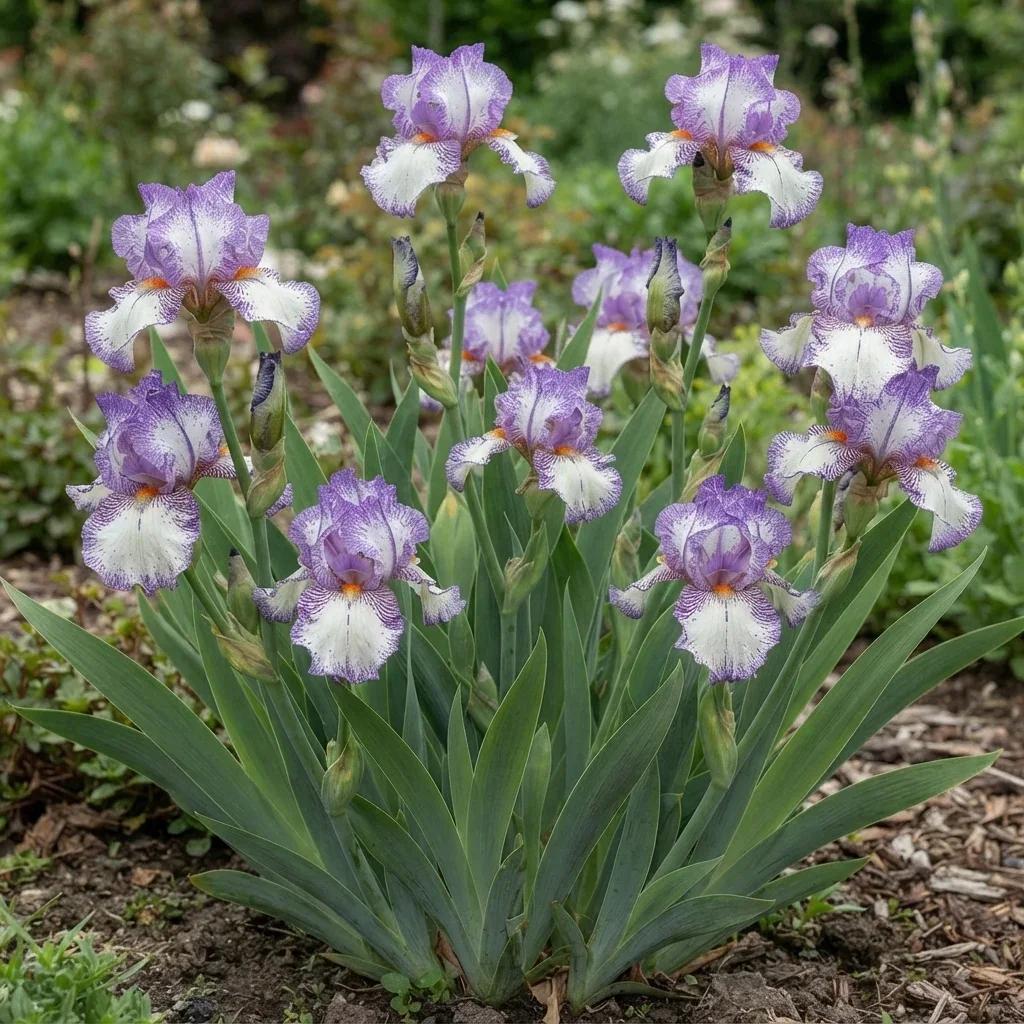 16
Iris
Ranked by its most-saved matching variety; the full catalog includes 269 varieties. Sword-like leaves and intricate flowers give beds a strong architectural rhythm.
Zones 4–9All 269 varieties →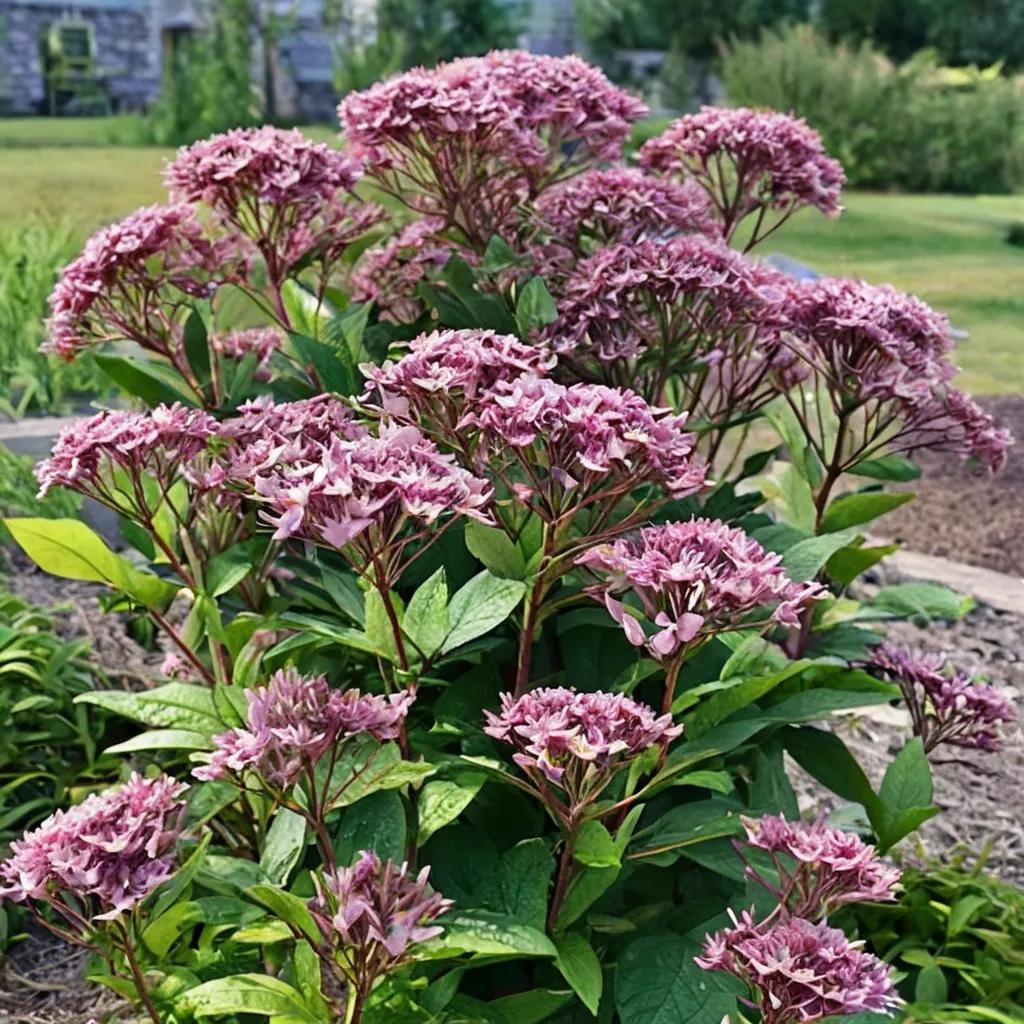
Joe Pye Weed
Ranked by its most-saved matching variety; the full catalog includes 29 varieties. Broad, nectar-rich flower clusters crown tall stems in moist late-season borders.
Zones 4–9All 29 varieties → 18
Vernonia
Ironweed
Ranked by its most-saved matching variety; the full catalog includes 16 varieties. Tall stems finish the season with saturated purple flowers and strong winter structure.
Zones 5–9All 16 varieties →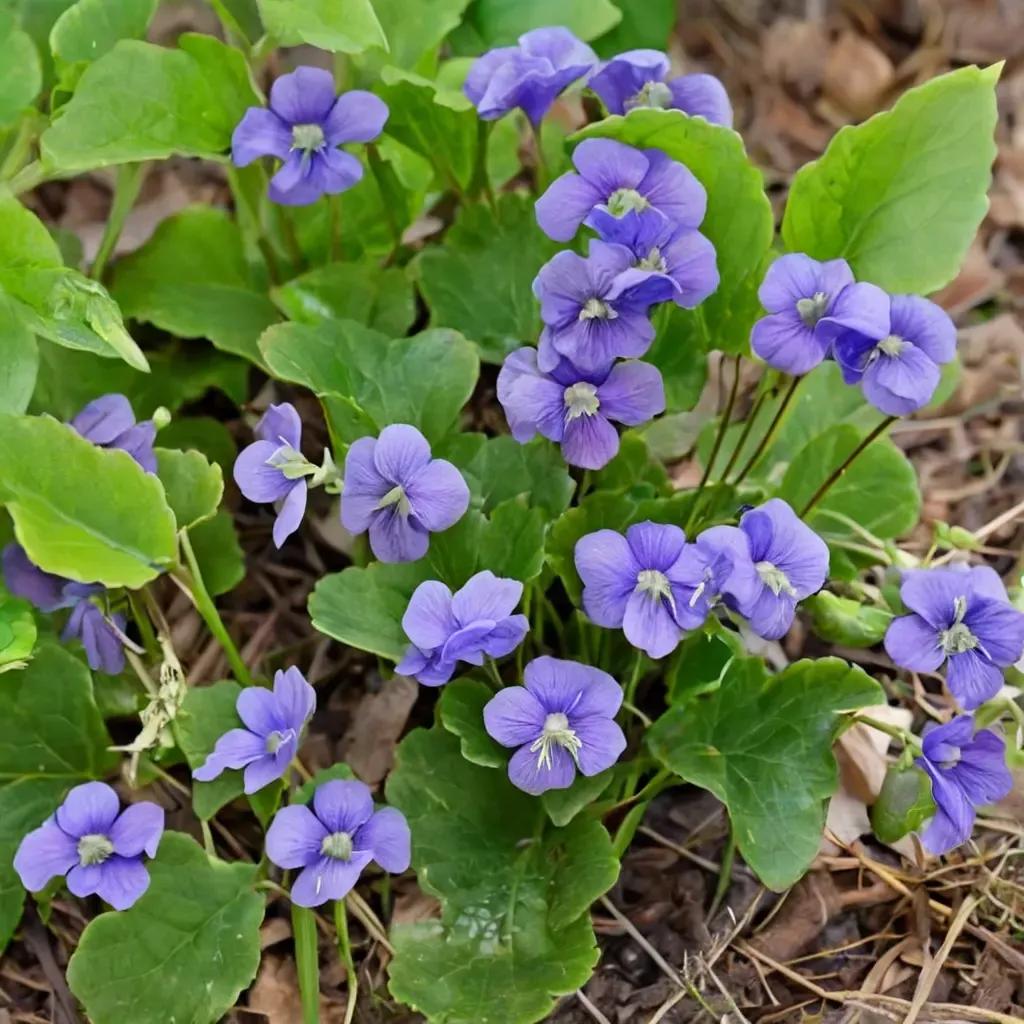 19
Viola
Violet / Pansy
Ranked by its most-saved matching variety; the full catalog includes 44 varieties. Small, expressive flowers bring early color and often seed into charming colonies.
Zones 4–8All 44 varieties →
Red Hot Poker
Ranked by its most-saved matching variety; the full catalog includes 37 varieties. Torch-like flower spikes add blazing vertical color and draw hummingbirds.
Zones 5–10All 37 varieties →
About this list
How was this the most popular deer-resistant perennials in zone 5 list ranked?
A plant must first match the catalog filters named in the title. Each genus is represented and ranked by its most-saved matching variety, so genera with many cultivars do not receive an automatic advantage.
Are all of these hardy in Zone 5?
Yes — every plant on this list is rated for Zone 5. Plants that could not survive a Zone 5 winter were excluded before ranking.
What makes a plant deer resistant?
Aromatic foliage (salvia, nepeta, herbs), fuzzy or leathery textures (lamb’s ear, hellebore), and toxic or bitter compounds (daffodil, foxglove). Deer sample first and remember what they dislike.
Will deer ever eat "deer-resistant" plants?
Under pressure — drought, deep snow, or high populations — deer will try almost anything, and young spring growth is most vulnerable. Resistance stacks with repellents and smart placement; it doesn’t replace them.
Track these in your garden
Save the ones you plant and get care reminders timed to Zone 5.
Keep exploring
Guides
More popularity lists
- Most Popular Perennials for Shade
- Most Popular Deer-Resistant Perennials
- Most Popular Plants Tagged for Pollinators
- Most Popular Drought-Tolerant Plants
- Most Popular Flowering Shrubs
- Most Popular Groundcovers for Shade
- Most Popular Privacy Shrubs and Screening Plants
- Most Popular North American Native Perennials