Popularity, clearly labeled
The Most Popular Flowering Bulbs in Zone 9
Among plants cataloged as bulbs, corms, or tubers, these are the genera Sow gardeners save most. Planting season and repeat performance depend on the exact plant and climate. Every representative here is catalog-rated hardy in Zone 9, whose standard minimum-temperature band begins near 20°F. The popularity ranking is recomputed only among matching Zone 9 records; hardiness alone does not establish that a plant will thrive on a particular site.
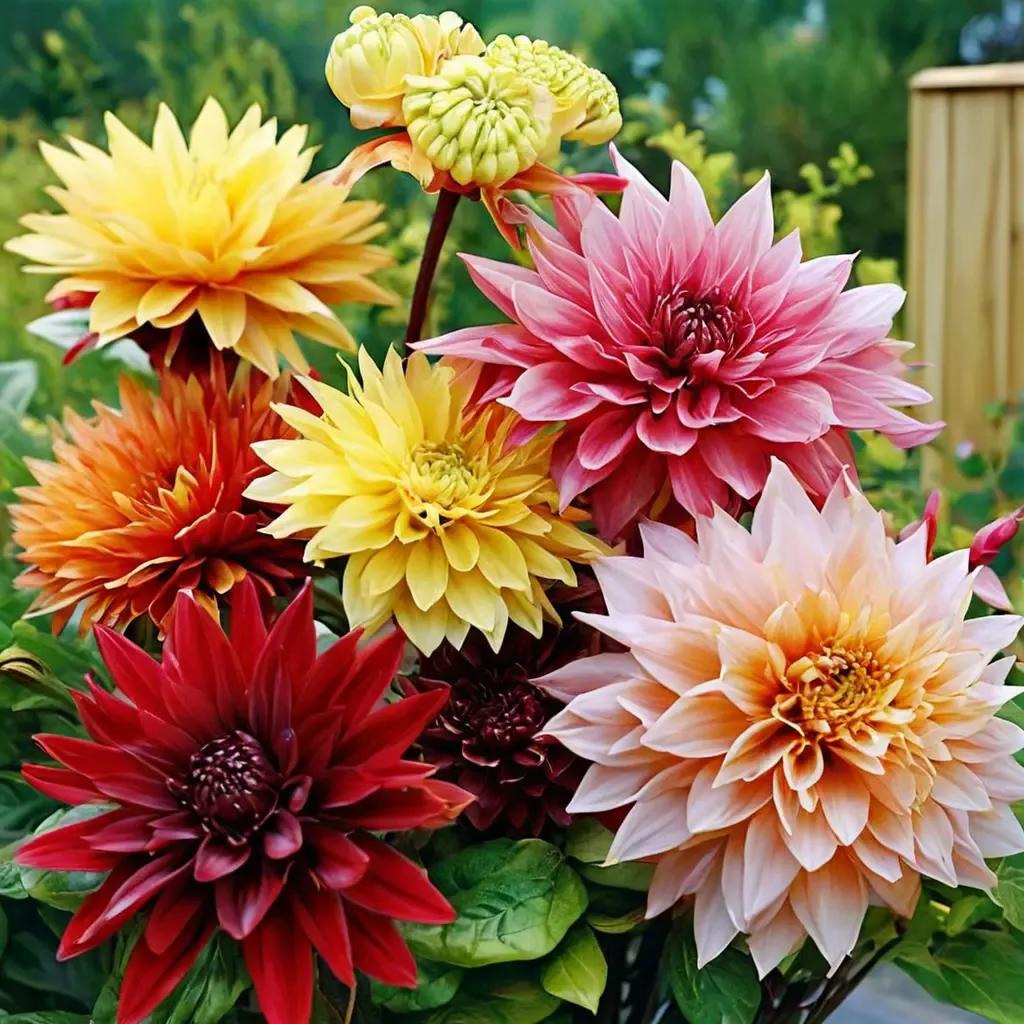
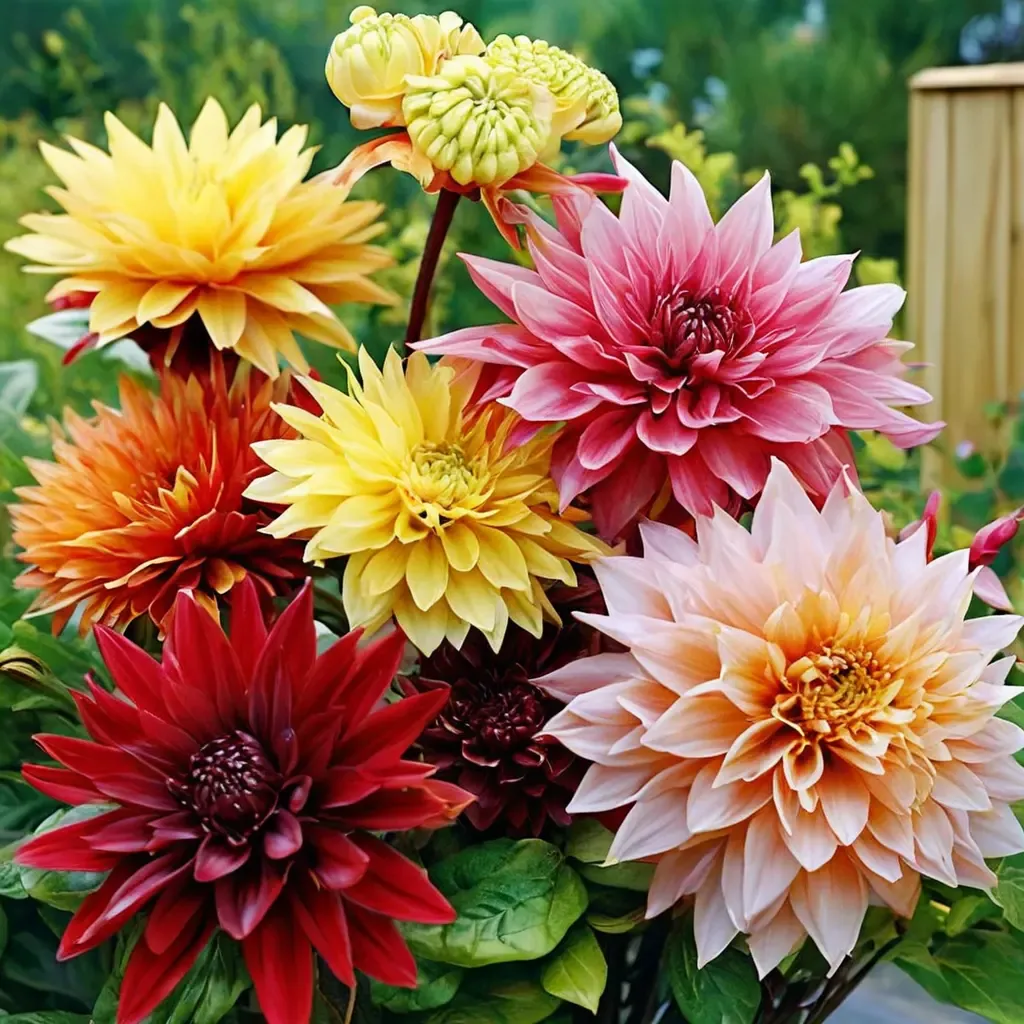
Ranked by its most-saved matching variety; the full catalog includes 120 varieties. From neat pompons to dinner-plate blooms, dahlias deliver late-season spectacle.
Zones 5–10All 120 varieties →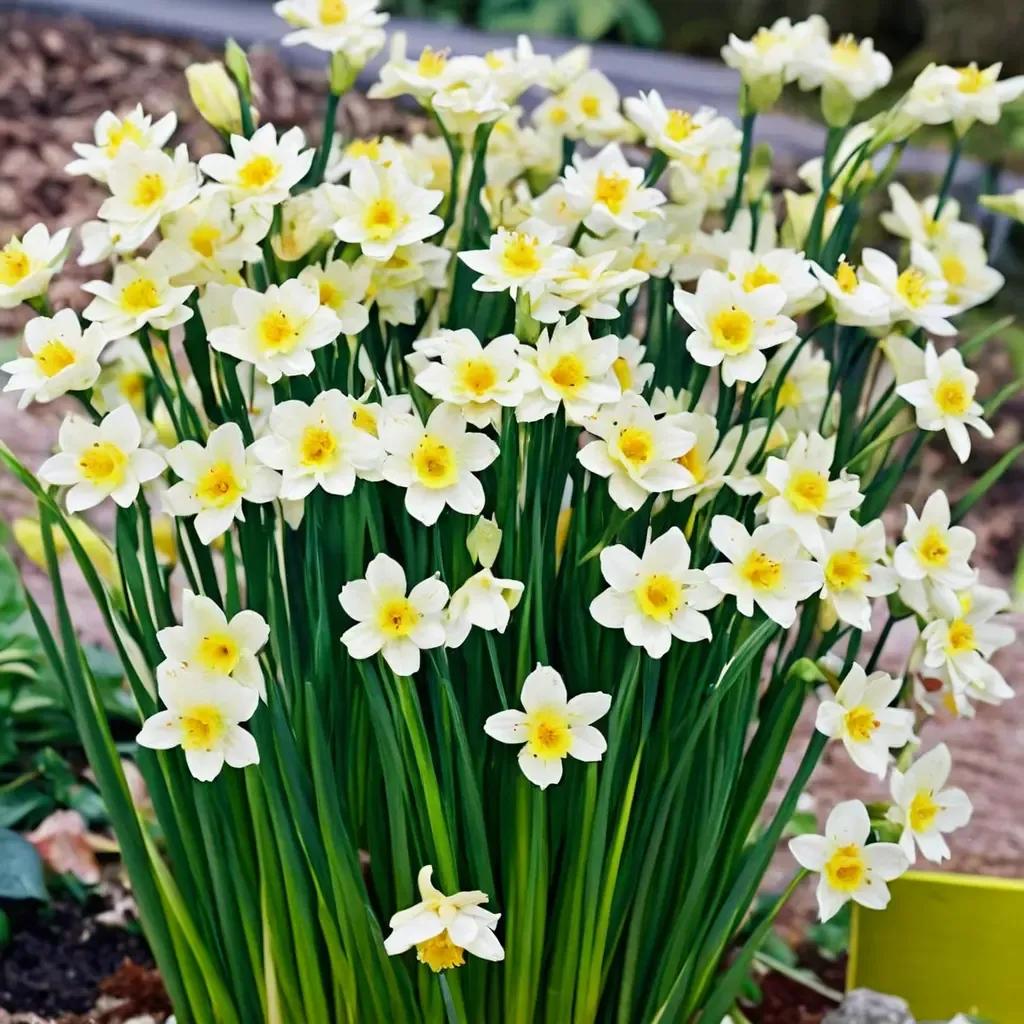
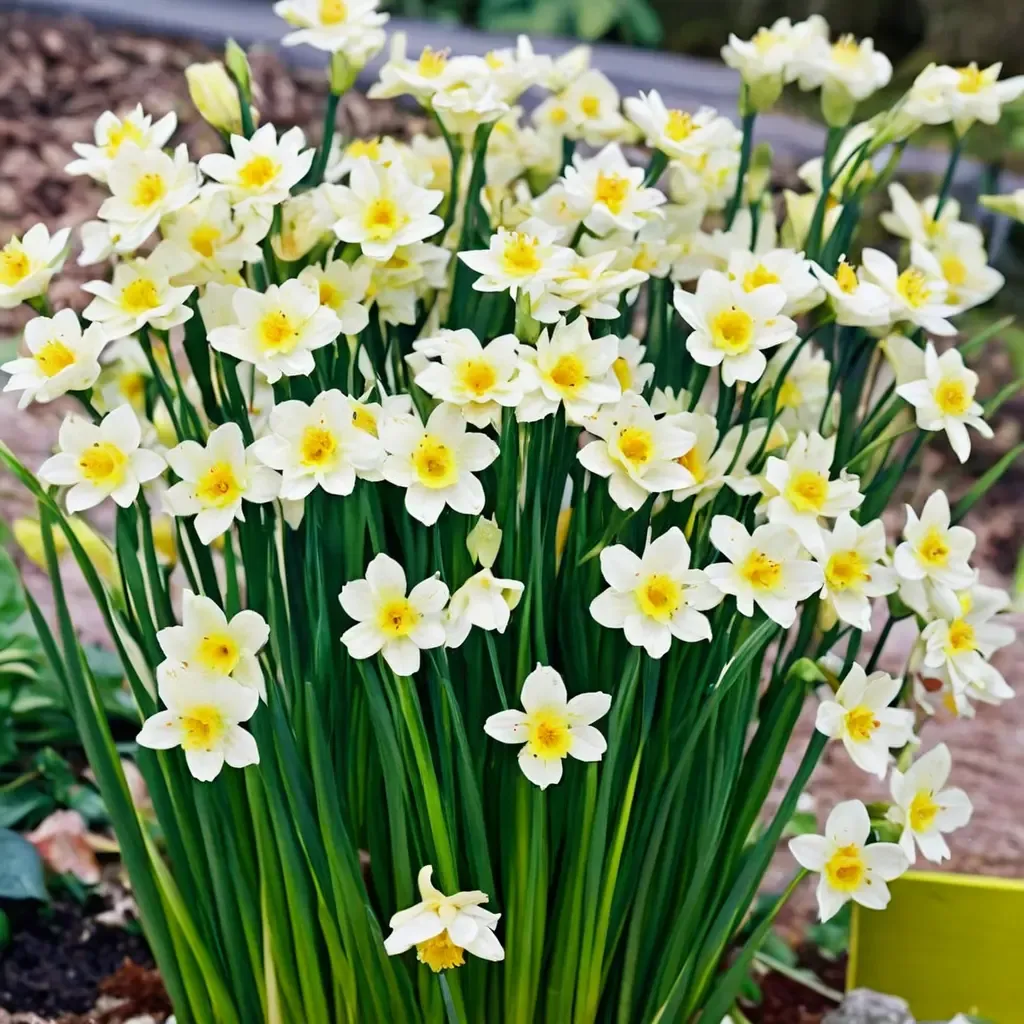
Daffodil
Ranked by its most-saved matching variety; the full catalog includes 46 varieties. Reliable, animal-resistant bulbs return with bright trumpets for many springs.
Zones 5–9All 46 varieties →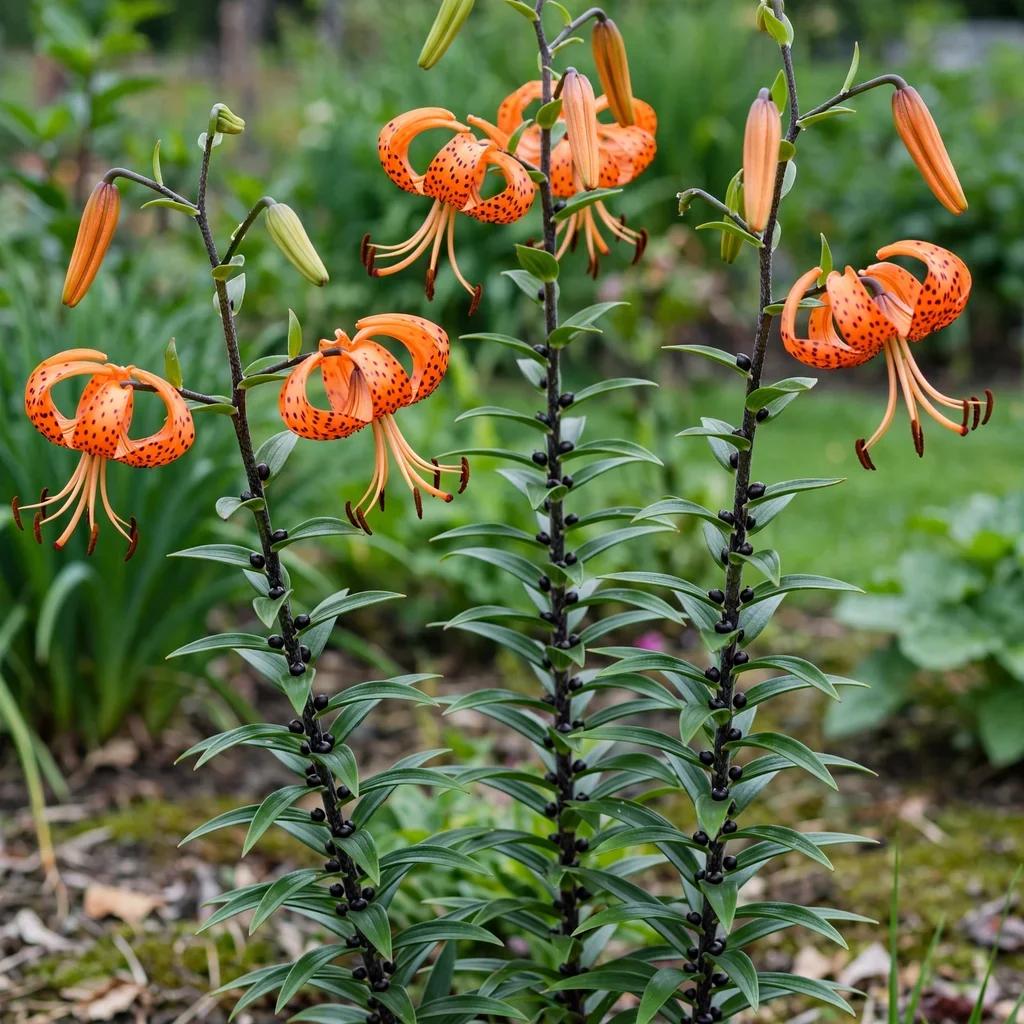
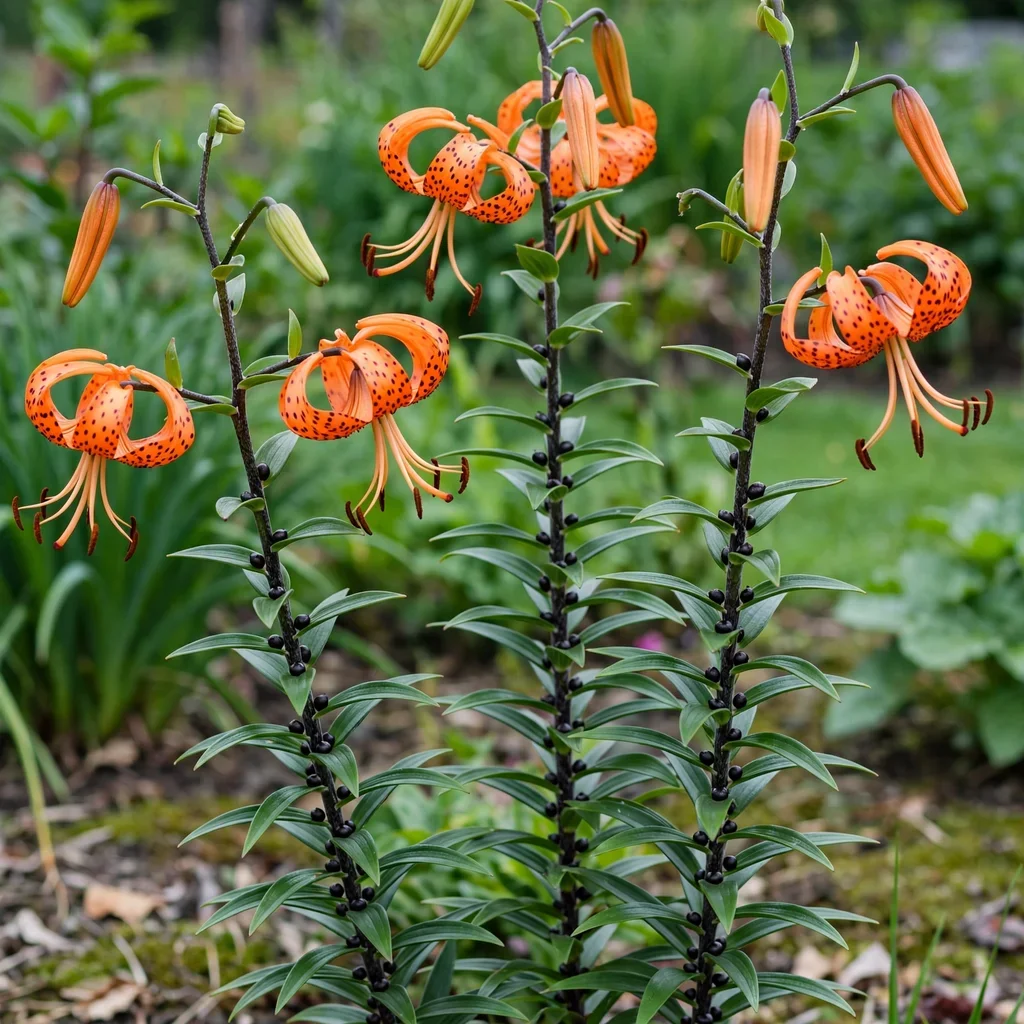
Lily
Ranked by its most-saved matching variety; the full catalog includes 56 varieties. Tall stems carry intensely colored, often fragrant trumpets above surrounding plants.
Zones 4–9All 56 varieties →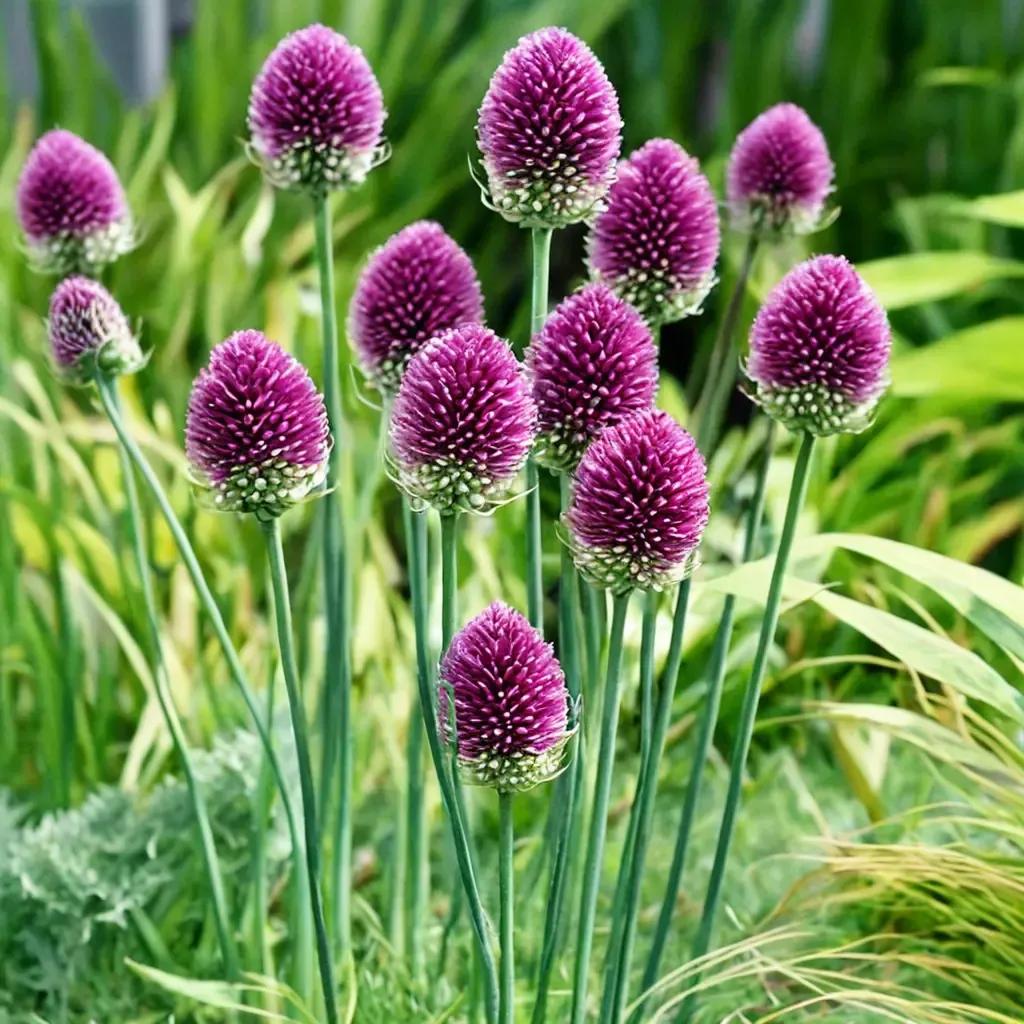
Ornamental Onion
Ranked by its most-saved matching variety; the full catalog includes 54 varieties. Spherical flower heads float above neighboring plants like garden punctuation.
Zones 4–10All 54 varieties →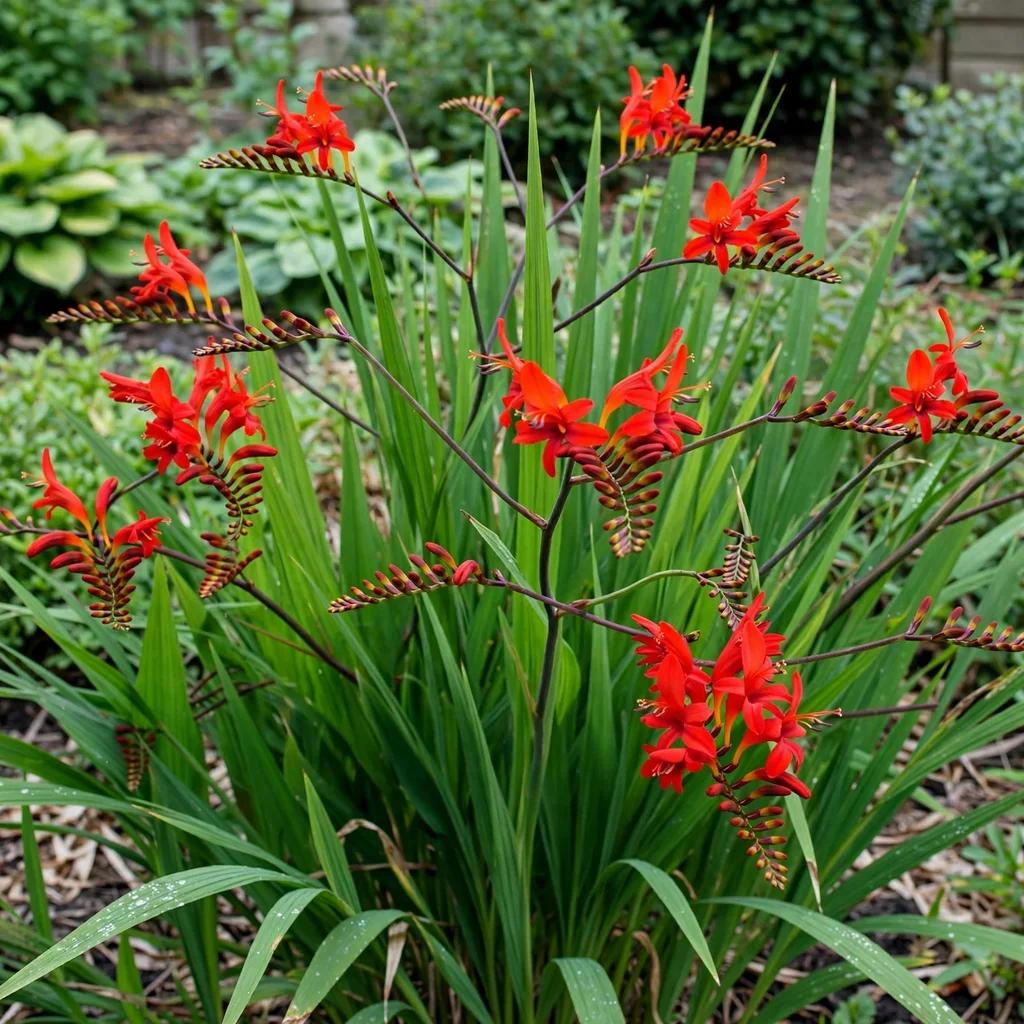
Montbretia
Ranked by its most-saved matching variety; the full catalog includes 17 varieties. Arching stems of fiery flowers thread vivid color through the summer border.
Zones 5–9All 17 varieties →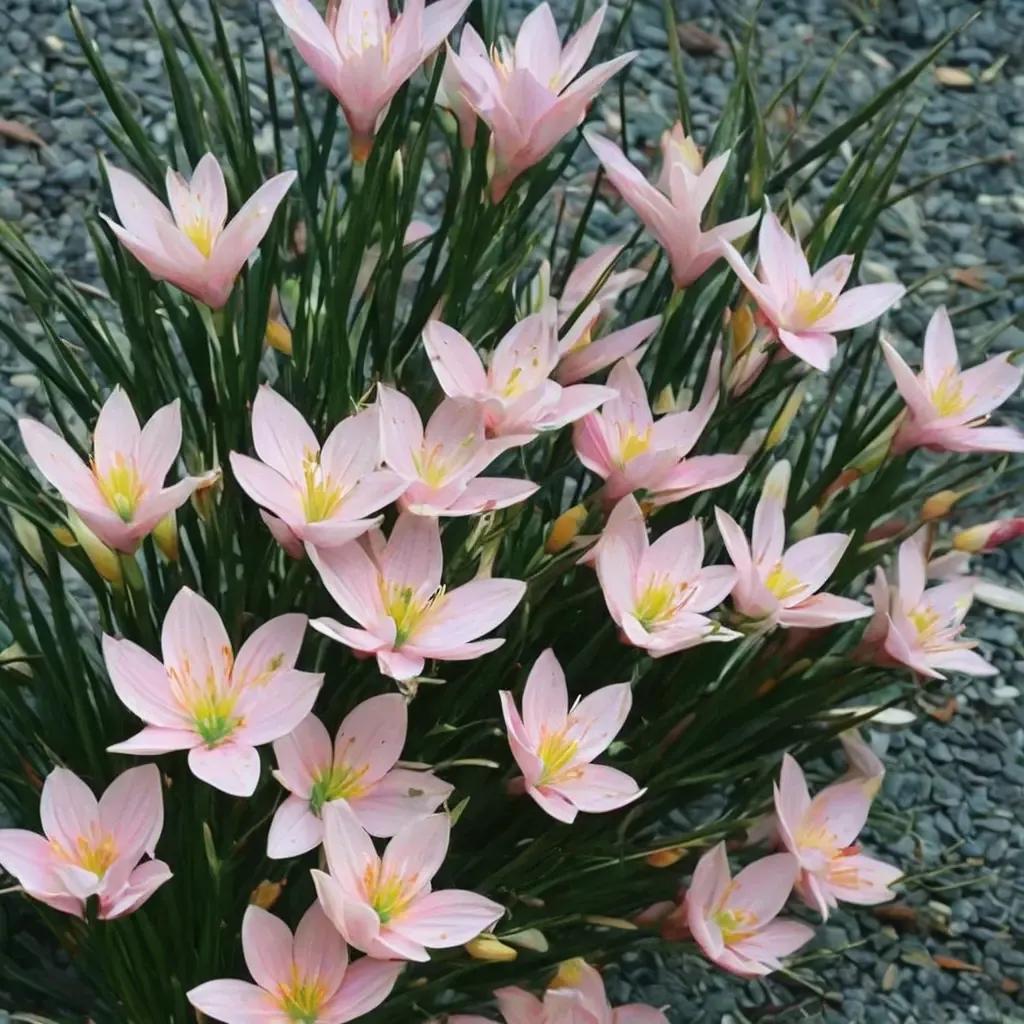
Rain Lily
Ranked by its most-saved matching variety; the full catalog includes 36 varieties. Rain lilies send up fresh, crocus-like flowers soon after summer showers.
Zones 5–9All 36 varieties →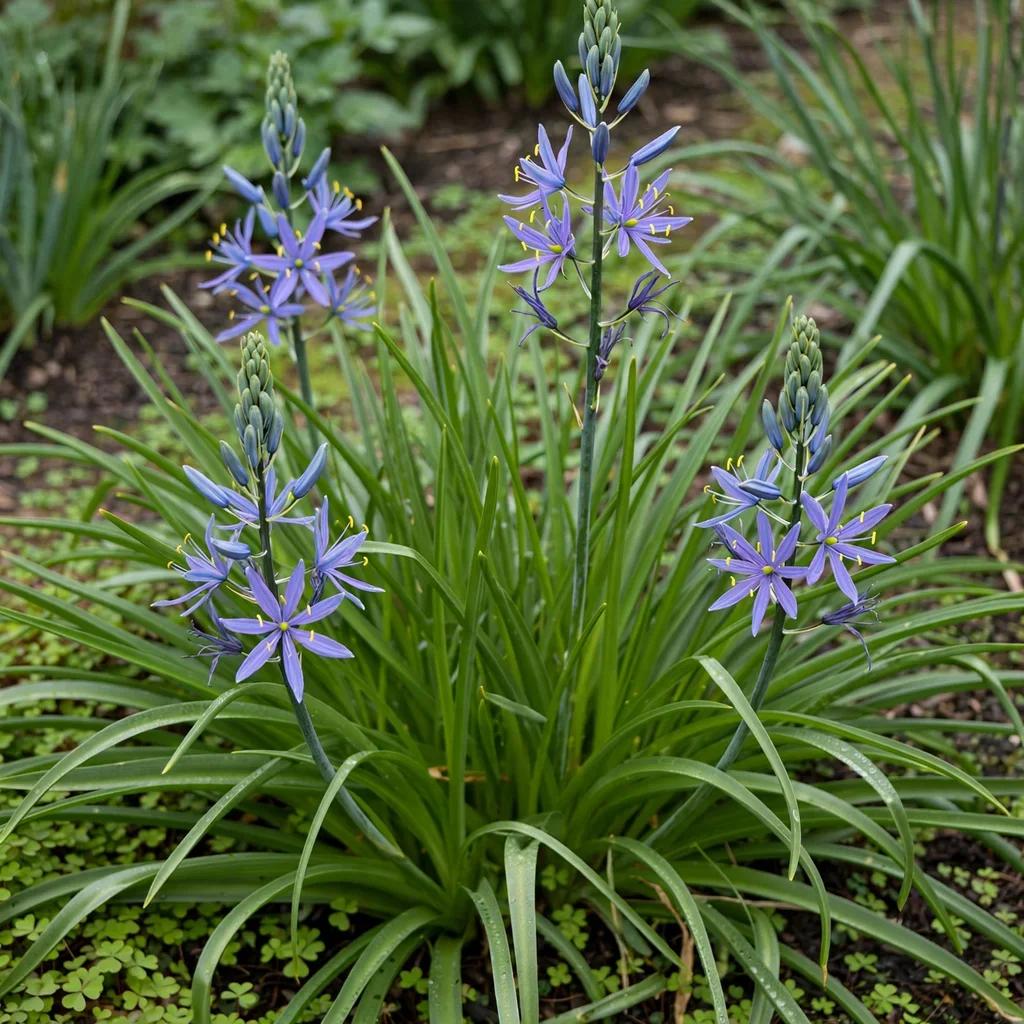
Camas
Ranked by its most-saved matching variety; the full catalog includes 5 varieties. Starry blue flower spikes naturalize in moisture-retentive meadows and borders.
Zones 4–9All 5 varieties →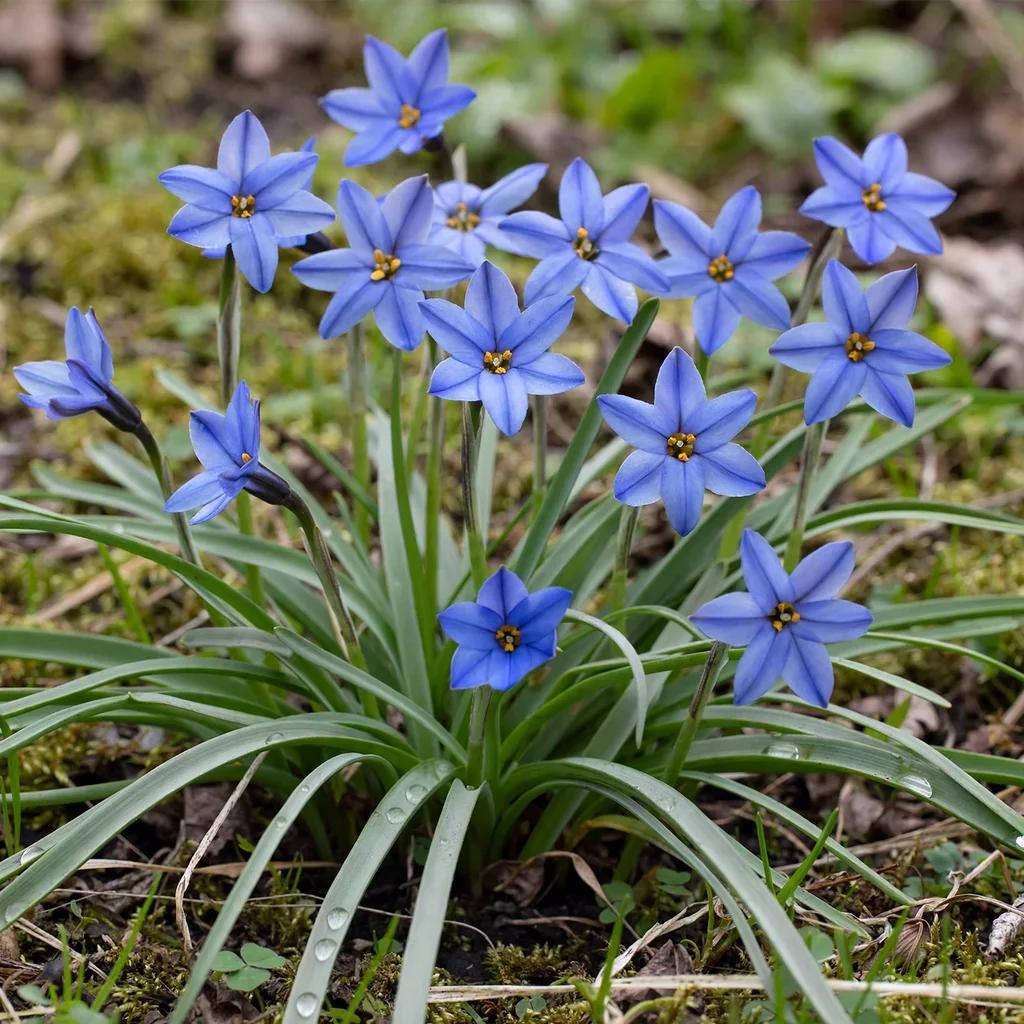
Starflower
Ranked by its most-saved matching variety; the full catalog includes 4 varieties. Starry, sweetly scented flowers spread into an easy early-spring colony.
Zones 5–9All 4 varieties →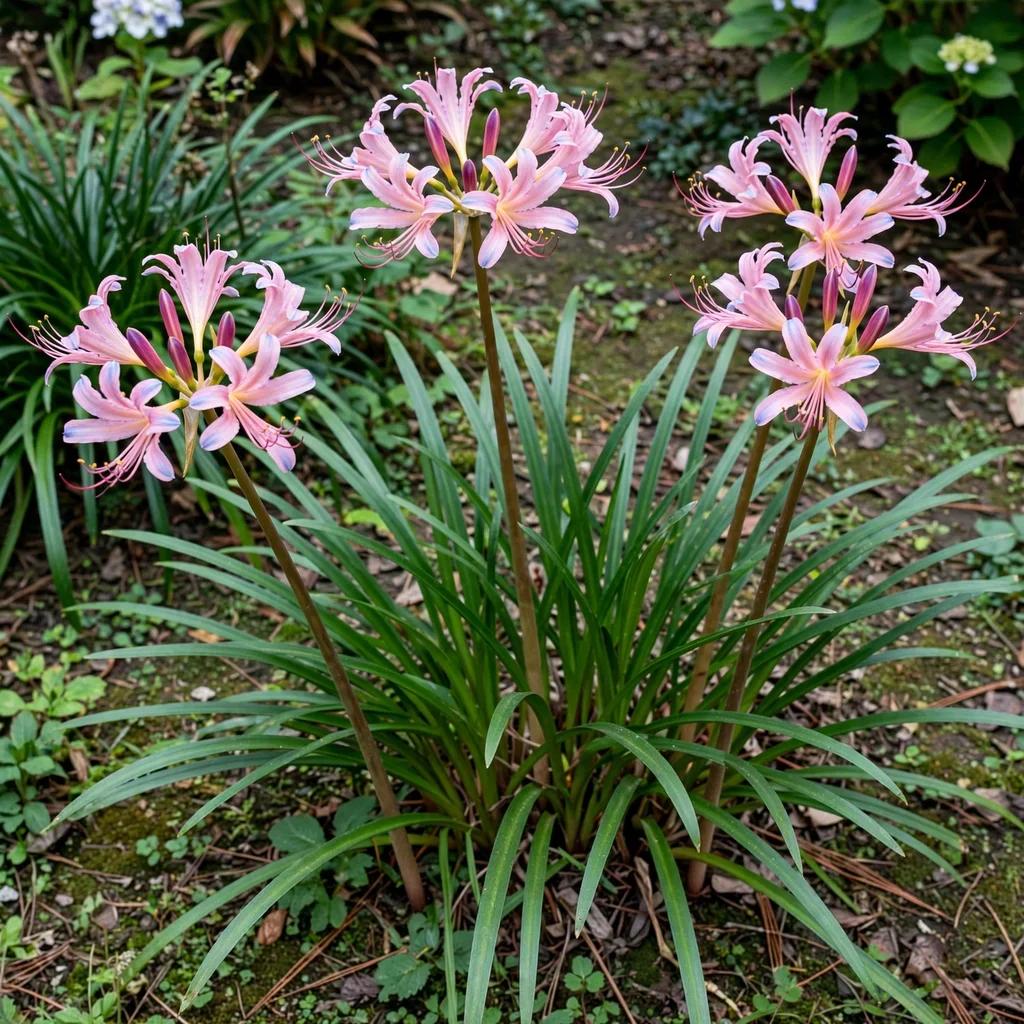
Surprise Lily
Ranked by its most-saved matching variety; the full catalog includes 29 varieties. Bare flower stalks appear seemingly overnight, well after the foliage has vanished.
Zones 5–9All 29 varieties →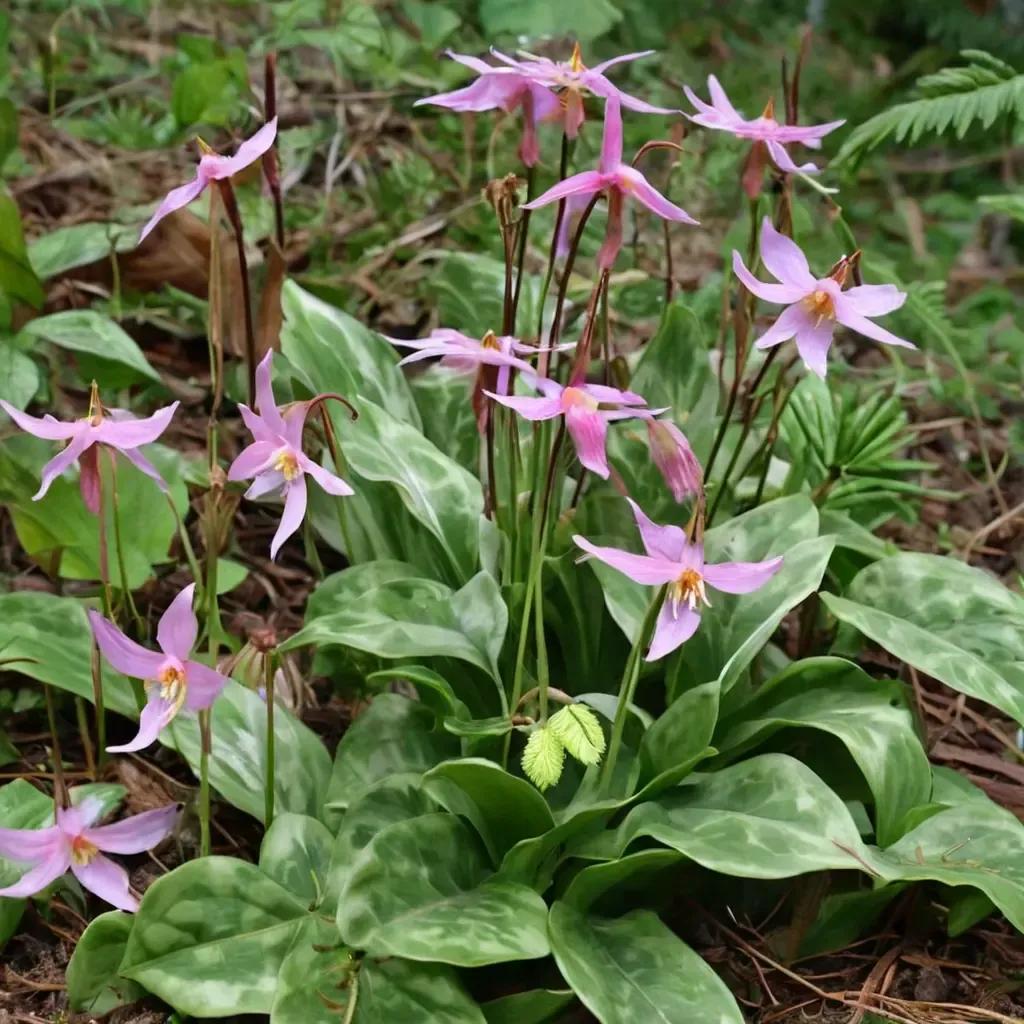
Trout Lily
Ranked by its most-saved matching variety; the full catalog includes 9 varieties. Reflexed spring flowers rise above mottled leaves, then rest quietly by summer.
Zones 5–9All 9 varieties →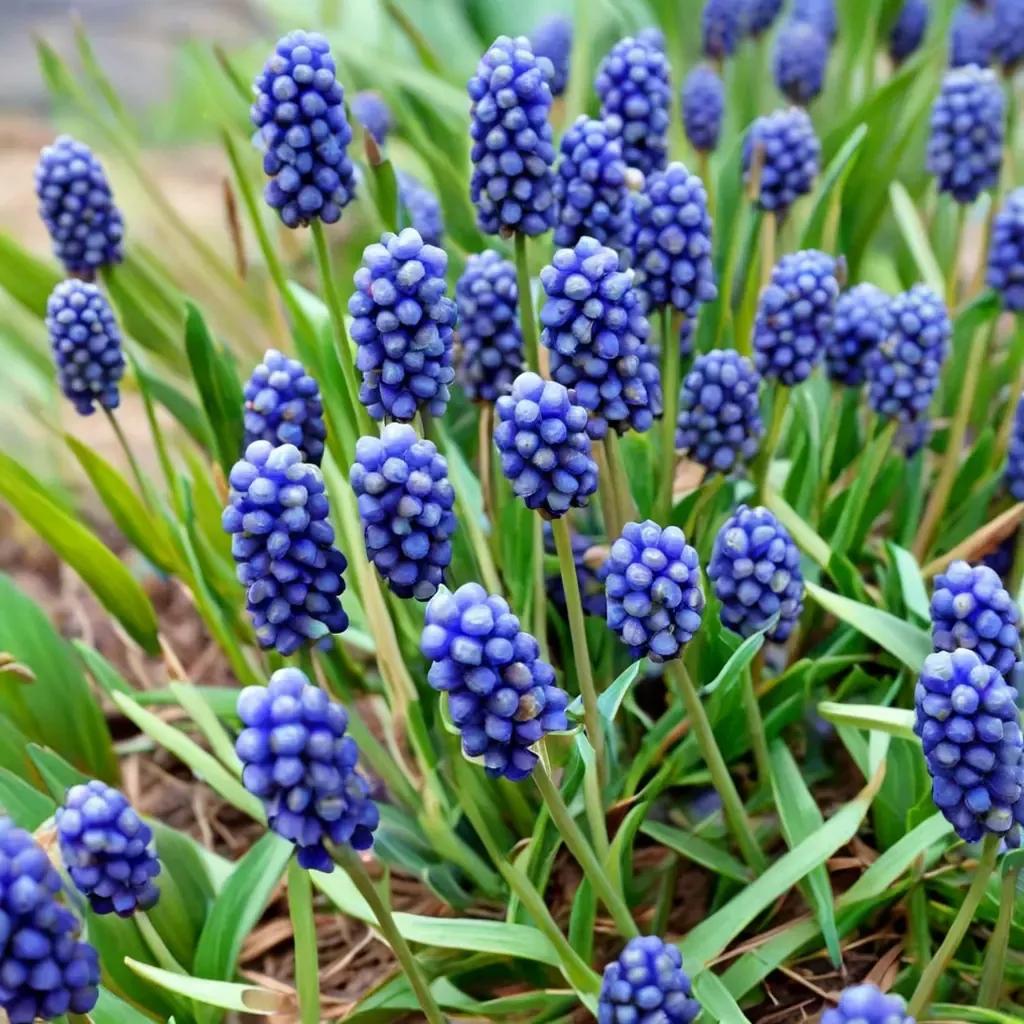 11
11Muscari
Grape Hyacinth
Ranked by its most-saved matching variety; the full catalog includes 8 varieties. Dense blue flower clusters multiply into cheerful ribbons along spring borders.
Zones 4–9All 8 varieties → 12
12Cyclamen
Ranked by its most-saved matching variety; the full catalog includes 20 varieties. Its representative is notable for being dry-spell tolerant and usually passed over by deer.
Zones 5–9All 20 varieties → 13
13Iris
Ranked by its most-saved matching variety; the full catalog includes 258 varieties. Sword-like leaves and intricate flowers give beds a strong architectural rhythm.
Zones 5–9All 258 varieties → 14
14Begonia
Ranked by its most-saved matching variety; the full catalog includes 51 varieties. Its representative is notable for being usually passed over by deer and summer to fall flowering.
Zones 9–10All 51 varieties →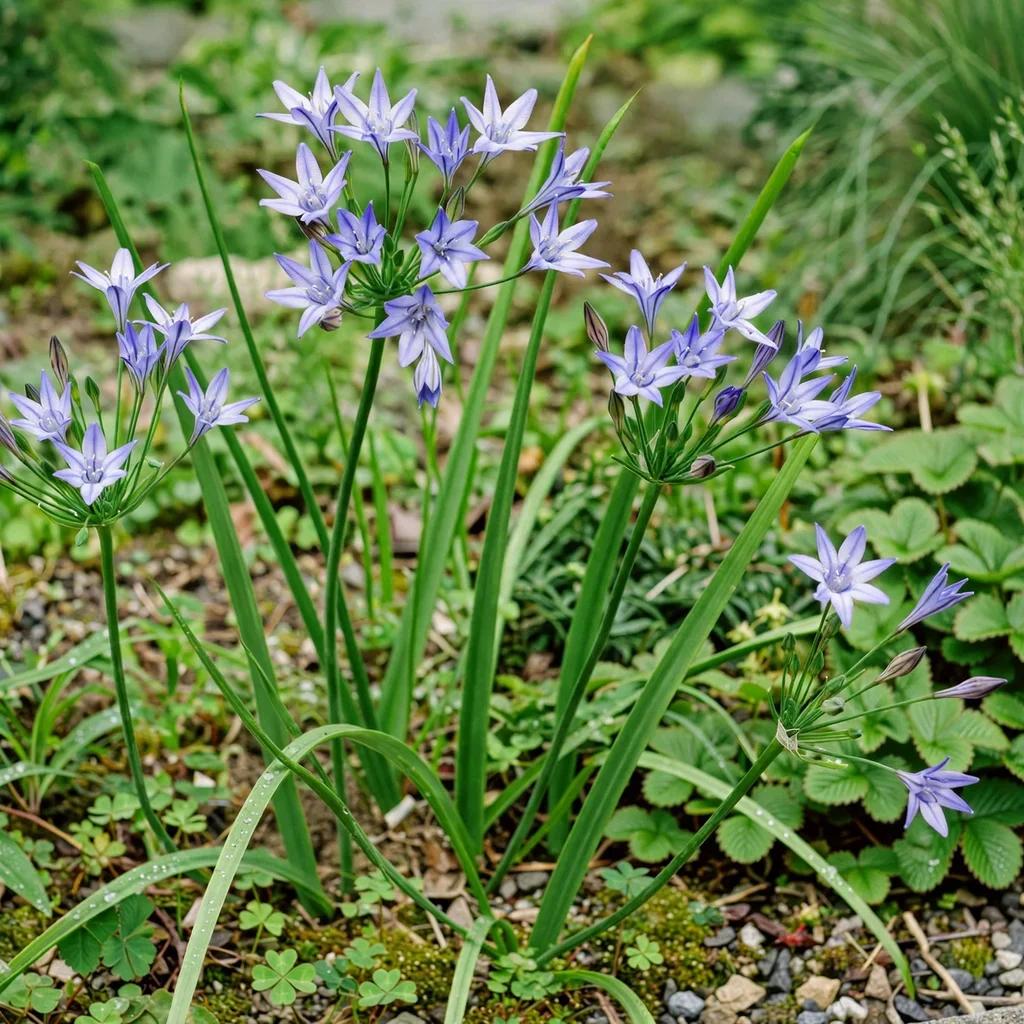
Triplet Lily
Ranked by its most-saved matching variety; the full catalog includes 3 varieties. Its representative is notable for being dry-spell tolerant and usually passed over by deer.
Zones 6–10All 3 varieties →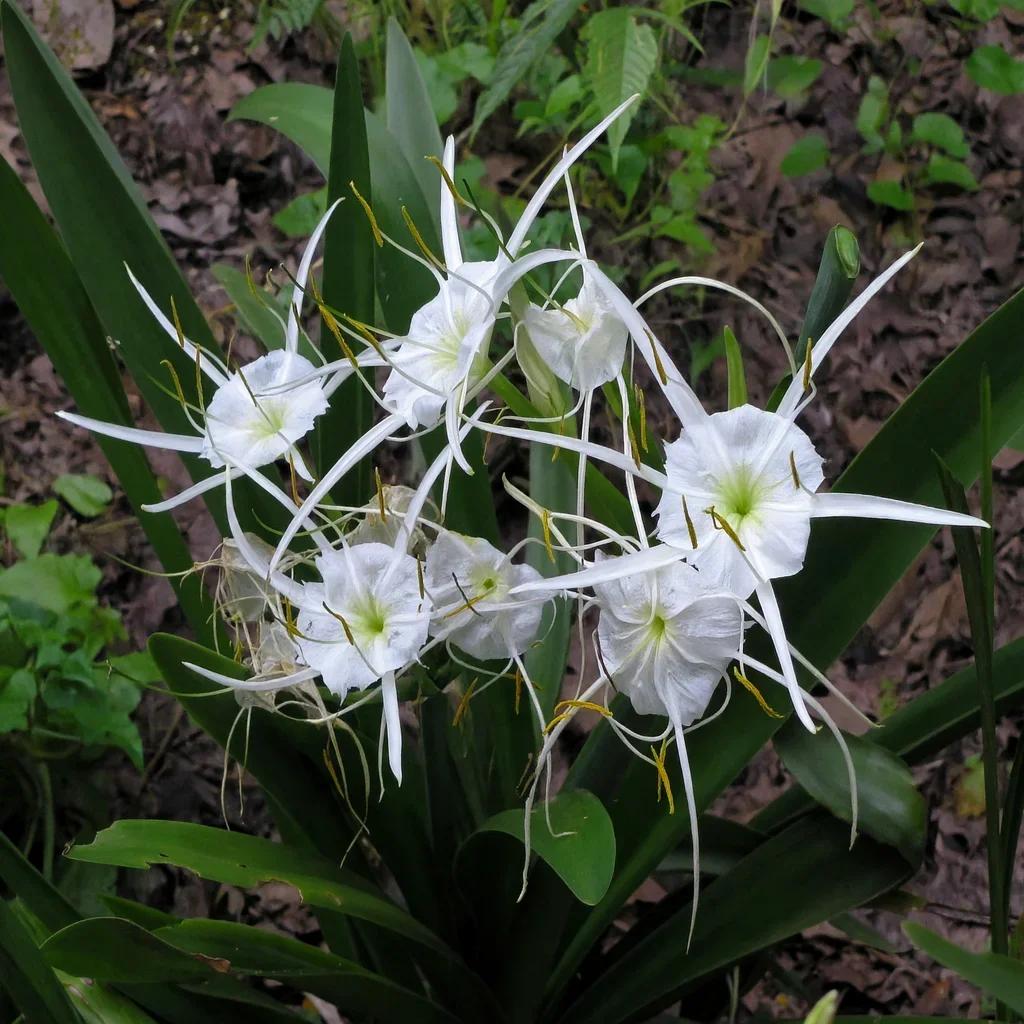
Spider Lily
Ranked by its most-saved matching variety; the full catalog includes 11 varieties. Its representative is notable for being mid-spring flowering and easy-care.
Zones 6–10All 11 varieties →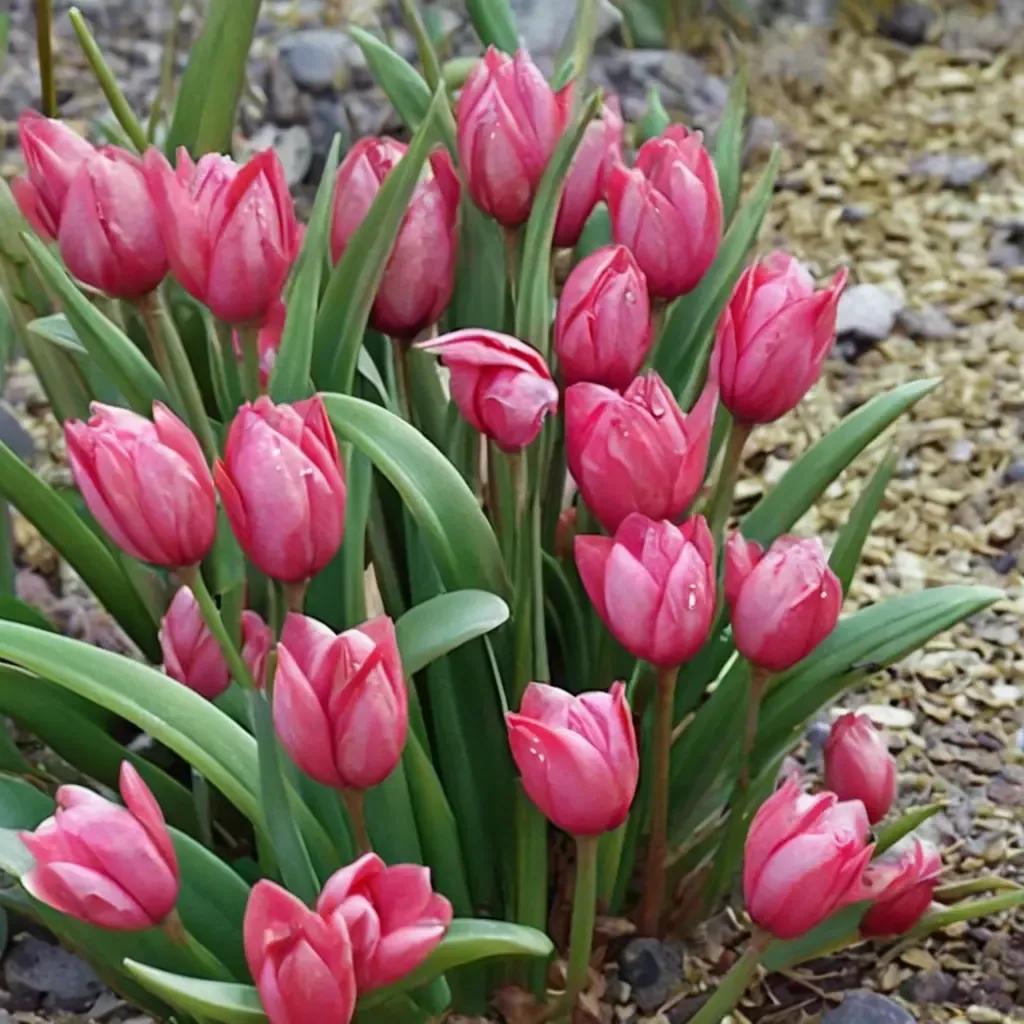 17
17Tulipa
Tulip
Ranked by its most-saved matching variety; the full catalog includes 184 varieties. Clear silhouettes and an unmatched color range make tulips spring's boldest punctuation.
Zones 4–9All 184 varieties → 18
18Crinum
Crinum Lily
Ranked by its most-saved matching variety; the full catalog includes 35 varieties. Large, fragrant lily-like flowers rise from durable clumps in warm gardens.
Zones 5–9All 35 varieties →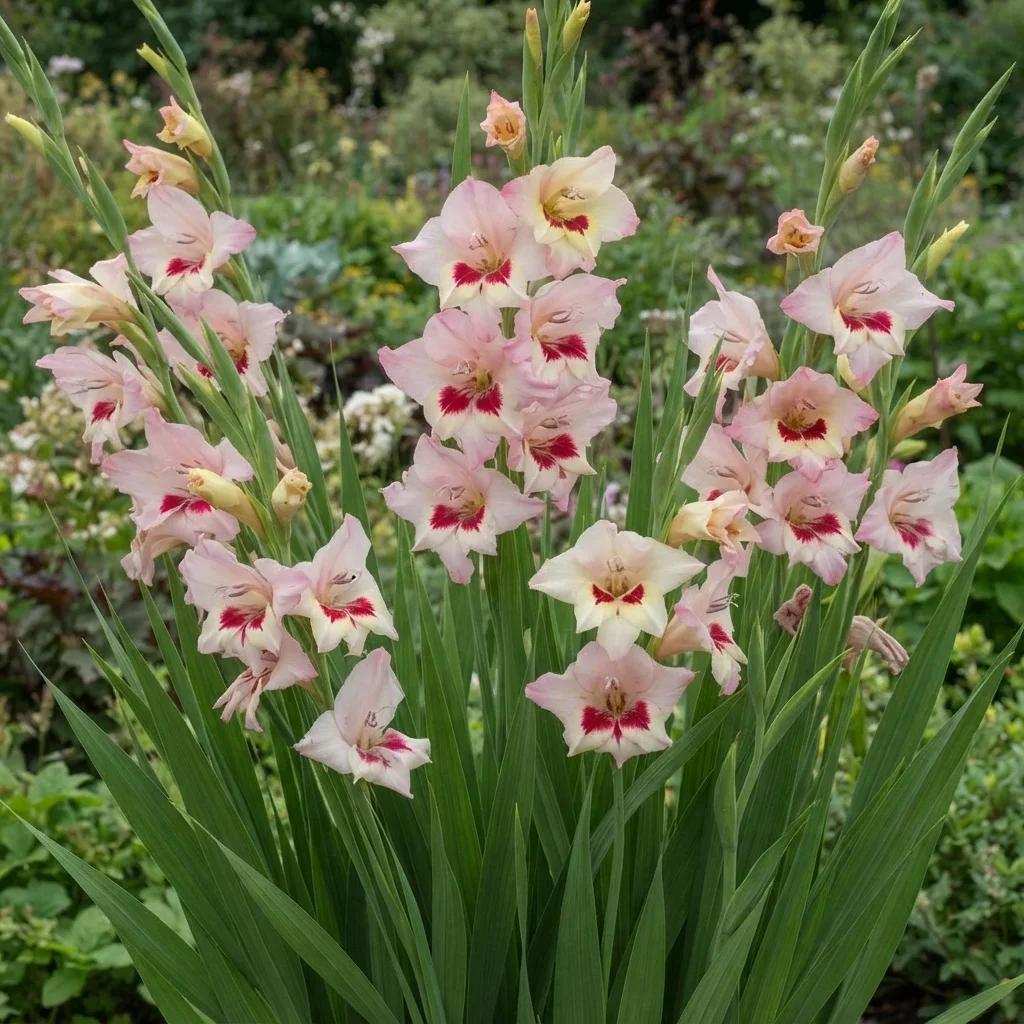
Ranked by its most-saved matching variety; the full catalog includes 15 varieties. Tall, orderly flower spikes deliver clean vertical color for gardens and cutting.
Zones 5–10All 15 varieties →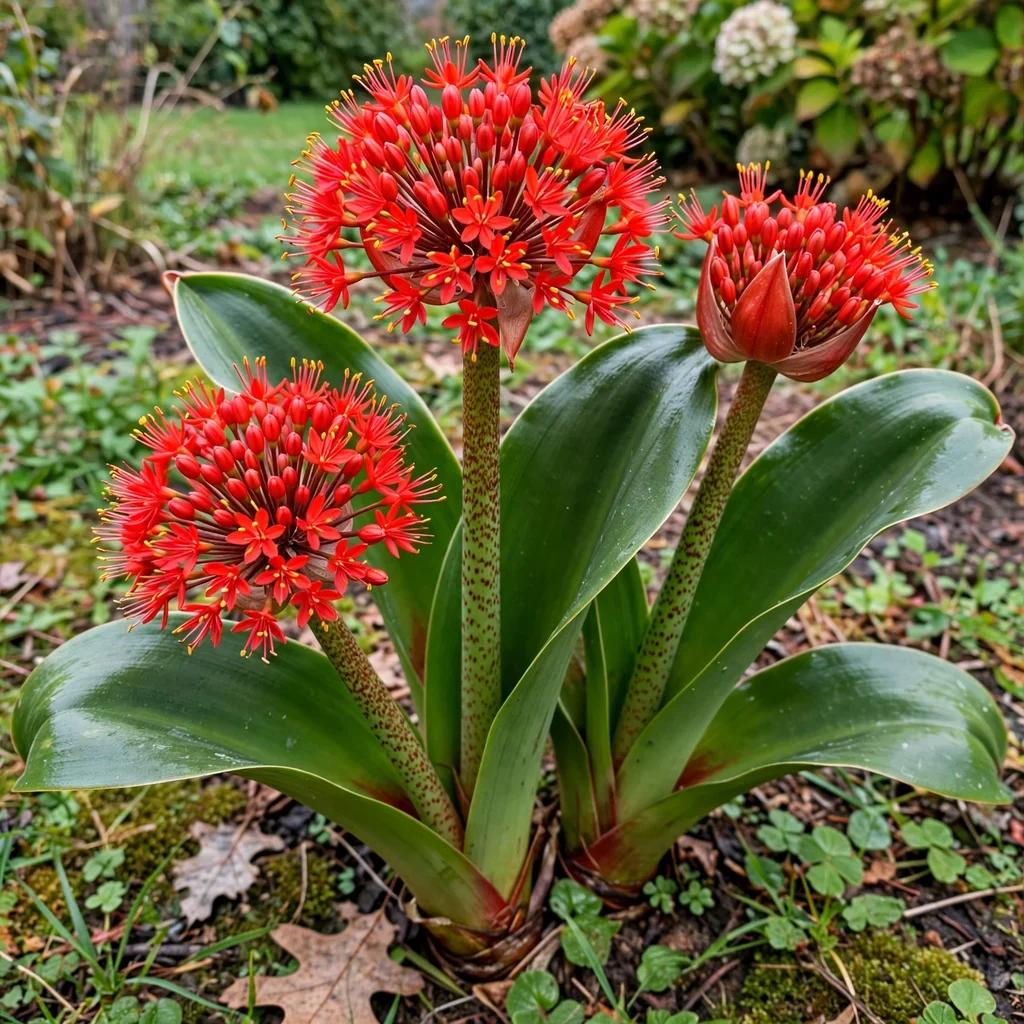
Blood Lily
Ranked by its most-saved matching variety; the full catalog includes 1 variety. Its representative is notable for being dry-spell tolerant and usually passed over by deer.
Zones 8–10All 1 variety →
About this list
How was this the most popular flowering bulbs in zone 9 list ranked?
A plant must first match the catalog filters named in the title. Each genus is represented and ranked by its most-saved matching variety, so genera with many cultivars do not receive an automatic advantage.
Are all of these hardy in Zone 9?
Yes — every plant on this list is rated for Zone 9. Plants that could not survive a Zone 9 winter were excluded before ranking.
When do I plant flowering bulbs?
Spring bloomers (tulips, daffodils, crocus) go in during fall, after the soil cools; summer bloomers (dahlias, lilies, gladiolus) go in during spring once frost has passed. Depth is roughly three times the bulb’s height.
Why did my bulbs not come back?
Usually one of three things: they were tender types dug up too late, they’re “bloom once” hybrid tulips (treat as annuals), or the foliage was cut too early — leaves must yellow naturally to recharge the bulb for next year.
Track these in your garden
Save the ones you plant and get care reminders timed to Zone 9.
Keep exploring
More popularity lists
- Most Popular Perennials for Shade
- Most Popular Deer-Resistant Perennials
- Most Popular Plants Tagged for Pollinators
- Most Popular Drought-Tolerant Plants
- Most Popular Flowering Shrubs
- Most Popular Groundcovers for Shade
- Most Popular Privacy Shrubs and Screening Plants
- Most Popular North American Native Perennials