Quick answer
Plant tulip bulbs in fall. Where the ground freezes (Zones 3–7), plant from five weeks before your median first fall frost until that date, once soil at bulb depth stays below 60°F (16°C); in Minnesota that is mid-September to mid-October. Georgia plants unchilled bulbs from October to late December. In Texas, Florida and around Sacramento, refrigerate bulbs 6 to 16 weeks first and grow them as annuals.
Key facts
- Soil temperature
- Below 60°F (16°C) at 6–8 in (15–20 cm); 50–55°F (10–13°C) is ideal in the North
- Regional months
- Mid-Sep–mid-Oct in Minnesota, Sep–Oct in Colorado, Oct in Maryland, Oct–late Dec in Georgia
- Latest planting
- At least 2 weeks before the ground freezes
- Zones 3–7
- From 5 weeks before the median first fall frost to that date
- Cold needed
- 12–16 weeks for most spring bulbs; 6–10 weeks of refrigeration in Texas and around Sacramento
- Depth and spacing
- 6–8 in (15–20 cm) to the bulb's base; 4–6 in (10–15 cm) apart
- Warm-winter gardens
- Refrigerate 6–16 weeks; plant late Oct (Sacramento) to early Jan (Gulf Coast)
- Hardiness as dormant bulbs
- USDA Zones 3–8
Plant tulips in fall, after the soil at bulb depth has cooled below 60°F (16°C) and while there are still at least two weeks of rooting weather left before the ground freezes. The soil thermometer sets the start; the calendar only tells you when to begin checking. In practice that is mid-September to mid-October in Minnesota, September and October in Colorado, October in Maryland, and October through late December in Georgia.
Where winters are too mild to chill a bulb properly, from Dallas and Houston to Sacramento and Florida, the sequence changes. The bulbs spend 6 to 16 weeks in a refrigerator first, then go into the ground anywhere from late October around Sacramento to early January on the Gulf Coast.
Tulip planting dates by city
In Zones 3 to 7, each window in the Plant bulbs column opens five weeks before the city's median first fall frost and closes on that date. In Minneapolis, that lines up with Minnesota's mid-September to mid-October planting season. Fargo, Denver and Salt Lake City follow their regional months instead, and the Zone 8 and 9 cities follow their regional calendars. Start checking soil temperature when a window opens. The second column applies only where winter cannot chill the bulbs on its own.
| City (USDA zone) | Median last frost | Median first frost | Plant bulbs | Plant pre-chilled bulbs |
|---|---|---|---|---|
| Fargo, ND (4a) | May 10 | Sep 30 | Mid-Sep – mid-Oct | Not needed (winter chills bulbs) |
| Minneapolis, MN (5a) | Apr 23 | Oct 18 | Sep 13 – Oct 18 | Not needed (winter chills bulbs) |
| Chicago, IL (5b) | Apr 16 | Oct 28 | Sep 23 – Oct 28 | Not needed (winter chills bulbs) |
| Denver, CO (6a) | May 5 | Oct 9 | Sep – Oct (late Sep best) | Not needed (winter chills bulbs) |
| Detroit, MI (6b) | Apr 20 | Oct 27 | Sep 22 – Oct 27 | Not needed (winter chills bulbs) |
| Kansas City, MO (6b) | Apr 13 | Oct 24 | Sep 19 – Oct 24 | Not needed (winter chills bulbs) |
| Boston, MA (7a) | Apr 4 | Nov 9 | Oct 5 – Nov 9 | Not needed (winter chills bulbs) |
| Salt Lake City, UT (7b) | Apr 8 | Oct 31 | Late Sep – Oct | Not needed (winter chills bulbs) |
| New York, NY (7b) | Mar 30 | Nov 20 | Oct 16 – Nov 20 | Not needed (winter chills bulbs) |
| Nashville, TN (7b) | Mar 31 | Nov 3 | Sep 29 – Nov 3 | Not needed (winter chills bulbs) |
| Raleigh, NC (8a) | Mar 31 | Nov 4 | Oct – Nov | Not needed (winter chills bulbs) |
| Atlanta, GA (8a) | Mar 15 | Nov 20 | Oct – late Dec | Not needed (winter chills bulbs) |
| Dallas-Fort Worth, TX (8b) | Mar 8 | Nov 24 | Pre-chill first; see next column | Early – mid Dec (pre-chill 6–10 weeks) |
| Seattle, WA (9a) | Mar 2 | Nov 23 | Oct – Nov (to mid-Dec if soil is workable) | Not needed (winter chills bulbs) |
| Sacramento, CA (9b) | Feb 2 | Dec 2 | Pre-chill first; see next column | Late Oct – late Nov (pre-chill 6–10 weeks) |
| Houston, TX (9b) | Feb 13 | Dec 9 | Pre-chill first; see next column | Mid-Dec – early Jan (pre-chill 6–10 weeks) |
Frost dates are the 50% probability dates for a 32°F (0°C) freeze in NOAA 1991–2020 climate normals, measured at each city's main airport station (Central Park for New York); zones are from the 2023 USDA map at those stations. In half of years the last frost falls later than the date shown.
For a town not listed in Zones 3 to 7, look up your median first fall frost date and count back five weeks to find when to start checking the soil. Plant once soil 6 to 8 inches (15 to 20 cm) down reads below 60°F (16°C), and aim to finish by the frost date. In the high, dry West and in Zone 8 and warmer, follow the regional months below.
Why tulips wait for cool soil
Tulips need a long spell of cold to flower, and they need roots in place before that cold arrives. Most spring bulbs need 12 to 16 weeks of cold. In Texas and around Sacramento, 6 to 10 weeks in the refrigerator, followed by cool winter soil, is enough for one season of tulips. That is why the bulbs go in during fall, and why winter itself does the chilling across most of the country.
Roots are the reason for the deadline. A bulb planted into cool, workable soil spends the last weeks of fall growing roots, and it has to finish that before the soil freezes. Allow at least two weeks between planting and freeze-up.
The temperature limit works as a ceiling, not a floor. Plant once soil at bulb depth stays below 60°F (16°C). In northern gardens, 50 to 55°F (10 to 13°C) is the sweet spot, as long as the soil is not frozen. A single cold morning does not count. Check a soil thermometer at bulb depth for several days running before you dig, because a warm spell can push the reading back up.
Heat, not cold, is what tulips handle poorly. They lose vigor once soil reaches 70°F (21°C) and do best where winters are cool and moist and summers warm and dry. As dormant bulbs they are hardy in USDA Zones 3 through 8, which is why they return for years in Minnesota or Utah and fade fast along the Gulf. You can check your hardiness zone by ZIP code.
When to plant tulips by region
Regional months follow the same logic: the colder the fall, the earlier the window opens, and the warmer the winter, the more the refrigerator has to do.
| Region | Planting months | Pre-chill? | Watch for |
|---|---|---|---|
| Upper Midwest, northern Plains (Zones 3–5) | Mid-Sep to mid-Oct; later while the soil can be dug | No | Ground freezing early |
| Rockies, Intermountain West | Sep–Oct, late Sep best | No | Poor rooting after October |
| Lower Midwest, New England, New York City | Mid-Sep to mid-Nov, latest near the coast | No | Wet clay shortens hybrid life |
| Maryland | October | No | Planting too shallow |
| Pacific Northwest, west of the Cascades | Oct–Nov, to mid-Dec if workable | No | Waterlogged winter soil |
| Georgia and NC Piedmont (Zones 7b–8a) | Oct–Nov; Georgia to late Dec | Only in the mildest areas | Hybrids decline after year one |
| Central and coastal SC, Texas, Gulf Coast | Dec to early Jan | Yes, 6–16 weeks | Warm nights in early winter |
| Sacramento area and Sierra foothills | Halloween to Thanksgiving | Yes, 6–10 weeks | Wet soil in summer dormancy |
| Florida (Zones 8b–11) | Winter | Yes, 2–4 months | Bulbs sold unchilled |
Planting months for fall-planted tulips by region; pre-chilled bulbs go in only after their full time in the refrigerator.
West of the Cascades, cold is never short but drainage is. Winter rain that pools around a bulb rots it, so raised beds or berms matter more there than the exact week.
Around Sacramento and the Sierra foothills, winters rarely give 6 to 10 straight weeks at 40°F (4°C) or below, and the bulbs also need a dry summer dormancy. Plant them where they stay dry in summer, or lift them after the foliage dies.
Pre-chilling tulips in warm-winter gardens
If your winter cannot supply the cold, a refrigerator can. Chill bulbs in Texas, along the Gulf Coast, in central and coastal South Carolina, in Florida and around Sacramento. Skip it farther north, in the Piedmont from Raleigh to Atlanta, and west of the Cascades.
Chilling times differ by region: 6 to 10 weeks in Texas and around Sacramento, 12 to 16 weeks in central and coastal South Carolina and the mildest parts of Georgia, and two to four months in Florida. Hold the bulbs near 40°F (4°C) in ventilated paper or mesh bags in a crisper or the bottom of the refrigerator, and check the label first, since some bulbs are sold already pre-cooled.
Count the weeks back from your planting date. For a December 10 planting with 10 weeks of chill, the bulbs go into the refrigerator on October 1. In Texas, they come out and go straight into the ground in early to mid-December, after nights have stayed below 50°F (10°C) for several weeks.
Never chill bulbs in a drawer with apples, tomatoes, lettuce or other fruit and produce. The ethylene gas they release can stop the flower inside the bulb from developing, so you get leaves and no bloom. Use an empty drawer or a separate refrigerator.
Pre-chilled tulips in the South give one season of flowers and seldom bloom again. Plan on fresh bulbs each fall rather than expecting them to return.
How to plant tulip bulbs
Plant into a sunny, well-drained bed, at about three times the bulb's height, in groups rather than rows.
How deep and how far apart to plant tulip bulbs
Set tulip bulbs with their base 6 to 8 inches (15 to 20 cm) below the soil surface, about three times the bulb's own height, and 4 to 6 inches (10 to 15 cm) apart. Measure to the bottom of the bulb, not its tip; the largest bulbs go to the full 8 inches (20 cm).
Adjust for soil. In light, sandy soil, go 1 to 2 inches (2.5 to 5 cm) deeper; in heavy clay, set them 1 to 2 inches shallower. Deep planting also discourages the bulb from splitting into small offsets and keeps it flowering well for several years. Shallow planting invites frost heaving, which lifts bulbs to the surface during freeze-thaw cycles. Small species tulips sit shallower than the big hybrids.
Use the closer spacing for a dense block of color, and up to 8 inches (20 cm) for a looser drift. Plant in clusters of at least five to seven bulbs of one color, in odd numbers, rather than a single line along a path. For combinations with later bulbs and perennials, see designing with spring bulbs.
Step by step
Buy bulbs in August or September for the best choice, and pick firm ones with intact papery skins and no soft or moldy patches. Keep them dry, dark and cool, around 60 to 65°F (16 to 18°C), until planting day.
- Check the soil temperature. Push a soil thermometer 6 to 8 inches (15 to 20 cm) down and plant once it stays below 60°F (16°C) from day to day, before the ground freezes.
- Choose a sunny, well-drained spot. Pick full sun and soil where water never stands in winter. Avoid beds hard against south- or west-facing walls, where tulips emerge early and frost catches the buds. Use raised beds or berms in wet-winter areas.
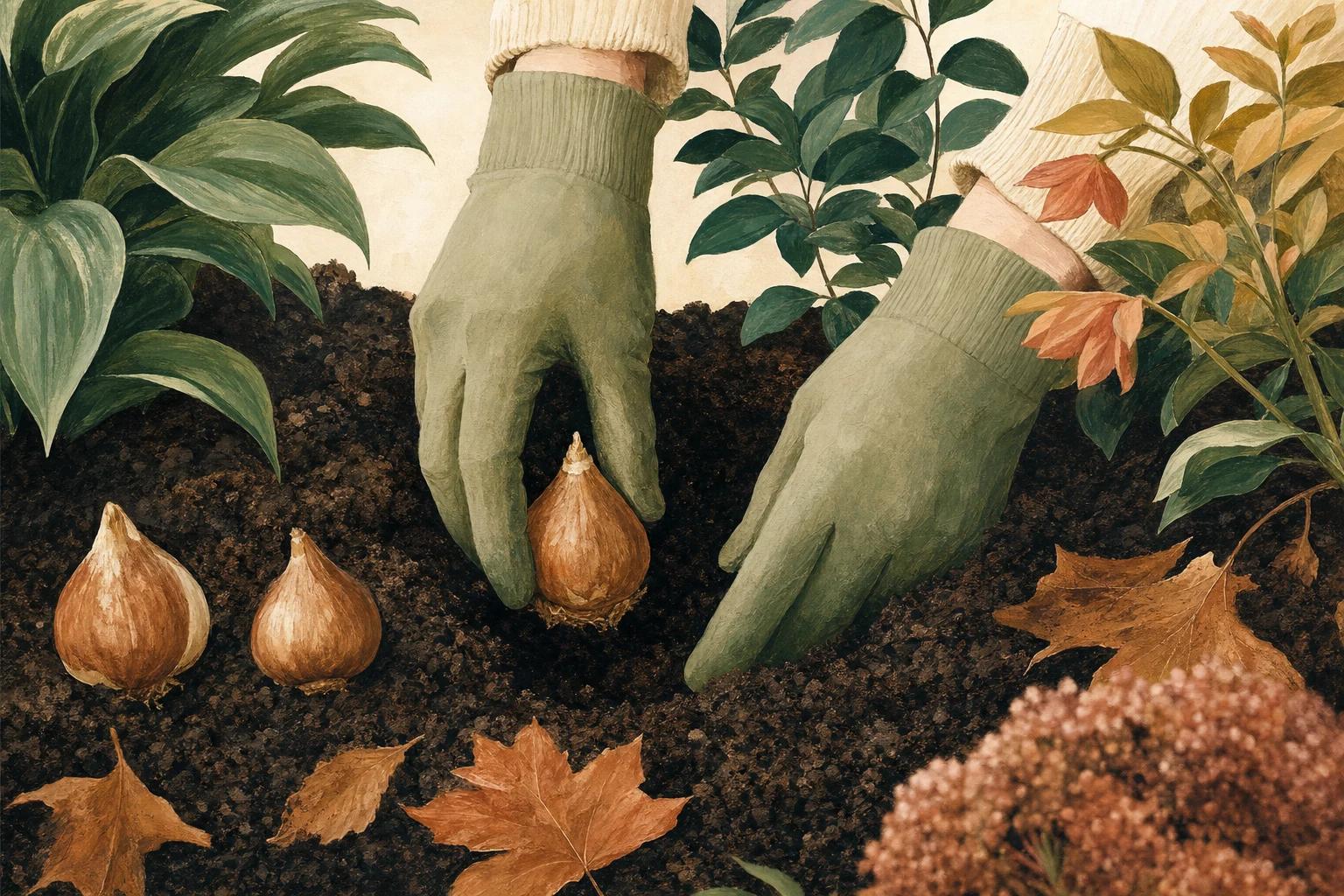
- Dig to depth and set the bulbs. Dig the whole bed or each hole to the depth for your bulb size and soil, work in compost, and set each bulb pointed end up. Where squirrels or voles dig, line the hole with a wire cage first.
- Backfill halfway, soak, then finish. Cover the bulbs with half the soil, water to settle it, then fill the rest. Skip fresh manure, high-nitrogen fertilizer and bone meal.
- Leave the bed alone until it freezes. Do not keep watering a bed that is already moist. Wet soil, not cold, is what rots bulbs over winter.
- Mulch once the ground is frozen. Spread 2 to 3 inches (5 to 8 cm) of shredded leaves, wood mulch or clean straw to stop freeze-thaw cycles from heaving the bulbs, and pull it back in spring as the soil warms.
Tulips are toxic to dogs, cats and horses, and the bulb carries the most toxin. Keep bags of bulbs out of pets' reach, watch dogs that dig in new beds, and wear gloves if your skin reacts to handling them.
Tulip types that come back, and those that don't
The planting window barely shifts between tulip types. What changes is the bloom date and whether the bulb returns. Tulips flower from early to late spring depending on class, so mixing early, midseason and late classes stretches the show from a single fall planting.
| Group | Examples | Returns? | Best fit |
|---|---|---|---|
| Darwin hybrids | Apeldoorn, Golden Apeldoorn, Pink Impression, Parade | Most reliable of the large hybrids | Perennial beds in cold-winter areas |
| Species tulips | T. tarda, T. linifolia, T. greigii, T. kaufmanniana | Longest lived | Long-term plantings in the North |
| Southern species | T. clusiana, T. saxatilis, T. eichleri | Can naturalize in the South | Warm-winter gardens |
| Single Late, Lily-flowered, Parrot, Double | Queen of Night, Menton, West Point | Decline sharply from year two | Annual displays, cutting |
Tulip groups by how long they persist; any of them can be planted in the same fall window.
Darwin hybrid tulips such as Apeldoorn, Golden Apeldoorn, Pink Impression, Parade, Olympic Flame and Daydream are the large-flowered tulips most likely to come back. For cold-winter gardens, Couleur Cardinal, Don Quichotte, Orange Emperor, Purissima, Toronto and Showwinner have a track record of flowering for several years.
Species tulips live longest of all. Tulipa tarda, Tulipa linifolia, Tulipa greigii and Tulipa kaufmanniana persist in northern beds where hybrids give out. In the South, lady tulip (Tulipa clusiana), Tulipa saxatilis (including the Bakeri Group selection 'Lilac Wonder') and Tulipa eichleri can naturalize, and a few warm-climate species need little or no winter chill at all.
The showiest late tulips, such as Queen of Night, Menton and the lily-flowered West Point, flower best in their first spring and decline sharply from their second. Treat them as bedding and replant every fall, especially on wet clay. Do not count on any tulip being deer resistant.
Planting too early, too late, or not at all
Early planting gains nothing, and late planting costs less than leaving bulbs in the bag. Soil still above 60°F (16°C) is too warm, so an early September planting in a mild fall simply sits in warm ground.
Late planting is more forgiving in tulips than in most bulbs. They can go in as late as you can still work the soil. The exception is Colorado and similar high, dry country, where bulbs planted after October may not root in time, can flower unevenly and may heave out of the ground during freeze-thaw swings. If you are late, plant at full depth and mulch promptly after freeze-up.
Bulbs bought at end-of-season sales should still be firm. Store them cool, dry and away from fruit, and plant them at the next stretch of workable weather.
If the ground freezes before you get to them, pot them instead. Use containers at least 8 inches (20 cm) deep with drainage holes and a soilless mix, and keep the pots in the dark at 35 to 50°F (2 to 10°C). After 14 to 15 weeks, bring them into warmth, and they will flower in late winter or early spring.
Spring planting is the last resort. Bulbs that spent winter in the bag have missed their chill, so set them out as soon as the ground thaws, expect weak bloom or none that season, and discard any that have gone soft.
Protecting tulip bulbs from squirrels, voles and deer
Buried wire is the most dependable protection. Tulips are among the first bulbs animals find: squirrels and chipmunks dig up new plantings, mice and voles eat bulbs underground, and deer bite off the flowers while leaving the leaves.
For bulbs, bury a cage of 1/2-inch (13 mm) galvanized hardware cloth at planting depth and set the bulbs inside it. For a whole bed, lay chicken wire flat over the soil after planting, pin or weight the edges, and hide it under mulch. Repellents work only while fresh and need reapplying often, especially after rain.
Leave bone meal out of the planting hole. It attracts rodents, which then dig up the bulbs, and most garden soils already hold enough phosphorus; add it only if a soil test shows a shortage.
Where animal pressure is heavy, mix in bulbs they leave alone. Daffodils are poisonous to squirrels, and grape hyacinth, snowdrops, Siberian squill and ornamental alliums are seldom touched. Daffodils share the same fall planting season; see when to plant daffodil bulbs.
After planting: late frost, watering and fading flowers
In spring, light to moderate frost seldom harms tulips that are already up and budding. If a hard frost is forecast, rake the winter mulch back over emerging shoots for the night.
Water through dry spells while the leaves are green, including after bloom. Snap off each faded flower, then leave the leaves until they yellow and wither, at least six weeks, because they rebuild the bulb for next year. Feed lightly as flowers fade only if you are keeping the bulbs as perennials, and avoid high-nitrogen fertilizer.
Plantings kept as perennials do best with lifting and dividing every three to four years, done in midsummer after the foliage has died back. For care through the rest of the year, see the tulip growing guide, and sketch where next fall's drifts will go in Sow's design studio.
From the Sow catalog
Planting times in the Sow catalog
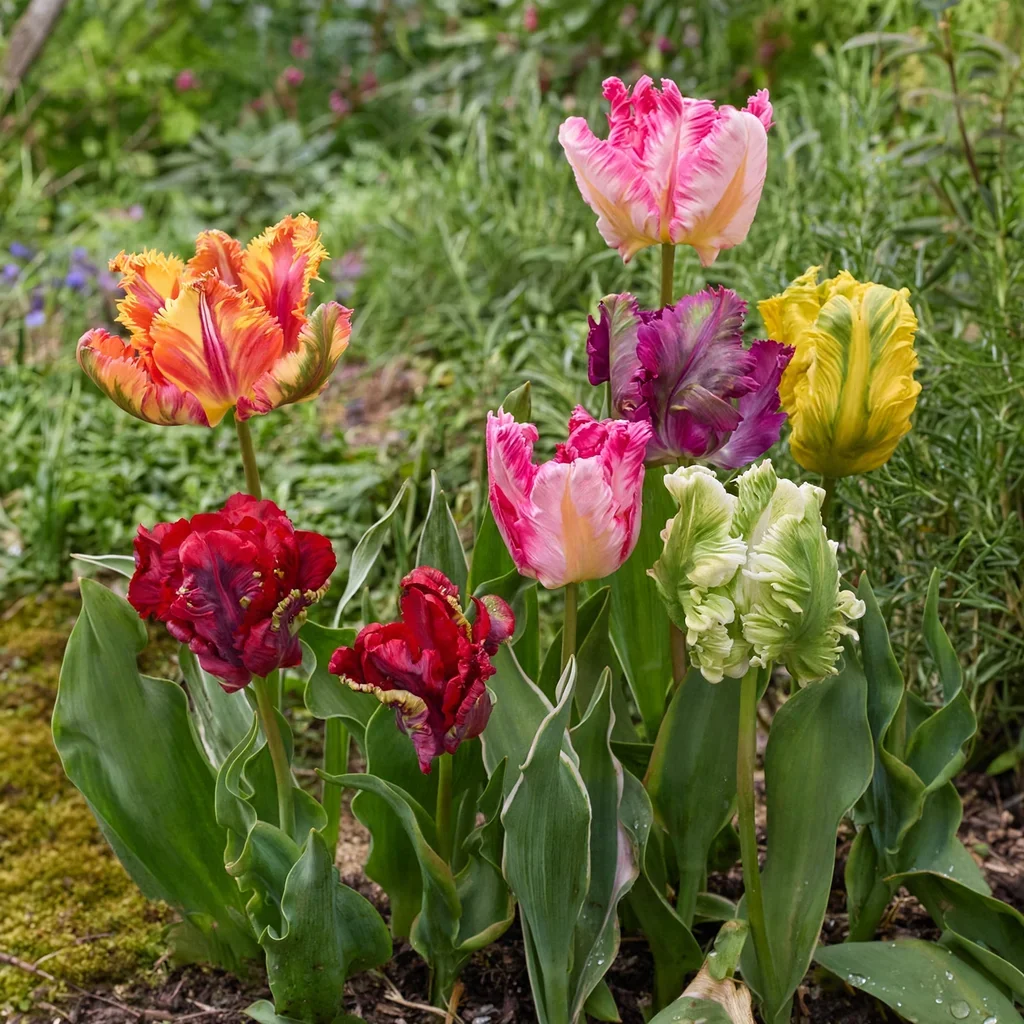
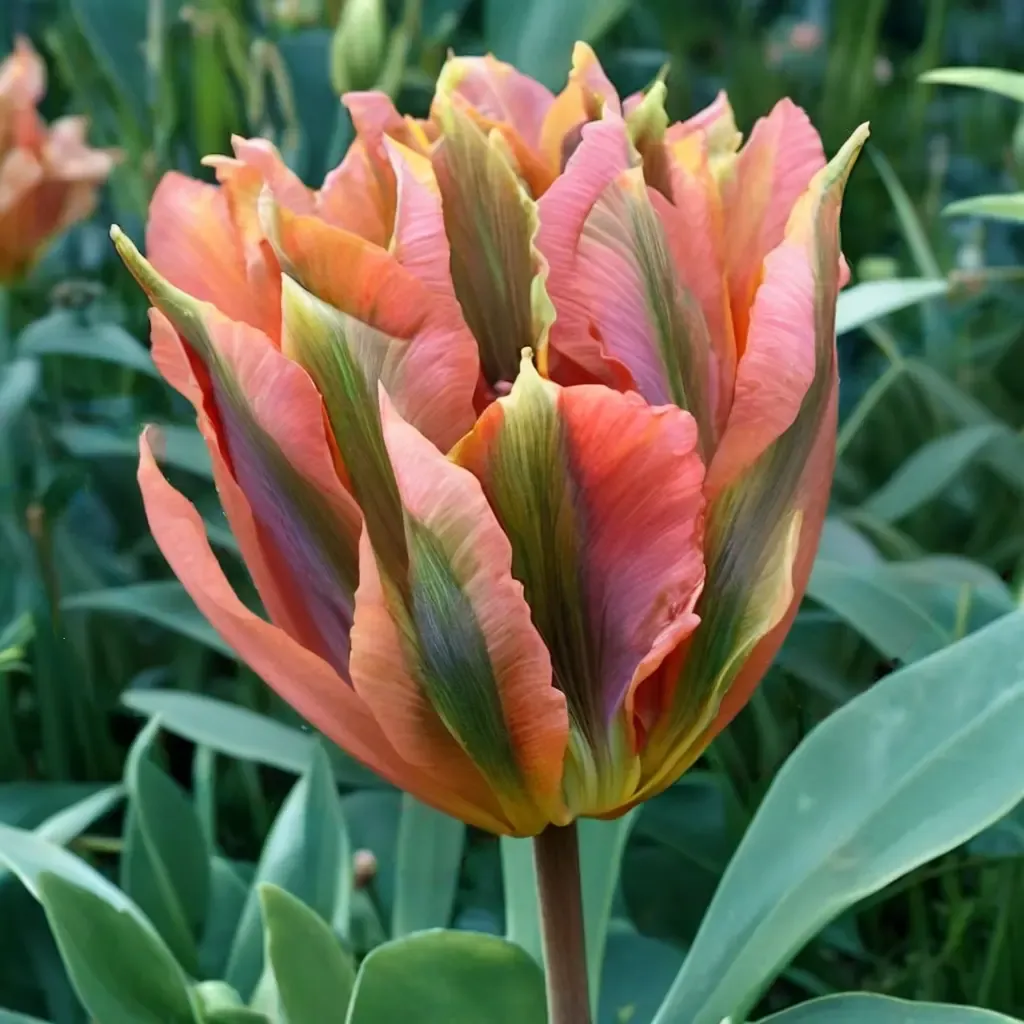
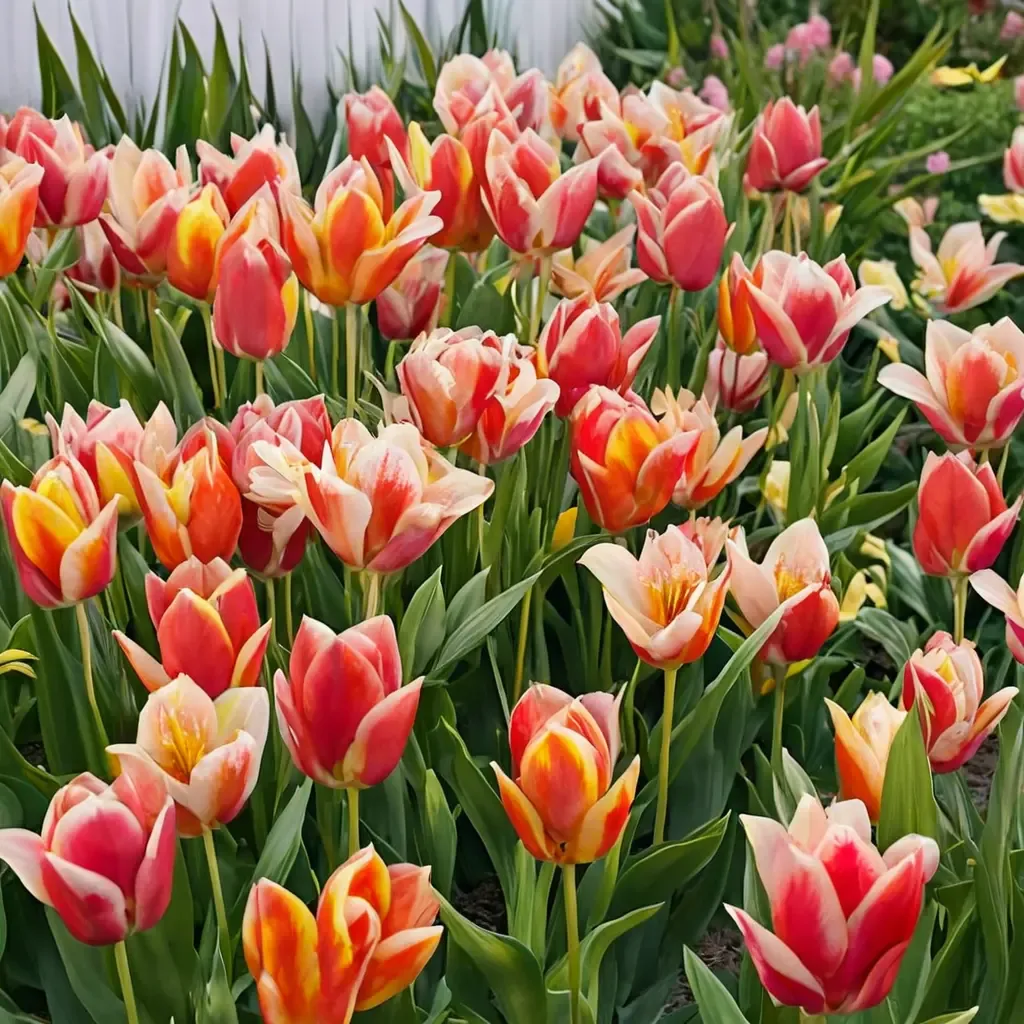
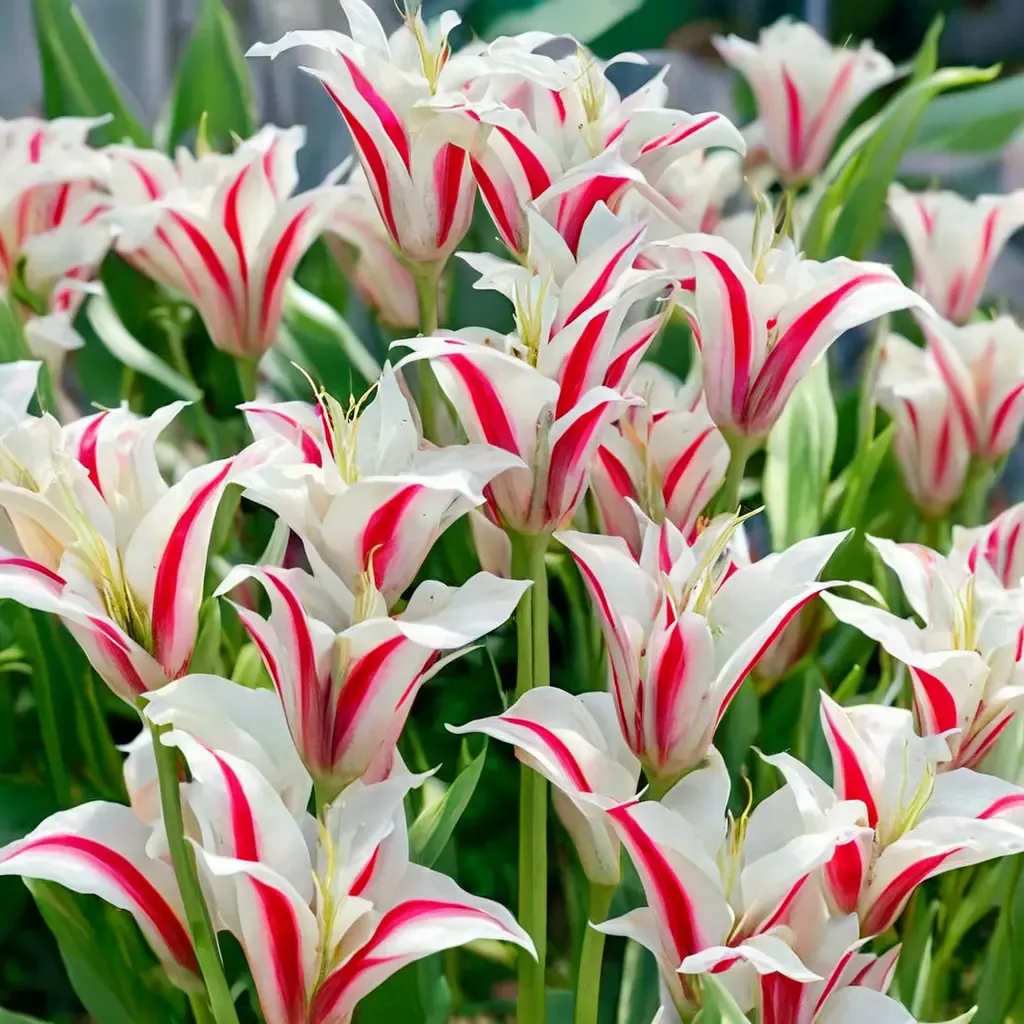
Sow tracks 184 Tulipa varieties, hardy across USDA Zones 4 to 10 between them. These are the 8 gardeners save most. Each one opens its own page with its zone range, sun, mature size and, where a nursery lists it, today's price.
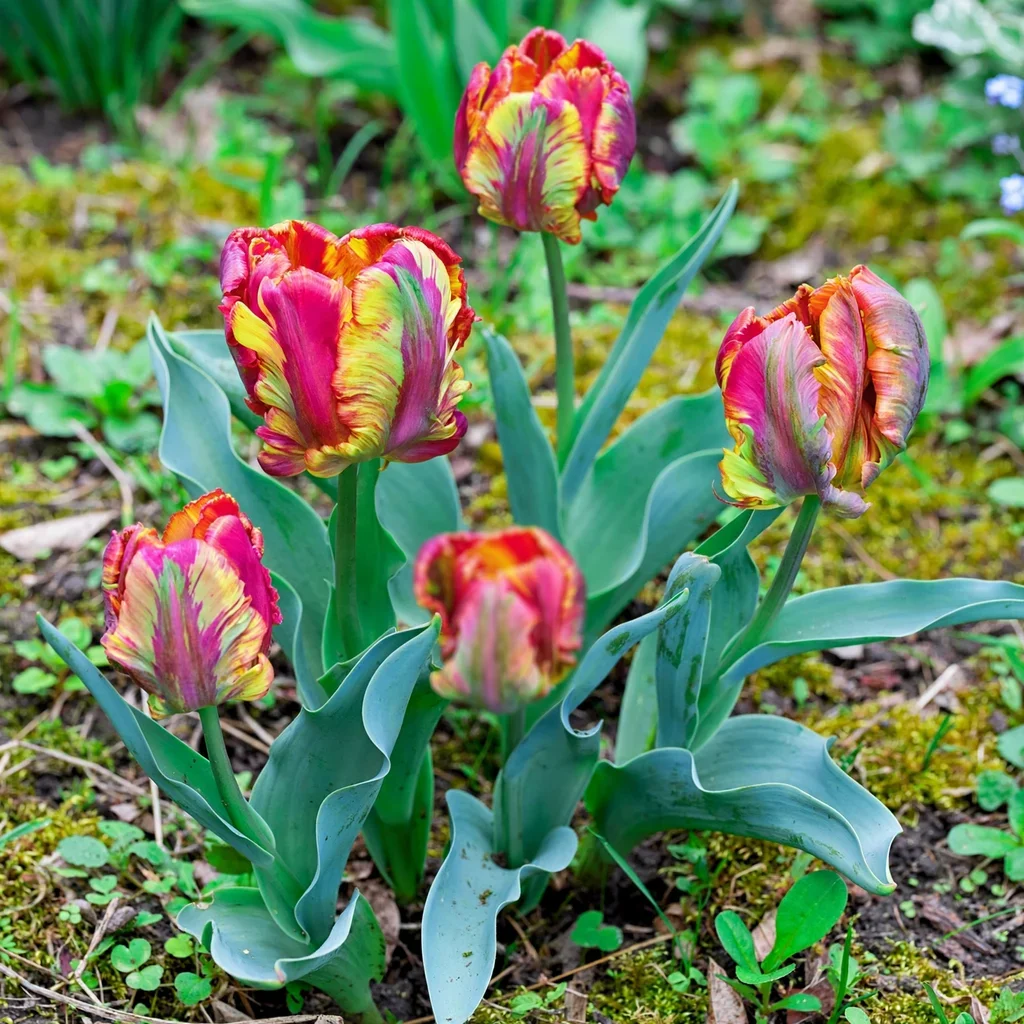
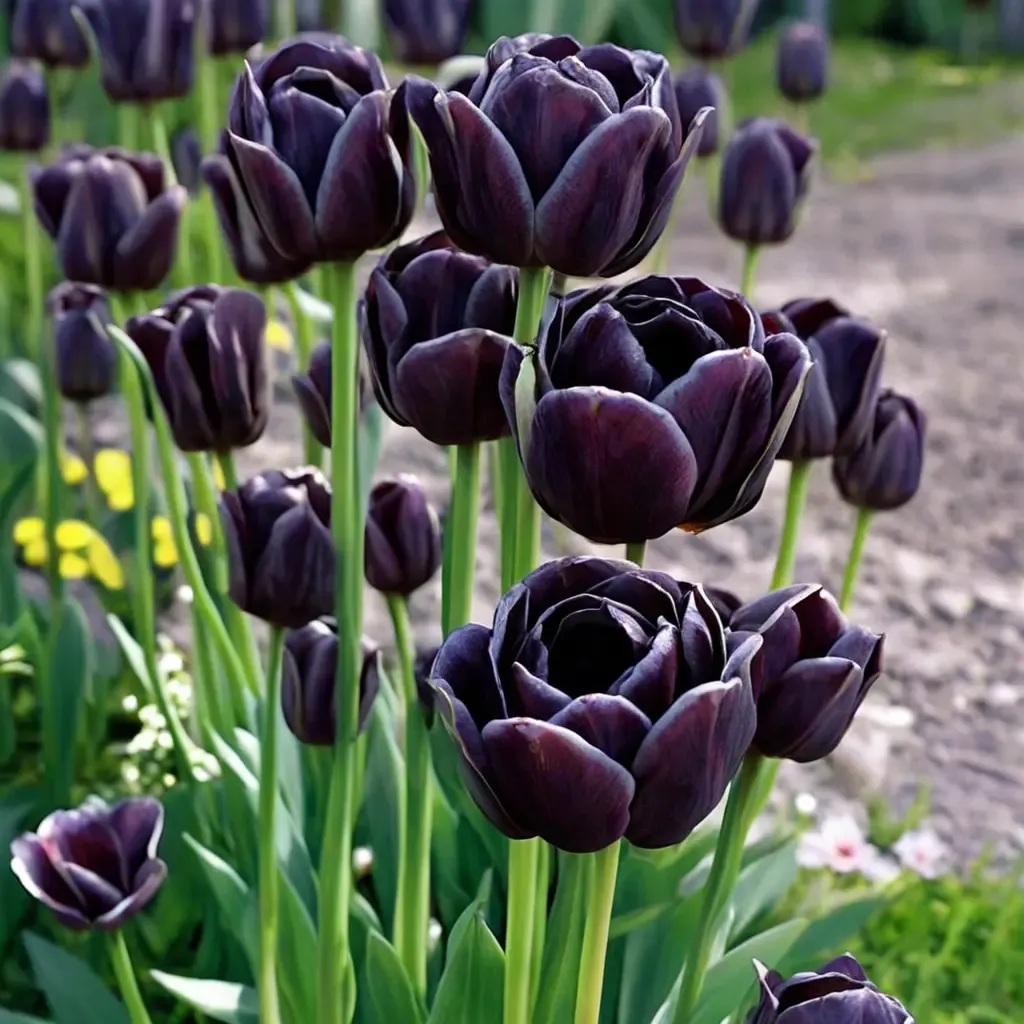
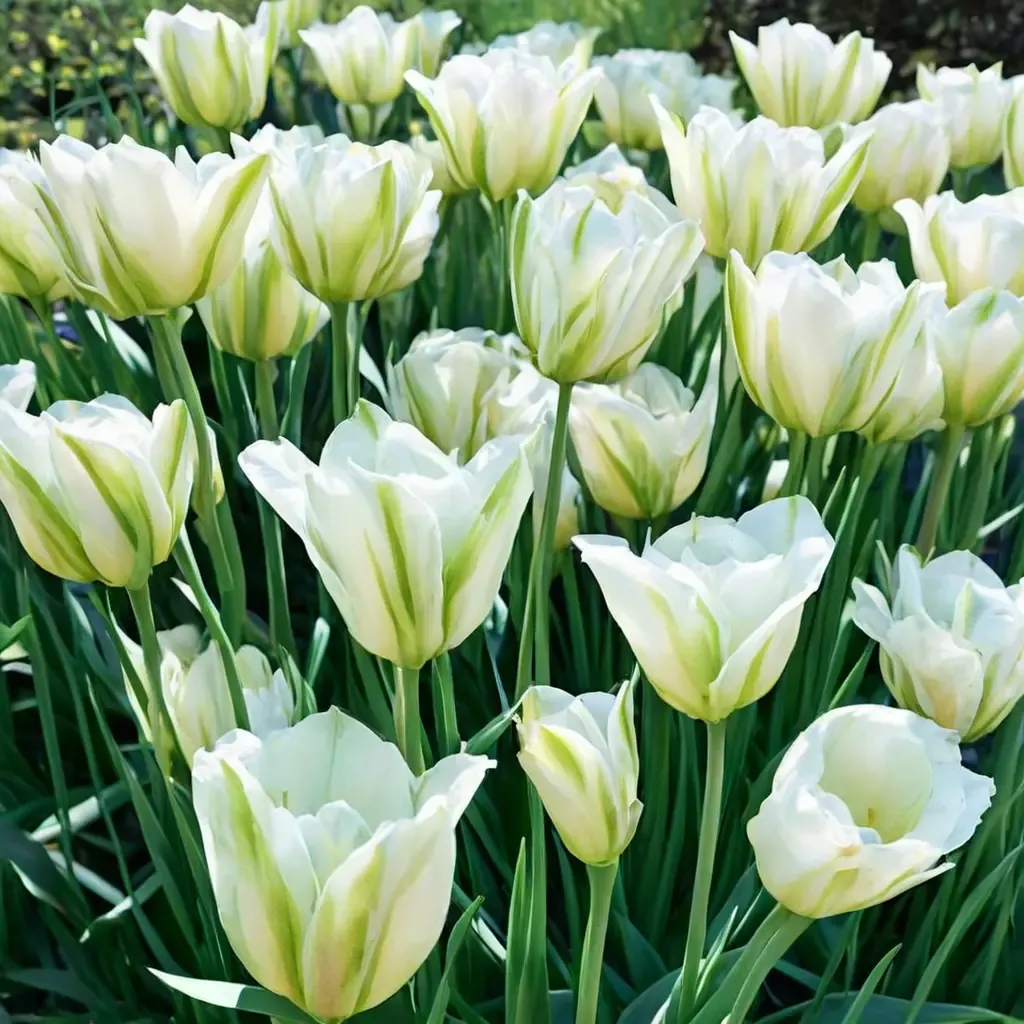
Companions from real gardens
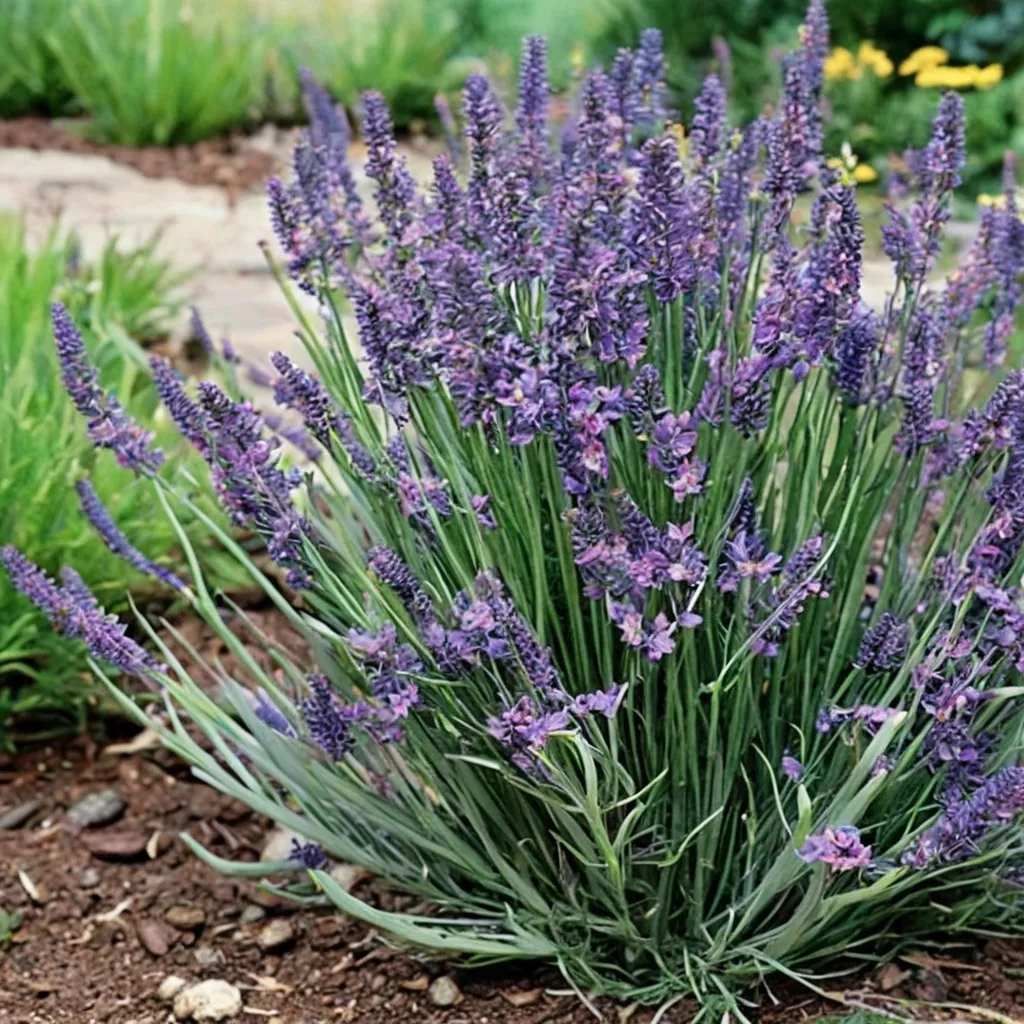
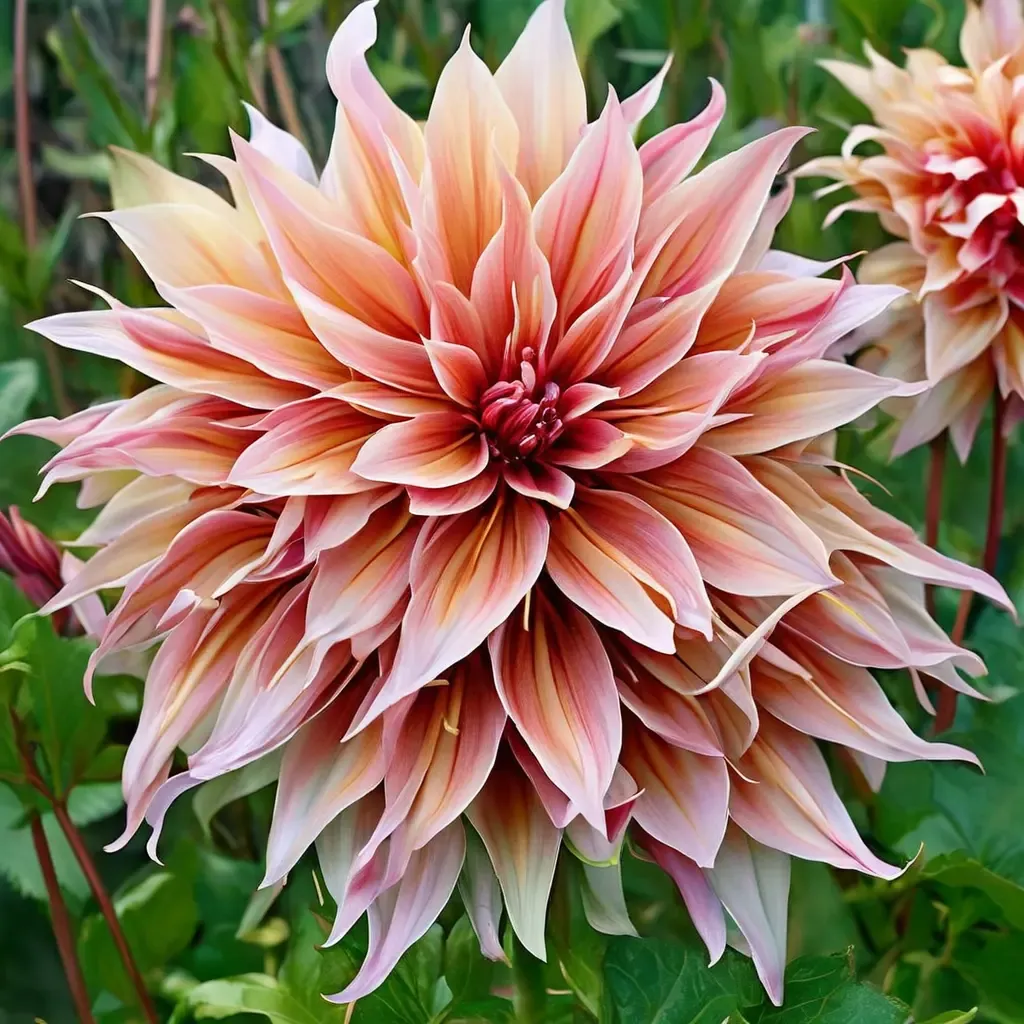
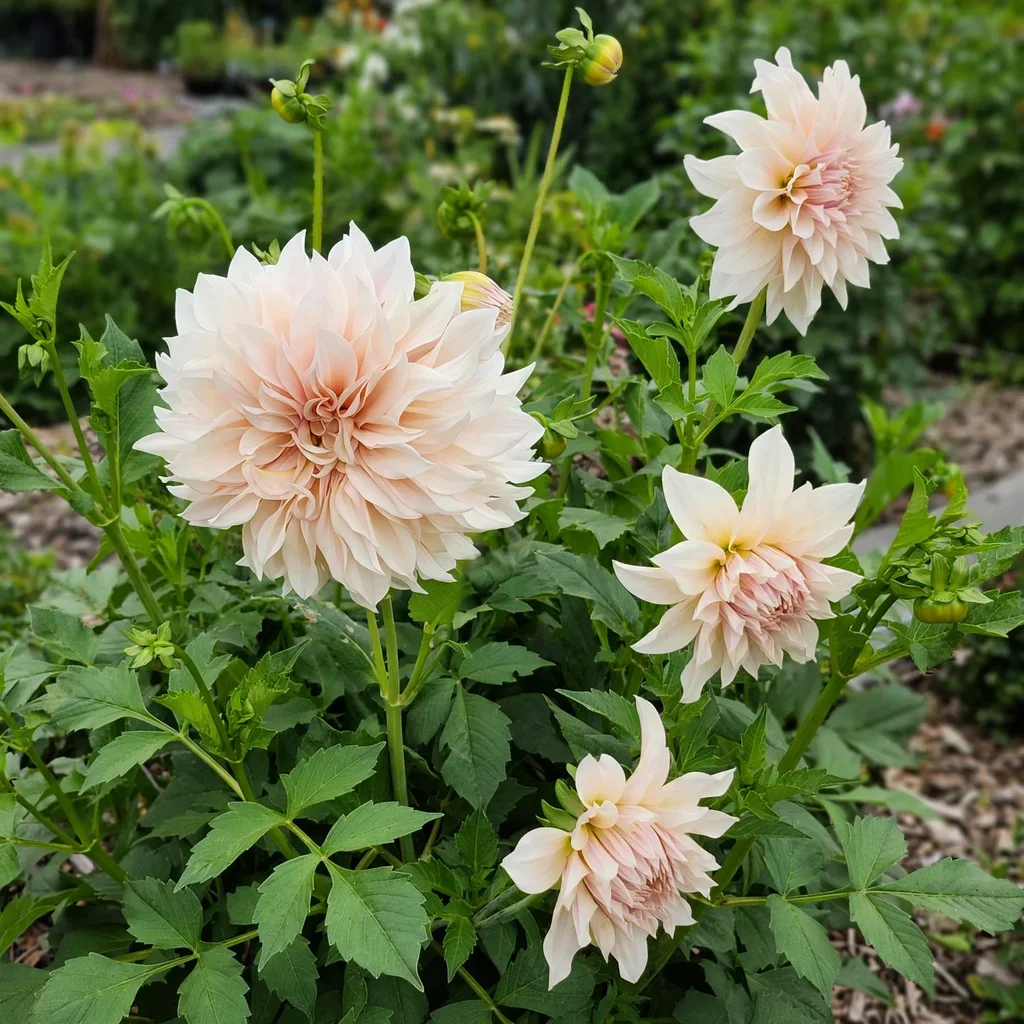
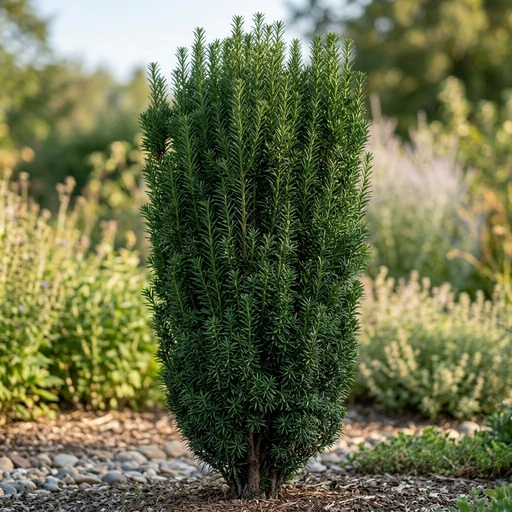
Among the 4.3k gardeners who designed with Tulipa in Sow, these are the plants they most consistently put beside it. Each was chosen by at least 20 different gardeners, so this is a palette people actually use, not a textbook list.
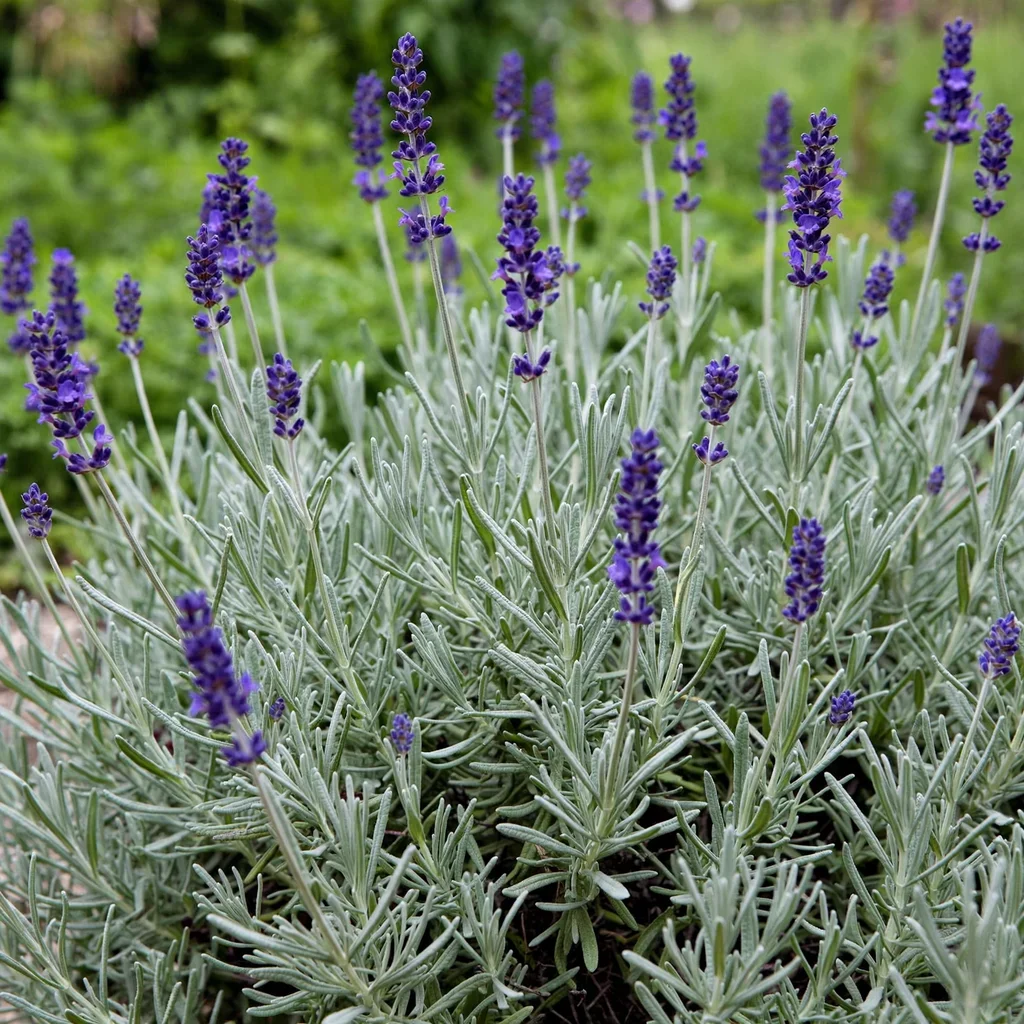
Frequently asked questions
What month should I plant tulip bulbs?
It depends on how cold your fall gets. Minnesota and the northern Plains plant from mid-September to mid-October, Colorado in September and October, Maryland in October, and Georgia from October through late December. Western Washington and Oregon plant in October and November. Texas plants refrigerated bulbs in early to mid-December, the Gulf Coast into early January, Florida in winter, and the Sacramento foothills between Halloween and Thanksgiving.
Is it too late to plant tulips in December?
Not if you can still dig. Tulips tolerate late planting better than most bulbs. In Georgia December is still normal, and western Oregon gardeners can plant until mid-December while the soil is workable. Farther north, plant at full depth and mulch once the ground freezes. If the ground is already frozen, pot the bulbs and chill them instead of leaving them in the bag.
Can you plant tulip bulbs in the spring?
You can, but bulbs that sat out the winter in a bag have missed the cold that triggers flowering, so expect weak bloom or none that year. A better rescue is to pot them in winter and keep them in the dark at 35 to 50°F (2 to 10°C) for 14 to 15 weeks before bringing them into warmth. Discard any bulb that has gone soft or moldy.
Do you need to chill tulip bulbs before planting?
Only where winters are too mild to chill them. From the northern states south through the Piedmont of North Carolina and Georgia, and west of the Cascades, plant unchilled bulbs in fall. In Texas, the Gulf Coast, Florida, central and coastal South Carolina and around Sacramento, refrigerate them for 6 to 16 weeks, or buy pre-chilled bulbs, and keep them away from fruit while they chill.
How many tulip bulbs should be planted together?
Plant at least five to seven bulbs of one color in each group, and favor odd numbers. Clusters and broad drifts read as a deliberate planting from across the yard, while a single row of tulips spaced along a path looks thin. Within each group, space bulbs 4 to 6 inches (10 to 15 cm) apart.
How many flowers are in one tulip bulb?
Usually one. Most tulips carry a single flower at the top of a single stem. Multi-flowering tulips are the exception, with more than one flower on each stem. After bloom, the bulb spends its stored food and forms small new bulblets, which is why snapping off the faded flower and leaving the leaves to ripen matters if you want flowers again next spring.
Do tulips like sandy soil?
Yes. Tulips prefer a rich, sandy soil and grow in any soil that drains fast. In sand, set bulbs 1 to 2 inches (2.5 to 5 cm) deeper than usual. Heavy, wet clay is the bigger problem: hybrid tulips there often fade after a few years, so plant them on a slight mound or in a raised bed.
How do you care for tulips after they bloom?
Snap off each flower head as it fades so the plant does not spend energy on seed, then leave the leaves alone until they turn yellow, at least six weeks. Keep watering in a dry spring. If you want the bulbs to return, feed lightly as the flowers fade and avoid high-nitrogen fertilizer, which encourages rot.
Will tulips come back every year?
It depends on the type and your climate. Darwin hybrids and species tulips such as Tulipa tarda and Tulipa linifolia return for years in cold-winter gardens. Most other large hybrids, such as Single Late, Lily-flowered, Parrot and Double tulips, decline sharply from their second year. In Texas, Florida and the rest of the warm South, tulips are grown as annuals and seldom flower again.
Are tulips poisonous to dogs and cats?
Yes. Tulips are toxic to dogs, cats and horses, and the bulb holds the highest concentration of the toxins, tulipalin A and B. Signs include vomiting, diarrhea, drooling and depression. Dogs that dig up freshly planted bulbs are most at risk, so store bulbs out of reach and call your veterinarian if a pet chews one.
References
- University of Minnesota Extension. Planting bulbs, tubers and rhizomes. Accessed October 16, 2026.
- University of Illinois Extension. Spring Flowering Bulbs. Accessed October 16, 2026.
- University of Wisconsin-Madison Division of Extension (Wisconsin Horticulture). Planting Spring Bulbs. Accessed October 16, 2026.
- University of Maryland Extension. Bulbs. Accessed October 16, 2026.
- University of Maryland Extension. Production of Tulips as Cut Flowers. Accessed October 16, 2026.
- University of New Hampshire Extension. What should I do with bulbs that didn't get planted before the snow?. Accessed October 16, 2026.
- University of New Hampshire Extension. How can I keep wildlife from eating my new bulbs?. Accessed October 16, 2026.
- Clemson Cooperative Extension Home & Garden Information Center. Spring-Flowering Bulbs (HGIC 1155). Accessed October 16, 2026.
- University of Georgia Cooperative Extension. Flowering Bulbs for Georgia Gardens (Bulletin 918). Accessed October 16, 2026.
- University of Florida IFAS Extension, Gardening Solutions. Tulips. Accessed October 16, 2026.
- North Carolina State Extension Gardener Plant Toolbox. Tulipa (Tulip). Accessed October 16, 2026.
- Texas A&M AgriLife Today (Texas A&M AgriLife). Bulbs to blooms: Tips for fall bulb planting. Accessed October 16, 2026.
- Colorado State University Extension. Fall-Planted Bulbs and Corms (Fact Sheet 7.410). Accessed October 16, 2026.
- Oregon State University Extension Service. Plant spring-blooming bulbs in fall for years of low-maintenance color. Accessed October 16, 2026.
- Washington State University Extension, Skagit County Master Gardeners. Tulips: Gems in the Garden. Accessed October 16, 2026.
- Utah State University Extension. Fabulous Tulips in Springtime. Accessed October 16, 2026.
- UC Master Gardeners of Placer County (UC Agriculture and Natural Resources). Growing Tulips in South Placer County. Accessed October 16, 2026.
- ASPCA Animal Poison Control. Tulip. Accessed October 16, 2026.
- NOAA National Centers for Environmental Information. U.S. Climate Normals 1991–2020: Annual/Seasonal Normals documentation (freeze probability dates by station). Accessed October 16, 2026.
- USDA Agricultural Research Service. USDA Plant Hardiness Zone Map (2023). Accessed October 16, 2026.
Sow Editorial
Written by the Sow team from university extension services, botanical gardens, USDA and NOAA data and plant breeders. Every source is listed under References.
The plants Sow gardeners save most