Quick answer
Plant daffodil bulbs in fall. Where the ground freezes (Zones 3–7), plant from five weeks before your median first fall frost until that date, once the soil has cooled to about 55°F (13°C); in Minnesota that is mid-September to mid-October. In Zones 8 and 9, plant by the calendar: October and November in most areas, and early to mid-December for refrigerated bulbs in Texas.
Key facts
- Zones 3–7
- From 5 weeks before the median first fall frost to that date
- Zones 8–9
- October–November in most areas; refrigerated bulbs in early to mid-December in Texas
- Soil temperature
- About 55°F (13°C) or lower at bulb depth, not frozen
- Deadline
- Aim for 2–3 weeks of rooting before the ground freezes
- Bloom time
- Late winter to late spring; one cultivar flowers for about 2–3 weeks
- Planting depth
- 6–8 in (15–20 cm) to the bulb base, about 3 times the bulb's height
- Spacing
- 3–6 in (8–15 cm) apart, in clusters
- Hardiness
- Zones 3–8 for most daffodils; Zone 9 with low-chill jonquils, tazettas and tested cultivars
Plant daffodils in fall. Where winters freeze, plant in the five weeks before your median first fall frost, once the soil has cooled to about 55°F (13°C), and leave two to three weeks of rooting time before the ground freezes. In Zones 8 and 9 the first frost does not set the date; the calendar does, and most of the South plants in October and November.
Daffodils ask less than most spring bulbs. They need no pre-chilling anywhere winters freeze, the bulbs are poisonous to the deer and rodents that strip other plantings, and well-placed clumps return for decades. In the warmest gardens, the choice of daffodil matters as much as the date: jonquils and tazettas come back every spring, while many big trumpet cultivars fade after their first bloom.
Daffodil planting dates by city
In Zones 3 to 7, each window opens five weeks before the city's median first fall frost and closes on that date. In Minneapolis, that lines up with Minnesota's mid-September to mid-October planting season. Fargo, Denver and Salt Lake City follow their regional months instead, and the Zone 8 and 9 cities follow their regional calendars.
| City (USDA zone) | Median last frost | Median first frost | Plant bulbs |
|---|---|---|---|
| Fargo, ND (4a) | May 10 | Sep 30 | Mid-Sep – mid-Oct |
| Minneapolis, MN (5a) | Apr 23 | Oct 18 | Sep 13 – Oct 18 |
| Chicago, IL (5b) | Apr 16 | Oct 28 | Sep 23 – Oct 28 |
| Denver, CO (6a) | May 5 | Oct 9 | Sep – Oct (late Sep best) |
| Detroit, MI (6b) | Apr 20 | Oct 27 | Sep 22 – Oct 27 |
| Kansas City, MO (6b) | Apr 13 | Oct 24 | Sep 19 – Oct 24 |
| Boston, MA (7a) | Apr 4 | Nov 9 | Oct 5 – Nov 9 |
| Salt Lake City, UT (7b) | Apr 8 | Oct 31 | Late Sep – Oct |
| New York, NY (7b) | Mar 30 | Nov 20 | Oct 16 – Nov 20 |
| Nashville, TN (7b) | Mar 31 | Nov 3 | Sep 29 – Nov 3 |
| Raleigh, NC (8a) | Mar 31 | Nov 4 | Oct – Nov |
| Atlanta, GA (8a) | Mar 15 | Nov 20 | Oct – late Dec |
| Dallas-Fort Worth, TX (8b) | Mar 8 | Nov 24 | Low-chill types Oct – Nov; chilled bulbs early – mid Dec |
| Seattle, WA (9a) | Mar 2 | Nov 23 | Oct – Nov (to mid-Dec if soil is workable) |
| Sacramento, CA (9b) | Feb 2 | Dec 2 | Mid- to late Nov |
| Houston, TX (9b) | Feb 13 | Dec 9 | Low-chill types Oct – Nov; chilled bulbs early – mid Dec |
Frost dates are medians from NOAA 1991–2020 climate normals for each city's main weather station; in half of years the first fall frost comes earlier than the date shown.
Anywhere else in Zones 3 to 7, count back five weeks from your median first fall frost to find the start. Begin once a soil thermometer reads 55°F (13°C) or less, and aim to finish by the frost date. That end date is a guide; the firmer limit is two to three weeks of rooting before the ground freezes. Across Minnesota and the northern Plains, where the ground freezes early, plan to finish in mid-October; in the Rockies and Intermountain West, follow the regional months below.
Why daffodils wait for cool soil and beat the freeze
A daffodil forms next spring's flower inside the bulb in the weeks after it blooms, but it needs a winter's cold before that flower stem can lengthen. Without enough chill, the flowers open close to the ground on very short stems. It also needs roots in place before the ground freezes. Fall planting gives it both: the bulb roots in cooling soil, then winter supplies the chill wherever the ground freezes.
Where winters freeze, the soil is your start signal: plant once the ground at bulb depth has cooled to about 55°F (13°C) or lower and is not frozen. In Zones 8 and 9 the calendar sets the date instead. In most of those gardens daffodils go in during October and November without waiting for soil below 60°F (16°C), the reading Southern gardens use for tulips and most other spring bulbs. Tulips in the warm South also need weeks of refrigeration first, covered in when to plant tulip bulbs.
The deadline is freeze-up. Aim for two to three weeks between planting and the day the ground locks up, so the bulbs can root first.
One reassurance for first-time planters: the flower inside a bulb you buy this fall formed before the bulb was sold, so its first spring depends mostly on the grower. Next year's flower is built in the six weeks after it blooms in your garden, which is why the leaves matter after flowering. Most daffodils are hardy as dormant bulbs in USDA Zones 3 through 8, and low-chill jonquils, tazettas and tested cultivars extend that into Zone 9; you can check your hardiness zone before choosing types.
When to plant daffodils by region
The colder the fall, the earlier the window opens; the milder the winter, the more the calendar and the choice of daffodil matter.
| Region | Planting months | Pre-chill? | Watch for |
|---|---|---|---|
| Upper Midwest, northern Plains | Mid-Sep to mid-Oct | No | Ground freezing early |
| Rockies, Intermountain West | Sep–Oct; late Sep is best | No | Weak rooting and heaving after October |
| Lower Midwest, Northeast, Mid-Atlantic, upper South | Mid-Sep to mid-Nov; October is ideal | No | Shallow planting heaves |
| Carolinas and Georgia Piedmont | Oct–Nov; Georgia to late Dec | No | Big trumpets and doubles fading |
| Pacific Northwest, west of the Cascades | Oct–Nov, to mid-Dec if workable | No | Waterlogged winter soil |
| Texas | Low-chill types Oct–Nov; chilled bulbs early to mid-Dec | Some narcissus, 6–10 weeks | Choosing low-chill types |
| California's interior valleys | Mid- to late Nov | New bulbs, several weeks; tazettas no | Summer water rotting bulbs |
Fall planting months for daffodils by region; the warmer the region, the later the planting and the narrower the list of types that return.
In the Rockies and the Intermountain West, late September is the sweet spot. Bulbs set out after October may not root enough to flower evenly, and freeze-thaw cycles can heave them out of the ground.
West of the Cascades, cold is plentiful and drainage is the risk. Daffodils sitting in waterlogged soil develop basal rot, so plant on a slope, a raised bed or a berm wherever winter rain pools.
Texas gardens split their daffodils in two. Low-chill daffodils, jonquils, cluster-flowered narcissus and paperwhites go in from October into November, with October ideal in East Texas, and return every year as naturalized perennials. Some other narcissus need 6 to 10 weeks in the refrigerator, then go in during early to mid-December once nights have stayed below 50°F (10°C) for several weeks, and behave as annuals. Buy from mid-September through October so any chilling can start on time.
California's valleys plant in mid- to late November, once the nights and the soil have cooled, after refrigerating new bulbs for several weeks. Daffodils there also need a dry summer rest, since warm soil plus moisture rots the bulbs; tazettas are the exception and tolerate summer water.
Frost-free gardens in Zones 10 and 11, including much of Florida, are poor ground for most daffodils, which never get the cold they need to bloom. Tender paperwhites and other tazettas need no chill and are the practical choice there.
Daffodil types that suit your climate
Within a region, most daffodils share the same planting window. What changes with type is how well it returns where summers are long and hot.
| Group | Examples | Returns reliably | Note |
|---|---|---|---|
| Jonquils | N. jonquilla, Trevithian, Quail, Sweetness | Upper and Piedmont South (Zones 7–8) | Fragrant |
| Tazettas | Paperwhite, Erlicheer, Geranium, Avalanche | Hot-summer, mild-winter areas | No chilling needed |
| Poeticus | Pheasant's eye, Actaea | Upper and Piedmont South (Zones 7–8) | Very late; tolerates damp soil |
| Species | Lent lily, Campernelle | Upper and Piedmont South (Zones 7–8) | Lent lily is early |
| Large-cupped, trumpet, double | Carlton, Ice Follies, Mount Hood | Cold-winter areas; tested cultivars in the South | Choose carefully where winters are mild |
Daffodil groups by how reliably they return where summers are hot.
In the warmest Southern gardens, build plantings on jonquils such as Trevithian, Quail and Sweetness, and on tazettas such as Erlicheer, Geranium and Avalanche. Tazettas are the best daffodils for naturalizing where summers are hot and winters mild. A few, including Grand Soleil d'Or and the Chinese sacred lily, are hardy only along the coast in South Carolina.
Poet's narcissus, also called pheasant's eye, closes the season and tolerates damper ground than most daffodils; Actaea is a reliable poeticus cultivar. The Lent lily and Campernelle are species daffodils that grow reliably in the Carolinas.
Large-flowered cultivars need the most care in choosing where winters are mild, since many trumpets, doubles and late types decline after a single season. The large-cupped Carlton and Ice Follies, along with Mount Hood, Barrett Browning, Fortune and Saint Patrick's Day, have proved themselves as Southern perennials.
Bloom date follows climate and cultivar. Daffodils open more than two weeks earlier in Zone 9 than in Zone 7, and mixing early, midseason and late cultivars spreads one fall planting across many weeks of spring.
How to plant daffodil bulbs
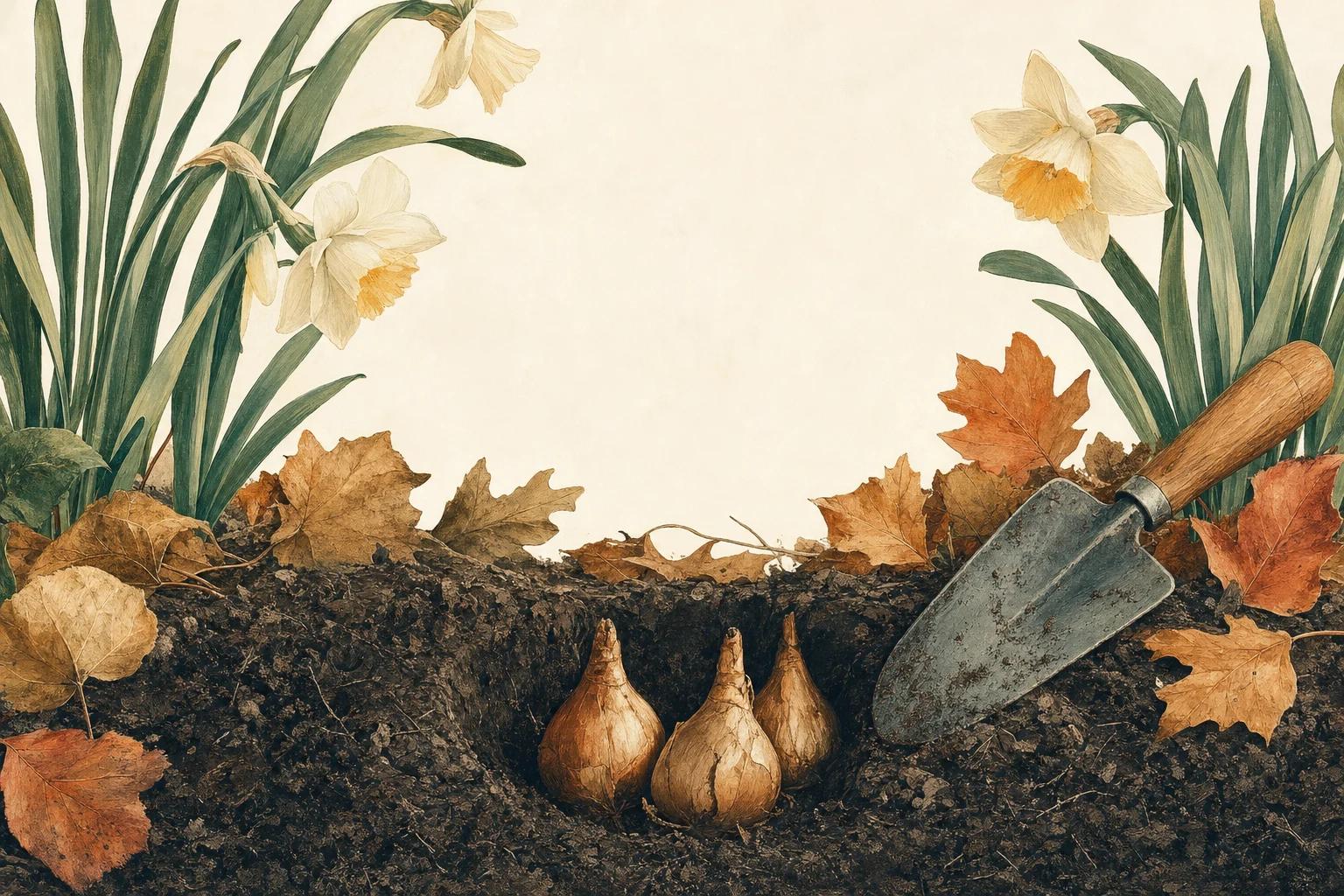
Plant standard bulbs 6 to 8 inches (15 to 20 cm) deep and 3 to 6 inches (8 to 15 cm) apart, in a sunny bed that never holds standing water.
Depth and spacing
Measure depth to the base of the bulb, not its tip; 6 to 8 inches works out to about three times the height of a standard bulb. Recommendations run from 3 inches (8 cm) in parts of the South to a full 8 inches (20 cm) elsewhere. In cold regions, deeper is the safer error, because shallow bulbs are lifted by freeze-thaw cycles.
Soil shifts the number. Go 1 to 2 inches (2.5 to 5 cm) deeper in sandy soil and the same amount shallower in heavy clay. Miniatures such as Tete-a-Tete need only about 2 inches (5 cm) of soil over them.
Spacing is a trade between a full first spring and a longer interval before dividing. Bulbs set only 2 or 3 inches (5 to 8 cm) apart, or 10 to 12 per square foot (about 110 to 130 per square meter), make a dense block at once. Because each bulb splits into new bulbs every year or two, that block crowds sooner than a planting at 6 inches (15 cm). For combinations with other bulbs and perennials, see designing with spring bulbs.
Step by step
- Buy early and keep the bulbs cool. Buy in late summer and hold the bulbs at 60 to 65°F (16 to 18°C) until planting. Storage above 70°F (21°C) can damage the flower bud, and ethylene from apples and other ripening fruit can stop bulbs from blooming, so keep them out of the fruit drawer and the kitchen bowl.
- Choose sun and drainage. Give daffodils at least six hours of sun while their leaves are up; half a day is the minimum for flowers. They do well under deciduous trees, which leaf out after bloom, but not under evergreens. Avoid any spot where water stands in winter, and build a raised bed or berm on wet ground.
- Check the soil or the calendar. In Zones 3 to 7, push a soil thermometer to the depth the bulbs will sit and read it on several mornings. Plant once it holds at about 55°F (13°C) or lower, as long as the ground is not frozen. Farther south, plant on your regional dates.
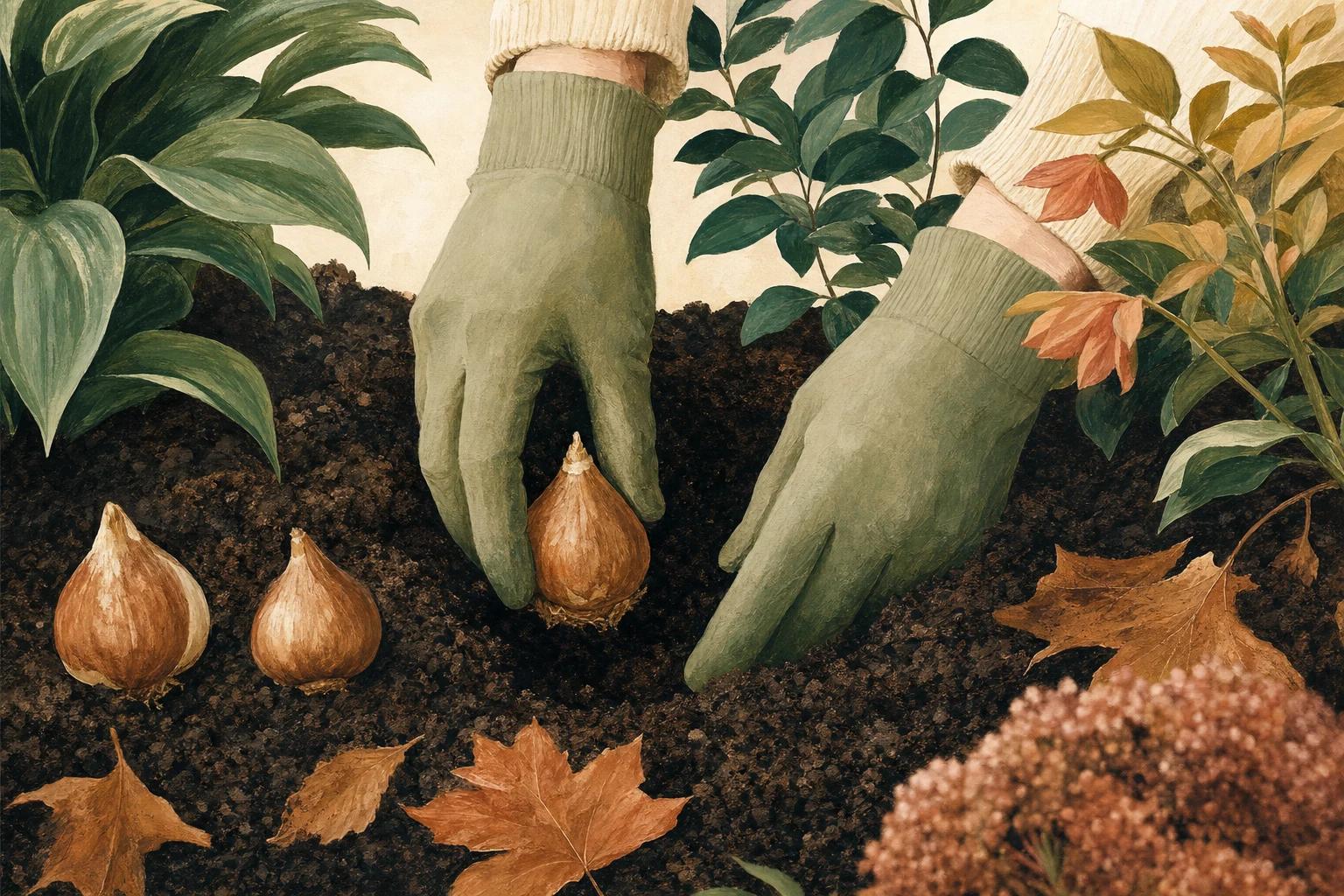
- Dig to depth and set the bulbs. Dig the hole or the whole bed to depth, work phosphorus or a low-nitrogen bulb fertilizer into the bottom, and set each bulb pointed end up. Plant in clusters rather than single rows, which look thin from across a yard.
- Water once. Backfill and soak the bed to settle the soil around the bulbs. After that, leave it alone unless the fall turns very dry; dormant bulbs prefer dry ground to wet.
- Mulch. Spread 2 to 3 inches (5 to 8 cm) of shredded leaves, wood mulch or straw. In cold regions, wait until the ground freezes and then apply 3 inches (8 cm) to stop freeze-thaw heaving.
Every part of a daffodil is toxic to dogs, cats and horses, and the bulb carries the most toxin. Store bags of bulbs out of reach and watch dogs that dig in a new bed. Handling bulbs, stems and cut flowers can also cause an itchy skin rash, so wear gloves when planting.
Planting late, and bulbs that missed the window
The goal is a few weeks of root growth before freeze-up, but a late bulb still belongs in the ground. Most bulbs can be planted for as long as the soil can be dug and is not frozen; in Georgia the season runs through late December. The cost of planting late is a weaker first spring: late planting is a common cause of poor bloom that year, and bulbs with few roots are easier for freeze-thaw cycles to heave.
If you can still dig to full depth, plant that day and mulch as soon as the ground freezes. A short root season beats a winter in the bag.
If the ground freezes with bulbs still unplanted, pot them instead. Use containers with drainage holes, keep them at about 40°F (4°C) for 8 to 12 weeks, then bring them into a bright room to flower. Forced bulbs seldom flower well when planted out afterward, so treat them as a one-season display.
When a late frost hits daffodils in bloom
Daffodils are remarkably tolerant of spring cold. The flower buds are protected below the soil surface while the leaves come up, and frost injury to the leaves is usually limited to yellowed or browned tips.
A light or moderate frost during flowering seldom does lasting harm. If a hard frost is forecast, rake the winter mulch back over the emerging shoots and uncover them once it passes.
The plantings most at risk sit against south- and west-facing foundation walls. Warmth from the wall brings the flowers out early, straight into the path of a late freeze. For new plantings, choose an open bed away from the house, or accept the occasional frosted bloom in exchange for an early show by the door.
After bloom: leaves, feeding and dividing
What you do in the six weeks after flowering sets up next spring. Snap off each spent flower so the plant does not spend energy on seed, and water about 1 inch (2.5 cm) a week in a dry spring.
Leave the leaves alone for at least six weeks after bloom, or until they turn yellow. Cutting, braiding, tying or mowing them early starves the bulb and can cost you next year's flowers. In a lawn planting, leave that patch of grass unmowed until the daffodil foliage has matured.
Go easy on nitrogen, which produces leaves at the expense of flowers. A low-nitrogen fertilizer such as 5-10-10, applied as the leaves emerge, is enough for most beds.
When a clump produces smaller and fewer flowers, it has crowded itself; that usually happens every three to four years. Lift and divide it once the foliage has yellowed. Undisturbed drifts of older cultivars can persist for 30 years or more in grass, and in cold-climate beds daffodils tend to outlive tulips. For year-round care, see the daffodil growing guide, and sketch where each new drift will go in Sow's design studio.
From the Sow catalog
Planting times in the Sow catalog
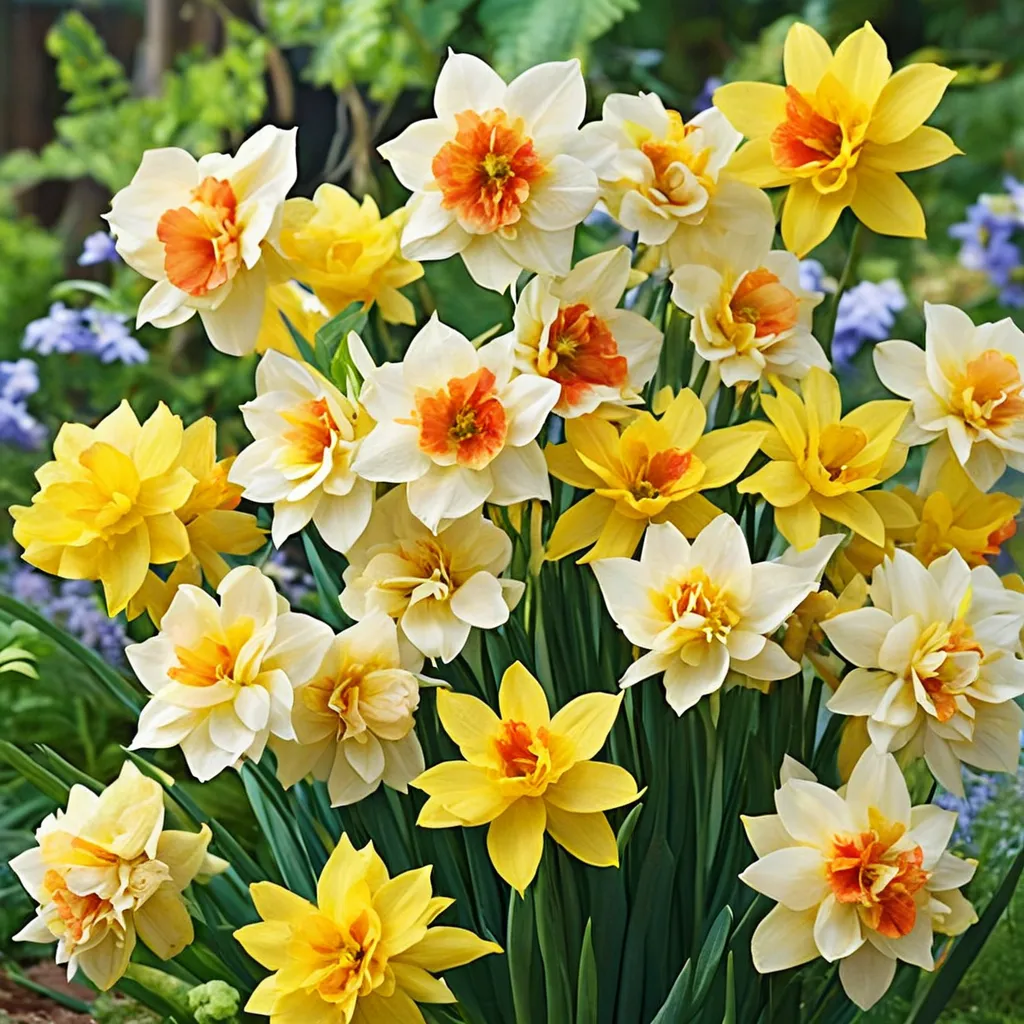
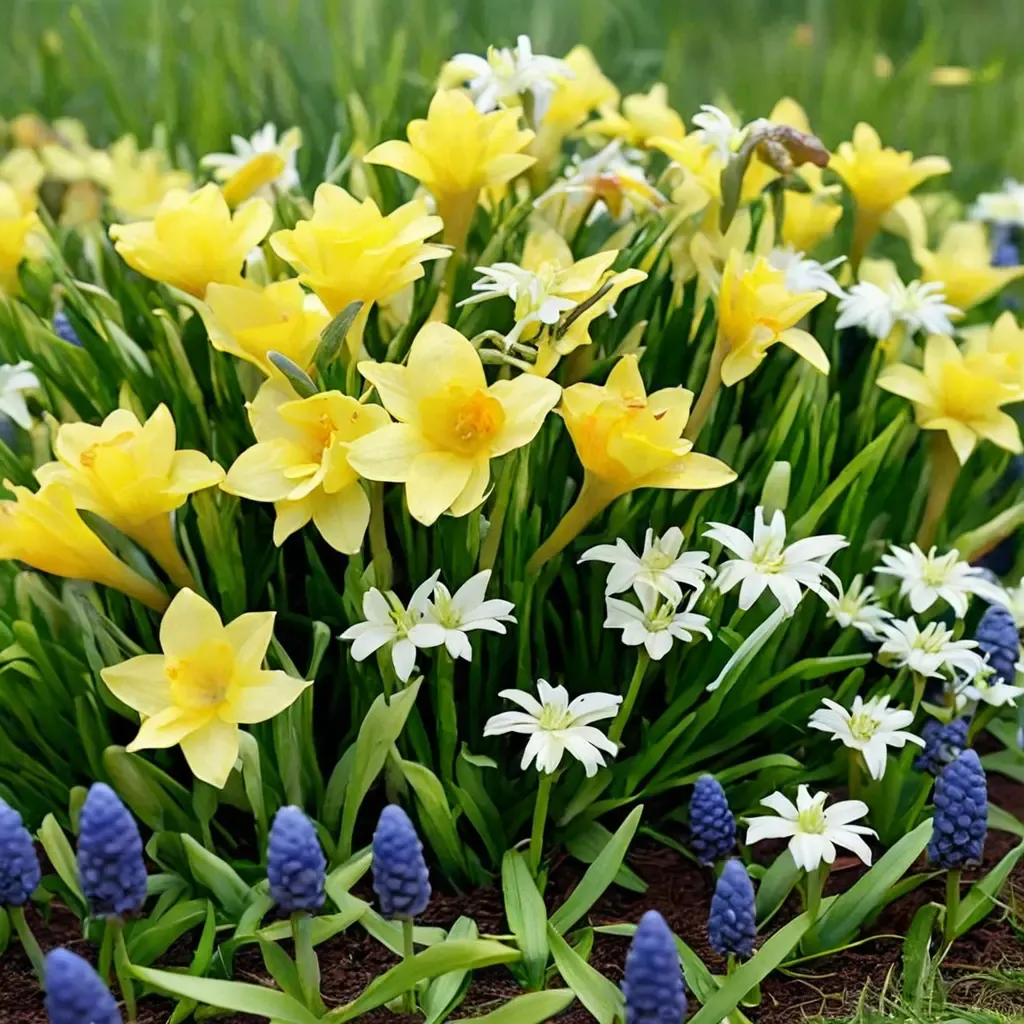
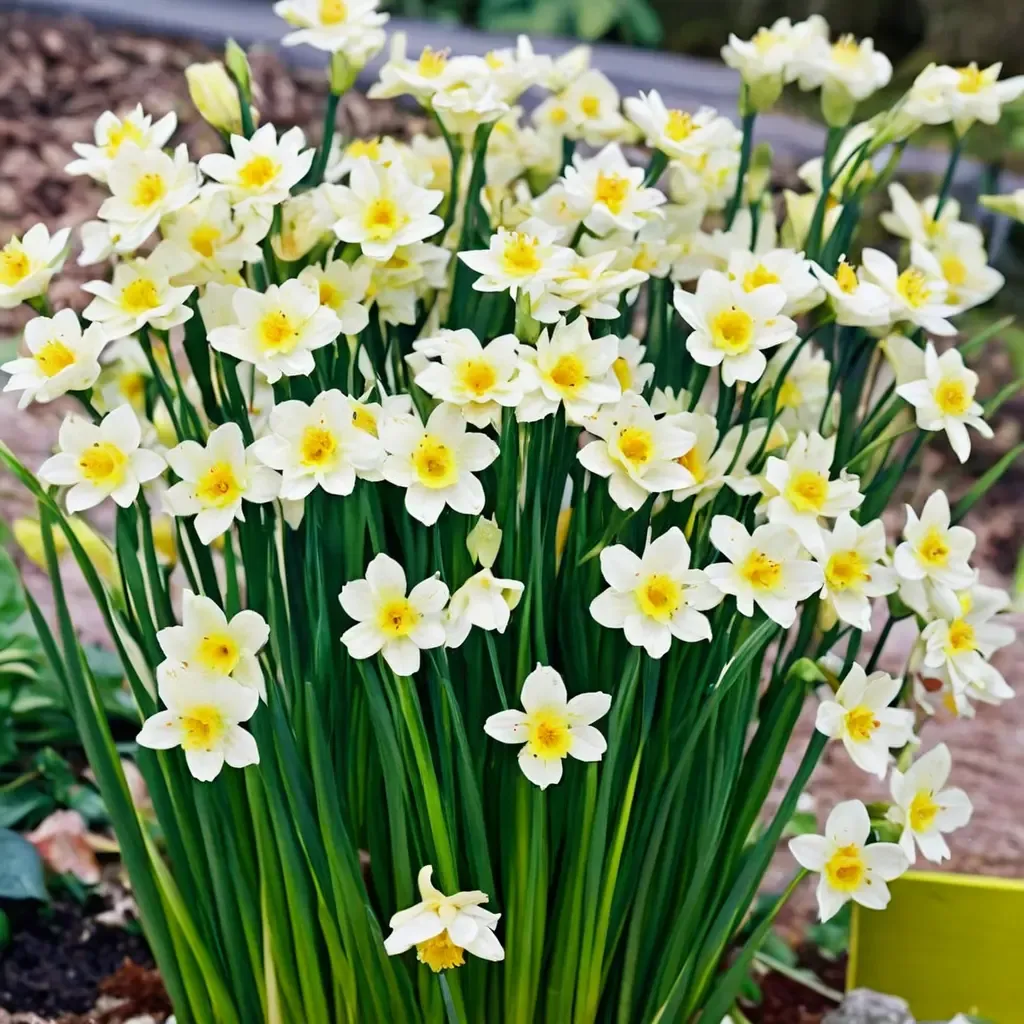
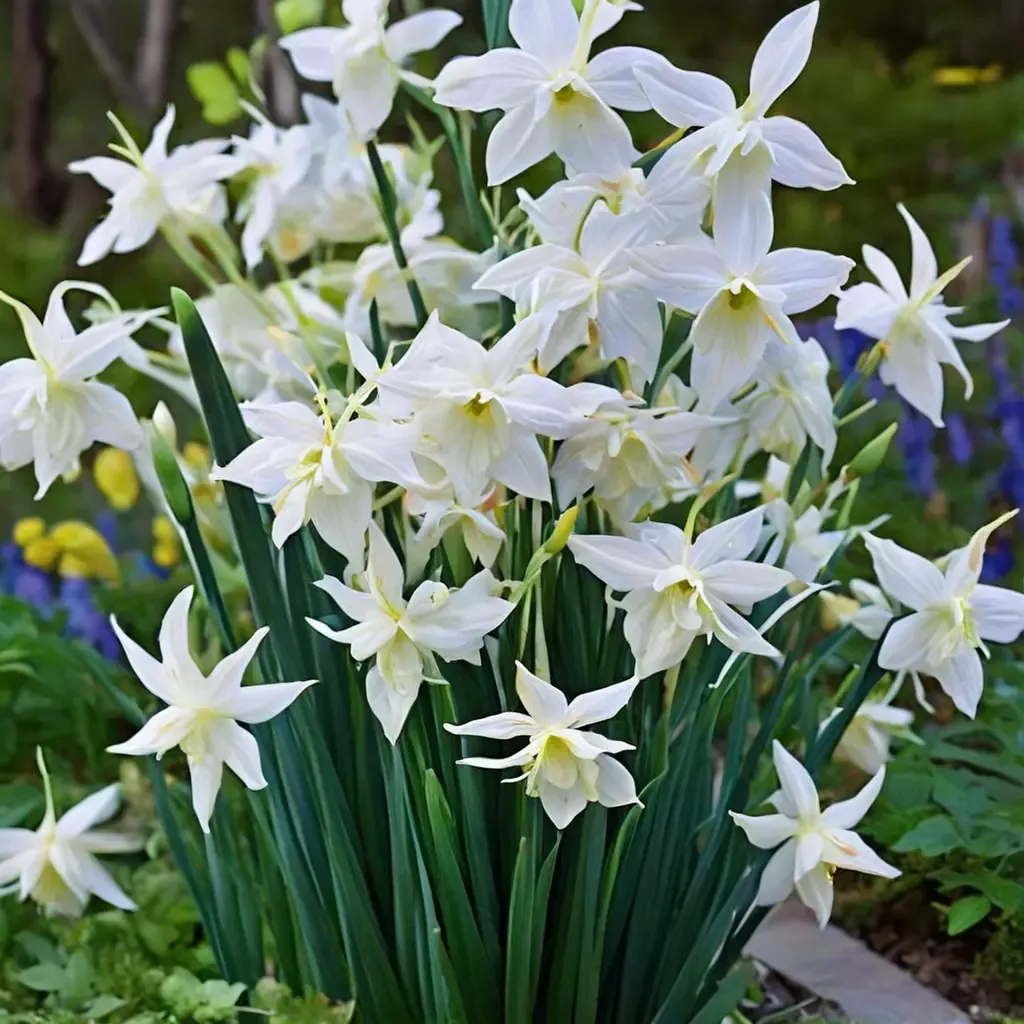
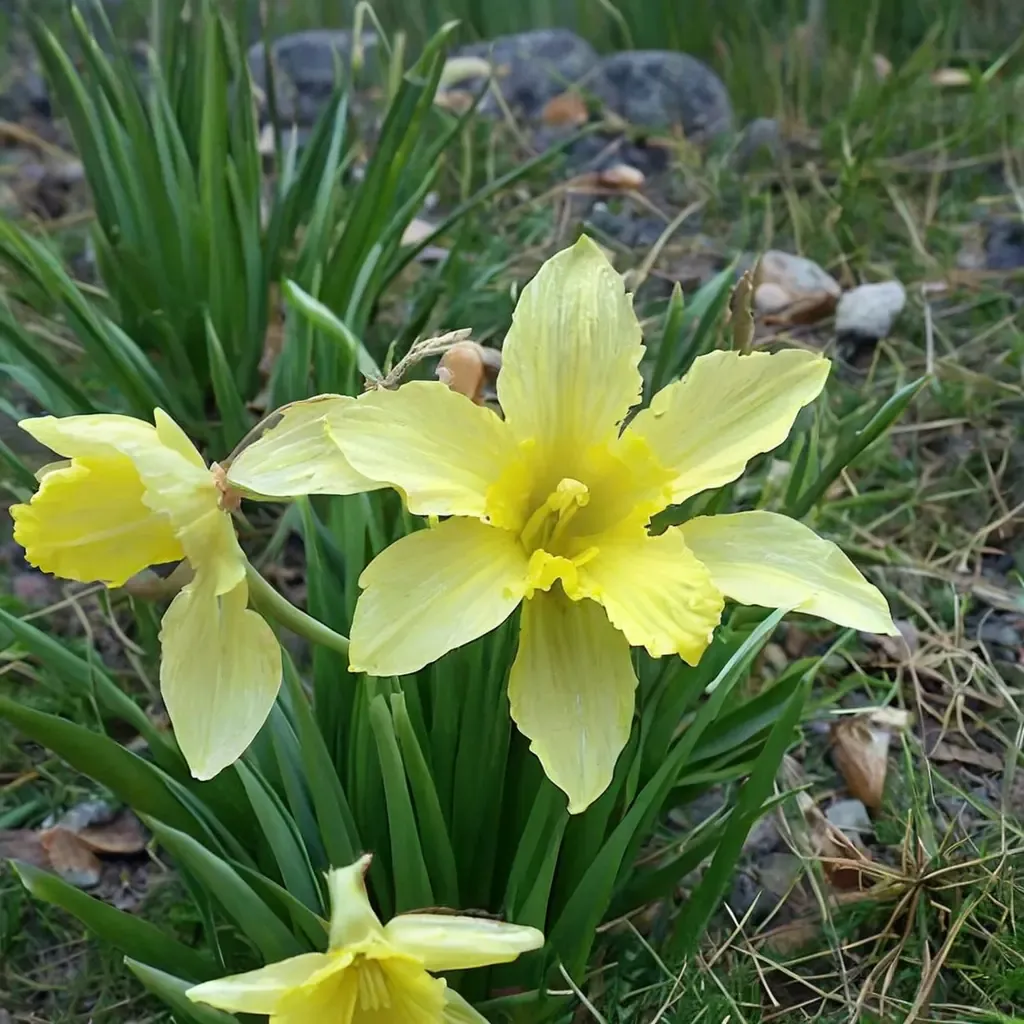
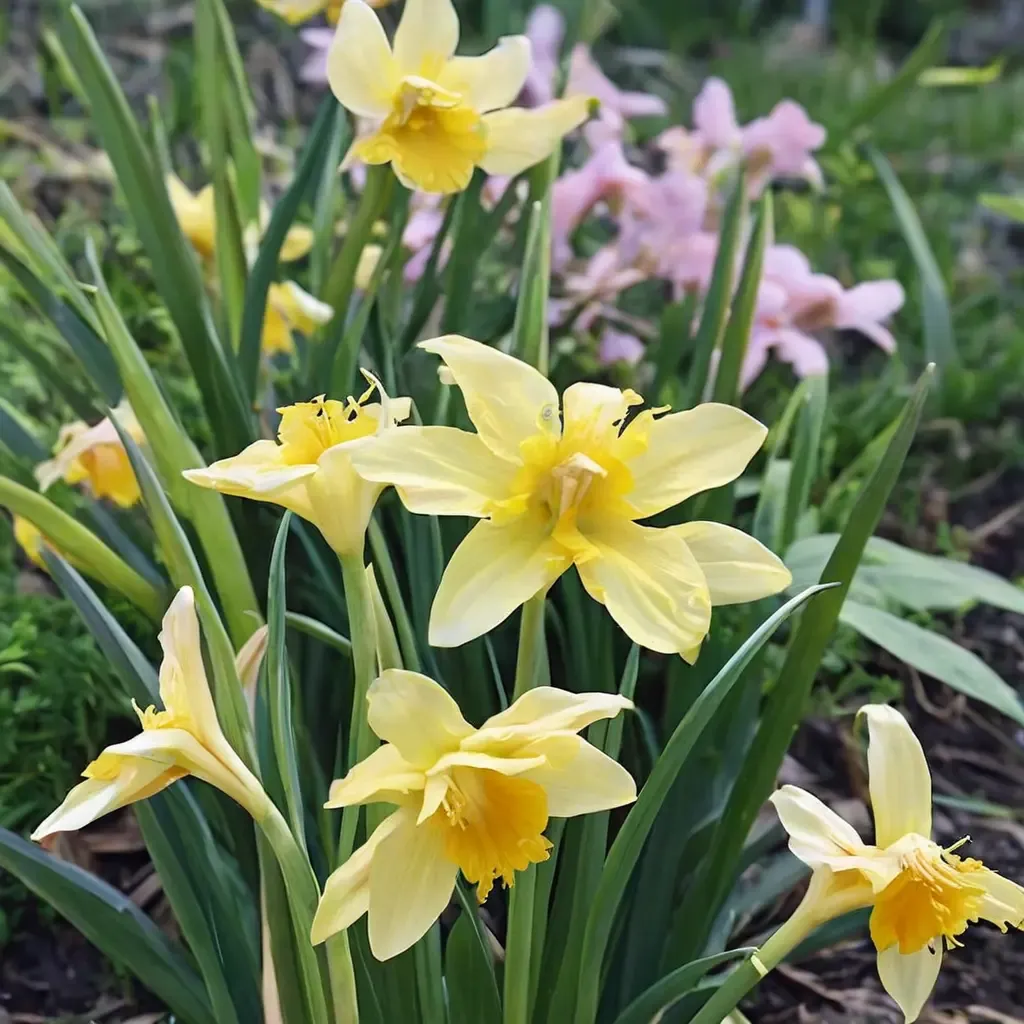
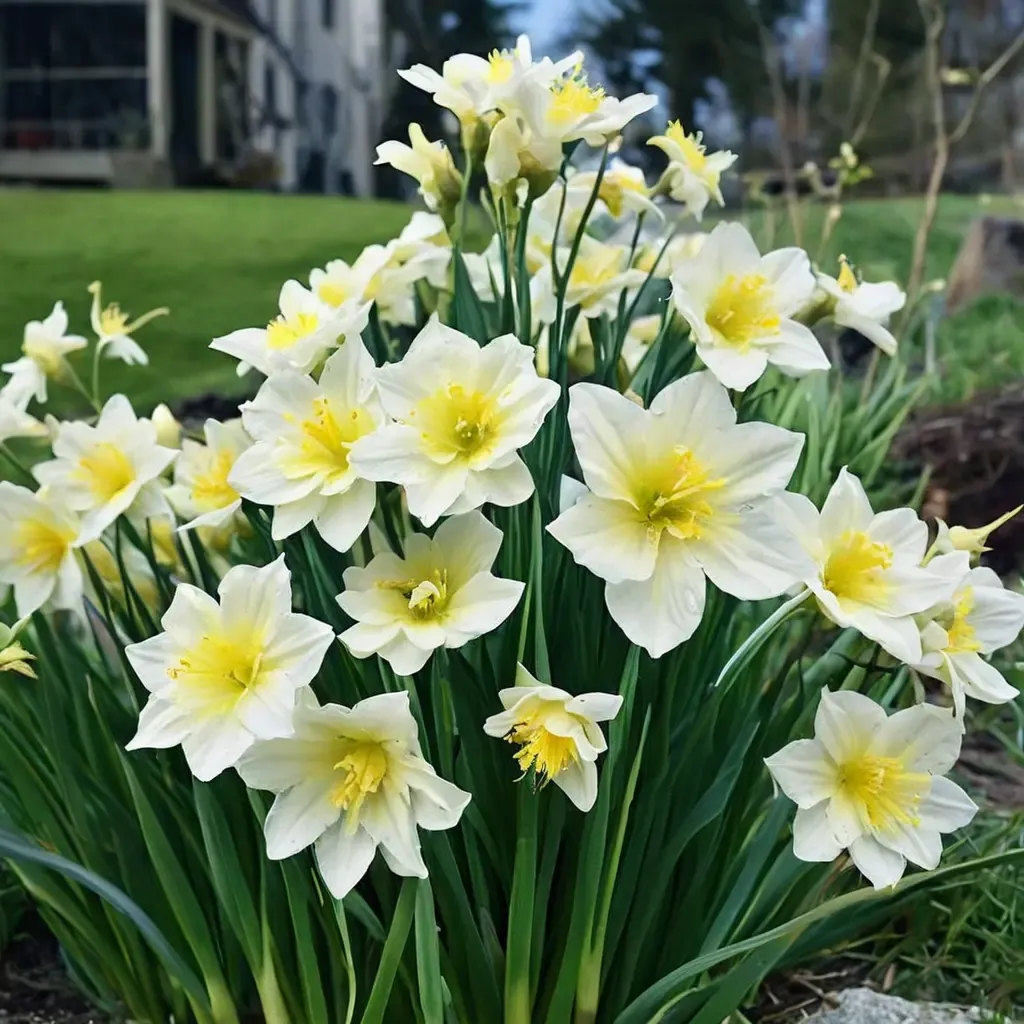
Sow tracks 46 Narcissus varieties, hardy across USDA Zones 4 to 10 between them. These are the 8 gardeners save most. Each one opens its own page with its zone range, sun, mature size and, where a nursery lists it, today's price.
Companions from real gardens
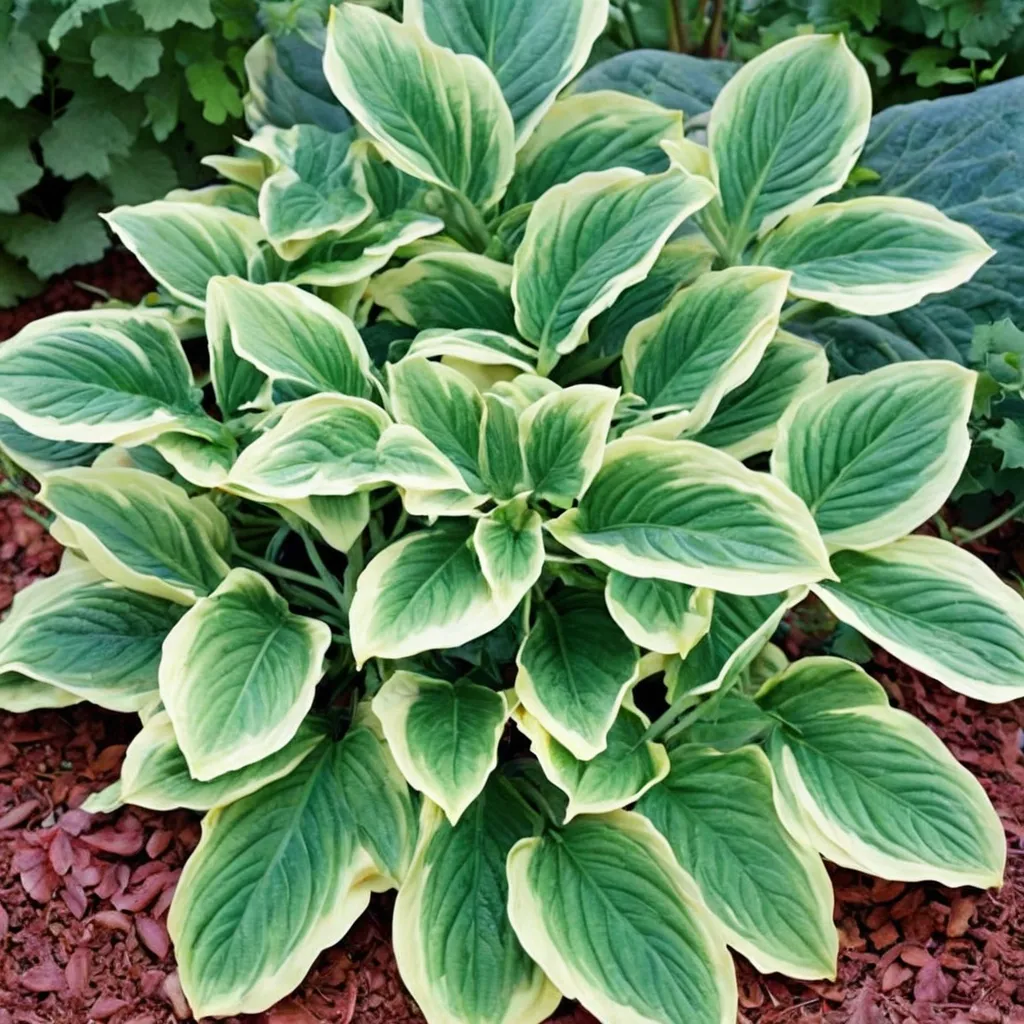
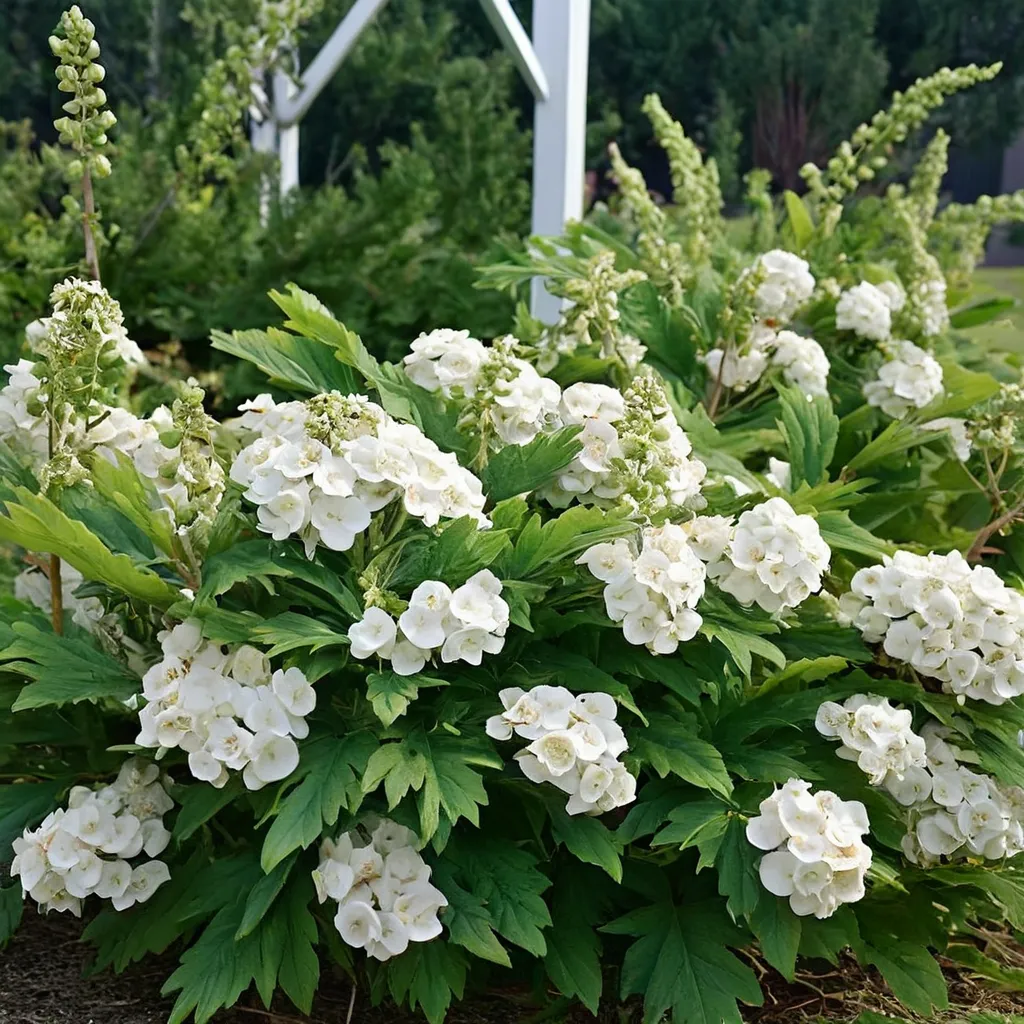
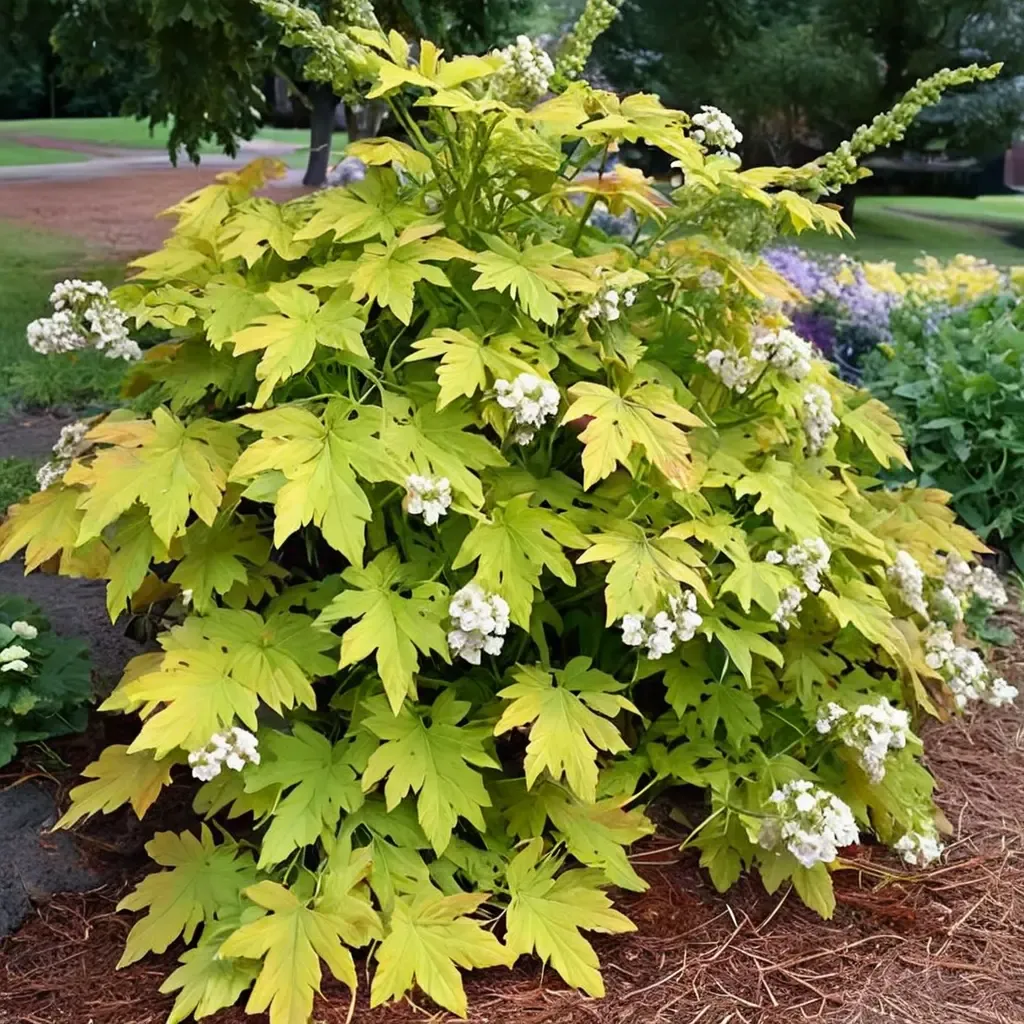
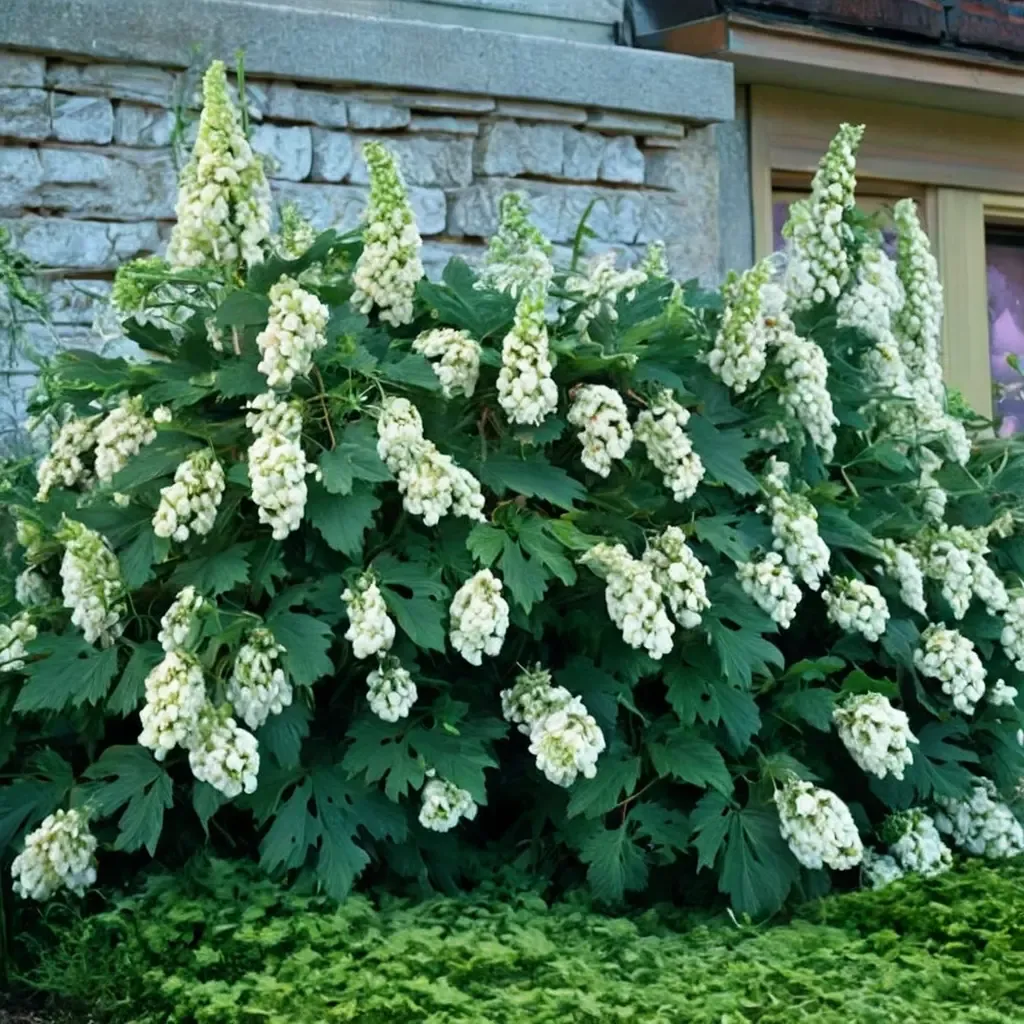
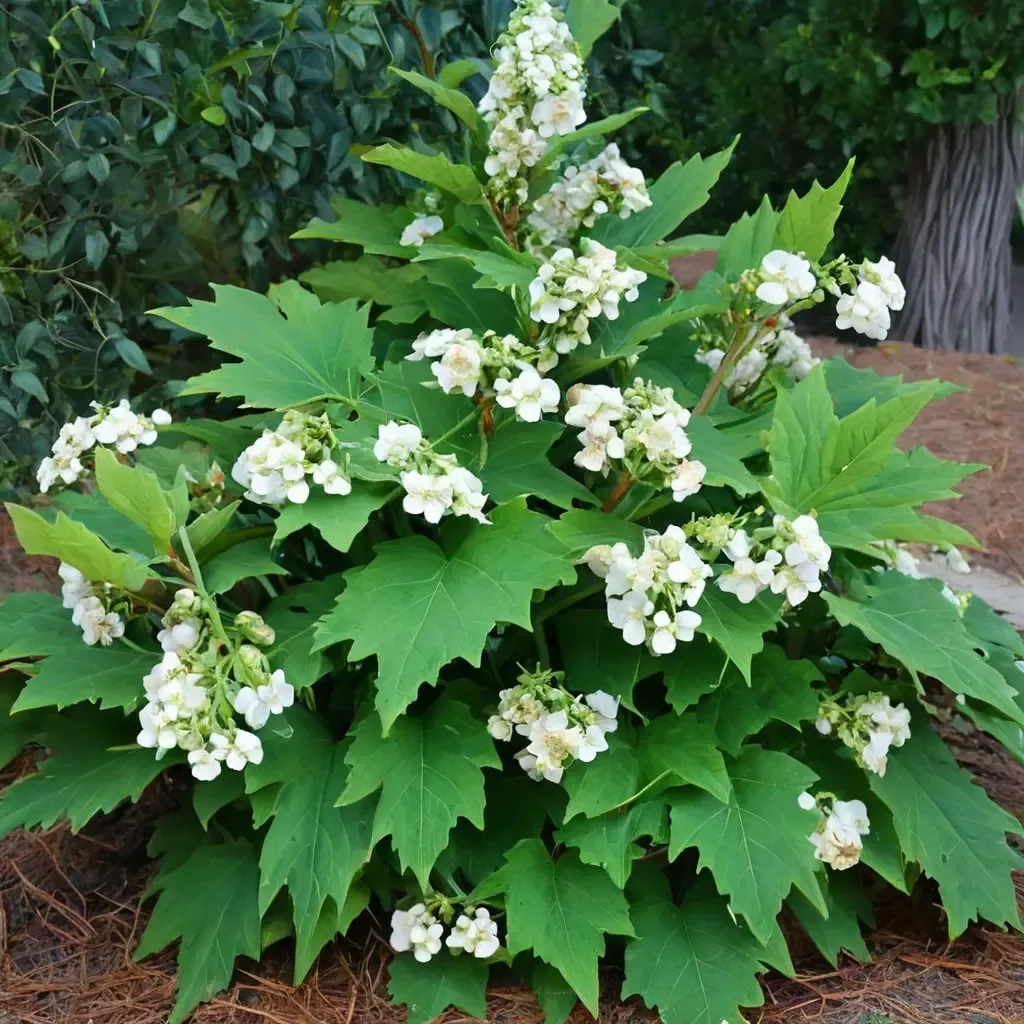
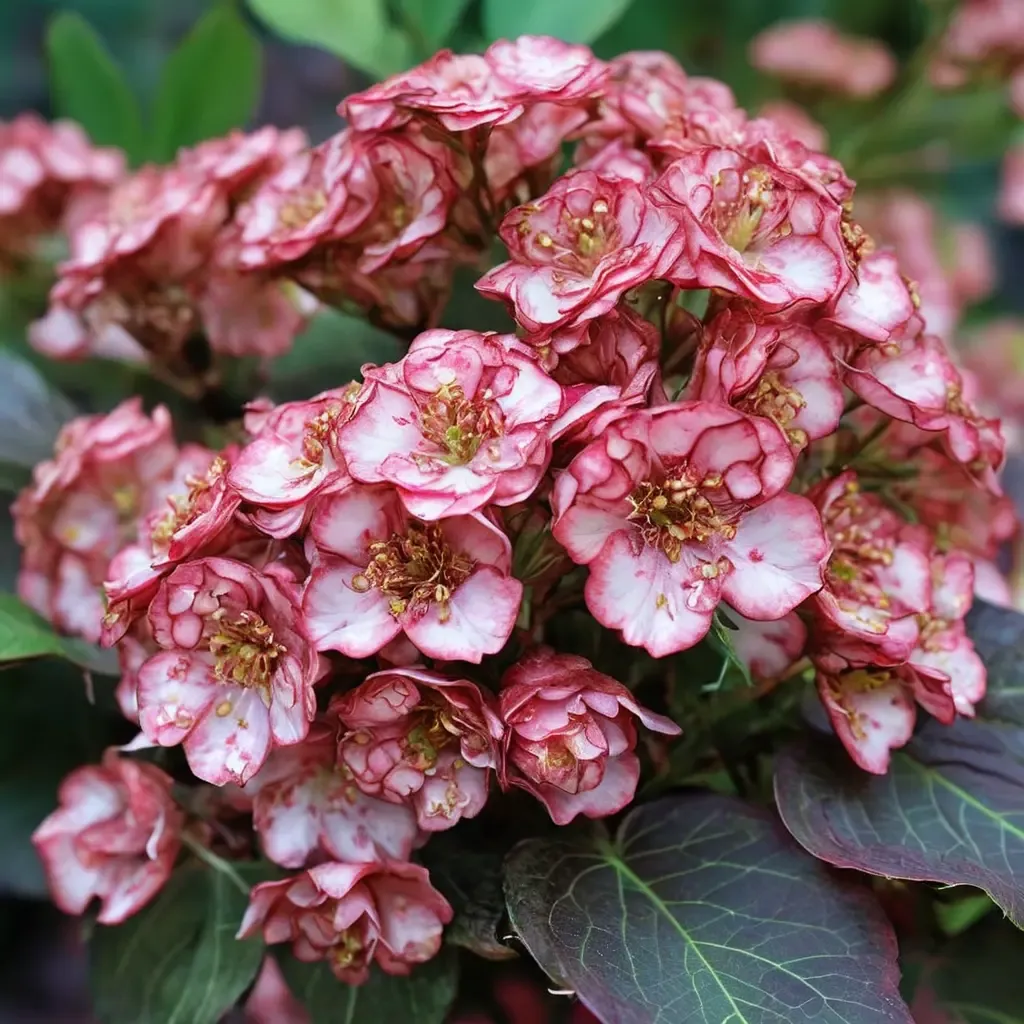
Among the 3.7k gardeners who designed with Narcissus in Sow, these are the plants they most consistently put beside it. Each was chosen by at least 20 different gardeners, so this is a palette people actually use, not a textbook list.
Frequently asked questions
How many daffodil bulbs should you plant per hole?
For a natural-looking clump, dig one wide hole and set five to eight bulbs in it, about an inch (2.5 cm) apart. That is closer than the 3 to 6 inches used in beds, so the clump looks full at once but will need dividing sooner. Plant in odd-numbered groups of at least five to seven rather than single rows. In a meadow drift, about 50 bulbs of one cultivar reads well from a distance.
How long do daffodil flowers last?
A planting of one cultivar stays in flower for about two to three weeks, somewhere between late winter and late spring depending on cultivar and climate. Mixing early, midseason and late cultivars stretches the season to six weeks or more, and up to six months in mild climates, with cultivars flowering from December to May.
Can you still plant daffodil bulbs in December or January?
Yes, as long as the ground is not frozen and you can dig to full depth; most bulbs can go in until the ground freezes, and in Georgia the planting season runs through late December. Late bulbs root less, so the first spring's flowers may be fewer and less even. Once the ground has frozen, pot the bulbs and chill them at about 40°F (4°C) for 8 to 12 weeks instead of holding them until spring.
When is the best time to transplant daffodil bulbs?
Move them once the foliage has turned yellow in late spring or early summer, when the bulbs are dormant. Dig the clump, pull the bulbs apart and replant them right away about 6 inches (15 cm) deep and 6 inches apart, or dry them in shade and replant in fall. Some cultivars skip a year of flowering after a move.
Are daffodils better in pots or in the ground?
The ground, if you want flowers for years: daffodils planted in the ground are long-lived and multiply into clumps. A pot suits a single forced display. Pot the bulbs in October or November, keep them at about 40°F (4°C) for 8 to 12 weeks, then bring them into warmth to flower. Forced bulbs seldom flower well when planted out afterward, so buy fresh bulbs for the garden.
What should you not plant near daffodils?
Avoid vigorous, deep-rooted ground covers such as pachysandra and English ivy, which crowd daffodils out, and do not plant under evergreen trees, which shade them all year. Shallow-rooted companions such as foamflower and creeping phlox share the ground well, and deciduous trees are fine because daffodils finish before the canopy fills in.
Do daffodils come back every year?
In most gardens, yes. Daffodils are long-lived, multiply into clumps, and older naturalized cultivars persist for 30 years or more in grass. Two things stop them: cutting or mowing the leaves before they yellow, and planting large trumpet or double cultivars in the hot South, where jonquils and tazettas are the types that return reliably.
Are daffodils poisonous to dogs and cats?
Yes. Every part of a daffodil is toxic to dogs, cats and horses, and the bulb carries the most. The main toxin is lycorine. Eating any part can cause vomiting, drooling and diarrhea; larger amounts can bring on convulsions, low blood pressure, tremors and an irregular heartbeat. Call your veterinarian or an animal poison control line if a pet chews a bulb.
Will deer and squirrels eat daffodil bulbs?
Rarely. Daffodils are poisonous, and deer, rabbits, squirrels and chipmunks almost always leave the bulbs and leaves alone, so daffodils seldom need the chicken-wire covers used over other bulbs. Squirrels may still dig in a freshly planted bed out of curiosity, so firm the soil well after planting and replace any bulb that gets turned out.
References
- University of Minnesota Extension. Planting bulbs, tubers and rhizomes. Accessed October 16, 2026.
- University of Illinois Extension. Planting Bulbs. Accessed October 16, 2026.
- University of Wisconsin-Madison Division of Extension (Wisconsin Horticulture). Planting Spring Bulbs. Accessed October 16, 2026.
- Iowa State University Extension and Outreach (Yard and Garden). When is the best time to plant daffodils?. Accessed October 16, 2026.
- University of Maryland Extension. Bulbs. Accessed October 16, 2026.
- University of Maryland Extension. Spring Daffodils. Accessed October 16, 2026.
- Colorado State University Extension. Fall-Planted Bulbs and Corms (Fact Sheet 7.410). Accessed October 16, 2026.
- Oregon State University Extension Service. Tips for Growing Spring-Flowering Bulbs in Central Oregon (EM 9536). Accessed October 16, 2026.
- Oregon State University Extension Service. Plant spring-blooming bulbs in fall for years of low-maintenance color. Accessed October 16, 2026.
- Clemson Cooperative Extension Home & Garden Information Center. Spring-Flowering Bulbs (HGIC 1155). Accessed October 16, 2026.
- University of Georgia Cooperative Extension. Flowering Bulbs for Georgia Gardens (Bulletin 918). Accessed October 16, 2026.
- North Carolina State Extension Gardener Plant Toolbox. Narcissus. Accessed October 16, 2026.
- Texas A&M AgriLife Today (Texas A&M AgriLife). Bulbs to blooms: Tips for fall bulb planting. Accessed October 16, 2026.
- Greg Grant, Smith County Horticulturist, Texas A&M AgriLife Extension (column in Shelby County Today). Growing Daffodils, Jonquils, and Narcissus in East Texas. Accessed October 16, 2026.
- ASPCA Animal Poison Control. Daffodil. Accessed October 16, 2026.
- Northern California Daffodil Society. Guidelines To Growing Beautiful Daffodils In Your Garden. Accessed October 16, 2026.
- Northern California Daffodil Society. California Daffodil FAQs. Accessed October 16, 2026.
- Northern California Daffodil Society. Naturalizing Daffodils. Accessed October 16, 2026.
- Northern California Daffodil Society. Daffodils Not Blooming?. Accessed October 16, 2026.
- NOAA National Centers for Environmental Information. U.S. Climate Normals. Accessed October 16, 2026.
Sow Editorial
Written by the Sow team from university extension services, botanical gardens, USDA and NOAA data and plant breeders. Every source is listed under References.
The plants Sow gardeners save most