Popularity, clearly labeled
The Most Popular Perennials for Shade in Zone 9
Among perennials catalog-rated for shade, these are the genera Sow gardeners save most. Confirm the exact variety’s light, moisture, and hardiness needs for your site. Every representative here is catalog-rated hardy in Zone 9, whose standard minimum-temperature band begins near 20°F. The popularity ranking is recomputed only among matching Zone 9 records; hardiness alone does not establish that a plant will thrive on a particular site.
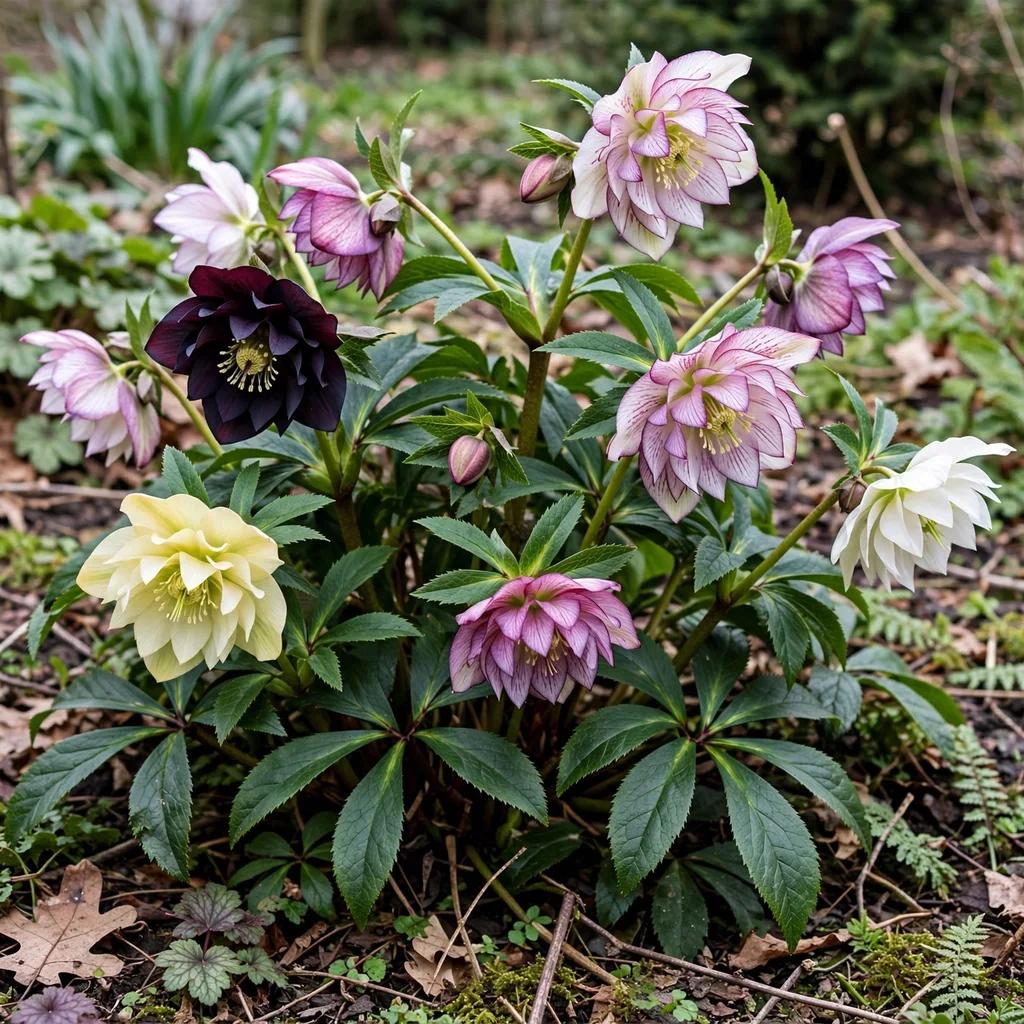
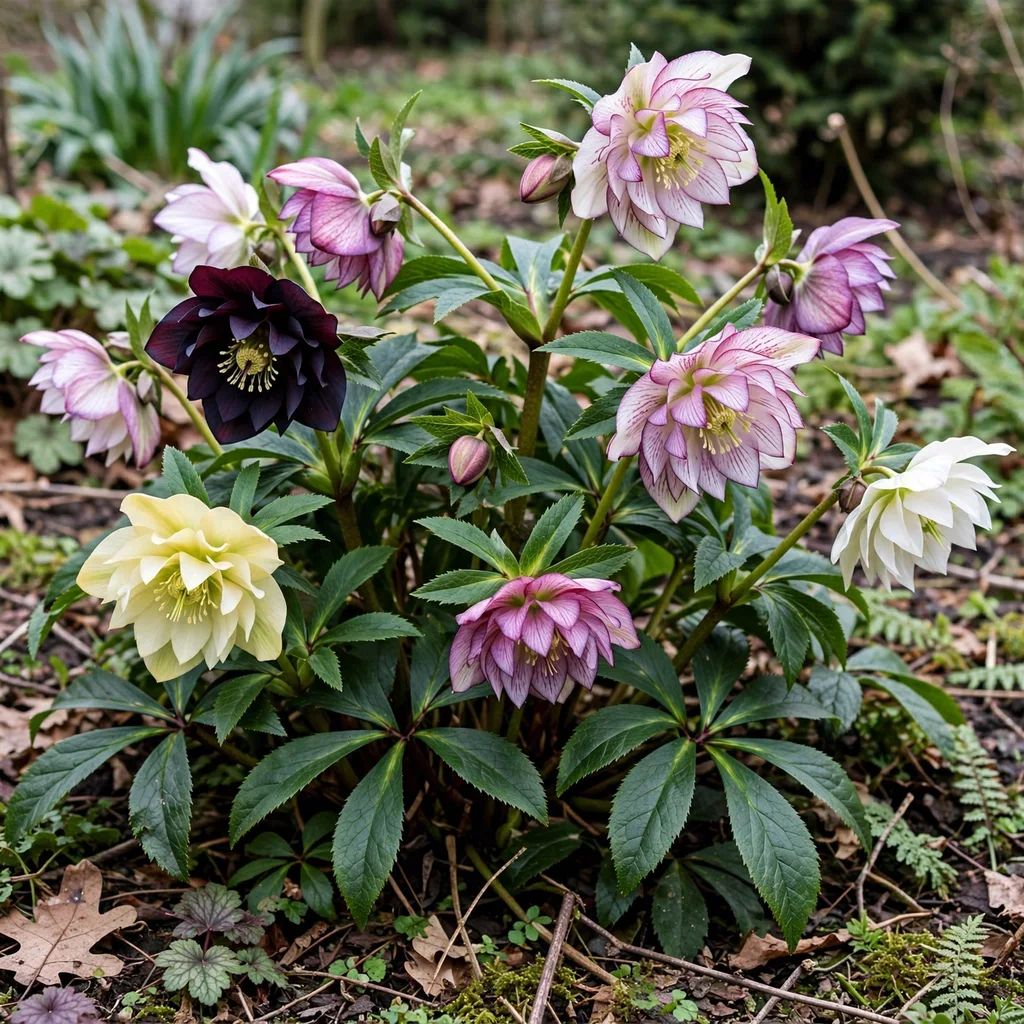
Lenten Rose
Ranked by its most-saved matching variety; the full catalog includes 148 varieties. Nodding flowers open in late winter above handsome, often evergreen foliage.
Zones 4–9All 148 varieties →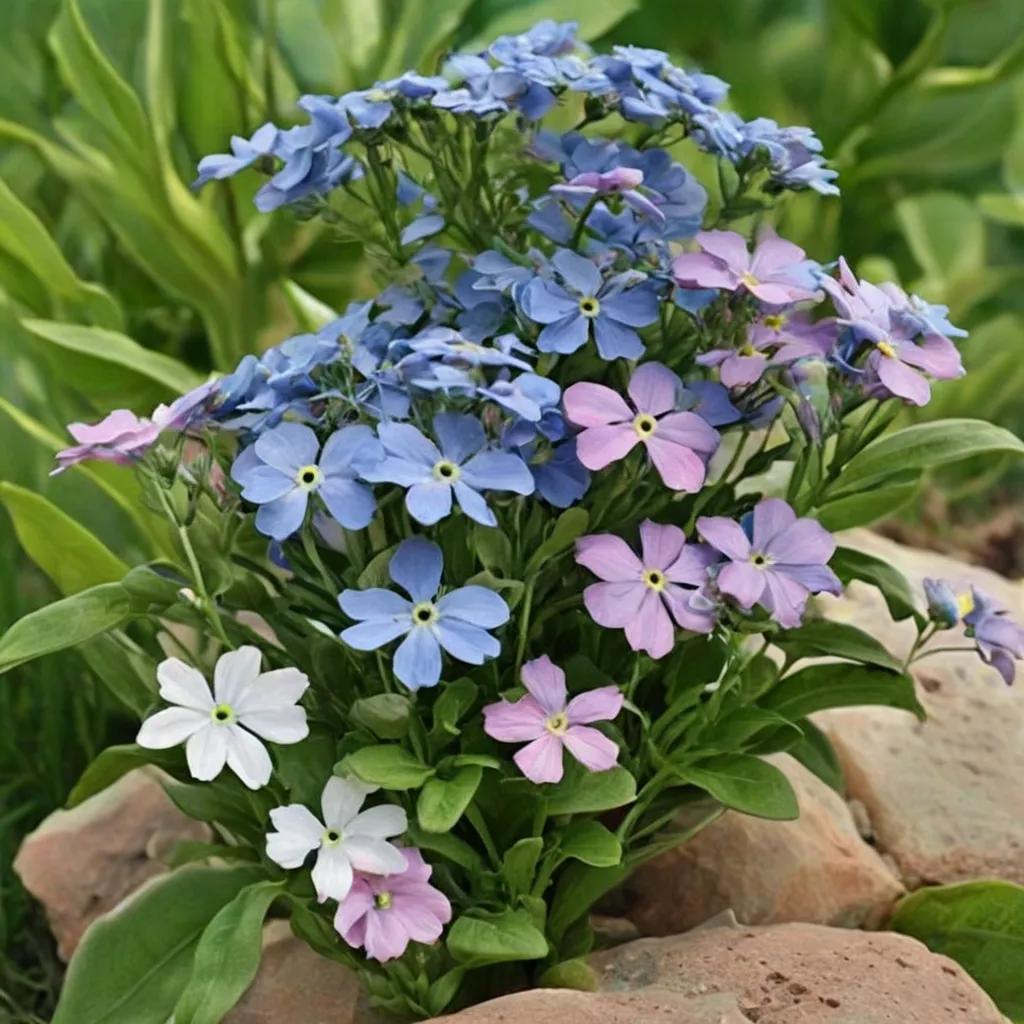
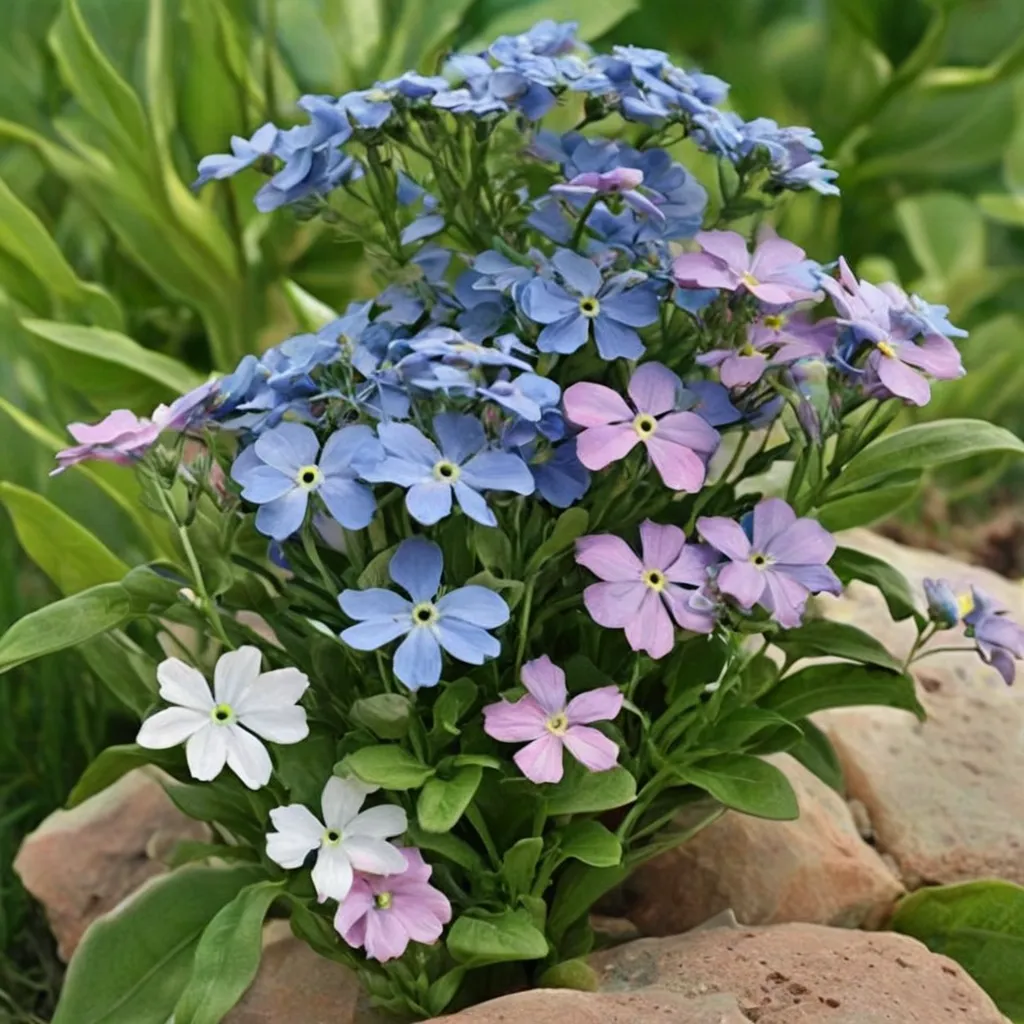
Forget-me-not
Ranked by its most-saved matching variety; the full catalog includes 10 varieties. Clouds of tiny blue flowers soften spring edges and mingle easily with bulbs.
Zones 4–9All 10 varieties →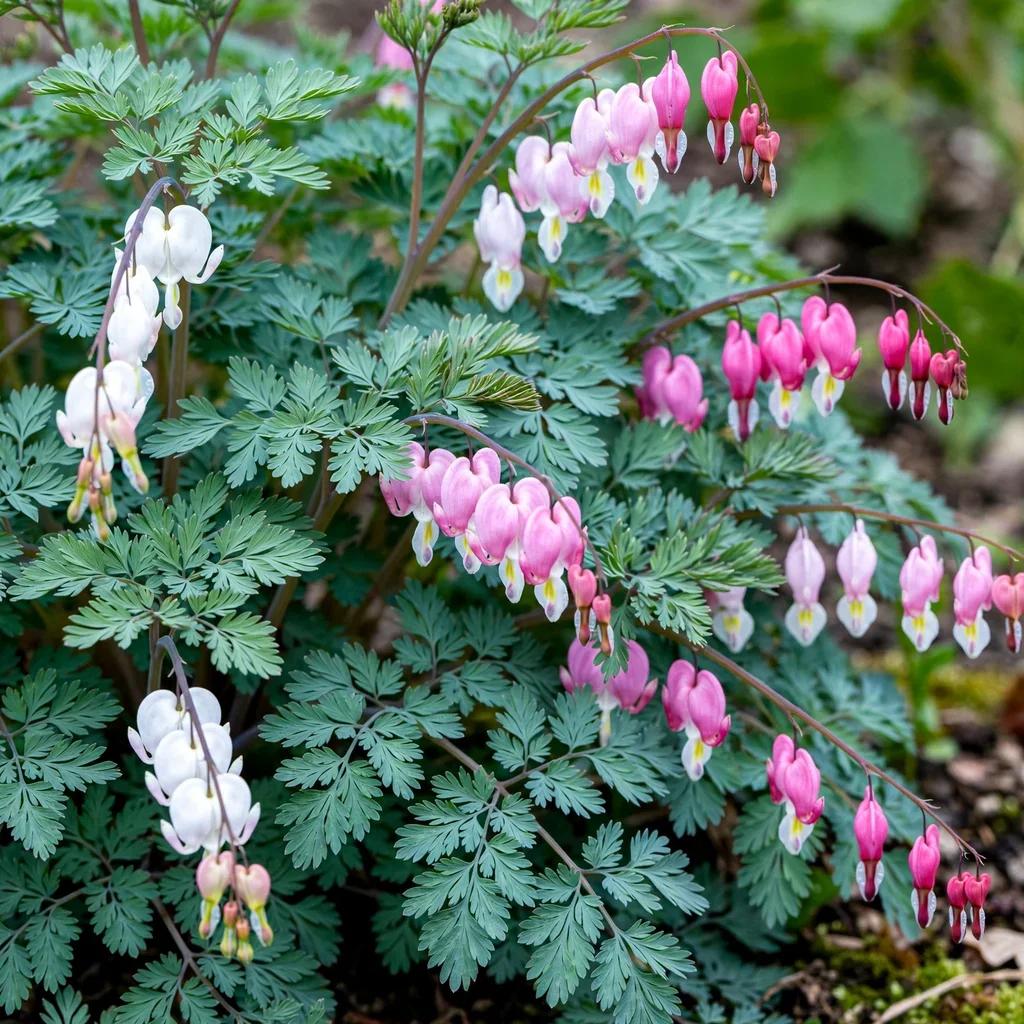
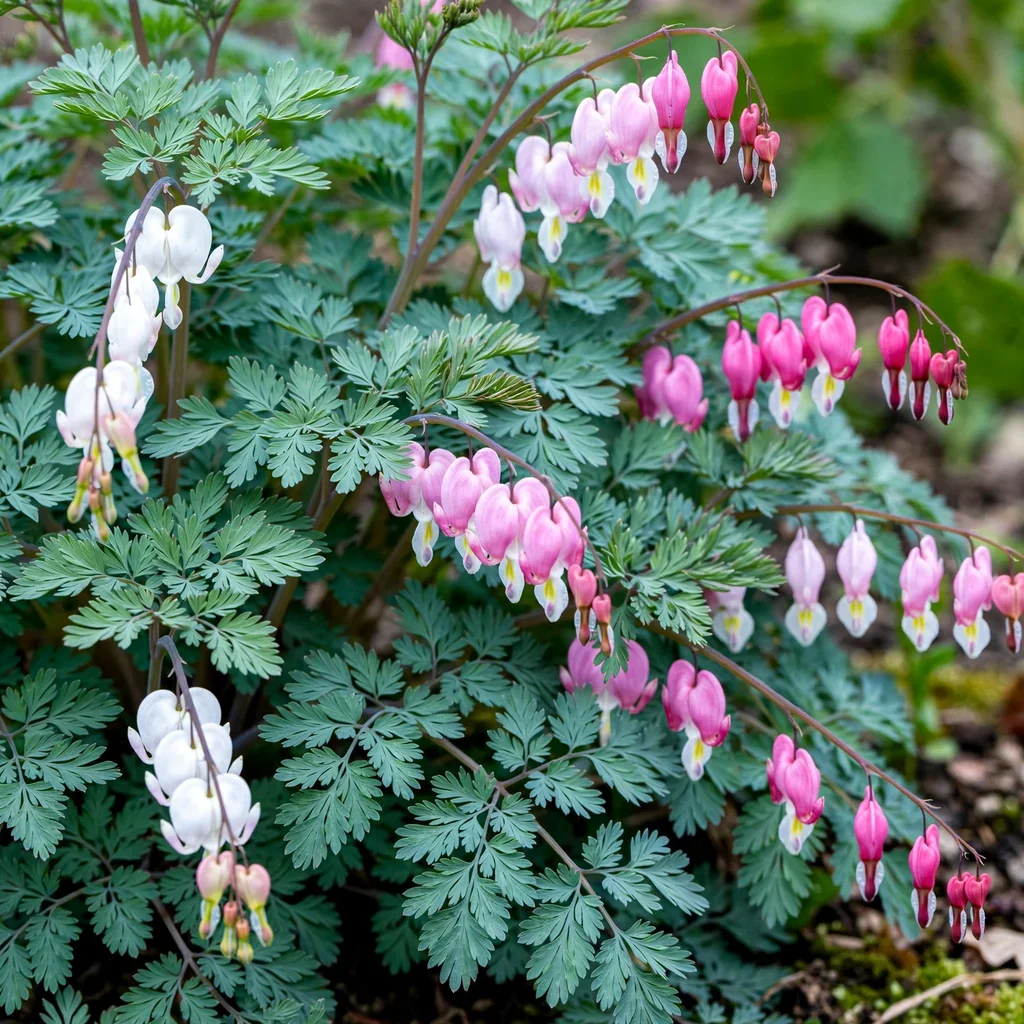
Bleeding Heart
Ranked by its most-saved matching variety; the full catalog includes 21 varieties. Heart-shaped flowers hang from arching stems above finely divided spring foliage.
Zones 4–9All 21 varieties →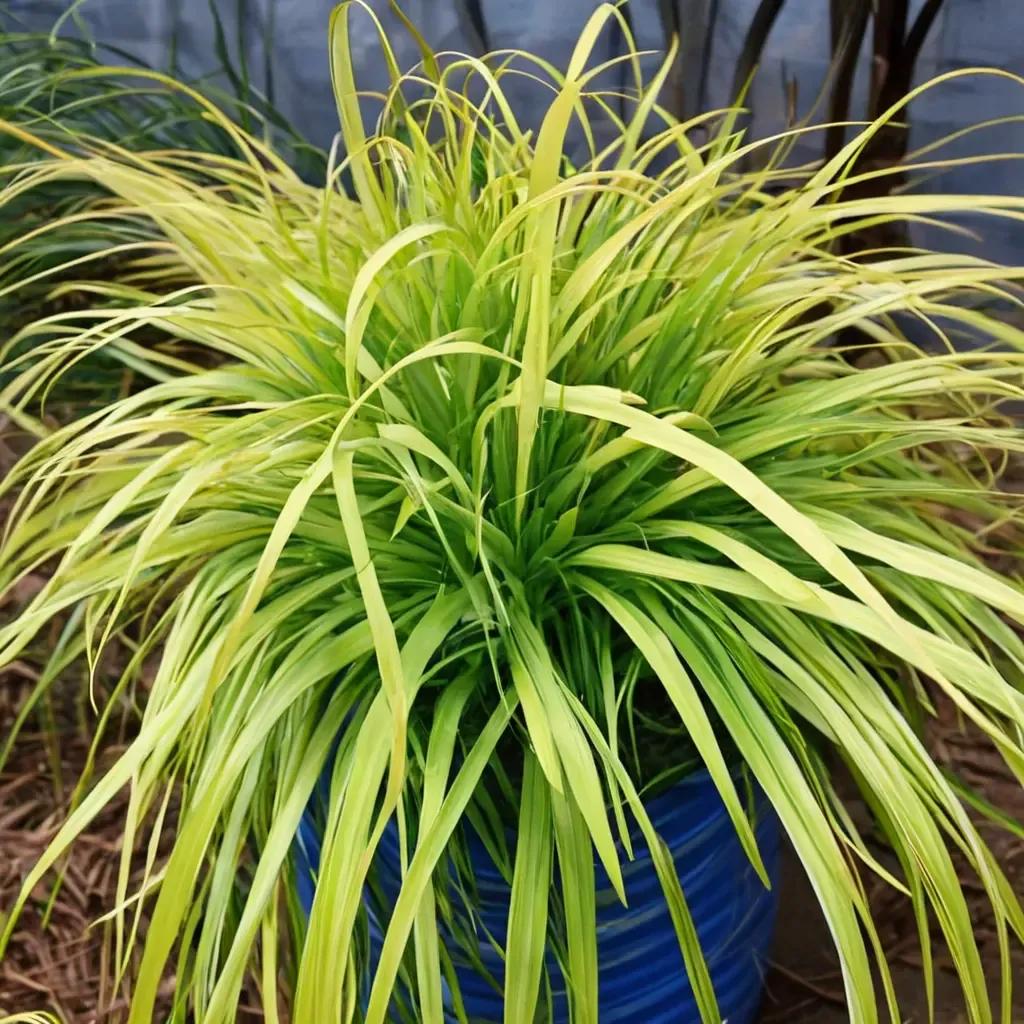
Sedge
Ranked by its most-saved matching variety; the full catalog includes 90 varieties. Sedges offer an exceptional range of textures for weaving through difficult sites.
Zones 5–9All 90 varieties →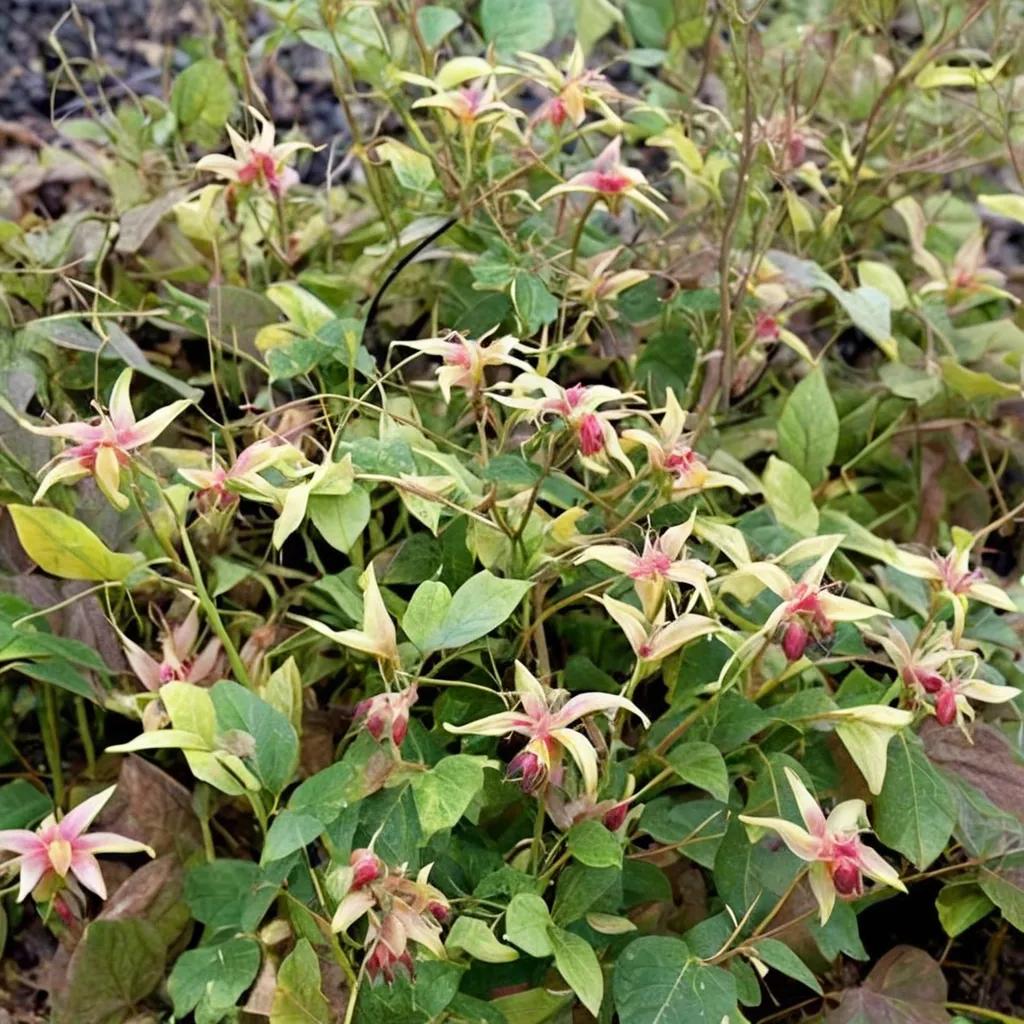
Barrenwort
Ranked by its most-saved matching variety; the full catalog includes 86 varieties. Tough, spreading foliage and tiny spring flowers excel in dry shade.
Zones 4–9All 86 varieties →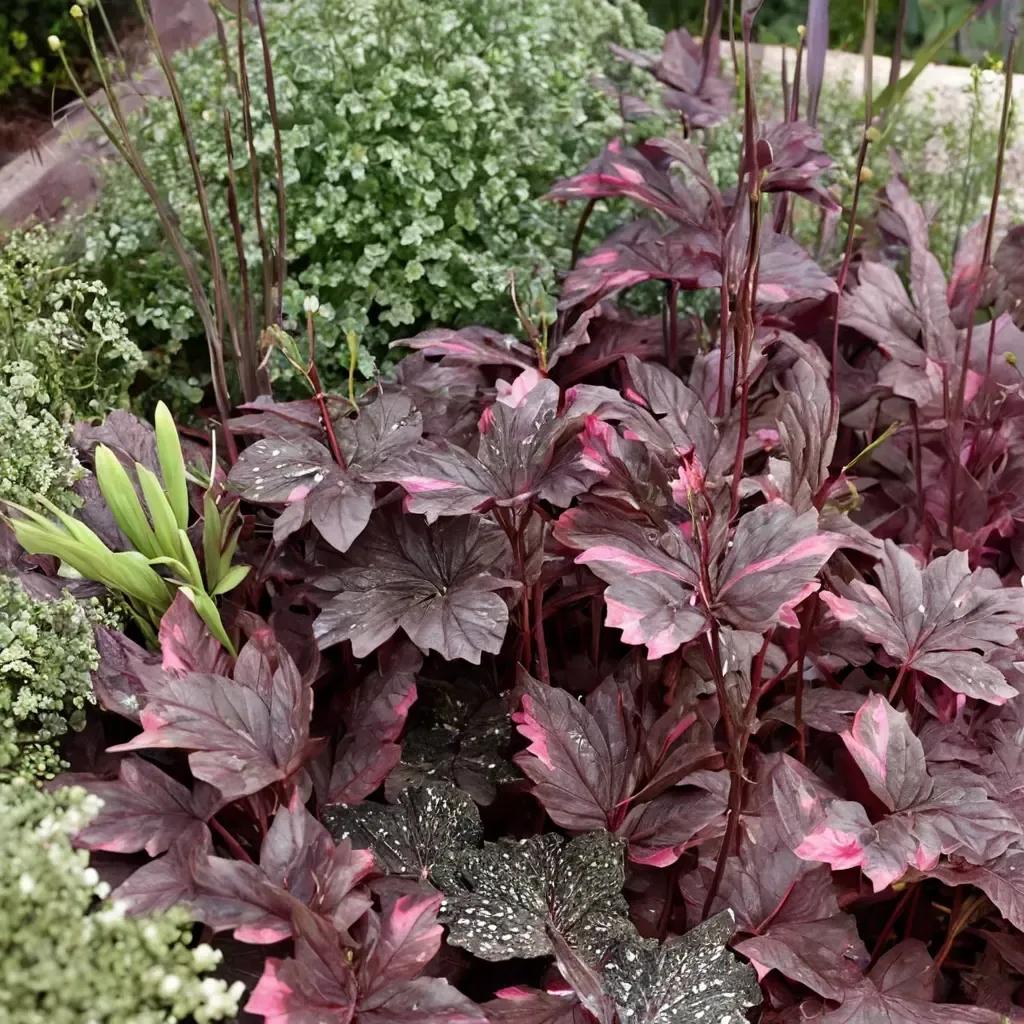
Coral Bells
Ranked by its most-saved matching variety; the full catalog includes 178 varieties. Scalloped foliage supplies season-long color in shades few perennials can match.
Zones 4–9All 178 varieties →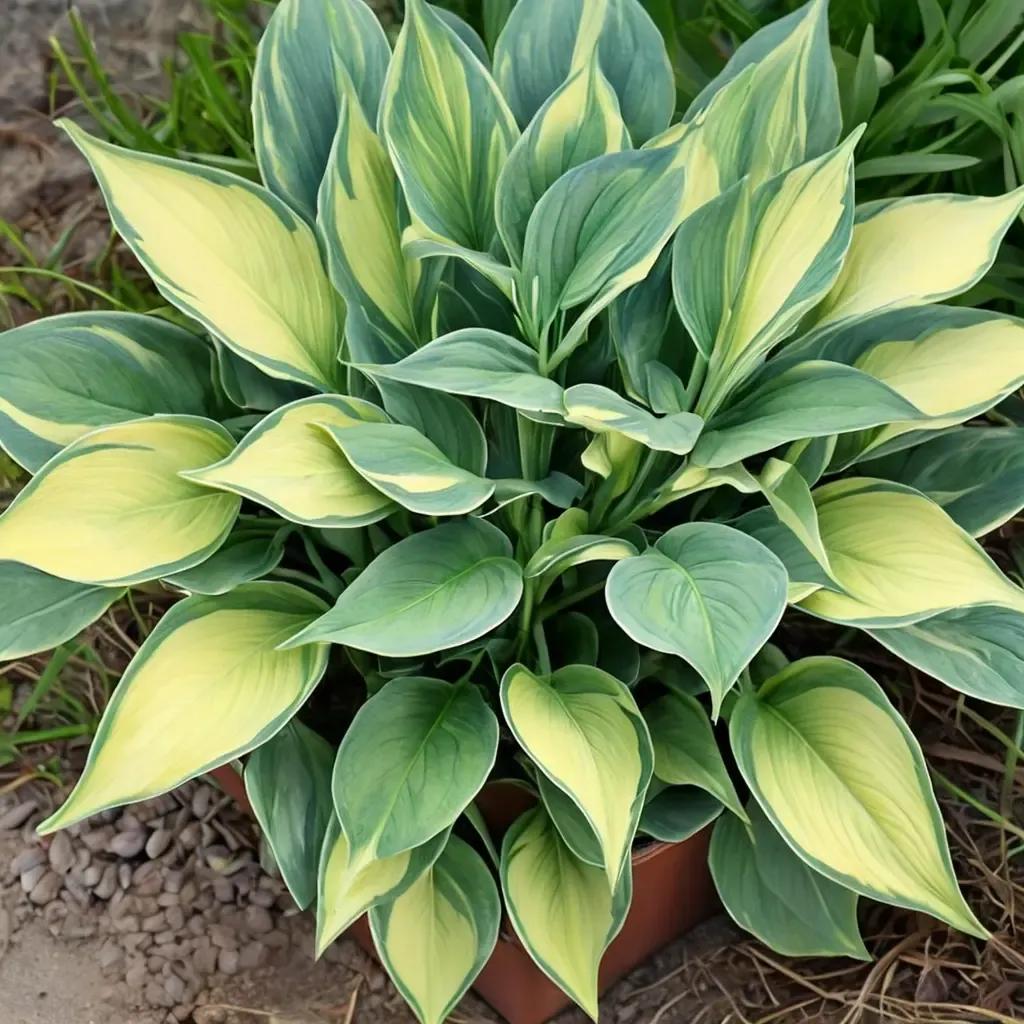
Plantain Lily
Ranked by its most-saved matching variety; the full catalog includes 1130 varieties. Bold, sculptural leaves make shade feel lush even when little is flowering.
Zones 4–9All 1130 varieties →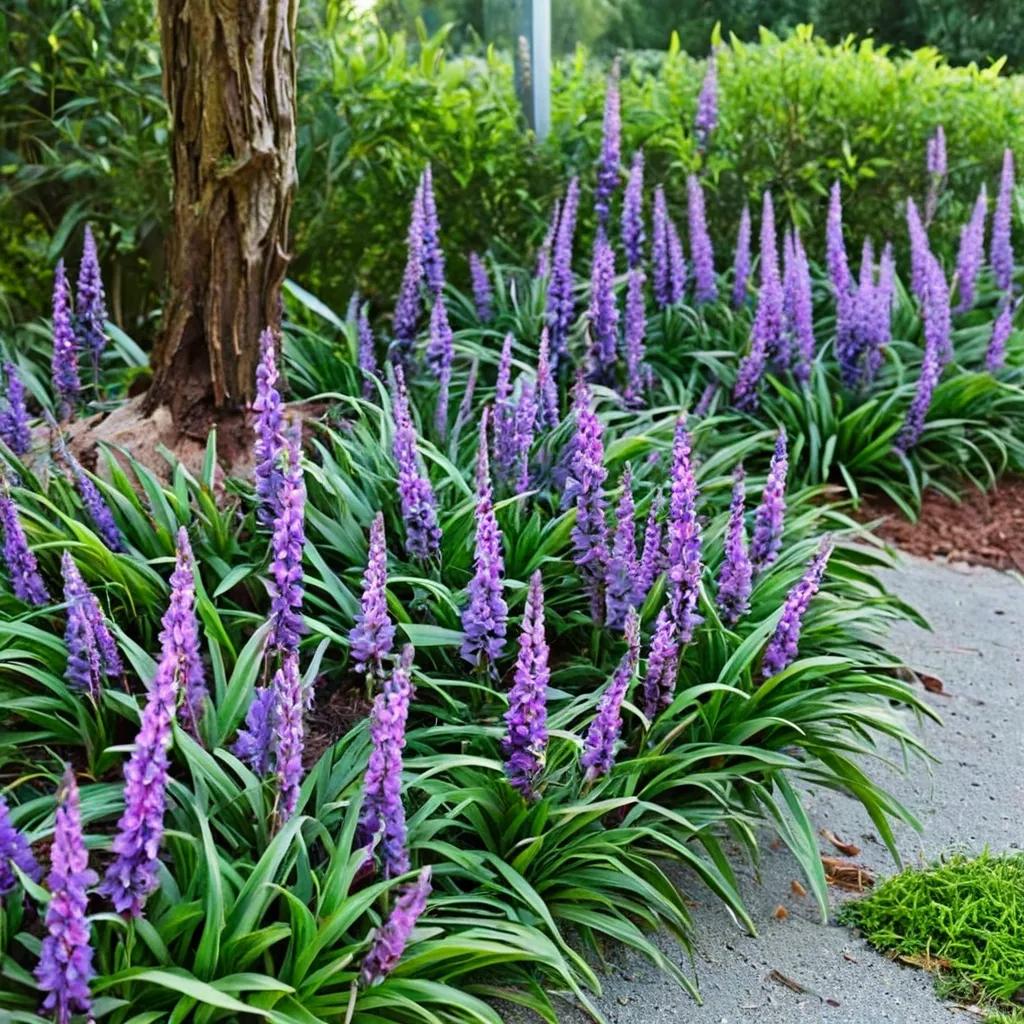
Lilyturf
Ranked by its most-saved matching variety; the full catalog includes 20 varieties. Strappy evergreen clumps define edges and tolerate the root competition beneath trees.
Zones 4–9All 20 varieties →
Toad Lily
Ranked by its most-saved matching variety; the full catalog includes 33 varieties. Orchid-like, speckled flowers appear in shade at the close of the season.
Zones 4–9All 33 varieties → 10
10Phlox
Ranked by its most-saved matching variety; the full catalog includes 131 varieties. From creeping mats to tall fragrant panicles, phlox fills several garden layers.
Zones 4–9All 131 varieties →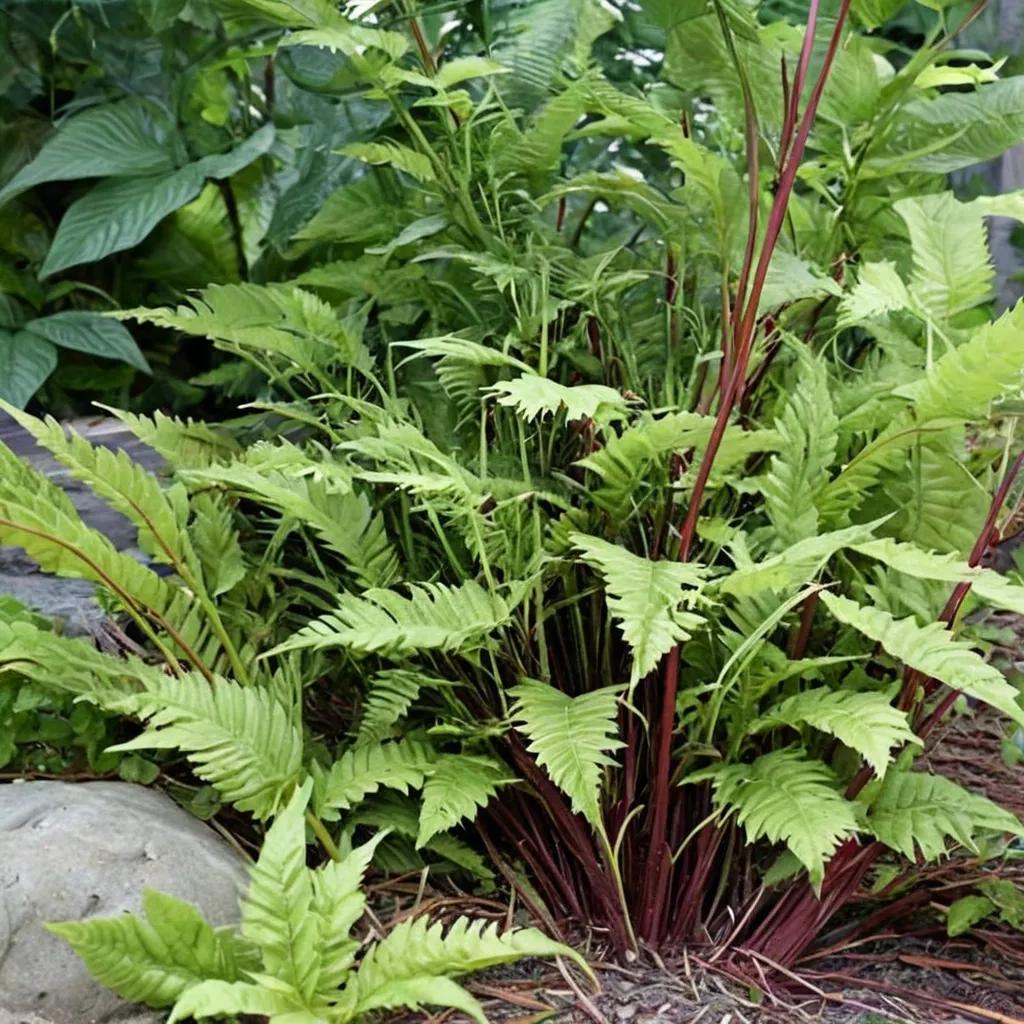 11
11Athyrium
Lady Fern
Ranked by its most-saved matching variety; the full catalog includes 35 varieties. Finely cut fronds, often silver or burgundy-tinted, illuminate dark corners.
Zones 4–9All 35 varieties →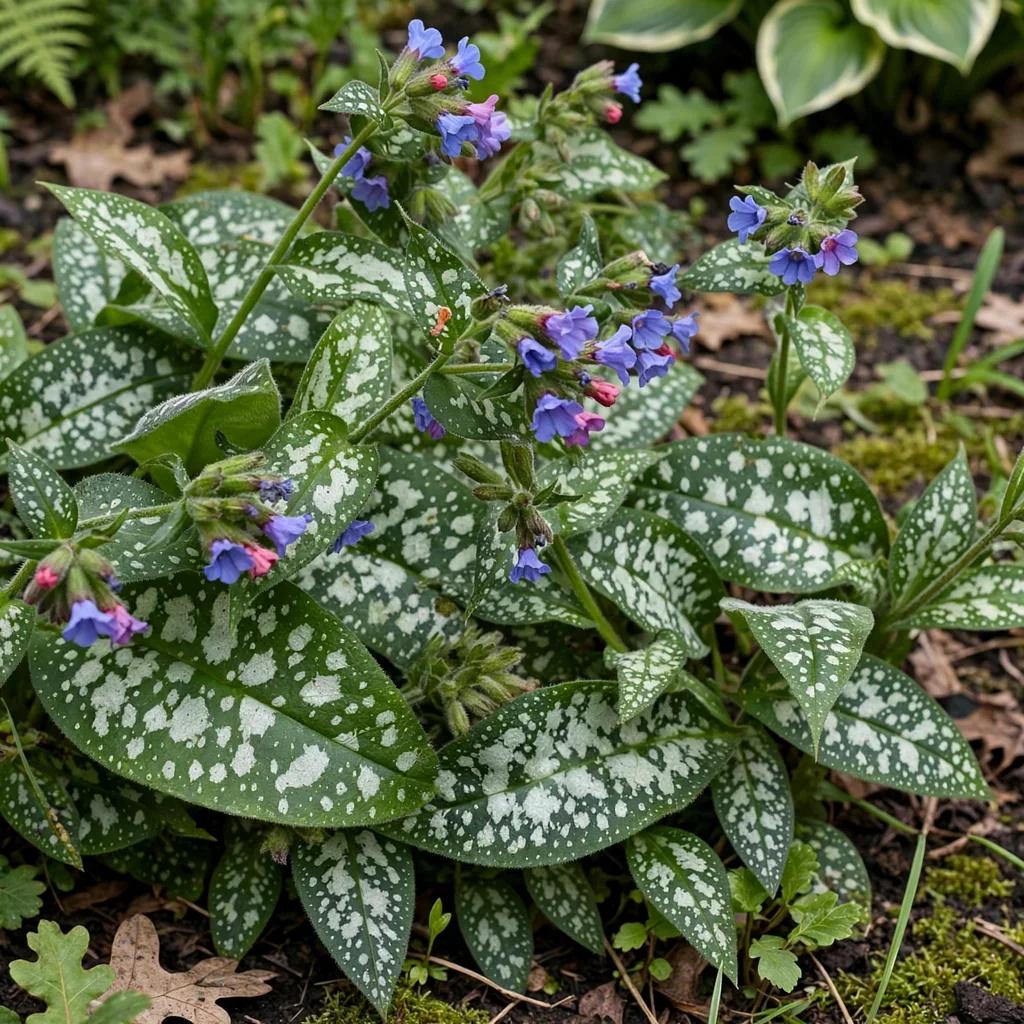
Lungwort
Ranked by its most-saved matching variety; the full catalog includes 36 varieties. Spotted silver leaves follow color-changing spring flowers in cool shade.
Zones 4–9All 36 varieties →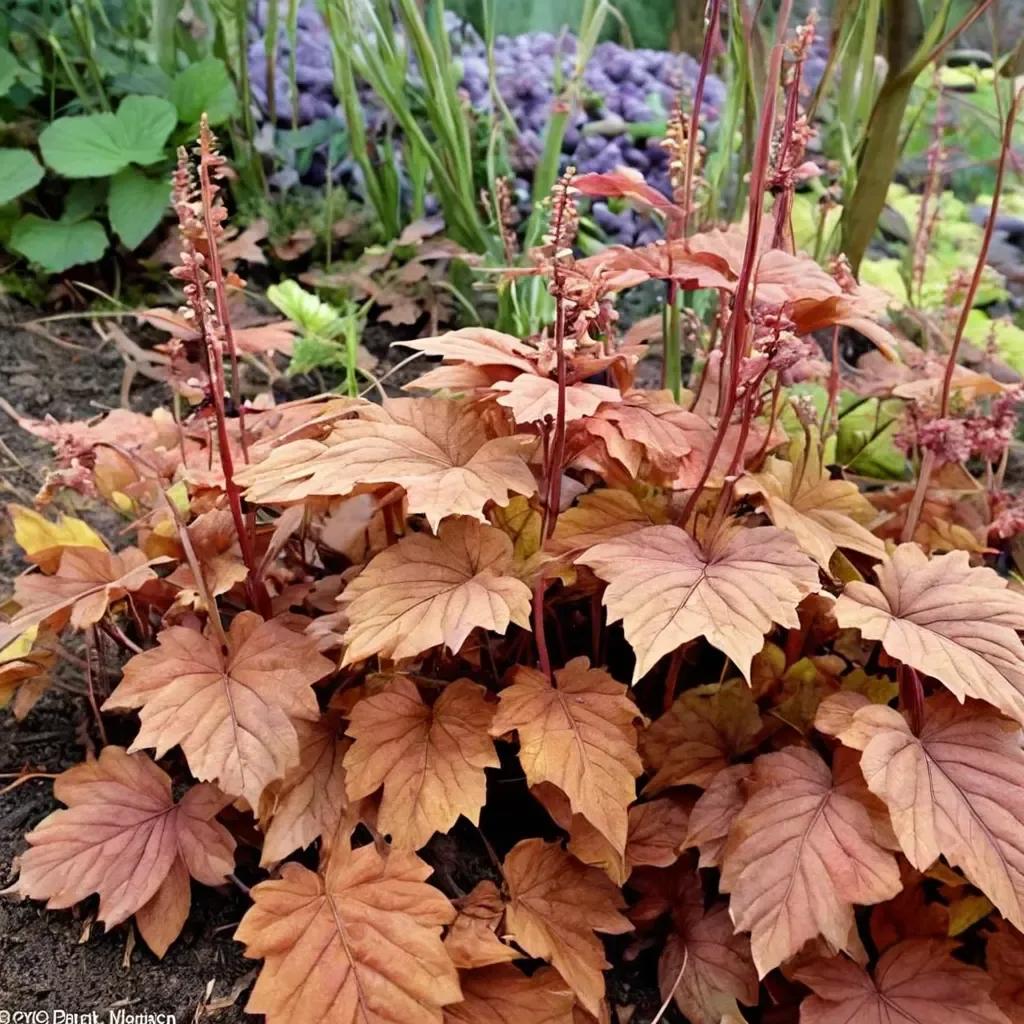
Foamy Bells
Ranked by its most-saved matching variety; the full catalog includes 31 varieties. This foamflower–coral bells hybrid combines vivid leaves with frothy spring bloom.
Zones 4–9All 31 varieties → 14
14Tiarella
Foamflower
Ranked by its most-saved matching variety; the full catalog includes 16 varieties. Foamy flower spikes rise above patterned leaves that spread gently through shade.
Zones 4–9All 16 varieties →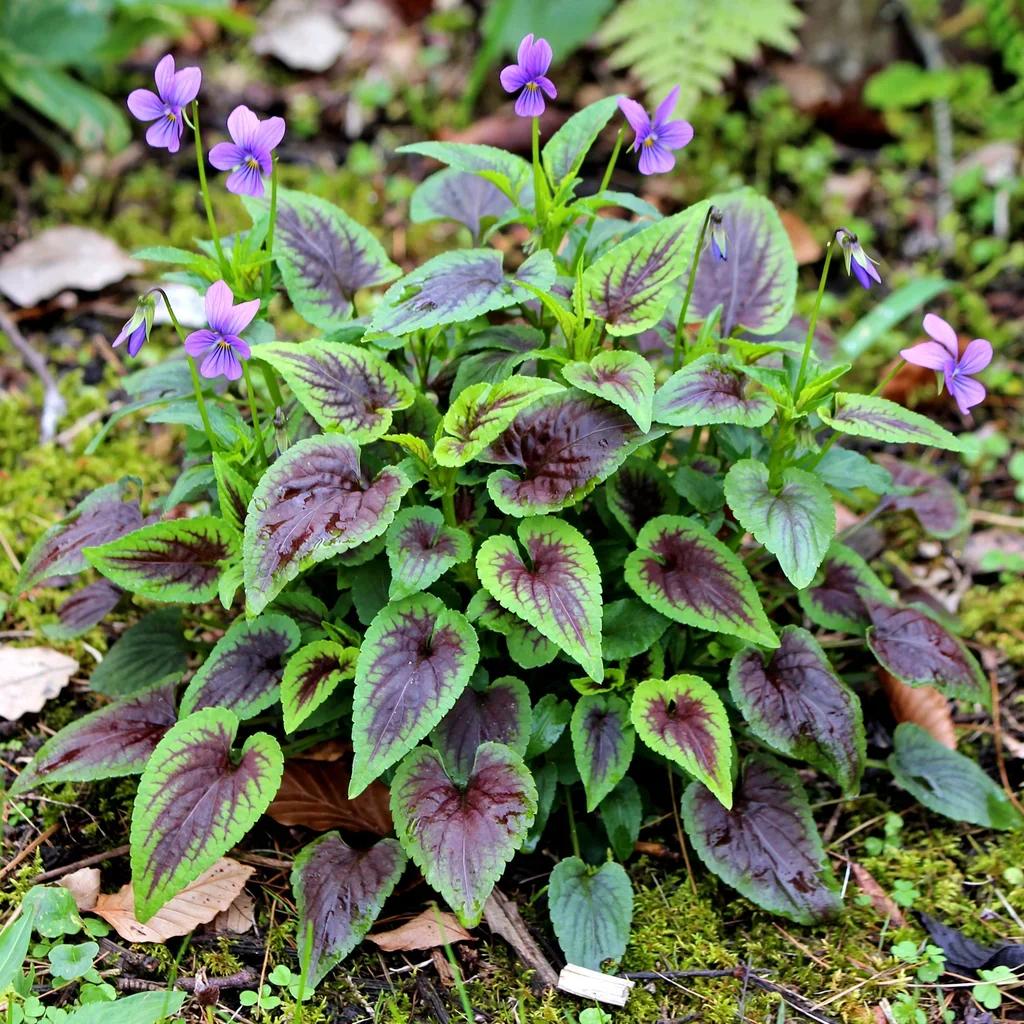 15
15Viola
Violet / Pansy
Ranked by its most-saved matching variety; the full catalog includes 39 varieties. Small, expressive flowers bring early color and often seed into charming colonies.
Zones 4–9All 39 varieties → 16
16Aruncus
Goat's Beard
Ranked by its most-saved matching variety; the full catalog includes 7 varieties. Its representative is notable for being North American native and usually passed over by deer.
Zones 4–9All 7 varieties →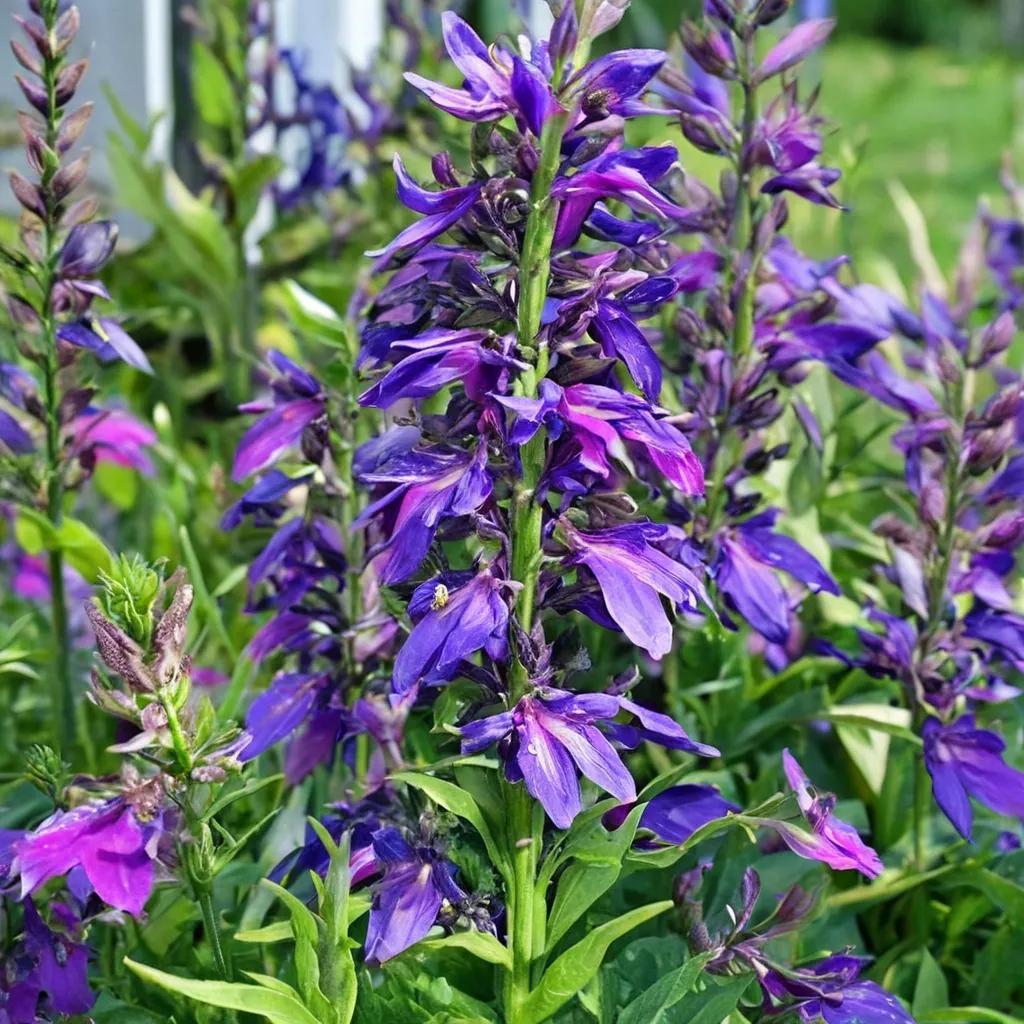 17
17Lobelia
Ranked by its most-saved matching variety; the full catalog includes 46 varieties. Intensely colored flower spikes bring hummingbirds to both borders and damp ground.
Zones 4–9All 46 varieties →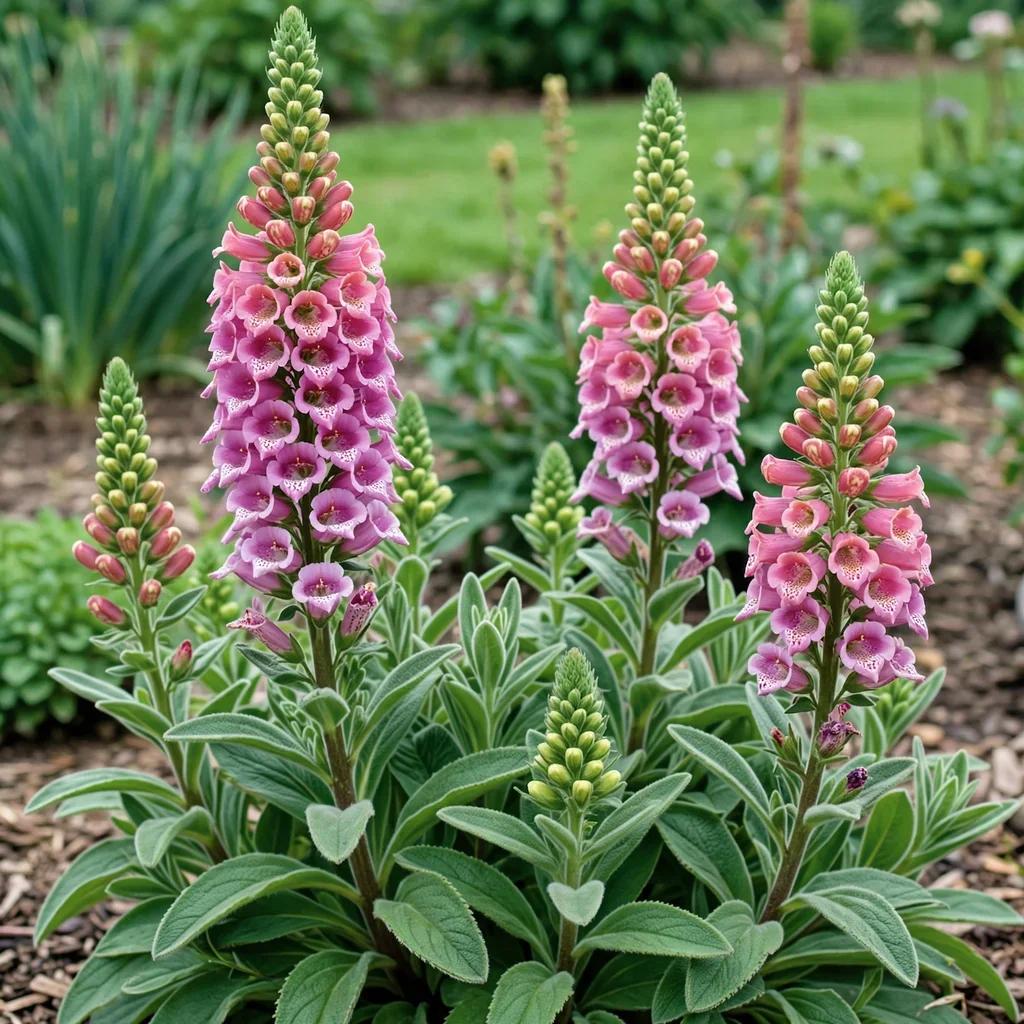
Foxglove
Ranked by its most-saved matching variety; the full catalog includes 31 varieties. Tall columns of speckled bells create instant woodland drama and feed bumblebees.
Zones 4–9All 31 varieties →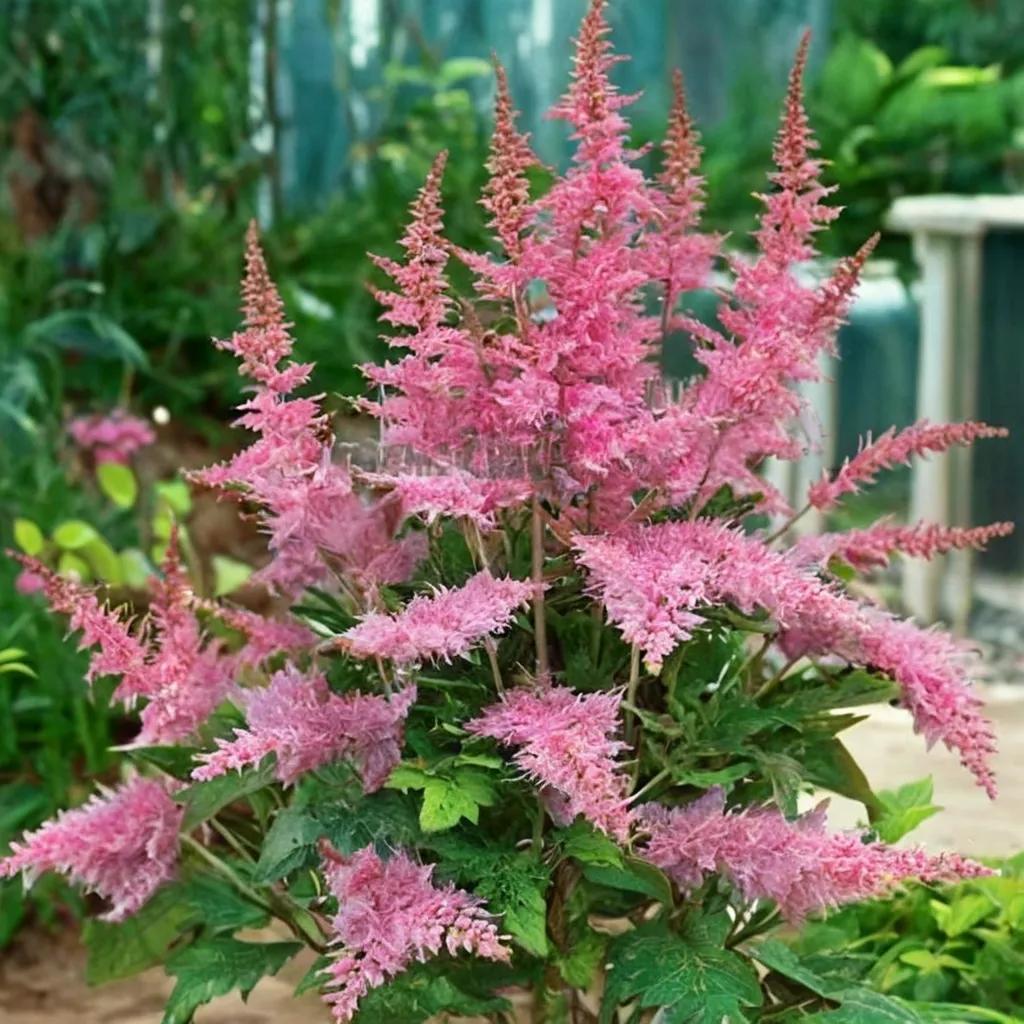 19
19Astilbe
False Spirea
Ranked by its most-saved matching variety; the full catalog includes 58 varieties. Feathery plumes brighten damp shade while divided foliage stays handsome afterward.
Zones 4–9All 58 varieties →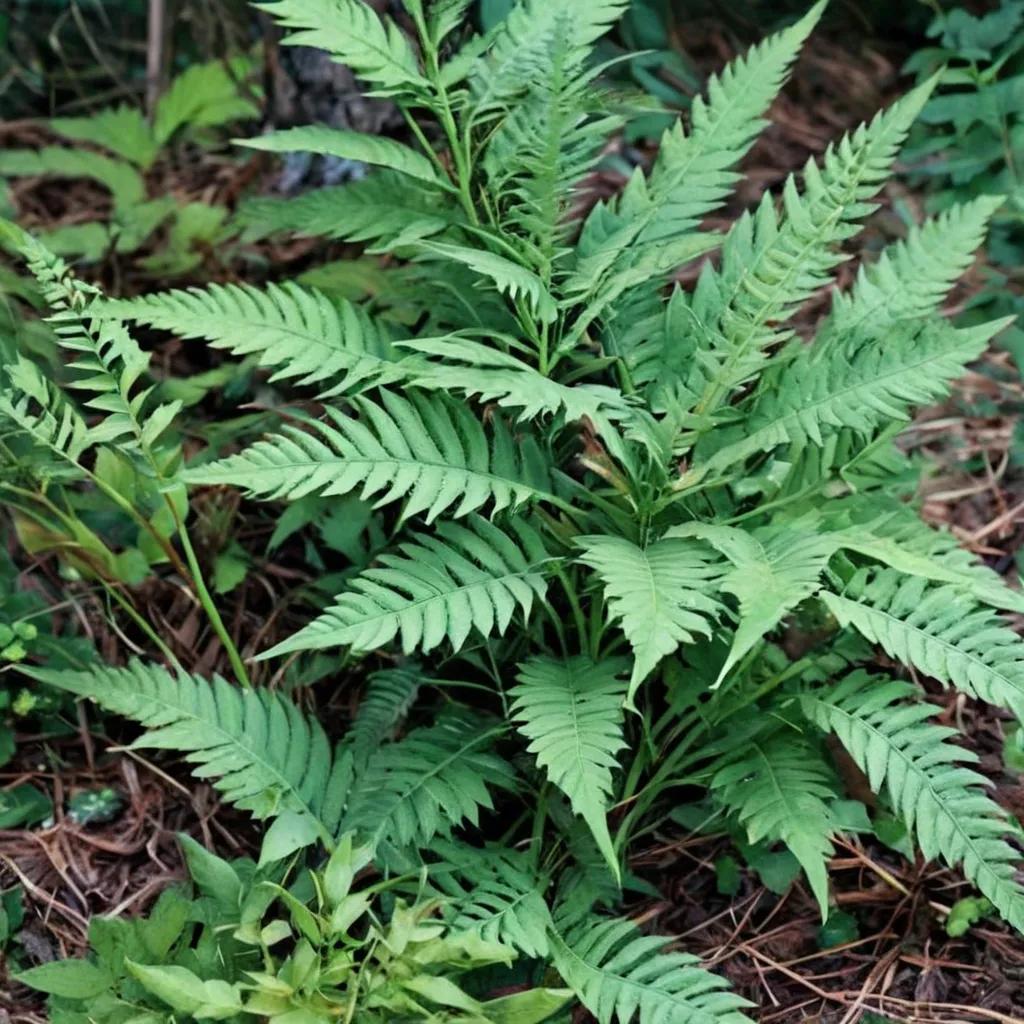
Wood Fern
Ranked by its most-saved matching variety; the full catalog includes 73 varieties. Substantial, shuttlecock-shaped fronds give shade beds dependable backbone.
Zones 5–9All 73 varieties →
About this list
How was this the most popular perennials for shade in zone 9 list ranked?
A plant must first match the catalog filters named in the title. Each genus is represented and ranked by its most-saved matching variety, so genera with many cultivars do not receive an automatic advantage.
Are all of these hardy in Zone 9?
Yes — every plant on this list is rated for Zone 9. Plants that could not survive a Zone 9 winter were excluded before ranking.
What counts as full shade vs. part shade?
Part shade is 3–6 hours of sun (ideally morning); full shade is under 3. Most "shade plants" want part shade — true full-shade champions are ferns, hostas, and woodland natives.
Track these in your garden
Save the ones you plant and get care reminders timed to Zone 9.
Keep exploring
More popularity lists
- Most Popular Perennials for Shade
- Most Popular Deer-Resistant Perennials
- Most Popular Plants Tagged for Pollinators
- Most Popular Drought-Tolerant Plants
- Most Popular Flowering Shrubs
- Most Popular Groundcovers for Shade
- Most Popular Privacy Shrubs and Screening Plants
- Most Popular North American Native Perennials