Popularity, clearly labeled
The Most Popular Perennials for Shade in Zone 10
Among perennials catalog-rated for shade, these are the genera Sow gardeners save most. Confirm the exact variety’s light, moisture, and hardiness needs for your site. Every representative here is catalog-rated hardy in Zone 10, whose standard minimum-temperature band begins near 30°F. The popularity ranking is recomputed only among matching Zone 10 records; hardiness alone does not establish that a plant will thrive on a particular site.
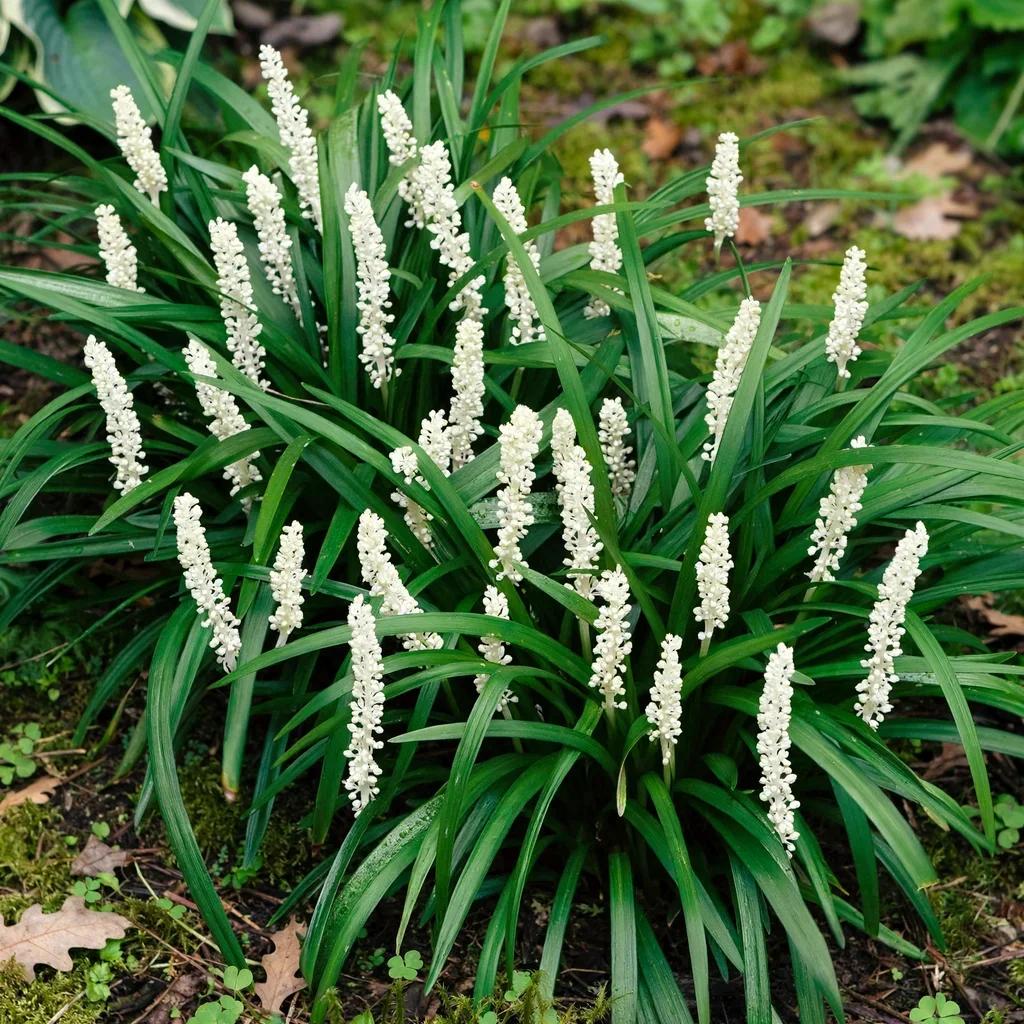
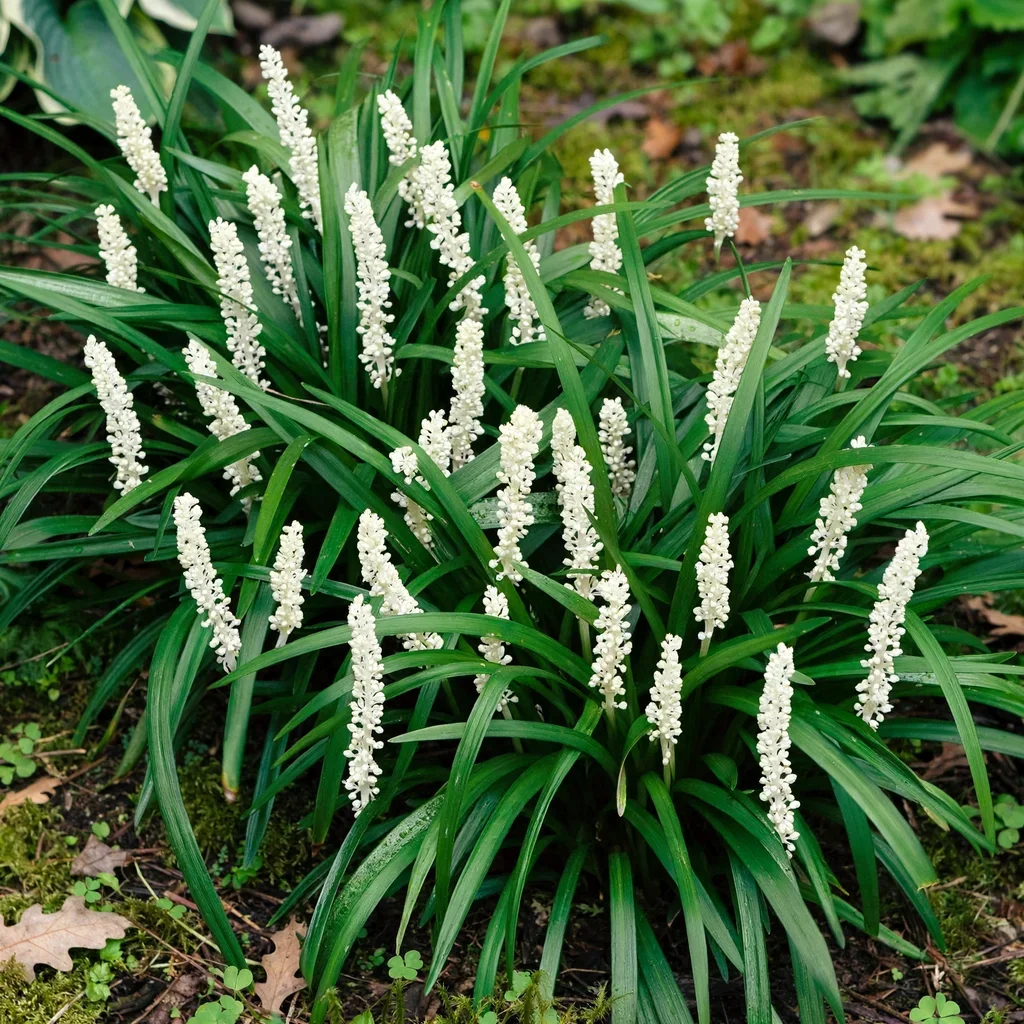
Lilyturf
Ranked by its most-saved matching variety; the full catalog includes 20 varieties. Strappy evergreen clumps define edges and tolerate the root competition beneath trees.
Zones 5–10All 20 varieties →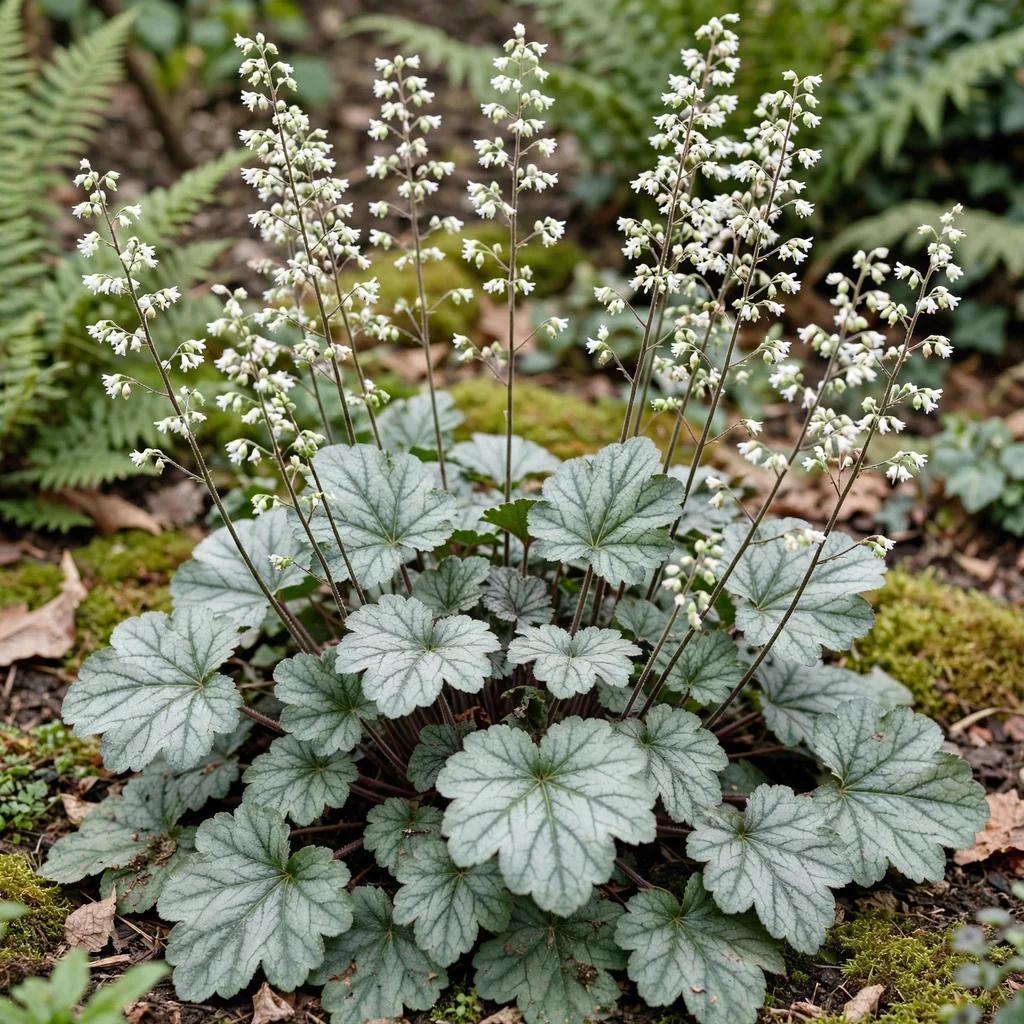
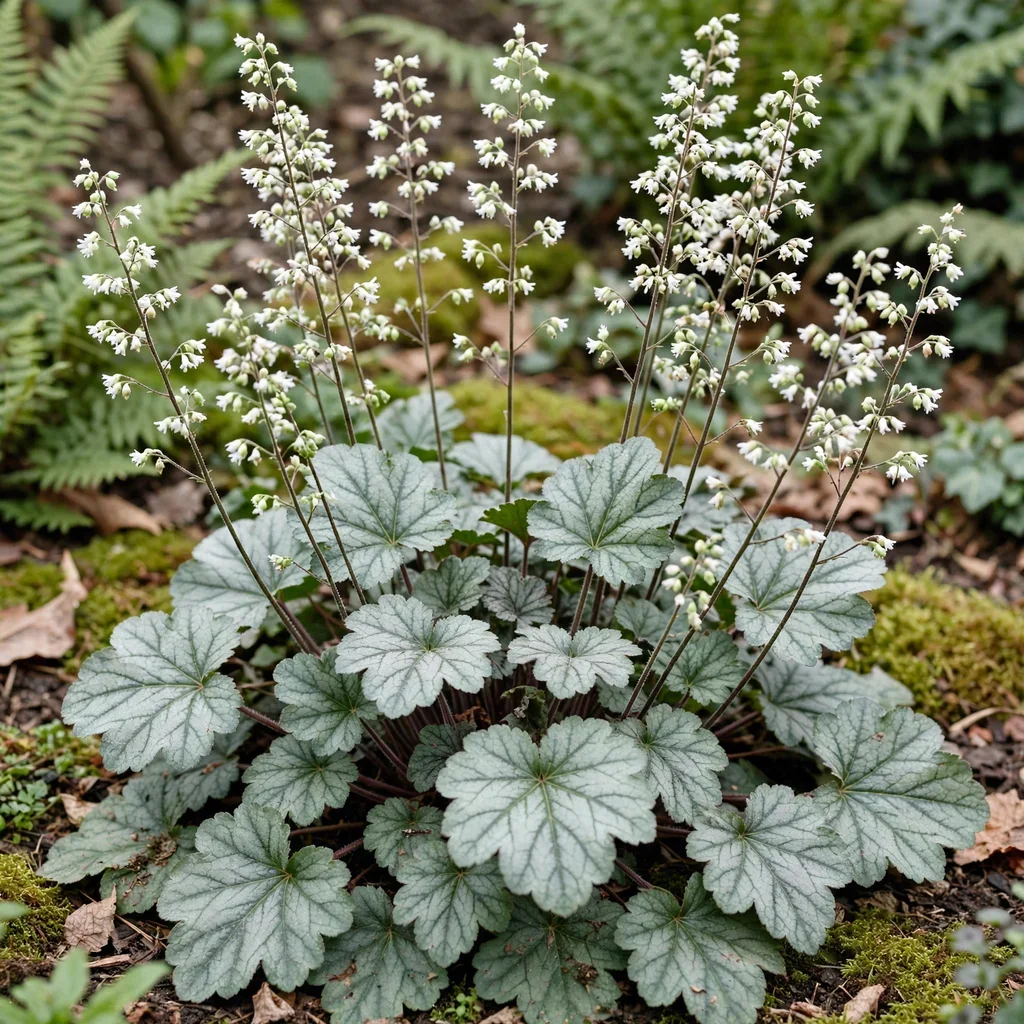
Coral Bells
Ranked by its most-saved matching variety; the full catalog includes 178 varieties. Scalloped foliage supplies season-long color in shades few perennials can match.
Zones 7–10All 178 varieties →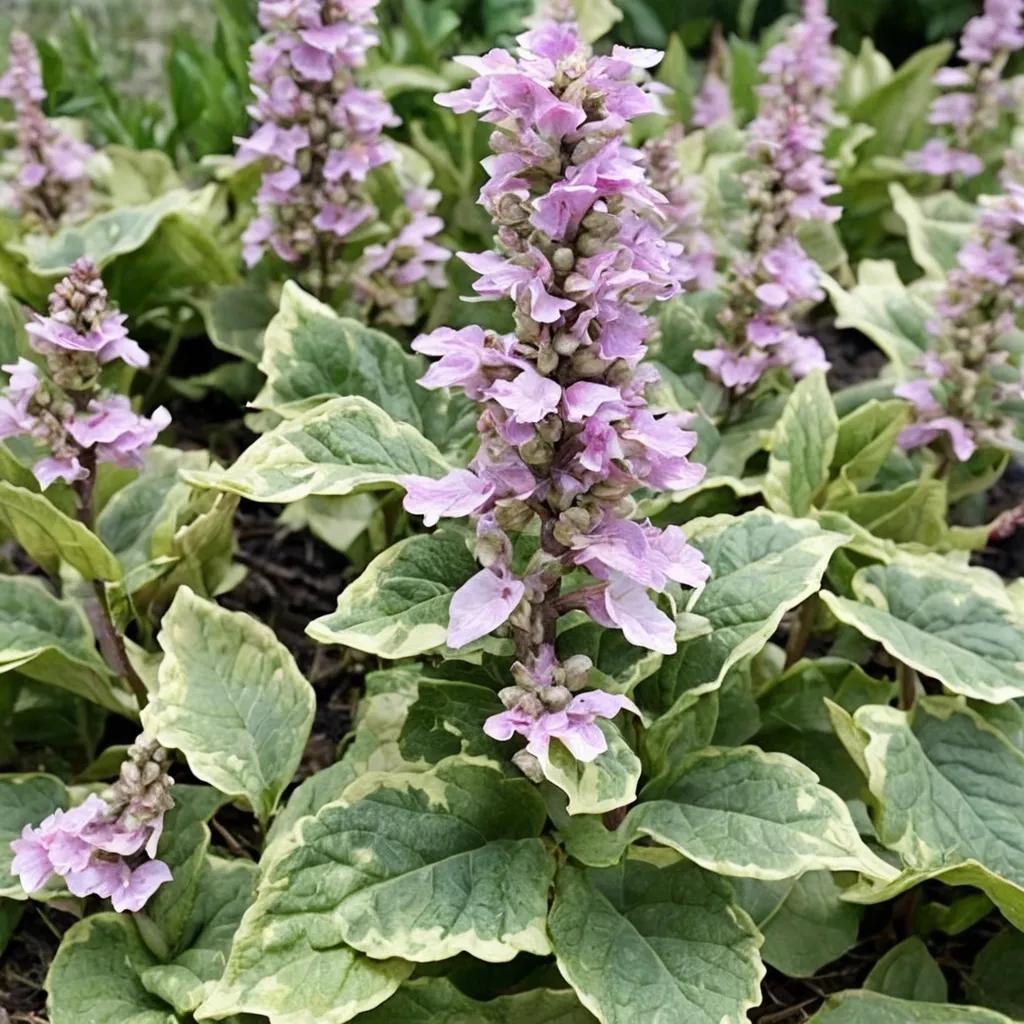
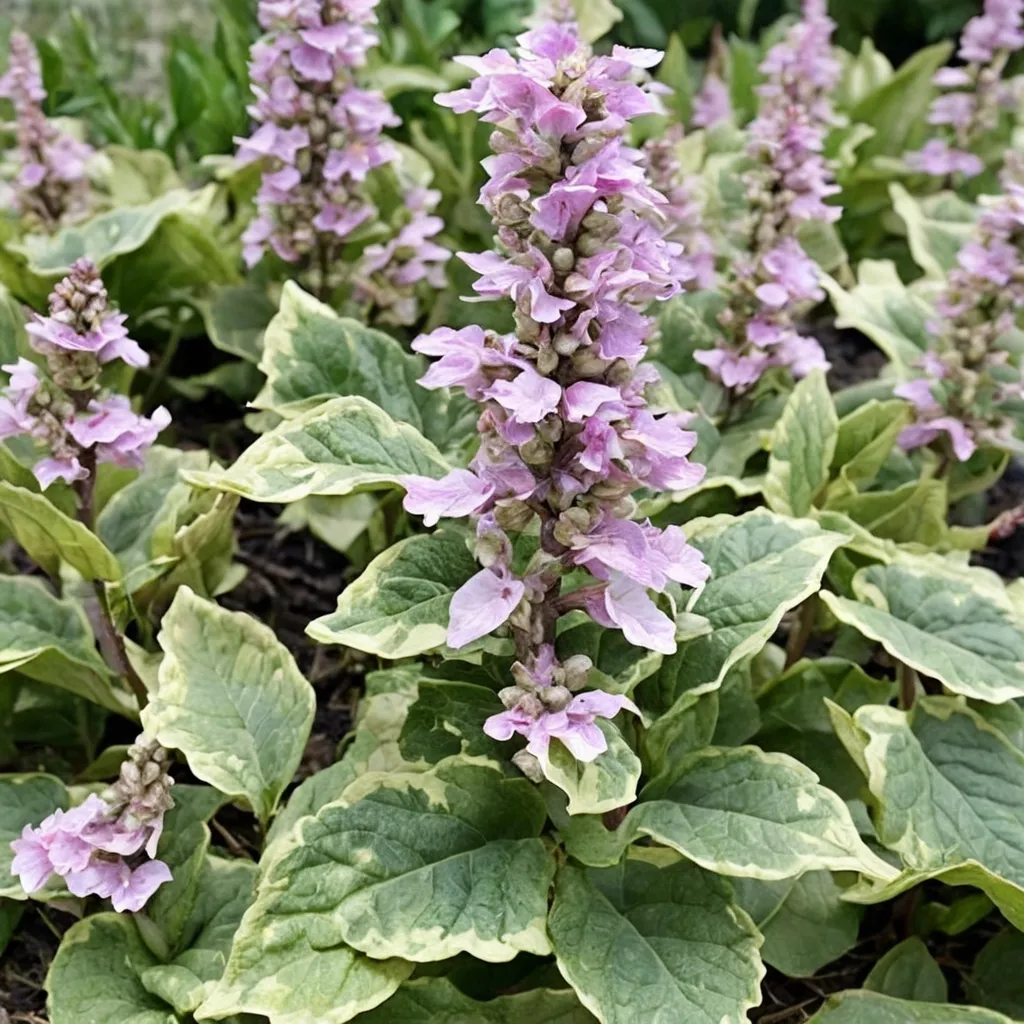
Bugleweed
Ranked by its most-saved matching variety; the full catalog includes 26 varieties. Glossy rosettes knit together quickly, followed by upright blue spring flowers.
Zones 4–10All 26 varieties →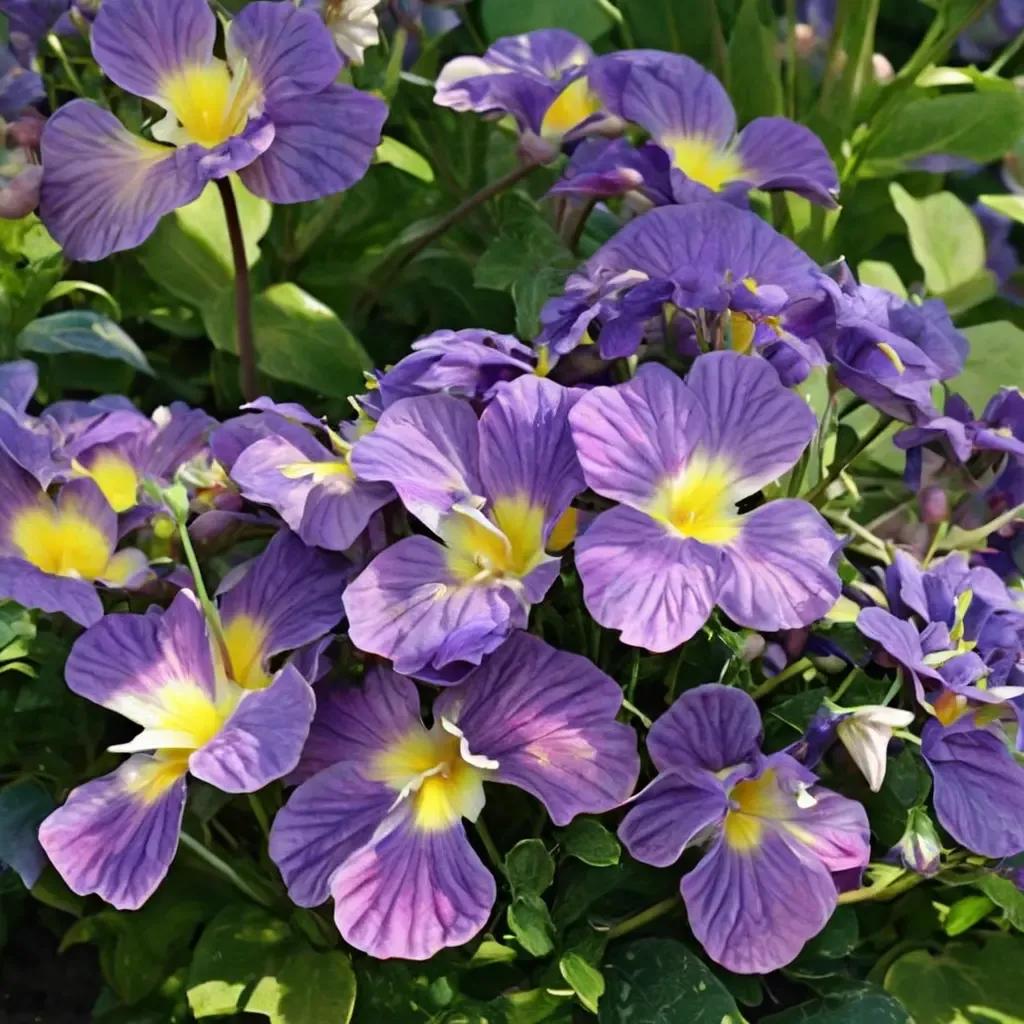
Violet / Pansy
Ranked by its most-saved matching variety; the full catalog includes 39 varieties. Small, expressive flowers bring early color and often seed into charming colonies.
Zones 4–10All 39 varieties →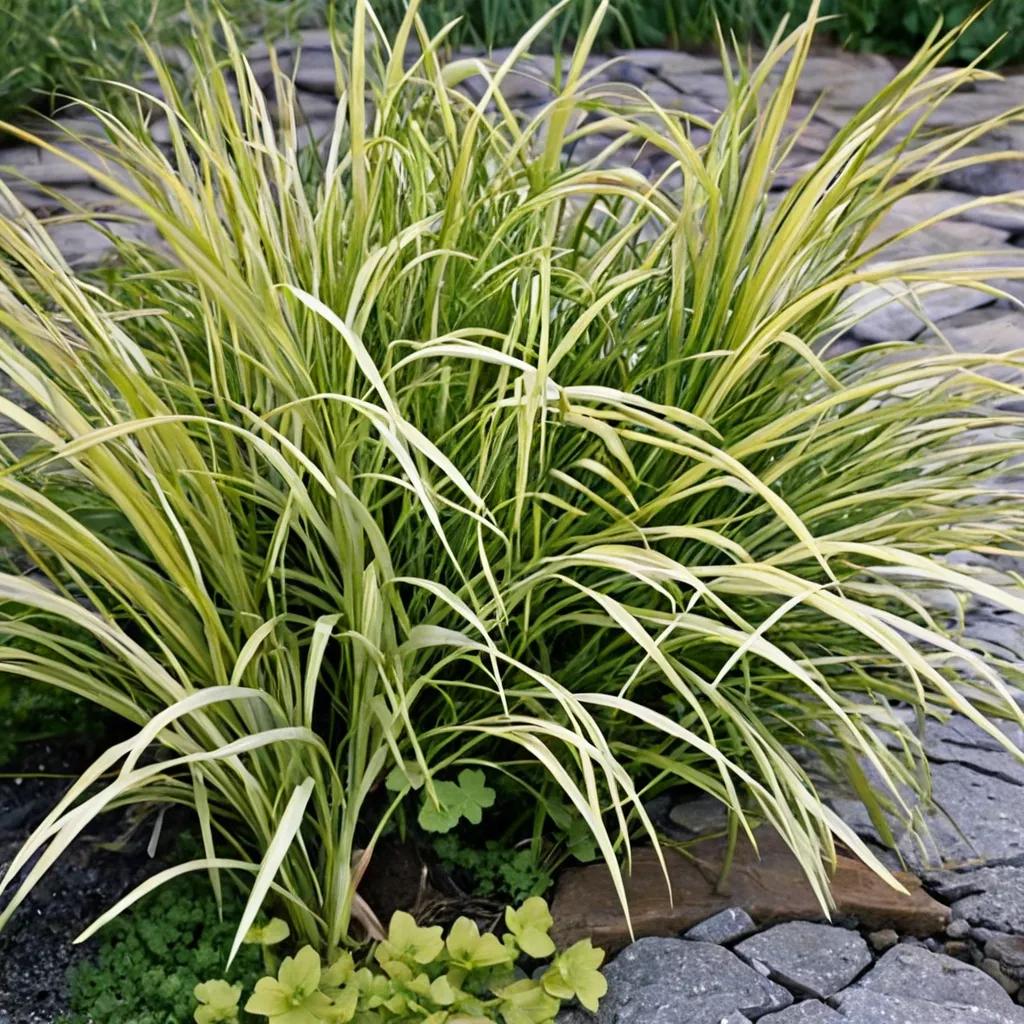
Sweet Flag
Ranked by its most-saved matching variety; the full catalog includes 14 varieties. Its representative is notable for being late spring flowering and easy-care.
Zones 4–10All 14 varieties →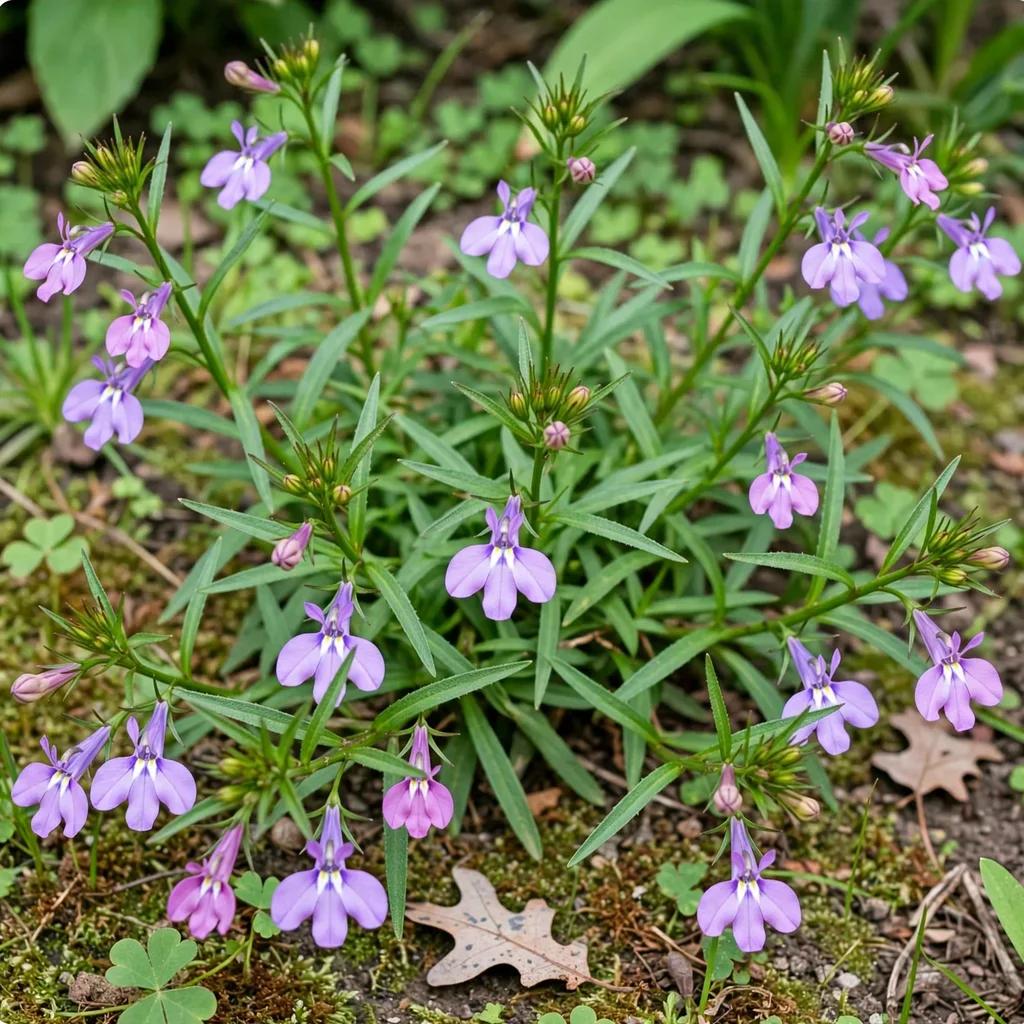
Ranked by its most-saved matching variety; the full catalog includes 46 varieties. Intensely colored flower spikes bring hummingbirds to both borders and damp ground.
Zones 5–10All 46 varieties →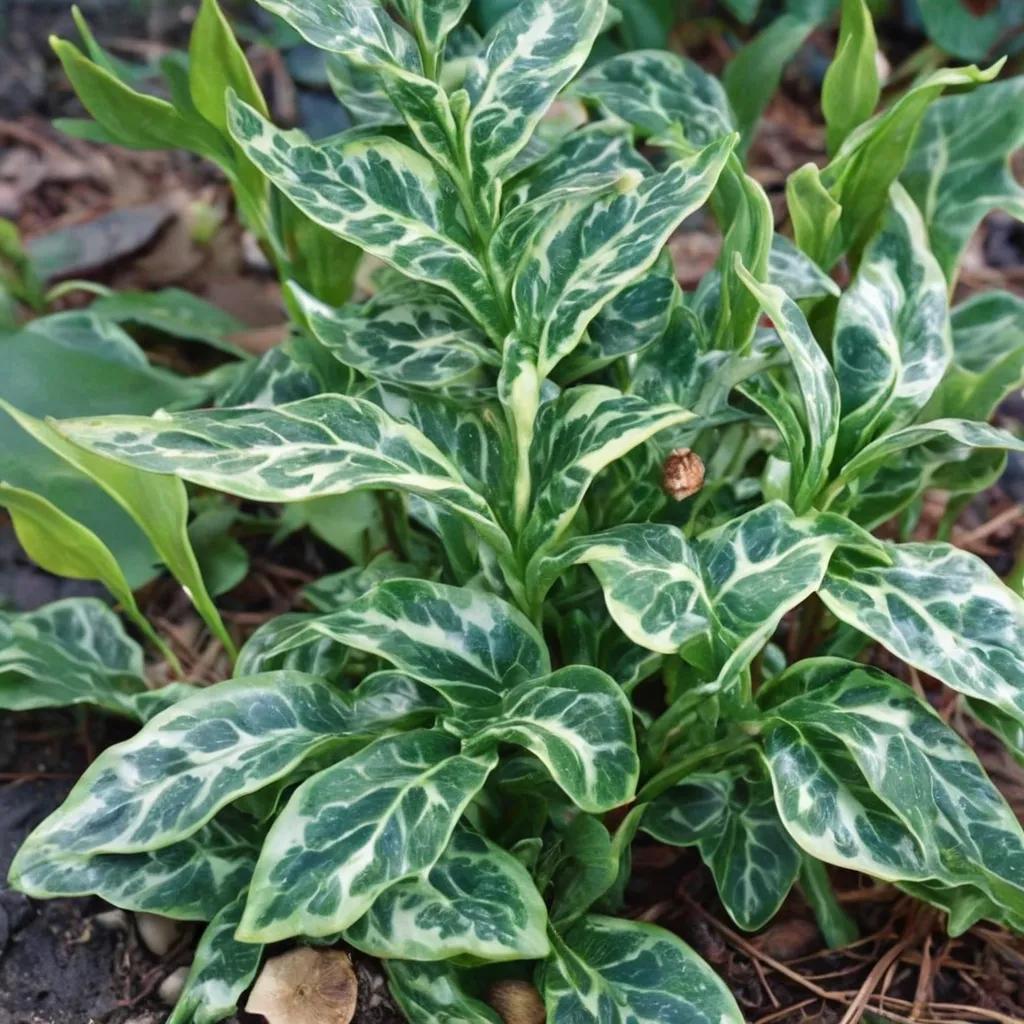 7
7Arum
Arum Lily
Ranked by its most-saved matching variety; the full catalog includes 12 varieties. Its representative is notable for being dry-spell tolerant and spring flowering.
Zones 5–10All 12 varieties →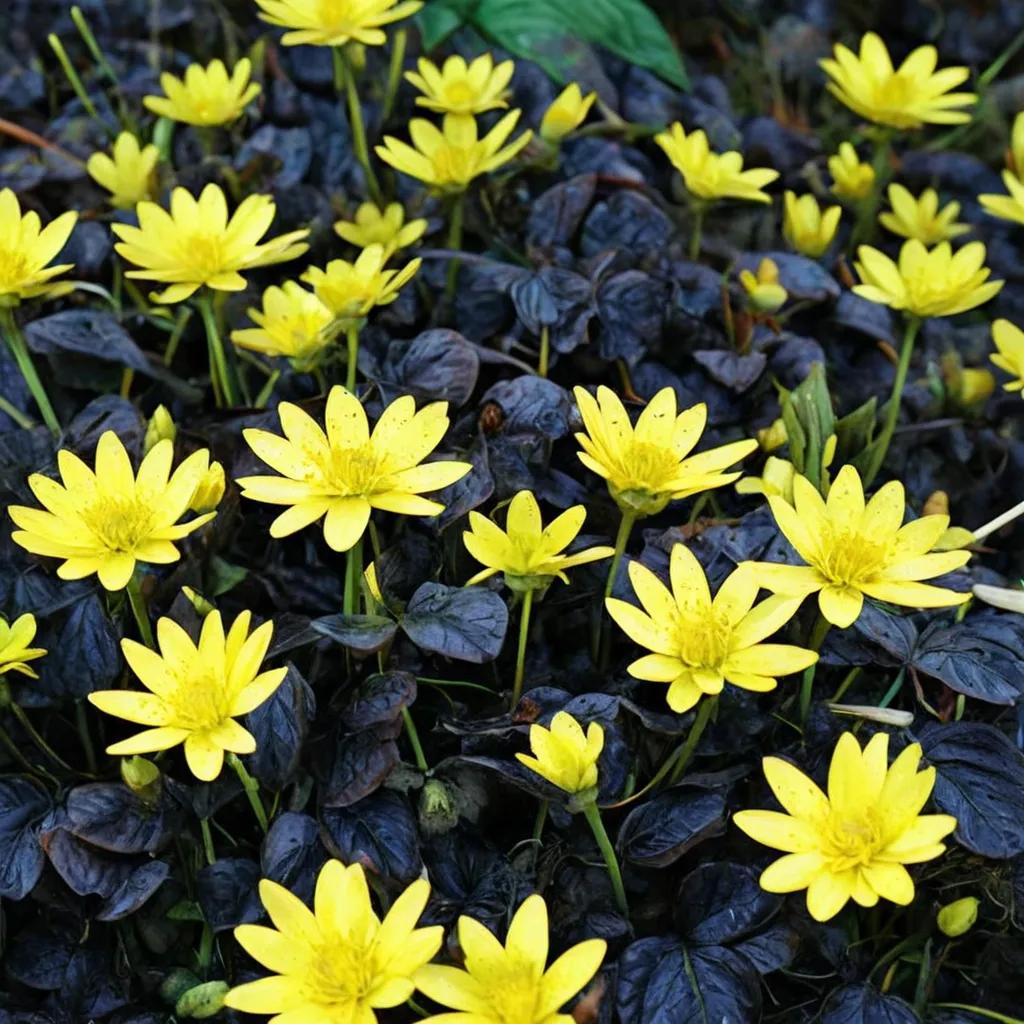
Buttercup
Ranked by its most-saved matching variety; the full catalog includes 21 varieties. Its representative is notable for being usually passed over by deer and early spring flowering.
Zones 4–10All 21 varieties →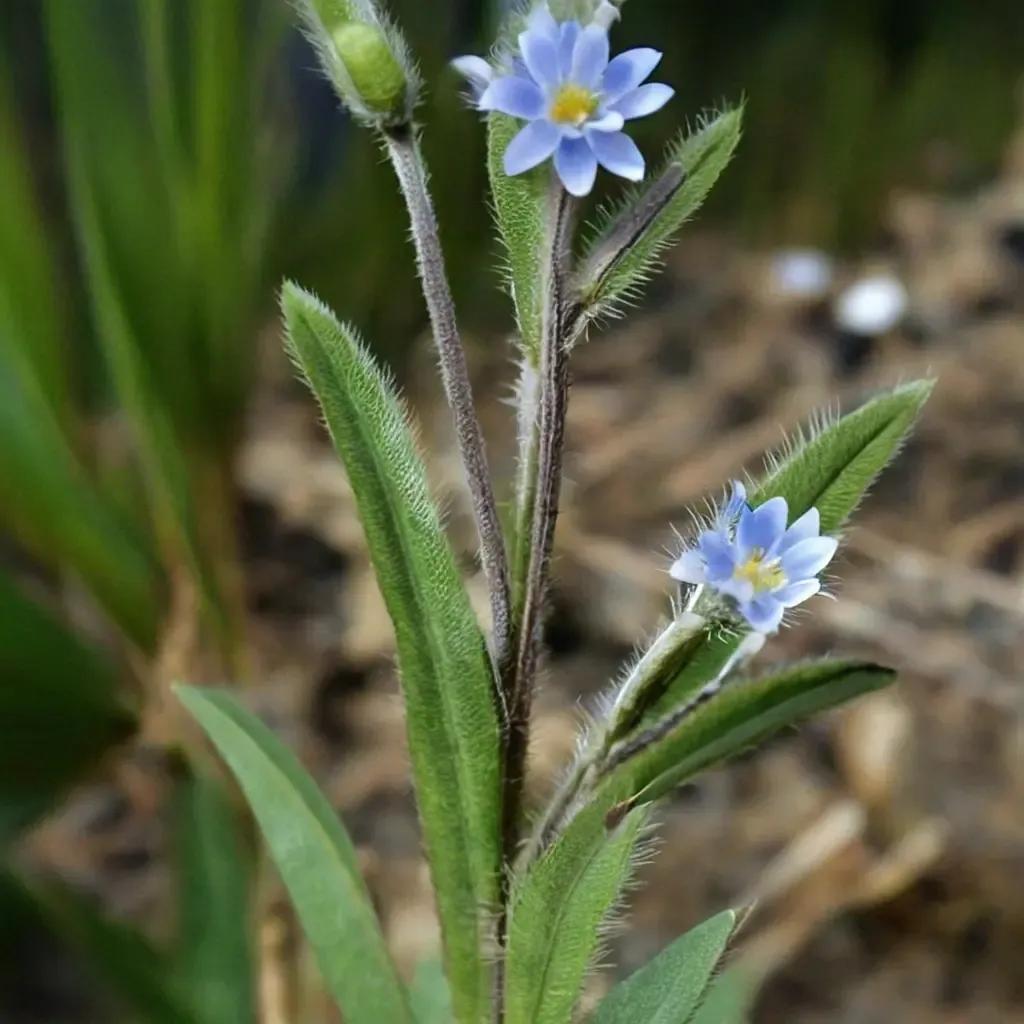
Forget-me-not
Ranked by its most-saved matching variety; the full catalog includes 10 varieties. Clouds of tiny blue flowers soften spring edges and mingle easily with bulbs.
Zones 4–10All 10 varieties →
Cast Iron Plant
Ranked by its most-saved matching variety; the full catalog includes 40 varieties. Its representative is notable for being dry-spell tolerant and usually passed over by deer.
Zones 7–10All 40 varieties →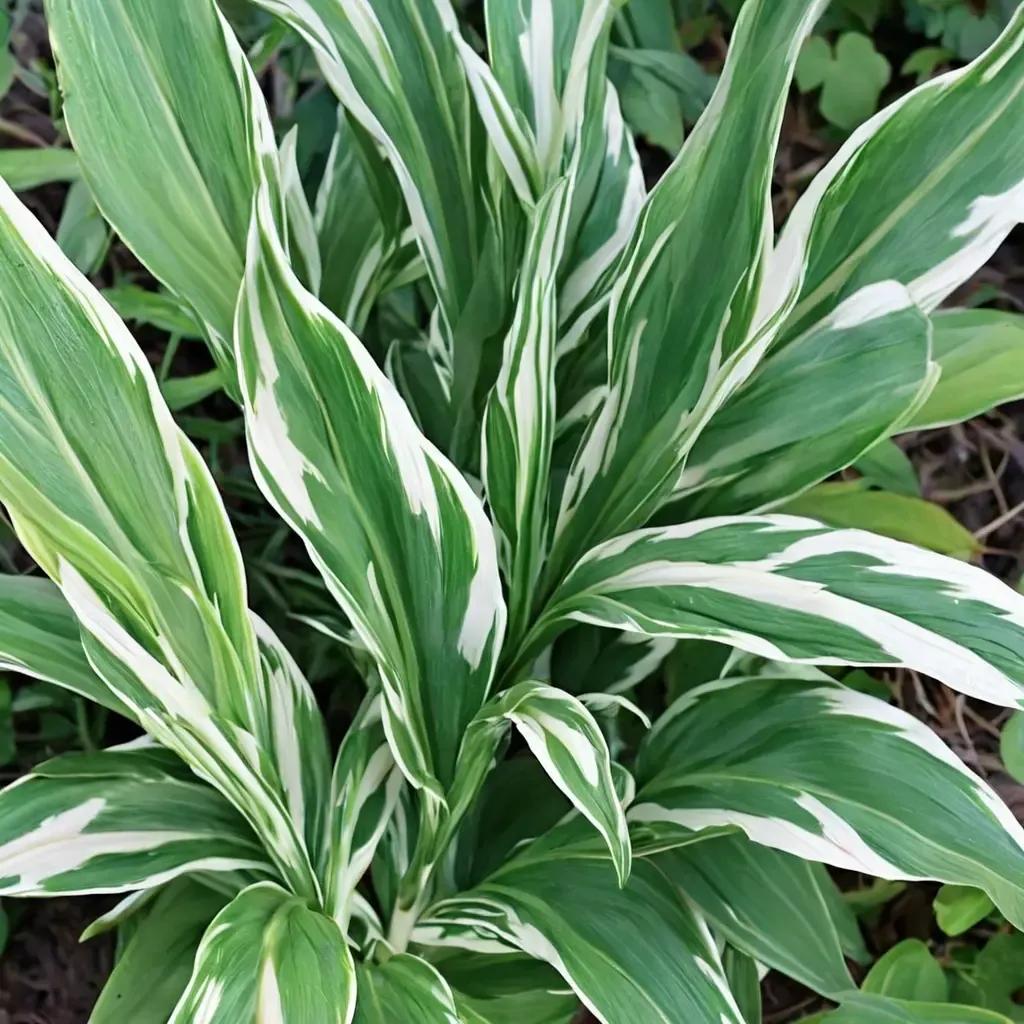 11
11Zingiber
Ginger
Ranked by its most-saved matching variety; the full catalog includes 5 varieties. Its representative is notable for being usually passed over by deer and late summer flowering.
Zones 6–10All 5 varieties →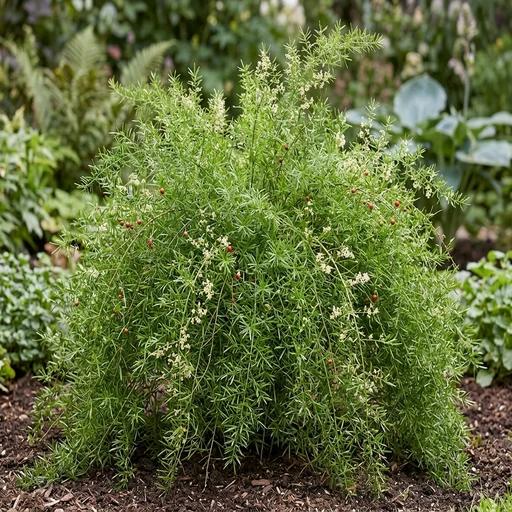
Ranked by its most-saved matching variety; the full catalog includes 19 varieties. One established crown can produce spring spears for many years.
Zones 9–10All 19 varieties →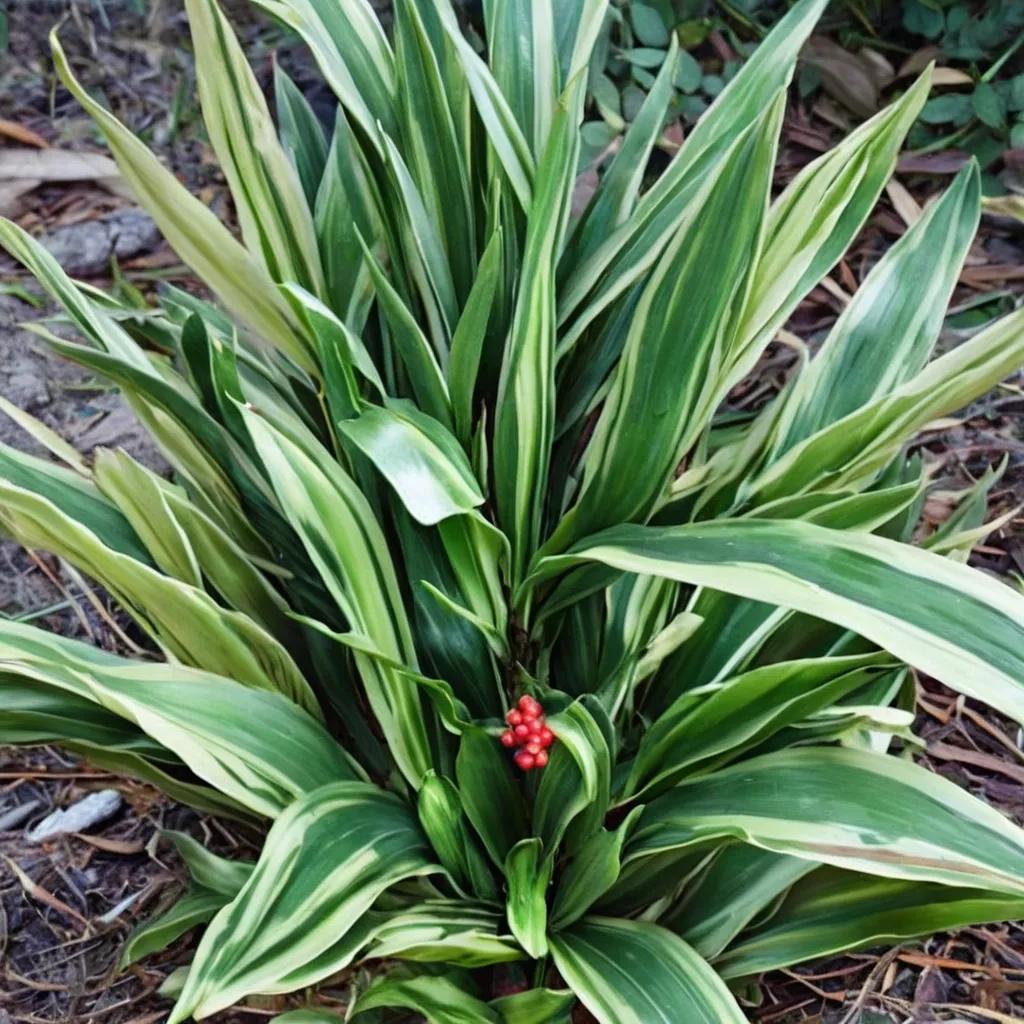 13
13Rohdea
Nippon Lily
Ranked by its most-saved matching variety; the full catalog includes 14 varieties. Its representative is notable for being dry-spell tolerant and usually passed over by deer.
Zones 6–10All 14 varieties →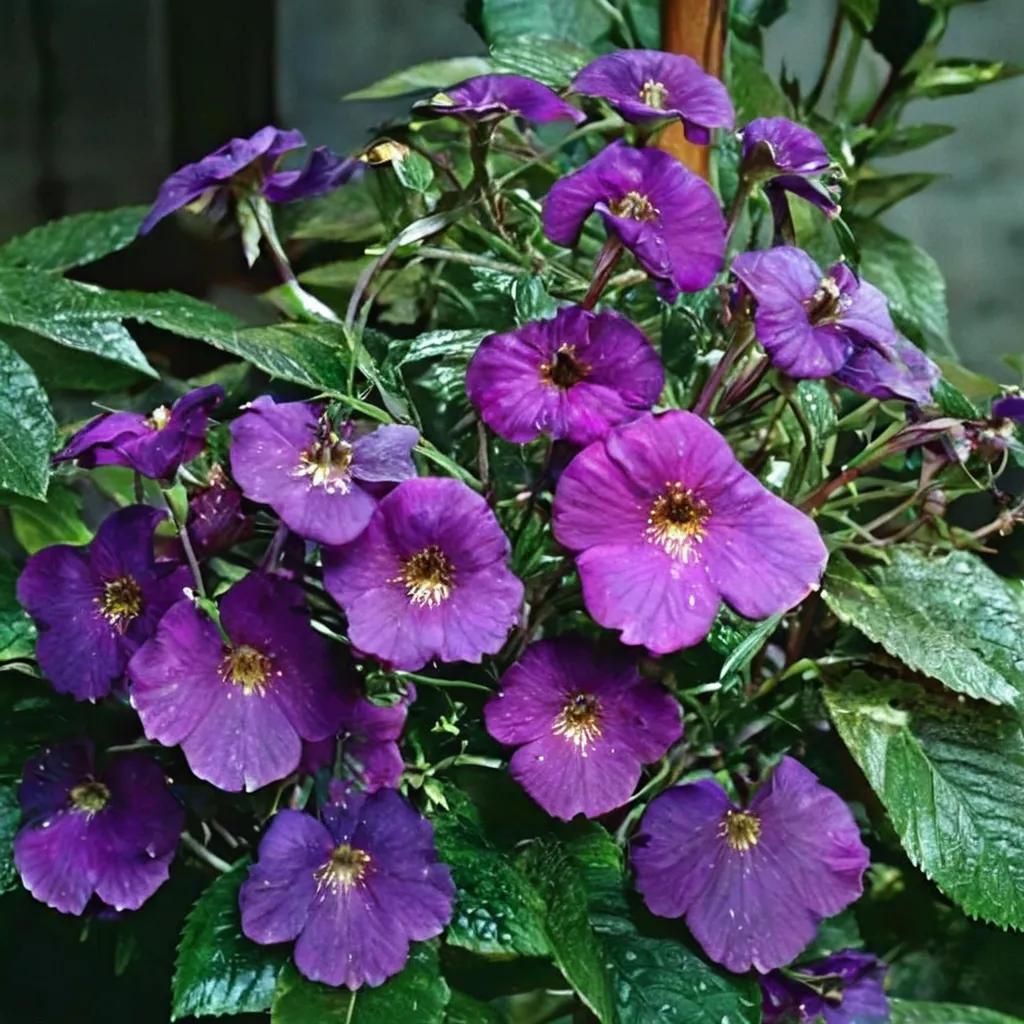
Magic Flower
Ranked by its most-saved matching variety; the full catalog includes 1 variety. Its representative is notable for being mid-summer flowering and easy-care.
Zones 7–10All 1 variety →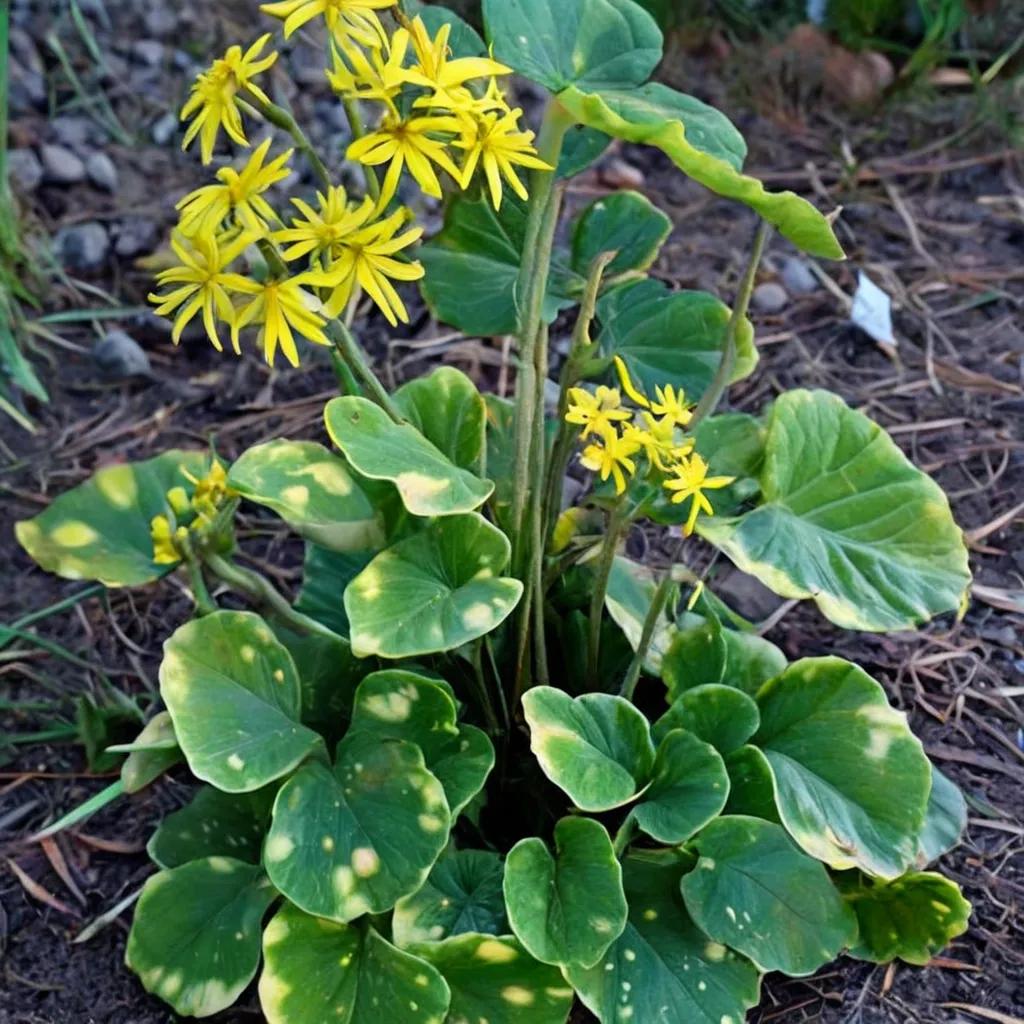
Leopard Plant
Ranked by its most-saved matching variety; the full catalog includes 15 varieties. Its representative is notable for being usually passed over by deer and fall flowering.
Zones 7–10All 15 varieties → 16
16Begonia
Ranked by its most-saved matching variety; the full catalog includes 51 varieties. Its representative is notable for being late summer flowering and easy-care.
Zones 6–10All 51 varieties → 17
17Oxalis
Wood Sorrel
Ranked by its most-saved matching variety; the full catalog includes 23 varieties. Its representative is notable for being late spring flowering and easy-care.
Zones 8–10All 23 varieties →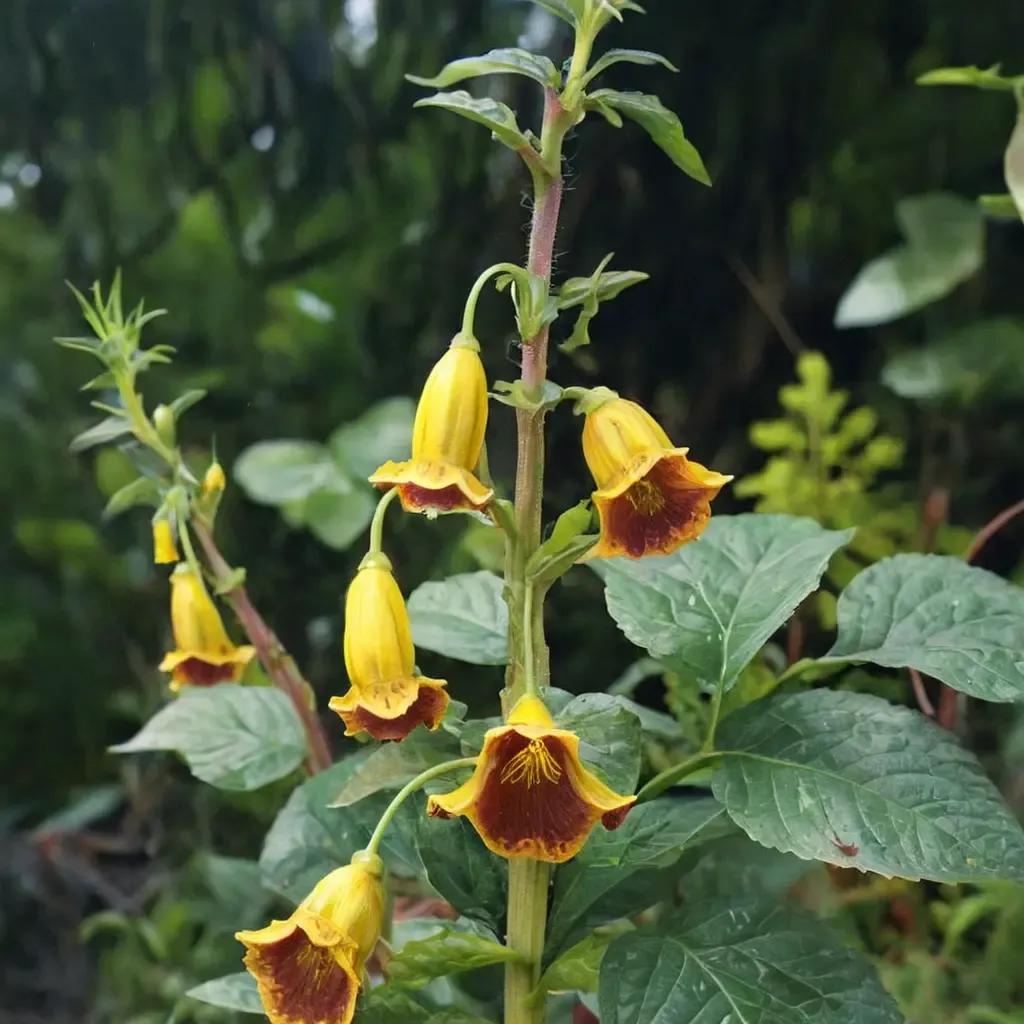
Ranked by its most-saved matching variety; the full catalog includes 1 variety. Its representative is notable for being usually passed over by deer and late summer, fall flowering.
Zones 6–10All 1 variety →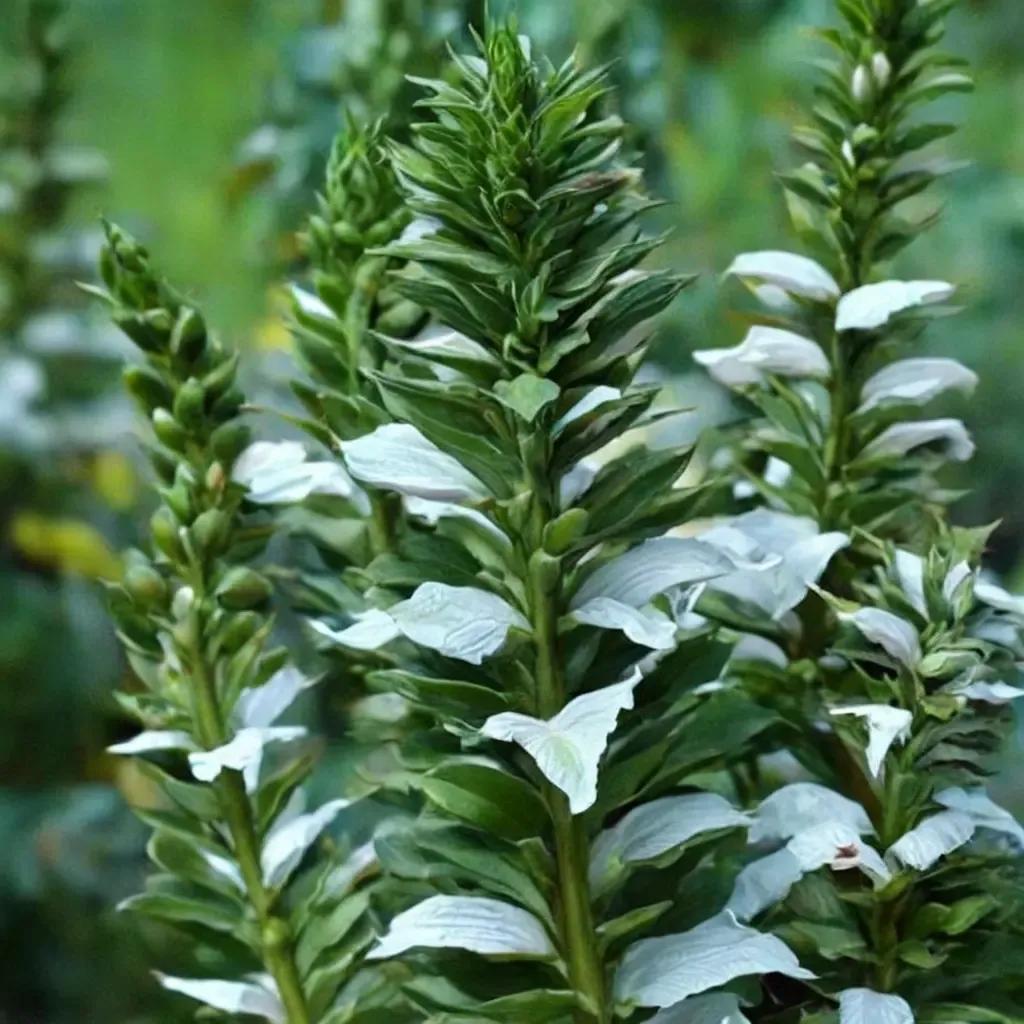 19
19Acanthus
Bear's Breeches
Ranked by its most-saved matching variety; the full catalog includes 9 varieties. Its representative is notable for being dry-spell tolerant and usually passed over by deer.
Zones 7–10All 9 varieties →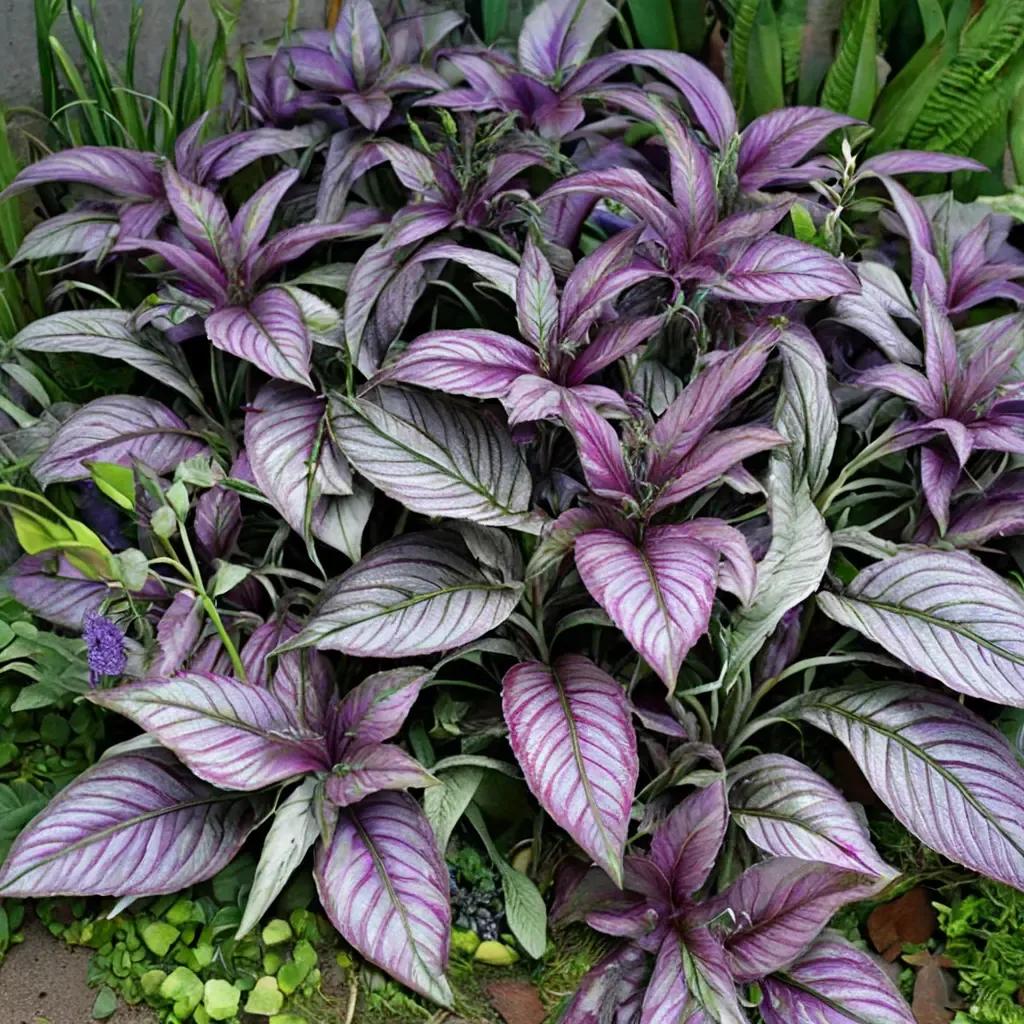
Persian Shield
Ranked by its most-saved matching variety; the full catalog includes 4 varieties. Its representative is notable for being usually passed over by deer and late summer flowering.
Zones 9–10All 4 varieties →
About this list
How was this the most popular perennials for shade in zone 10 list ranked?
A plant must first match the catalog filters named in the title. Each genus is represented and ranked by its most-saved matching variety, so genera with many cultivars do not receive an automatic advantage.
Are all of these hardy in Zone 10?
Yes — every plant on this list is rated for Zone 10. Plants that could not survive a Zone 10 winter were excluded before ranking.
What counts as full shade vs. part shade?
Part shade is 3–6 hours of sun (ideally morning); full shade is under 3. Most "shade plants" want part shade — true full-shade champions are ferns, hostas, and woodland natives.
Track these in your garden
Save the ones you plant and get care reminders timed to Zone 10.
Keep exploring
More popularity lists
- Most Popular Perennials for Shade
- Most Popular Deer-Resistant Perennials
- Most Popular Plants Tagged for Pollinators
- Most Popular Drought-Tolerant Plants
- Most Popular Flowering Shrubs
- Most Popular Groundcovers for Shade
- Most Popular Privacy Shrubs and Screening Plants
- Most Popular North American Native Perennials