Also known as She-oak · 24 saves
Casuarina
Casuarina, the genus most gardeners know as she-oak. We track 4 varieties; the ones most used by real gardeners.
The 4 most-saved Casuarina varieties
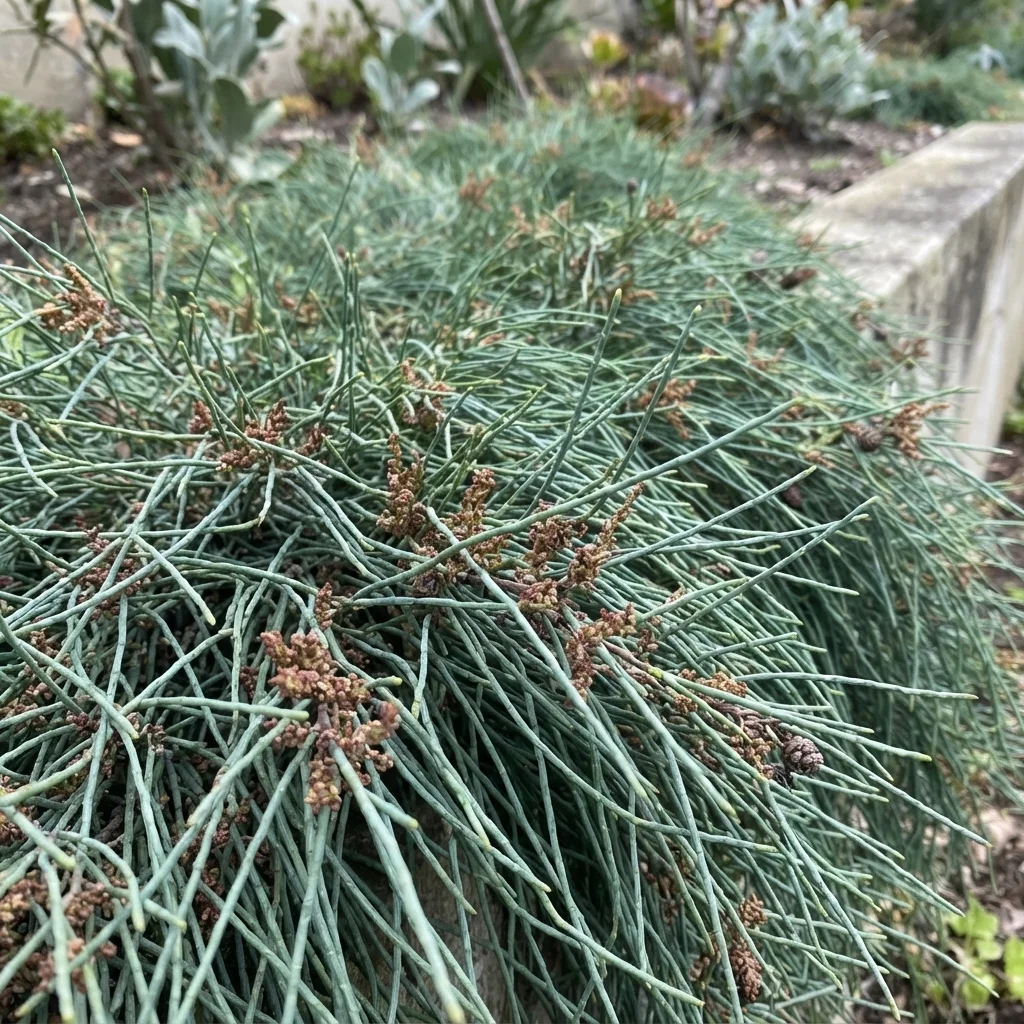
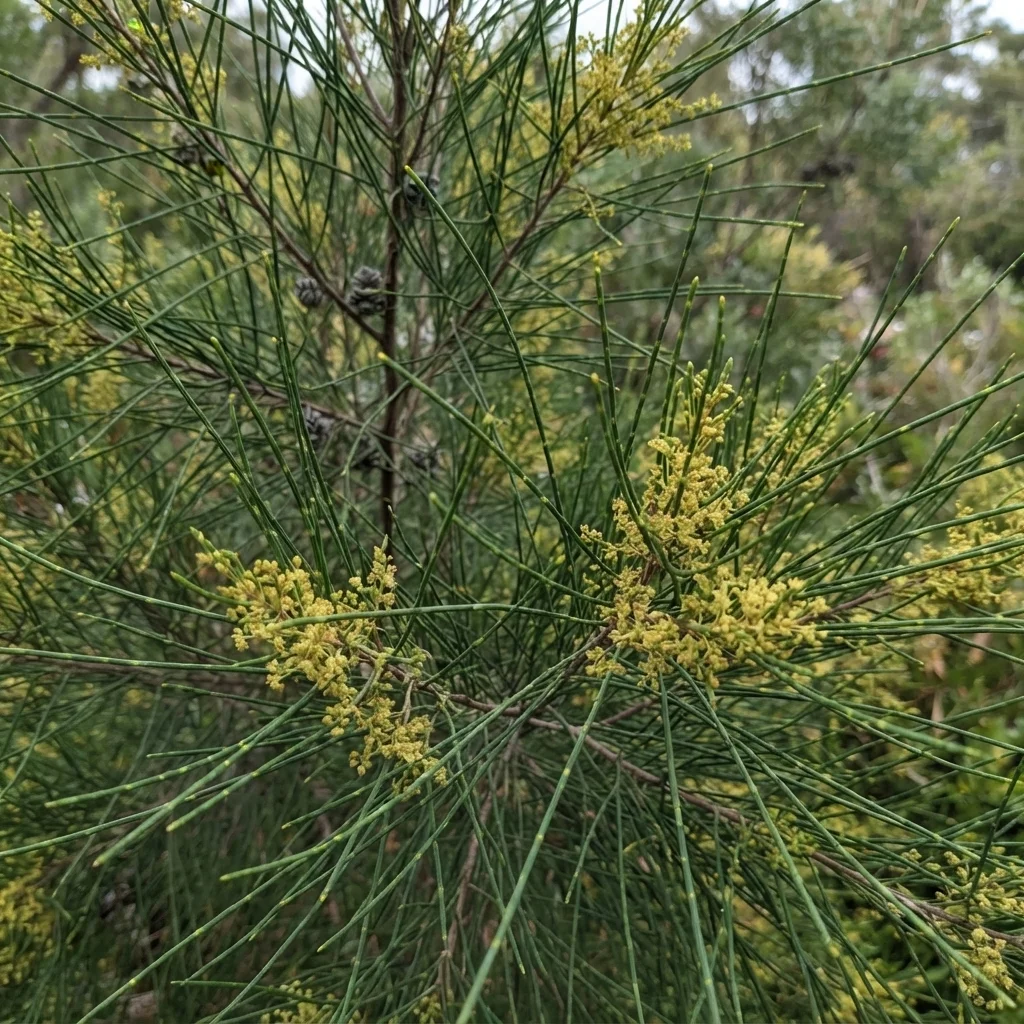
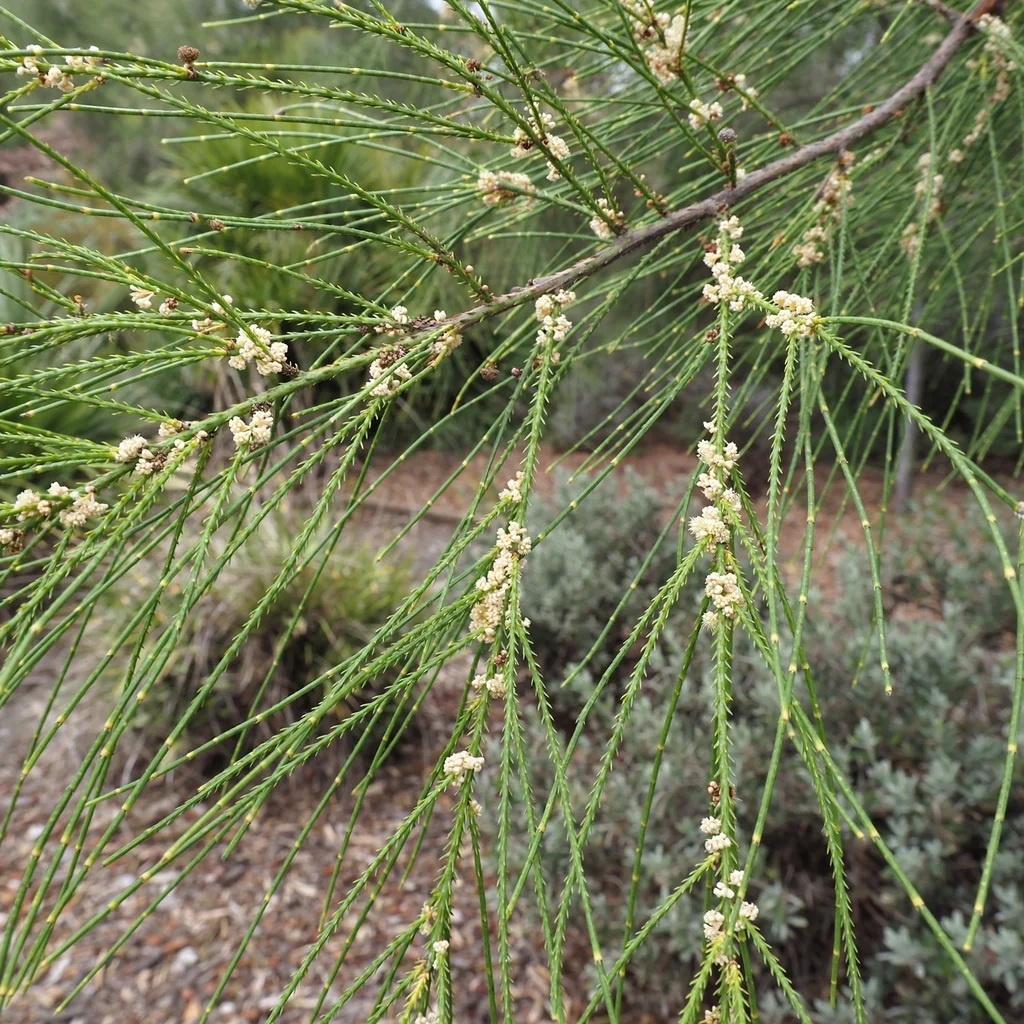
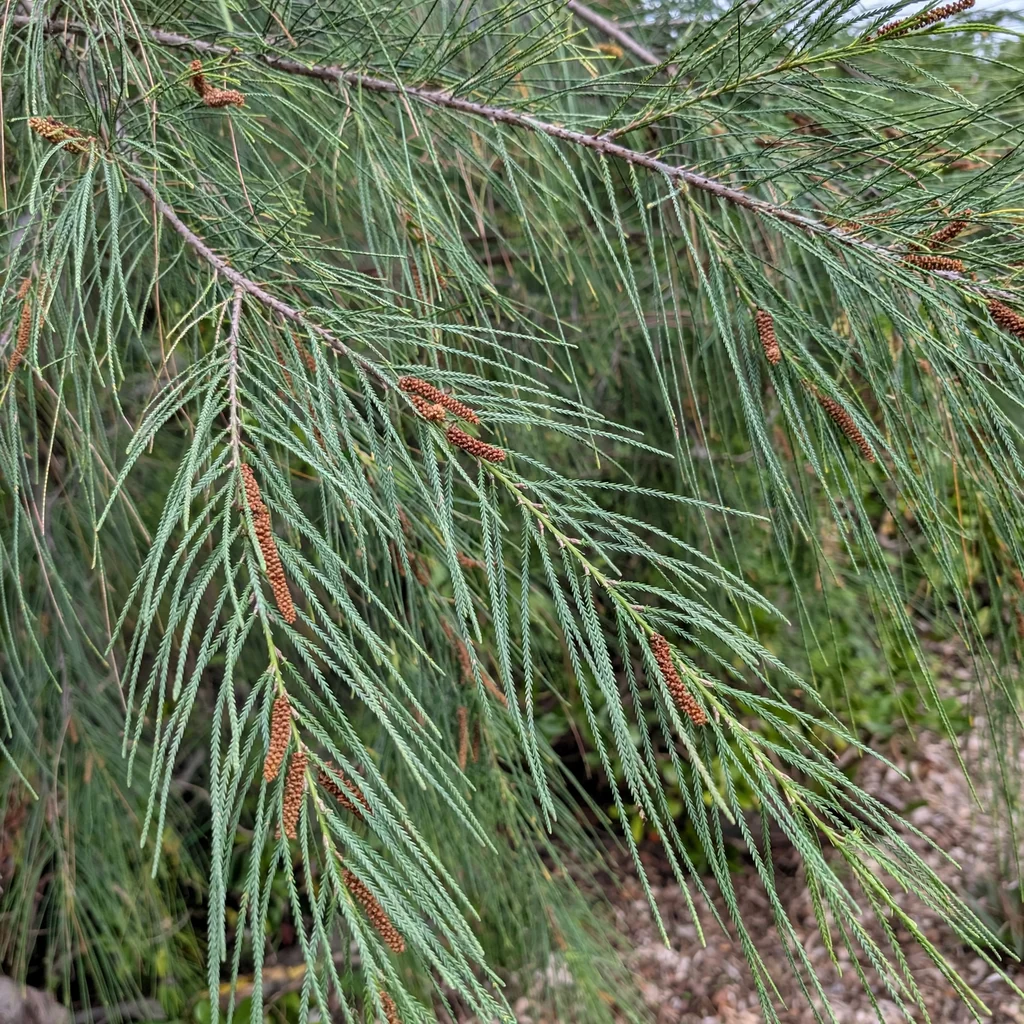
3 species of Casuarina
Each one is a parent of the varieties above.
Track your Casuarina in Sow
Save the Casuarina you grow and get care reminders timed to your zone.
How to grow Casuarina
Whats common across all Casuarina varieties in our catalog — drawn from the care records of the 4 most-grown of them.
The Casuarina year
- PruneMarch and April100% of varieties
Prune lightly if needed to restrain the spread or tidy the edges of the groundcover.
- Check for PestsJune and July100% of varieties
Inspect the dense inner canopy for spider mites and scale insects during hot, dry periods.
- MulchOctober and November50% of varieties
Replenish organic mulch around the perimeter to protect the shallow root system from winter temperature drops.
- Winter PrepNovember50% of varieties
Protect young saplings from freezing temperatures in areas pushing hardiness limits.


Do
- Water regularly until the root system is fully established.
- Ensure the soil drains freely to prevent waterlogging around the root zone.
- Prune lightly along the edges to maintain the desired spread.
- Plant in full sun and well-draining soil
- Allow soil to dry out thoroughly between deep waterings
Avoid
- Do not cut back into old, bare woody stems.
- Do not over-irrigate once the plant is established in the landscape.
- Do not plant in low-lying areas prone to standing water.
- Do not plant in wet or waterlogged locations
What goes wrong with Casuarina
| Problem | What you'll see | What to do |
|---|---|---|
| Spider mites | Fine webbing and stippling or yellowing of the needle-like branchlets under dry, dusty conditions. | Blast the foliage with a strong stream of water or apply insecticidal soap during cool hours. |
| Scale insects | Small, bumpy brown or gray shells adhering to the stems, accompanied by sticky honeydew. | Prune out heavily infested stems or apply horticultural oil in late spring. |
| Bark scale | White or grey waxy bumps on branchlets accompanied by localized dieback. | Apply horticultural oil during the crawler stage or prune out heavily infested branchlets. |
| Twig borers | Small entry holes in stems, frass, and sudden wilting of branchlet tips. | Prune and destroy infested twigs immediately to prevent the larvae from tunneling further. |
| Phytophthora root rot | Wilting, browning, and dieback of the trailing branchlets, starting near the base. | Improve soil drainage, reduce watering frequency, and avoid planting in heavy, waterlogged clay. |
| Mushroom root rot | Decaying bark at the soil line, white fungal mats under the bark, and rapid canopy decline. | Ensure immaculate soil drainage, avoid overwatering, and remove infected trees entirely to prevent spread. |
| Bacterial wilt | Sudden wilting and yellowing of foliage followed by rapid death of the tree. | Avoid planting in poorly drained soils and remove infected specimens immediately, as there is no chemical cure. |
Making more Casuarina
Seed
- Extract winged seeds from mature woody cones.
- Sow seeds on the surface of a well-draining seed-raising substrate.
- Keep the substrate lightly moist in a warm, bright area until germination.
- Pot up seedlings into individual containers once sturdy enough to handle.
Semi-hardwood cuttings
- Take 4-inch semi-hardwood cuttings from active, healthy trailing tips in late summer.
- Remove the lower scale-leaves and dip the cut end in rooting hormone powder.
- Insert the cuttings into a well-drained mix of perlite and peat moss.
- Keep the medium moist and place in a warm, humid environment with indirect light until roots form.
Casuarina questions
How many types of Casuarina are there?
The Sow catalog tracks 4 distinct Casuarina varieties. The most popular — ranked by 24 real gardeners — are shown first above.
What zones does Casuarina grow in?
Across its varieties, Casuarina covers USDA Zones 8–10. Individual varieties differ — each plant page lists its exact range, and Sow filters the catalog to your zone automatically.
When does Casuarina bloom?
Most Casuarina varieties bloom from late winter to late spring.
Which Casuarina should I choose?
Start from the most-saved varieties above — popularity across thousands of gardens is a strong signal of reliability — then filter by your zone and sun. In the Sow app you can preview any of them in a photo of your actual yard before you buy.