The Story
Plant Bio
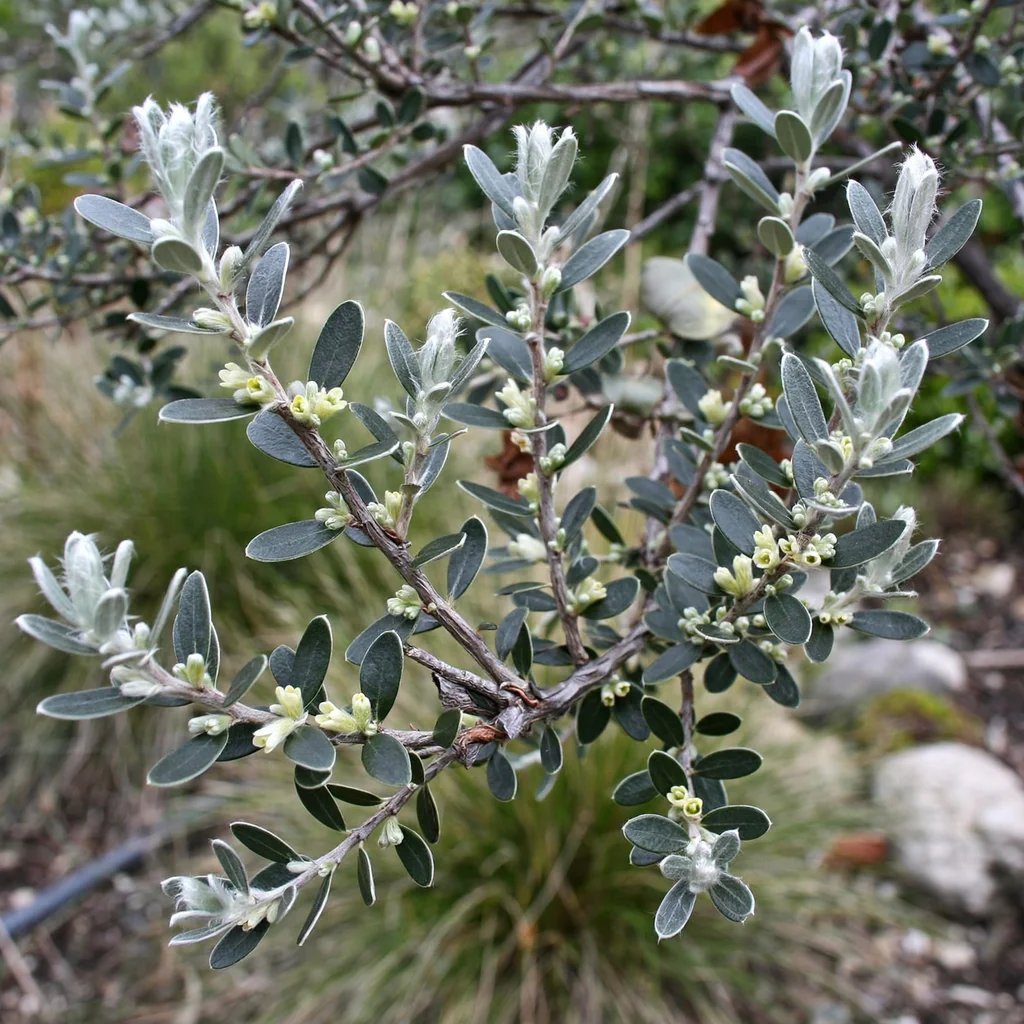
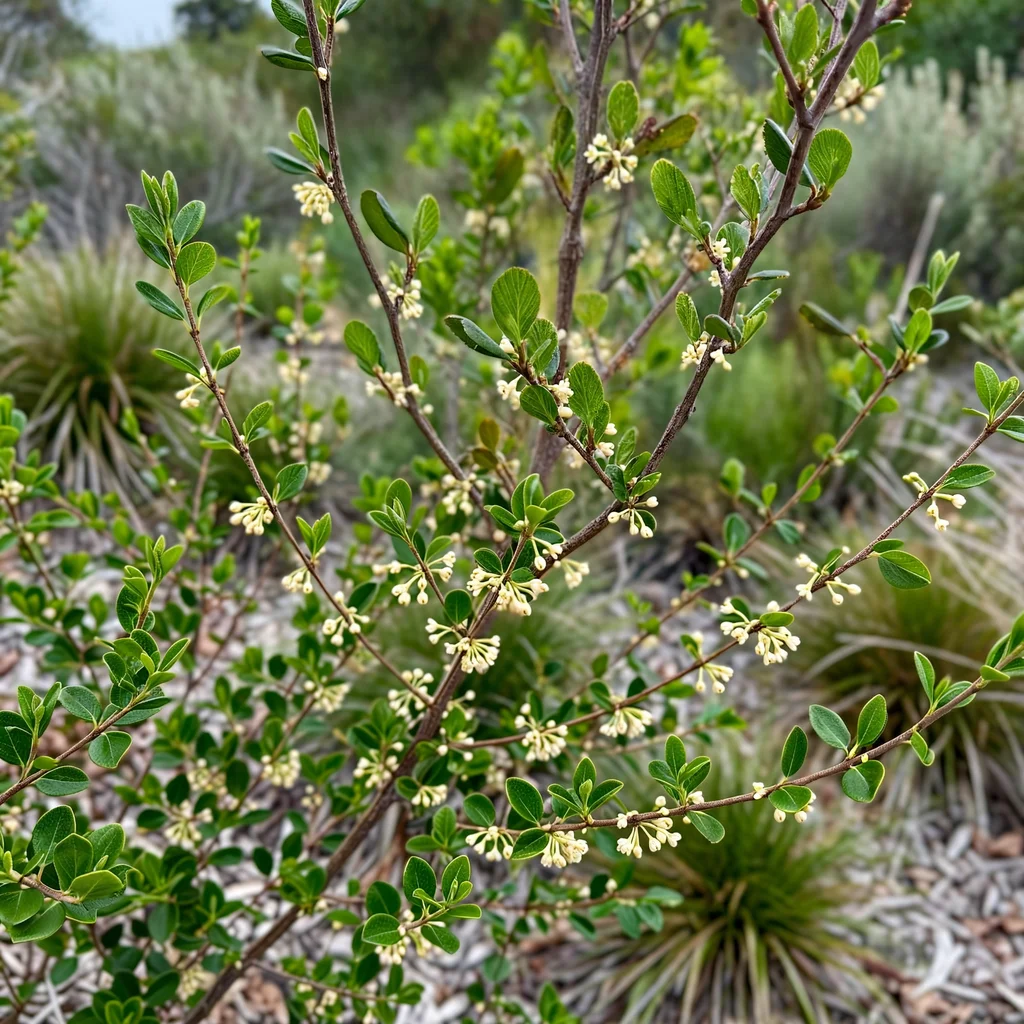
Cercocarpus breviflorus is an evergreen large shrub to small multi-stemmed tree reaching 10 to 16 feet in gardens, with several upright stems from the base. The small oblong to oblanceolate leaves are leathery and white-hairy beneath, and the spring to summer flowers are small white tubes borne singly or in few-flowered clusters in the leaf axils.
It holds its foliage through winter but drops leaves under severe drought, and new shoots emerge coated in silky white hairs. It is still listed under the old varietal name paucidentatus in trade, so check the label for breviflorus rather than accepting straight Cercocarpus montanus as the same plant.
Uses & Benefits:
Essentials
At a Glance
Plant Type
Shrub
Height
192"
Width
144"
Light
Full Sun, Partial Sun
Zones
5
Water
Low
Humidity
Low
Lifespan
Long-lived woody shrub to small tree
Native To
Arizona, New Mexico, Texas; northern Mexico
Toxicity
Unknown - no record found
Bloom period
Spring – Summer
In flower about 6 months of the year
Planting
How to Grow
- Choose a full-sun to light-shade spot on a rocky slope with sharp drainage.
- Dig a shallow wide hole in lean soil and set the crown level with the surrounding grade.
- Water deeply at planting, then taper off to occasional deep soakings once roots extend.
- Fence or cage through the first seasons where deer and elk browse.
Pro Tip
Plant high in lean rocky ground in full sun and protect young plants from browsing; soggy winter soil and unchecked deer pressure stunt it more than cold does.
Keep It Thriving
Care Guide
Do
- Plant in full sun on limestone, sandstone, or rhyolite rubble.
- Keep drainage sharp and the crown clear of mulch.
- Protect from deer and elk while young.
- Allow for a 10- to 16-foot upright multi-stemmed form.
Don't
- Do not set it in heavy clay or ground that stays wet in winter.
- Do not substitute Cercocarpus montanus for this species.
- Do not overwater once established; it is built for dry mountains.
Seasonal Care Calendar
| Task | Jan | Feb | Mar | Apr | May | Jun | Jul | Aug | Sep | Oct | Nov | Dec |
|---|---|---|---|---|---|---|---|---|---|---|---|---|
| Mulch | ||||||||||||
| Pest Check | ||||||||||||
| Plant | ||||||||||||
| Winter Prep |
Watch Out For
Pests & Diseases
Common Pests
In the Garden
Landscape Uses & Companions
Landscape Uses
Companion Plants
Good to Know
Common Questions
Hairy Mountain Mahogany questions
What zones can Hairy Mountain Mahogany grow in?
Hairy Mountain Mahogany is hardy in USDA Zone 5: in that range it survives winter in the ground. Colder than Zone 5, grow it in a container you can move to shelter for the winter. Warmer than Zone 5, winter isn't the problem: it prefers colder winters, and summer heat can shorten its life.
Is Hairy Mountain Mahogany deer resistant?
Not reliably. Deer may browse Hairy Mountain Mahogany, especially tender spring growth — plan on repellents or fencing where pressure is high.
When does Hairy Mountain Mahogany bloom?
Hairy Mountain Mahogany typically blooms from spring to summer. Exact timing shifts a week or two with your zone — Sow's bloom calendar maps it to your garden.
Does Hairy Mountain Mahogany need full sun?
Hairy Mountain Mahogany does best in full sun to part shade. In hot climates, afternoon shade keeps blooms fresher longer.
Is Hairy Mountain Mahogany drought tolerant?
Yes — once established (usually after the first full season), Hairy Mountain Mahogany handles dry spells with minimal watering. Water deeply its first year to build the root system that makes that possible.
More Cercocarpus to compare
Keep exploring
Explore the genus
Hardy in your zone?
Grow Hairy Mountain Mahogany with confidence
See it in a design of your actual yard, get zone-matched care reminders, and track it season by season in your garden journal.