3 saves
Cylindropuntia
We track 8 varieties; the ones most used by real gardeners.
The 8 most-saved Cylindropuntia varieties
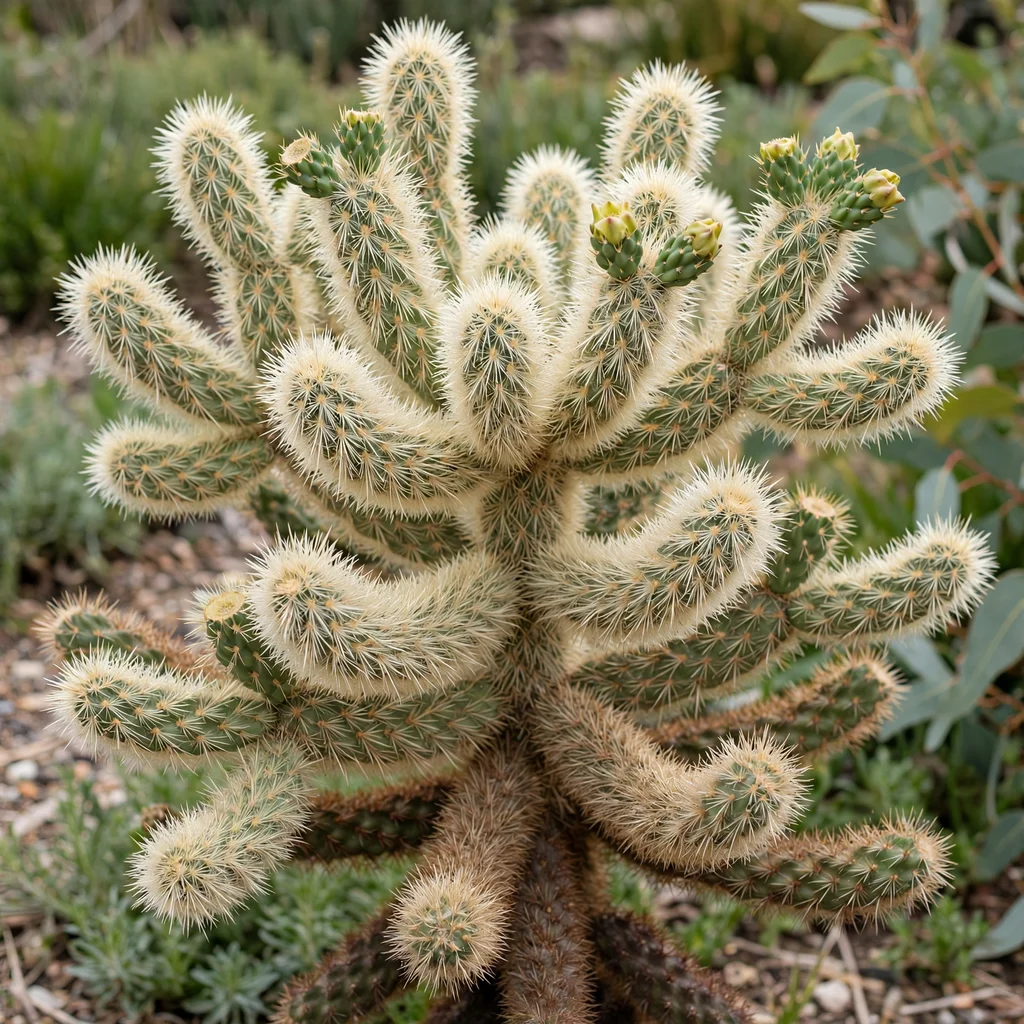
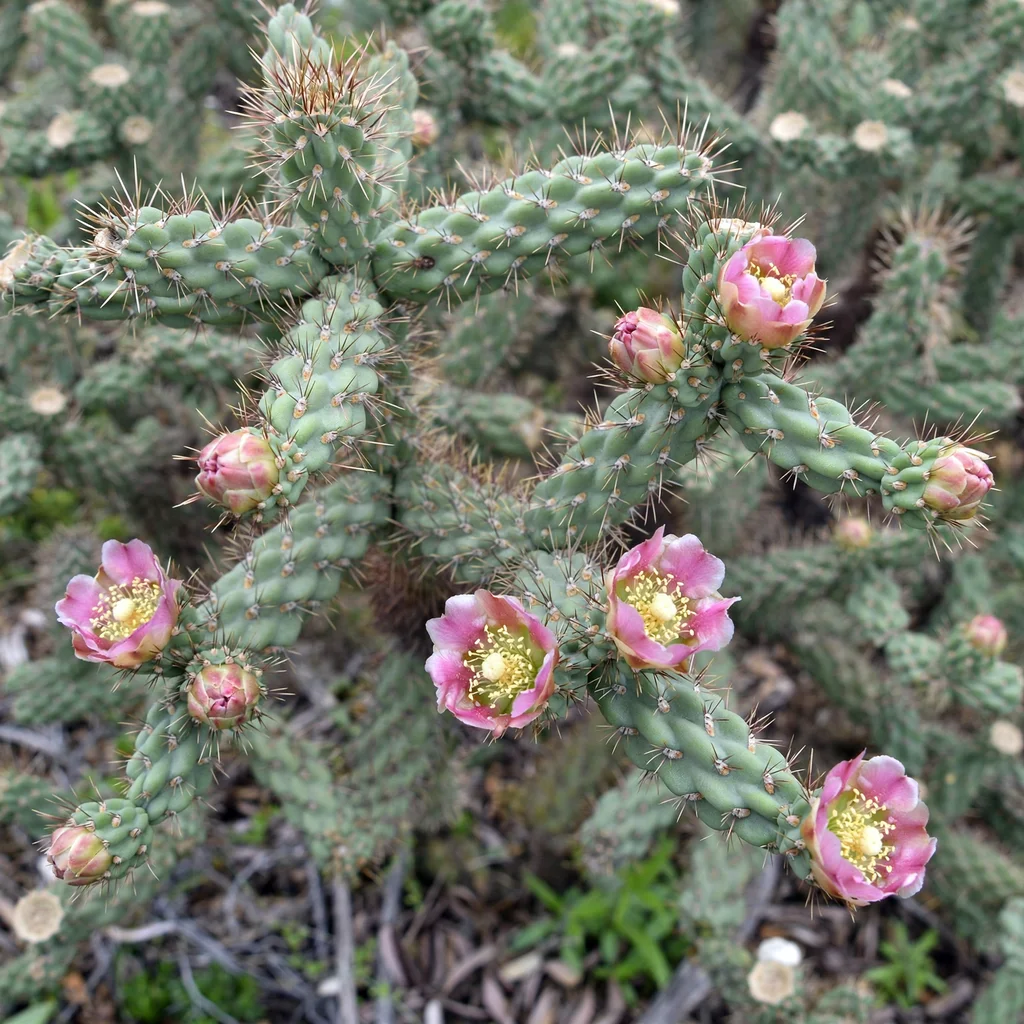
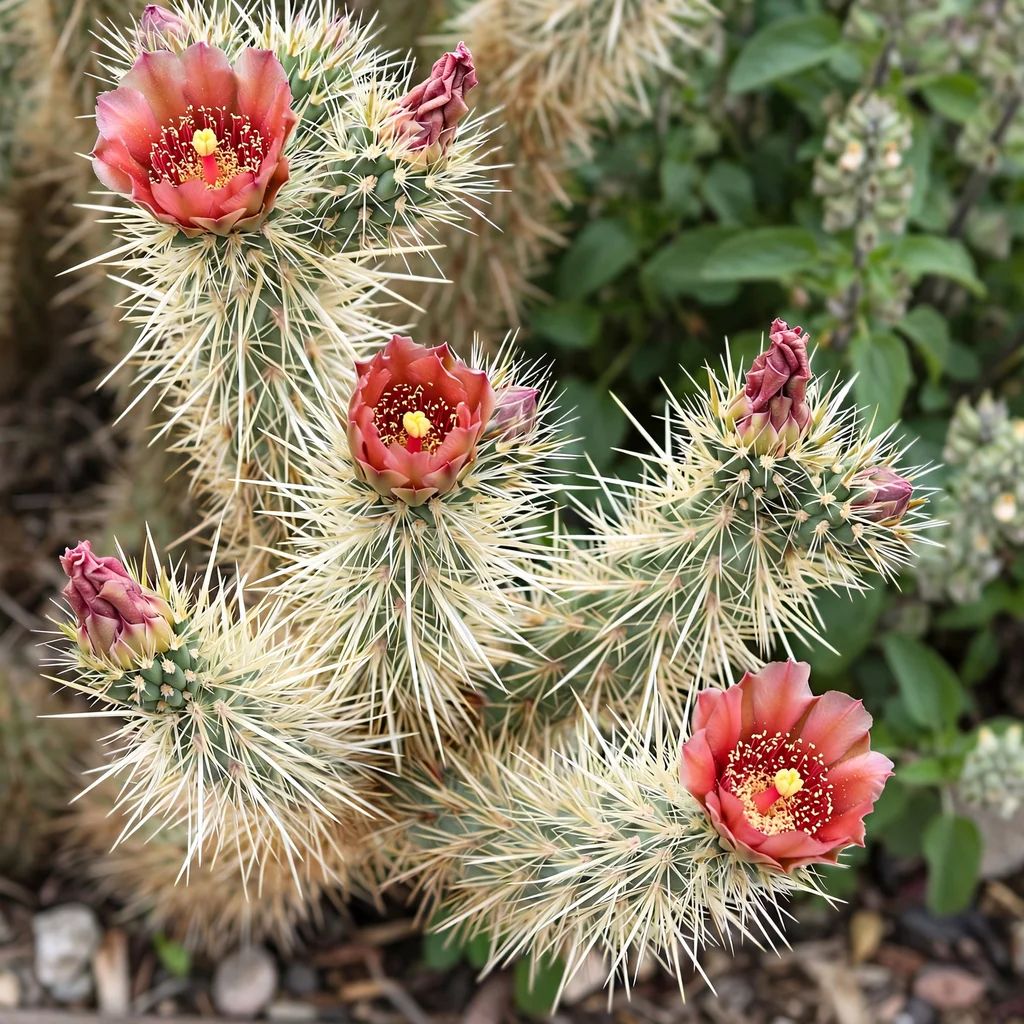
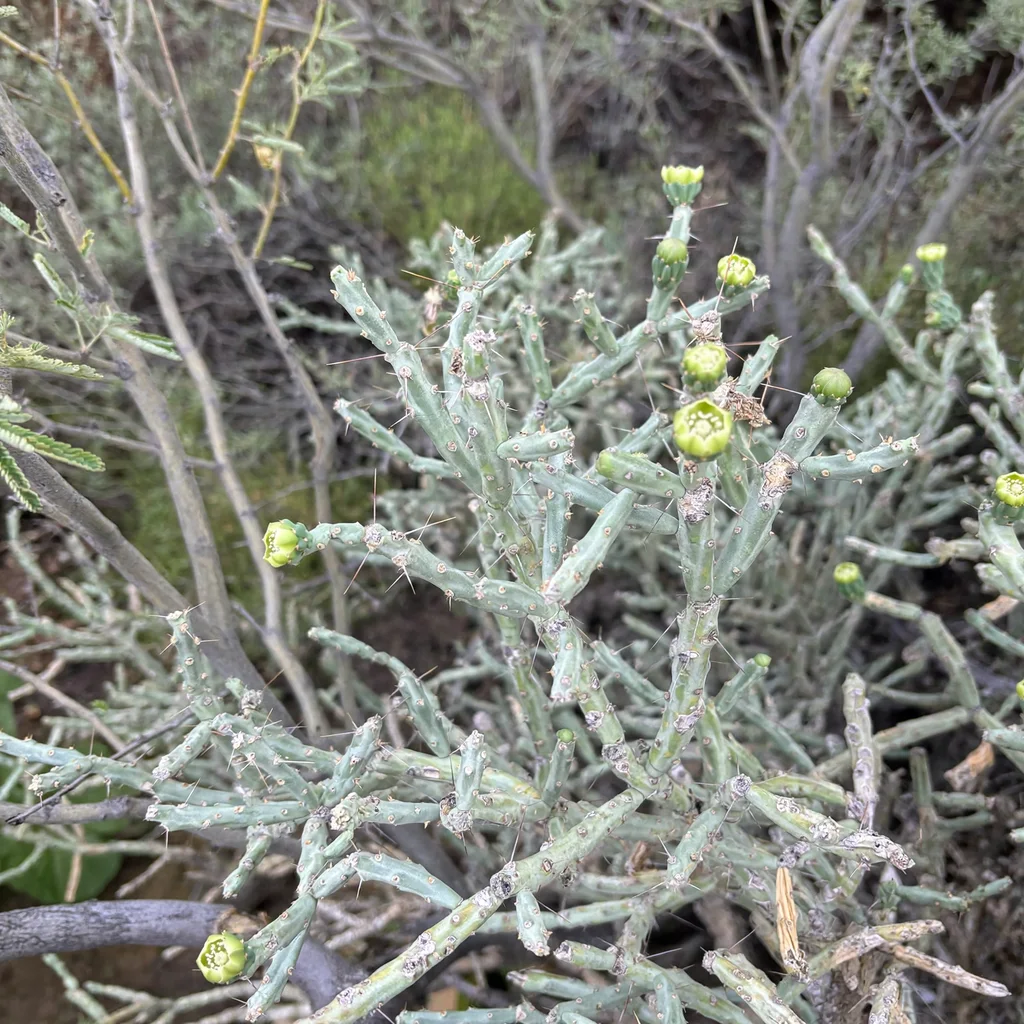
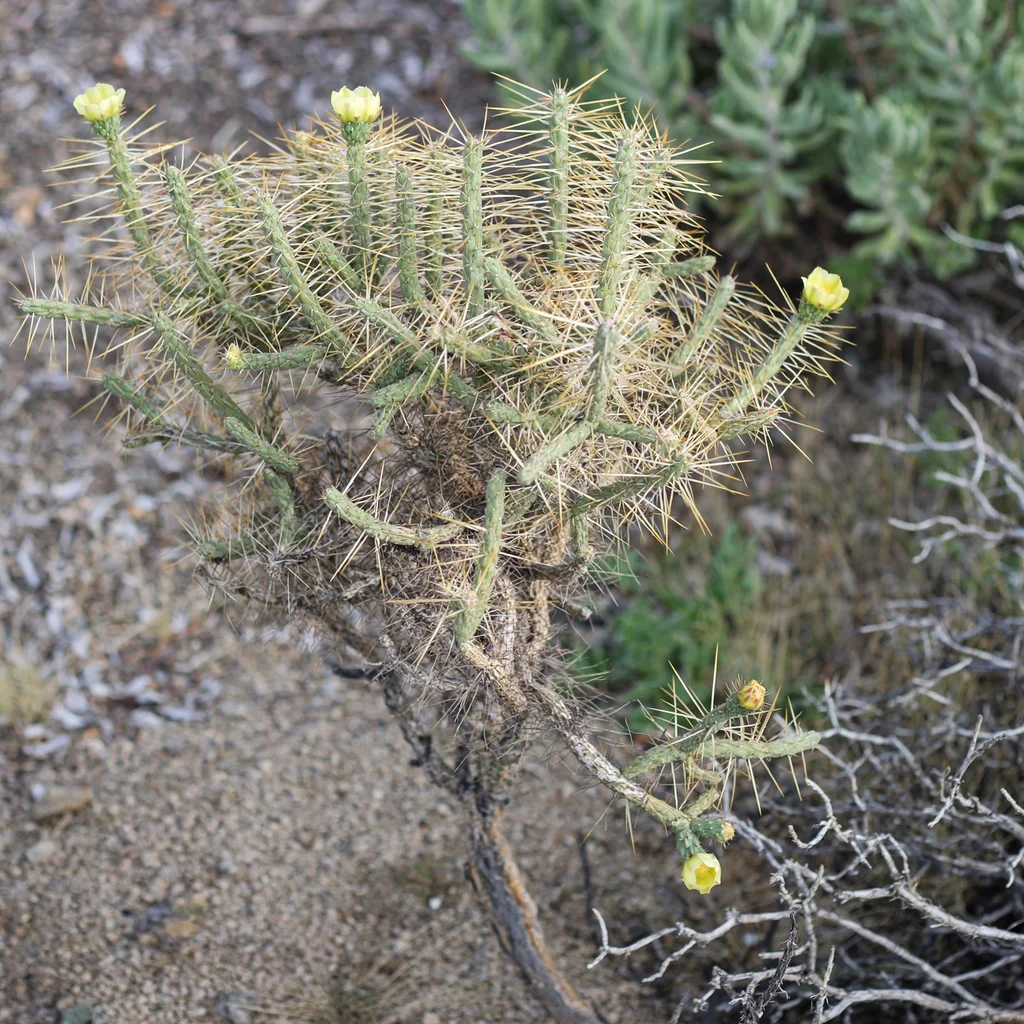
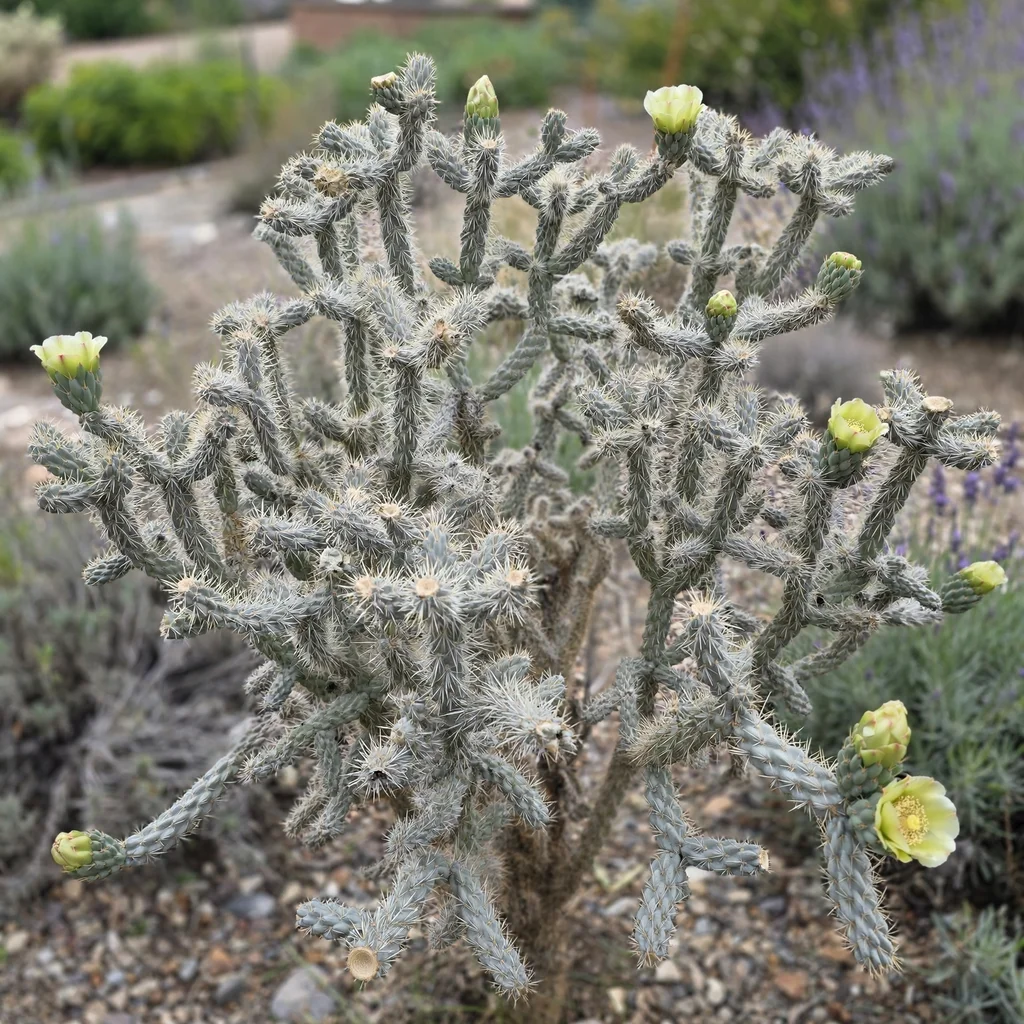
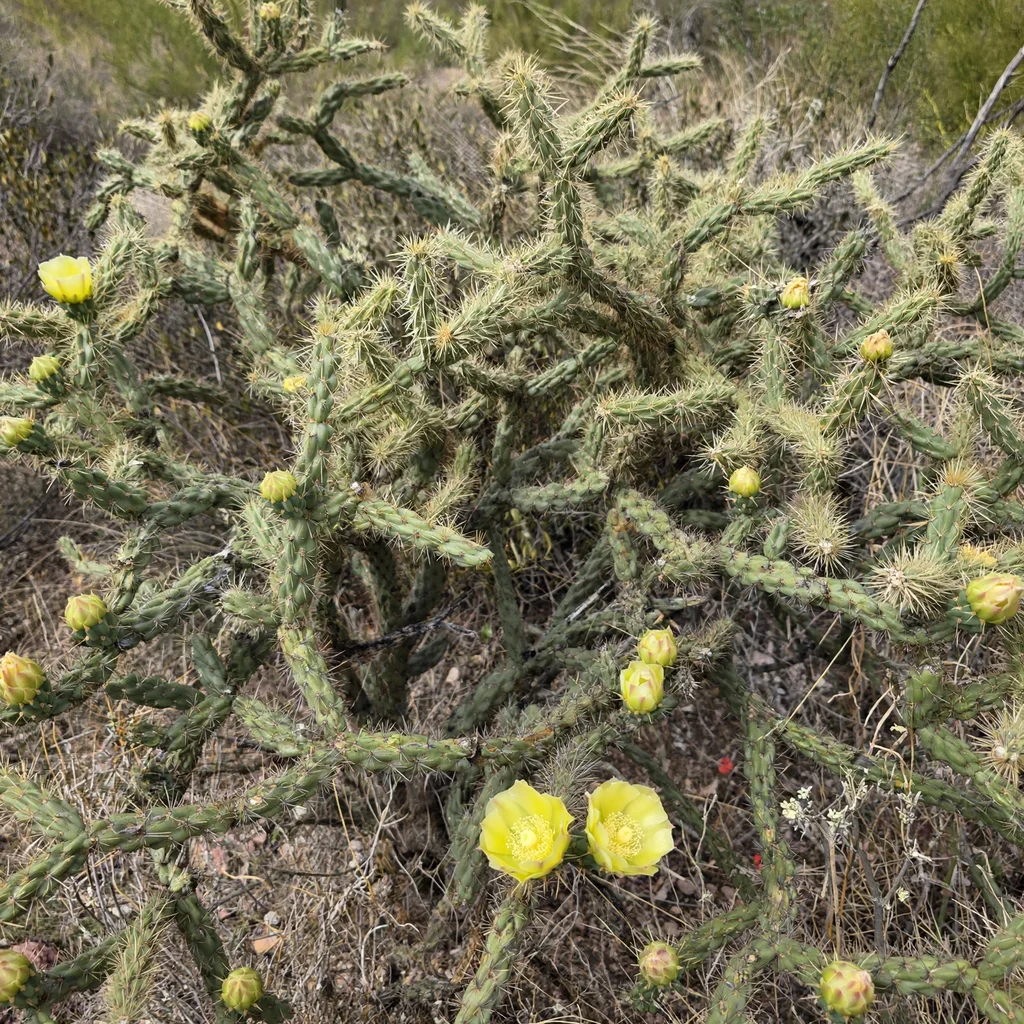
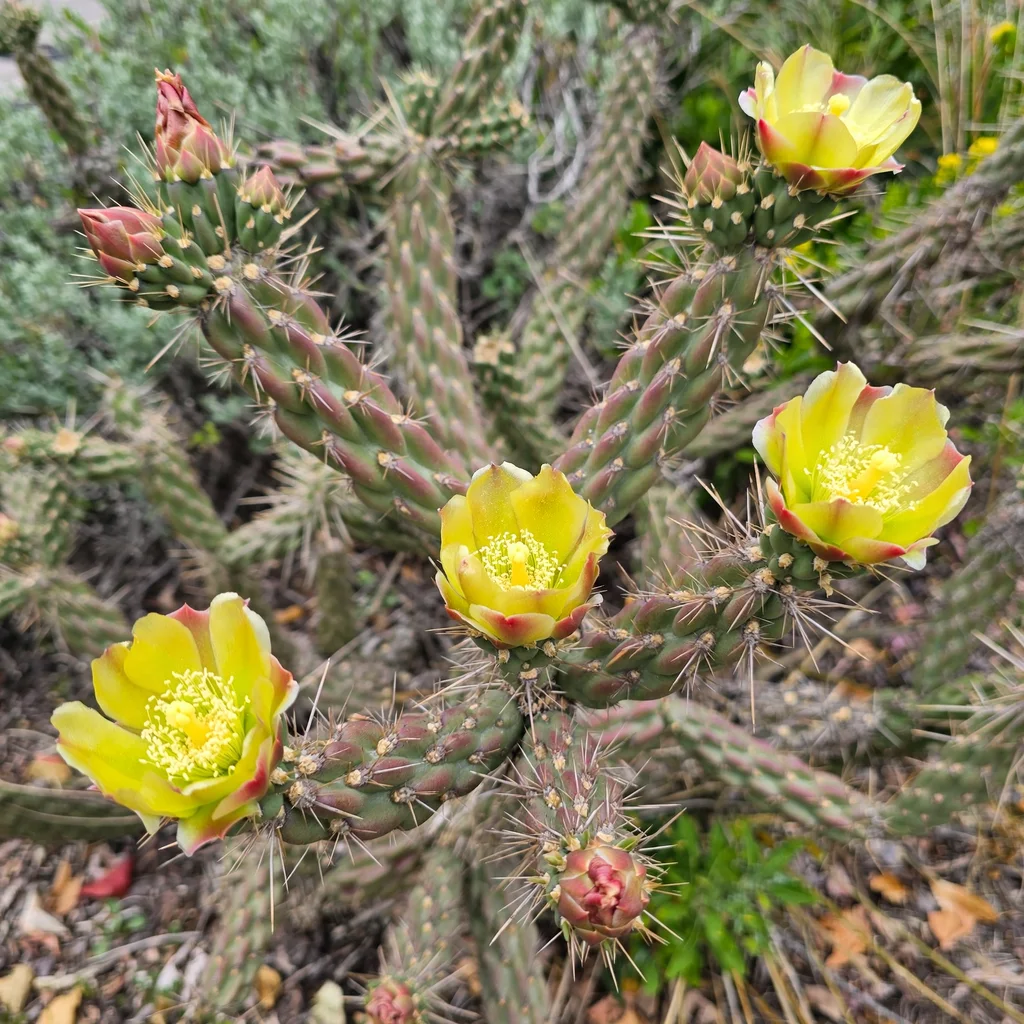
8 species of Cylindropuntia
Each one is a parent of the varieties above.
Track your Cylindropuntia in Sow
Save the Cylindropuntia you grow and get care reminders timed to your zone.
How to grow Cylindropuntia
Whats common across all Cylindropuntia varieties in our catalog — drawn from the care records of the 8 most-grown of them.
The Cylindropuntia year
- Check for PestsMay–July100% of varieties
Inspect joints for scale clusters and soft spots during summer heat and rains.
- Winter PrepNovember and December75% of varieties
Stop watering and confirm drainage is sharp before first frost near 15F.
- PruneMarch and April63% of varieties
Clear fallen or unwanted detached stem segments using metal tongs.
- PropagateMay–July63% of varieties
Root calloused stem segments in dry sandy media during warm summer days.
- FertilizeApril and May50% of varieties
Apply a dilute, low-nitrogen fertilizer once during active spring growth if grown in containers.
- Spring CleanupMarch and April38% of varieties
Clear fallen joints and cut out any blackened winter-rotted segments with tongs.


Do
- Plant in full sun in sharply drained sandy or loamy soil.
- Allow soil to dry completely between deep, infrequent waterings.
- Site away from high-traffic areas and wear eye protection and leather gloves when working near it.
- Plant in raw, unamended sandy or rocky mineral soils.
- Keep planting beds free of fallen detached segments to prevent accidental injury.
Avoid
- Do not plant in shade, clay, or low spots that hold water.
- Do not overwater in fall and winter when cool wet roots rot rapidly.
- Do not touch joints with bare hands or brush off glochids with skin — they embed and irritate.
- Do not apply organic mulches or rich composts around the trunk base.
What goes wrong with Cylindropuntia
| Problem | What you'll see | What to do |
|---|---|---|
| Mealybugs | White cottony masses tucked into joint crevices between stem segments. | Dab affected crevices with isopropyl alcohol using a long cotton applicator. |
| Scale insects | Small, raised shell-like bumps along the stem joints and reduced stem vigor. | Treat affected segments with insecticidal soap or apply a systemic horticultural oil. |
| Spider mites | Fine webbing and dusty bronzing on sunny stem surfaces. | Increase airflow around plants and rinse stem surfaces with clear water on hot dry mornings. |
| Cactus scale and cochineal | White cottony masses or brown shell-like bumps on joints; rare and seldom serious on vigorous plants. | Dislodge with a strong jet of water or dab with alcohol on a swab; keep plants dry and uncrowded for air flow. |
| Root and stem rot | Soft blackened base, collapsing joints, and fungal spotting after wet weather or irrigation. | Grow only in well-drained soil, withhold water in cool months, remove rotted joints promptly and discard. |
| Root rot | Softening, blackening trunk bases followed by stem collapse. | Cease irrigation immediately, ensure absolute drainage, and remove damaged organic tissue. |
| Fungal spot | Sunken brown or dry grey spots appearing on green stem surfaces. | Increase air circulation around stems and ensure foliage remains dry. |
Making more Cylindropuntia
Stem Cuttings
- Detach a mature stem segment cleanly using long metal tongs.
- Lay the segment in a dry, shaded location for 10 to 14 days until the wound callouses.
- Set the calloused base vertically in a pot of dry, coarse sand.
- Keep the substrate mostly dry until roots form after several weeks.
stem_cuttings
Cylindropuntia questions
How many types of Cylindropuntia are there?
The Sow catalog tracks 8 distinct Cylindropuntia varieties. The most popular — ranked by 3 real gardeners — are shown first above.
What zones does Cylindropuntia grow in?
Across its varieties, Cylindropuntia covers USDA Zones 8–10. Individual varieties differ — each plant page lists its exact range, and Sow filters the catalog to your zone automatically.
When does Cylindropuntia bloom?
Most Cylindropuntia varieties bloom from spring to summer.
Which Cylindropuntia should I choose?
Start from the most-saved varieties above — popularity across thousands of gardens is a strong signal of reliability — then filter by your zone and sun. In the Sow app you can preview any of them in a photo of your actual yard before you buy.