3 saves
Elegia
We track 4 varieties; the ones most used by real gardeners.
The 2 most-saved Elegia varieties
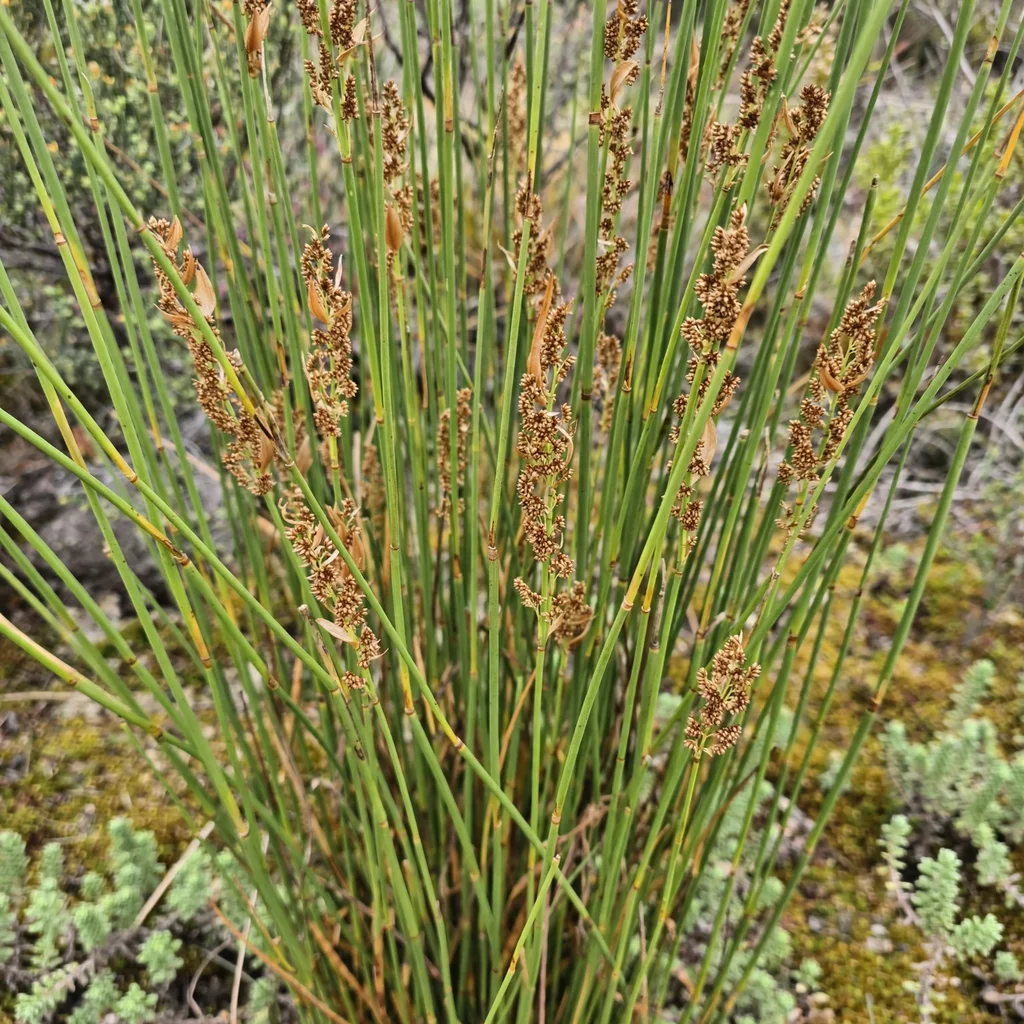
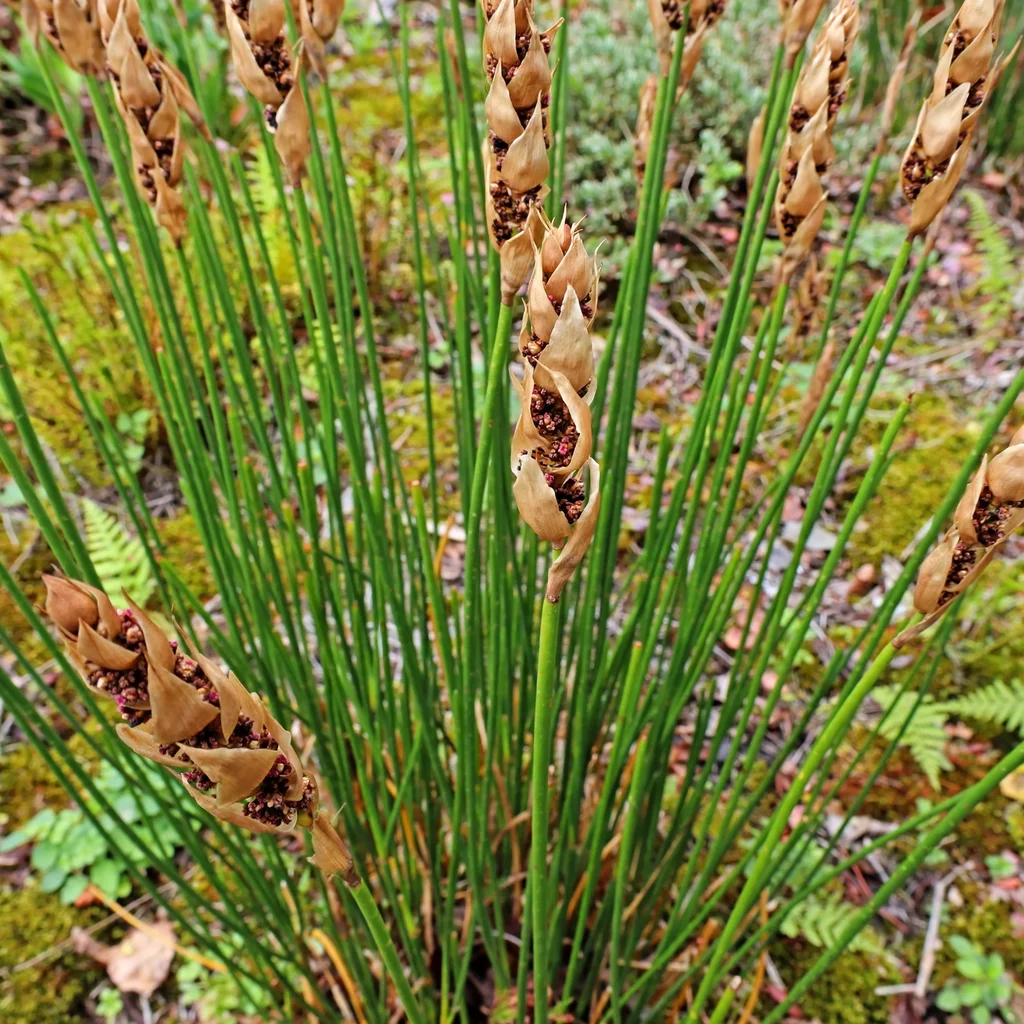
Browse all 4 Elegia varieties →
4 species of Elegia
Each one is a parent of the varieties above.
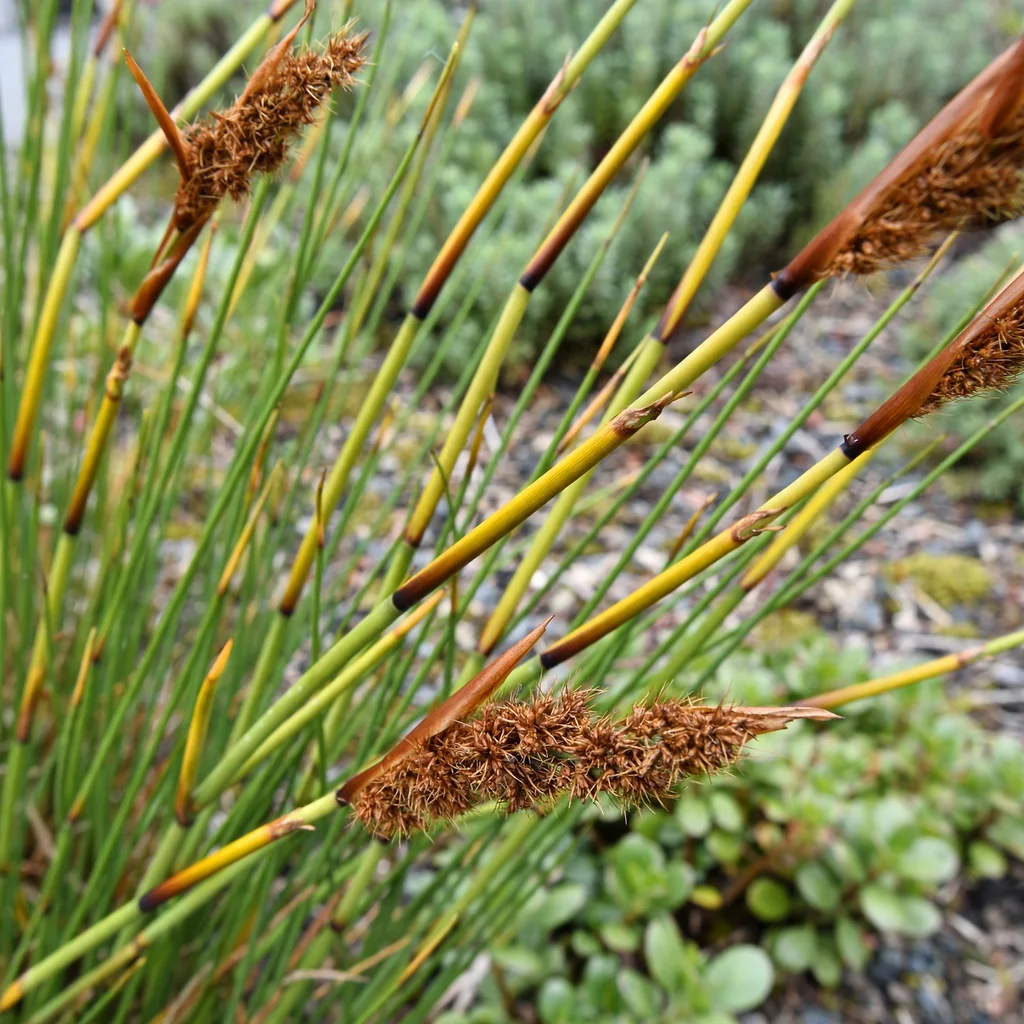
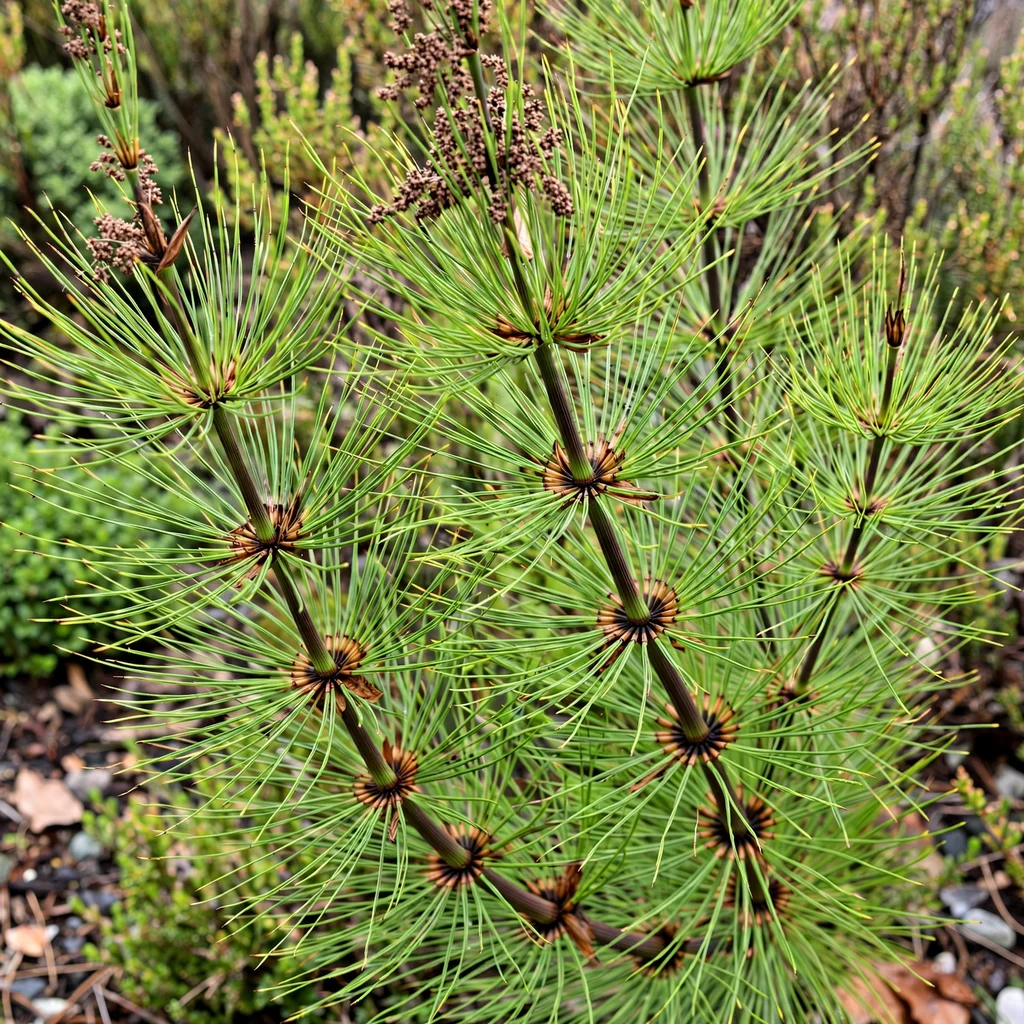
Track your Elegia in Sow
Save the Elegia you grow and get care reminders timed to your zone.
How to grow Elegia
Whats common across all Elegia varieties in our catalog — drawn from the care records of the 4 most-grown of them.
The Elegia year
- MulchOctober and November100% of varieties
Top up coarse mulch to hold moisture going into summer.
- PlantMarch–May100% of varieties
Plant container stock after hard frost in moist sandy loam.
- PruneMarch and April100% of varieties
Cut stems older than three years and dead culms at the base. Do not cut culms mid-stem.
- Check for PestsJune and July50% of varieties
Check whorls for mealybugs, scale and spider mites.
- Winter PrepNovember and December50% of varieties
Tie foliage loosely where snow loads occur and secure large pots.


Do
- Keep the root zone evenly moist with regular irrigation near water or in a rain garden.
- Mulch coarsely to conserve moisture without burying the crown.
- Remove dead culms and thin stems older than three years each spring.
- Water regularly in heat to keep the root run damp but drained
- Mulch over roots in fall to buffer cold
Avoid
- Do not shear the clump halfway down the culms.
- Do not bare-root, tease apart, or divide into small pieces; roots are sensitive.
- Do not plant in heavy clay or let containers dry out.
- Do not plant in heavy clay or waterlogged soil
What goes wrong with Elegia
| Problem | What you'll see | What to do |
|---|---|---|
| Aphids | Clusters on young culms and flowering branchlets in spring; rarely serious on this reed | Rinse off with a strong jet of water; avoid broad insecticides that kill pollinators |
| Spider mites | Fine stippling and bronzing of needle-like foliage in hot dry conditions | Rinse foliage with water and treat with insecticidal soap or neem oil if persistent |
| Mealybugs | White cottony clusters in branchlet whorls and leaf axils with stunted growth | Wipe off light infestations and treat with insecticidal soap or neem oil |
| Root rot | Blackened bases and collapsing culms in waterlogged soil | Improve drainage, reduce standing water, and replant in sandy loam with bark |
| Leaf spot | Brown spots on branchlets in wet crowded growth | Thin for air flow, avoid overhead watering, and remove affected stems |
| Root and crown rot | Bases blacken and culms collapse in heavy airless soil kept wet in summer. | Plant in sandy well-drained soil with winter wet only; improve airflow and discard rotted divisions. |
Making more Elegia
Seed
- Soak fresh seed for 24 hours before sowing.
- Sow on sandy mix at 61 to 64 degrees F with smoke treatment to trigger germination.
- Keep evenly moist with good air flow until germination.
- Grow on without disturbing roots until plants form strong clumps.
Division
- Divide only at the start of the rainy season when growth resumes.
- Lift a large chunk with roots and soil intact.
- Replant immediately at the same depth and water in deeply.
- Keep consistently moist; expect slow re-establishment.
Elegia questions
How many types of Elegia are there?
The Sow catalog tracks 4 distinct Elegia varieties. The most popular — ranked by 3 real gardeners — are shown first above.
What zones does Elegia grow in?
Across its varieties, Elegia covers USDA Zones 8–10. Individual varieties differ — each plant page lists its exact range, and Sow filters the catalog to your zone automatically.
When does Elegia bloom?
Most Elegia varieties bloom from spring to fall.
Which Elegia should I choose?
Start from the most-saved varieties above — popularity across thousands of gardens is a strong signal of reliability — then filter by your zone and sun. In the Sow app you can preview any of them in a photo of your actual yard before you buy.