2 saves
Grewia
We track 4 varieties; the ones most used by real gardeners.
The 4 most-saved Grewia varieties
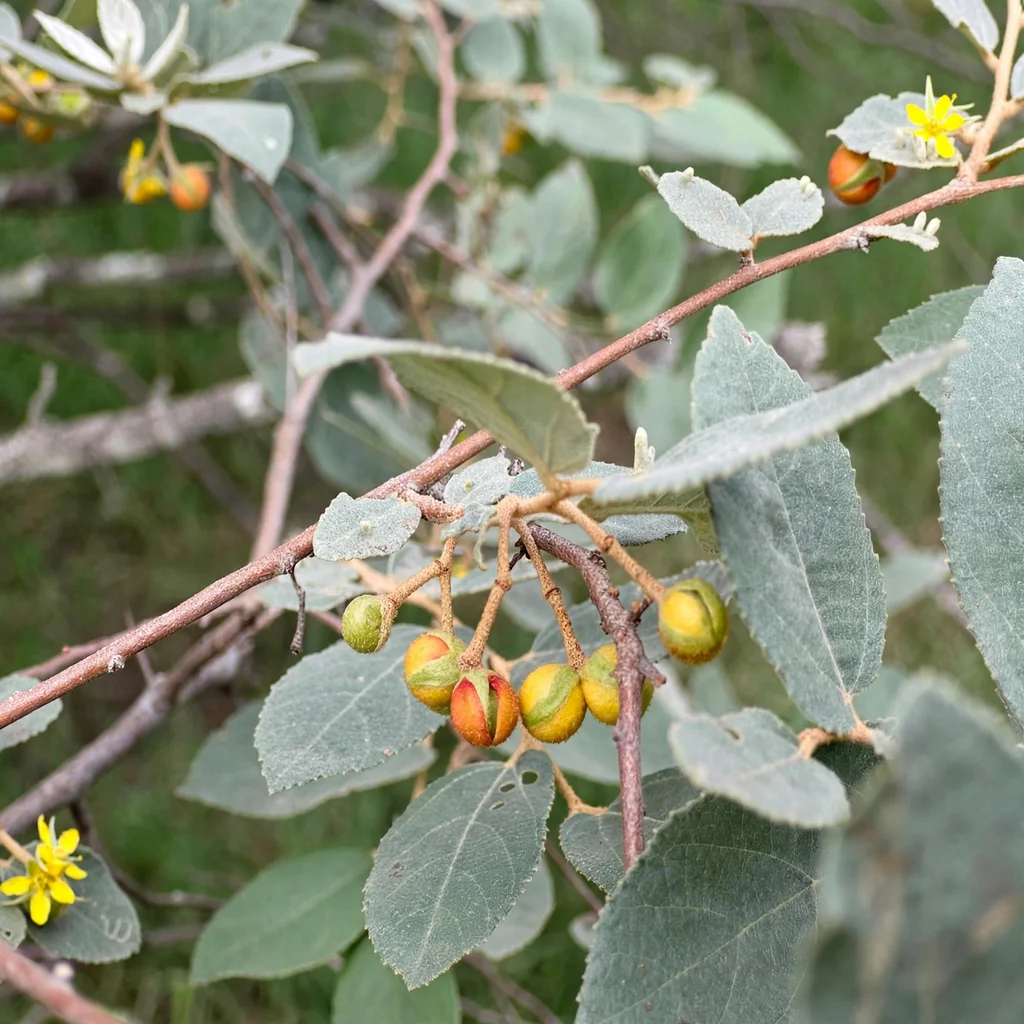
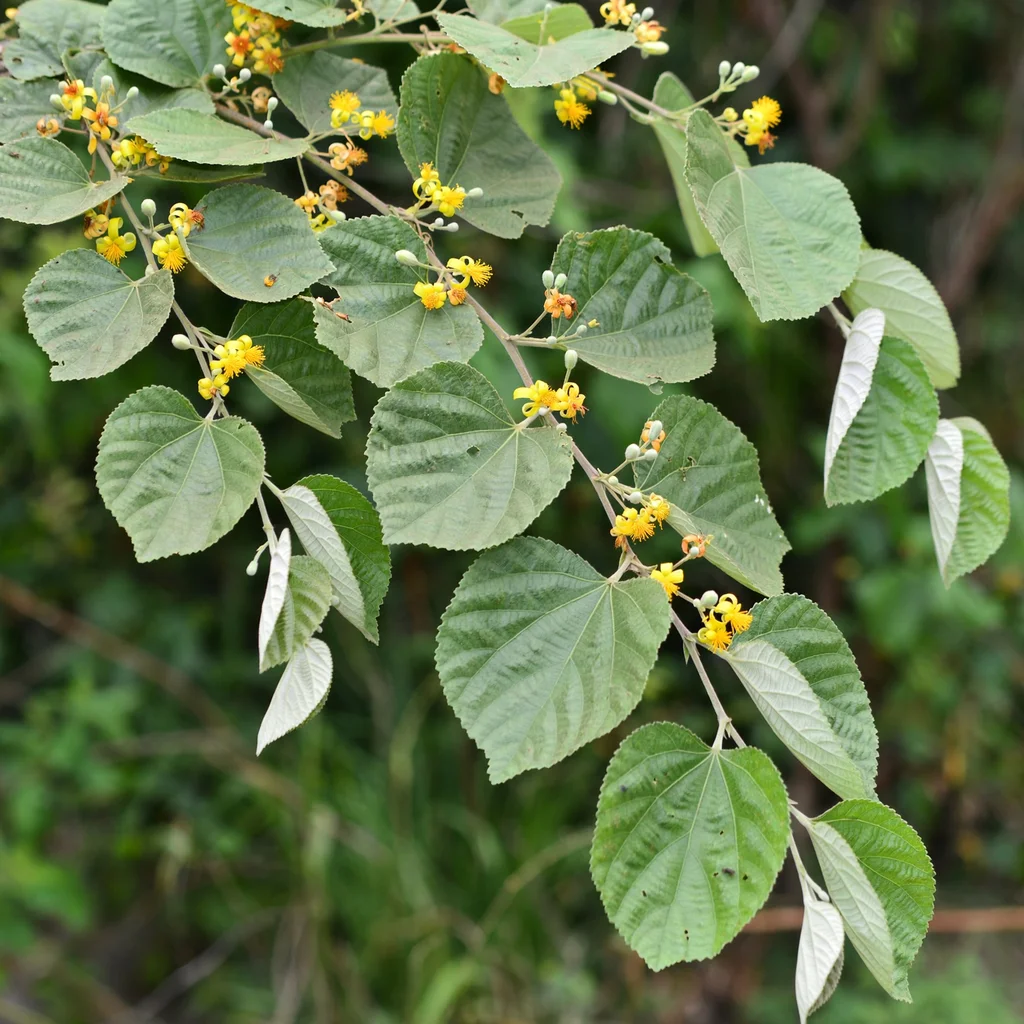
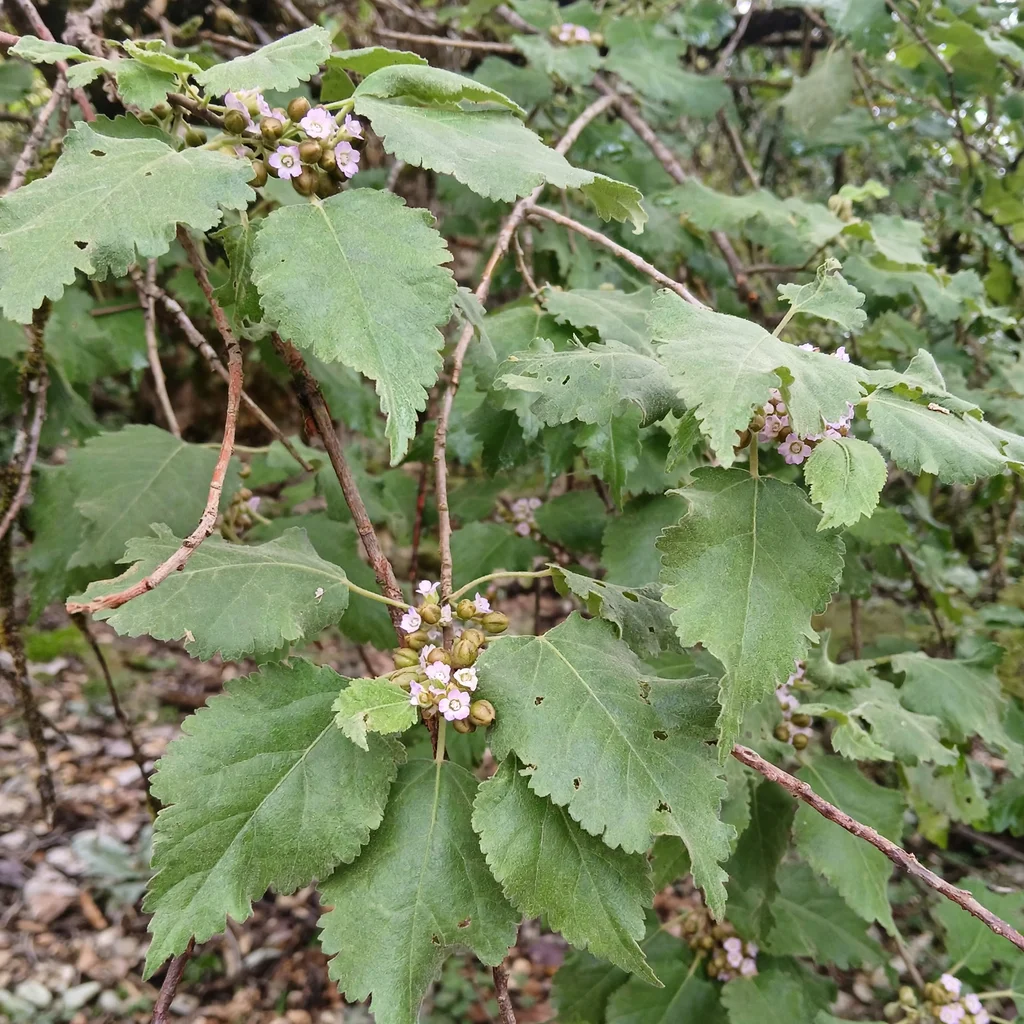
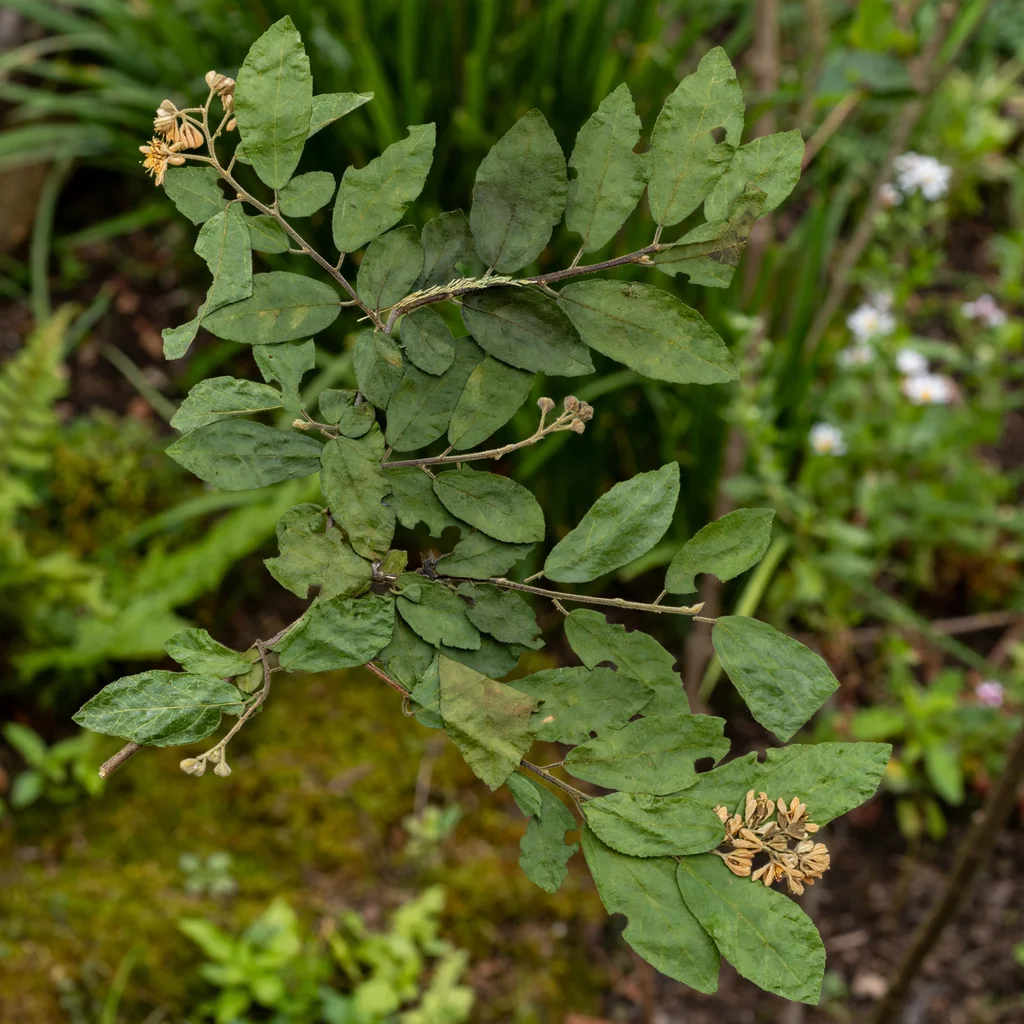
4 species of Grewia
Each one is a parent of the varieties above.
Track your Grewia in Sow
Save the Grewia you grow and get care reminders timed to your zone.
How to grow Grewia
Whats common across all Grewia varieties in our catalog — drawn from the care records of the 4 most-grown of them.
The Grewia year
- PruneFebruary and March100% of varieties
Remove dead wood or thin oldest stems near the base after winter.
- FertilizeMarch75% of varieties
Apply a light application of low-nutrient slow-release fertilizer if grown in poor container soils.
- Check for PestsJune and July75% of varieties
Inspect foliage for sap-sucking insects or spider mites during hot dry spells.
- PlantApril and May75% of varieties
Set out potted plants after frost in full sun.
- MulchJune50% of varieties
Mulch to hold moisture through summer heat.
- HarvestAugust50% of varieties
Pick ripe yellow to red fruits for fresh eating or leave for birds.


Do
- Plant in sharply draining soil to prevent root issues during wet periods.
- Allow the plant to experience natural seasonal dry spells.
- Prune minimally, removing only dead or crossing stems at the base.
- Give full sun and warm conditions with moderate water.
- Grow in clay to sand that drains freely.
Avoid
- Do not over-water or allow water to pool around the root zone.
- Do not attempt to hedge or shear aggressively into tight formal shapes.
- Do not over-fertilize with high-nitrogen synthetic feeds.
- Do not plant in wet or waterlogged soil.
What goes wrong with Grewia
| Problem | What you'll see | What to do |
|---|---|---|
| Spider mites | Fine webbing and stippled foliage during hot, dry greenhouse periods | Rinse foliage with water sprays or apply insecticidal soap. |
| Aphids | Clusters on shoot tips and leaf undersides curl new growth; rarely serious. | Wash off with a strong spray of water and prune out heavily infested tips; conserve lady beetles. |
| Scale insects | Small bumps on stems and leaves with sticky honeydew and yellowing | Prune out infested shoots and scrub light infestations; apply horticultural oil in the dormant season |
| Root rot | Softened stems and sudden leaf drop caused by prolonged waterlogging | Improve soil drainage and reduce irrigation frequency. |
| Anthracnose leaf and fruit spot | Dark sunken spots on leaves and small fruits that can merge and defoliate shoots. | Remove spotted leaves and fallen fruit, avoid overhead watering, and prune for air circulation. |
| Leaf spot | Small brown spots on older leaves in wet weather; rarely serious and does not stop fruiting. | Rake fallen leaves, keep the center open by pruning and avoid overhead watering. |
Making more Grewia
Seed
- Collect dry, brittle brown fruit capsules in late summer or fall.
- Extract the seed from the outer capsule husk.
- Sow seed into a well-drained potting mix under warm conditions.
- Keep soil lightly moist until germination occurs.
Air layer
- Wound a pencil-thick branch in early summer and wrap with moist moss.
- Keep moss moist until roots fill the wrap.
- Sever below the roots and pot in loam.
- Grow on in shade then move to full sun.
Grewia questions
How many types of Grewia are there?
The Sow catalog tracks 4 distinct Grewia varieties. The most popular — ranked by 2 real gardeners — are shown first above.
What zones does Grewia grow in?
Across its varieties, Grewia covers USDA Zones 9–10. Individual varieties differ — each plant page lists its exact range, and Sow filters the catalog to your zone automatically.
When does Grewia bloom?
Most Grewia varieties bloom from spring to fall.
Which Grewia should I choose?
Start from the most-saved varieties above — popularity across thousands of gardens is a strong signal of reliability — then filter by your zone and sun. In the Sow app you can preview any of them in a photo of your actual yard before you buy.