4 saves
Hesperocyparis
We track 4 varieties; the ones most used by real gardeners.
The 4 most-saved Hesperocyparis varieties
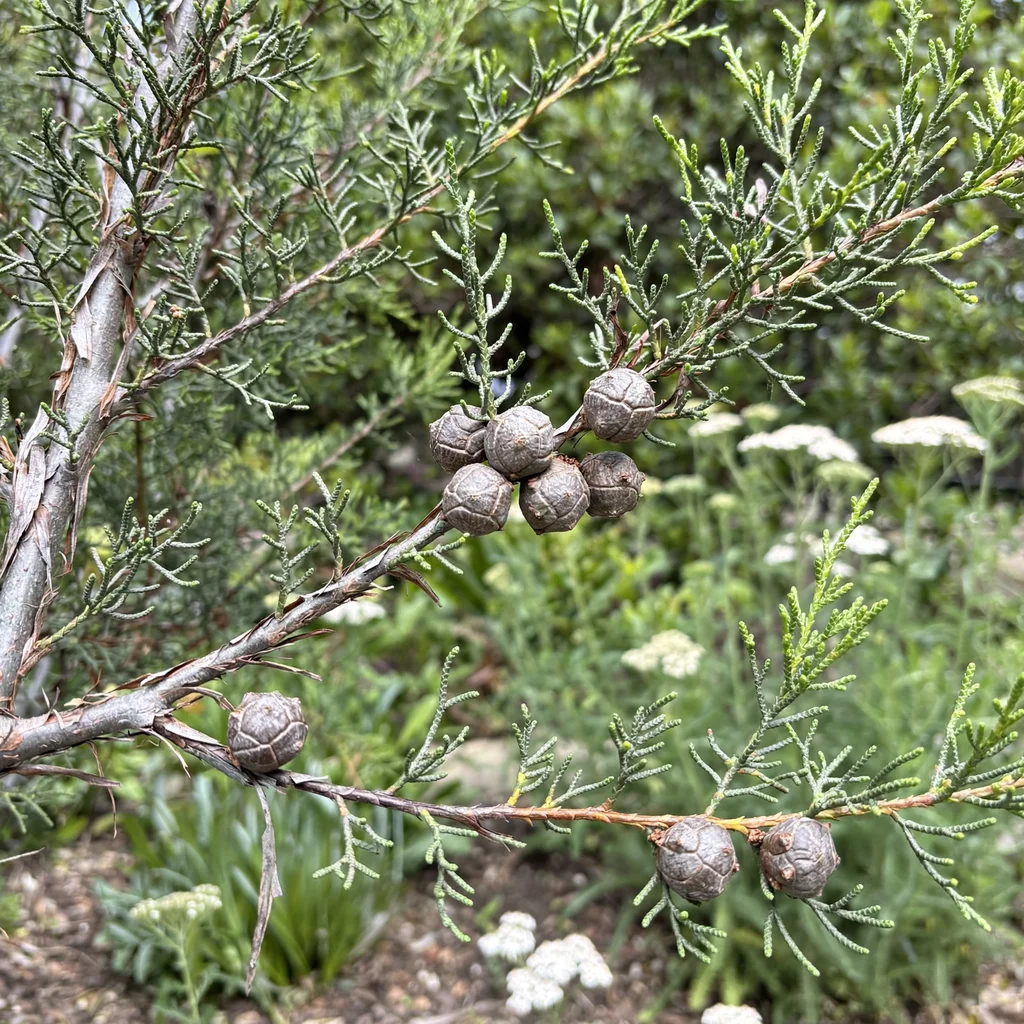
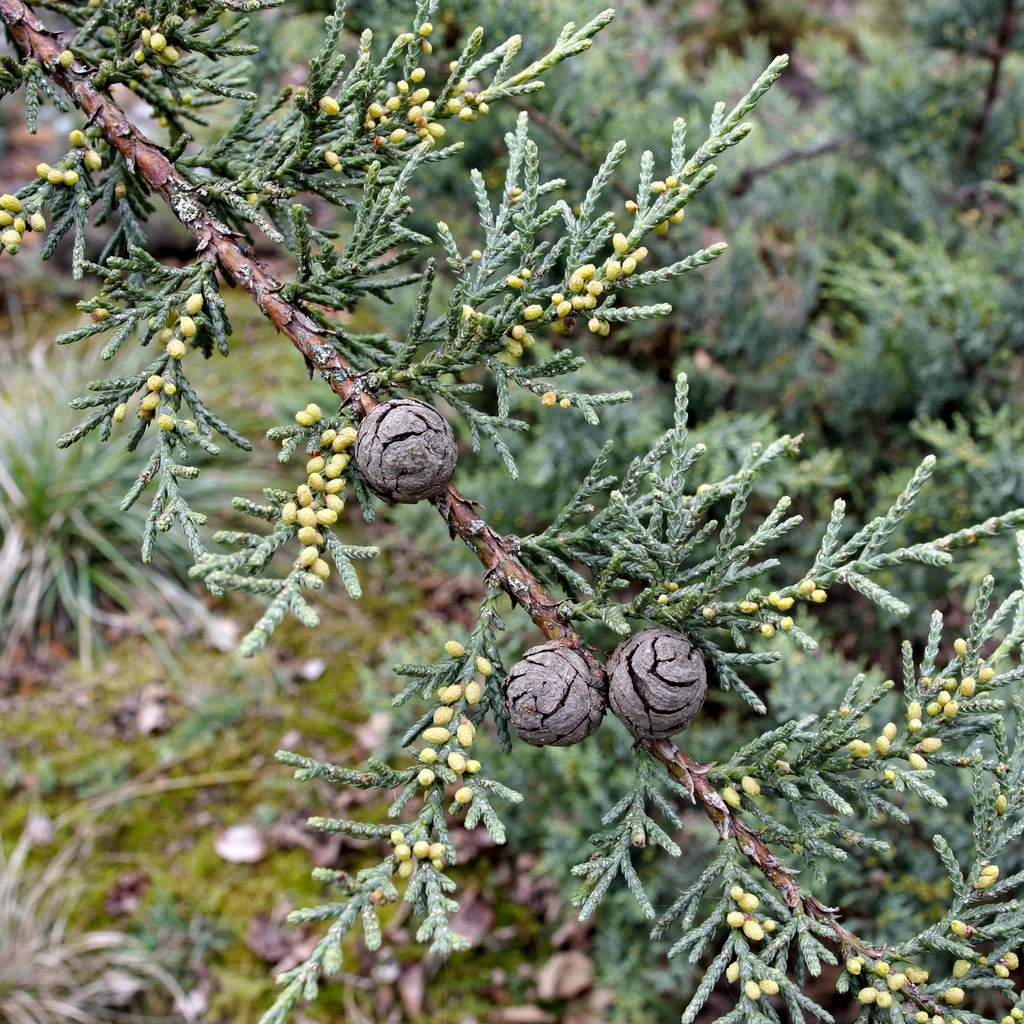
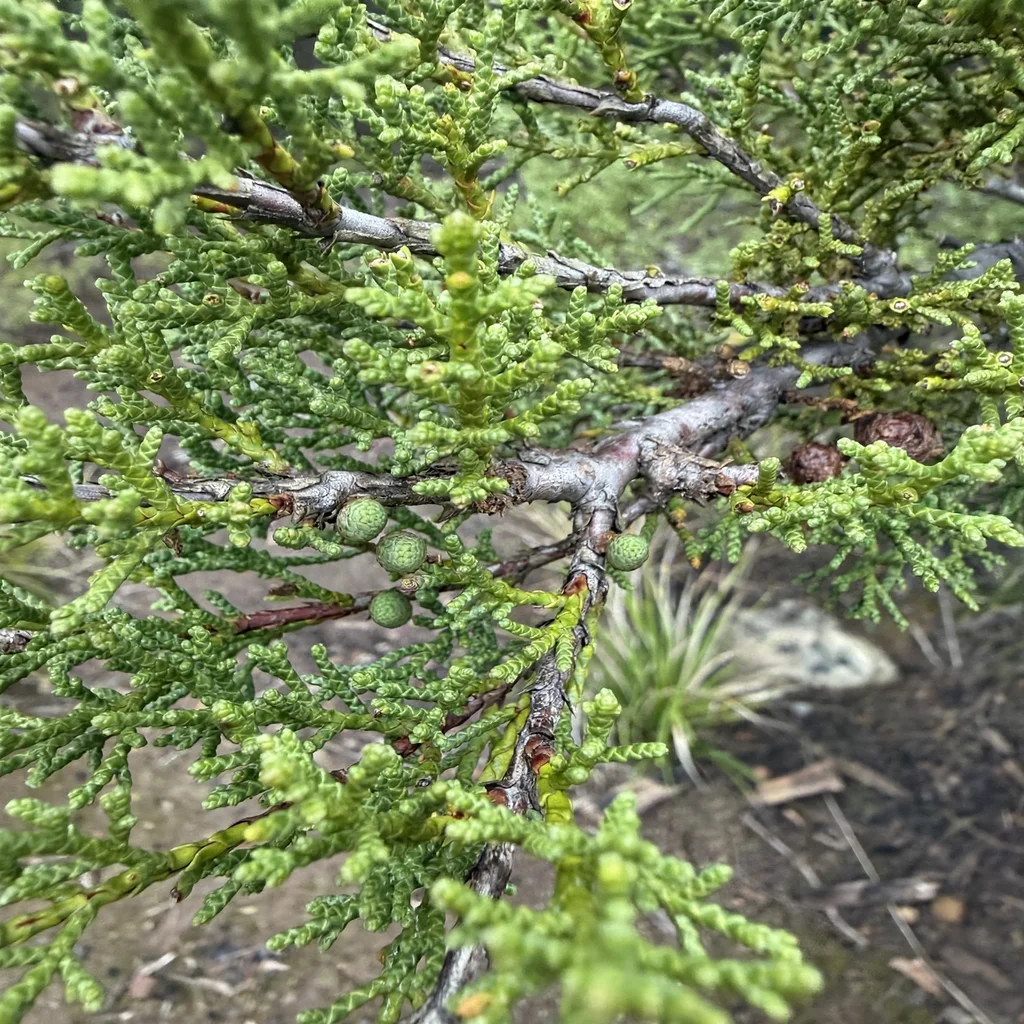
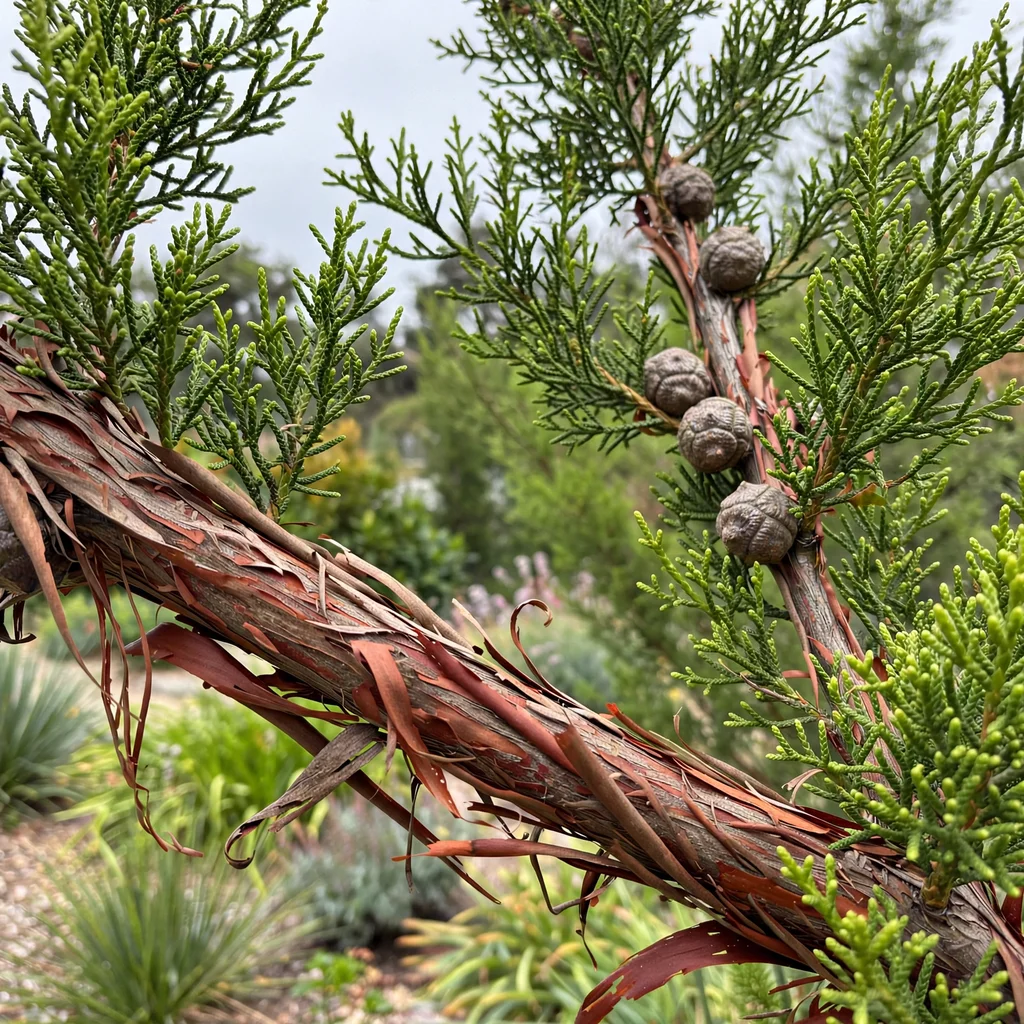
4 species of Hesperocyparis
Each one is a parent of the varieties above.
Track your Hesperocyparis in Sow
Save the Hesperocyparis you grow and get care reminders timed to your zone.
How to grow Hesperocyparis
Whats common across all Hesperocyparis varieties in our catalog — drawn from the care records of the 4 most-grown of them.
The Hesperocyparis year
- PlantOctober and November100% of varieties
Plant container trees in autumn so roots settle during cool winter rains.
- PruneMarch and April100% of varieties
Remove dead branches or light foliage tips using sterile pruners before summer heat.
- Check for PestsJune and July100% of varieties
Inspect dense internal foliage for spider mites during dry midsummer spells.
- MulchOctober and November75% of varieties
Apply a thin layer of coarse gravel or mineral mulch around the drip line, clear of the trunk.


Do
- Plant in fast-draining, lean soils on open, sunny slopes.
- Prune sparingly, cutting only green leafy tips to shape hedges.
- Allow the soil to dry out completely between initial waterings.
- Provide full sun and sharply drained soil.
- Allow soil to dry thoroughly between waterings while young.
Avoid
- Do not overwater or apply heavy summer irrigation after establishment.
- Do not cut back into old leafless wood, as bare conifer branches will not resprout.
- Do not add high-nitrogen fertilizers, which create weak, floppy growth.
- Do not amend planting holes with compost, rich soil, or heavy fertilizers.
What goes wrong with Hesperocyparis
| Problem | What you'll see | What to do |
|---|---|---|
| Aphids | Clusters of soft-bodied insects on tender new shoots causing mild leaf curling | Wash off with a firm spray of water or apply insecticidal soap during spring flushes. |
| Spider mites | Fine webbing and yellow stippling on scale foliage during hot, dry weather | Rinse foliage periodically with early-morning water sprays to disrupt life cycles. |
| Borers | Small entry holes in bark with associated sap weeping or branch dieback | Maintain plant vigor through correct cultural practices, as stressed trees attract infestation. |
| Cypress tip moth | Browning and dieback of small foliage tips. | Prune out affected branch tips promptly. |
| Phytophthora root rot | Foliage yellowing, wilting, and root decay caused by waterlogged conditions | Ensure excellent soil drainage and avoid supplemental summer irrigation once established. |
| Coryneum canker (Seiridium cardinale) | Sunken cankers, resin flow, and dead branch tips that can kill stressed trees. | Cut dead wood well below cankers in dry weather, disinfect tools, and keep crowns dry with no overhead water. |
| Root rot and damping-off | Seedlings collapse or older trees yellow and die in wet or waterlogged soil. | Plant only in sharply drained ground, keep summer water off, and discard waterlogged stock. |
Making more Hesperocyparis
Seed
- Extract seeds from mature woody cones using gentle heat or air desiccation.
- Sow seeds into a sharply draining, low-nutrient propagation mix.
- Maintain light, even moisture without waterlogging the substrate.
- Pot up young seedlings into individual containers once true scale foliage forms.
Seed propagation
- Harvest mature, closed serotinous cones directly from tree limbs.
- Expose cones to gentle dry heat until the scales flex open to release seeds.
- Cold-stratify seeds in damp sand at 4°C for 30 to 60 days.
- Sow stratified seeds into well-draining mineral mix at 22°C.
Hesperocyparis questions
How many types of Hesperocyparis are there?
The Sow catalog tracks 4 distinct Hesperocyparis varieties. The most popular — ranked by 4 real gardeners — are shown first above.
What zones does Hesperocyparis grow in?
Across its varieties, Hesperocyparis covers USDA Zones 6–10. Individual varieties differ — each plant page lists its exact range, and Sow filters the catalog to your zone automatically.
When does Hesperocyparis bloom?
Most Hesperocyparis varieties bloom year-round.
Which Hesperocyparis should I choose?
Start from the most-saved varieties above — popularity across thousands of gardens is a strong signal of reliability — then filter by your zone and sun. In the Sow app you can preview any of them in a photo of your actual yard before you buy.