Also known as Thorn Acacia · 6 saves
Vachellia
Vachellia, the genus most gardeners know as thorn acacia. We track 4 varieties; the ones most used by real gardeners.
The 4 most-saved Vachellia varieties
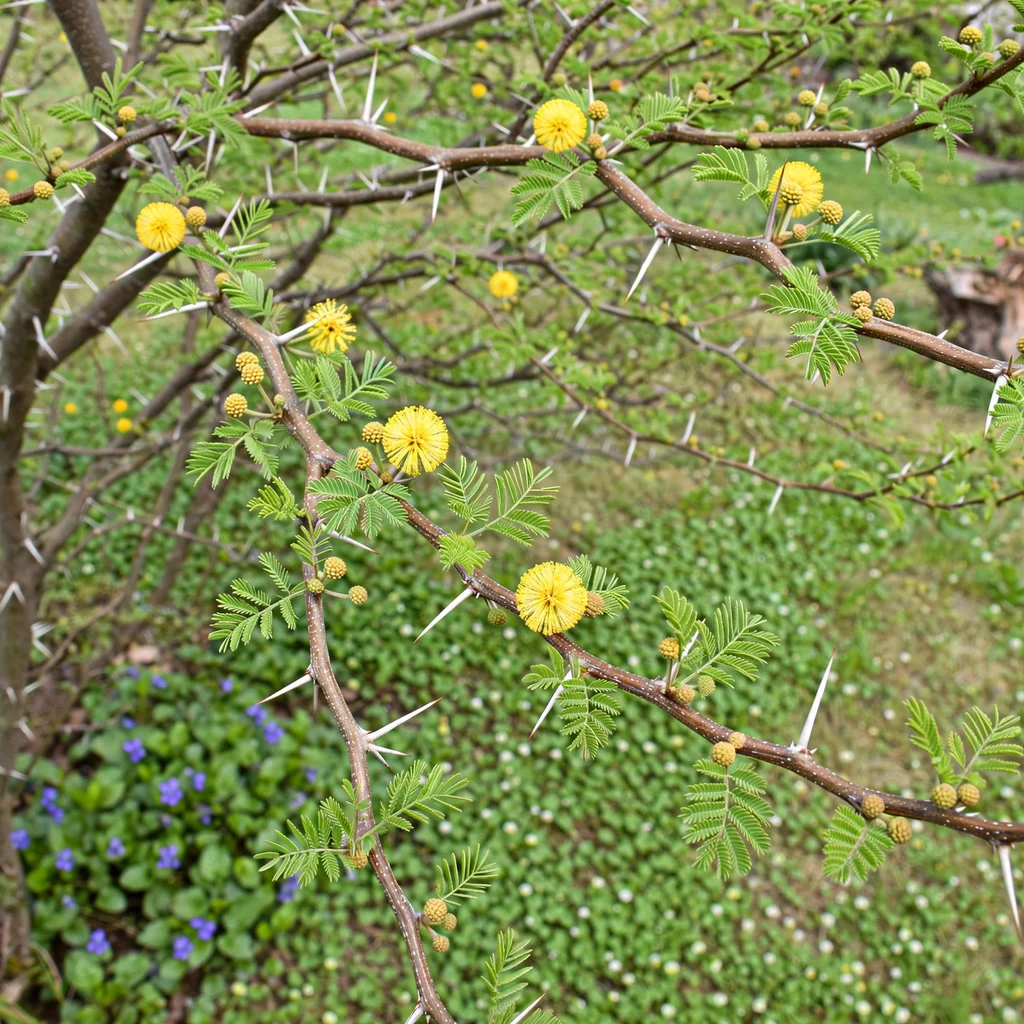
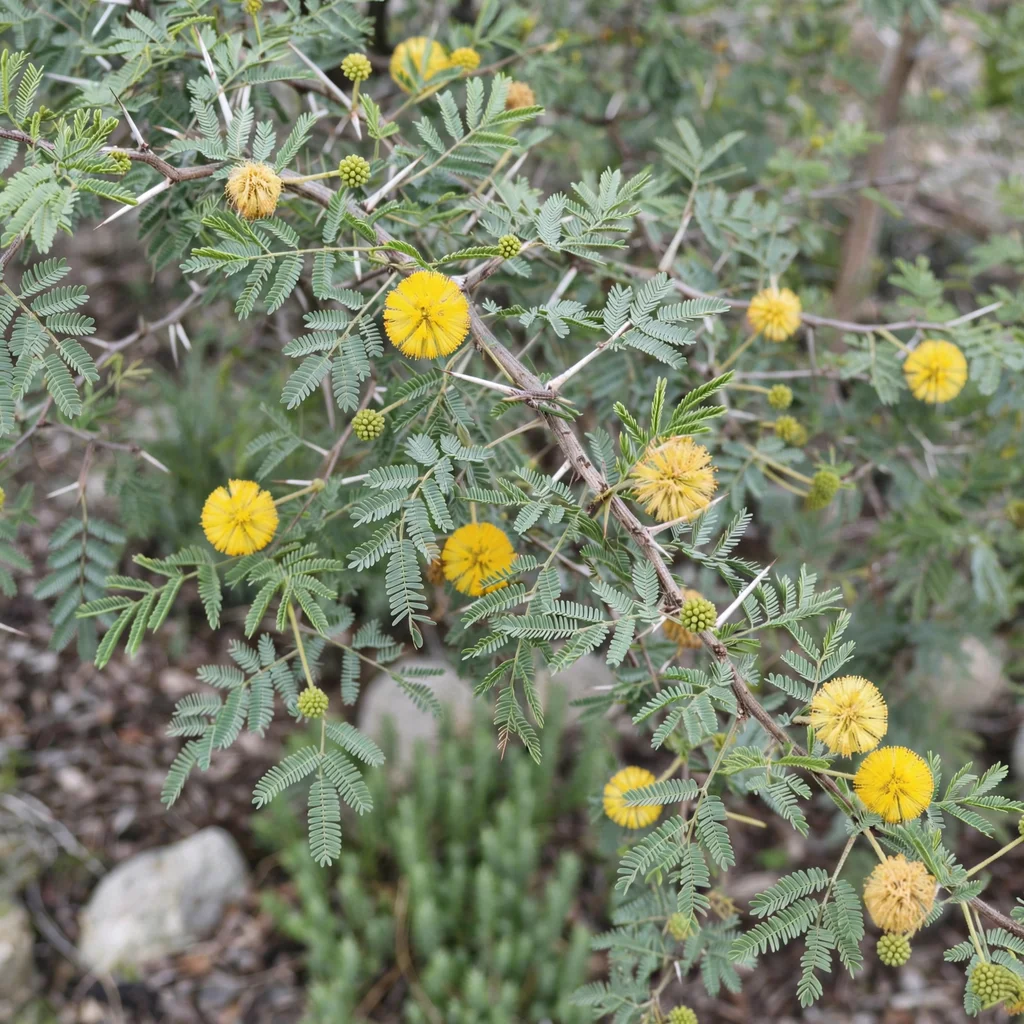
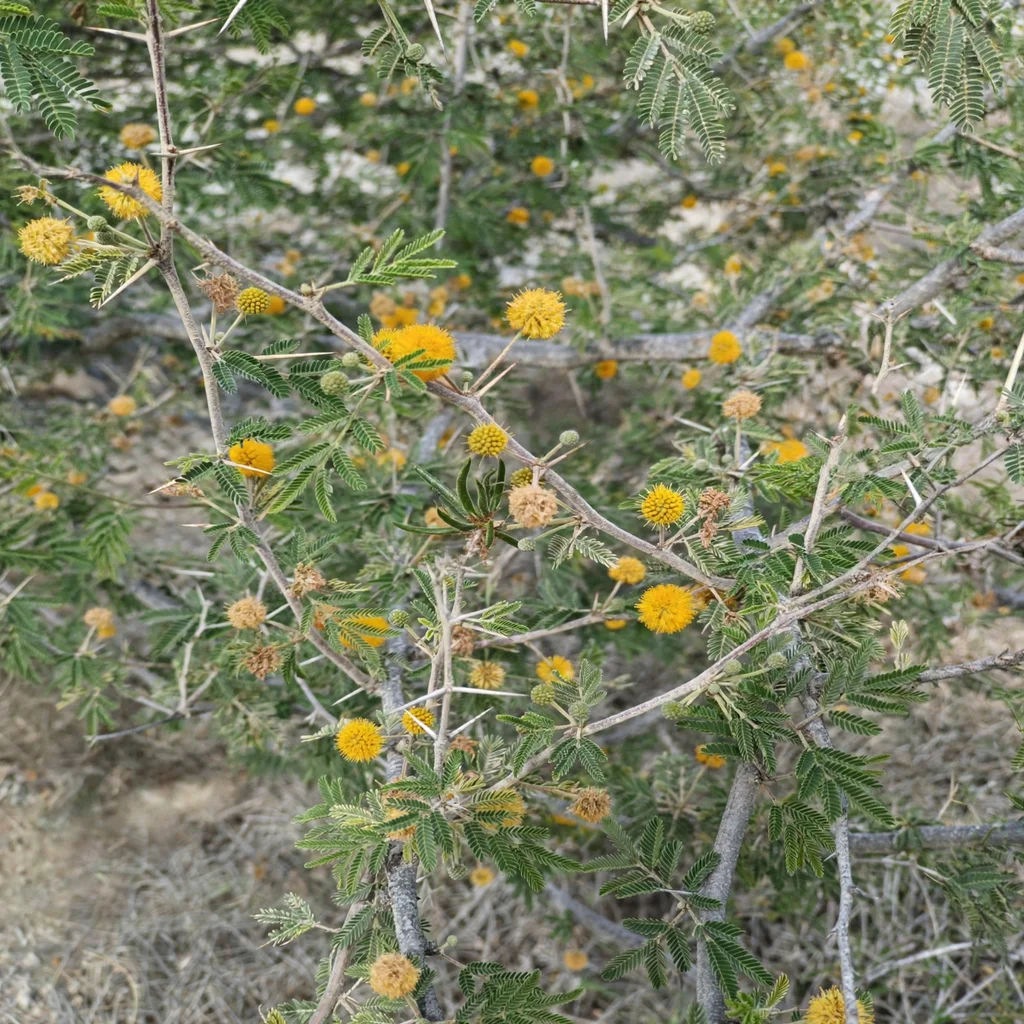
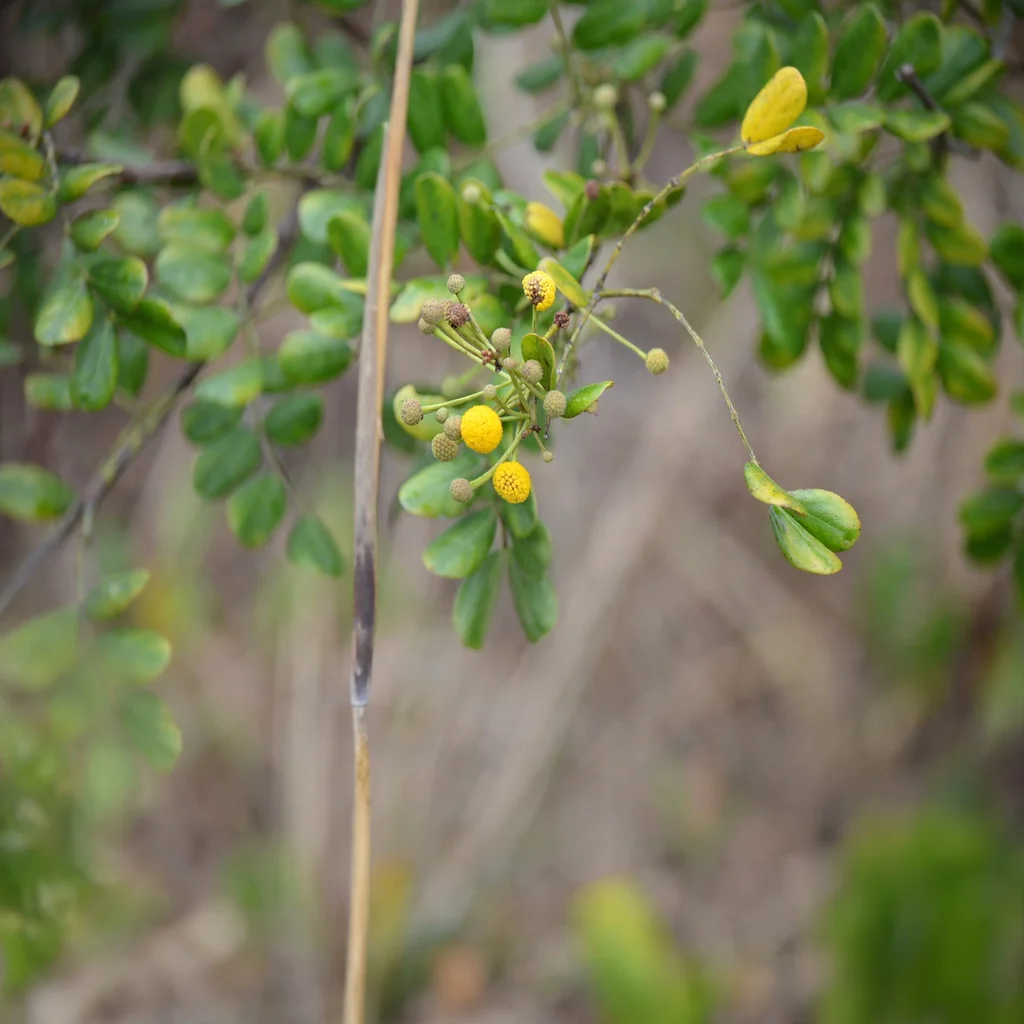
4 species of Vachellia
Each one is a parent of the varieties above.
Track your Vachellia in Sow
Save the Vachellia you grow and get care reminders timed to your zone.
How to grow Vachellia
Whats common across all Vachellia varieties in our catalog — drawn from the care records of the 4 most-grown of them.
The Vachellia year
- PruneMarch, April and June100% of varieties
Shape lightly after the spring flush; do not cut into old bare wood.
- Check for PestsJune–August100% of varieties
Check foliage for anthracnose spots after summer rains; improve airflow.
- MulchMarch and April75% of varieties
Keep a thin gravel or pine-straw ring clear of the crown to keep drainage sharp.
- PlantMarch and April75% of varieties
Set out container plants as soils warm; water to establish.
- PropagateJune and July50% of varieties
Take semi-hardwood cuttings or collect mature seed pods for propagation.


Do
- Do give sharp drainage and a dry interval between waterings.
- Do wear heavy gloves and eye protection when handling spiny branches.
- Do leave spent heads and pods for seed and insects if form allows.
- Do plant in full sun with sharp drainage.
- Do protect the endangered wild origin by buying nursery-propagated stock.
Avoid
- Do not plant in low ground that stays wet; roots rot quickly.
- Do not shear hard or over-prune into bare old stems.
- Do not irrigate on a lawn schedule once established.
- Do not plant in heavy clay or ground that stays wet.
What goes wrong with Vachellia
| Problem | What you'll see | What to do |
|---|---|---|
| Aphids | Clusters on new shoots and leaf undersides distort growth and leave sticky honeydew. | Rinse off with a sharp spray of water and conserve lady beetles; treat only persistent colonies with insecticidal soap. |
| Scale Insects | Small, bumpy shells clustered on twigs and branches, accompanied by yellowing leaves. | Apply horticultural oil during the dormant season or scrape off light infestations manually. |
| Twig Girdlers | Cleanly cut twigs girdled from the outside, causing branch tips to die and fall. | Collect and destroy fallen twigs in autumn to eliminate overwintering larvae. |
| Spider mites | Fine webbing on the foliage and stippled, yellowing leaves under dry, dusty conditions or in glasshouse environments. | Increase air circulation, blast the foliage with a sharp stream of water, or apply insecticidal soap if the infestation persists. |
| Root rot | Wilting and blackened roots where soil stays wet. | Plant high on fast-draining soil and let the surface dry between waterings; discard severely rotted plants. |
| Anthracnose | Dark spots and blighting on leaves in wet weather. | Improve airflow, avoid overhead watering and prune out spotted foliage; rarely needs fungicide. |
| Root Rot | Yellowing foliage, branch dieback, and a decaying root system in wet soils. | Improve soil drainage, reduce watering, and avoid planting in low-lying, waterlogged areas. |
Making more Vachellia
Seed
- Collect ripe brown pods and split to remove the hard-coated seed.
- Nick the coat and soak overnight until seed swells.
- Sow one-quarter inch deep in sandy mix and keep warm and barely moist.
- Grow on in full sun and plant out once roots fill the pot.
Vachellia questions
How many types of Vachellia are there?
The Sow catalog tracks 4 distinct Vachellia varieties. The most popular — ranked by 6 real gardeners — are shown first above.
What zones does Vachellia grow in?
Across its varieties, Vachellia covers USDA Zones 8–10. Individual varieties differ — each plant page lists its exact range, and Sow filters the catalog to your zone automatically.
When does Vachellia bloom?
Most Vachellia varieties bloom from winter to spring.
Which Vachellia should I choose?
Start from the most-saved varieties above — popularity across thousands of gardens is a strong signal of reliability — then filter by your zone and sun. In the Sow app you can preview any of them in a photo of your actual yard before you buy.