The Story
Plant Bio
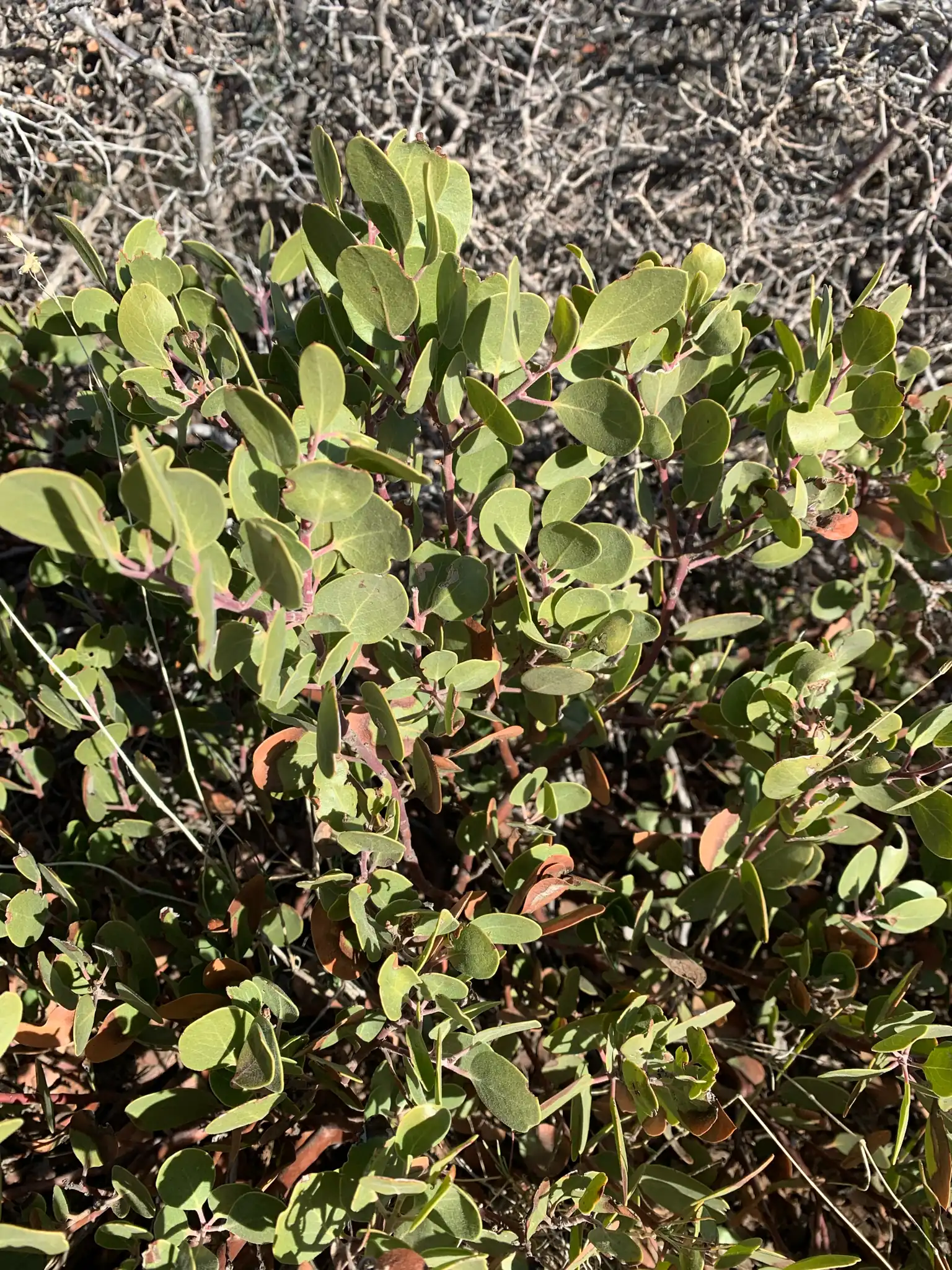
Arctostaphylos patula, known as greenleaf manzanita, is an evergreen shrub native to montane chaparral across western North America, reaching six to ten feet tall with a broad, rounded habit. Its twisting stems reveal smooth, bright red-brown bark beneath shredding outer layers, clad in glossy yellowish-green leaves that persist year-round.
Terminal panicles of small, urn-shaped white to pink flowers bloom in spring, followed by berry-like drupes that feed native wildlife. A woody basal burl allows established plants to resprout after fire, while lower branches naturally root where they make contact with sharp, well-draining soil.
Uses & Benefits:
Essentials
At a Glance
Plant Type
Shrub
Height
72"
Width
118"
Light
Full Sun, Partial Sun
Zones
5, 6, 7, 8, 9
Water
Low
Humidity
Low
Lifespan
Perennial
Native To
Western North America
Toxicity
Non-toxic
Bloom period
Spring
In flower about 3 months of the year
Planting
How to Grow
- Select a full sun to light shade location with coarse, lean, acidic to neutral soil derived from granite or volcanic rock.
- Dig a hole twice as wide as the root ball and plant slightly elevated on a mound to prevent crown rot.
- Water thoroughly at planting, then irrigate deeply but infrequently only during the first one to two growing seasons.
- Apply a thin layer of gravel or rock mulch around the base, keeping all organic material away from the trunk.
Pro Tip
Plant on a slope or raised mound in lean, acidic soil and refrain from all summer irrigation once roots establish; cutting back into bare, leafless old wood will permanently kill the branch.
Keep It Thriving
Care Guide
Do
- Plant elevated on slopes or mounds to ensure immediate drainage away from the root crown.
- Provide full sun exposure to promote dense growth and clear red bark formation.
- Tip-prune young stems immediately after spring flowering if light shaping is required.
Don't
- Do not apply summer irrigation to established plants, as warm wet soil promotes fatal Phytophthora root rot.
- Do not cut back into old, bare wood that lacks green leaves, as it will not resprout.
- Do not fertilize or add rich organic amendments to the soil.
Seasonal Care Calendar
| Task | Jan | Feb | Mar | Apr | May | Jun | Jul | Aug | Sep | Oct | Nov | Dec |
|---|---|---|---|---|---|---|---|---|---|---|---|---|
| Pest Check | ||||||||||||
| Plant | ||||||||||||
| Propagate | ||||||||||||
| Prune |
Watch Out For
Pests & Diseases
Common Pests
Common Diseases
In the Garden
Landscape Uses & Companions
Landscape Uses
Multiply
Propagation Methods
Good to Know
Common Questions
Greenleaf Manzanita questions
What zones can Greenleaf Manzanita grow in?
Greenleaf Manzanita is hardy in USDA Zones 5–9: in that range it survives winter in the ground. Colder than Zone 5, grow it in a container you can move to shelter for the winter. Warmer than Zone 9, winter isn't the problem: it prefers colder winters, and summer heat can shorten its life.
Is Greenleaf Manzanita deer resistant?
Not reliably. Deer may browse Greenleaf Manzanita, especially tender spring growth — plan on repellents or fencing where pressure is high.
When does Greenleaf Manzanita bloom?
Greenleaf Manzanita typically blooms in spring. Exact timing shifts a week or two with your zone — Sow's bloom calendar maps it to your garden.
Does Greenleaf Manzanita need full sun?
Greenleaf Manzanita does best in full sun to part shade. In hot climates, afternoon shade keeps blooms fresher longer.
Is Greenleaf Manzanita drought tolerant?
Yes — once established (usually after the first full season), Greenleaf Manzanita handles dry spells with minimal watering. Water deeply its first year to build the root system that makes that possible.
More Arctostaphylos to compare
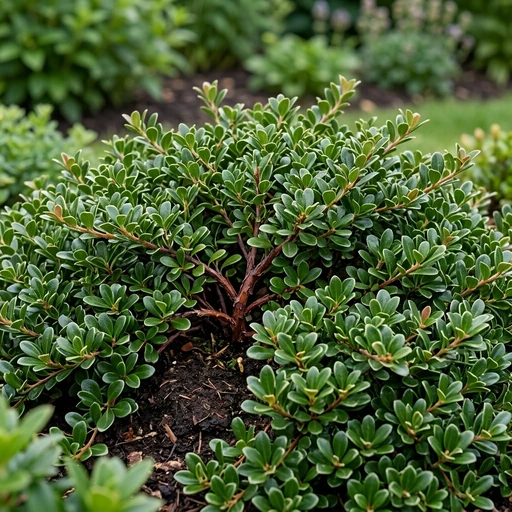
Massachusetts Common Bearberry
Arctostaphylos uva-ursi 'Massachusetts'
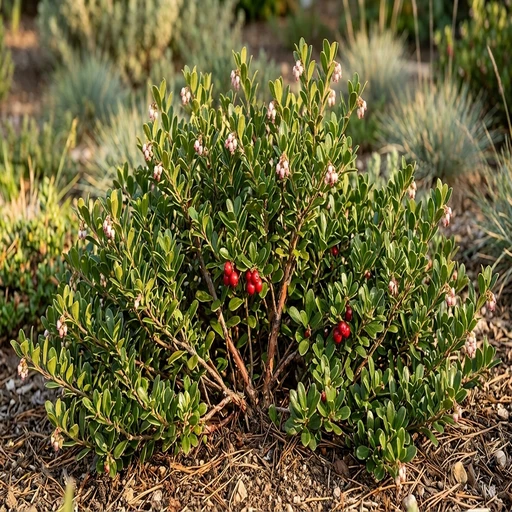
Bearberry
Arctostaphylos uva-ursi
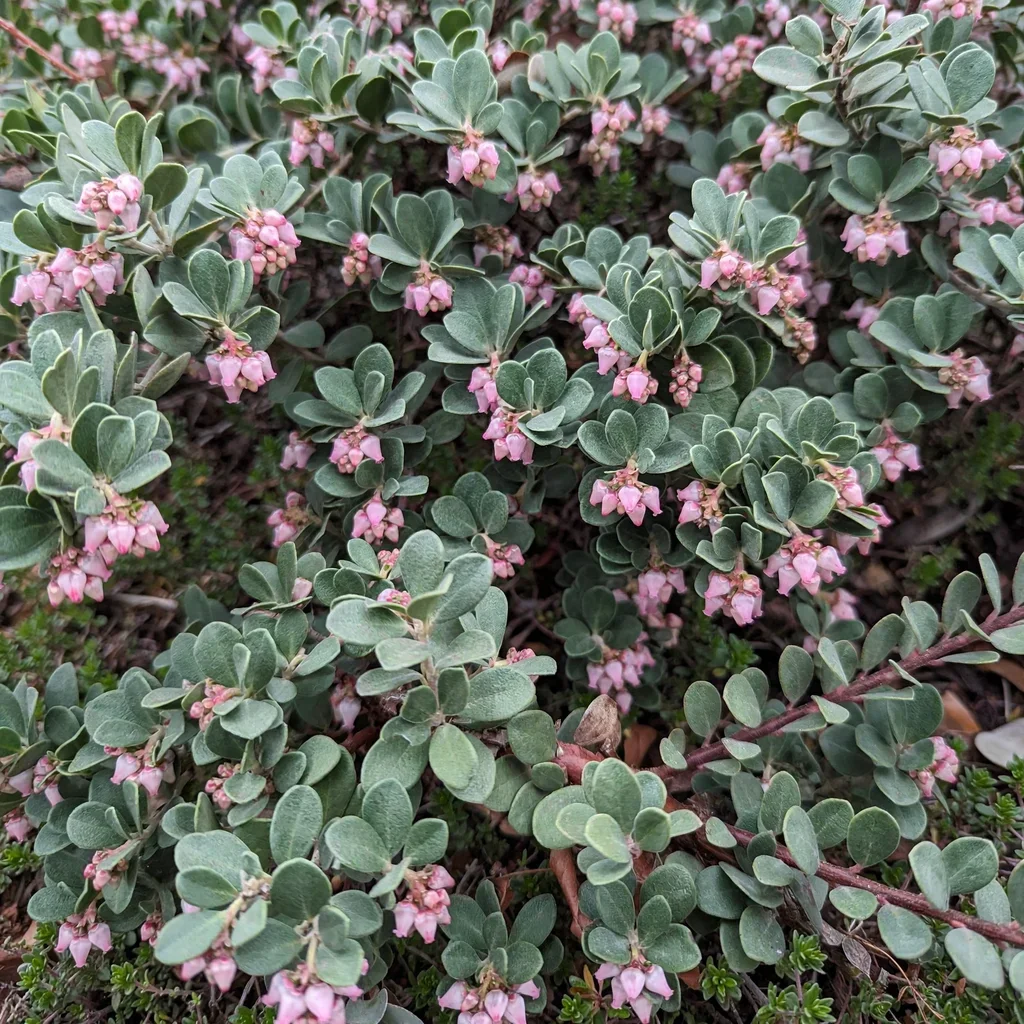
Ron Clendenen Manzanita
Arctostaphylos x media 'Ron Clendenen'
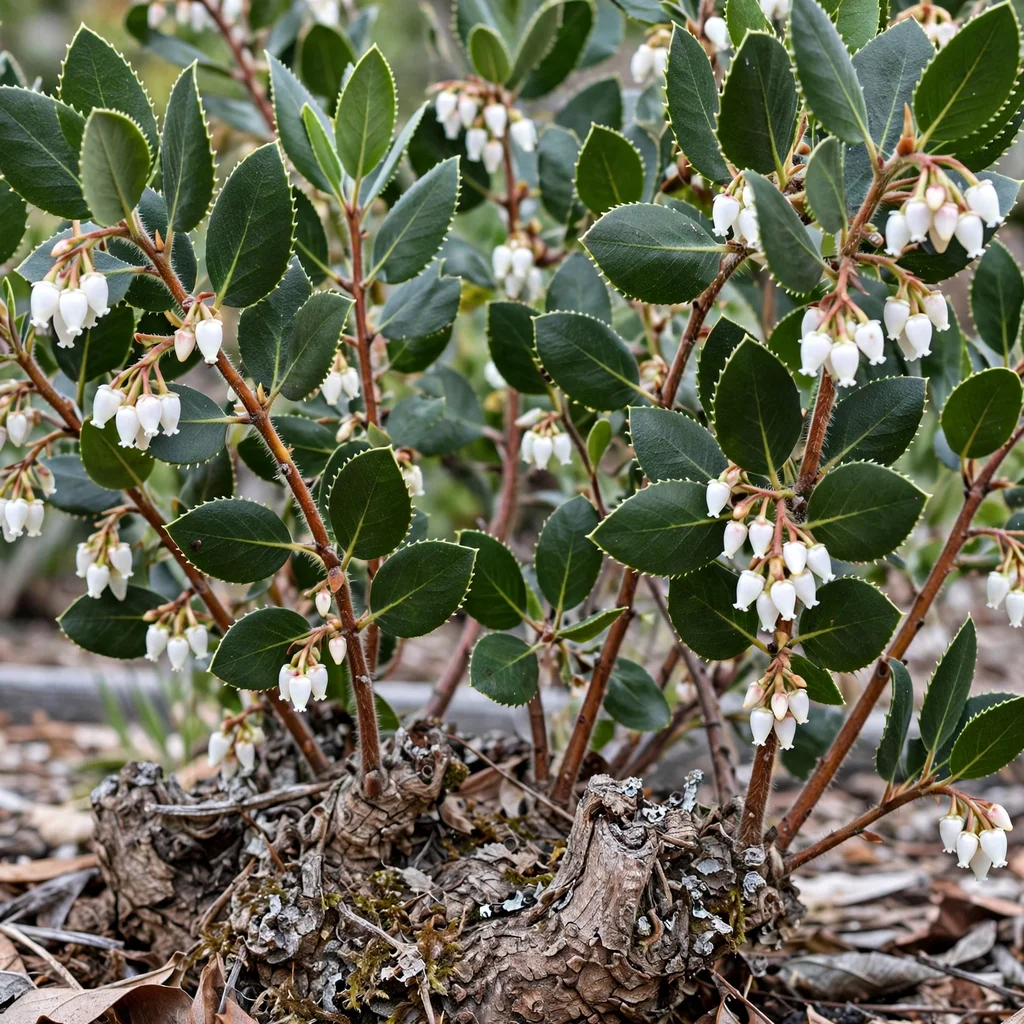
Brittleleaf Manzanita
Arctostaphylos crustacea
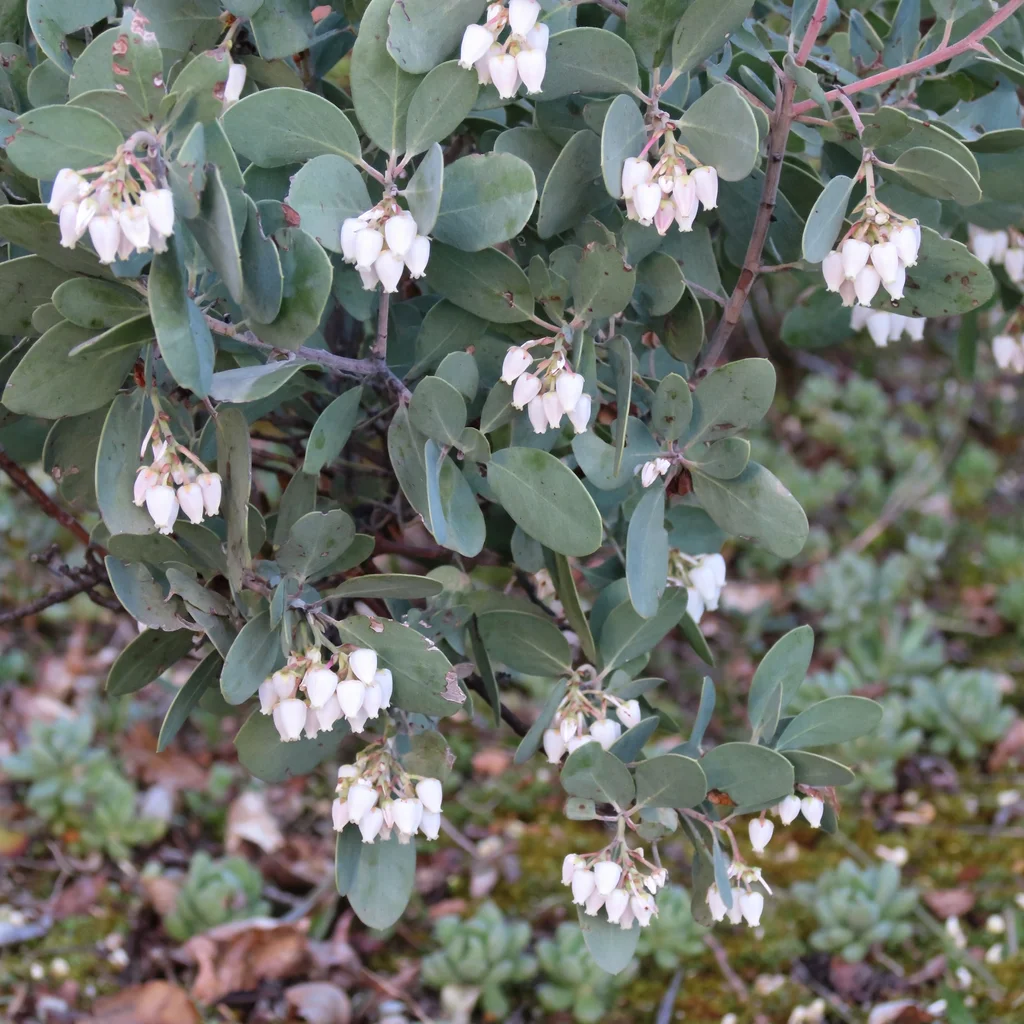
Common Manzanita
Arctostaphylos manzanita
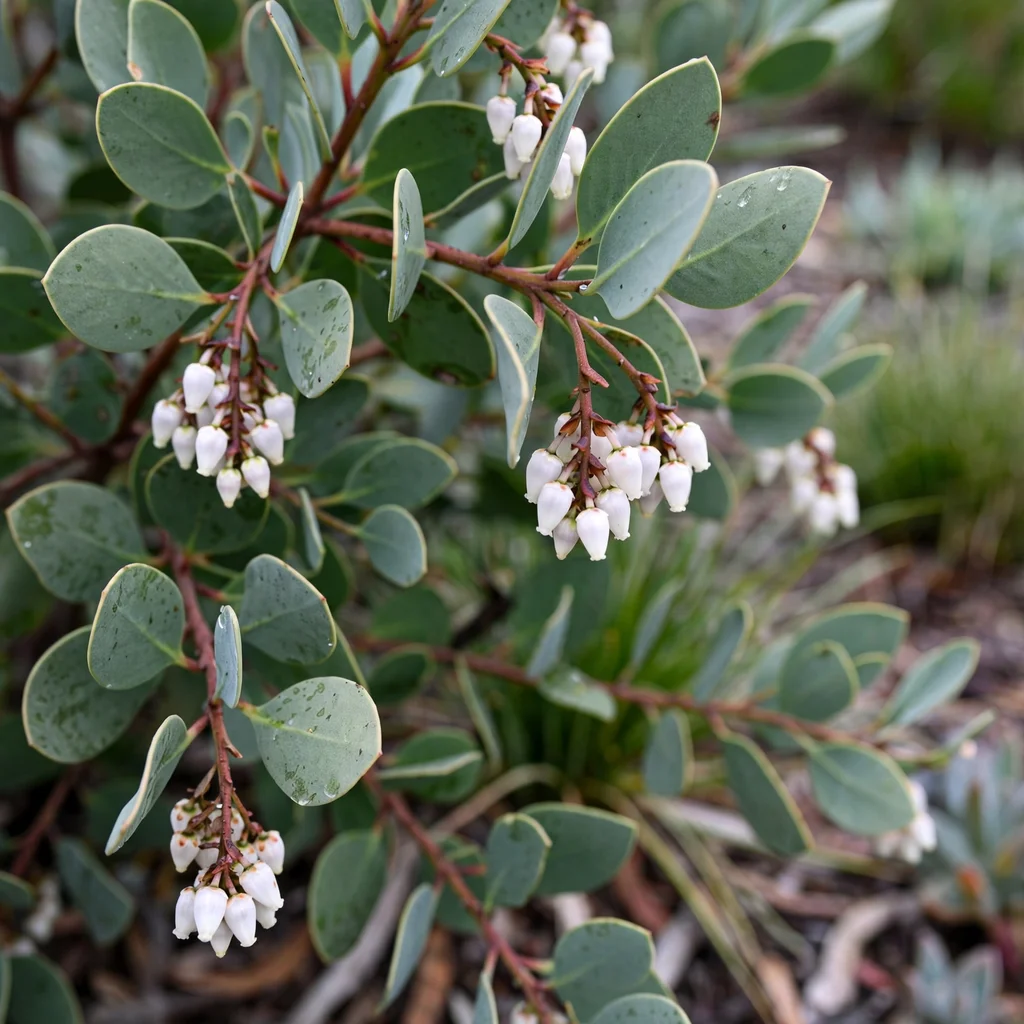
Rainbow Manzanita
Arctostaphylos rainbowensis
Keep exploring
Explore the genus
Hardy in your zone?
Grow Greenleaf Manzanita with confidence
See it in a design of your actual yard, get zone-matched care reminders, and track it season by season in your garden journal.