The Story
Plant Bio
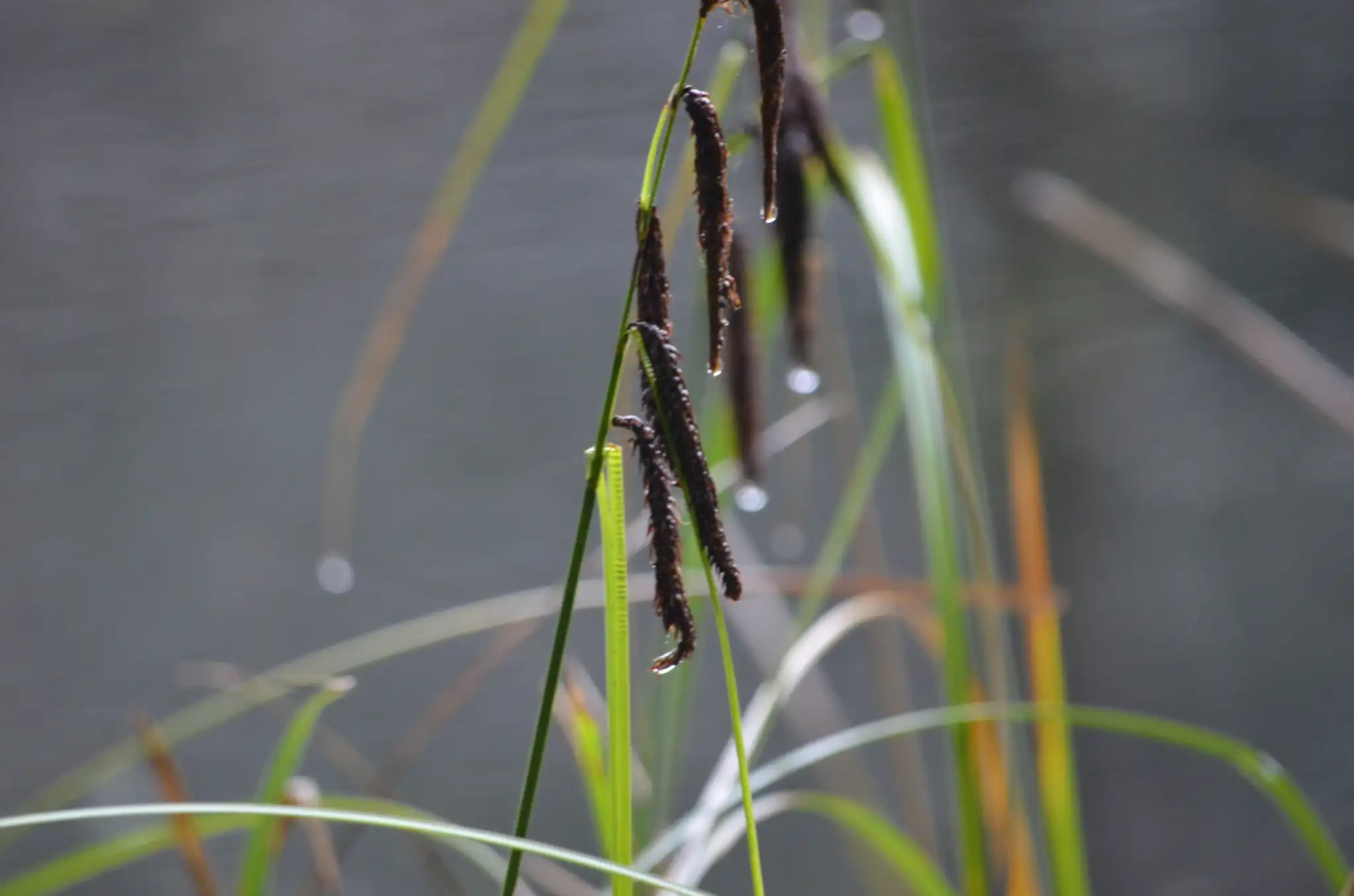
Carex obnupta, commonly known as slough sedge, is an evergreen perennial native to western North America that forms expansive swards via long creeping rhizomes. Upright, sharply triangular stems reach up to four feet in height, bearing stiff, rich green foliage folded along the midvein.
The lower female flower spikes dangle characteristically on slender stalks beneath upper male spikes, maturing into shiny, dark perigynia. Sharp leaf margins and dense creeping roots make this species particularly effective for bank stabilization and bioswale plantings.
Uses & Benefits:
Essentials
At a Glance
Plant Type
Grass
Height
47"
Width
48"
Light
Full Sun, Partial Sun
Zones
4, 5, 6, 7, 8, 9
Water
High / Saturated
Humidity
High
Lifespan
Perennial
Native To
Western North America
Toxicity
Non-toxic
Bloom period
Spring – Summer
In flower about 6 months of the year
Planting
How to Grow
- Select a planting site in full sun or partial shade with permanently damp, saturated, or boggy soil.
- Space plants 18 to 24 inches apart to allow creeping rhizomes to fill in into a solid ground cover.
- Plant bare-root plugs or potted specimens at the same soil depth as they were growing in their containers.
- Saturate the planting area immediately and maintain continuous moisture throughout the first growing season.
- Comb out or lightly shear back ragged foliage in late winter before new spring growth emerges.
Pro Tip
Plant in permanently damp or seasonally inundated soil; root drying causes foliage collapse, while excess nitrogen fertilizer weakens stem structure.
Keep It Thriving
Care Guide
Do
- Keep soil consistently wet or saturated, especially during hot summer periods.
- Wear leather gloves when handling foliage, as the leaf blade margins are sharp.
- Prune off winter-damaged foliage in late winter prior to new growth flushing.
Don't
- Do not allow the soil to dry out completely during active growth.
- Do not cut back foliage into old bare root crowns.
- Do not over-fertilize, as excess nutrients cause top-heavy, floppy leaves.
Seasonal Care Calendar
| Task | Jan | Feb | Mar | Apr | May | Jun | Jul | Aug | Sep | Oct | Nov | Dec |
|---|---|---|---|---|---|---|---|---|---|---|---|---|
| Divide | ||||||||||||
| Pest Check | ||||||||||||
| Plant | ||||||||||||
| Spring Cleanup |
Watch Out For
Pests & Diseases
Common Pests
Common Diseases
In the Garden
Landscape Uses & Companions
Landscape Uses
Companion Plants
Multiply
Propagation Methods
Good to Know
Common Questions
Slough Sedge questions
What zones can Slough Sedge grow in?
Slough Sedge is hardy in USDA Zones 4–9: in that range it survives winter in the ground. Warmer than Zone 9, winter isn't the problem: it prefers colder winters, and summer heat can shorten its life.
Is Slough Sedge deer resistant?
Yes — Slough Sedge is rated deer-resistant. Deer typically pass it over, though extreme hunger can override any plant's defenses.
When does Slough Sedge bloom?
Slough Sedge typically blooms from spring to summer. Exact timing shifts a week or two with your zone — Sow's bloom calendar maps it to your garden.
Does Slough Sedge need full sun?
Slough Sedge does best in full sun to part shade. In hot climates, afternoon shade keeps blooms fresher longer.
More Carex to compare
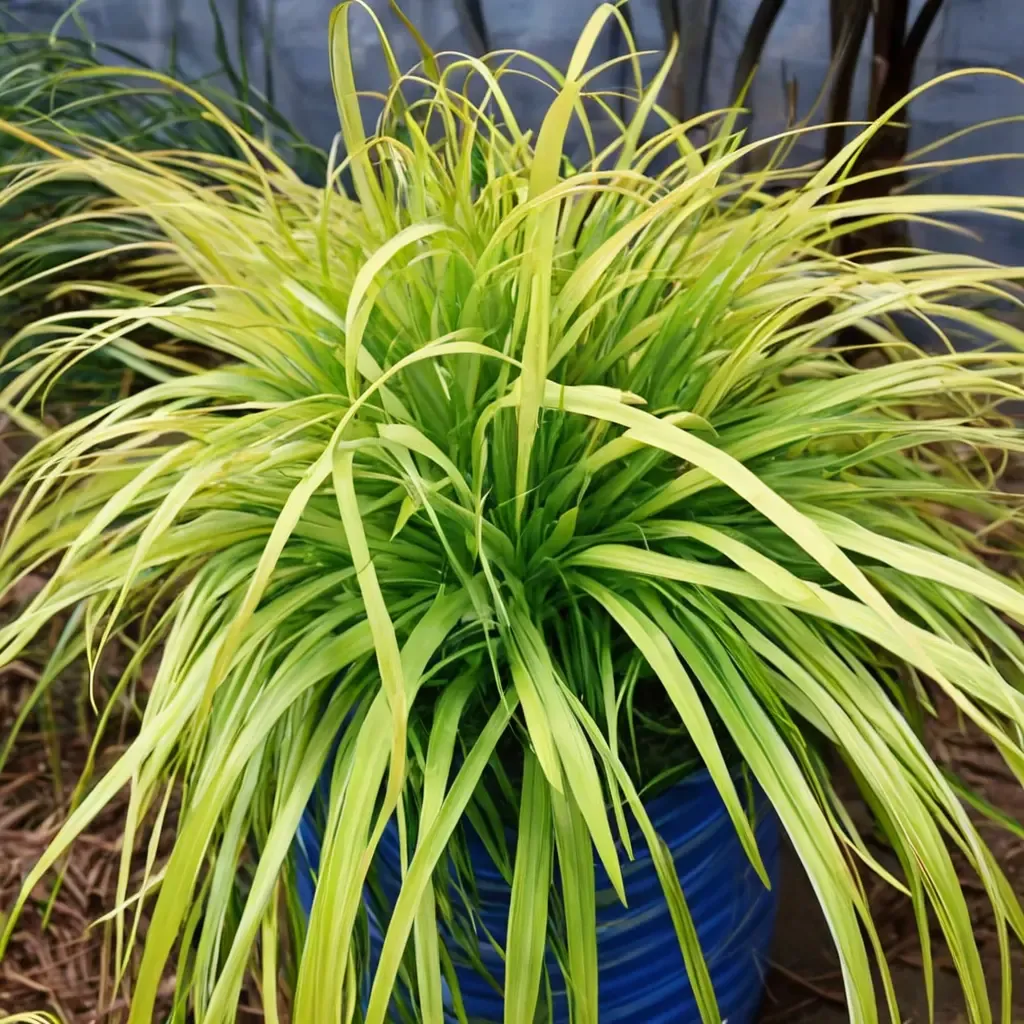
Everillo Sedge
Carex oshimensis 'Everillo'
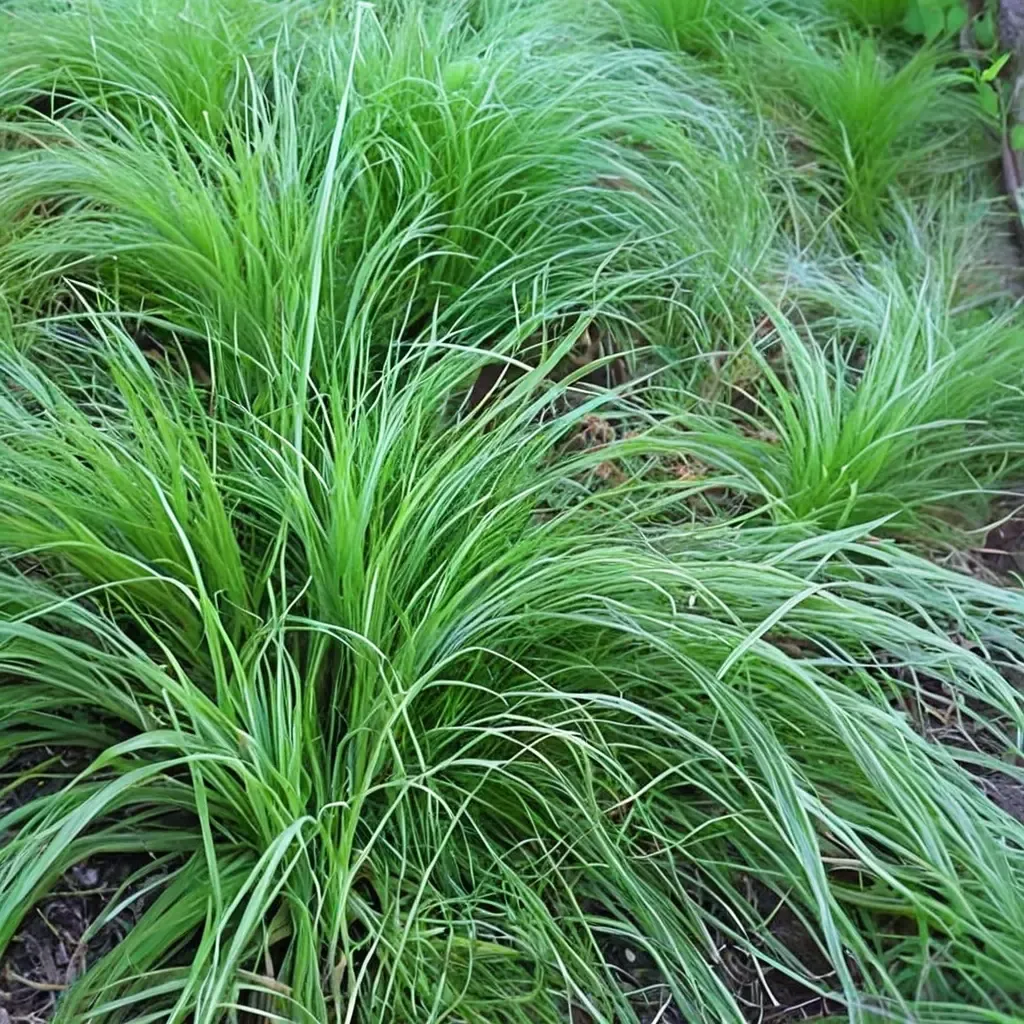
Pennsylvania Sedge
Carex pensylvanica
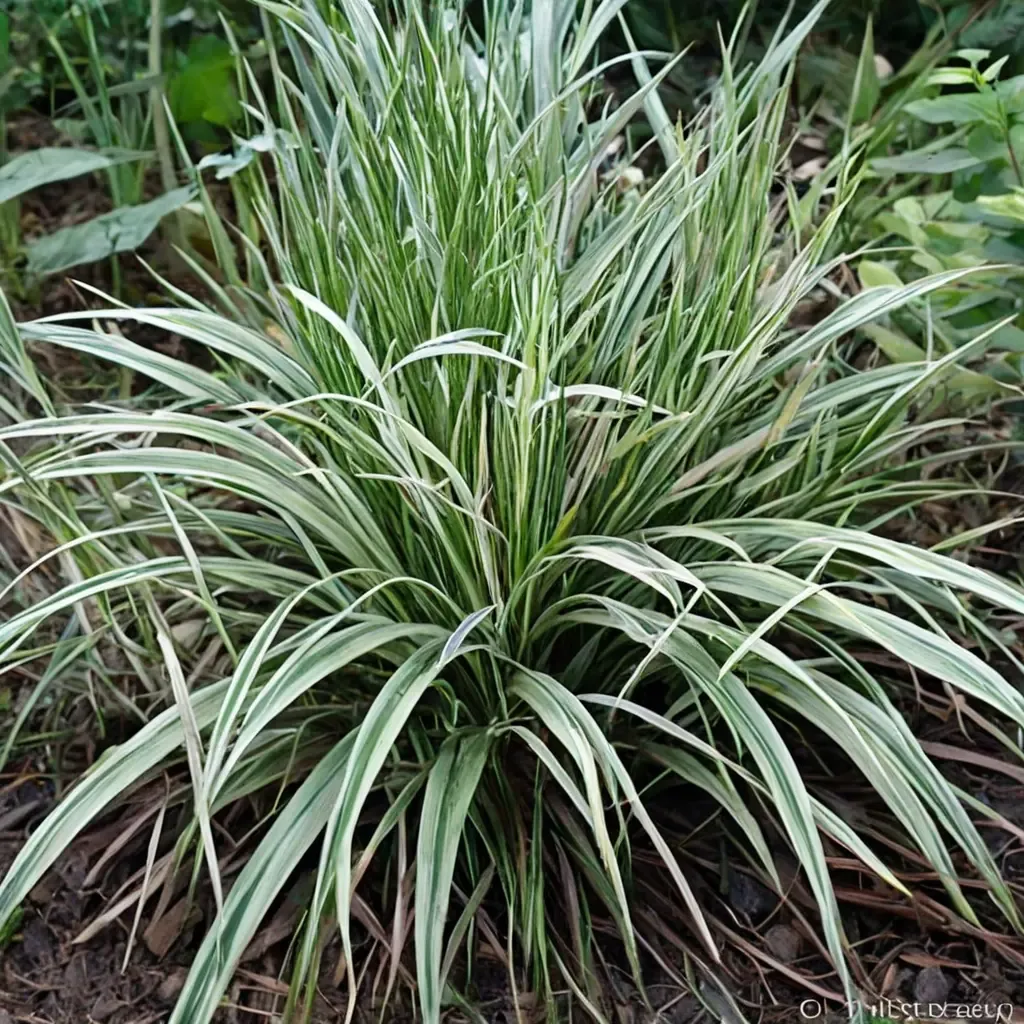
Japanese Sedge
Carex morrowii
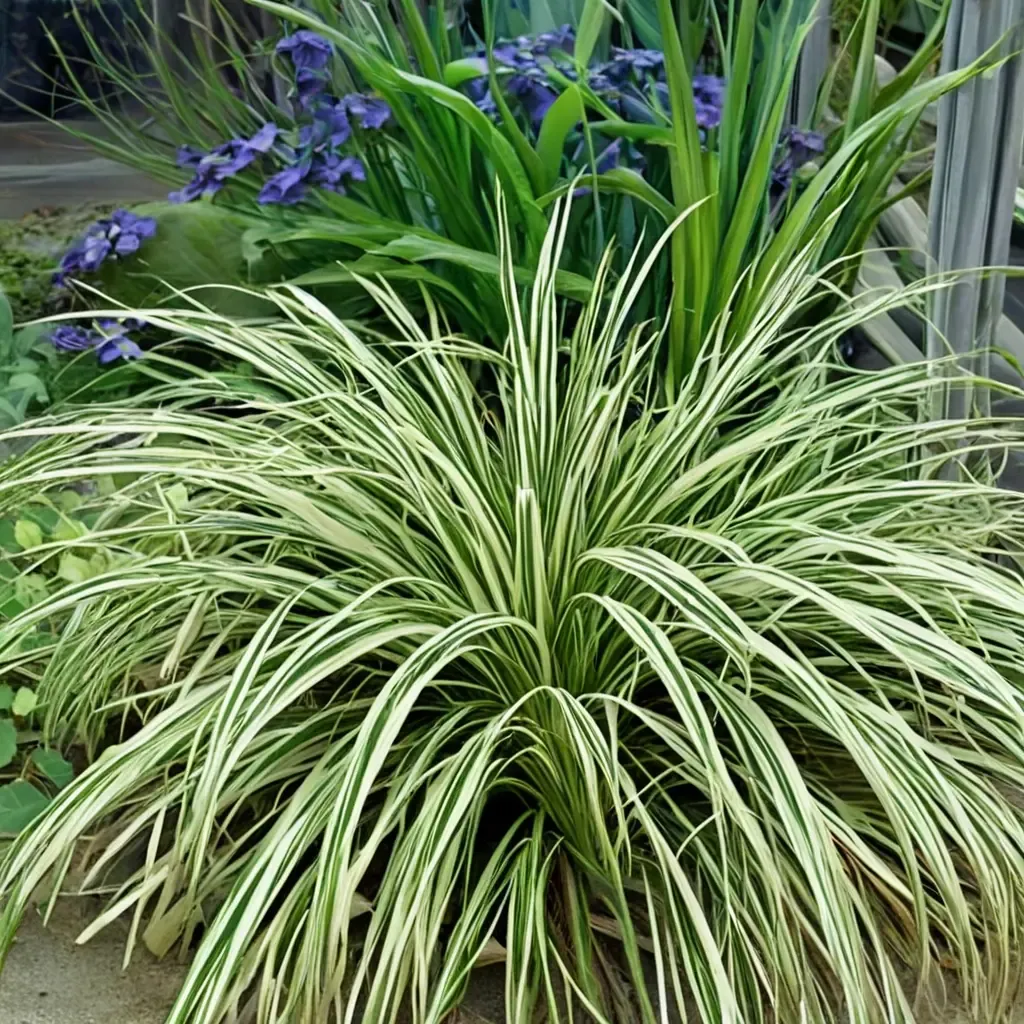
Evergold Japanese Sedge
Carex oshimensis 'Evergold'
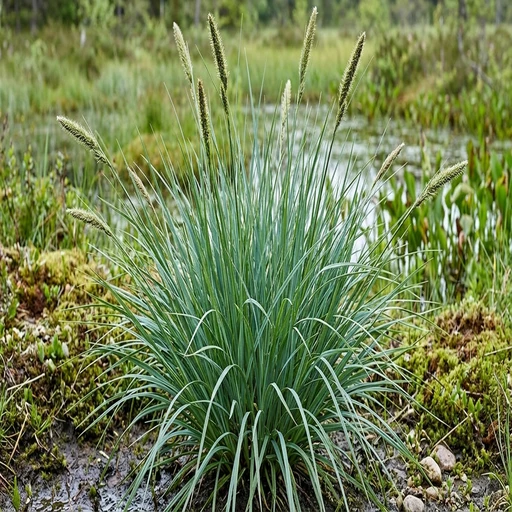
Comosa Sedge
Carex comosa
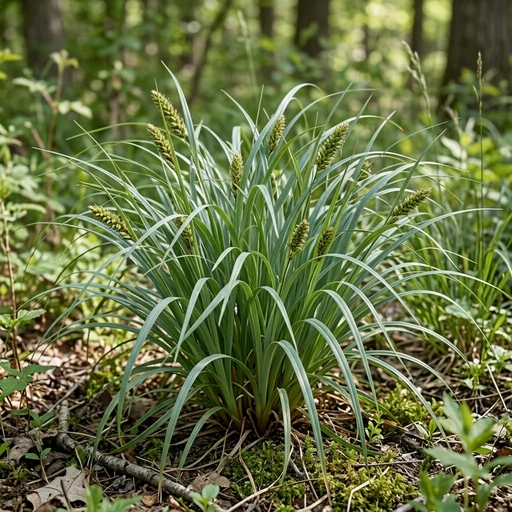
Shortbeak Sedge
Carex brevior
Keep exploring
Explore the genus
Grow Slough Sedge with confidence
See it in a design of your actual yard, get zone-matched care reminders, and track it season by season in your garden journal.