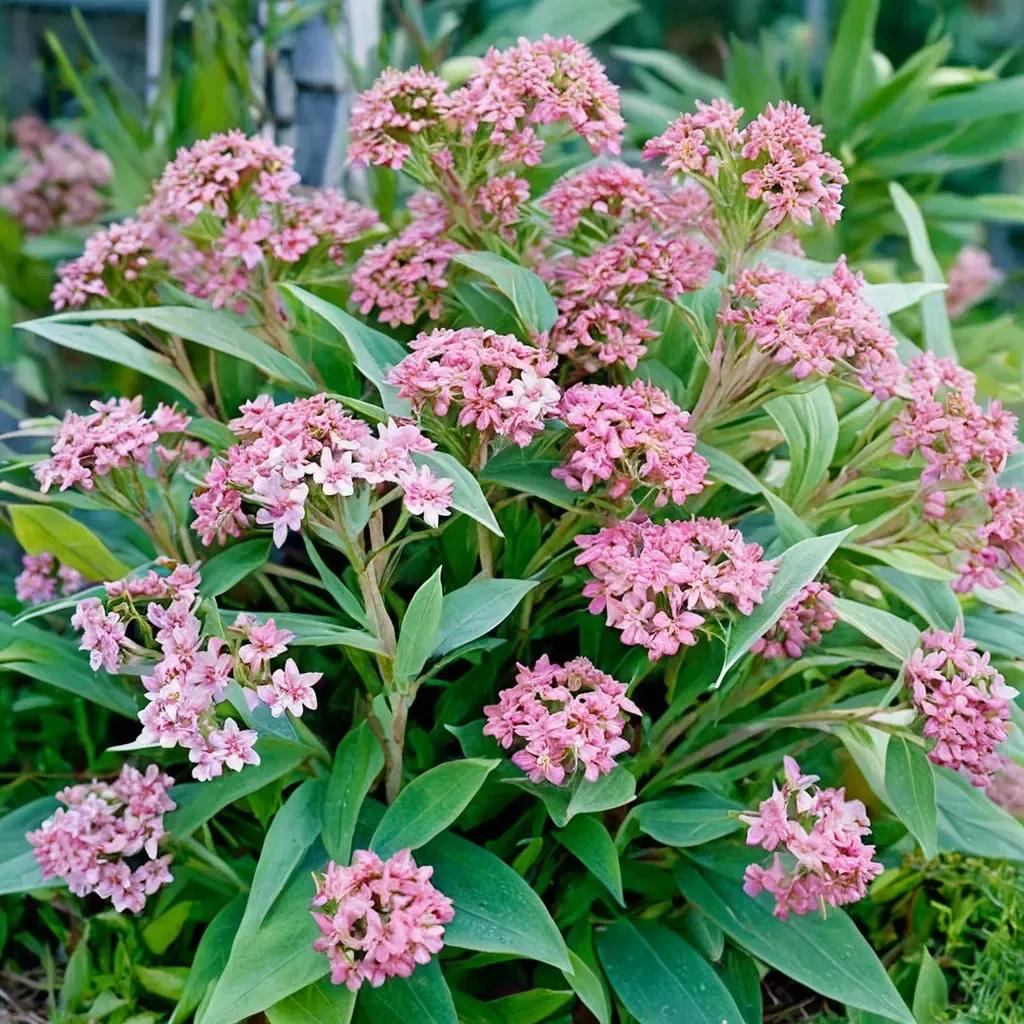
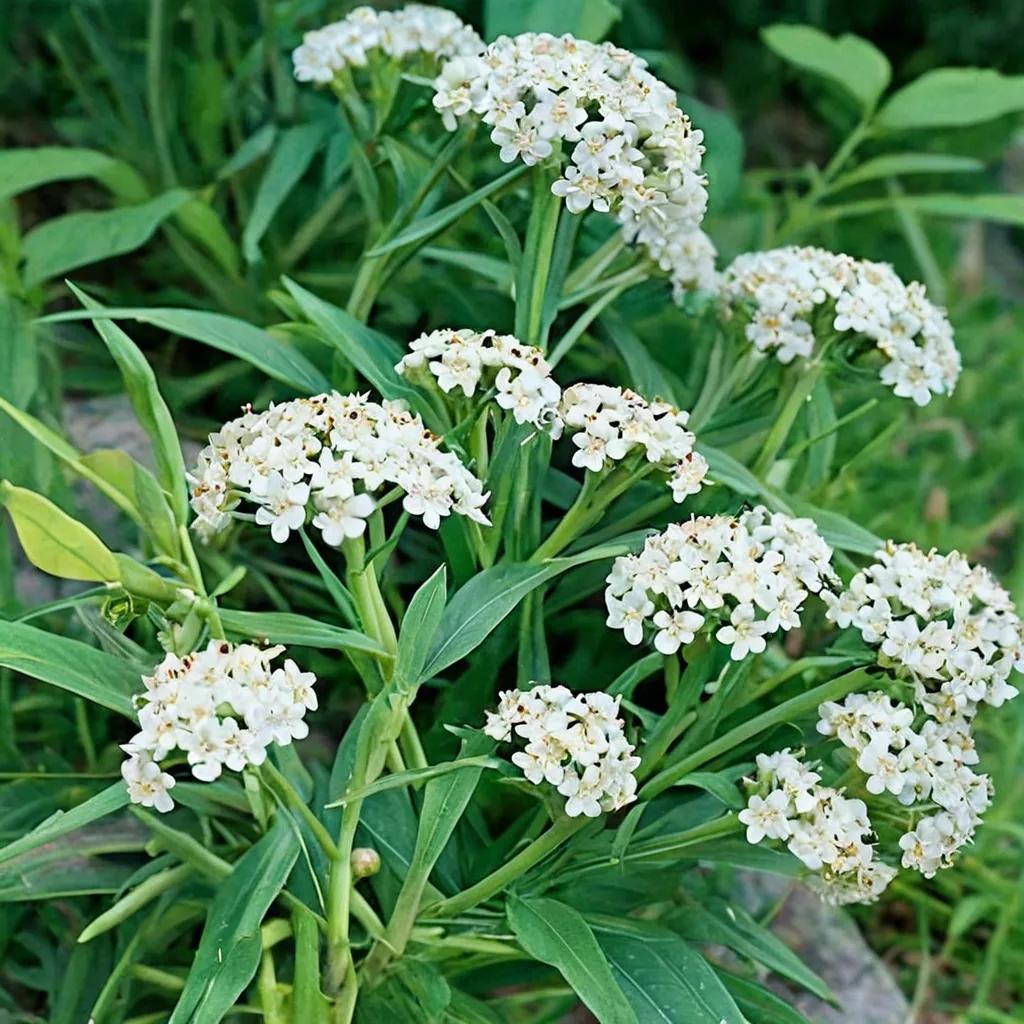
2 named cultivars
The Story
Plant Bio
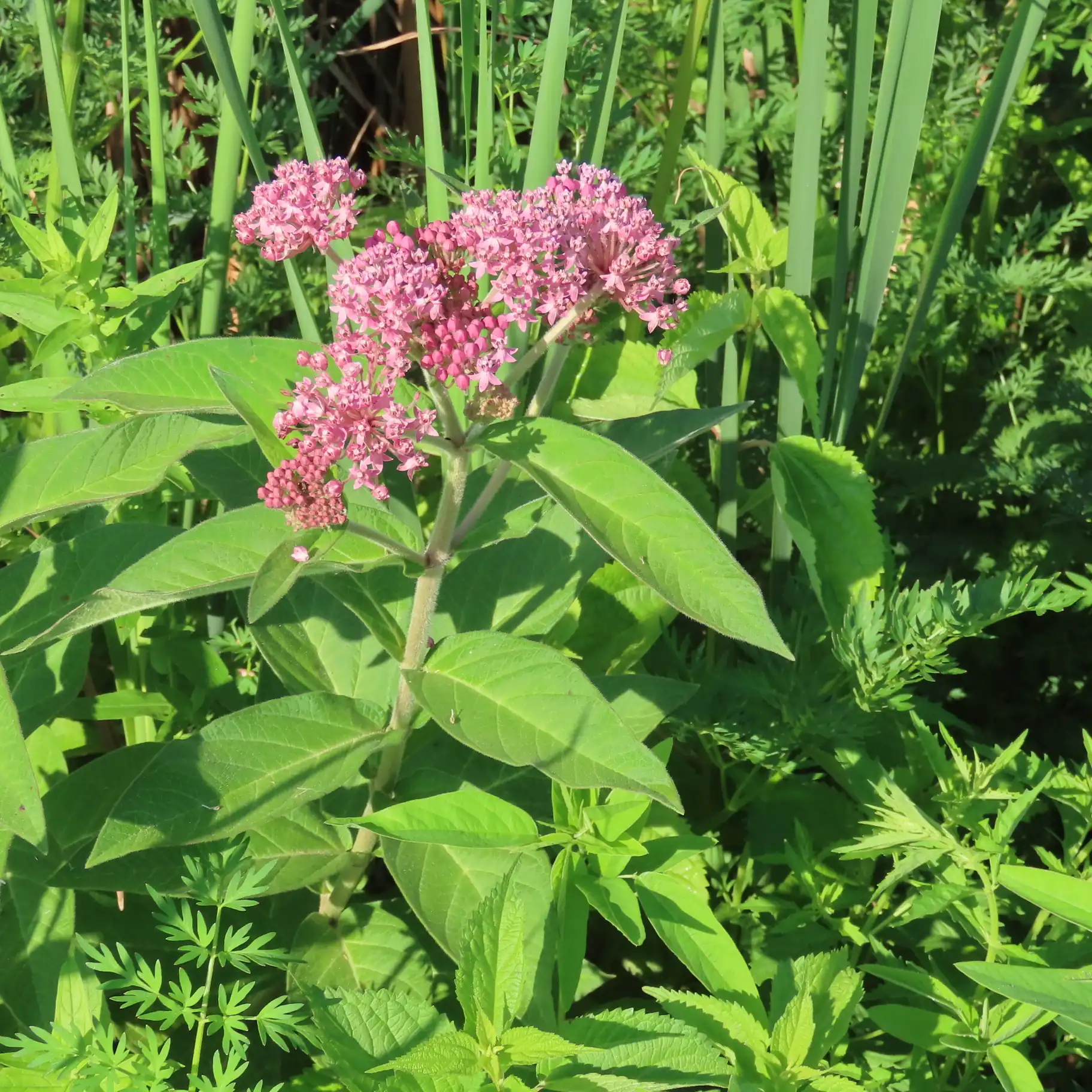
Asclepias incarnata, swamp milkweed, is an erect clumping perennial native to central and eastern North America, found naturally along streams, ponds and bogs. Clusters of small pink to rose-purple flowers open from mid-season into early autumn, followed by slender four-inch pods that split to release silk-tufted seeds. Unlike common milkweed it clumps rather than running.
It is a critical larval host for monarch butterflies and one of the few milkweeds that thrives in moist to occasionally wet ground rather than dry sand. Deer and rabbits generally leave it alone, and the milky sap can irritate skin and eyes when stems are cut.
Uses & Benefits:
Essentials
At a Glance
Plant Type
Perennial
Height
48"
Width
30"
Light
Full Sun, Partial Sun
Zones
4, 5, 6, 7, 8, 9
Water
High
Humidity
Moderate
Lifespan
Perennial
Native To
Central and eastern North America
Toxicity
Toxic if ingested
Marketplace
Where to Buy
Shipping costs Year-round shipping Free shipping
Planting
How to Grow
- Plant in spring in a moist, sunny position.
- Choose full sun for the sturdiest stems; part shade is acceptable.
- Set plants at the depth they grew in the pot and water in well.
- Keep the soil moist, especially through the first summer.
- Leave the seed pods if you want self-sown seedlings.
- Cut spent stems back in late winter, not autumn, to shelter overwintering insects.
Pro Tip
Site it once and leave it; milkweeds resent root disturbance and are slow to settle after being moved.
Keep It Thriving
Care Guide
Do
- Keep the soil moist through summer 💧
- Plant in full sun for strong upright stems ☀️
- Leave stems standing over winter for insects 🦋
- Wear gloves when cutting stems 🧤
Don't
- Let it dry out for long periods ❌
- Move established clumps unnecessarily ❌
- Spray aphids where monarch caterpillars are feeding ❌
Seasonal Care Calendar
| Task | Jan | Feb | Mar | Apr | May | Jun | Jul | Aug | Sep | Oct | Nov | Dec |
|---|---|---|---|---|---|---|---|---|---|---|---|---|
| Prune |
Watch Out For
Pests & Diseases
Common Pests
Common Diseases
In the Garden
Landscape Uses & Companions
Landscape Uses
Companion Plants
Multiply
Propagation Methods
Good to Know
Common Questions
Swamp Milkweed questions
What zones can Swamp Milkweed grow in?
Swamp Milkweed is hardy in USDA Zones 4–9. Inside that range it survives winter in the ground; outside it, grow it as an annual or a container plant you protect.
Is Swamp Milkweed deer resistant?
Yes — Swamp Milkweed is rated deer-resistant. Deer typically pass it over, though extreme hunger can override any plant's defenses.
When does Swamp Milkweed bloom?
Swamp Milkweed typically blooms in mid-summer to early fall through late summer. Exact timing shifts a week or two with your zone — Sow's bloom calendar maps it to your garden.
Does Swamp Milkweed need full sun?
Swamp Milkweed does best in full sun to part shade. In hot climates, afternoon shade keeps blooms fresher longer.
More Asclepias to compare
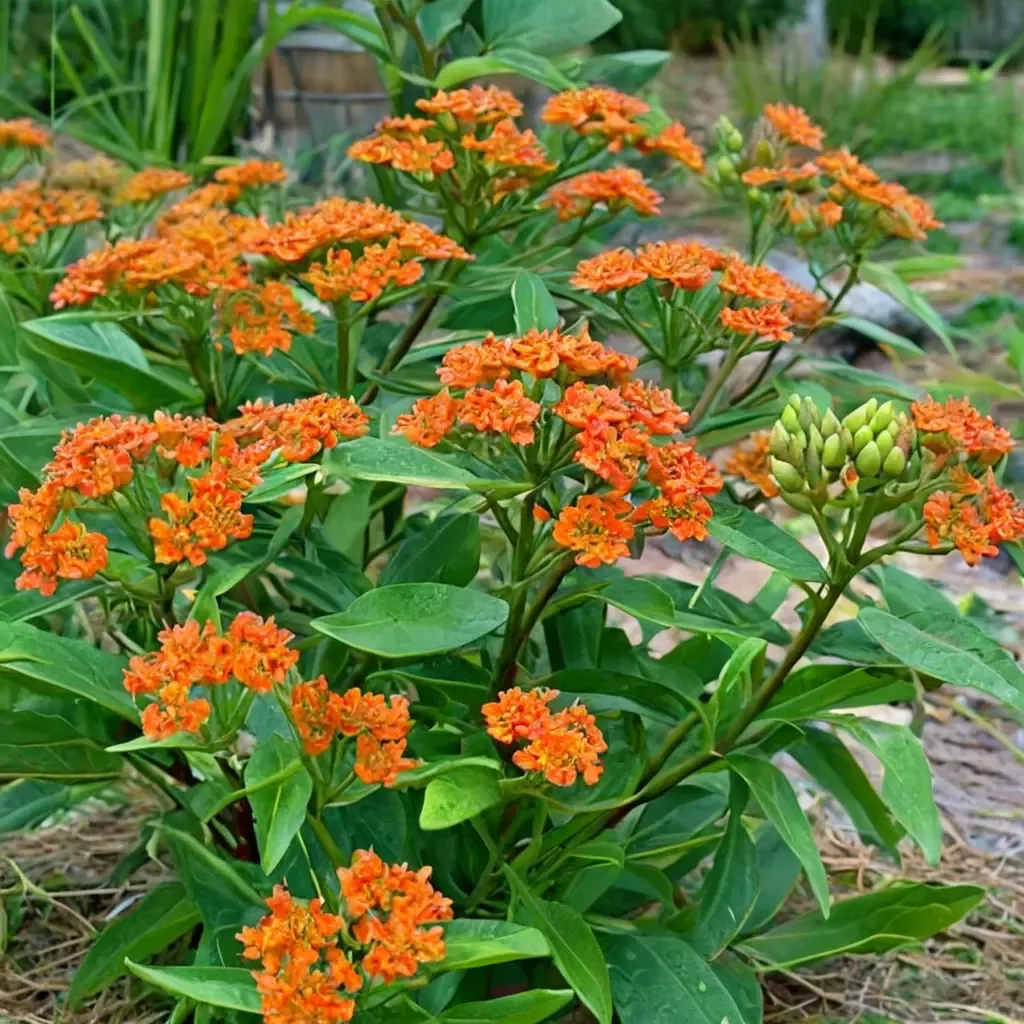
Butterfly Weed
Asclepias tuberosa
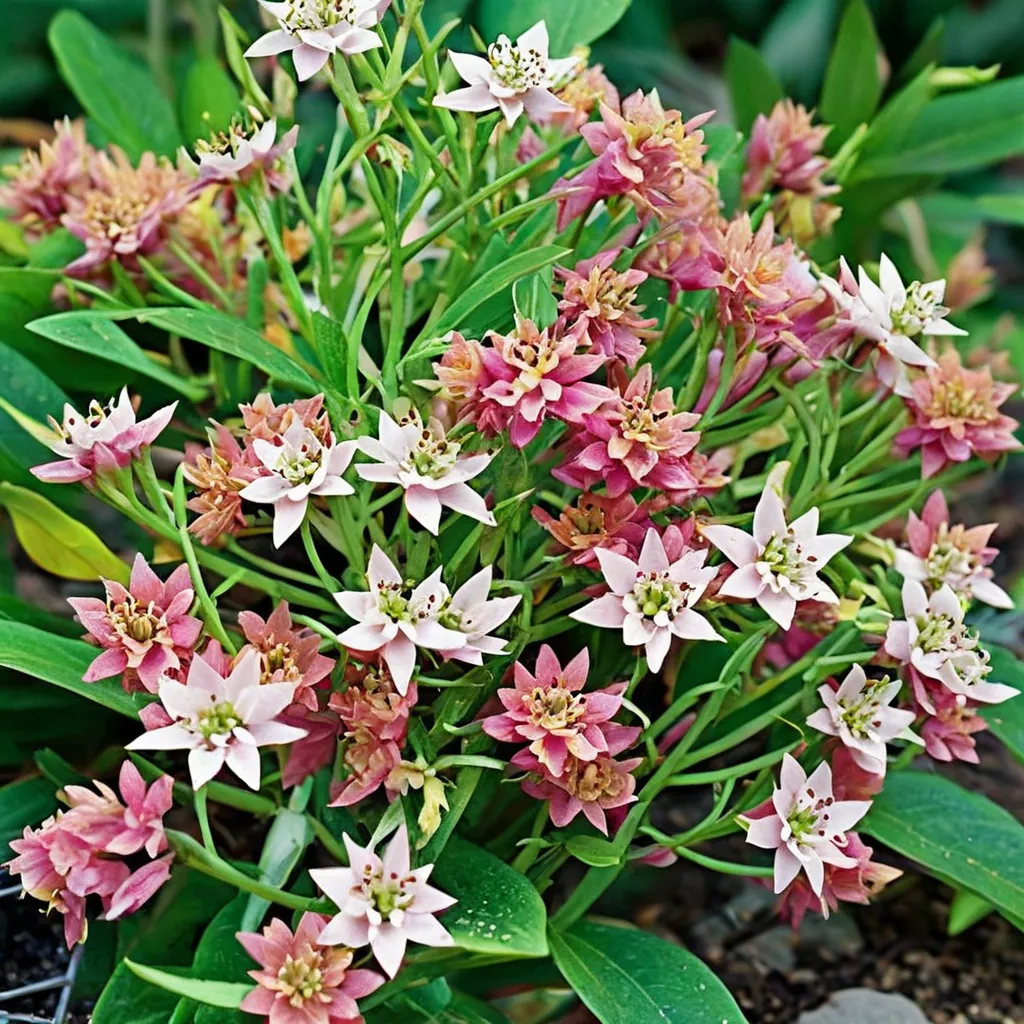
Butterfly Milkweed
Asclepias x hybrida
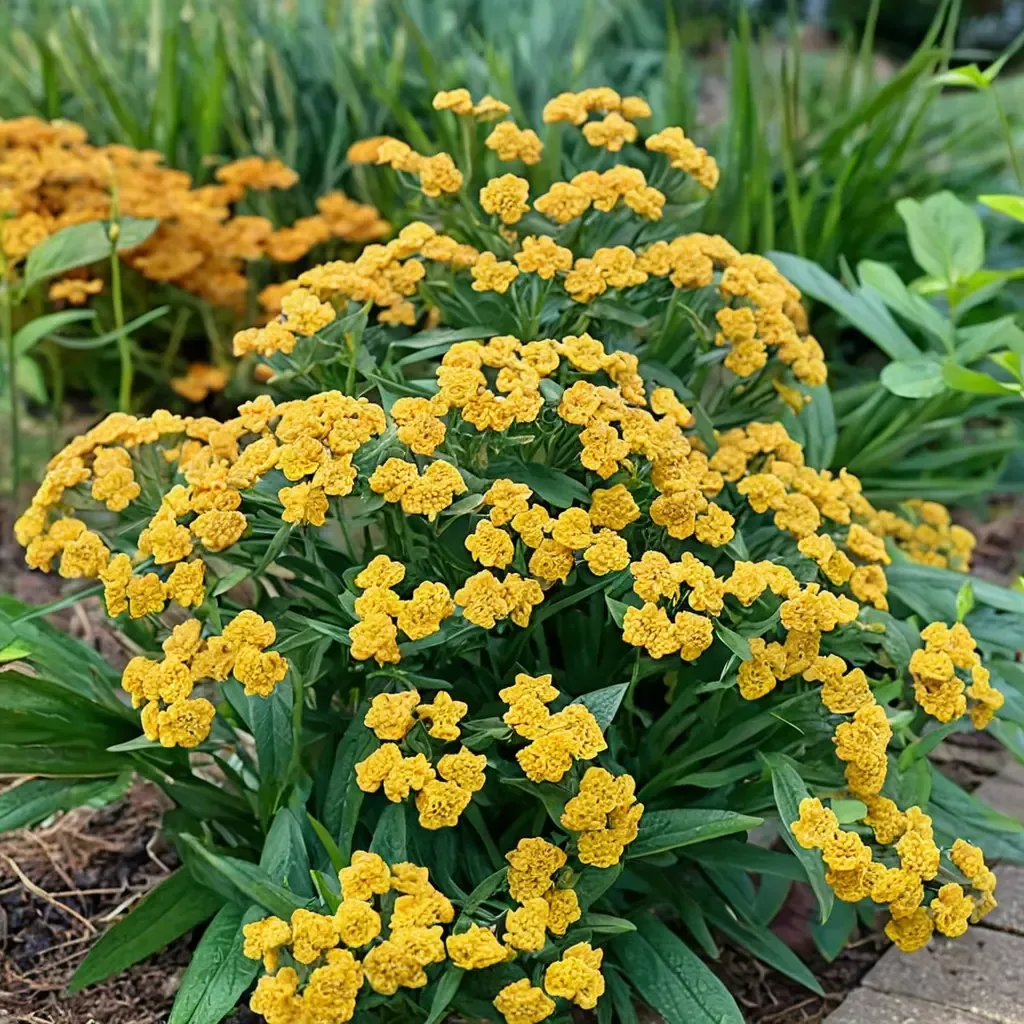
Hello Yellow Butterfly Weed
Asclepias tuberosa 'Hello Yellow'
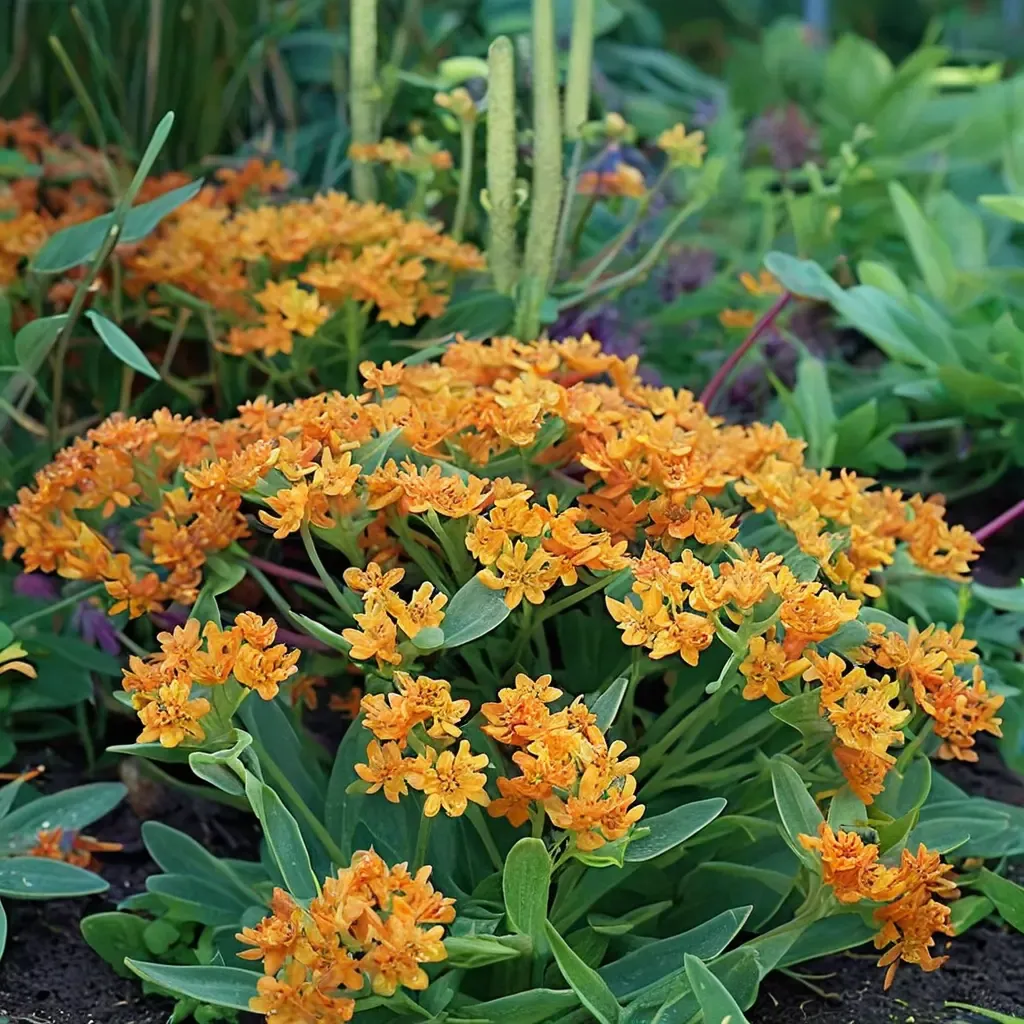
Butterfly Weed Gay Butterflies Milkweed
Asclepias tuberosa 'Gay Butterflies'
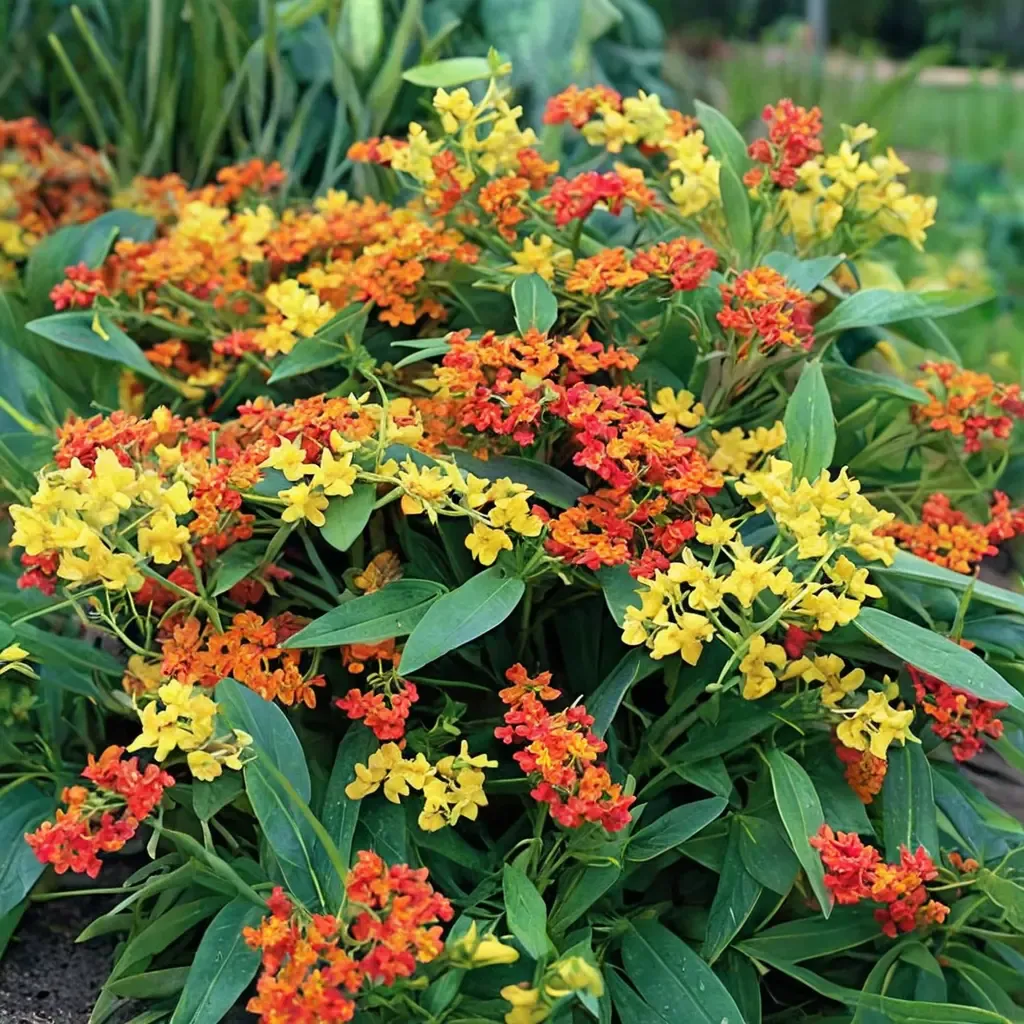
Gay Butterflies Mix Butterfly Weed
Asclepias tuberosa 'Gay Butterflies Mix'
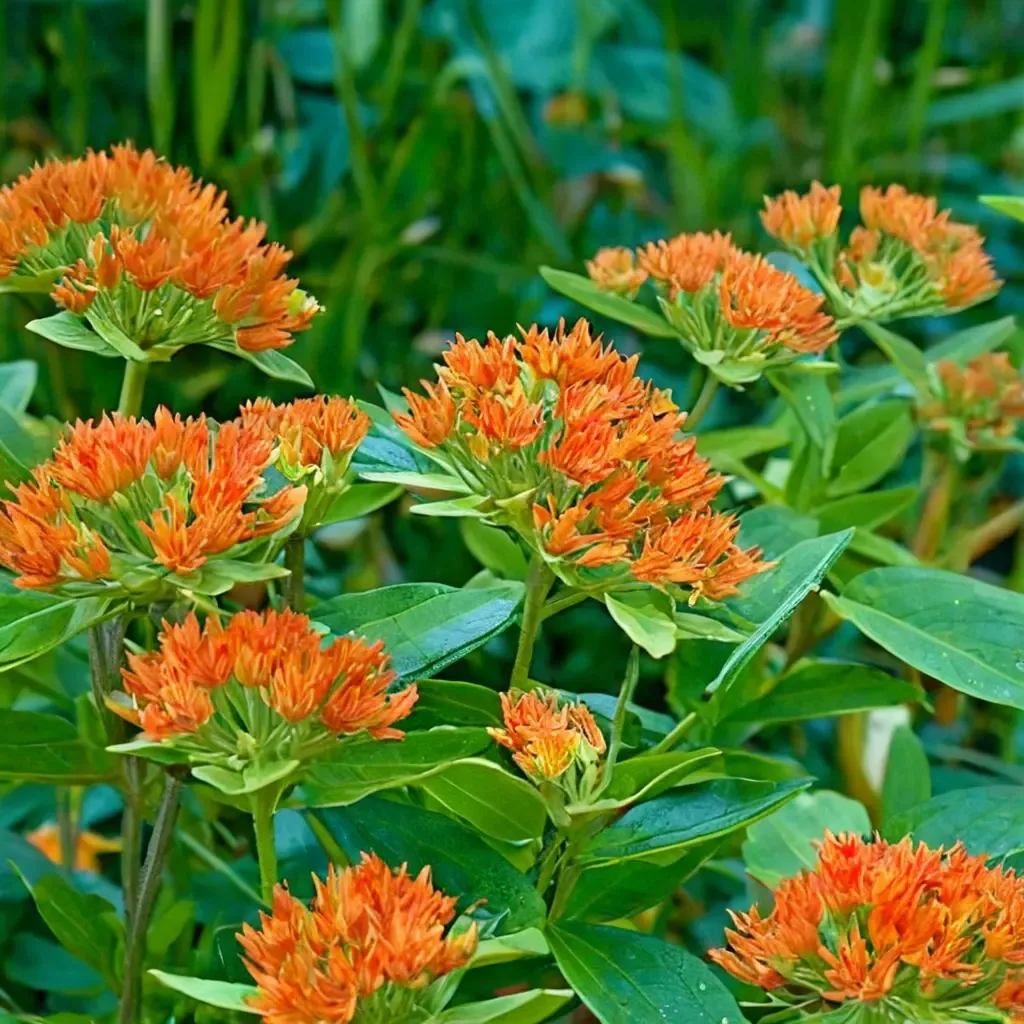
Butterfly Garden Butterfly Weed
Asclepias tuberosa 'Deluxe Butterfly Garden'
Keep exploring
Explore the genus
Grow Swamp Milkweed with confidence
See it in a design of your actual yard, get zone-matched care reminders, and track it season by season in your garden journal.