The Story
Plant Bio
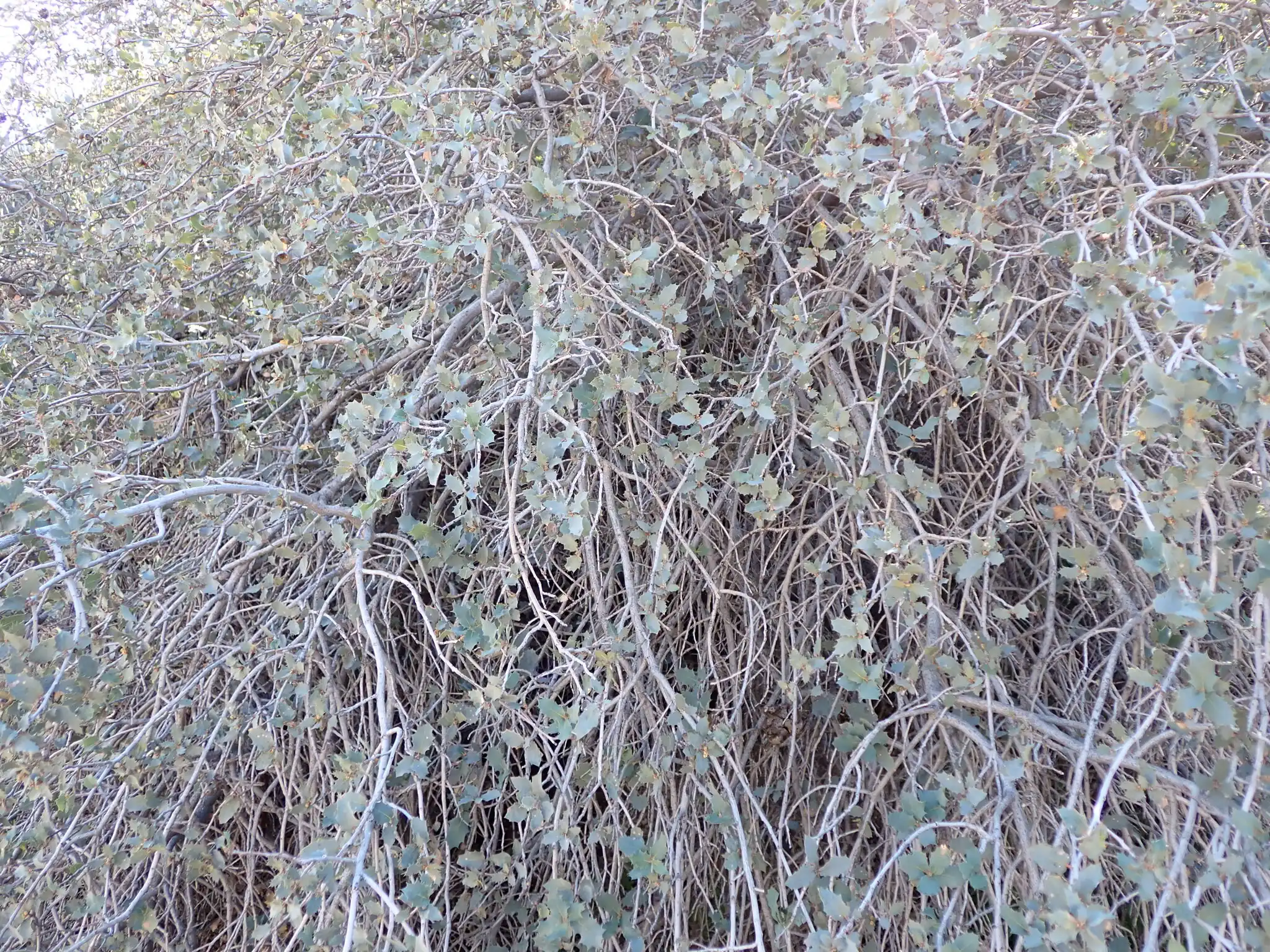
Quercus turbinella, the Sonoran scrub oak, is an evergreen to semi-evergreen shrub or small tree reaching seven to sixteen feet, often forming dense thickets by suckering from the root crown. The leaves are thick, leathery and gray-green, elliptic to ovate with three to five spine-tipped teeth per side and reddish-tinted new growth.
It is set apart by its very small holly-like leaves, only about half an inch to just over an inch long with a waxy upper surface. It hybridizes freely with Gambel, Havard, Arizona and gray oaks and spreads more by root sprouts than by seed when moisture is short, and its acorns carry fewer insect problems than those of many other oaks.
Uses & Benefits:
Essentials
At a Glance
Plant Type
Shrub
Height
197"
Width
79"
Light
Full Sun
Zones
6, 7, 8, 9
Water
Low
Humidity
Unknown
Lifespan
Woody perennial shrub
Native To
Southwestern USA to northern Mexico
Toxicity
Unknown
Bloom period
Spring
In flower about 3 months of the year
Planting
How to Grow
- Choose full sun on a slope or raised bed with rocky, fast-draining soil.
- Set the plant no deeper than it grew in the pot and backfill with native soil.
- Water in once, then water sparingly the first summer and taper off.
- Leave fallen leaves as a thin mulch and do not enrich the soil.
Pro Tip
Plant in full sun with sharp drainage and keep summer water off once established; wet soil invites root rot while drought does not check it.
Keep It Thriving
Care Guide
Do
- Plant in full sun with sharp drainage.
- Give it room to sucker into a thicket.
- Let acorns ripen for deer, squirrels and birds.
Don't
- Do not plant in wet basins, irrigated lawns or poorly drained clay.
- Do not shear or cut hard back into bare wood.
- Do not expect hummingbird flowers; the blooms are wind-pollinated catkins.
Seasonal Care Calendar
| Task | Jan | Feb | Mar | Apr | May | Jun | Jul | Aug | Sep | Oct | Nov | Dec |
|---|---|---|---|---|---|---|---|---|---|---|---|---|
| Mulch | ||||||||||||
| Pest Check | ||||||||||||
| Plant | ||||||||||||
| Propagate | ||||||||||||
| Prune |
Watch Out For
Pests & Diseases
Common Pests
Common Diseases
In the Garden
Landscape Uses & Companions
Landscape Uses
Multiply
Propagation Methods
Good to Know
Common Questions
Sonoran Scrub Oak questions
What zones can Sonoran Scrub Oak grow in?
Sonoran Scrub Oak is hardy in USDA Zones 6–9: in that range it survives winter in the ground. Colder than Zone 6, grow it in a container you can move to shelter for the winter. Warmer than Zone 9, winter isn't the problem: it prefers colder winters, and summer heat can shorten its life.
Is Sonoran Scrub Oak deer resistant?
Not reliably. Deer may browse Sonoran Scrub Oak, especially tender spring growth — plan on repellents or fencing where pressure is high.
When does Sonoran Scrub Oak bloom?
Sonoran Scrub Oak typically blooms in spring. Exact timing shifts a week or two with your zone — Sow's bloom calendar maps it to your garden.
Does Sonoran Scrub Oak need full sun?
Sonoran Scrub Oak does best in full sun (6+ hours).
Is Sonoran Scrub Oak drought tolerant?
Yes — once established (usually after the first full season), Sonoran Scrub Oak handles dry spells with minimal watering. Water deeply its first year to build the root system that makes that possible.
More Quercus to compare
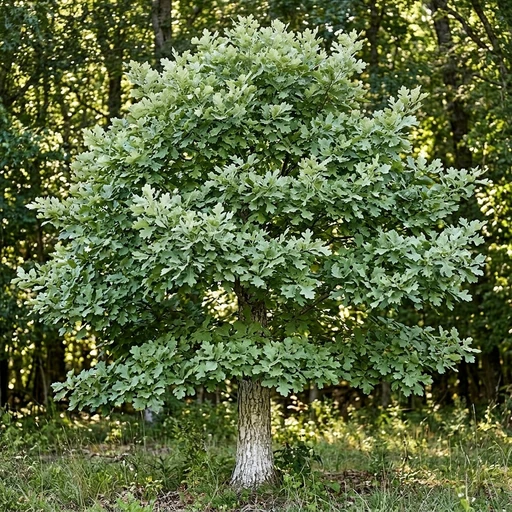
White Oak
Quercus alba
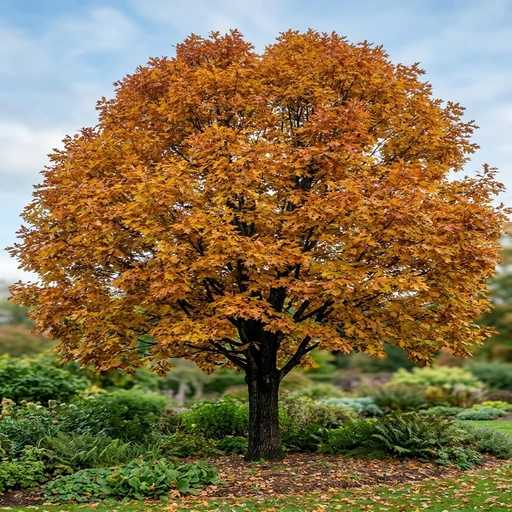
Black Oak
Quercus velutina
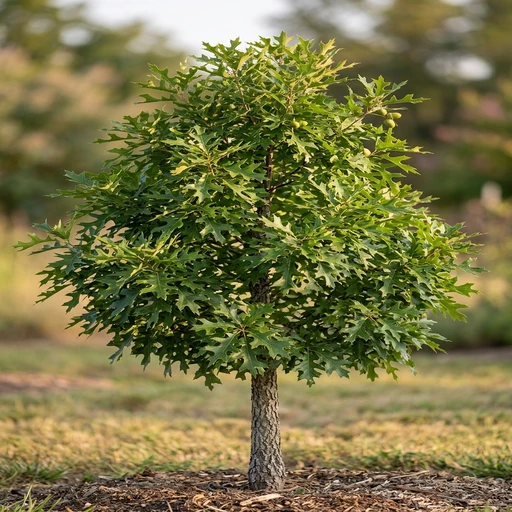
Nuttall Oak
Quercus texana
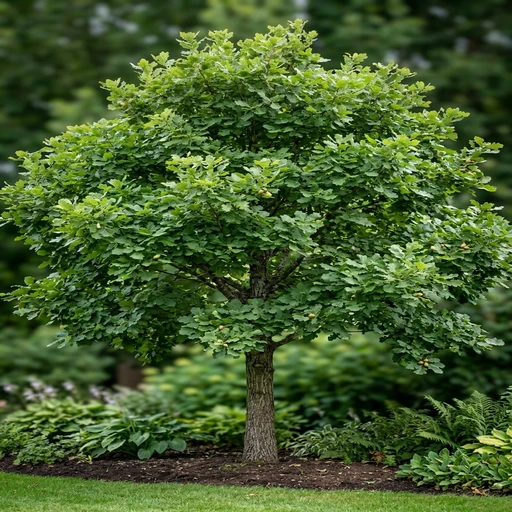
English Oak
Quercus robur
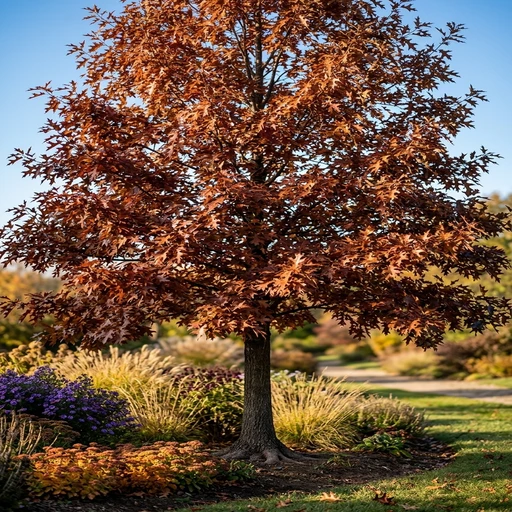
Pin Oak
Quercus palustris
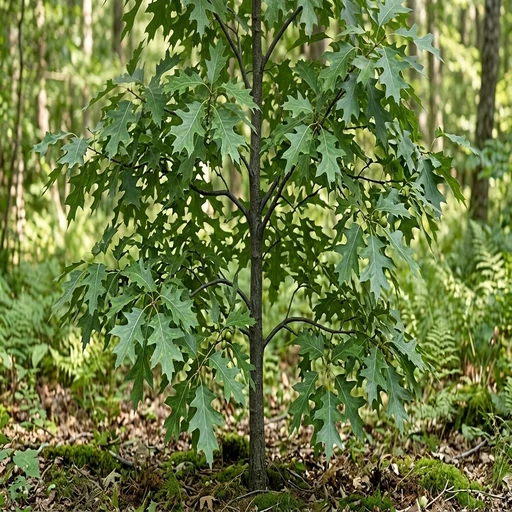
Scarlet Oak
Quercus coccinea
Keep exploring
Explore the genus
Hardy in your zone?
Grow Sonoran Scrub Oak with confidence
See it in a design of your actual yard, get zone-matched care reminders, and track it season by season in your garden journal.