The Story
Plant Bio
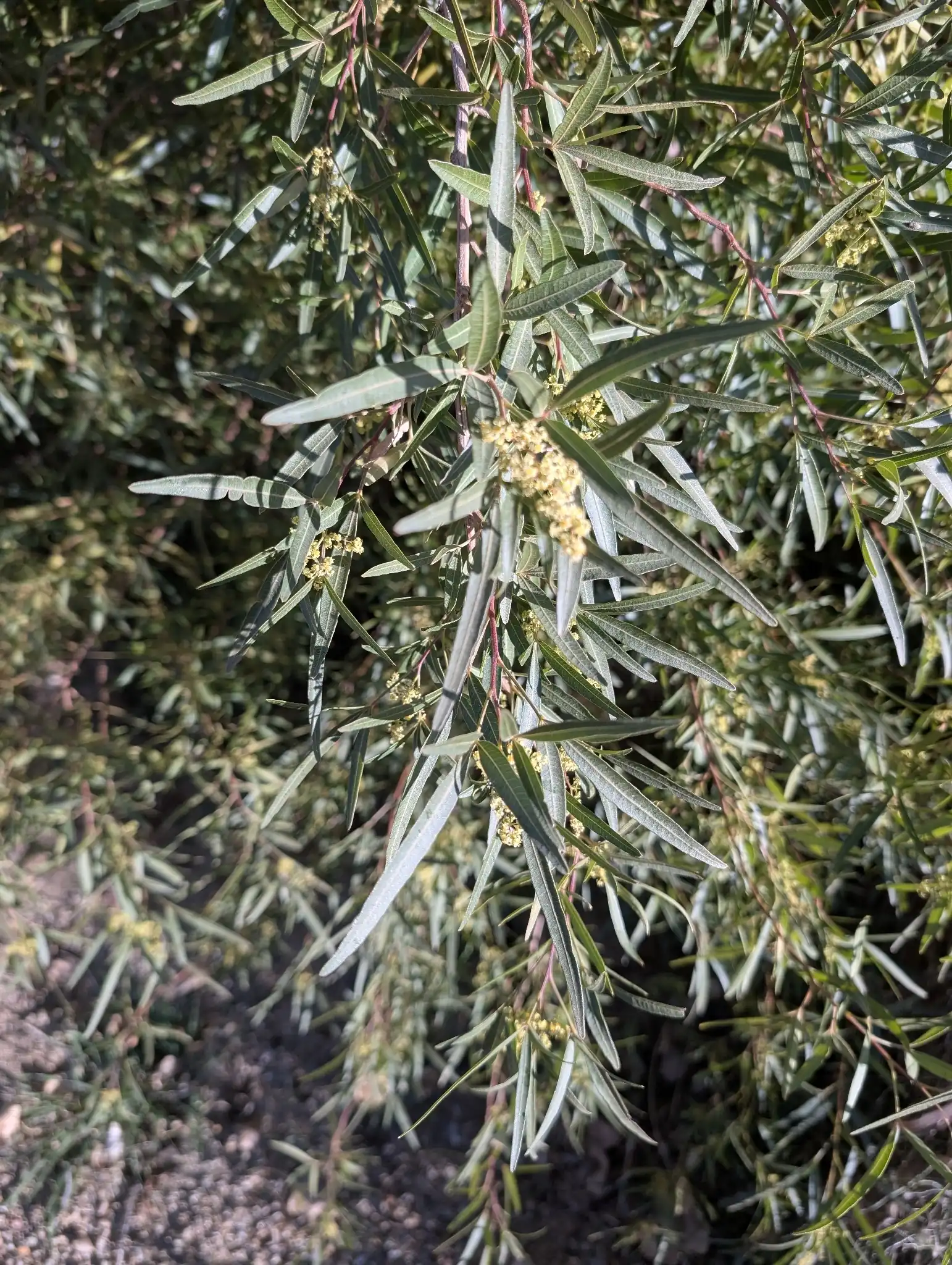
Salix exigua is a multi-stemmed North American shrub growing up to twenty feet tall, characterized by narrow linear leaves and a vigorous suckering habit. Inconspicuous greenish-yellow catkin blooms emerge alongside or just prior to the new foliage in late spring.
The upper foliage surface is dark green while the lower side is pale and glaucous, giving emerging shoots a silvery-grey appearance. Its extensive lateral roots form thickets that bind soil efficiently along stream banks and moist ground.
Uses & Benefits:
Essentials
At a Glance
Plant Type
Shrub
Height
236"
Width
157"
Light
Full Sun, Partial Sun
Zones
4, 5, 6, 7, 8, 9
Water
High / consistent moisture
Humidity
Tolerant of high humidity
Lifespan
Perennial
Native To
North America
Toxicity
Non-toxic
Bloom period
Late spring – Early summer
In flower about 2 months of the year
Planting
How to Grow
- Select a planting site in full sun to partial shade with moist, sandy, loamy, or clay soil.
- Dig a planting hole as deep as the root ball and twice as wide, keeping the root crown level with the surrounding soil.
- Backfill with native soil and firm thoroughly to eliminate air pockets around the roots.
- Water deeply at planting and maintain consistent soil moisture during the first growing season.
Pro Tip
Cut stems back hard in late winter to manage plant height, restrict suckering, and encourage fresh silvery spring foliage.
Keep It Thriving
Care Guide
Do
- Plant in moist, wet, or seasonally flooded areas of the landscape.
- Prune back damaged or overgrown stems in late winter.
- Provide physical guards if deer or rabbit browsing occurs on young stems.
Don't
- Do not plant near underground septic lines or drainage pipes due to spreading roots.
- Do not allow young plants to dry out completely during establishment.
- Do not over-fertilize, as excess nutrients encourage weak, spindly stem growth.
Seasonal Care Calendar
| Task | Jan | Feb | Mar | Apr | May | Jun | Jul | Aug | Sep | Oct | Nov | Dec |
|---|---|---|---|---|---|---|---|---|---|---|---|---|
| Fertilize | ||||||||||||
| Pest Check | ||||||||||||
| Propagate | ||||||||||||
| Prune |
Watch Out For
Pests & Diseases
Common Pests
Common Diseases
In the Garden
Landscape Uses & Companions
Landscape Uses
Companion Plants
Multiply
Propagation Methods
Good to Know
Common Questions
Coyote Willow questions
What zones can Coyote Willow grow in?
Coyote Willow is hardy in USDA Zones 4–9: in that range it survives winter in the ground. Warmer than Zone 9, winter isn't the problem: it prefers colder winters, and summer heat can shorten its life.
Is Coyote Willow deer resistant?
Not reliably. Deer may browse Coyote Willow, especially tender spring growth — plan on repellents or fencing where pressure is high.
When does Coyote Willow bloom?
Coyote Willow typically blooms from late spring to early summer. Exact timing shifts a week or two with your zone — Sow's bloom calendar maps it to your garden.
Does Coyote Willow need full sun?
Coyote Willow does best in full sun to part shade. In hot climates, afternoon shade keeps blooms fresher longer.
Is Coyote Willow drought tolerant?
Yes — once established (usually after the first full season), Coyote Willow handles dry spells with minimal watering. Water deeply its first year to build the root system that makes that possible.
More Salix to compare
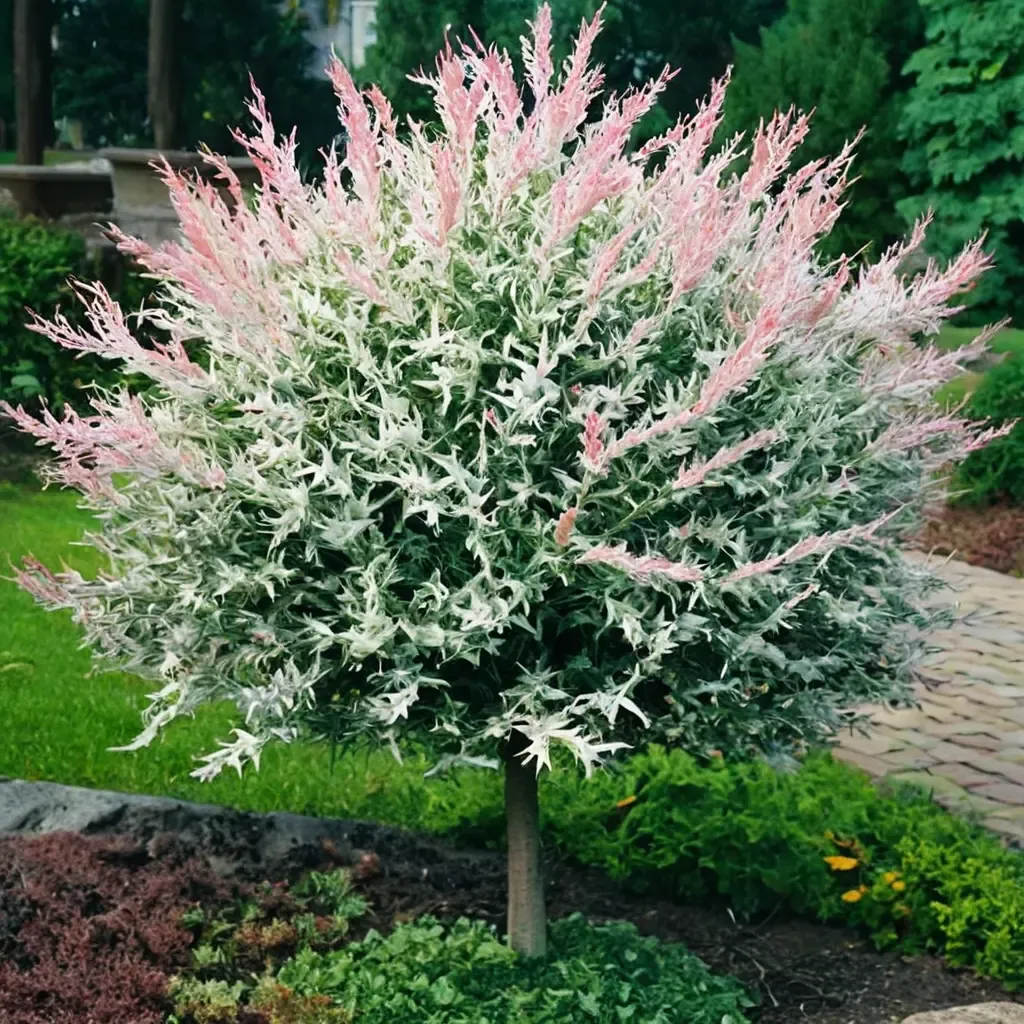
Hakuro-nishiki Dappled Willow
Salix integra 'Hakuro-nishiki'
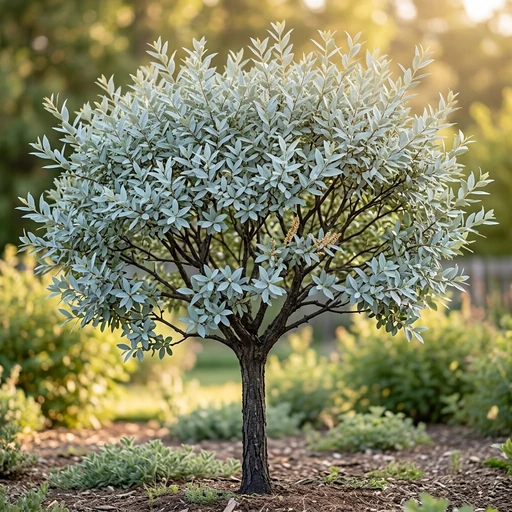
Black Willow
Salix nigra
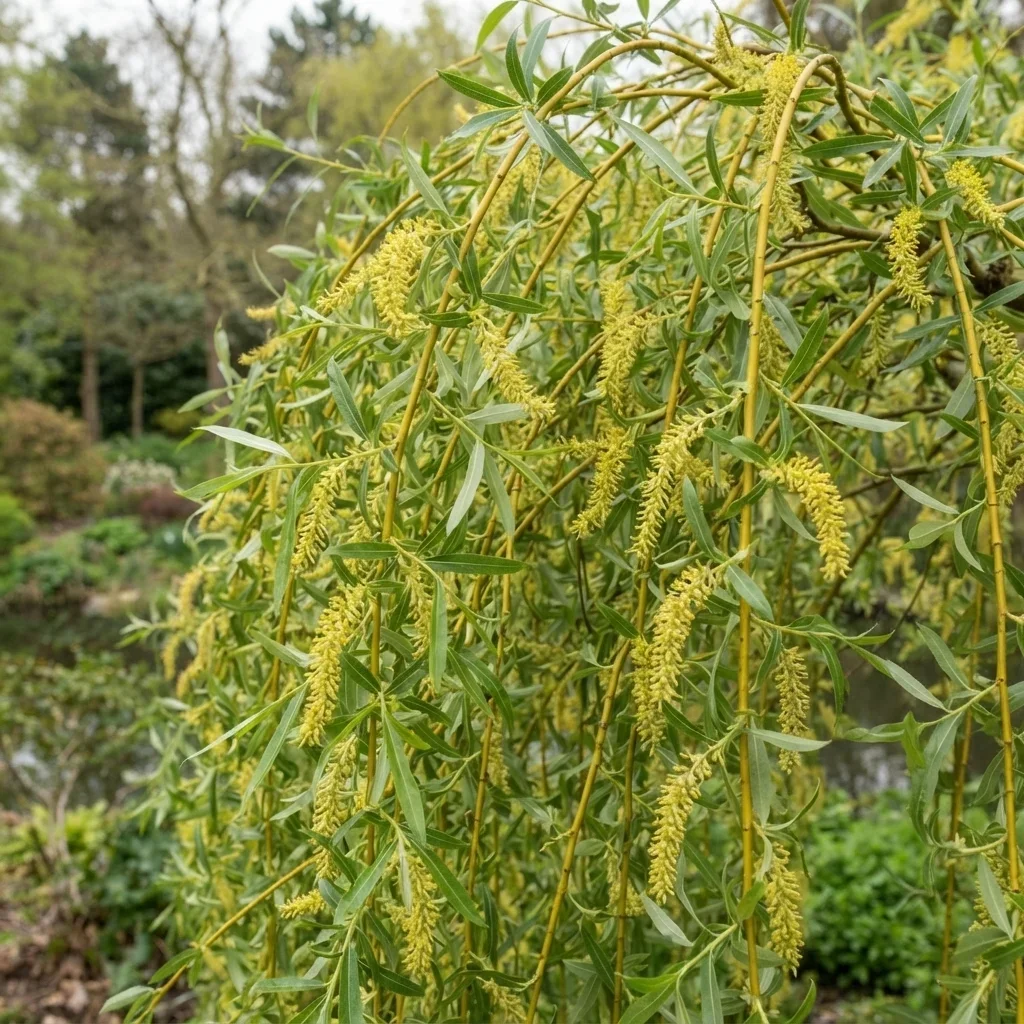
Weeping Willow
Salix x sepulcralis 'Mix'
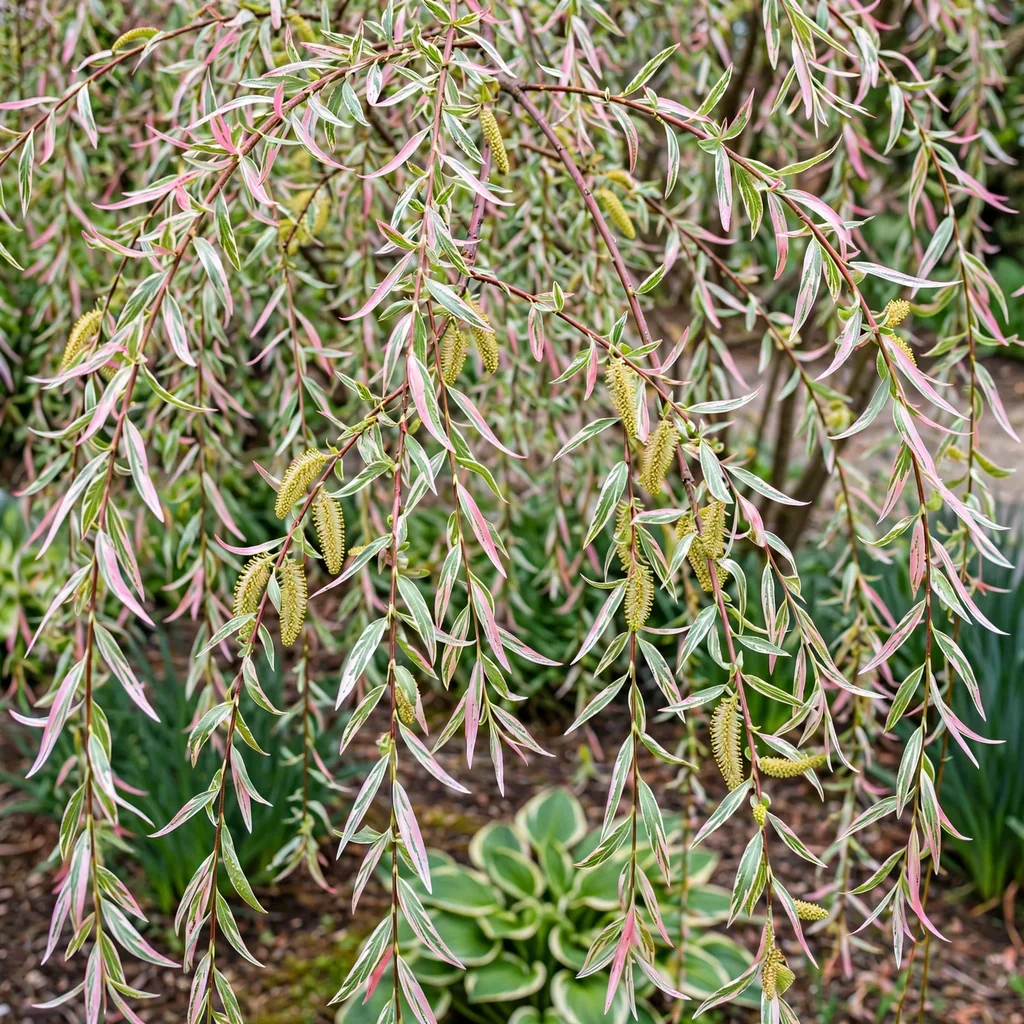
Flamingo Dappled Willow
Salix integra 'Flamingo'
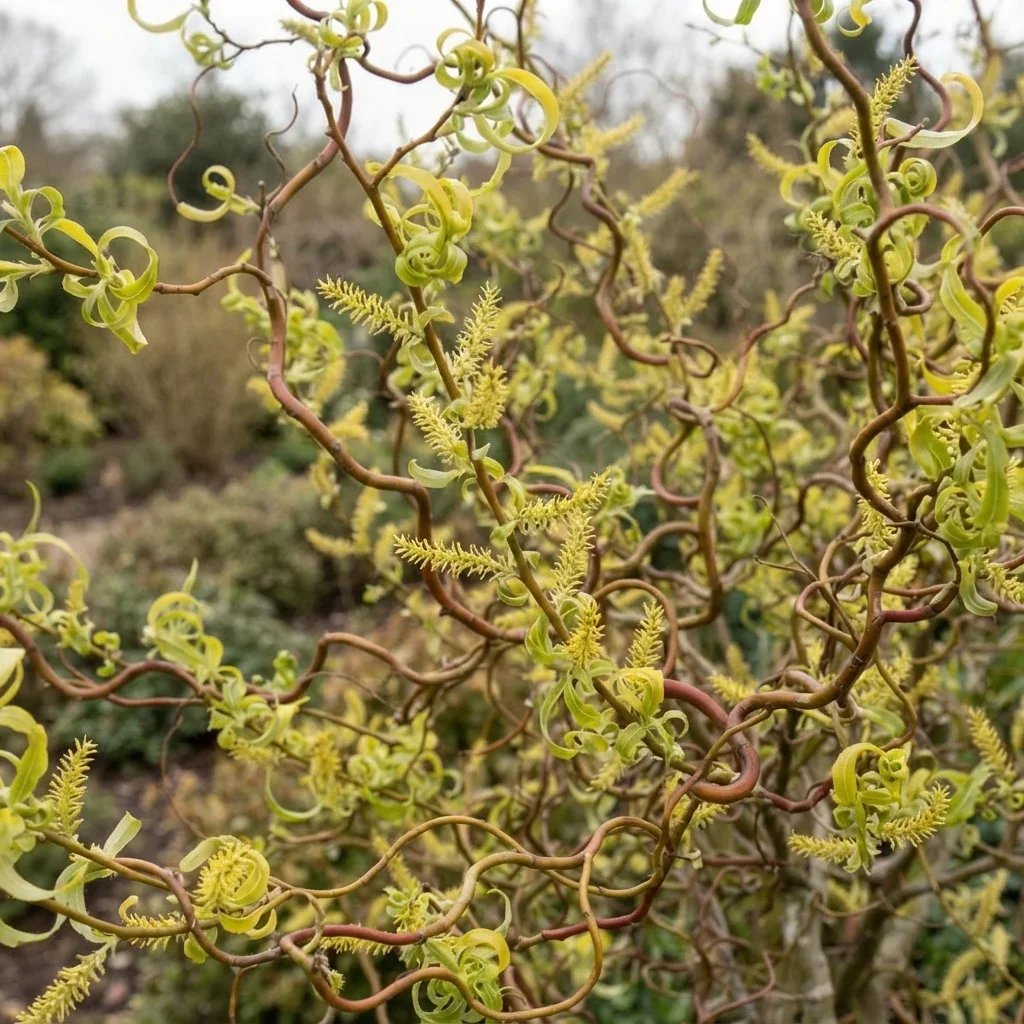
Corkscrew Willow 'Tortuosa'
Salix babylonica 'Tortuosa'
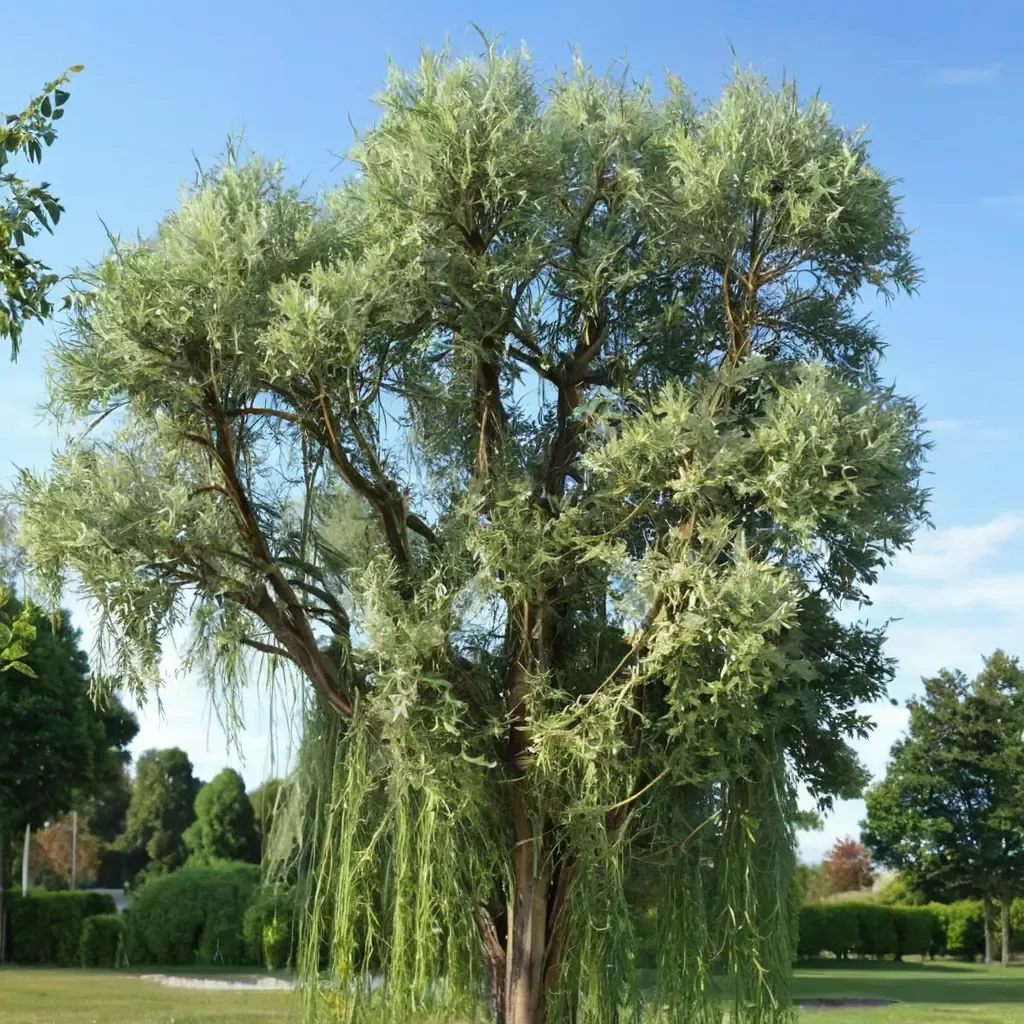
White Willow
Salix alba
Keep exploring
Explore the genus
Grow Coyote Willow with confidence
See it in a design of your actual yard, get zone-matched care reminders, and track it season by season in your garden journal.