The Story
Plant Bio
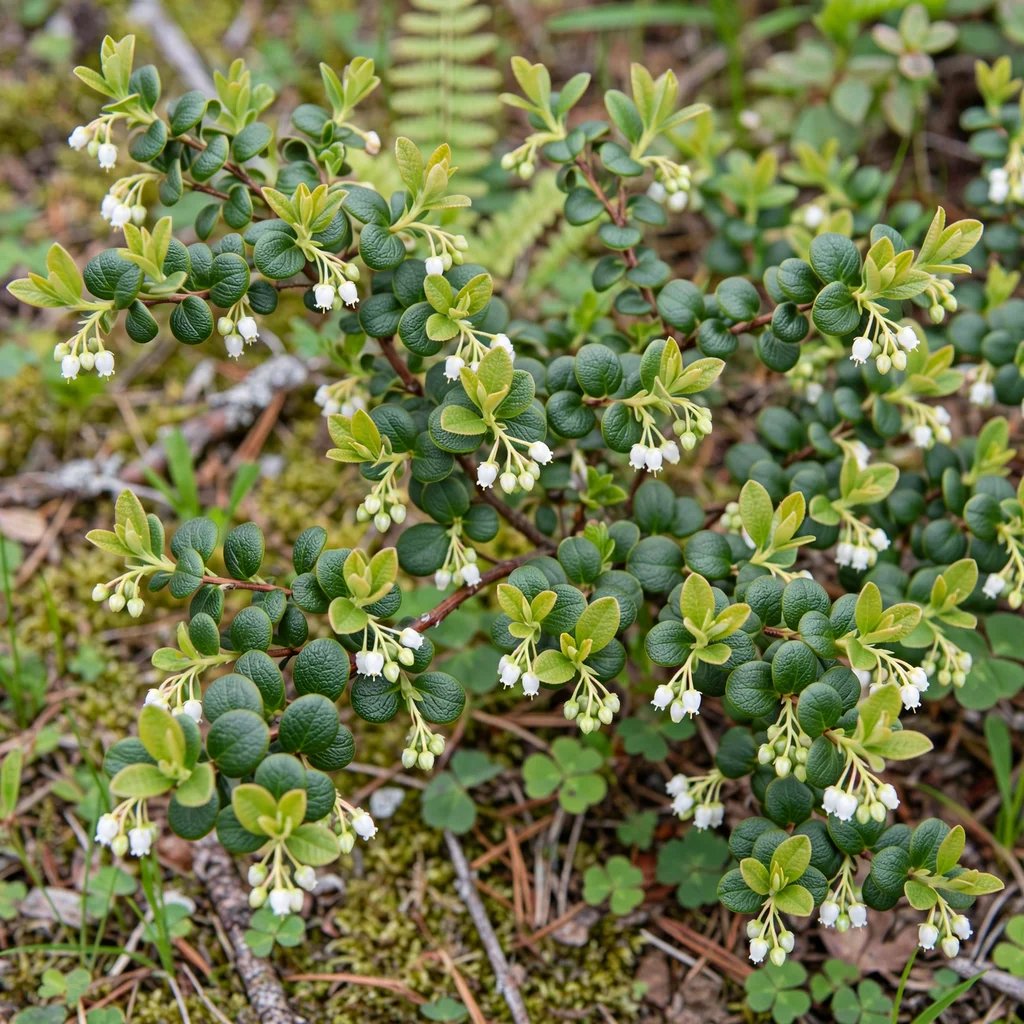
Arctostaphylos uva-ursi is a trailing evergreen subshrub that roots along its flexible stems to form mats to fifteen feet across and under a foot tall, with papery reddish bark that peels. Leaves are alternate, thick, leathery and paddle-shaped with edges rolled under, yellow-green in spring, glossy dark green in summer and reddish-purple in winter.
Nodding clusters of waxy white urns tinged pink open on bright-red stems in spring, followed by mealy red berries that persist through winter. It is the only bearberry with a circumboreal range, a slow, long-lived mat of acid sand and rock that tolerates minus fifty degrees and fails in hot humid summers south of Zone 7.
Uses & Benefits:
Essentials
At a Glance
Plant Type
Groundcover
Height
12"
Width
177"
Light
Full Sun, Partial Sun, Shade
Zones
4, 5, 6
Water
Low
Humidity
Low; fails in hot humid summers
Lifespan
Long-lived
Native To
Northern North America and northern Eurasia
Toxicity
Toxic if ingested - leaves contain arbutin and tannins
Bloom period
Spring – Early summer
In flower about 4 months of the year
Planting
How to Grow
- Set rooted cuttings or potted mats into loose, very well-drained acid sand in full sun to part shade.
- Water in once to settle soil, then water sparingly only until rooted; keep soil lean and never soggy.
- Do not amend with fertilizer or lime and do not compact soil around stems.
- Cover with pine boughs in winter where deer browse, then thin only dead wood in spring.
Pro Tip
Plant rooted cuttings in acid sand and then leave it alone; fertilizer, compaction and overwatering kill it faster than neglect ever will.
Keep It Thriving
Care Guide
Do
- Plant in full sun to part shade in rocky or sandy acid soil below pH 6.8
- Ensure sharp drainage and loose soil that is never compacted
- Thin out dead or dying wood to keep air moving through the mat
- Protect evergreen foliage from winter deer browse with pine boughs
Don't
- Do not fertilize
- Do not overwater or plant where water stands
- Do not plant south of Zone 7 where hot humid summers kill it
- Do not dig plants from the wild; they almost never transplant
Seasonal Care Calendar
| Task | Jan | Feb | Mar | Apr | May | Jun | Jul | Aug | Sep | Oct | Nov | Dec |
|---|---|---|---|---|---|---|---|---|---|---|---|---|
| Mulch | ||||||||||||
| Pest Check | ||||||||||||
| Plant | ||||||||||||
| Prune | ||||||||||||
| Winter Prep |
Watch Out For
Pests & Diseases
Common Pests
Common Diseases
In the Garden
Landscape Uses & Companions
Landscape Uses
Multiply
Propagation Methods
Good to Know
Common Questions
Bearberry questions
What zones can Bearberry grow in?
Bearberry is hardy in USDA Zones 4–6: in that range it survives winter in the ground. Warmer than Zone 6, winter isn't the problem: it prefers colder winters, and summer heat can shorten its life.
Is Bearberry deer resistant?
Not reliably. Deer may browse Bearberry, especially tender spring growth — plan on repellents or fencing where pressure is high.
When does Bearberry bloom?
Bearberry typically blooms from early spring to early summer. Exact timing shifts a week or two with your zone — Sow's bloom calendar maps it to your garden.
Does Bearberry need full sun?
Bearberry does best in full sun to part shade. In hot climates, afternoon shade keeps blooms fresher longer.
Is Bearberry drought tolerant?
Yes — once established (usually after the first full season), Bearberry handles dry spells with minimal watering. Water deeply its first year to build the root system that makes that possible.
More Arctostaphylos to compare
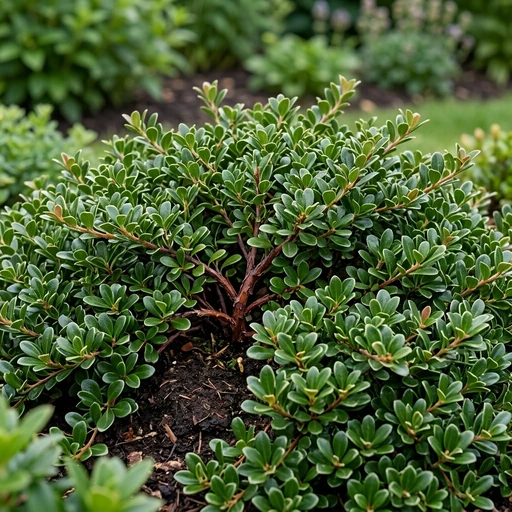
Massachusetts Common Bearberry
Arctostaphylos uva-ursi 'Massachusetts'
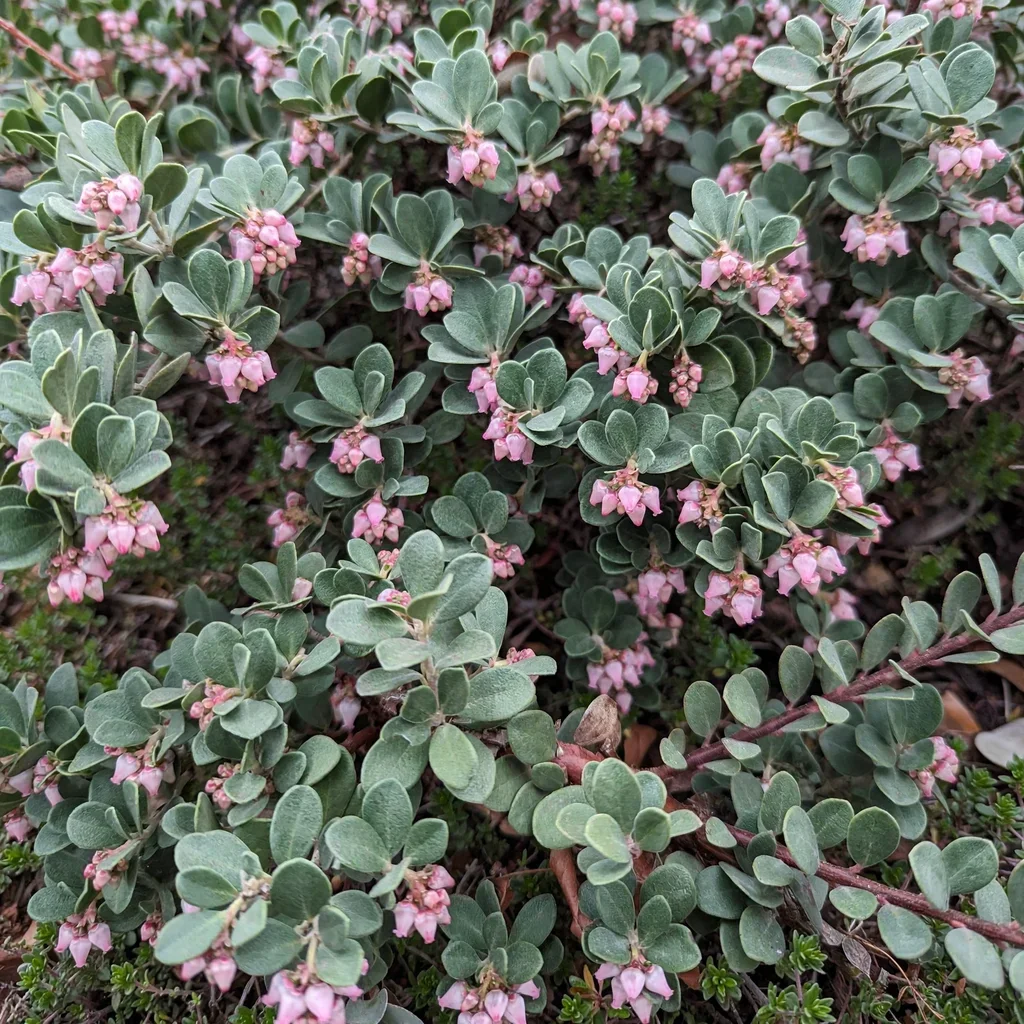
Ron Clendenen Manzanita
Arctostaphylos x media 'Ron Clendenen'
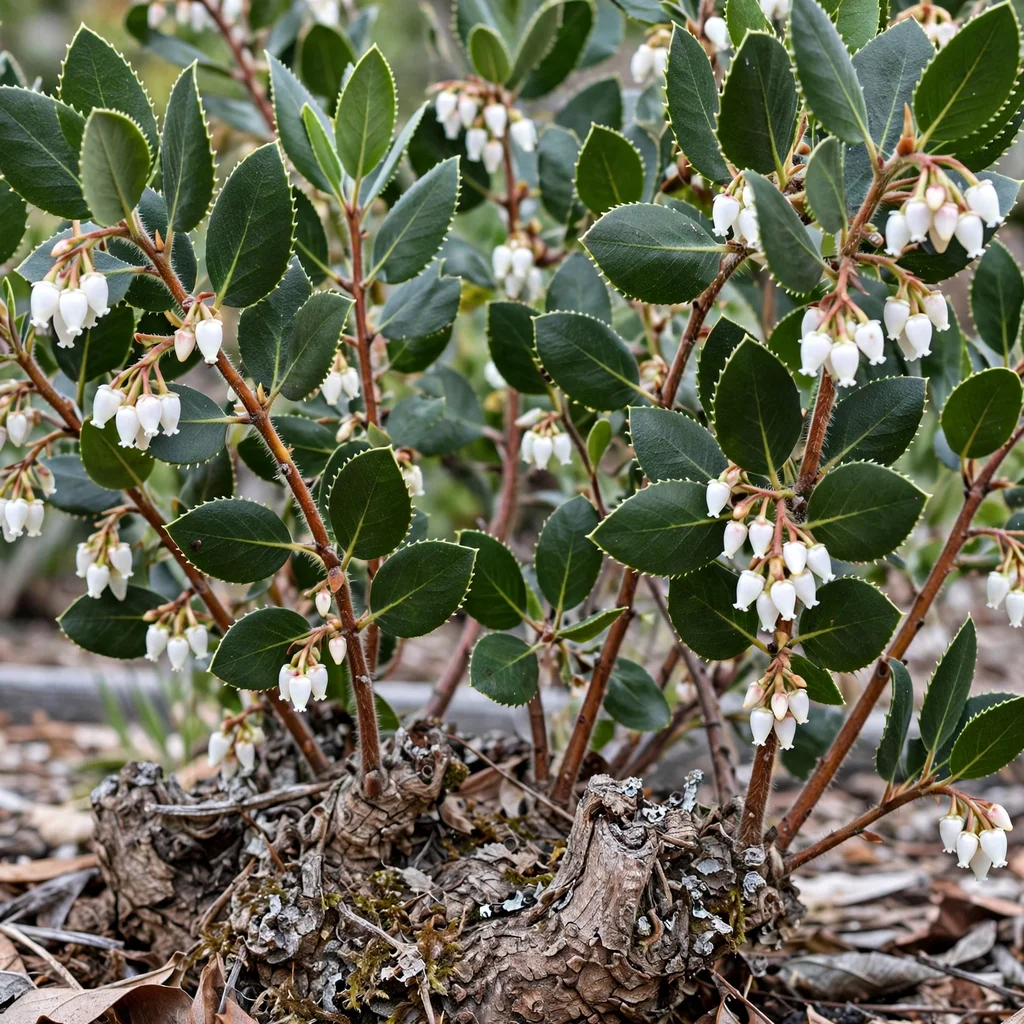
Brittleleaf Manzanita
Arctostaphylos crustacea
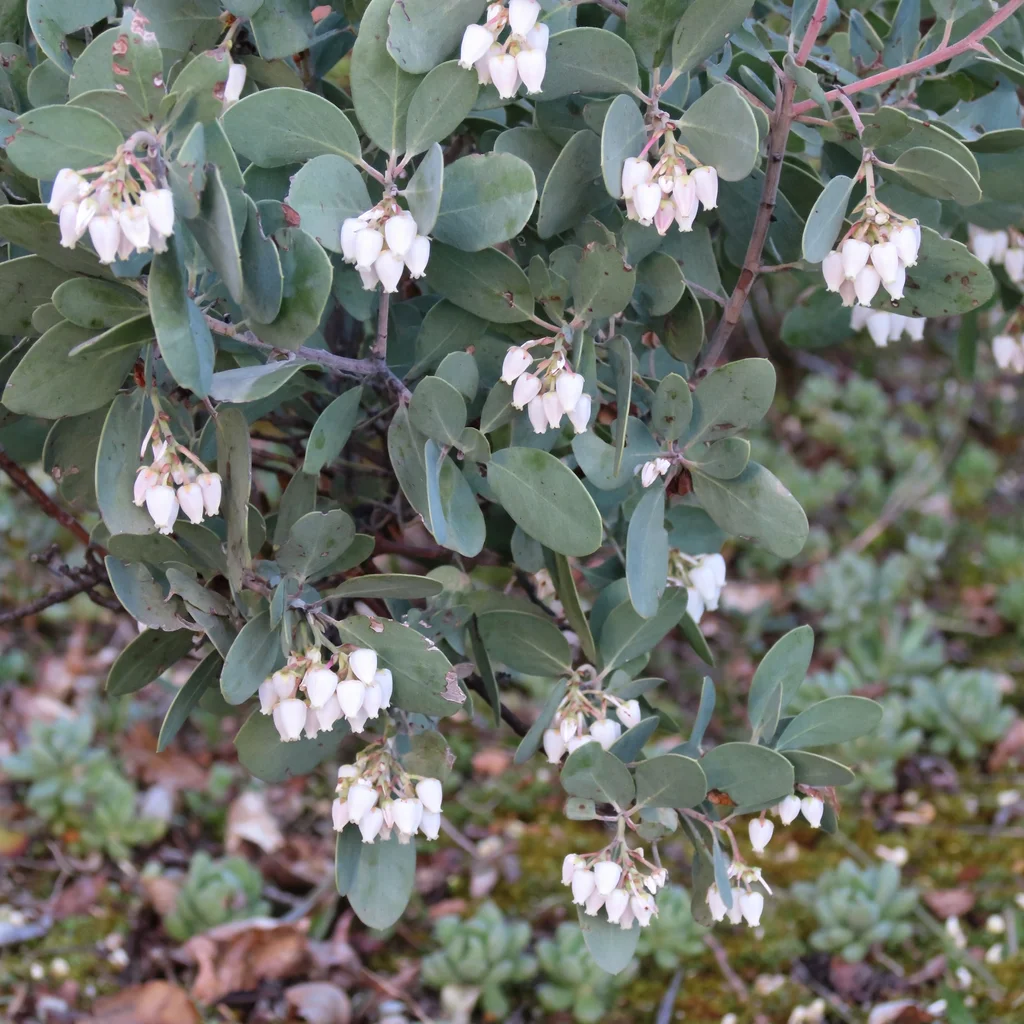
Common Manzanita
Arctostaphylos manzanita
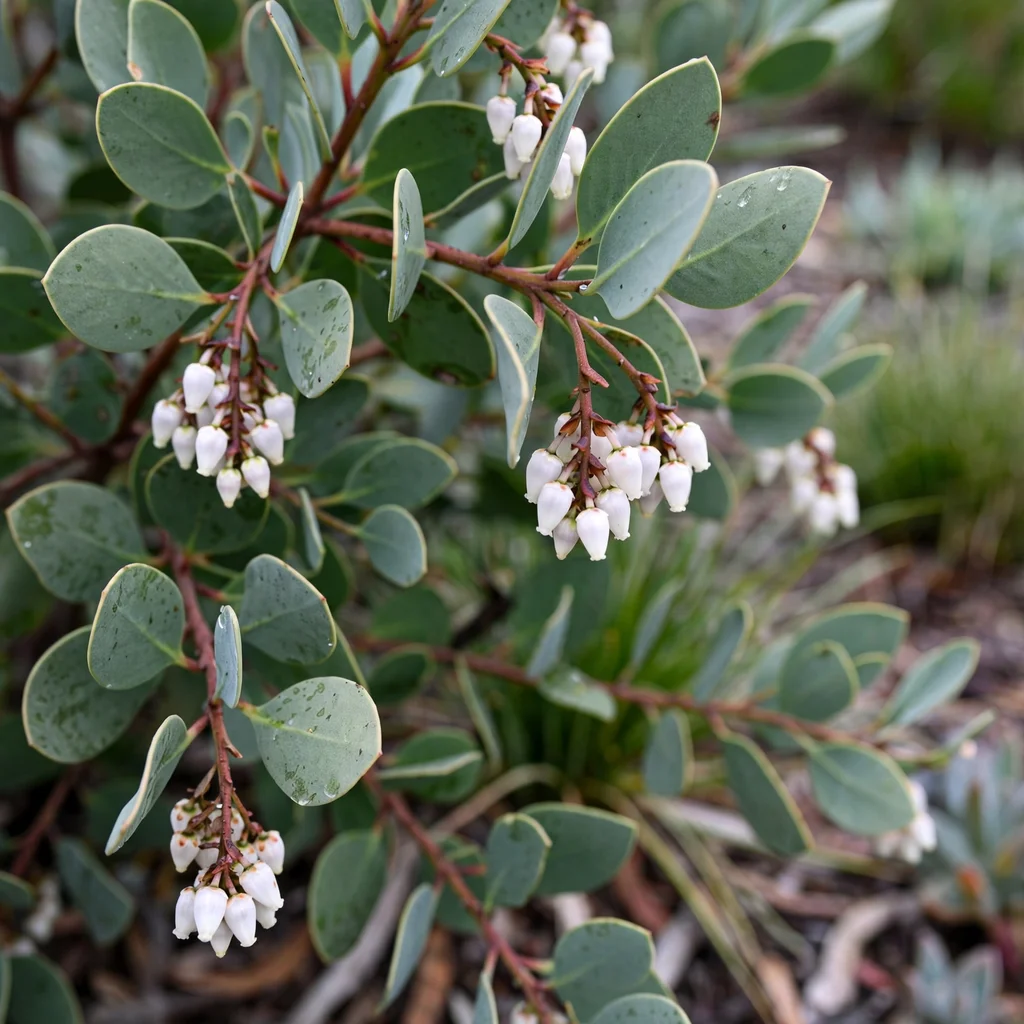
Rainbow Manzanita
Arctostaphylos rainbowensis
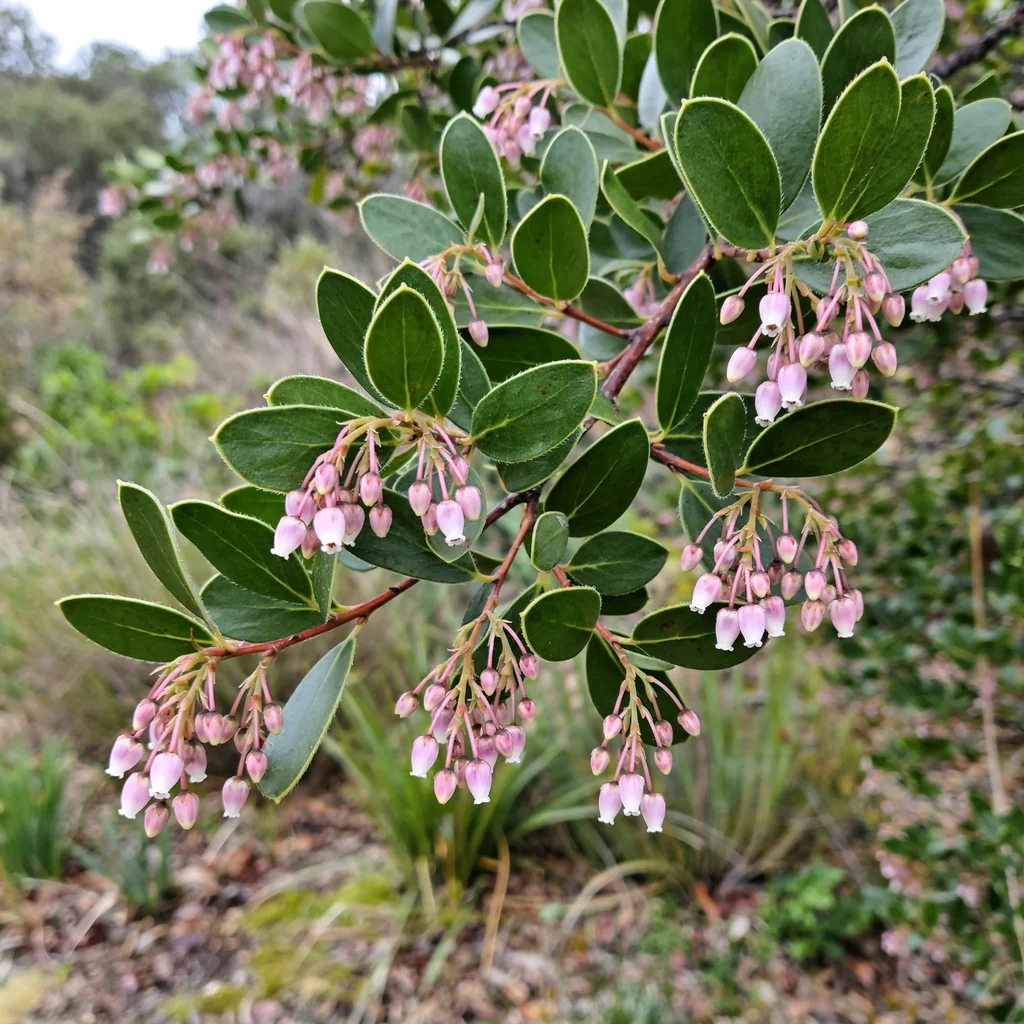
Vine Hill Manzanita
Arctostaphylos densiflora
Keep exploring
Explore the genus
Hardy in your zone?
Grow Bearberry with confidence
See it in a design of your actual yard, get zone-matched care reminders, and track it season by season in your garden journal.