The Story
Plant Bio
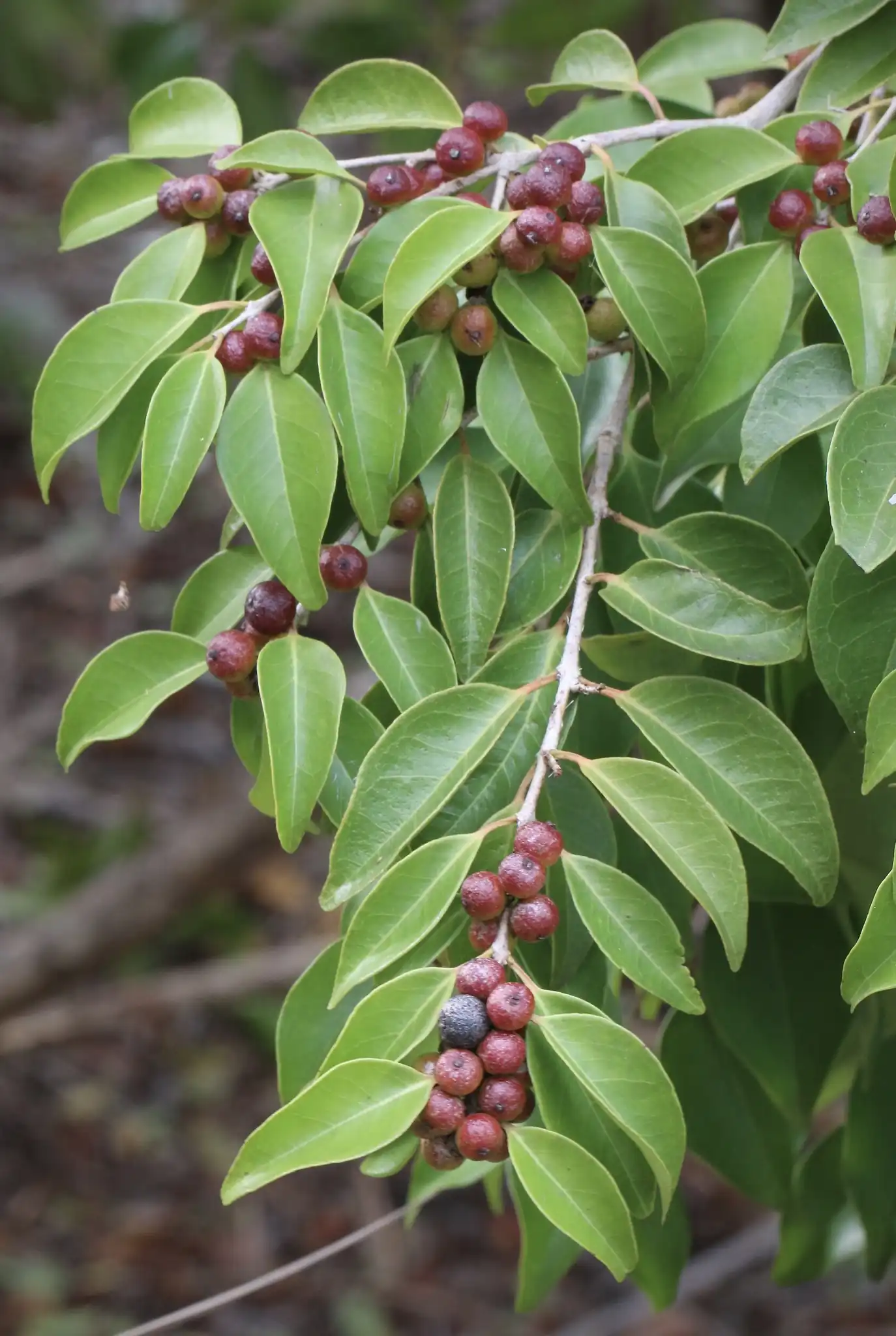
Eugenia axillaris, the white stopper, is an evergreen large shrub to small tree reaching 15 to 25 feet tall and 8 to 15 feet wide, with opposite simple elliptic leaves under 2 inches long. The small four-petaled white to cream flowers form in fragrant axillary clusters and are followed by round fleshy fruit under one-half inch that ripens from red to black-purple.
New leaves emerge bright red and turn medium green within weeks, and crushed foliage releases a strong earthy aroma that can be overpowering close to the house. It holds a dense oval canopy even in shade, carries showy pale whitish bark, and drops its short-lived flowers quickly while producing juicy edible berries that attract birds.
Uses & Benefits:
Essentials
At a Glance
Plant Type
Shrub
Height
240"
Width
144"
Light
Full Sun, Partial Sun, Shade
Zones
10
Water
Low
Humidity
Tolerant
Lifespan
Long-lived
Native To
Florida, Mexico, Central America, Caribbean
Toxicity
Edible fruit; otherwise unknown
Bloom period
Summer
In flower about 3 months of the year
Planting
How to Grow
- Plant in full sun to dense shade in well-drained sand, loam, or clay with organic content.
- Set the root ball level with the soil surface and water in deeply to settle.
- Mulch 2 to 3 inches deep, kept back from the trunk, to hold moisture.
- Water regularly until established, then reduce; established plants handle drought and coastal exposure.
Pro Tip
Clip lightly after summer bloom to keep a hedge dense; if training a multi-trunked tree, remove lower branches gradually rather than all at once.
Keep It Thriving
Care Guide
Do
- Grow in well-drained sandy or calcareous soil
- Clip regularly if used as a foundation hedge or screen
- Keep the canopy in shade plantings where other shrubs thin out
Don't
- Do not plant where the strong foliage scent will press against windows or doors
- Do not overwater or leave soil soggy
- Do not expect cut flowers to hold; blooms drop quickly
Seasonal Care Calendar
| Task | Jan | Feb | Mar | Apr | May | Jun | Jul | Aug | Sep | Oct | Nov | Dec |
|---|---|---|---|---|---|---|---|---|---|---|---|---|
| Mulch | ||||||||||||
| Pest Check | ||||||||||||
| Plant | ||||||||||||
| Propagate | ||||||||||||
| Prune |
Watch Out For
Pests & Diseases
Common Pests
Common Diseases
In the Garden
Landscape Uses & Companions
Landscape Uses
Multiply
Propagation Methods
Good to Know
Common Questions
White Stopper questions
What zones can White Stopper grow in?
White Stopper is hardy in USDA Zone 10: in that range it survives winter in the ground. Colder than Zone 10, grow it in a container you can move to shelter for the winter.
When does White Stopper bloom?
White Stopper typically blooms in summer. Exact timing shifts a week or two with your zone — Sow's bloom calendar maps it to your garden.
Does White Stopper need full sun?
White Stopper does best in full sun to part shade. In hot climates, afternoon shade keeps blooms fresher longer.
Is White Stopper drought tolerant?
Yes — once established (usually after the first full season), White Stopper handles dry spells with minimal watering. Water deeply its first year to build the root system that makes that possible.
More Eugenia to compare
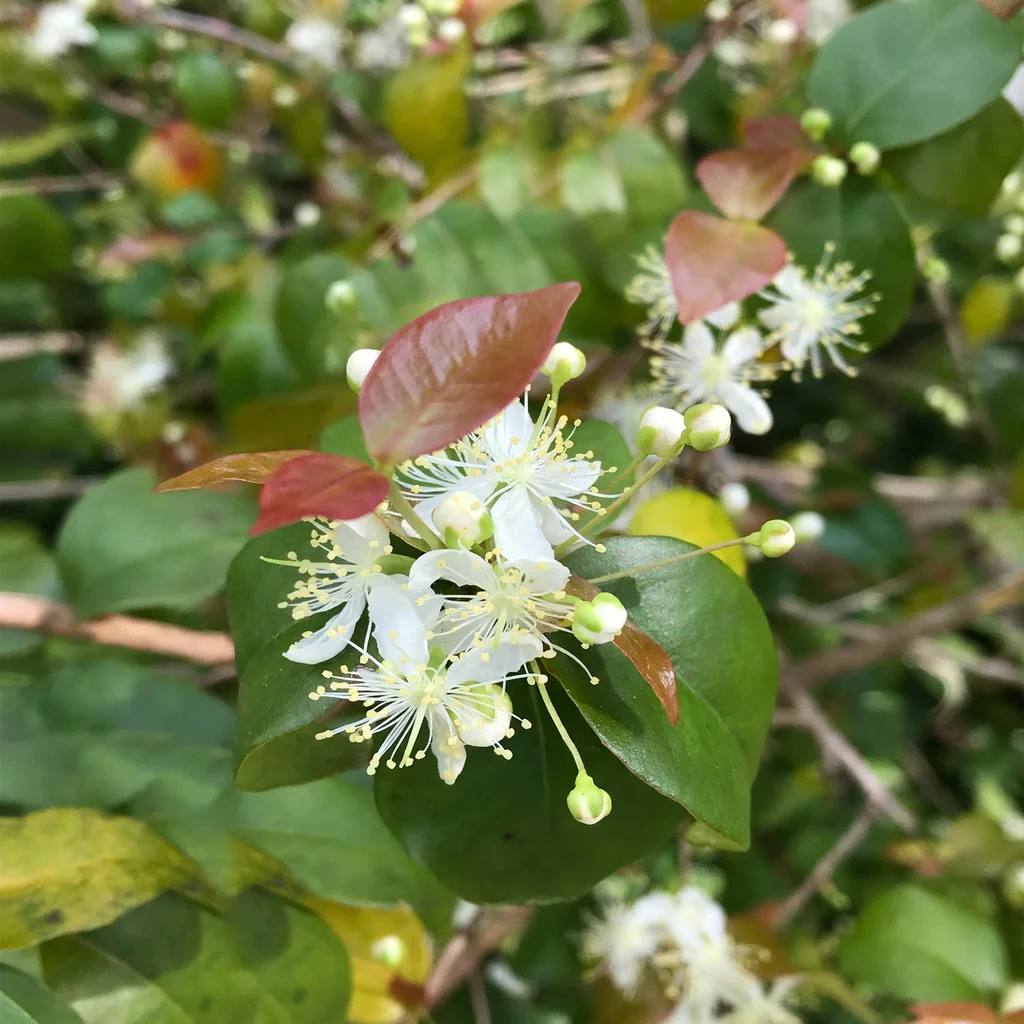
Surinam Cherry
Eugenia uniflora
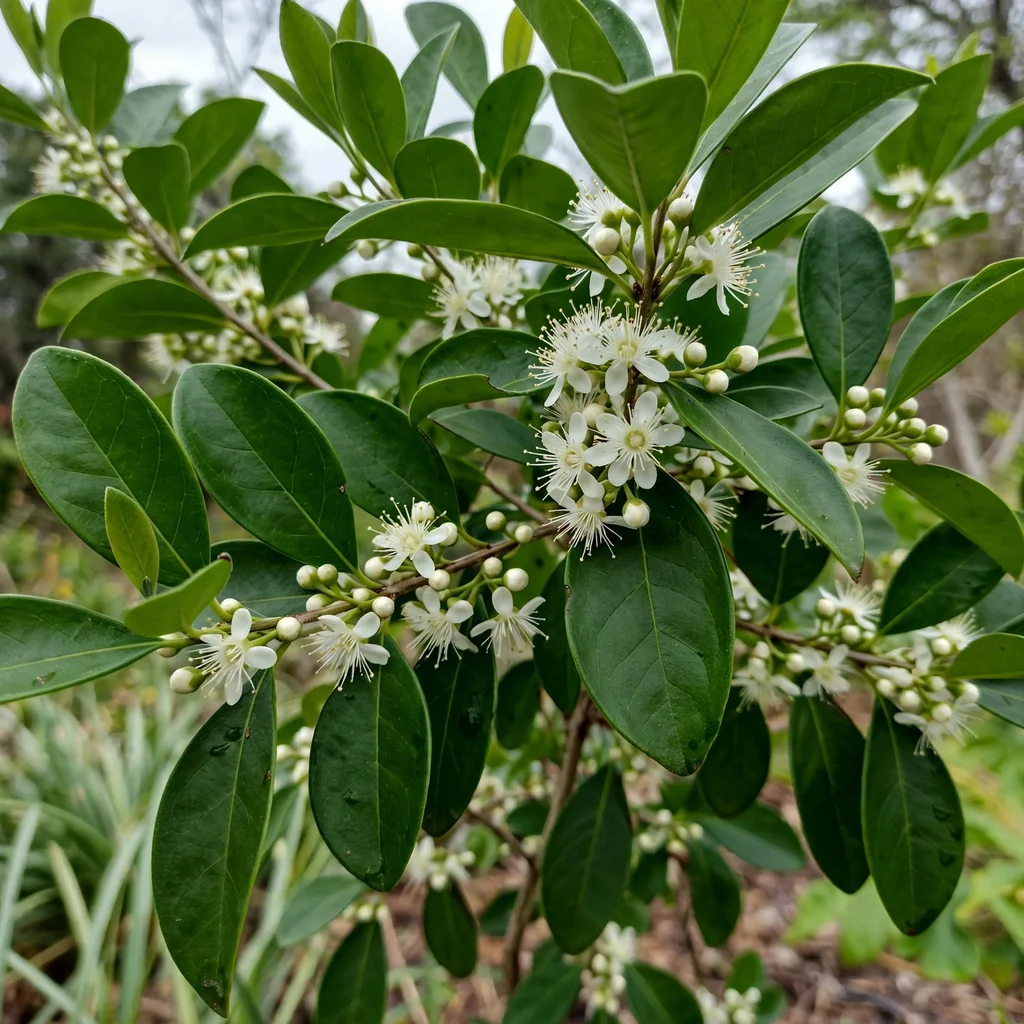
Savannah Cherry
Eugenia calycina
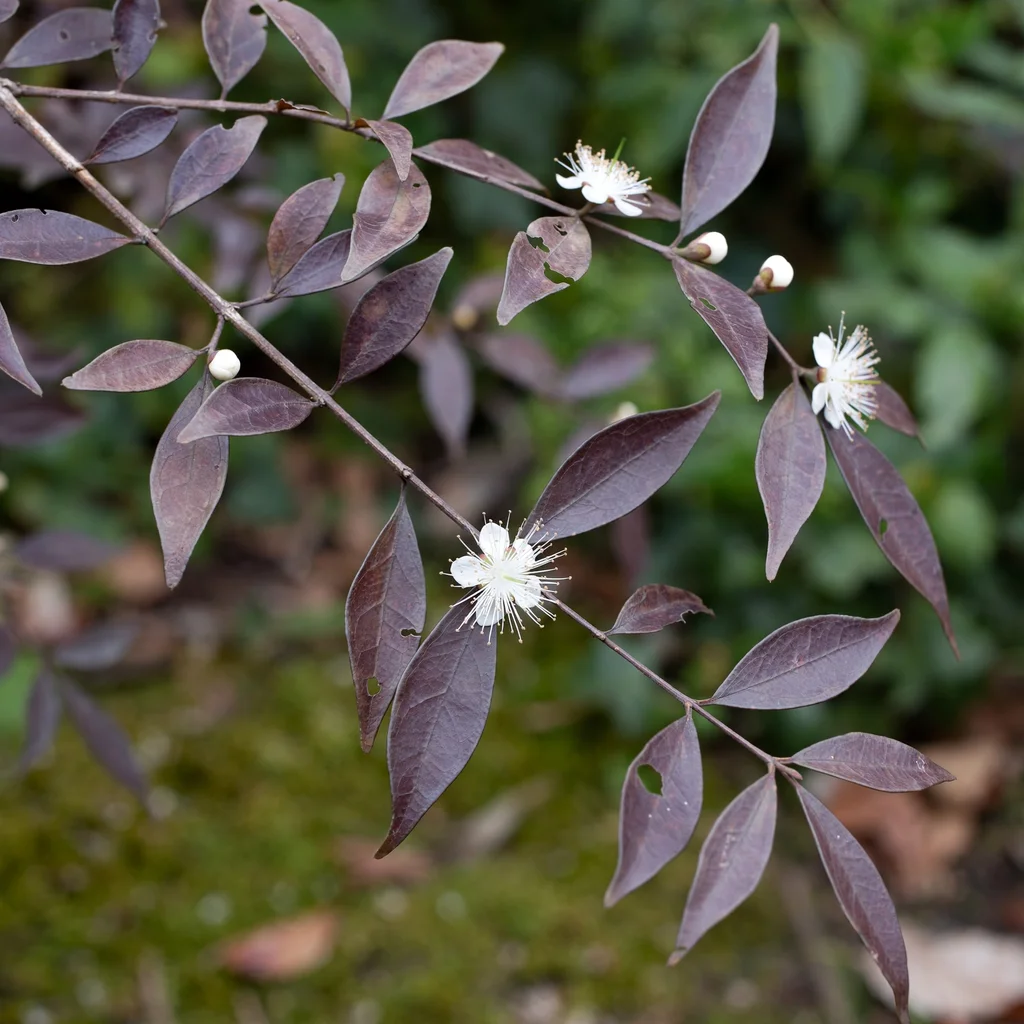
Cherry of the Rio Grande
Eugenia aggregata
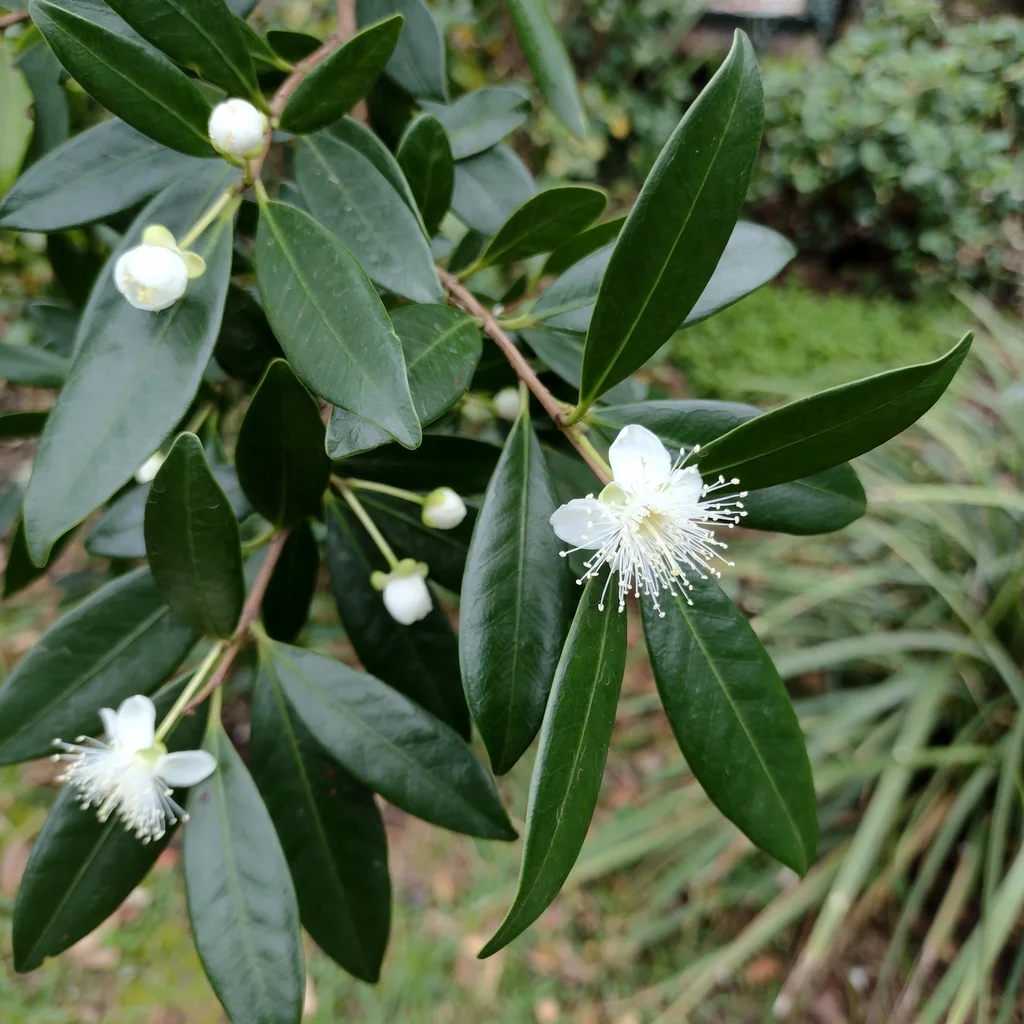
Pitomba
Eugenia luschnathiana
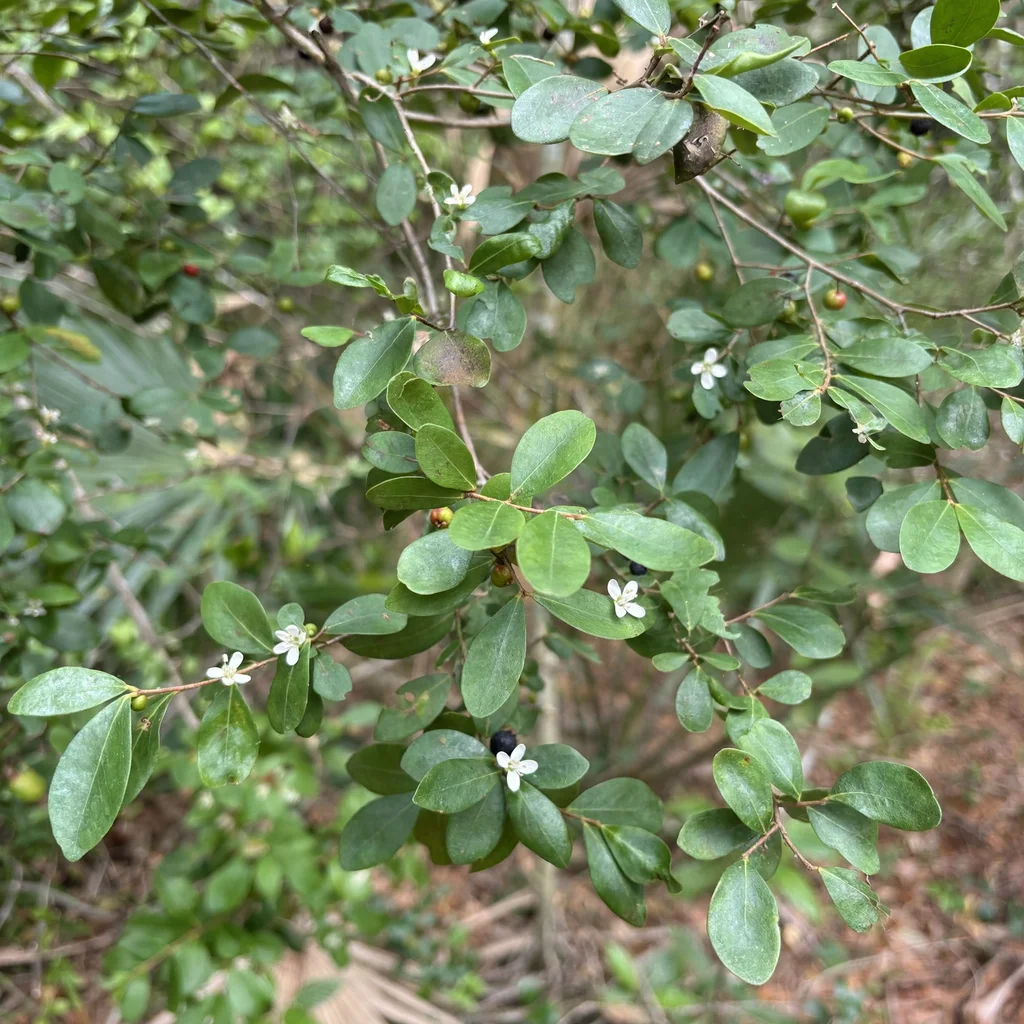
Spanish Stopper
Eugenia foetida
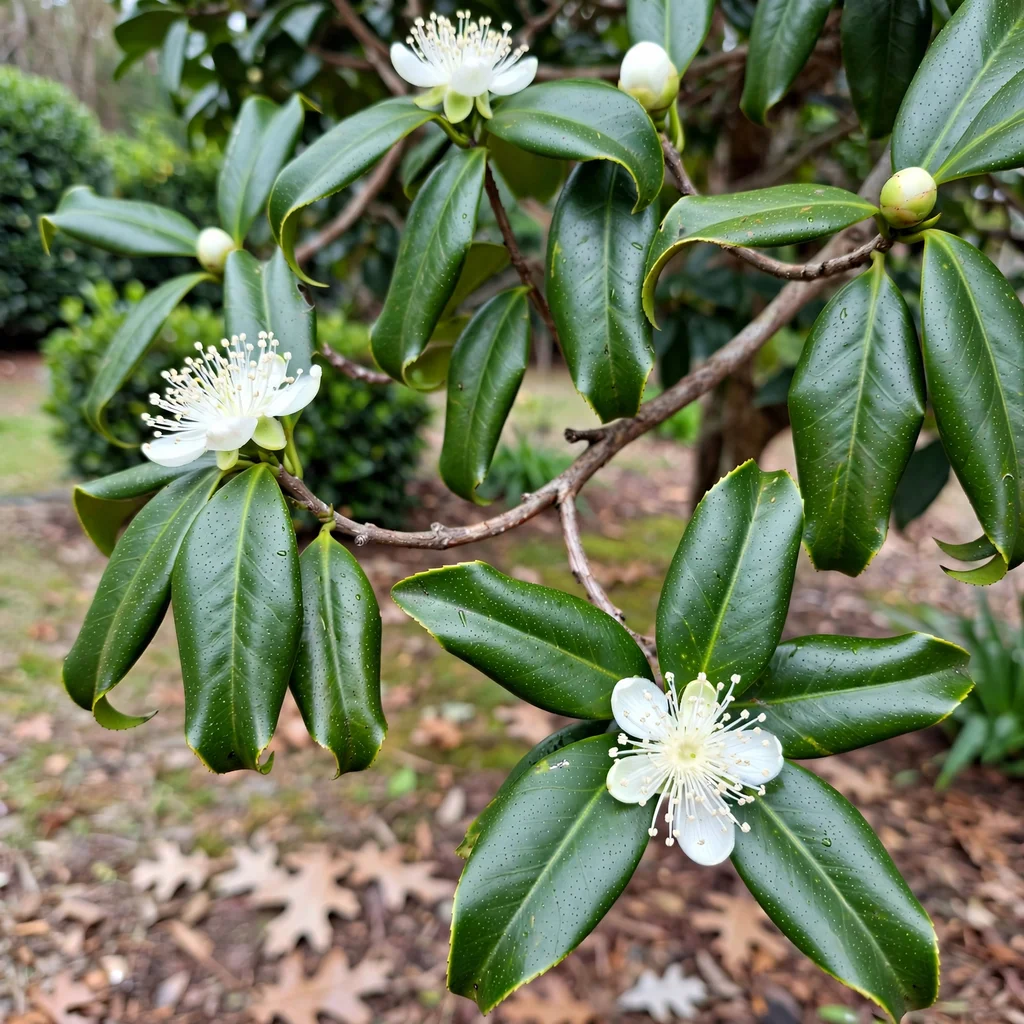
Grumichama
Eugenia brasiliensis
Keep exploring
Explore the genus
Hardy in your zone?
Grow White Stopper with confidence
See it in a design of your actual yard, get zone-matched care reminders, and track it season by season in your garden journal.