The Story
Plant Bio
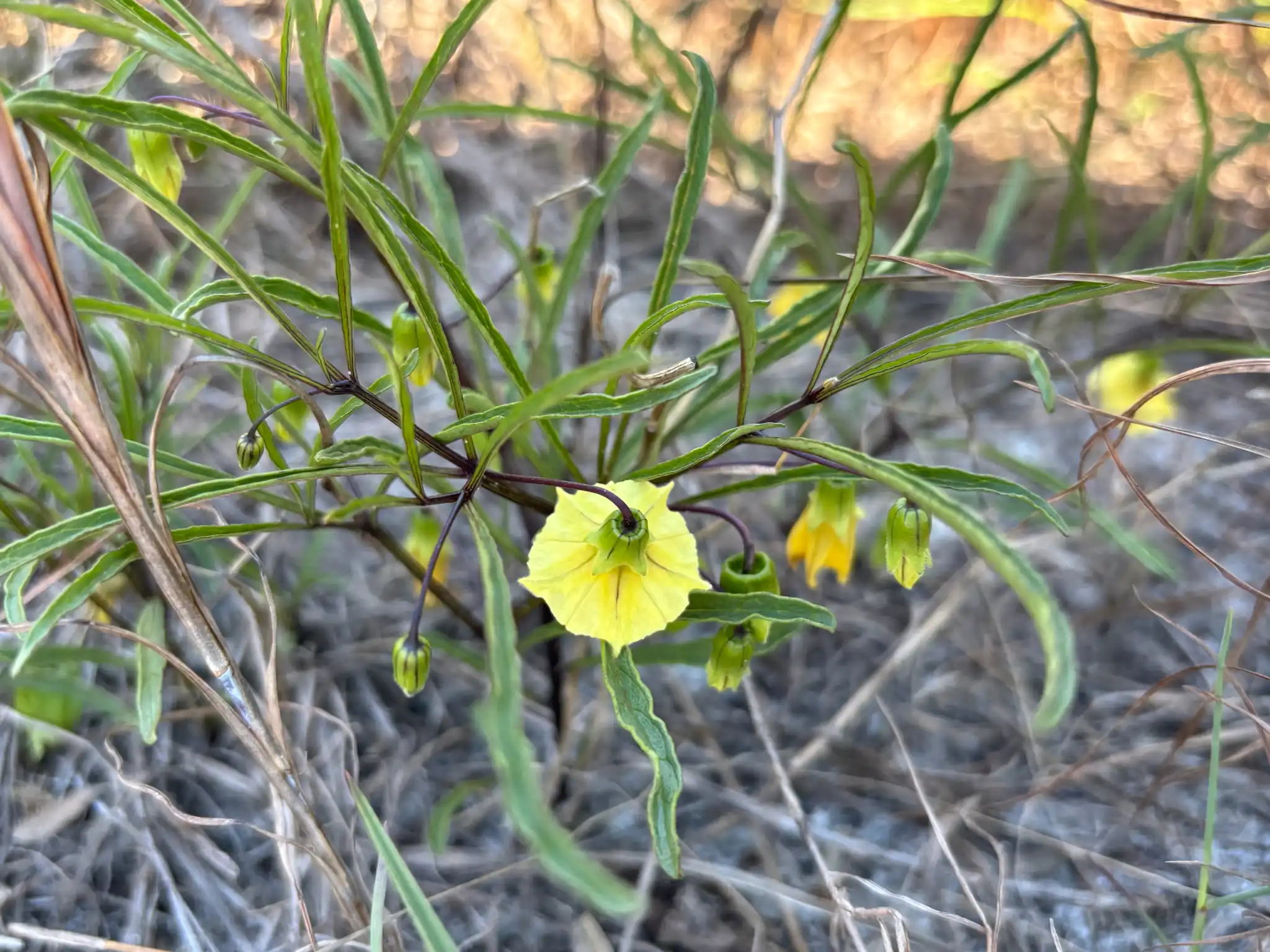
Physalis angustifolia, the coastal groundcherry, is a rhizomatous perennial of Gulf Coast dunes reaching about two feet tall and wide, with erect to decumbent branching stems and narrow leaves. The solitary nodding flowers are bell-shaped and yellow to orangish-yellow, followed by berries enclosed in a papery calyx.
It is distinguished by narrow, nearly hairless leaves with only sparse branched hairs to about one millimeter on the margins and calyx, and by deeply buried rhizomes that let it spread through shifting sand. Each flower carries five ochre to mustard smudges at the throat, a mark that separates it from old reports of Physalis viscosa in the Southeast, which refer to this species or to Physalis walteri.
Uses & Benefits:
Essentials
At a Glance
Plant Type
Perennial
Height
24"
Width
24"
Light
Full Sun
Zones
8, 9, 10
Water
Low
Humidity
Tolerates salt spray
Lifespan
Perennial
Native To
Southeastern USA Gulf Coast
Toxicity
Toxic if ingested
Bloom period
Spring – Early winter
In flower about 10 months of the year
Planting
How to Grow
- Choose a full-sun spot with deep sand and excellent drainage, like a dune edge or raised coastal bed.
- Plant at the same depth as in the pot, firming sand around the crown without burying the stems.
- Water in once to settle the sand, then water sparingly while new growth roots.
- Leave room for rhizome spread and do not enrich the soil or overwater once established.
Pro Tip
Give it full sun in deep, sharply drained sand and leave the rhizomes alone; wet soil and frequent digging check it more than drought ever does.
Keep It Thriving
Care Guide
Do
- Do plant in full sun in dry, sandy soil.
- Do allow rhizomes to spread undisturbed.
- Do pick only fully ripe fruit.
Don't
- Do not plant in heavy clay or soil that stays wet.
- Do not eat unripe fruit, leaves, stems, or the husk.
- Do not dig into the rhizome zone for routine cultivation.
Seasonal Care Calendar
| Task | Jan | Feb | Mar | Apr | May | Jun | Jul | Aug | Sep | Oct | Nov | Dec |
|---|---|---|---|---|---|---|---|---|---|---|---|---|
| Harvest | ||||||||||||
| Pest Check | ||||||||||||
| Plant | ||||||||||||
| Spring Cleanup |
Watch Out For
Pests & Diseases
Common Pests
Common Diseases
In the Garden
Landscape Uses & Companions
Landscape Uses
Multiply
Propagation Methods
Good to Know
Common Questions
Coastal Groundcherry questions
What zones can Coastal Groundcherry grow in?
Coastal Groundcherry is hardy in USDA Zones 8–10: in that range it survives winter in the ground. Colder than Zone 8, grow it in a container you can move to shelter for the winter, or as an annual.
When does Coastal Groundcherry bloom?
Coastal Groundcherry typically blooms in spring. Exact timing shifts a week or two with your zone — Sow's bloom calendar maps it to your garden.
Does Coastal Groundcherry need full sun?
Coastal Groundcherry does best in full sun (6+ hours).
Is Coastal Groundcherry drought tolerant?
Yes — once established (usually after the first full season), Coastal Groundcherry handles dry spells with minimal watering. Water deeply its first year to build the root system that makes that possible.
More Physalis to compare
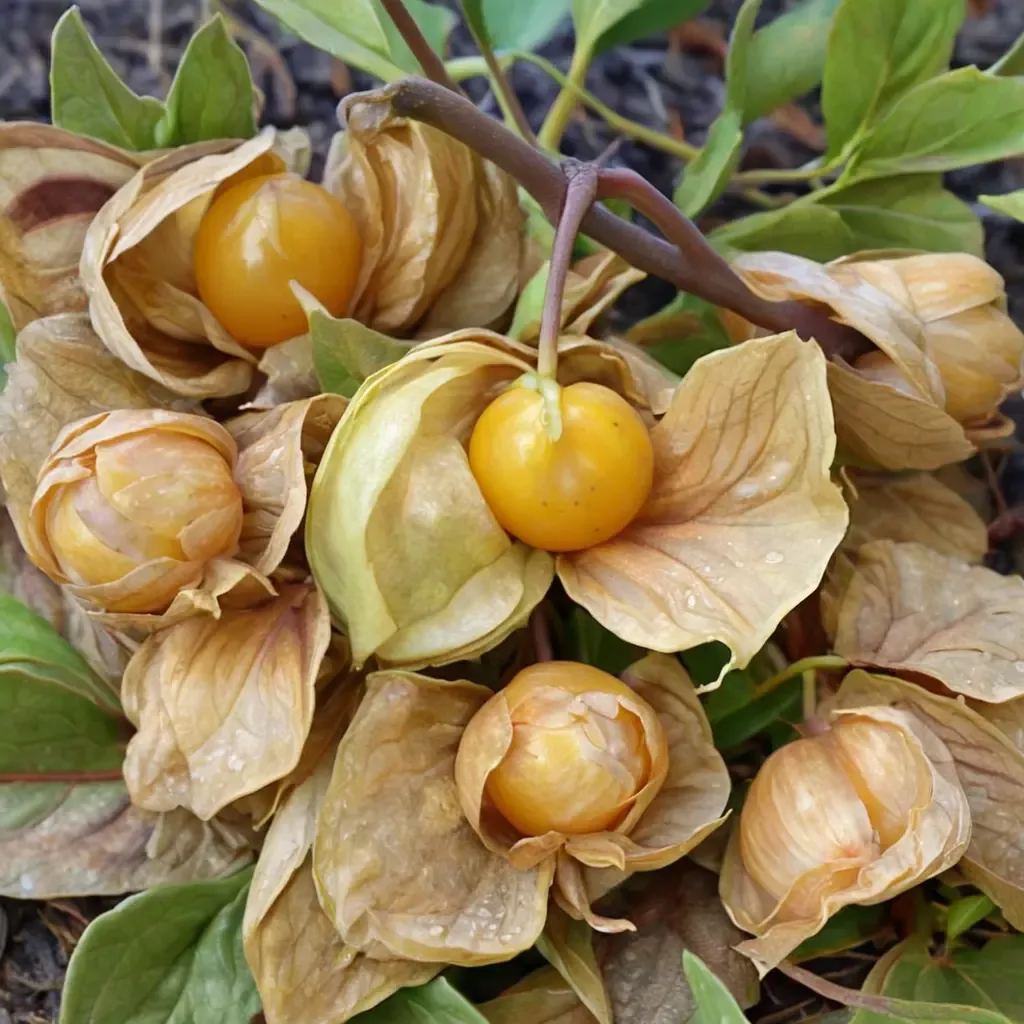
Giant Goldenberry
Physalis peruviana 'Giant'
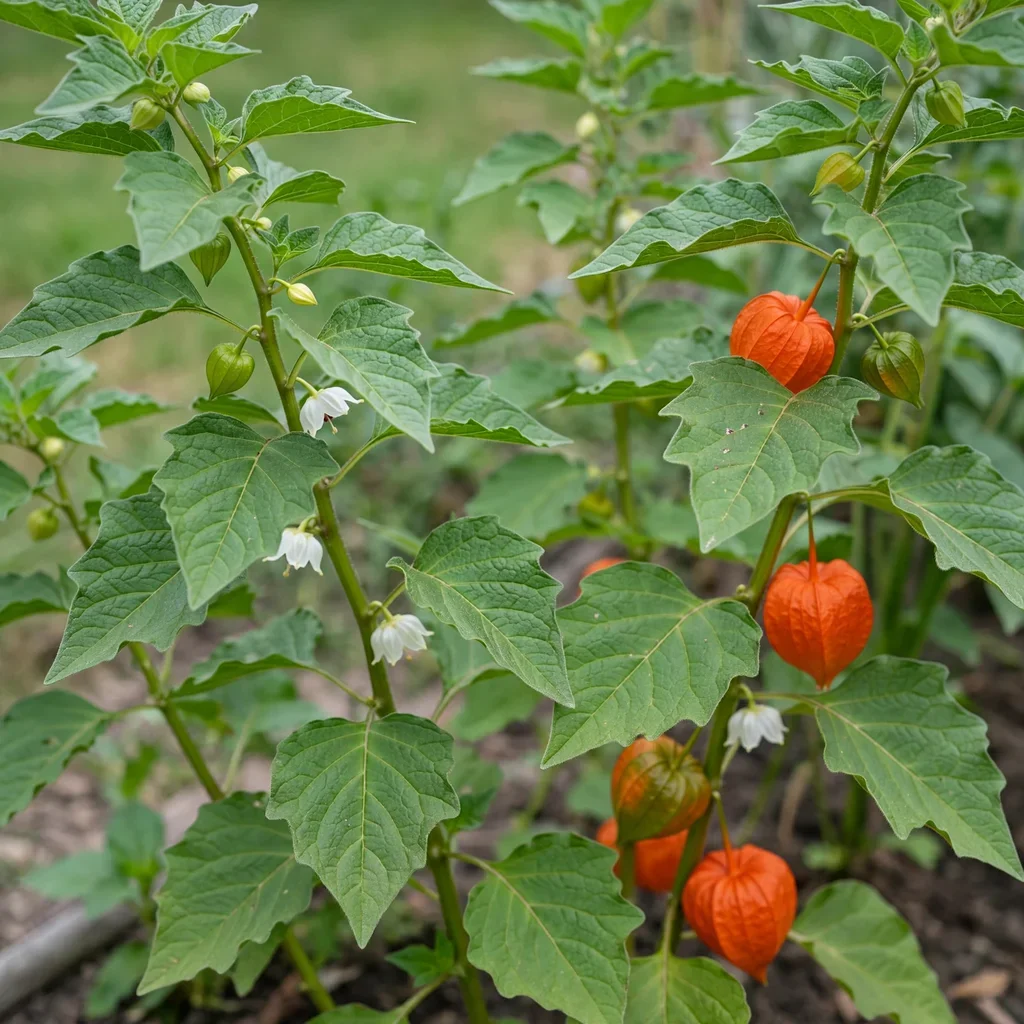
Chinese lantern Winter cherry Lantern plant
Physalis alkekengi
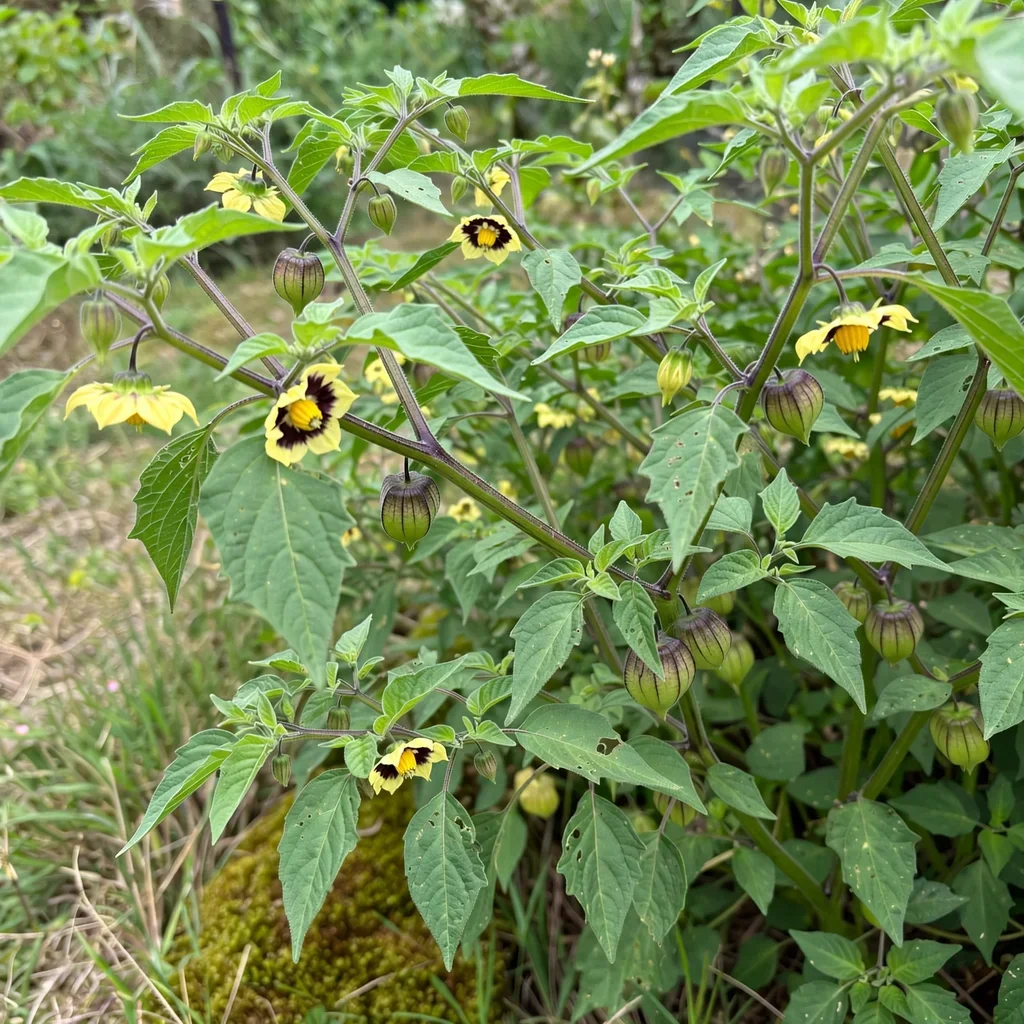
Purple de Milpa Tomatillo
Physalis philadelphica 'Purple de Milpa'
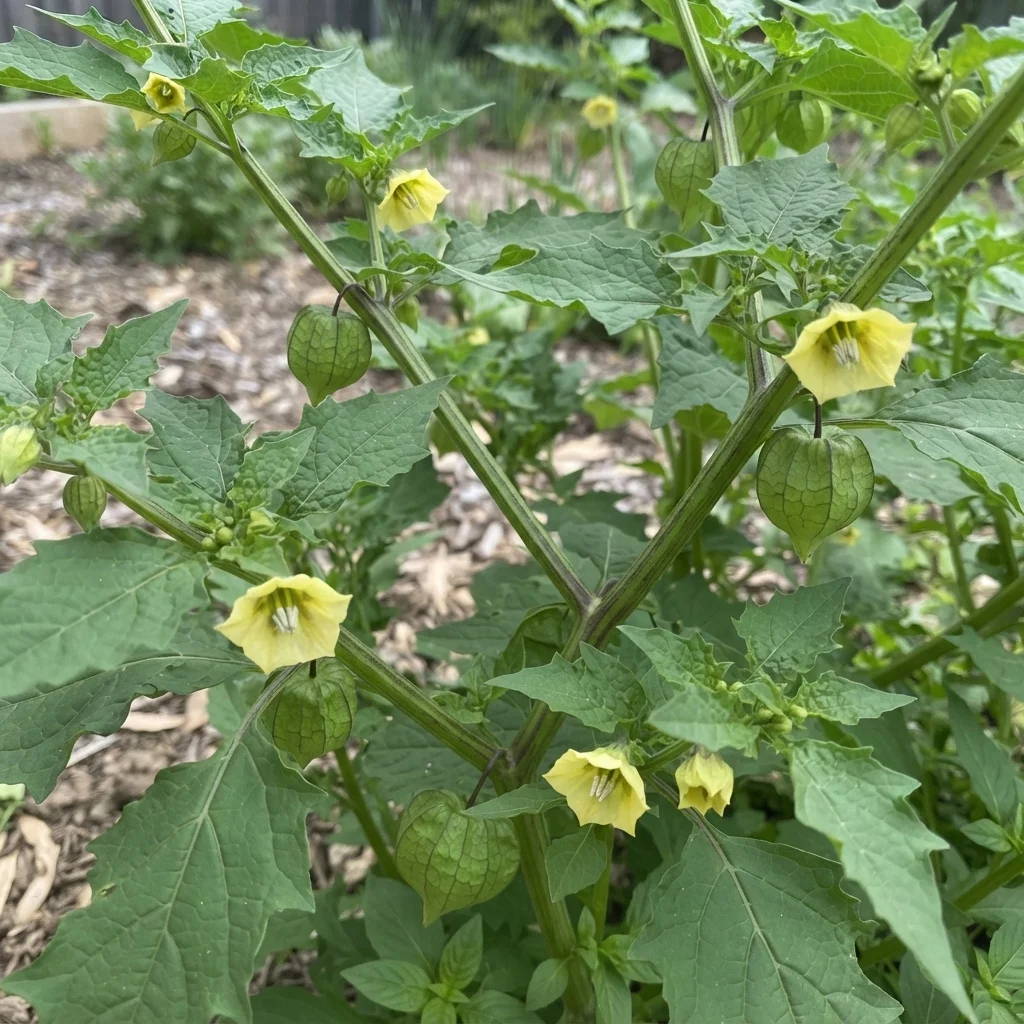
Cutleaf Groundcherry
Physalis angulata
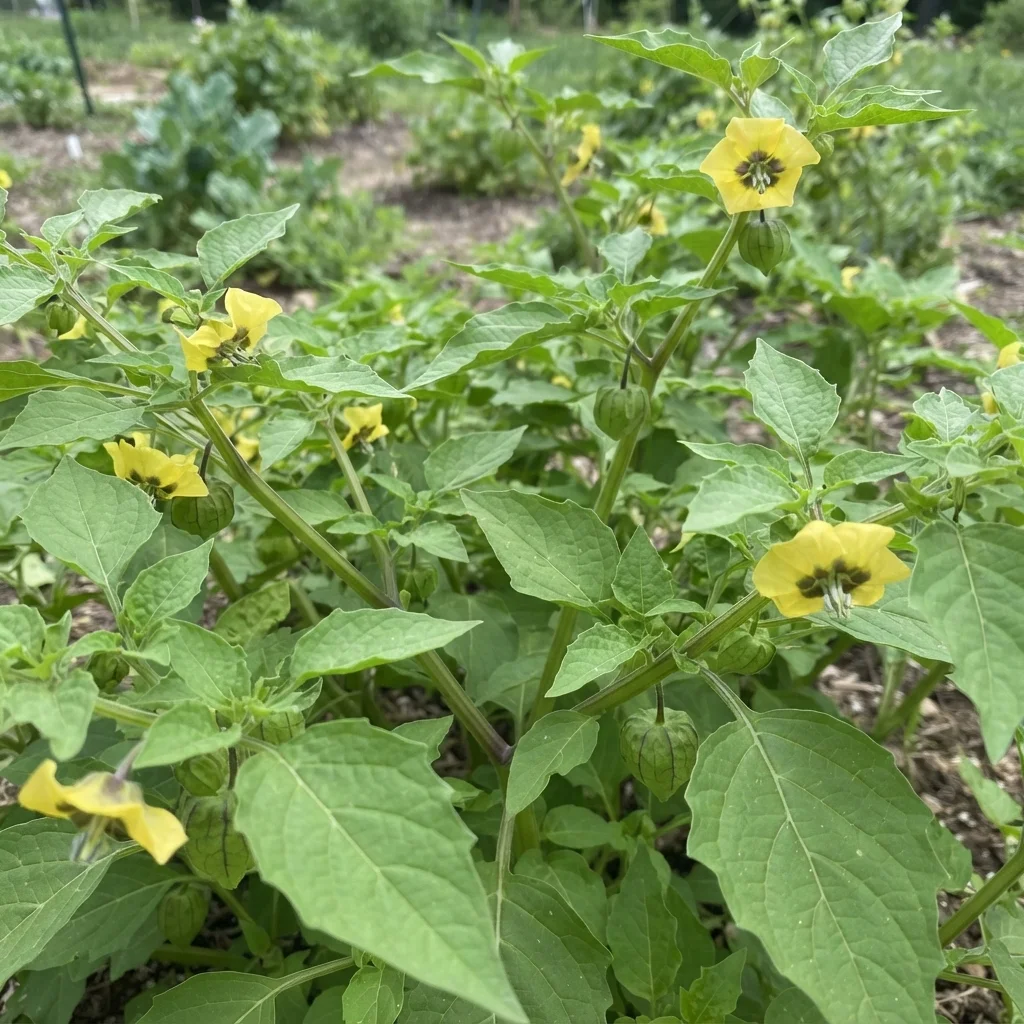
Tomatillo
Physalis philadelphica
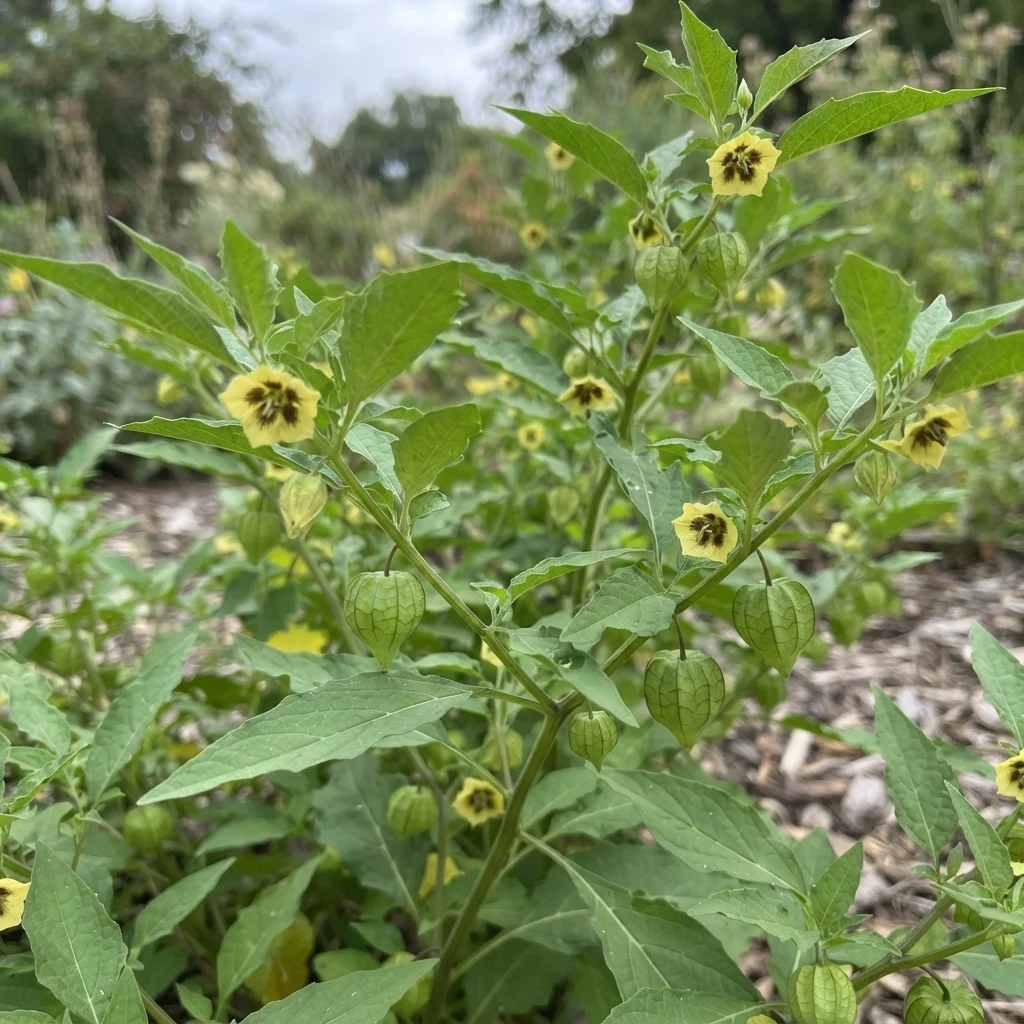
Common Groundcherry
Physalis longifolia
Keep exploring
Explore the genus
Hardy in your zone?
Grow Coastal Groundcherry with confidence
See it in a design of your actual yard, get zone-matched care reminders, and track it season by season in your garden journal.