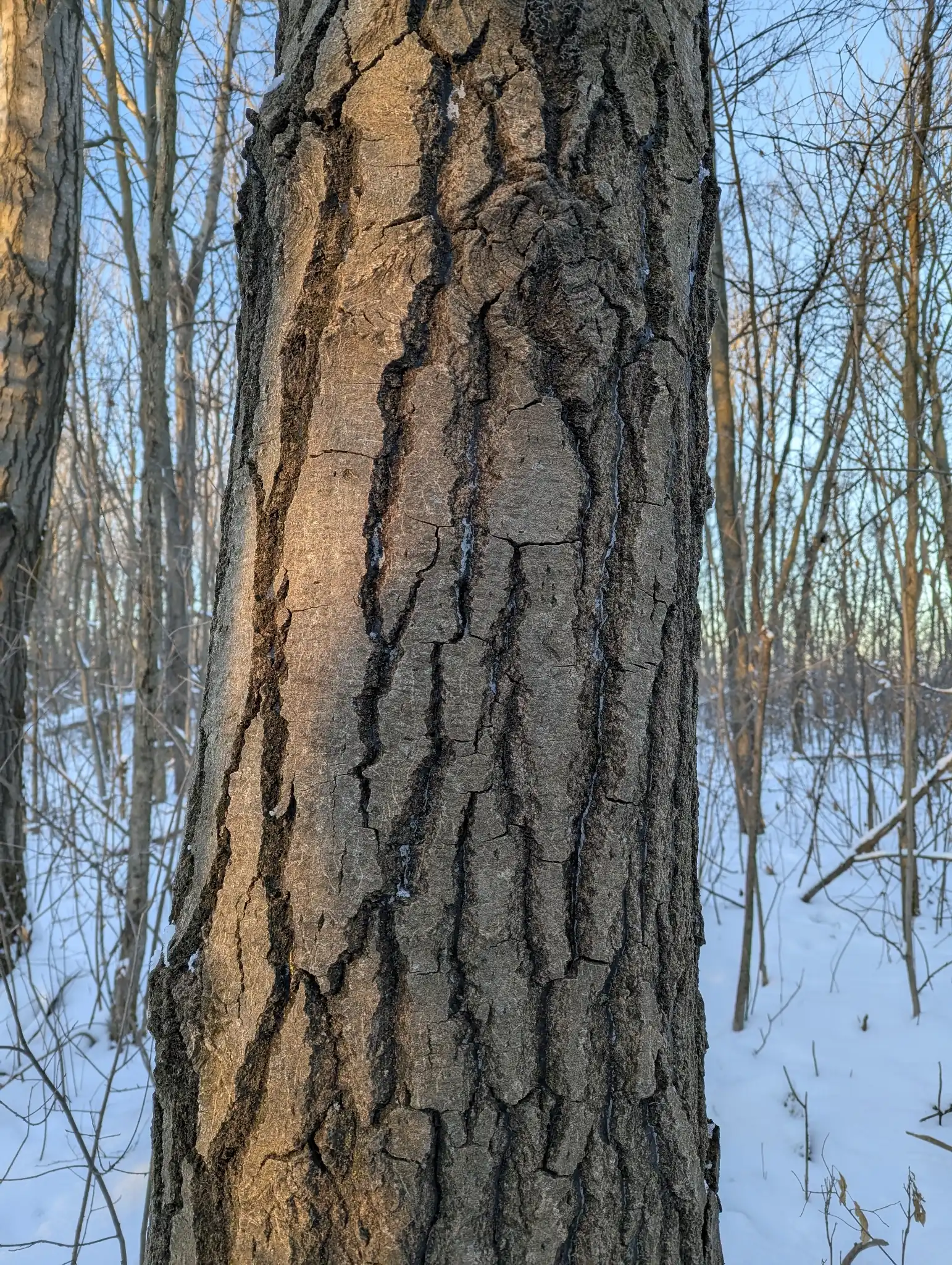
The Story
Plant Bio
Populus grandidentata is a fast-growing deciduous tree native to North America, developing a narrow, open crown and spreading via aggressive underground root suckers. Its broad foliage features broad, coarse teeth along the margins and flattened petioles that cause the leaves to flutter in light breezes.
Emerging light bronze-green and fuzzy in spring, the leaves mature to dull dark green before turning clear yellow in early fall. Wind-pollinated dioecious flowers emerge in early spring as drooping, grayish-green catkins prior to leaf flush.
Uses & Benefits:
Essentials
At a Glance
Plant Type
Tree
Height
1140"
Width
480"
Light
Full Sun
Zones
4, 5, 6
Water
Moderate
Humidity
High
Lifespan
Perennial
Native To
North America
Toxicity
Non-toxic
Bloom period
Early spring – Spring
In flower about 3 months of the year
Planting
How to Grow
- Select a site in full sun with moist, well-drained soil and adequate clearance for lateral root spread.
- Dig a planting hole twice as wide as the root mass and equal in depth, keeping the stem collar flush with surrounding soil.
- Backfill with native soil, firm gently to remove air pockets, and water thoroughly at planting.
- Apply a 2- to 3-inch layer of organic mulch around the root zone, keeping mulch off the trunk bark.
- Mow or cut emerging root suckers at ground level to control spread beyond the primary trunk.
Pro Tip
Avoid planting within reach of foundations, septic lines, or manicured beds, as the lateral roots send up persistent sucker shoots across the landscape.
Keep It Thriving
Care Guide
Do
- Prune strictly during late winter dormancy to avoid excessive sap bleeding.
- Maintain full sun conditions to keep the open canopy vigorous.
- Cut unwanted root suckers flush to the ground to contain unwanted clonal expansion.
Don't
- Do not prune during spring or early summer when active sap flow causes heavy bleeding.
- Do not plant near underground utilities, septic systems, or building foundations.
- Do not stub main branches or prune into old wood lacking active buds.
Seasonal Care Calendar
| Task | Jan | Feb | Mar | Apr | May | Jun | Jul | Aug | Sep | Oct | Nov | Dec |
|---|---|---|---|---|---|---|---|---|---|---|---|---|
| Mulch | ||||||||||||
| Pest Check | ||||||||||||
| Prune | ||||||||||||
| Spring Cleanup |
Watch Out For
Pests & Diseases
Common Pests
Common Diseases
In the Garden
Landscape Uses & Companions
Landscape Uses
Companion Plants
Multiply
Propagation Methods
Good to Know
Common Questions
Bigtooth Aspen questions
What zones can Bigtooth Aspen grow in?
Bigtooth Aspen is hardy in USDA Zones 4–6: in that range it survives winter in the ground. Warmer than Zone 6, winter isn't the problem: it prefers colder winters, and summer heat can shorten its life.
Is Bigtooth Aspen deer resistant?
Not reliably. Deer may browse Bigtooth Aspen, especially tender spring growth — plan on repellents or fencing where pressure is high.
When does Bigtooth Aspen bloom?
Bigtooth Aspen typically blooms in spring. Exact timing shifts a week or two with your zone — Sow's bloom calendar maps it to your garden.
Does Bigtooth Aspen need full sun?
Bigtooth Aspen does best in full sun (6+ hours).
Is Bigtooth Aspen drought tolerant?
Yes — once established (usually after the first full season), Bigtooth Aspen handles dry spells with minimal watering. Water deeply its first year to build the root system that makes that possible.
More Populus to compare
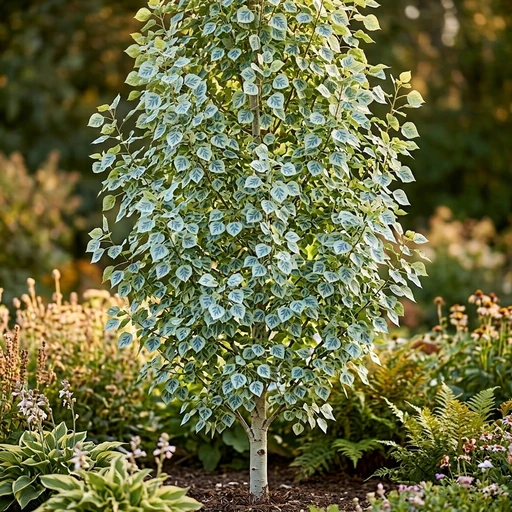
Summer Shimmer Aspen
Populus tremuloides 'Klaus Select'
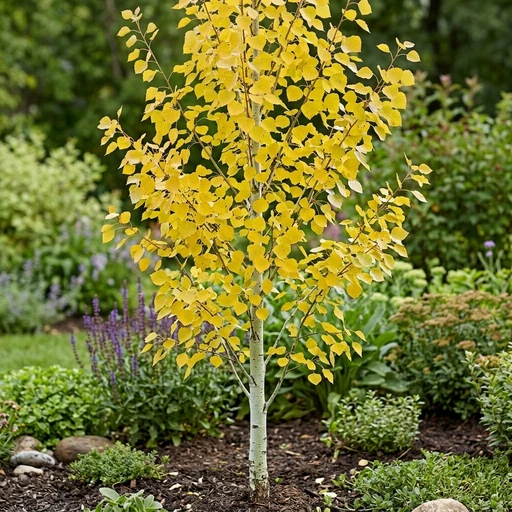
Prairie Gold Quaking Aspen
Populus tremuloides 'Prairie Gold'
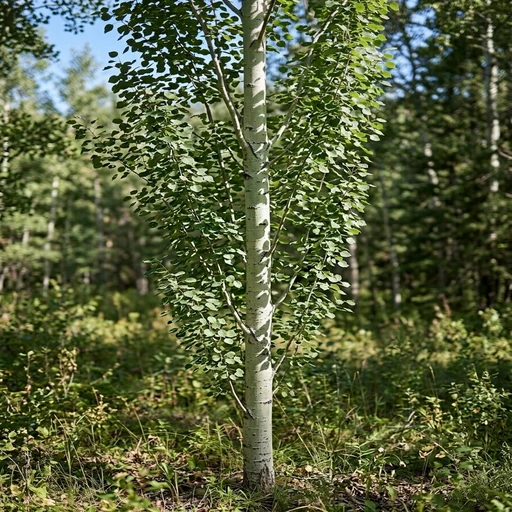
Mountain Sentinel Aspen
Populus tremuloides 'Mountain Sentinel'
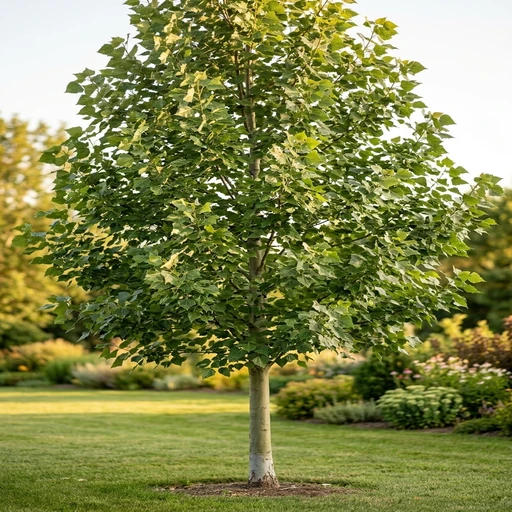
Siouxland Cottonless Poplar
Populus deltoides 'Siouxland'
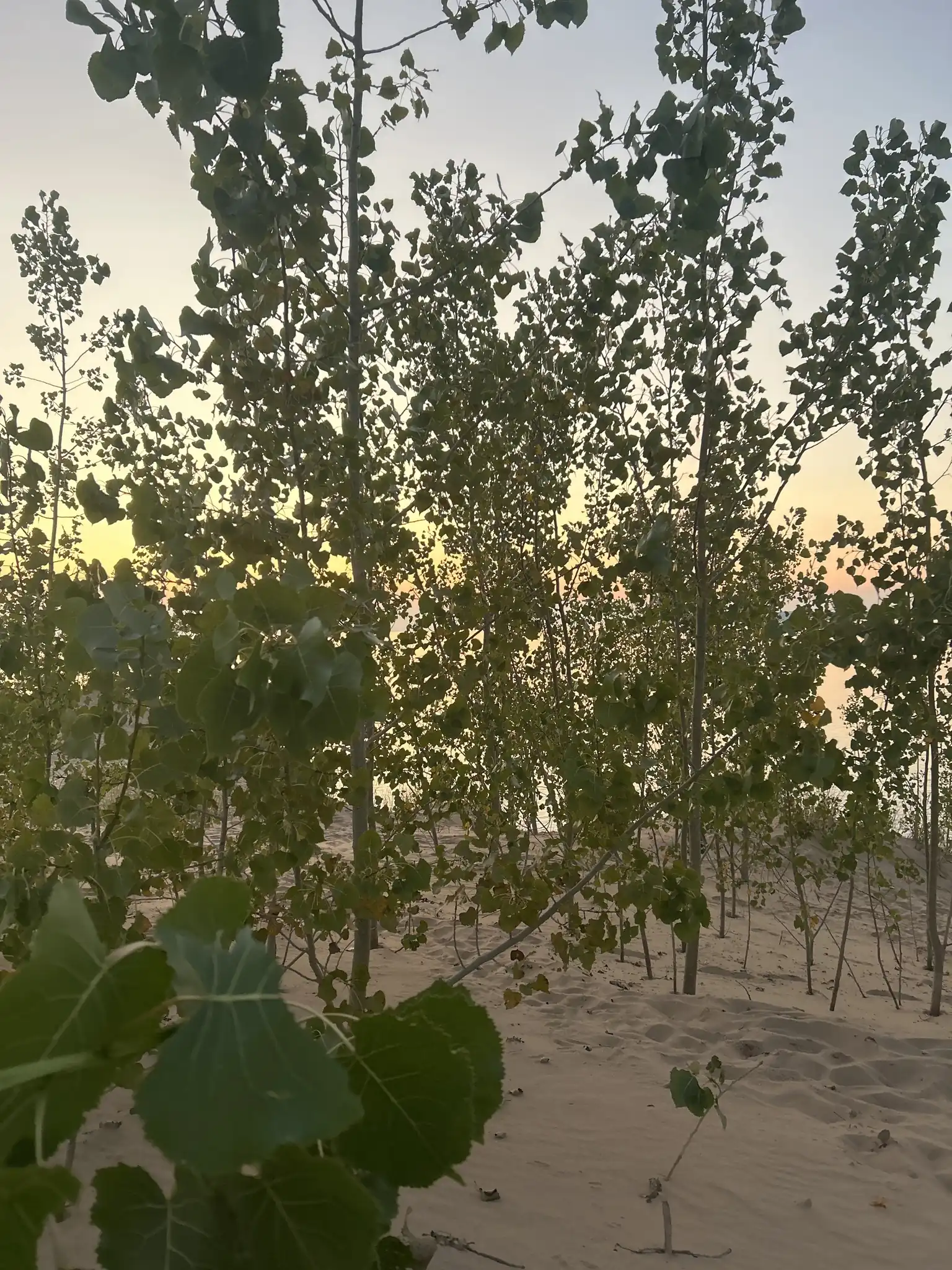
Eastern Cottonwood
Populus deltoides
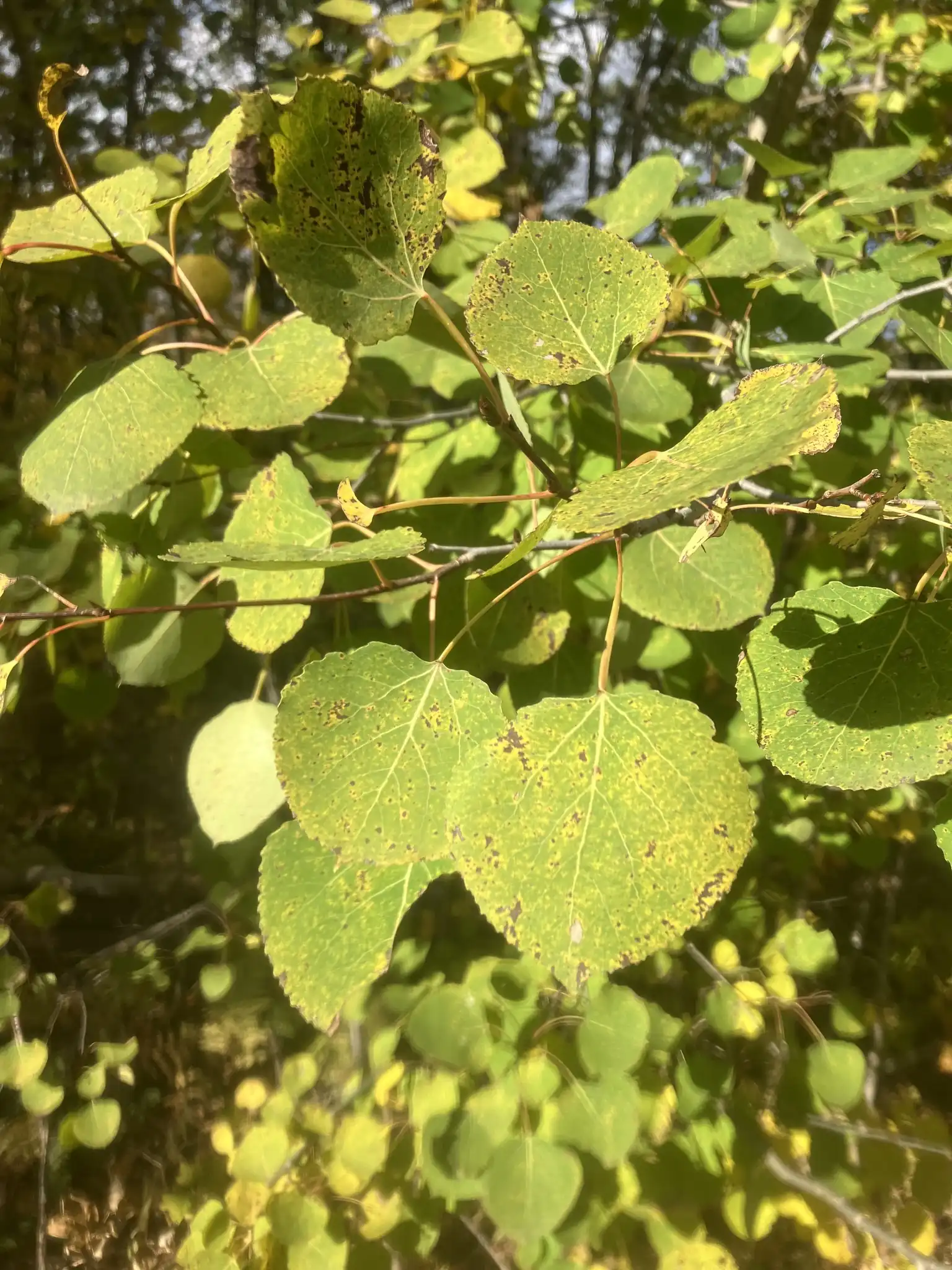
Quaking Aspen
Populus tremuloides
Keep exploring
Explore the genus
Hardy in your zone?
Grow Bigtooth Aspen with confidence
See it in a design of your actual yard, get zone-matched care reminders, and track it season by season in your garden journal.