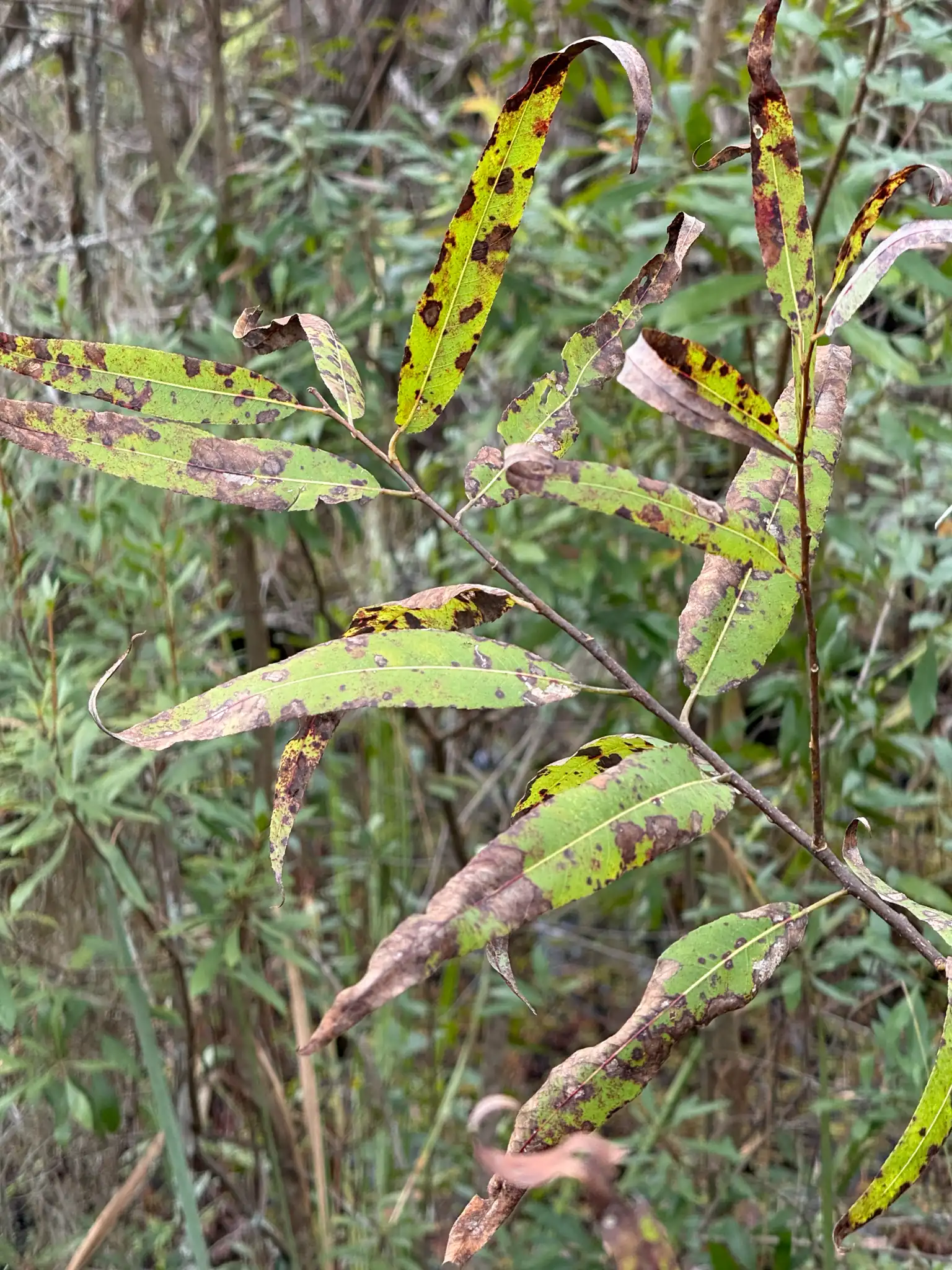
The Story
Plant Bio
Salix caroliniana is a fast-growing multi-stemmed deciduous shrub or small tree reaching 15 to 30 feet tall with a spreading open irregular crown and dense foliage. It roots readily in saturated ground along stream banks, swamps, floodplains and marshes, where seasonal flooding and calcareous alluvium shape its suckering thicket-forming habit.
Unlike upland willows, this southeastern species is an obligate wetland plant that tolerates shallow standing water and coastal interdune ponds from sea level to 2000 feet. Male and female flowers grow on separate plants as slender narrow cylindrical catkins under one inch long, opening yellow-green before the leaves from late winter into spring.
Uses & Benefits:
Essentials
At a Glance
Plant Type
Shrub
Height
300"
Width
300"
Light
Full Sun, Partial Sun
Zones
6, 7, 8, 9, 10
Water
High
Humidity
High
Lifespan
Woody perennial, decades with wet feet
Native To
Southeastern and central-eastern USA to NE Mexico, Guatemala and Cuba
Toxicity
None known - leaves contain salicin
Bloom period
Late winter – Late spring
In flower about 4 months of the year
Planting
How to Grow
- Plant dormant stock at the margin of a pond, swale or stream where roots stay wet year-round, with the crown at soil level.
- Dig a wide shallow hole in saturated alluvial soil, backfill with native soil and water deeply to settle out air pockets.
- Spread 3 inches of bark mulch in a wide ring pulled 3 inches back from stems, and rewet during dry spells in the first year.
- Stake only if current or wind rocks the plant; remove ties after one season.
- Prune after flowering to remove crossing, broken or inward-growing stems and to hold a single open framework if space is tight.
Pro Tip
Do not plant it as a set-and-forget native beside a pond or ditch; with extra nutrients, altered water levels and no fire it seeds and layers into a monospecific thicket that shades out marsh plants.
Keep It Thriving
Care Guide
Do
- Keep roots consistently wet; site it where standing water or a high water table persists.
- Give it full sun and room to spread 20 to 30 feet wide.
- Leave early catkins for bees and check foliage for sawfly feeding in early summer.
Don't
- Do not plant in dry beds or upland borders; drought stress leads to dieback.
- Do not plant near septic lines, drains or foundations where water-seeking roots cause damage.
- Do not cut mature stems back to bare leafless stubs; regrowth is slow and patchy.
Seasonal Care Calendar
| Task | Jan | Feb | Mar | Apr | May | Jun | Jul | Aug | Sep | Oct | Nov | Dec |
|---|---|---|---|---|---|---|---|---|---|---|---|---|
| Mulch | ||||||||||||
| Pest Check | ||||||||||||
| Plant | ||||||||||||
| Propagate | ||||||||||||
| Prune |
Watch Out For
Pests & Diseases
Common Pests
Common Diseases
In the Garden
Landscape Uses & Companions
Landscape Uses
Multiply
Propagation Methods
Good to Know
Common Questions
Coastal Plain Willow questions
What zones can Coastal Plain Willow grow in?
Coastal Plain Willow is hardy in USDA Zones 6–10: in that range it survives winter in the ground. Colder than Zone 6, grow it in a container you can move to shelter for the winter.
Is Coastal Plain Willow deer resistant?
Not reliably. Deer may browse Coastal Plain Willow, especially tender spring growth — plan on repellents or fencing where pressure is high.
When does Coastal Plain Willow bloom?
Coastal Plain Willow typically blooms from late winter to late spring. Exact timing shifts a week or two with your zone — Sow's bloom calendar maps it to your garden.
Does Coastal Plain Willow need full sun?
Coastal Plain Willow does best in full sun to part shade. In hot climates, afternoon shade keeps blooms fresher longer.
More Salix to compare
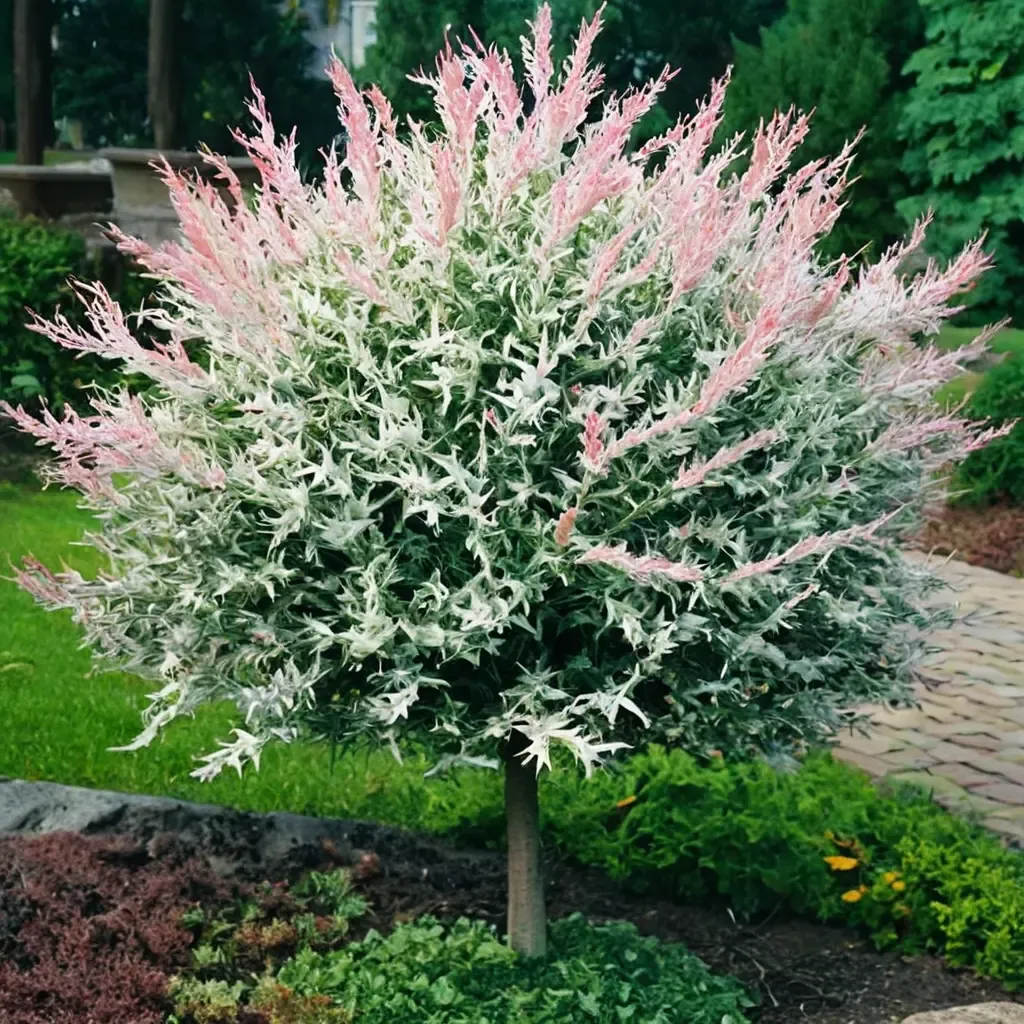
Hakuro-nishiki Dappled Willow
Salix integra 'Hakuro-nishiki'
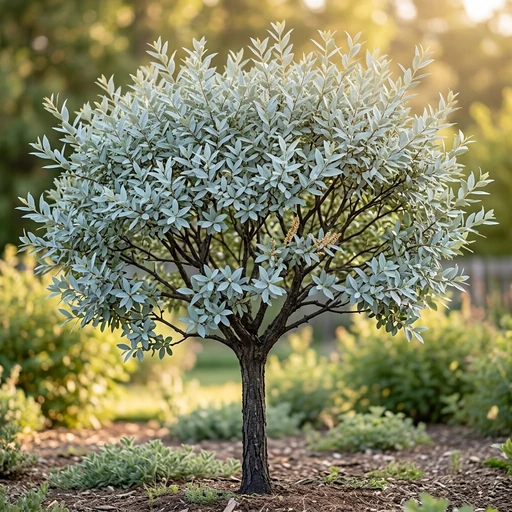
Black Willow
Salix nigra
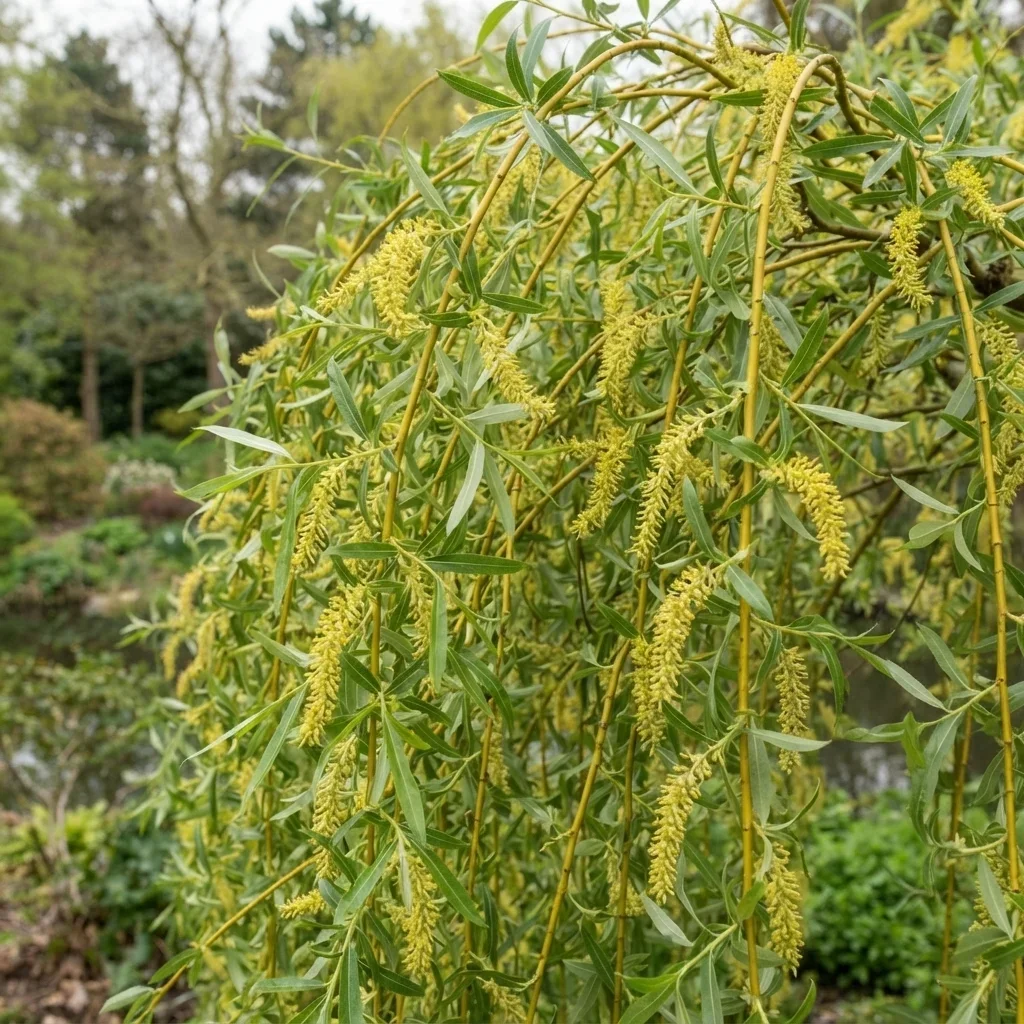
Weeping Willow
Salix x sepulcralis 'Mix'
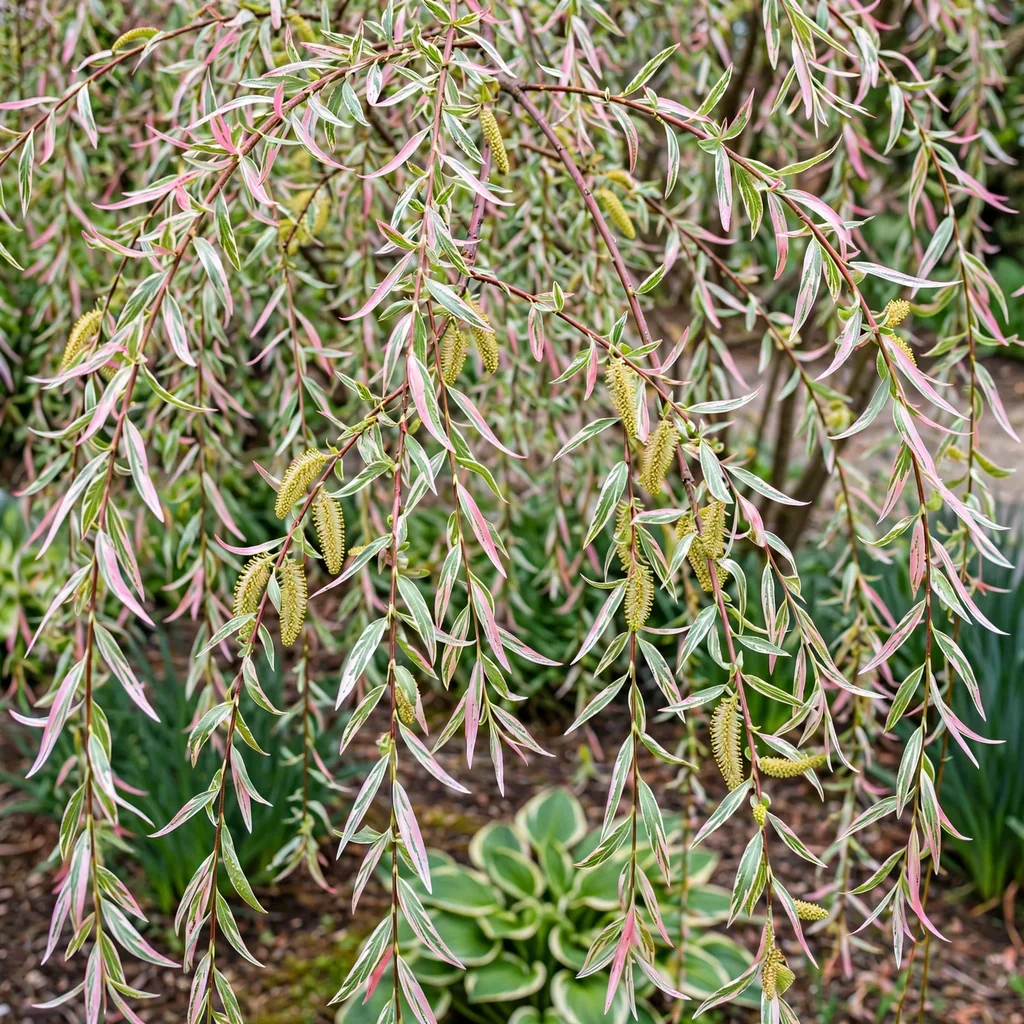
Flamingo Dappled Willow
Salix integra 'Flamingo'
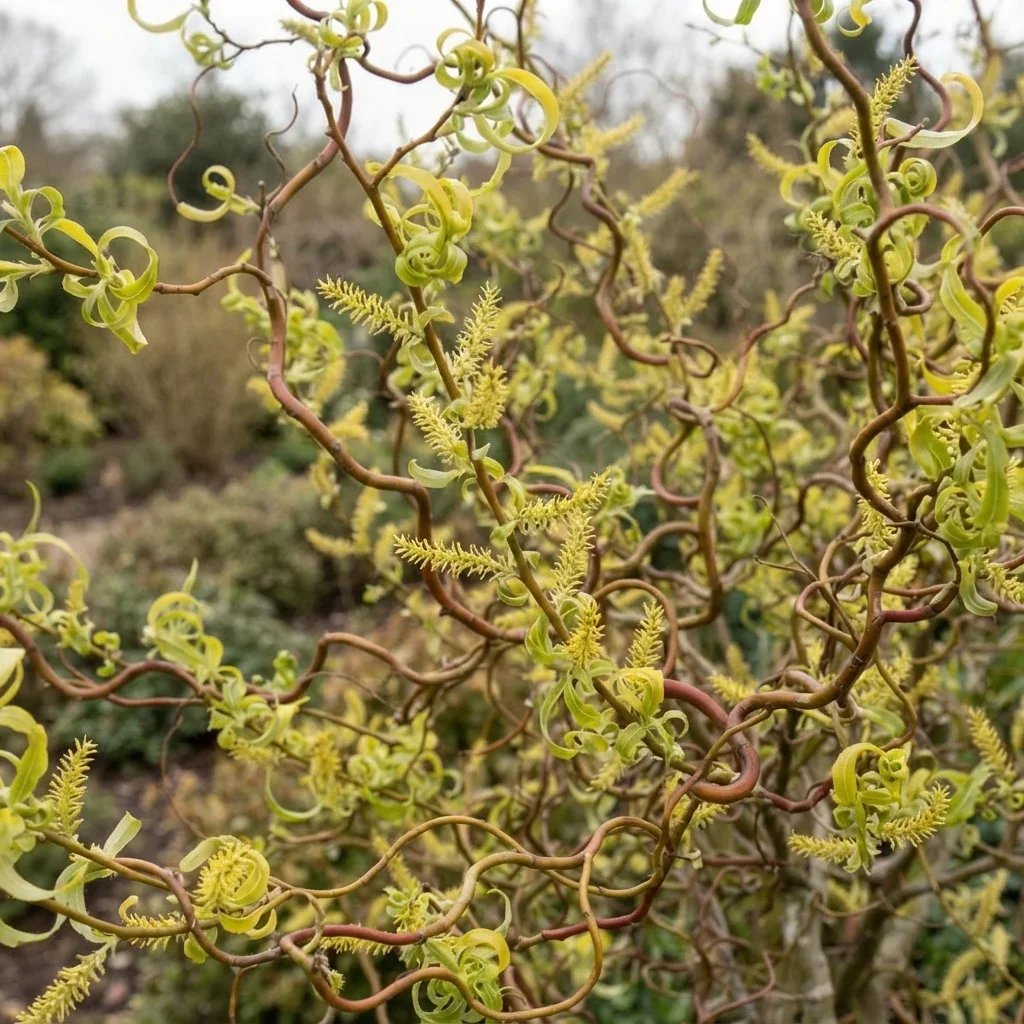
Corkscrew Willow 'Tortuosa'
Salix babylonica 'Tortuosa'
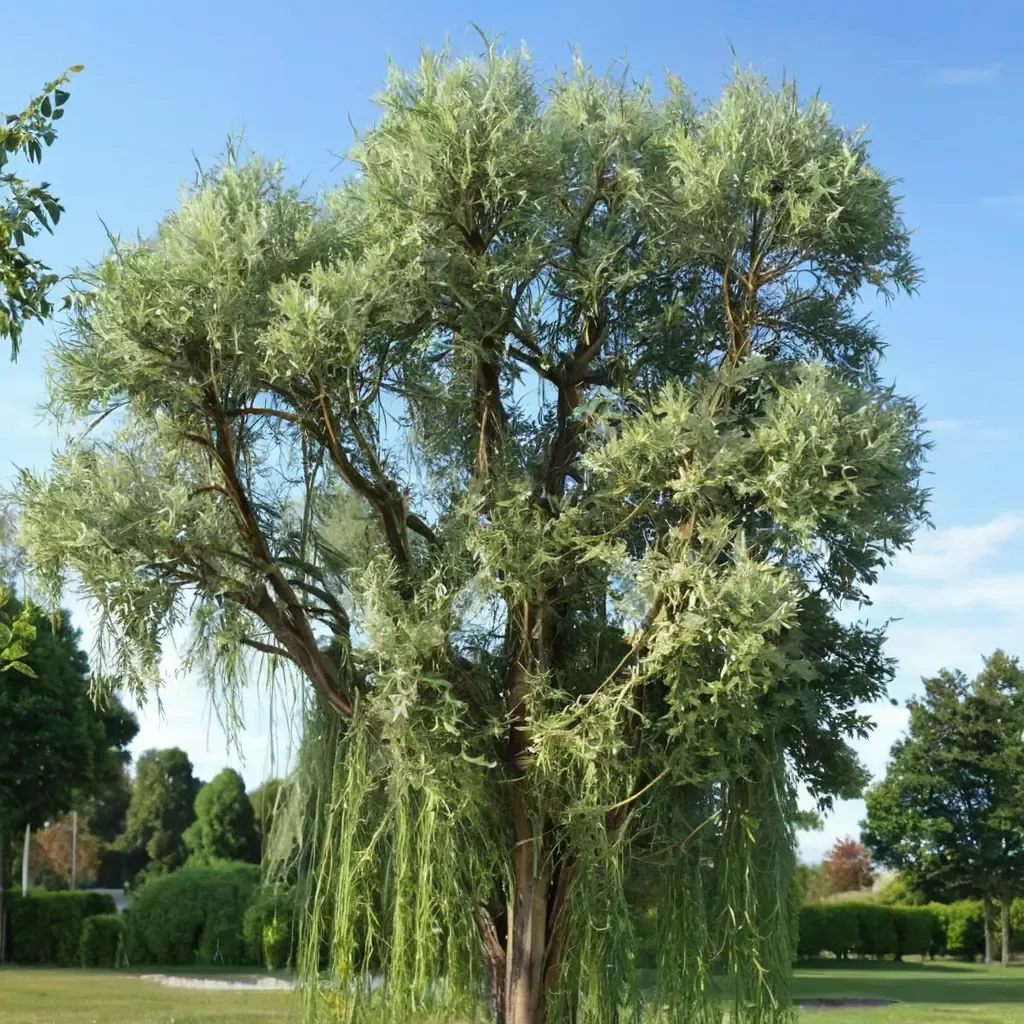
White Willow
Salix alba
Keep exploring
Explore the genus
Hardy in your zone?
Grow Coastal Plain Willow with confidence
See it in a design of your actual yard, get zone-matched care reminders, and track it season by season in your garden journal.