Species

17 other cultivars
- ‘Vates Champion’Vates Champion Collard Greens
- ‘Richmond's Pride’Ornamental Kale
- ‘Darkibor’Darkibor Kale
- ‘Caraflex’Caraflex cabbage
- ‘Terek’Terek Kale
- ‘Veronica’Romanesco Cauliflower 'Veronica'
- ‘Pixie’Pixie Cabbage
- ‘Mix’Ornamental Kale Mix
- ‘Snow Crown’Snow Crown Cauliflower
- ‘Dinosaur’Dinosaur Lacinato Kale
- ‘Fioretto’Fioretto Sprouting Cauliflower
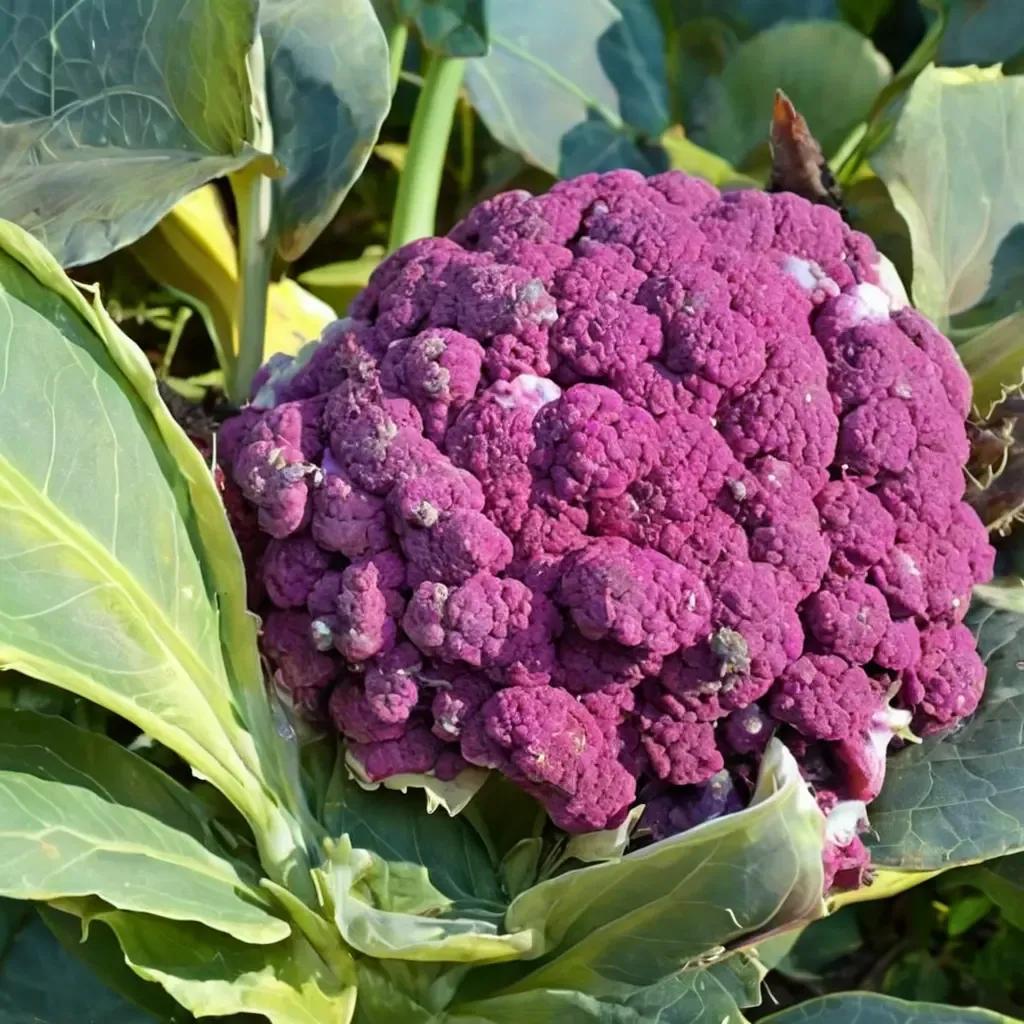
- ‘Graffiti’Purple Cauliflower
- ‘Ruby Ball’Ruby Ball Cabbage
- ‘Red Russian’Red Russian Kale
- ‘italica’Broccoli
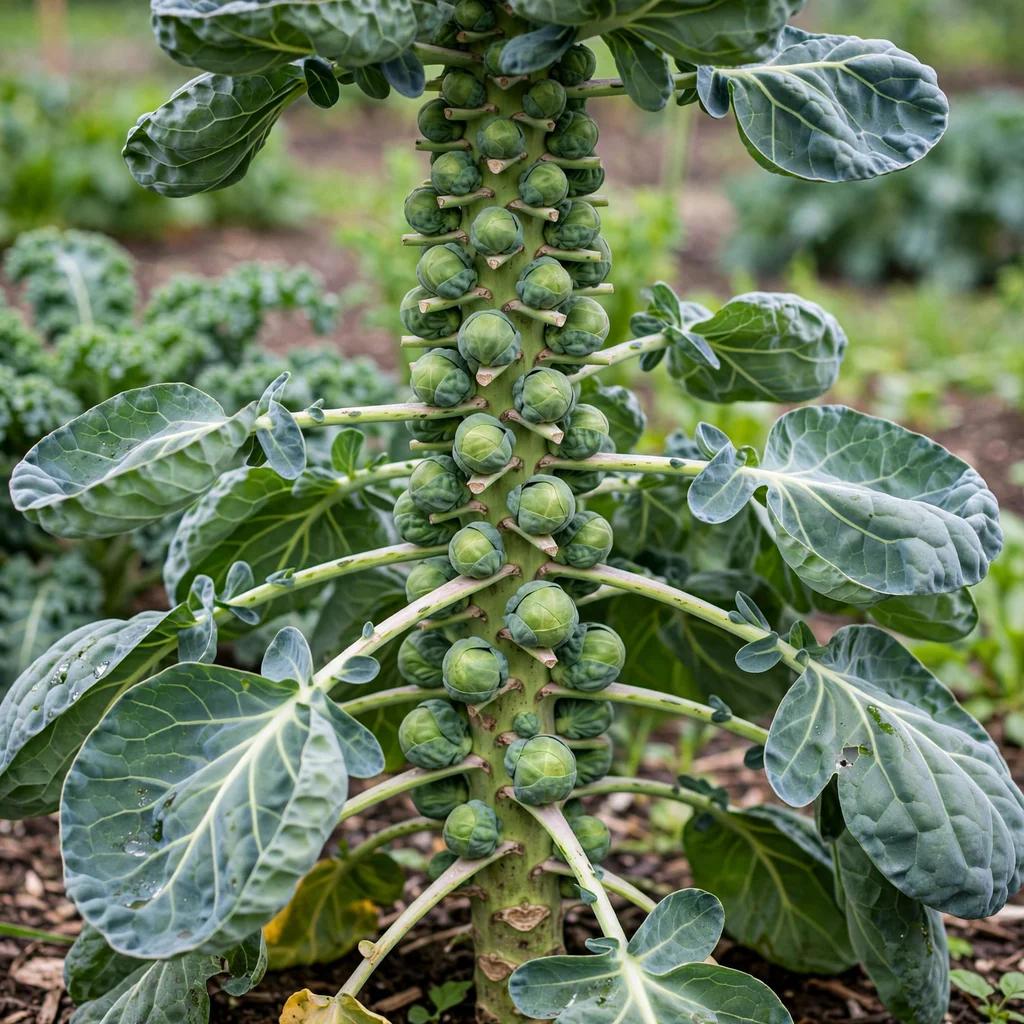
- ‘Long Island Improved’Long Island Improved Brussels Sprouts
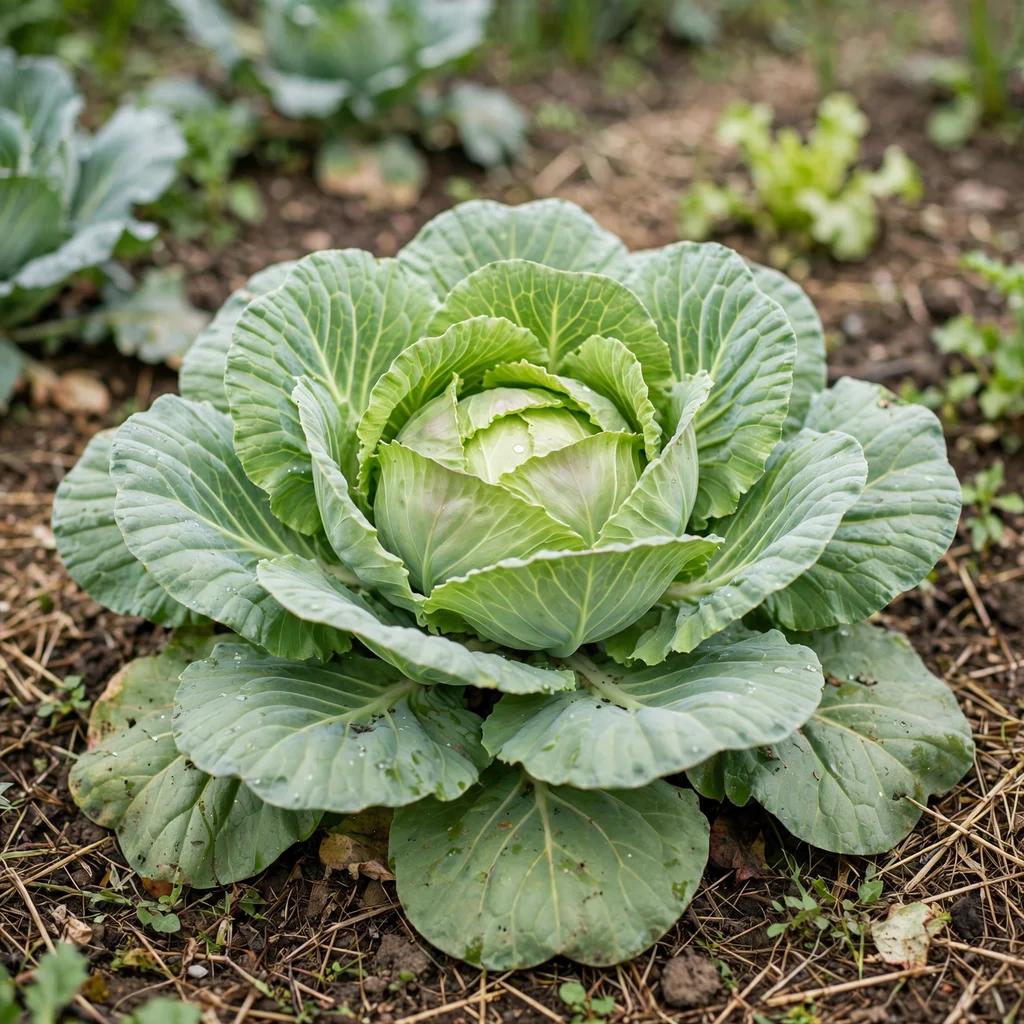
- ‘Golden Acre’Golden Acre Cabbage




The Story
Plant Bio
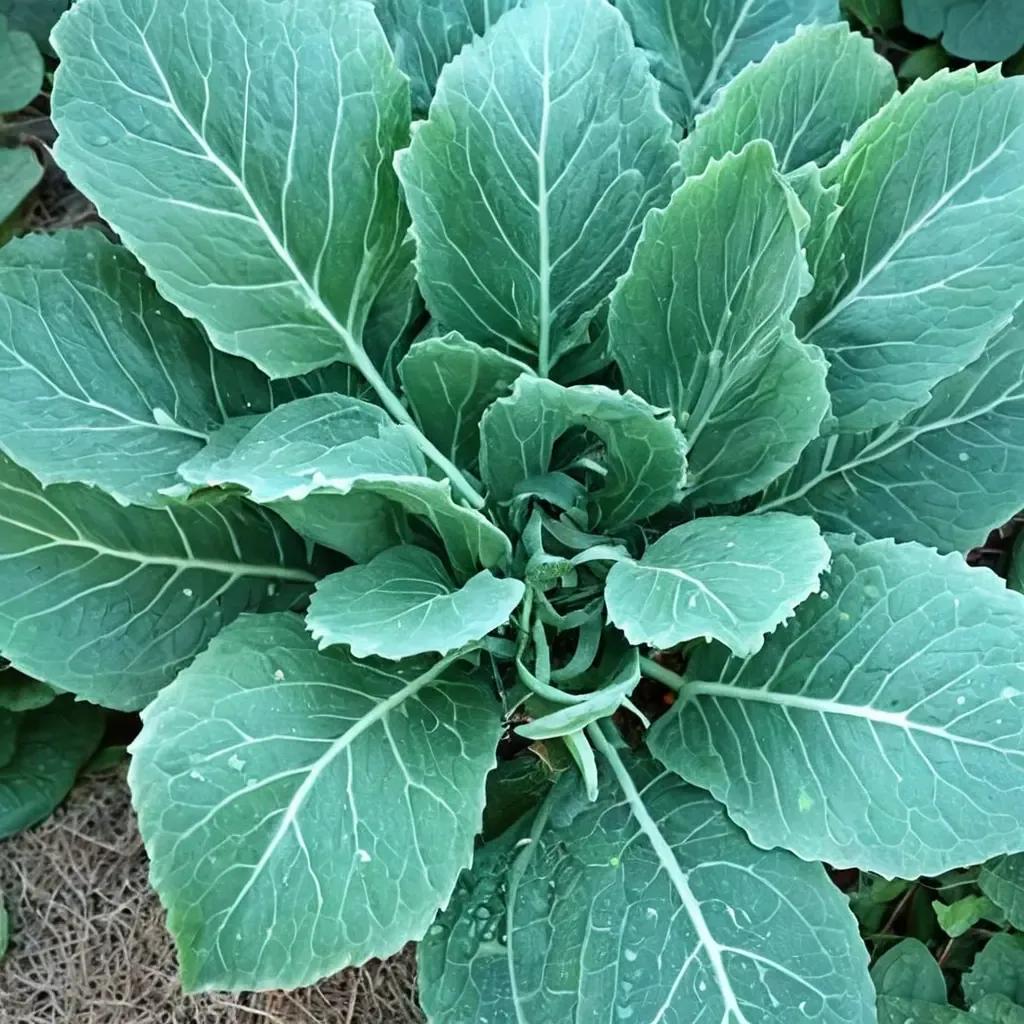
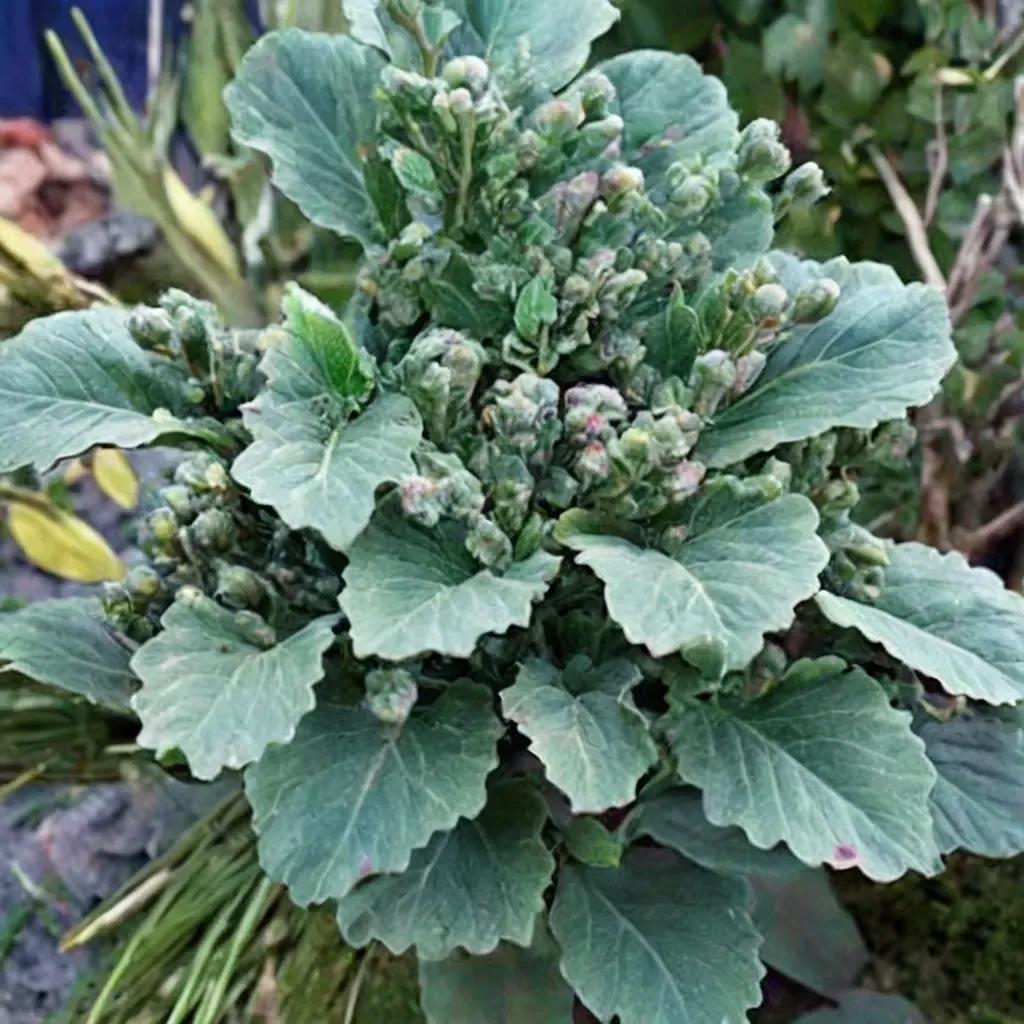
Brassica oleracea is a biennial vegetable grown as an annual, forming a rosette of thick leaves on a short central stem the first year and a branched stalk of yellow four-petaled flowers the second. The wild plant lives on maritime cliffs and slopes of Europe, and cabbages, collards and kales are selections that hold their leaves low instead of heading.
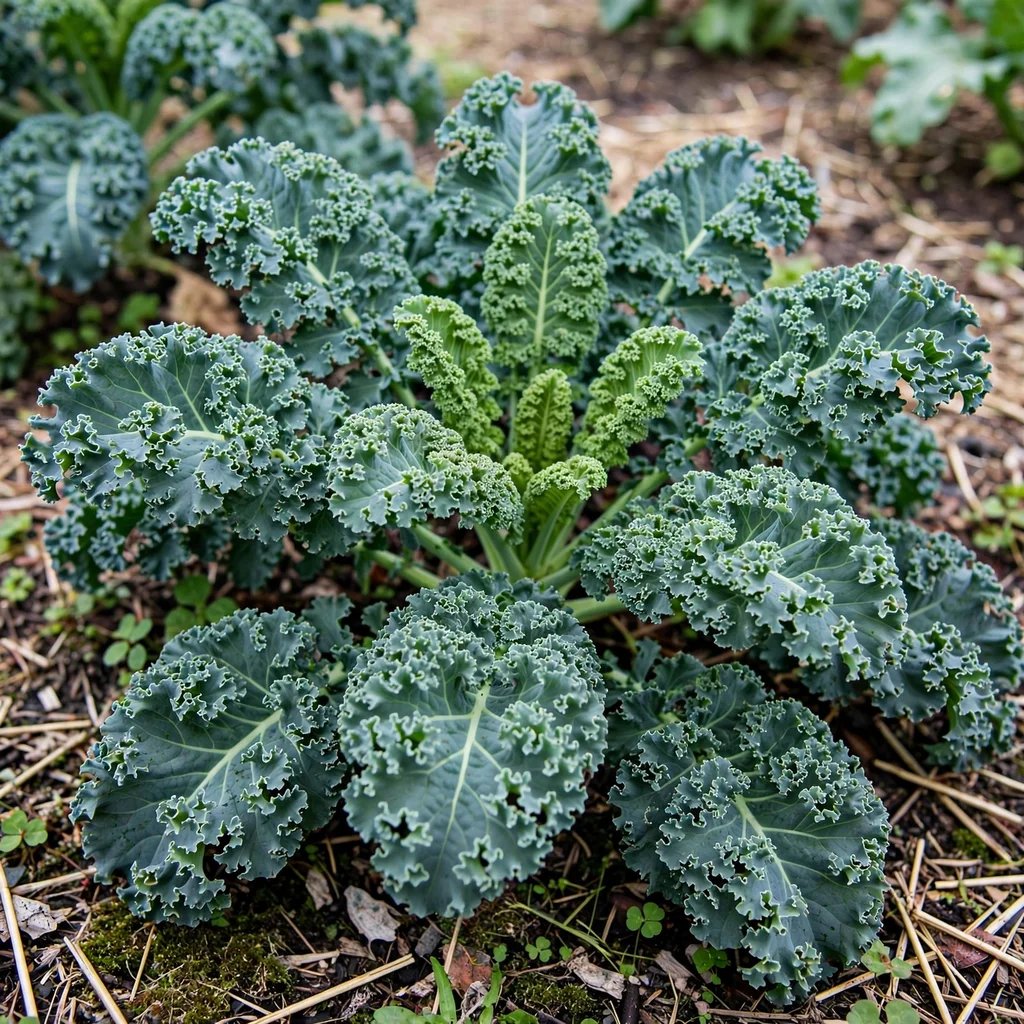
'Dwarf Blue Curled' is a low compact Scotch-type kale reaching 12 to 15 inches tall and 24 to 30 inches wide, with finely curled plume-like blue-green leaves. It stands well in the garden through hard frost, which sweetens the flavor and leaves the color unchanged, and is harvested leaf by leaf before it ever bolts.
Uses & Benefits:
Essentials
At a Glance
Plant Type
Fruit Vegetable
Height
15"
Width
24"
Light
Full Sun
Zones
4, 5, 6, 7, 8, 9, 10
Water
Medium
Humidity
Unknown
Lifespan
Biennial grown as annual
Native To
Coastal Europe, species; garden selection
Toxicity
Non-toxic - edible
Bloom period
Late spring – Summer
In flower about 4 months of the year
Planting
How to Grow
- Sow 1/2 inch deep 1 inch apart in rows 24 inches apart after danger of hard frost, for a spring crop and again in late summer for a fall crop.
- Thin seedlings to 10 to 12 inches apart to give airflow and keep leaves dry.
- Keep soil evenly moist and fertile and mulch with straw to keep roots cool and moist.
- Pick outer lower leaves continuously once plants are established, and snip spring buds like broccoli to extend harvest.
- Rotate ground yearly and never follow with another Brassica in the same spot.
Pro Tip
Sow for cool fall harvest so hard frost sweetens the leaves, and keep insect netting on from transplant to prevent cabbageworm rather than spraying after.
Keep It Thriving
Care Guide
Do
- Mulch to hold cool moisture in the root zone
- Scout leaf undersides weekly for caterpillars and aphids
- Rotate out of Brassica ground for 1 to 2 years
Don't
- Do not sow for midsummer heat; wait for cool weather
- Do not overcrowd; tight spacing traps humidity and aphids
- Do not plant Brassica after Brassica in the same bed
Seasonal Care Calendar
| Task | Jan | Feb | Mar | Apr | May | Jun | Jul | Aug | Sep | Oct | Nov | Dec |
|---|---|---|---|---|---|---|---|---|---|---|---|---|
| Fertilize | ||||||||||||
| Harvest | ||||||||||||
| Mulch | ||||||||||||
| Pest Check | ||||||||||||
| Plant |
Watch Out For
Pests & Diseases
Common Pests
Common Diseases
In the Garden
Landscape Uses & Companions
Landscape Uses
Companion Plants
Multiply
Propagation Methods
Good to Know
Common Questions
Dwarf Blue Curled Kale questions
What zones can Dwarf Blue Curled Kale grow in?
Dwarf Blue Curled Kale is hardy in USDA Zones 4–10: in that range it survives winter in the ground.
Is Dwarf Blue Curled Kale deer resistant?
Not reliably. Deer may browse Dwarf Blue Curled Kale, especially tender spring growth — plan on repellents or fencing where pressure is high.
When does Dwarf Blue Curled Kale bloom?
Dwarf Blue Curled Kale typically blooms from late spring to late summer. Exact timing shifts a week or two with your zone — Sow's bloom calendar maps it to your garden.
Does Dwarf Blue Curled Kale need full sun?
Dwarf Blue Curled Kale does best in full sun (6+ hours).
More Brassica to compare
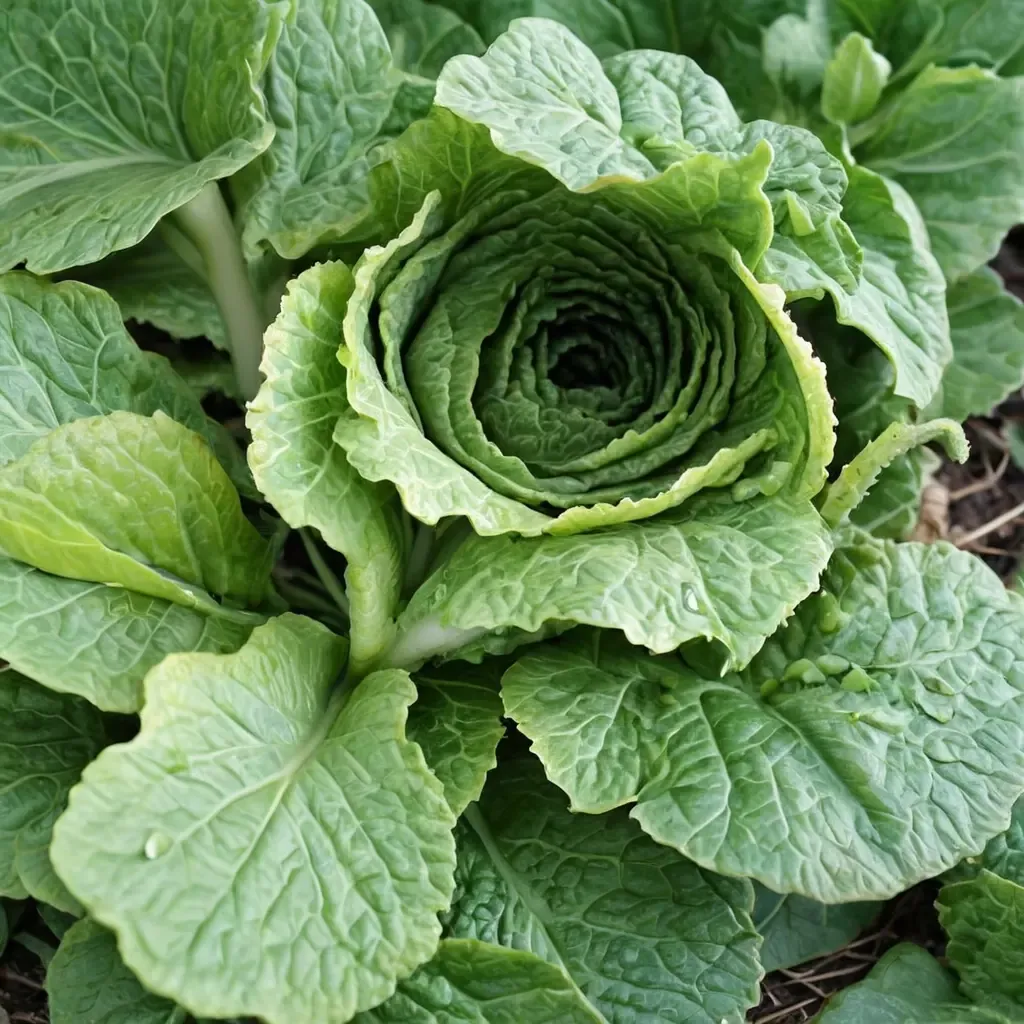
Chinese Cabbage
Brassica rapa 'Chinese Cabbage'
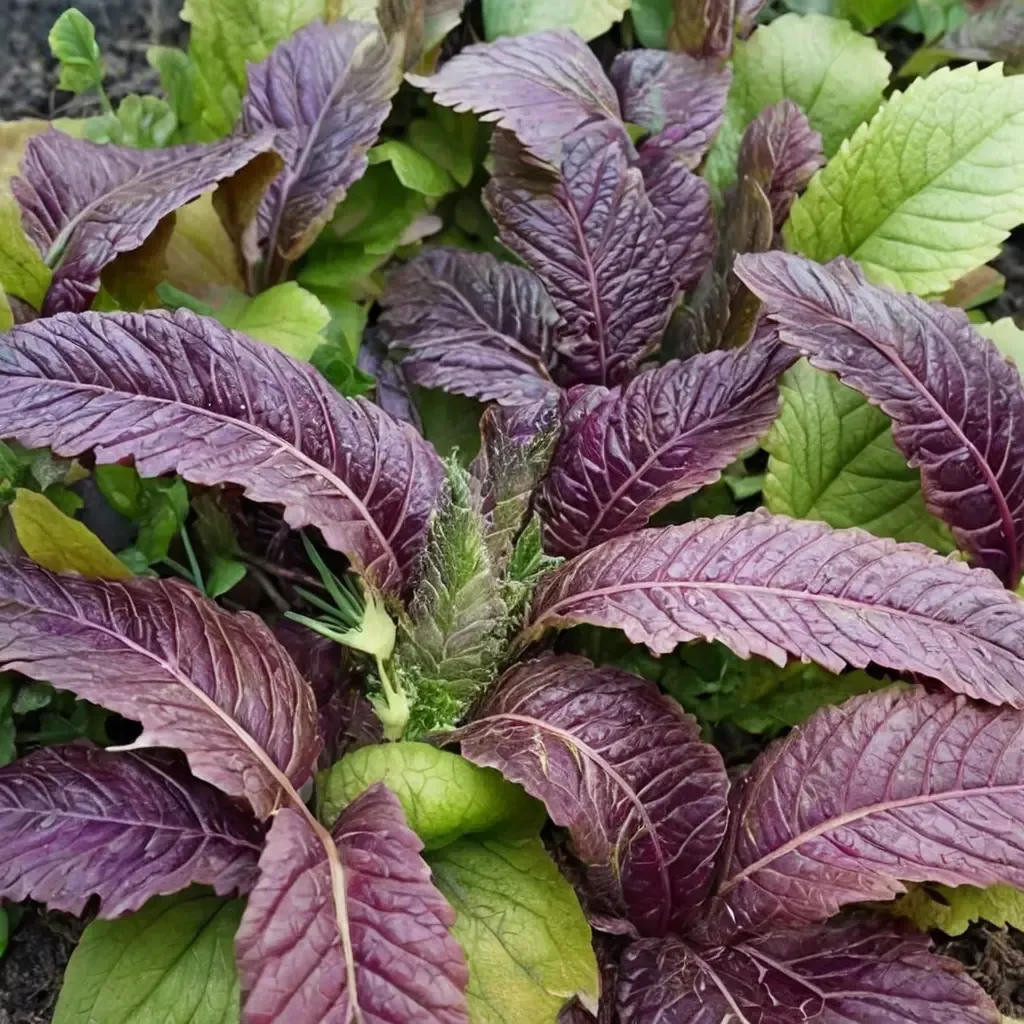
Osaka Purple Mustard
Brassica juncea 'Osaka Purple'
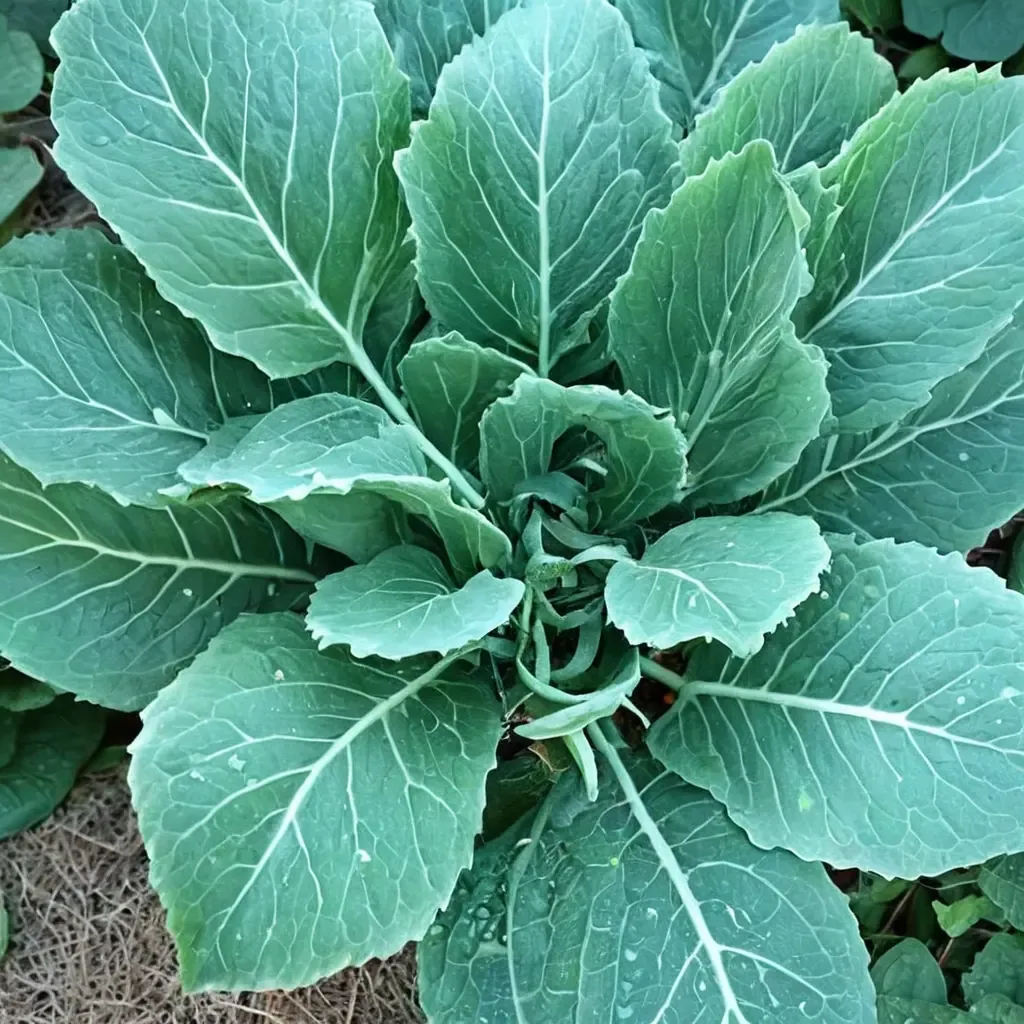
Vates Champion Collard Greens
Brassica oleracea 'Vates Champion'
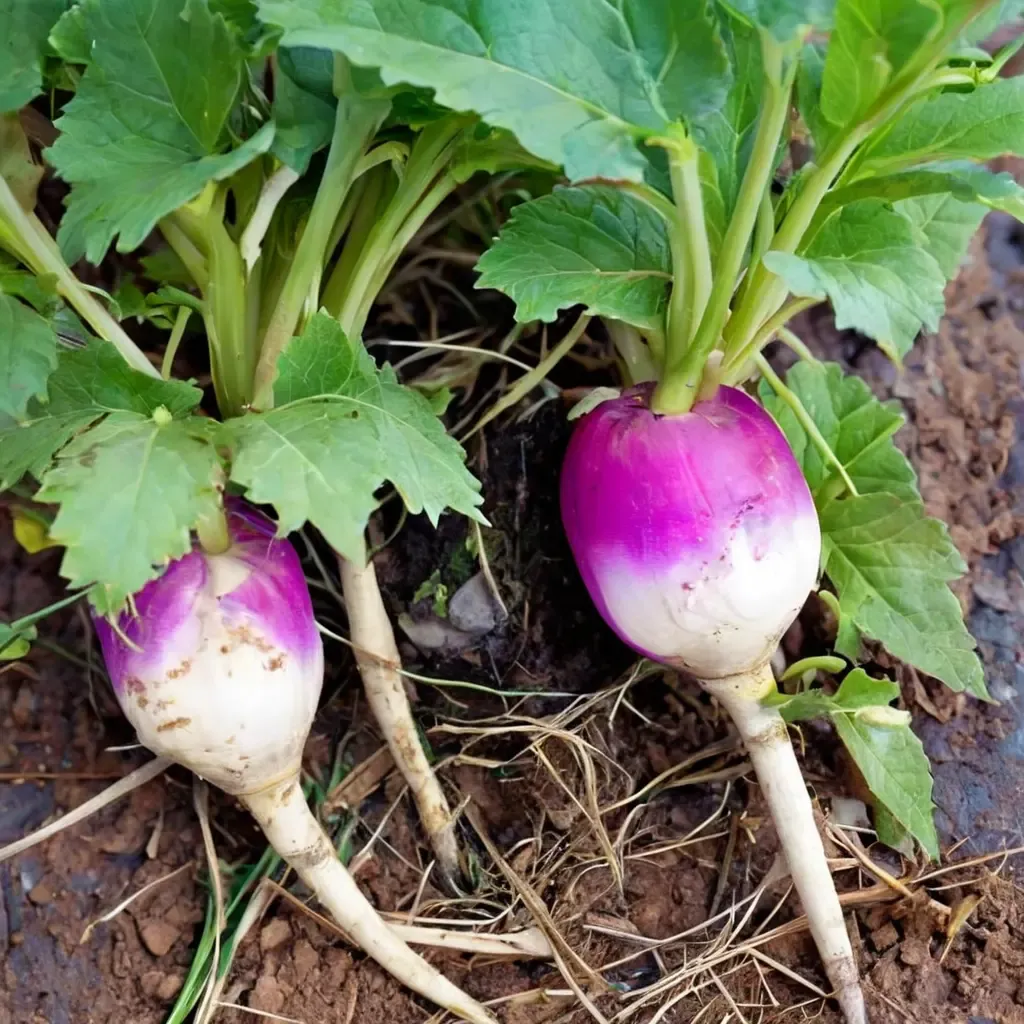
Purple Top Turnip
Brassica rapa 'Purple Top'
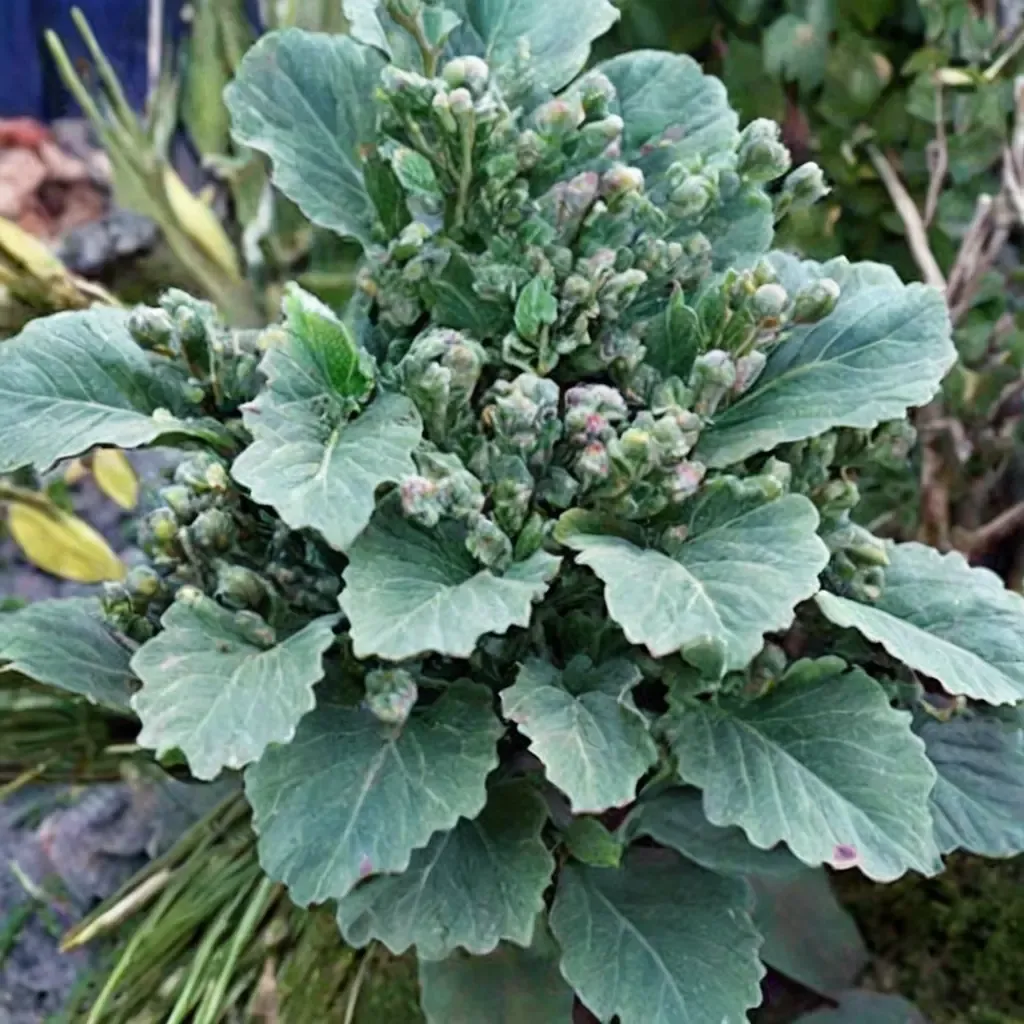
Ornamental Kale
Brassica oleracea 'Richmond's Pride'
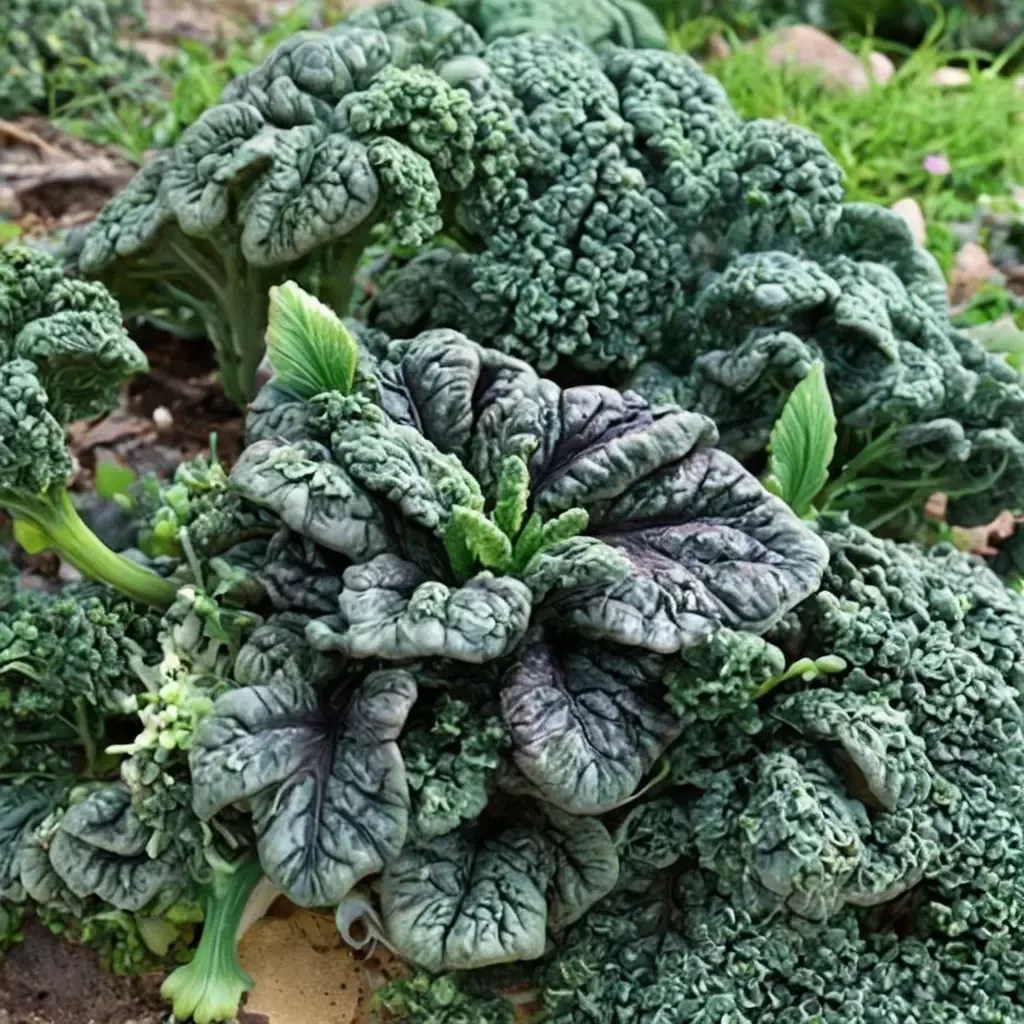
Darkibor Kale
Brassica oleracea 'Darkibor'
Keep exploring
Explore the genus
Grow Dwarf Blue Curled Kale with confidence
See it in a design of your actual yard, get zone-matched care reminders, and track it season by season in your garden journal.